
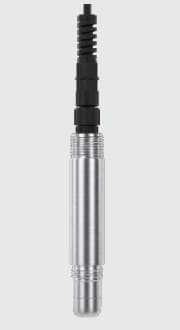
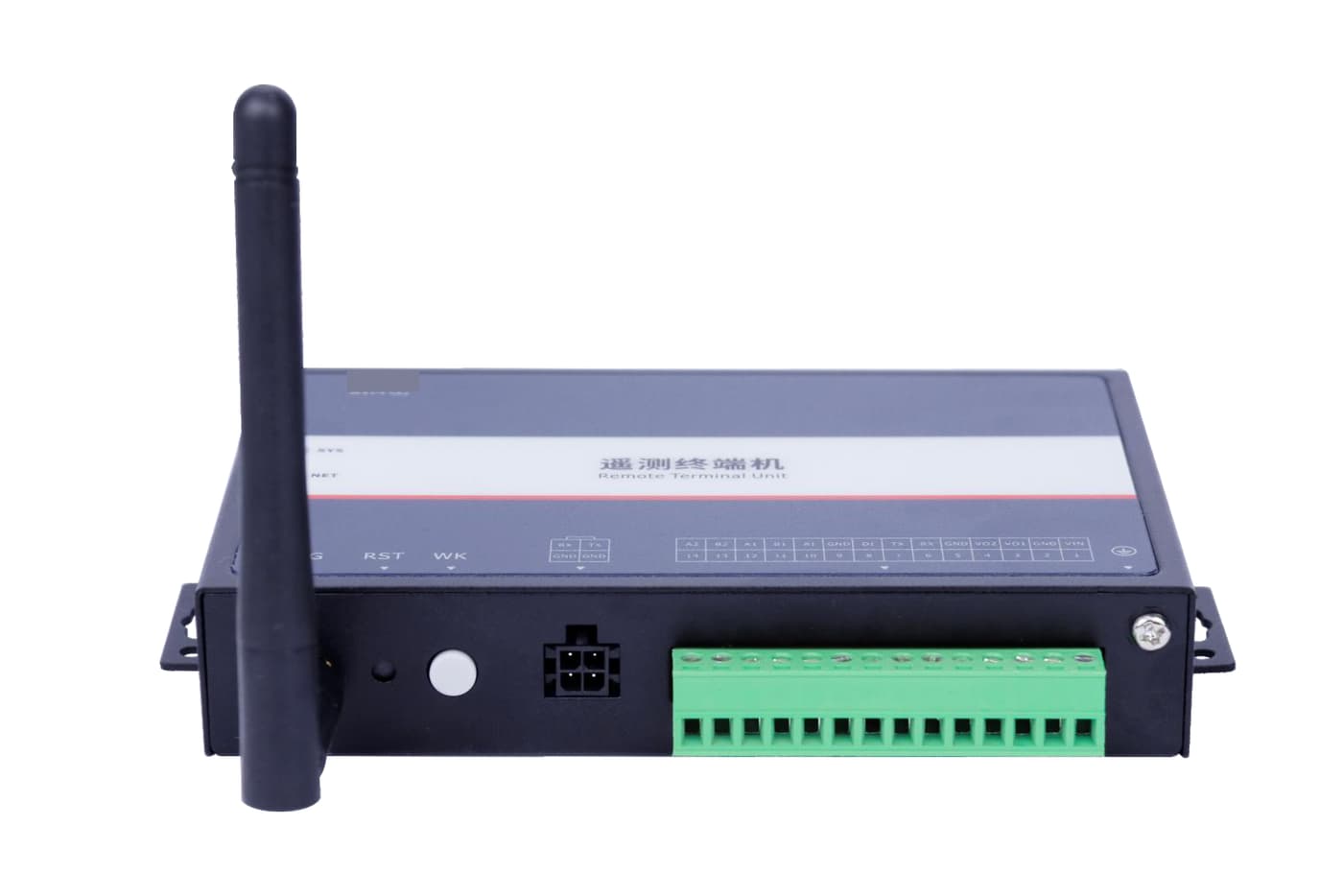
Farm data integration
MQTT gateway offline storage: what happens when 4G drops out?
Follow a reading from the sensor to the database, and check which part of that path survives a network outage or a restart.
Read the guideAgricultural equipment guides
Compare instruments for weather, irrigation, pumps and greenhouse conditions. Start with one sensor or plan the equipment, power and data connections for several farm points.
Choose the farm measurements, connect the instruments and size the power supply.
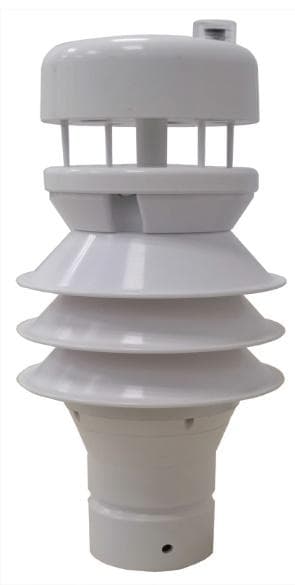
Choose weather measurements, sensor positions and records for a field, orchard or nursery. Compare a compact instrument with separate wind, air, rain, radiation and soil sensors.
Choose weather-station sensors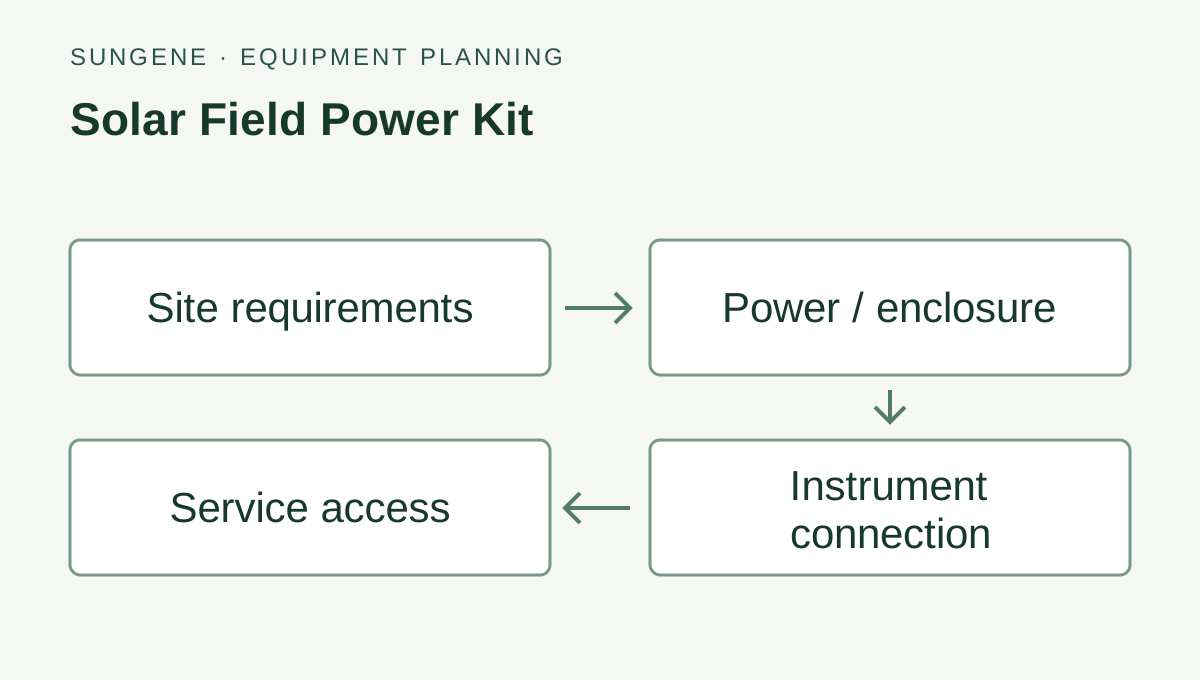
Estimate the complete weather station's daily energy, peak load and usable battery requirement before selecting a solar panel and charge controller.
Size solar and battery power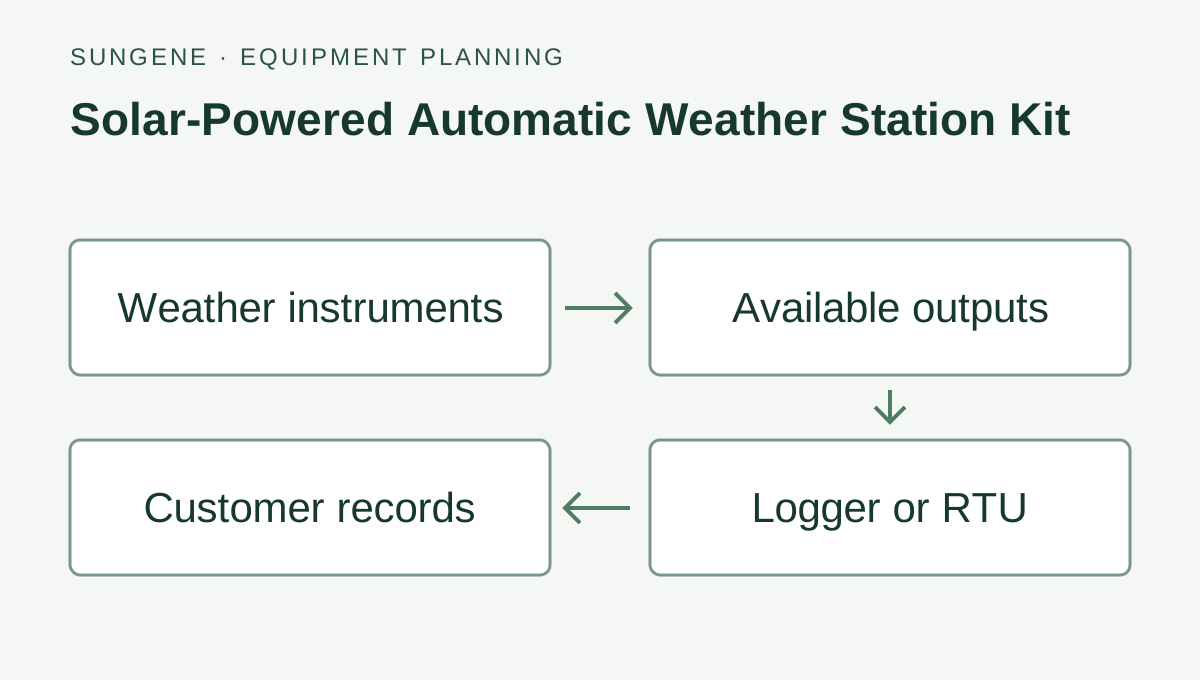
Plan readings, communication and power checks for remote farm stations. Connect field instruments and keep measurement records separate from battery and link status.
Plan a solar monitoring point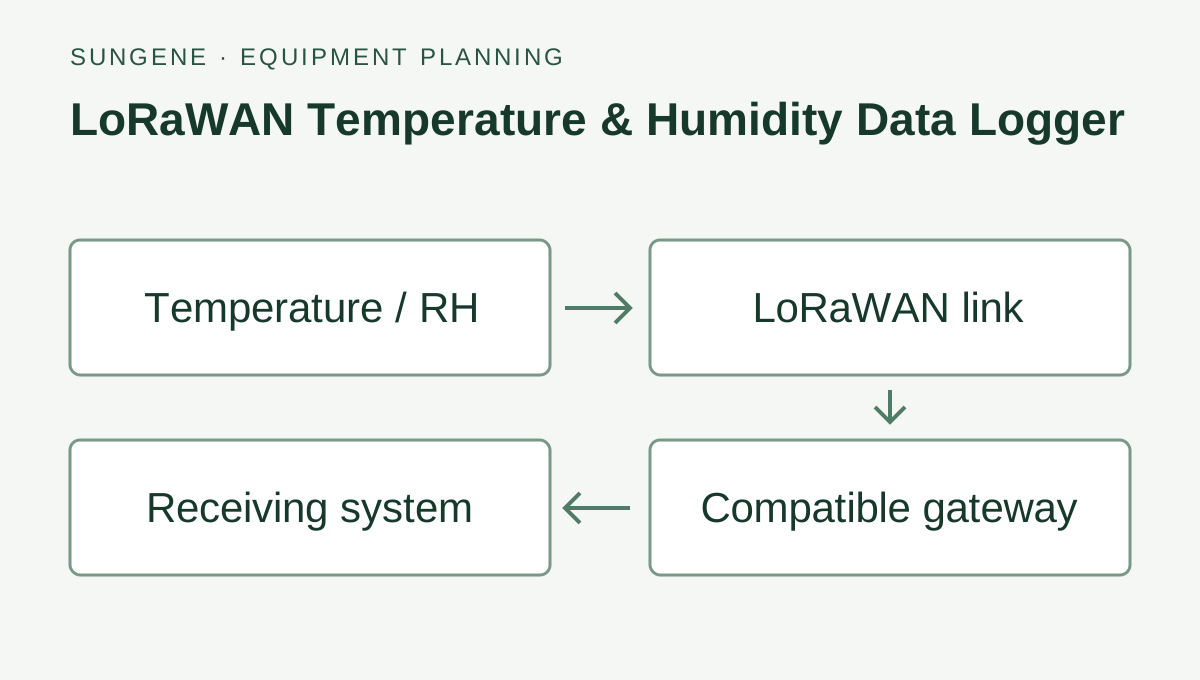
Connect greenhouse or produce-room temperature instruments. Compare wired and wireless inputs, record accuracy and timestamps, and plan alarm delivery.
Connect temperature instrumentsCompare level, current, energy and pump-condition measurements for the farm.
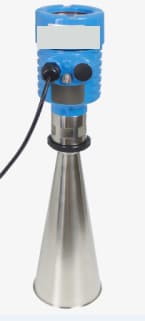
Select level sensors, compatible LoRaWAN input nodes and a gateway for farm water tanks. Plan power, reporting intervals, decoded data and the receiving application together.
Select tank-level equipment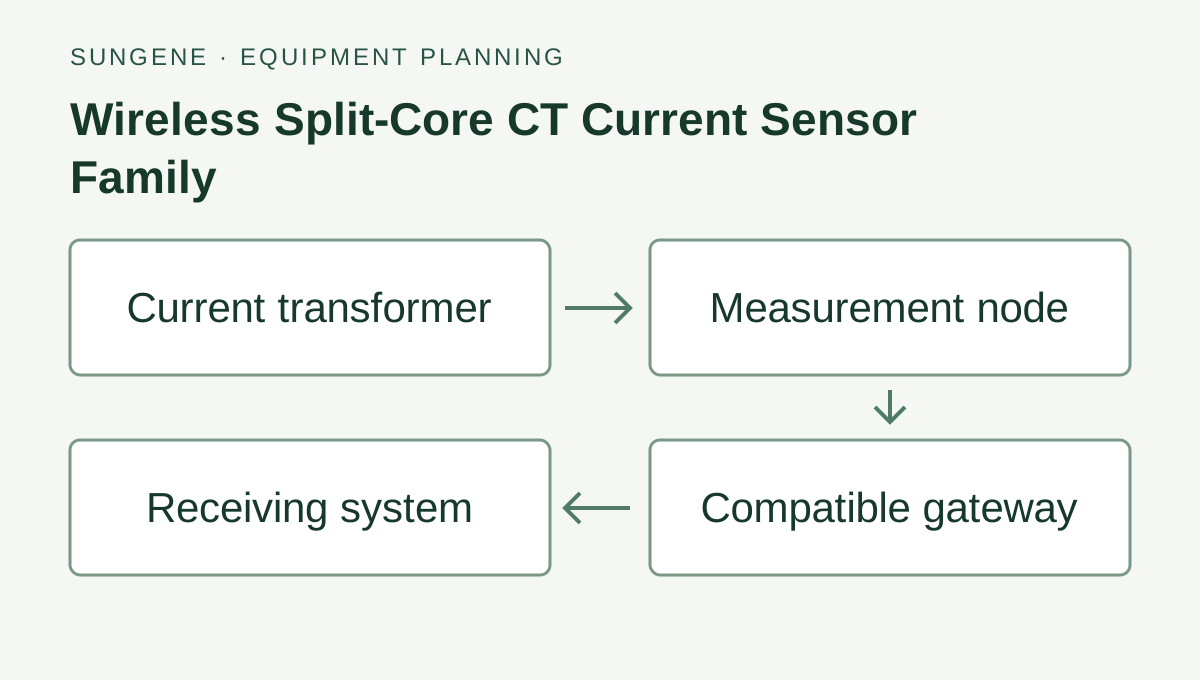
Compare current sensing and energy meters for irrigation pumps. Select the current range, phases, conductor fit, power and documented collection interface.
Compare pump current and energy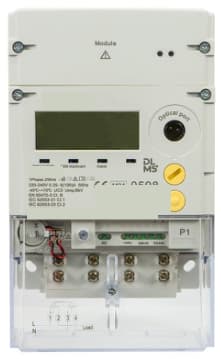
Plan periodic energy readings from farm pumps and electrical panels. Match the meter output, cellular collection path, operator and records required by the farm.
Plan cellular meter readings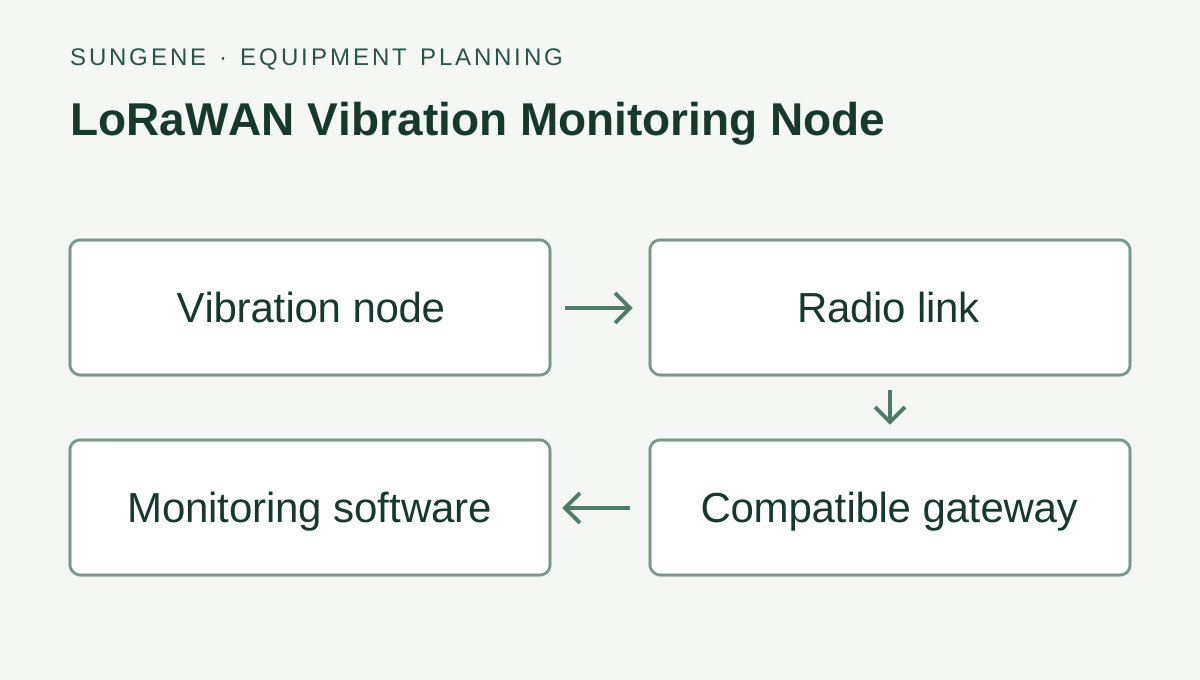
Plan condition readings for farm irrigation pumps. Compare vibration trends, temperature, current, pressure and flow, with the required records and inspection response.
Choose pump-condition measurementsMatch instrument outputs, collection, radio or cellular transport and the receiving application.
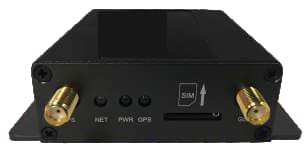
Choose a 4G RTU for farm pump contacts, water and soil sensors. Plan inputs, Modbus settings, LTE bands, field power and the receiving application.
Match RTU inputs and power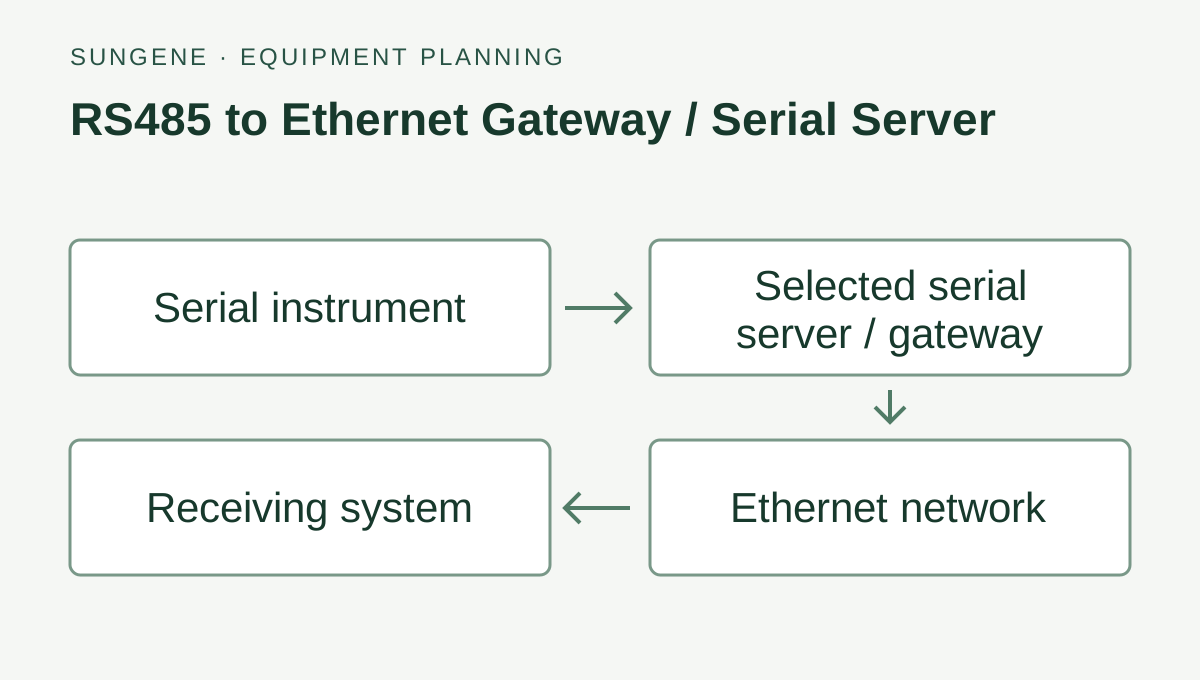
Connect existing farm Modbus sensors and controllers. Compare a serial server with a polling gateway, and plan addresses, registers, power and data records.
Choose an RS485 connectionCollect farm sensor and controller readings through Modbus. Plan register mapping, polling, MQTT delivery, timestamps and the storage needed during an outage.
Plan polling and data recordsPlan NB-IoT data collection for farm instruments. Compare direct cellular devices and wired collectors, with operator, reporting, power and record requirements.
Check NB-IoT data connections
Connect documented RS485 farm instruments through a separate LoRaWAN node and gateway. Plan EU868 settings, sensor power, registers and payload decoding.
Match LoRaWAN nodes and gatewayStart with one sensor or bring the measurement points together in a complete equipment plan.
Plan soil, weather, irrigation and greenhouse monitoring. Choose individual sensors or an equipment list with field power, data connections and integration.
Build a farm equipment list
Plan a farm monitoring equipment list with compatible sensors, a 4G RTU or gateway, field power, enclosure and the required data connection.
Plan a 4G monitoring pointProject guides and examples
Choose a question below or read a recent guide. Each article explains the information to check before choosing equipment or changing a system.
Trace the signal, payload and platform connection.
Farm data integration
Follow a reading from the sensor to the database, and check which part of that path survives a network outage or a restart.
Read the guide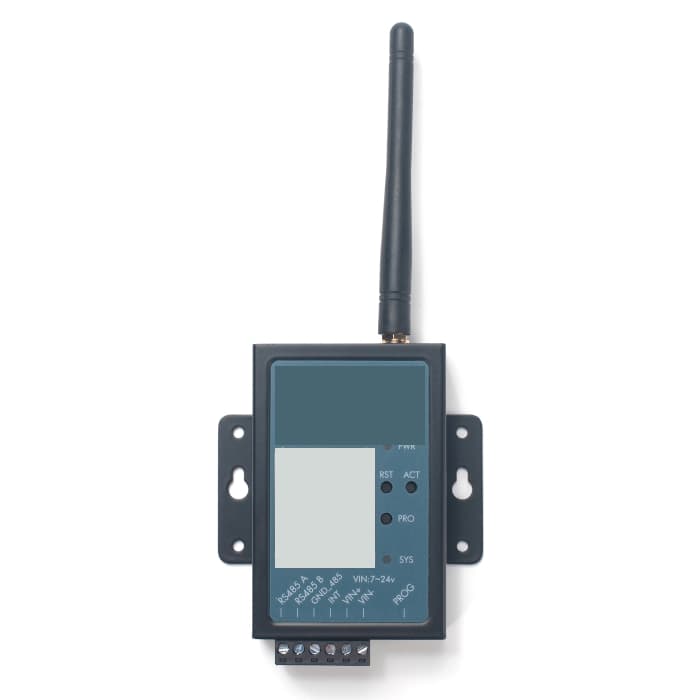
Wireless interface selection
Bluetooth for commissioning, a Bluetooth sensor and a scanning gateway do different jobs. Define the data path before selecting equipment.
Read the guide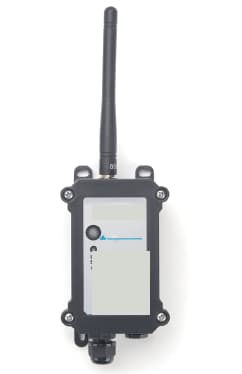
Commissioning guide
Follow one uplink from the field device to the screen before replacing hardware or changing the whole network.
Read the guide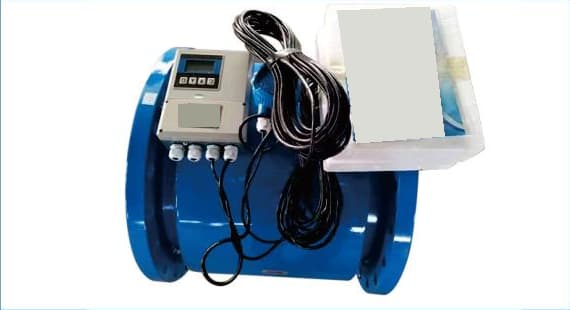
Troubleshooting guide
A practical path through power, serial settings, register mapping and platform interpretation.
Read the guide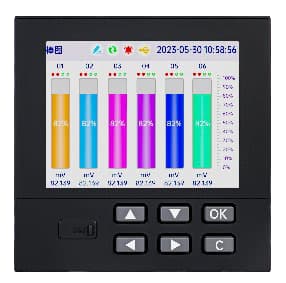
Equipment selection guide
Add a missing equipment-status signal while keeping the logger, network and upload interface that already fit the job.
Read the guide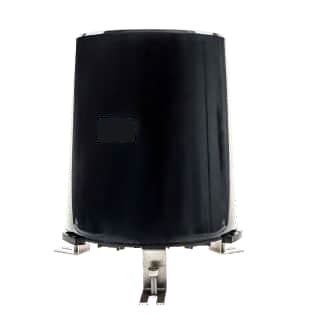
Data integration guide
Define what happens between a rainfall measurement and its arrival in a platform, including retries and power interruptions.
Read the guideChoose useful readings and make pump alerts understandable.
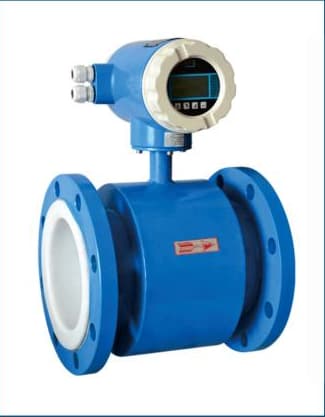
Well and pump measurement
A submerged pressure reading becomes useful when the sensor position, reference point and pump operating state are recorded with it.
Read the guide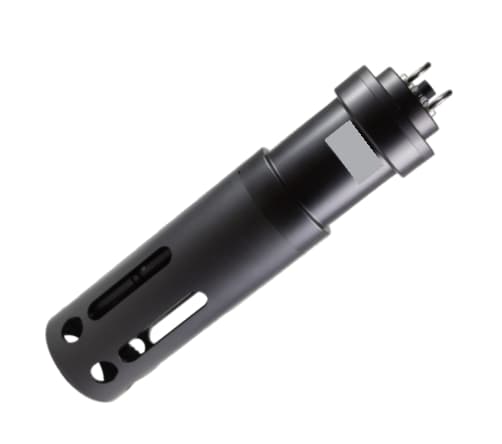
Multisite water monitoring
Choose the network around the actual locations, power and service access. A central dashboard does not require one physical gateway.
Read the guide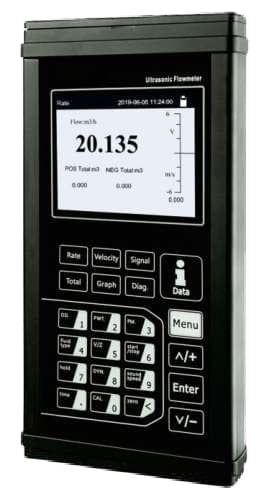
Flow meter selection
Select a portable clamp-on kit for irrigation and pump-site checks. Compare pipe requirements, measurement records and fixed monitoring options.
Read the guide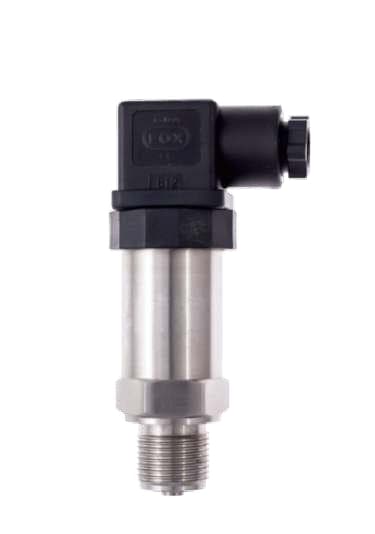
Alarm integration guide
Check when a pump event occurred, when its alert arrived and whether current readings are missing before deciding how to respond.
Read the guide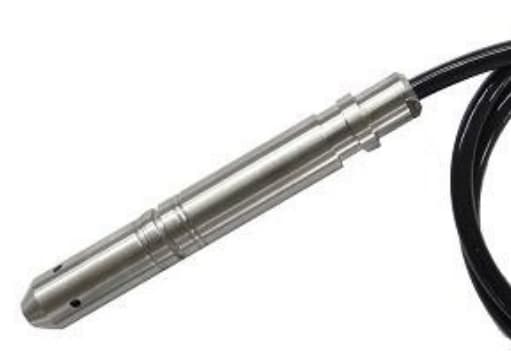
Water monitoring selection guide
Choose the first useful measurement for a well, tank or irrigation supply without assuming one sensor can answer every water question.
Read the guide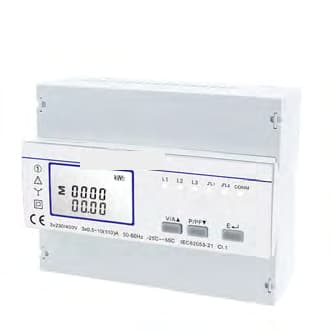
Equipment integration guide
A practical interface checklist for reading pump run, fault and electrical data while keeping local control and protection responsibilities clear.
Read the guide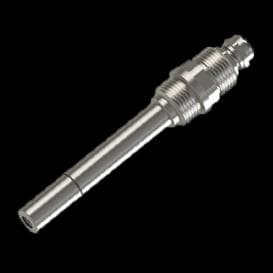
Equipment selection guide
How cleaning, calibration, local installation and data acceptance become part of a distributed monitoring project.
Read the guideReview power, weather exposure and access for maintenance.
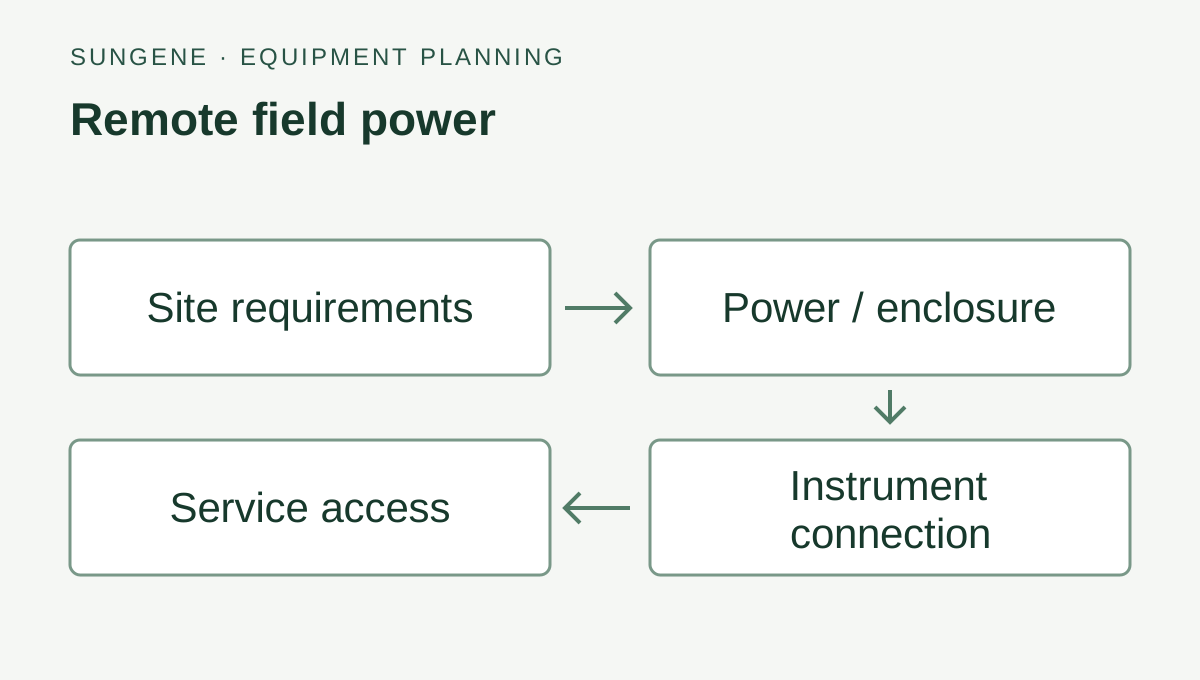
Remote station power
A sleeping logger is only one part of a field station. Sensor warm-up, cellular retries and supply losses also belong in the battery calculation.
Read the guide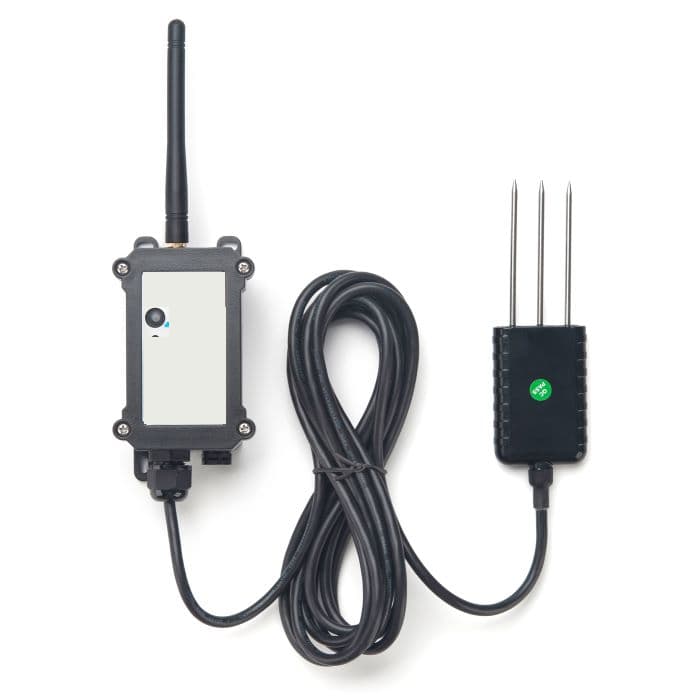
Soil and irrigation measurement
Root-zone depth, irrigation layout and the meaning of conductivity determine whether a soil reading can support a useful field decision.
Read the guide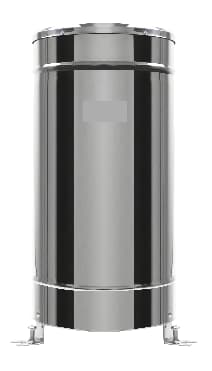
Weather station selection
Can a tipping-bucket rain gauge measure snow? Compare unheated, heated and weighing methods, winter power and the equipment needed at a farm weather station.
Read the guide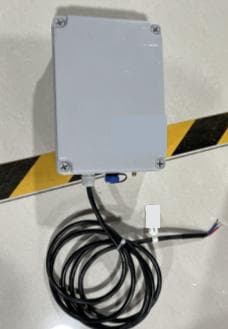
Field installation planning
Before choosing a box, check cable entries, condensation, antenna placement and access for the next service visit.
Read the guide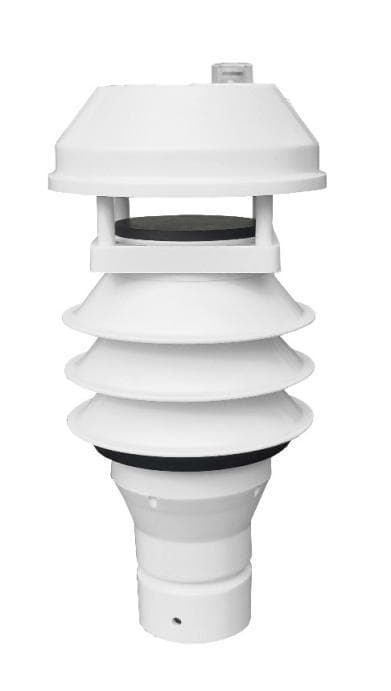
Selection & integration guide
Work out the battery and charging needs of the actual probes, logger and modem, including their active loads.
Read the guideAgree data ownership, checks and the next deployment decision.
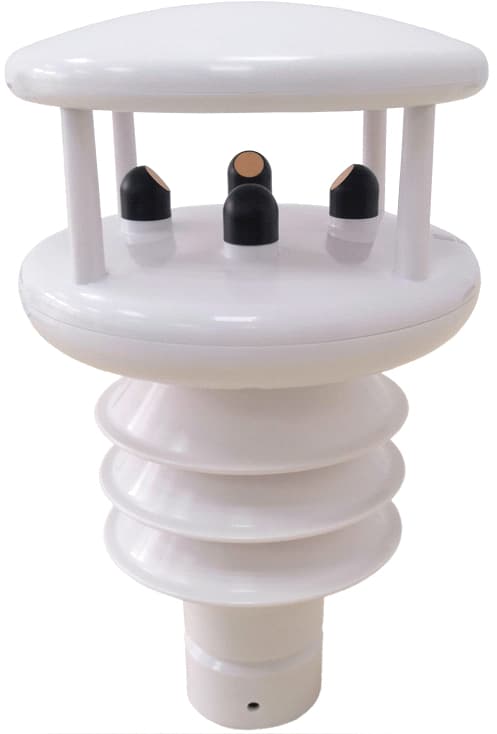
Station identity and handover
Compare an onboard location receiver with registering a fixed station during installation, using its ID and a checked site position.
Read the guide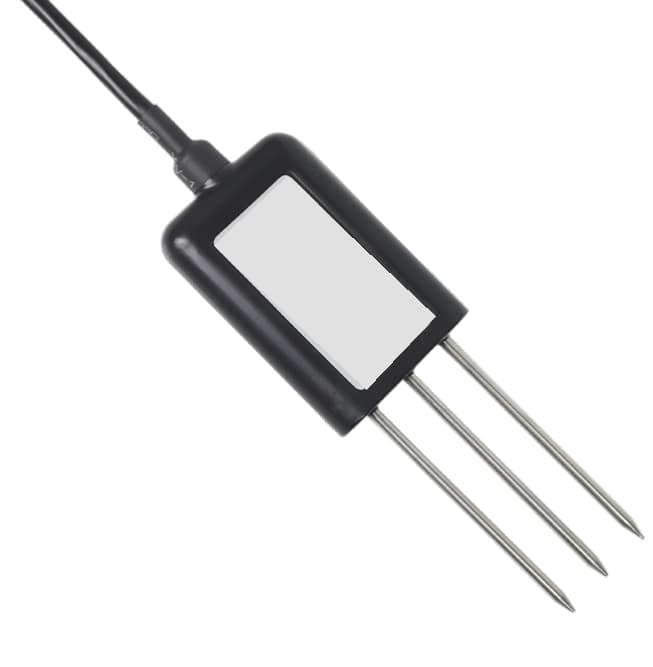
Integration guide
Decide where data goes, who can access it and which functions the integration actually includes.
Read the guide
Project delivery guide
Make a small trial useful by agreeing measurements, recovery tests, records and the next decision.
Read the guideReview our company and cooperation scope, or use the editable templates to prepare a project. No contact details are required to download.
Company identity, responsibilities, quotation checklist, documents and support process.
Version 1.4 · 2026-11-06 · EN · PDF
Download PDFEditable requirements, equipment review and acceptance checklists, plus a worked data payload example.
Version 1.2 · 2026-11-05 · EN · ZIP
Download ZIPUse these files to prepare requirements and compare options. Request the selected model’s wiring and protocol documents separately.
Use the application guide for the equipment arrangement. For wiring, register maps and calibration or product documents, send the selected instrument and configuration with your inquiry.
Compare the instruments, connections and site information for your farm task.
361 products with photographs and specifications · English PDF · 233 pages
Company profile (English PDF)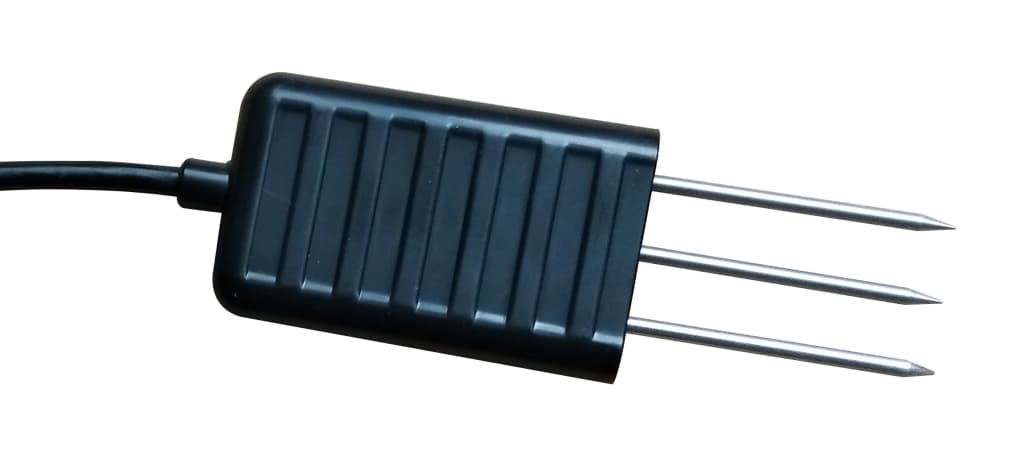
Plan readings beside the crop and in the root zone. Choose the weather channels, soil measurements and way your team will collect the records.
Individual instruments: Solar-Powered Automatic Weather Station Kit · Soil Moisture, Temperature & EC Sensor
Request an equipment quotationSee the water available at a tank or well and the water delivered to irrigation. Level, flow, pressure and pump status answer different questions.
Individual instruments: Submersible Level Transmitter · Electromagnetic Flow Meter
Request an equipment quotation
Choose the water measurements that support the farm task. Plan probe mounting, calibration and a compatible receiving input before combining the equipment.
Individual instruments: Industrial Water Quality pH Sensor · Optical Dissolved Oxygen Sensor for Water & Wastewater
Request an equipment quotation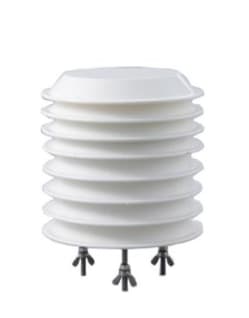
Plan measurements across a greenhouse before choosing the controller and data connection. Start with the crop zones, existing instruments and the readings the growing team uses.
Individual instruments: LoRaWAN Temperature & Humidity Data Logger · Temperature & Humidity Panel Instrument
Request an equipment quotation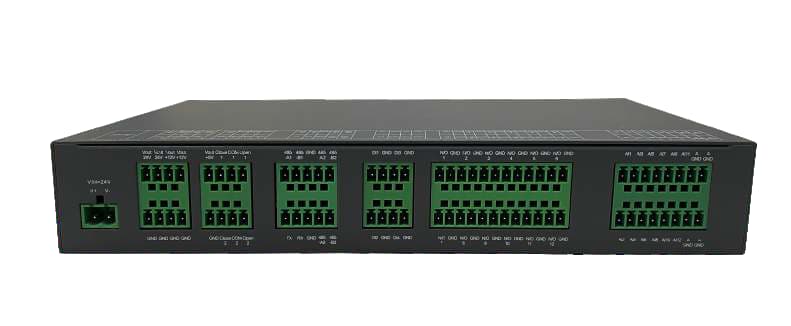
Track pump and fan run contacts, current or energy use. Select the signals available at each farm panel and the records your team needs.
Individual instruments: Wireless Split-Core CT Current Sensor Family · Distributed Remote I/O System
Request an equipment quotation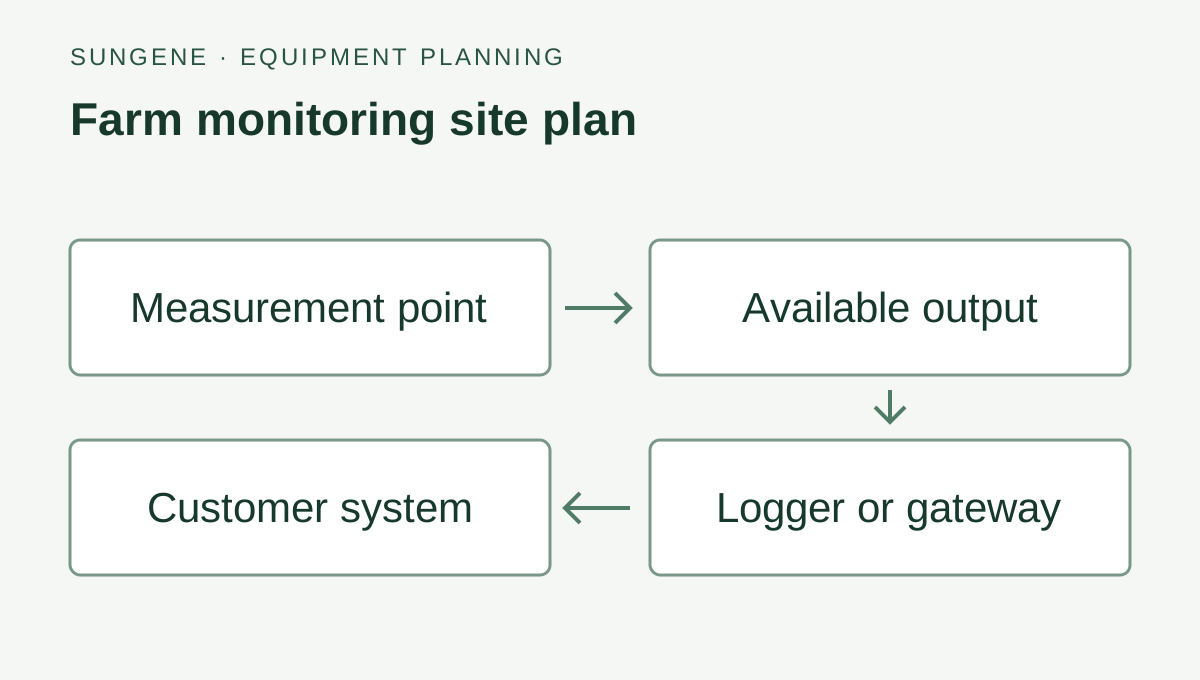
Buy one missing device or prepare a complete monitoring point. List what is already on the farm, then bring the instruments, collection inputs, power and data destination into one equipment plan.
Individual instruments: Edge IoT Gateway · Solar Field Power Kit
Request an equipment quotationReview instrument ranges, outputs and mounting options on the equipment pages. For a farm project, include the measurement list, site power, receiving system and local installation work.