
Industrial IoT resource
Data Acquisition Gateway — RS485 / Modbus to MQTT, SCADA & Cloud
Plan a data acquisition gateway that reads RS485 Modbus devices and hands usable, timestamped values to MQTT, SCADA, BMS or a customer-owned system.
1. What this is for
Collect RS485 Modbus readings from meters, sensors and I/O and hand them to MQTT, SCADA or a customer system.
2. Where it is used
Retrofits, pump stations and panels where field devices already speak Modbus and Ethernet or cellular is the uplink.
3. Next step
Send the register map, device count, polling interval and destination protocol. We return a gateway path for quotation.
Need a project-specific hardware selection?
Send the site signals, network, power and reporting target. We will return a configuration scope for quotation.
- Document type
- Technical buyer guide
- Applicable family
- RS485 to Ethernet Gateway / Serial Server / Distributed Remote I/O System
- Language
- English
- Evidence status
- Protocol references plus pre-quote product confirmation
This guide supports project selection. It is not an exact-model datasheet, compliance certificate or installation approval.
Best fit
Use this guide when the project requires one gateway to collect field data from multiple Modbus devices and send it to higher-level systems.
Relevant products
The exact model, interfaces and enclosure are confirmed in the written quotation.
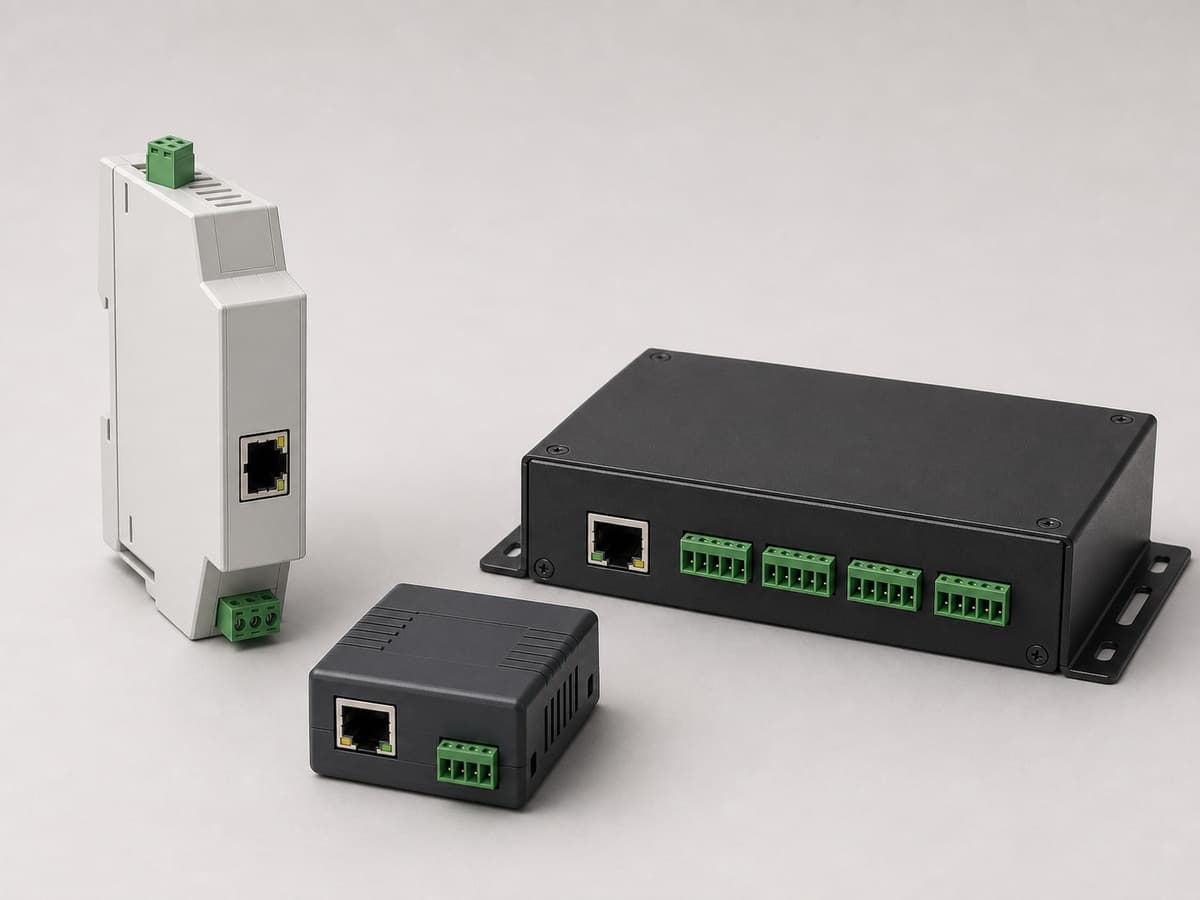
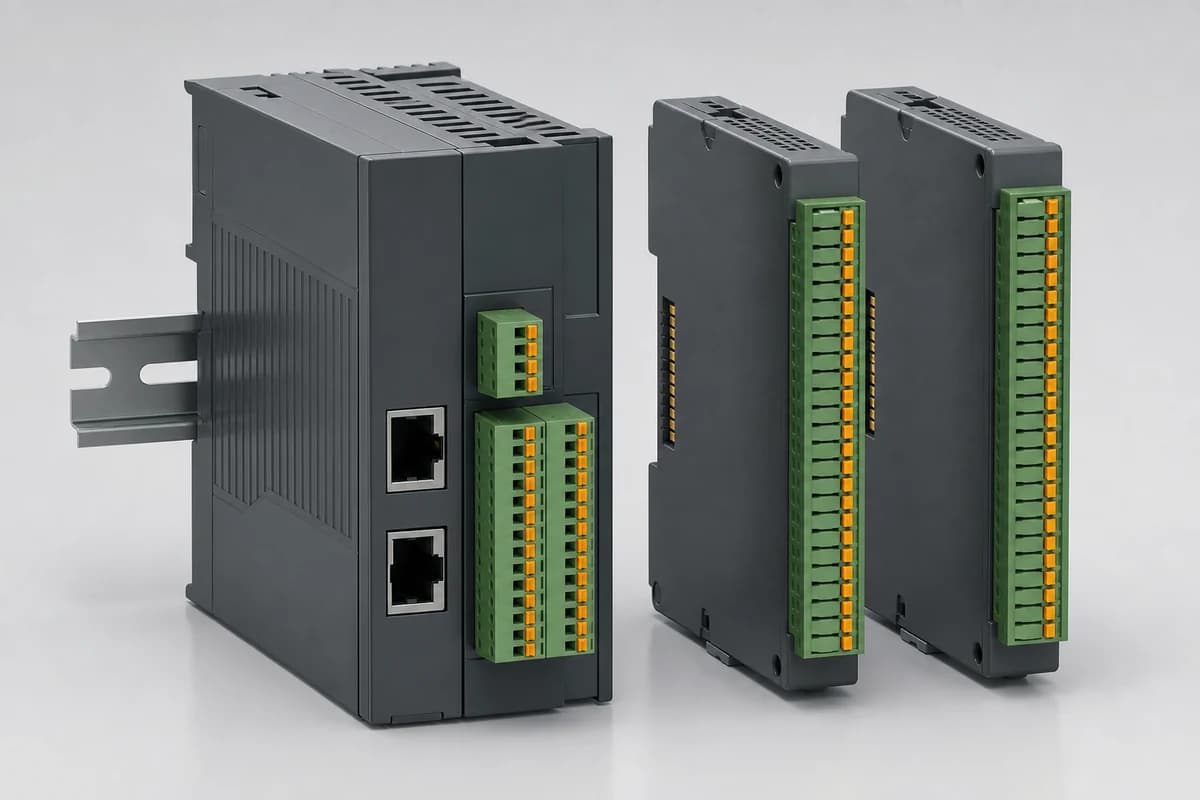
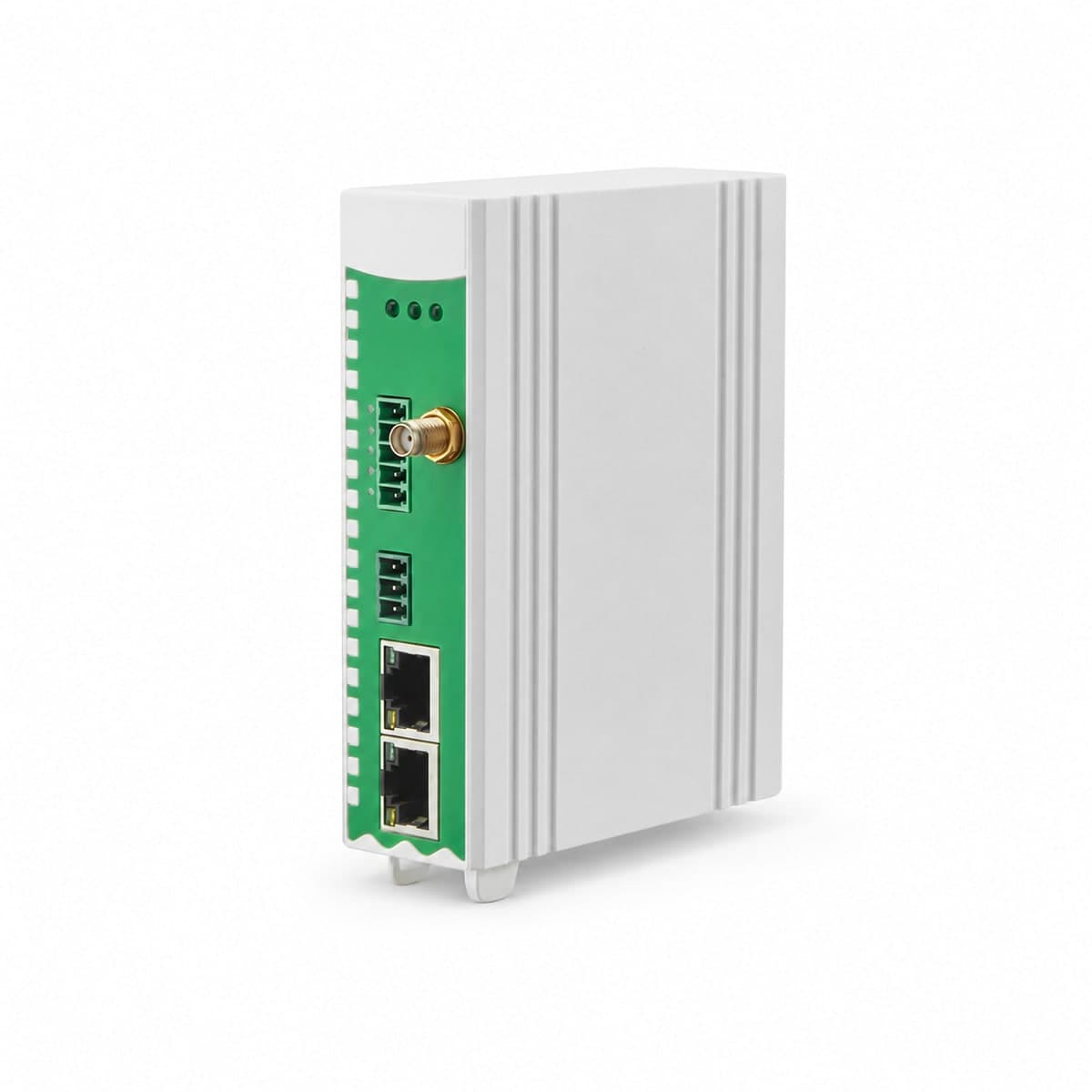
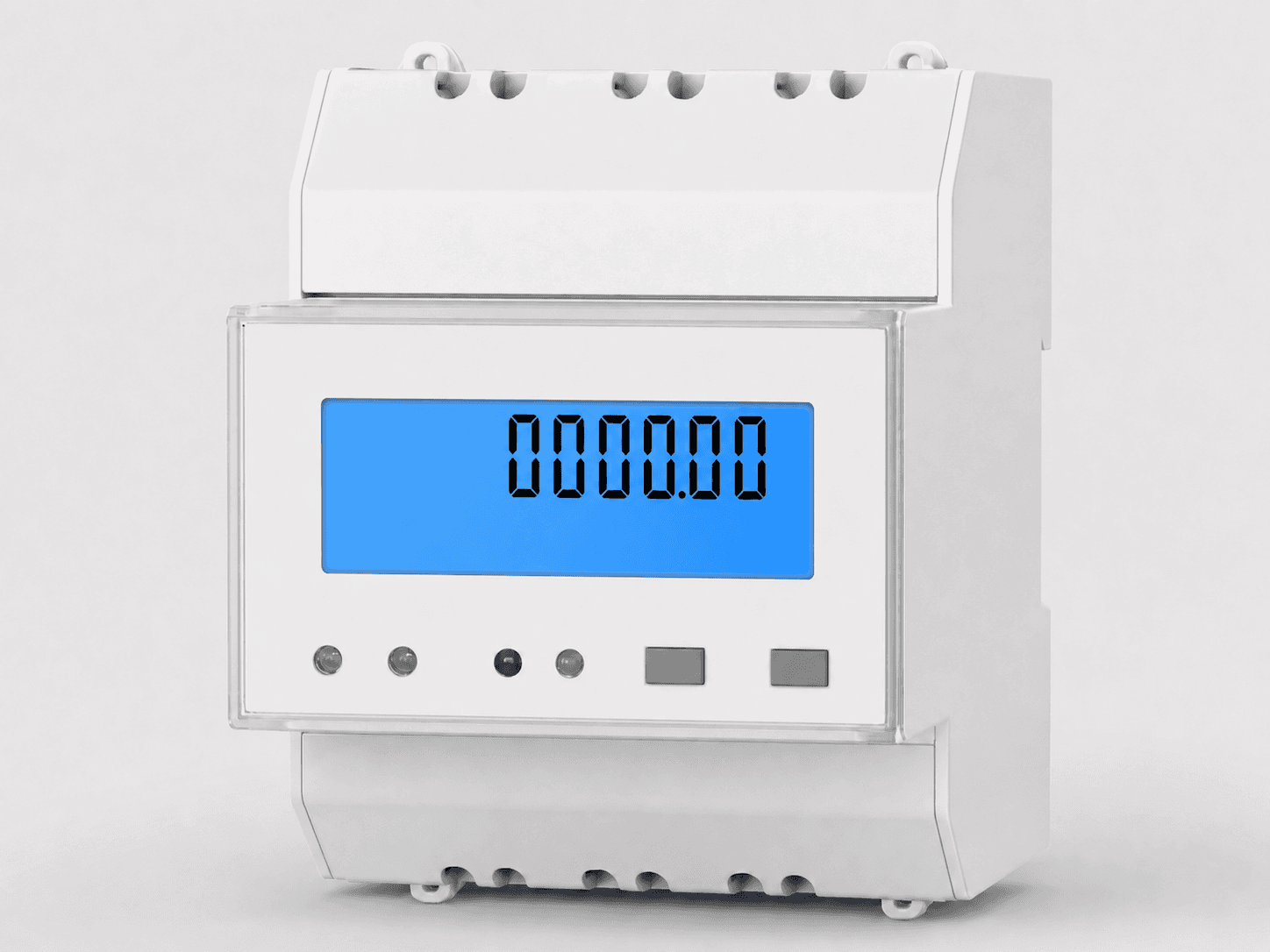
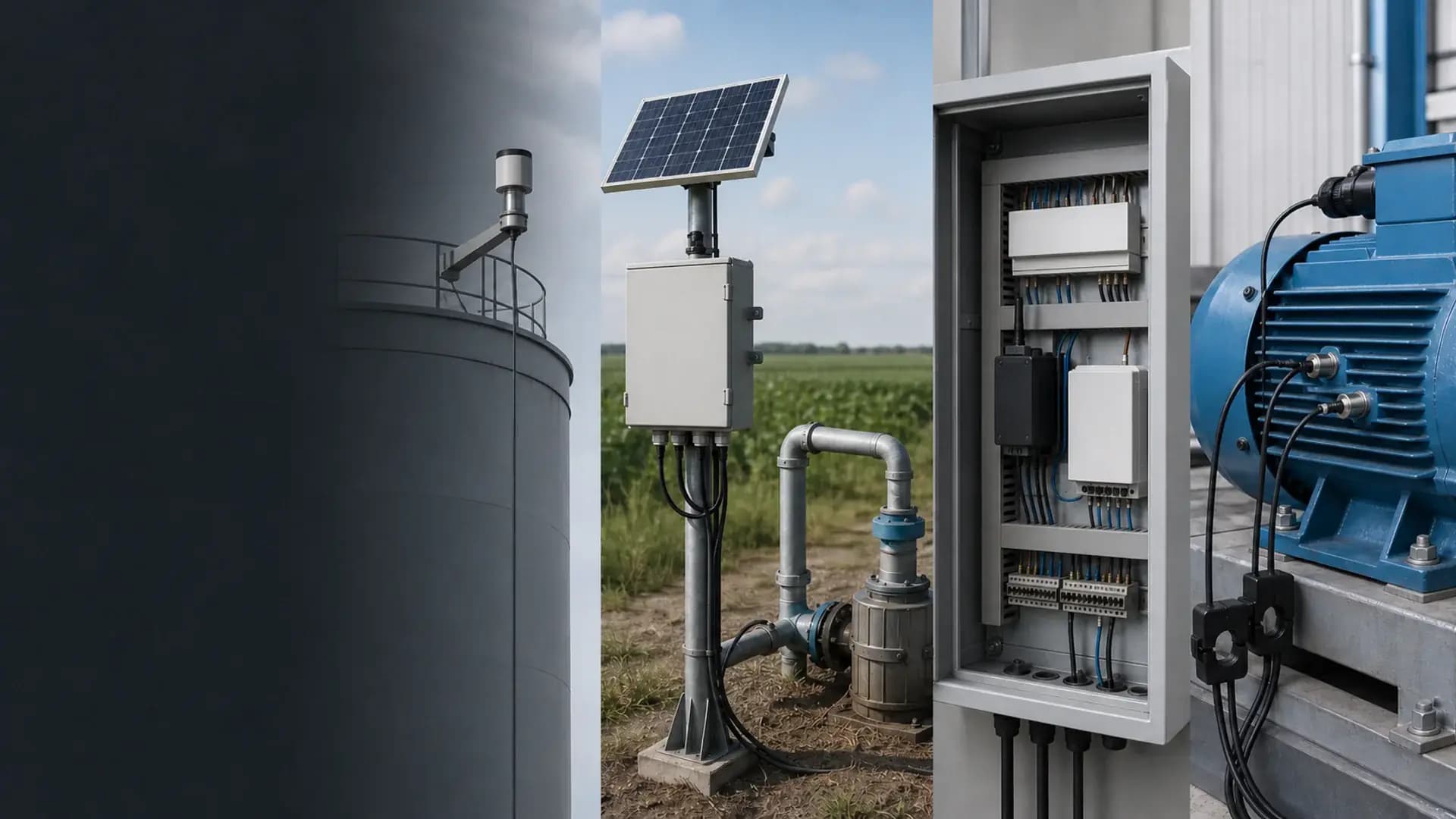
Remote integration context
Sensors, interfaces, enclosure, power and mounting are confirmed against the actual project before quotation.
See where the system fits
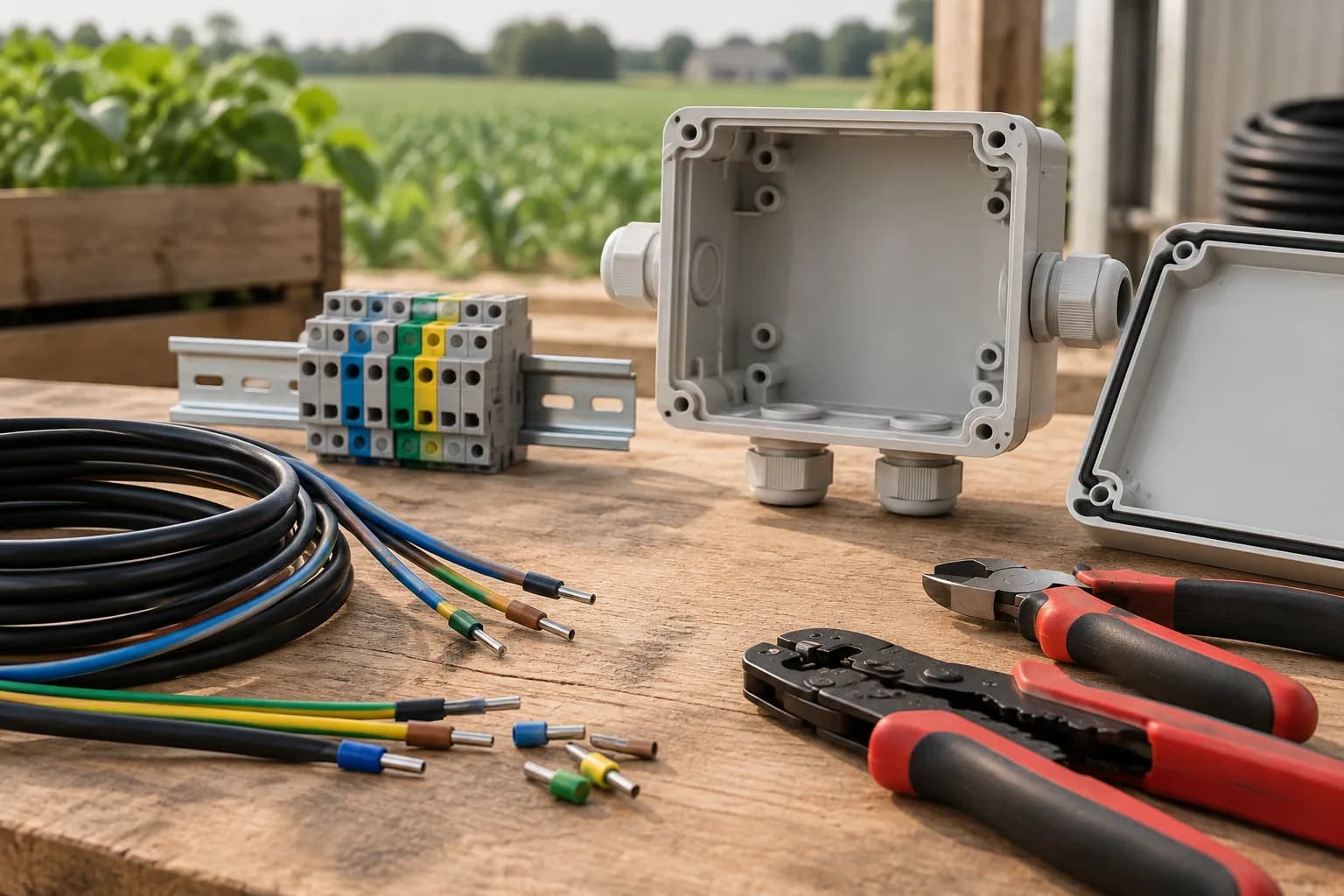
Make each connection understandable
Check power, terminals, interfaces and data interpretation when readings are missing.
Explore this requirement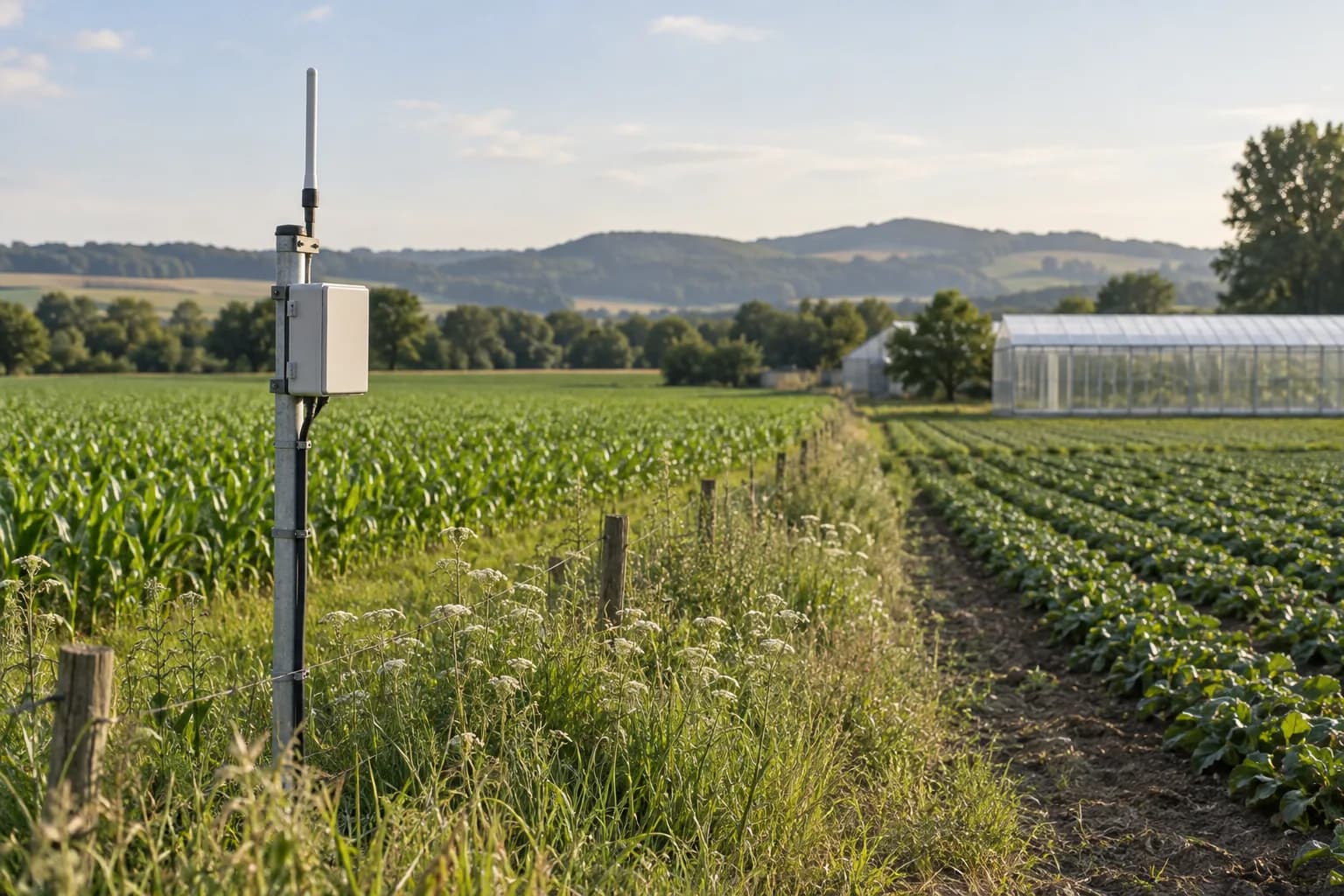
Connect separate fields and facilities
Review coverage, equipment identity and the path into your chosen platform.
Explore this requirementData acquisition gateway selection notes
A data acquisition gateway for Modbus RS485 works as the bridge between field devices and management systems. It reads Modbus RTU or TCP points from sensors, meters, PLCs and remote I/O, maps registers into named values and forwards data to cloud, SCADA, BMS or local servers.
Where an RS485 data acquisition gateway fits
Many buyers search for an RS485 gateway or RS-485 gateway when the underlying need is Modbus data acquisition. Typical use cases include reading Modbus RTU power meters in retrofit energy projects, collecting sensor and remote I/O data from pump stations, connecting PLCs over RS485 to Ethernet networks, and forwarding field values to MQTT, SCADA or cloud dashboards without replacing installed equipment.
Register-map readiness
The most important preparation is a clean register map: device address, function code, register address, scale, unit and polling interval. This reduces commissioning time and avoids data interpretation errors.
Continue with the remaining selection notes
Equipment in the system
System design, software integration, PLC/SCADA programming and site installation responsibilities are agreed in the written project scope.
Data destination
Customer platform or an agreed third-party service
Selection worksheet
Information that changes the gateway selection
Field devices
- What to provide
- Device list, quantity, Modbus RTU or TCP role and available register maps
- Why it matters
- Determines compatibility checks and how many device profiles must be mapped
- Confirm before quotation
- Supported device roles, data types, byte order and scaling
RS485 network
- What to provide
- Baud rate, parity, cable length, topology, device addresses and isolation needs
- Why it matters
- Determines serial-port count, segmentation, termination and isolation
- Confirm before quotation
- Port layout, electrical isolation and wiring constraints
Polling workload
- What to provide
- Registers per device, function codes, refresh interval, timeout and retry target
- Why it matters
- Determines whether the required scan cycle is practical
- Confirm before quotation
- Calculated polling cycle under the stated workload
Show the remaining worksheet rows
Hardware referenced by this checklist
Exact model, interfaces and enclosure are confirmed in the written quote.
Key points
- Modbus RTU / TCP data collection
- RS485 gateway mapping for sensors, meters, PLCs and remote I/O
- Documented data handoff to customer-owned SCADA, BMS, MQTT or API endpoints
- Configuration and documentation support
Technologies
- Modbus RTU
- Modbus TCP
- RS485
- RS-485
- Ethernet
- BACnet
- MQTT
Related pages
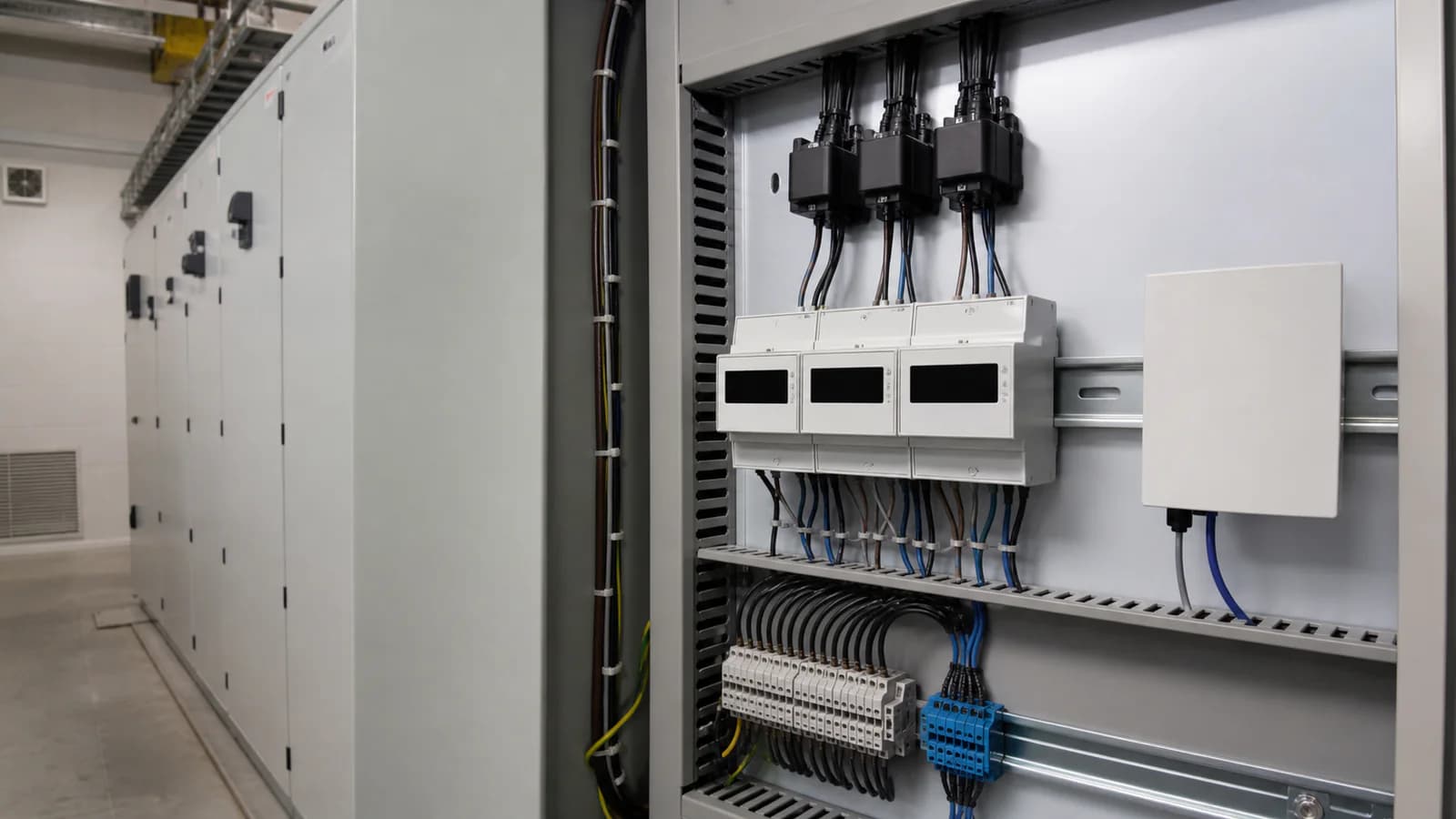
Facility metering context
Sensors, interfaces, enclosure, power and mounting are confirmed against the actual project before quotation.
Official technical references
These standards help validate protocol and network requirements. Product-specific conformity, regional settings and final specifications are confirmed before quotation.
FAQ
What is a data acquisition gateway?
A data acquisition gateway collects field data — typically RS485 / Modbus RTU points from sensors, meters, PLCs and remote I/O — maps the registers into named values, and forwards them to MQTT, SCADA, BMS or the cloud, so remote sites report data upstream without replacing installed equipment.
Is this also an RS485 gateway?
Yes. A Modbus data acquisition gateway is also an RS485 gateway (often written RS-485 gateway). It connects RS485 Modbus RTU devices such as sensors, meters, PLCs and remote I/O to Ethernet, then forwards the data to MQTT, SCADA, BMS or cloud platforms.
What is needed before Modbus gateway configuration?
A register map is the key input: slave address, function code, register address, data type, scale, unit and polling interval.
Can one gateway support Modbus RTU and Modbus TCP?
Many gateway projects use both. The final configuration depends on port count, master/server role, polling load and upstream system requirements.
Is an RS485 serial server the same as a data acquisition gateway?
Not always. A serial server is the simpler choice for transparent serial transport or Modbus RTU-to-TCP bridging when the upstream system already handles polling and data interpretation. A data acquisition or edge gateway is required when the hardware must poll registers, scale values, publish structured payloads, use cellular backhaul or manage outage recovery.
Does every gateway support MQTT, BACnet, HTTP and CSV export?
No. Those are possible project requirements, not standard features of every model. Share the exact upstream protocol, role, authentication and data-format requirements so the selected gateway and firmware can be verified before quotation.
How many Modbus devices can one data acquisition gateway read?
There is no reliable answer from device count alone. Capacity depends on baud rate, points per device, function calls, response time, retries and the required refresh interval. Share the register maps and timing target so the polling cycle and serial-port layout can be checked before quotation.
Does store-and-forward always survive a power loss?
No. The behavior is model-specific. The reviewed queue on one SunGene edge-gateway family stores up to 100,000 supplier-format MQTT points in RAM, so unsent data is lost on power loss or restart. If nonvolatile retention, original sampling timestamps or strict replay order matter, state them as acceptance requirements and test the selected hardware.
What should I send for a data acquisition gateway quotation?
Send the device list, register maps, RS485 settings, required refresh interval, upstream protocol and role, backhaul, power, enclosure, target country, quantity and project timing. These inputs allow the polling workload and exact hardware configuration to be checked.
Can SunGene support distributor or integrator gateway programs?
Yes. SunGene supports distributors and system integrators with product selection, gateway configuration notes, documentation and delivery-ready project files.
Get selection help
Start with a short description. A complete equipment list is not required.