
Industrial IoT resource
LoRaWAN Water Tank and Wastewater Monitoring
LoRaWAN wastewater and water tank monitoring sensors with level, overflow, gateway and cloud-alarm options for distributed industrial sites.
1. What this is for
Read tank level and catch overflow on water and wastewater sites without running new signal cable.
2. Where it is used
Tank farms, wet wells and rural tanks using LoRaWAN with radar, ultrasonic or submersible sensors.
3. Next step
Send tank height, liquid type and whether a LoRaWAN network already exists. We return a hardware list for quotation.
Start from the site condition
Models and quotation stay on sungeneiot.com. Use the matching field condition first.
agri.sungeneindustrial.com
Agricultural irrigation and farm pumps
Review water delivery, pump state and greenhouse signals from existing farm facilities.
agri.sungenegroup.com
Farm water, soil and weather monitoring
Plan field and orchard measurements around available power, coverage and maintenance visits.
Need a project-specific hardware selection?
Send the site signals, network, power and reporting target. We will return a configuration scope for quotation.
- Document type
- Technical buyer guide
- Applicable family
- Ultrasonic Water Level Sensor / Radar Water Level Sensor
- Language
- English
- Evidence status
- Protocol references plus pre-quote product confirmation
This guide supports project selection. It is not an exact-model datasheet, compliance certificate or installation approval.
Best fit
Use LoRaWAN for tank farms, wastewater stations, rural sites and distributed facilities where long range, low power and low wiring cost matter. SunGene supplies tank level sensors, LoRaWAN gateways and related field hardware commonly used in these systems.
Relevant products
The exact model, interfaces and enclosure are confirmed in the written quotation.
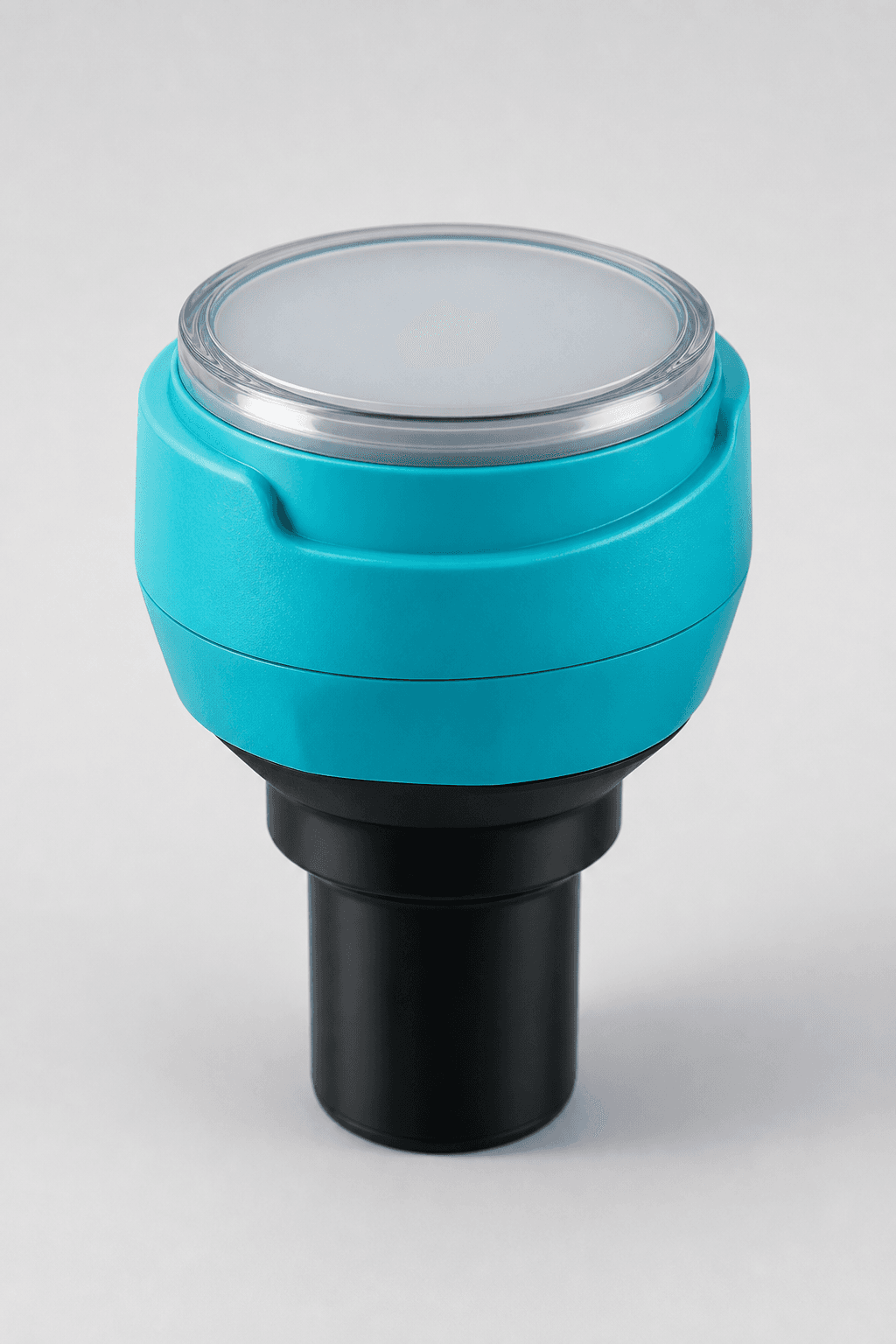
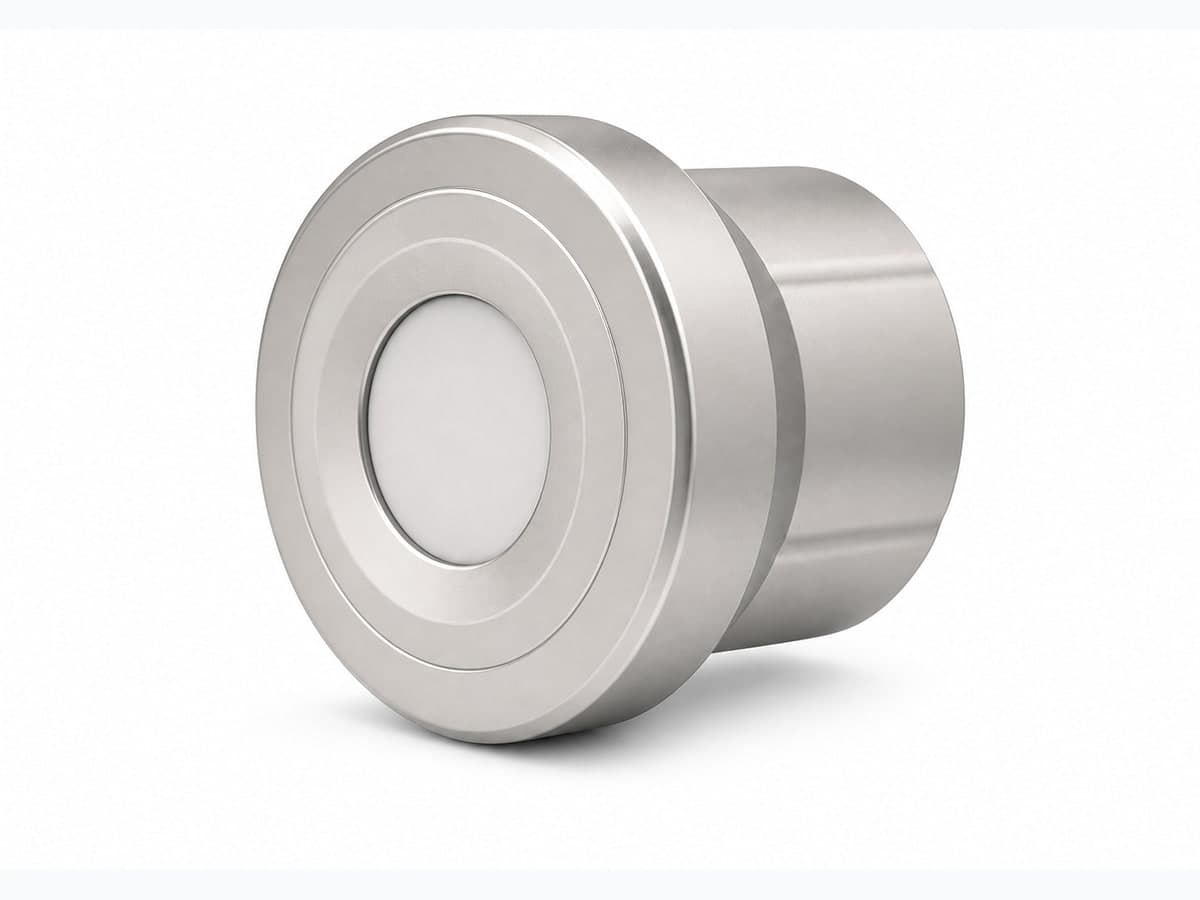
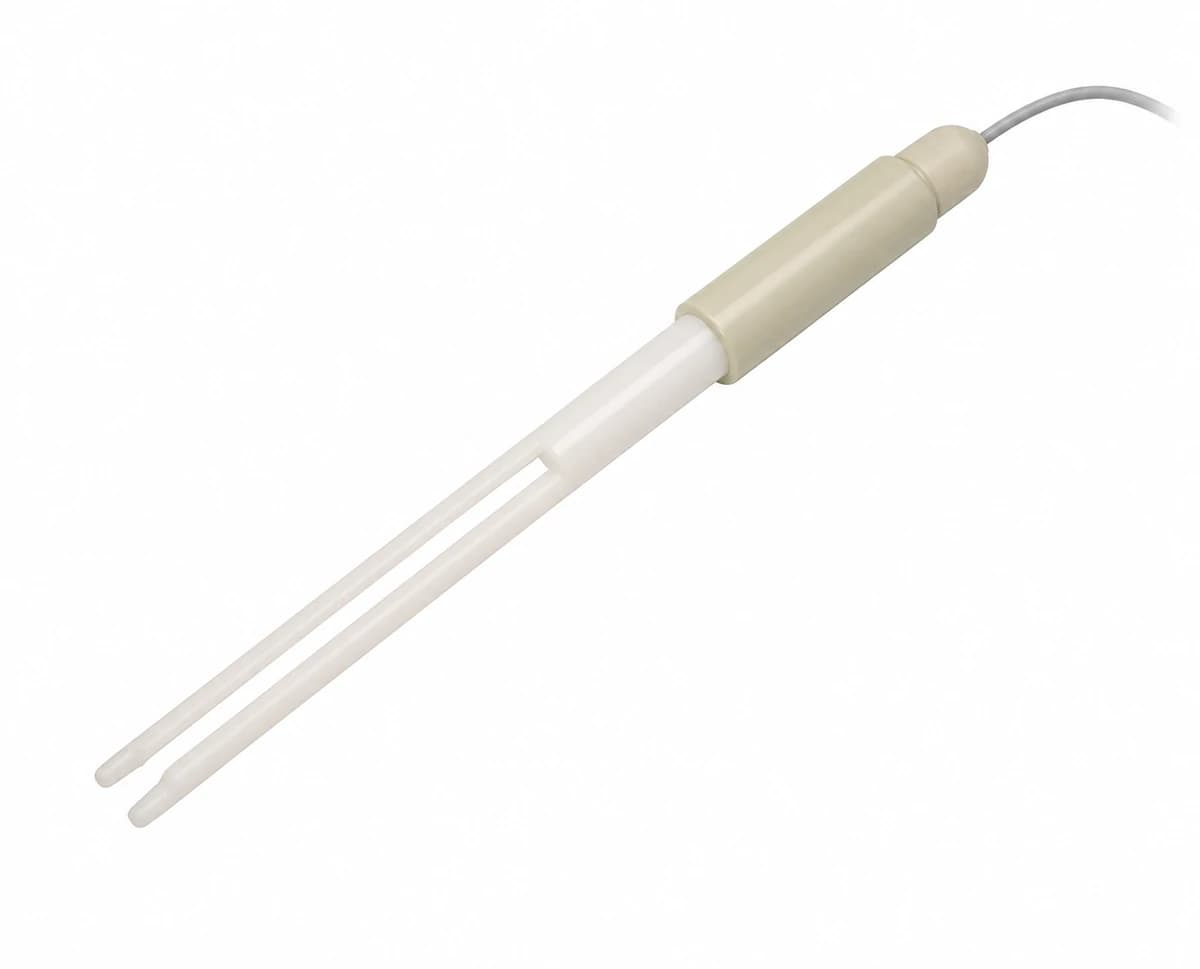
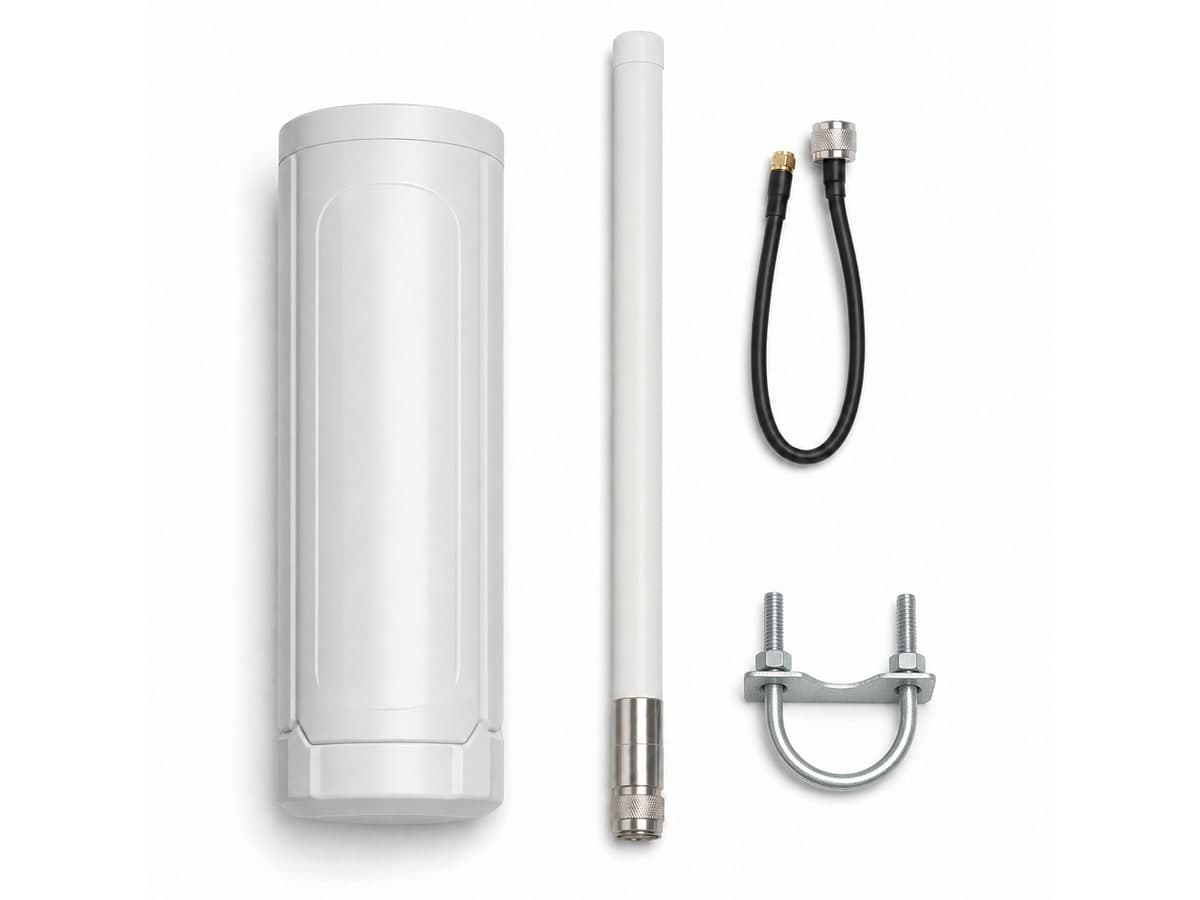
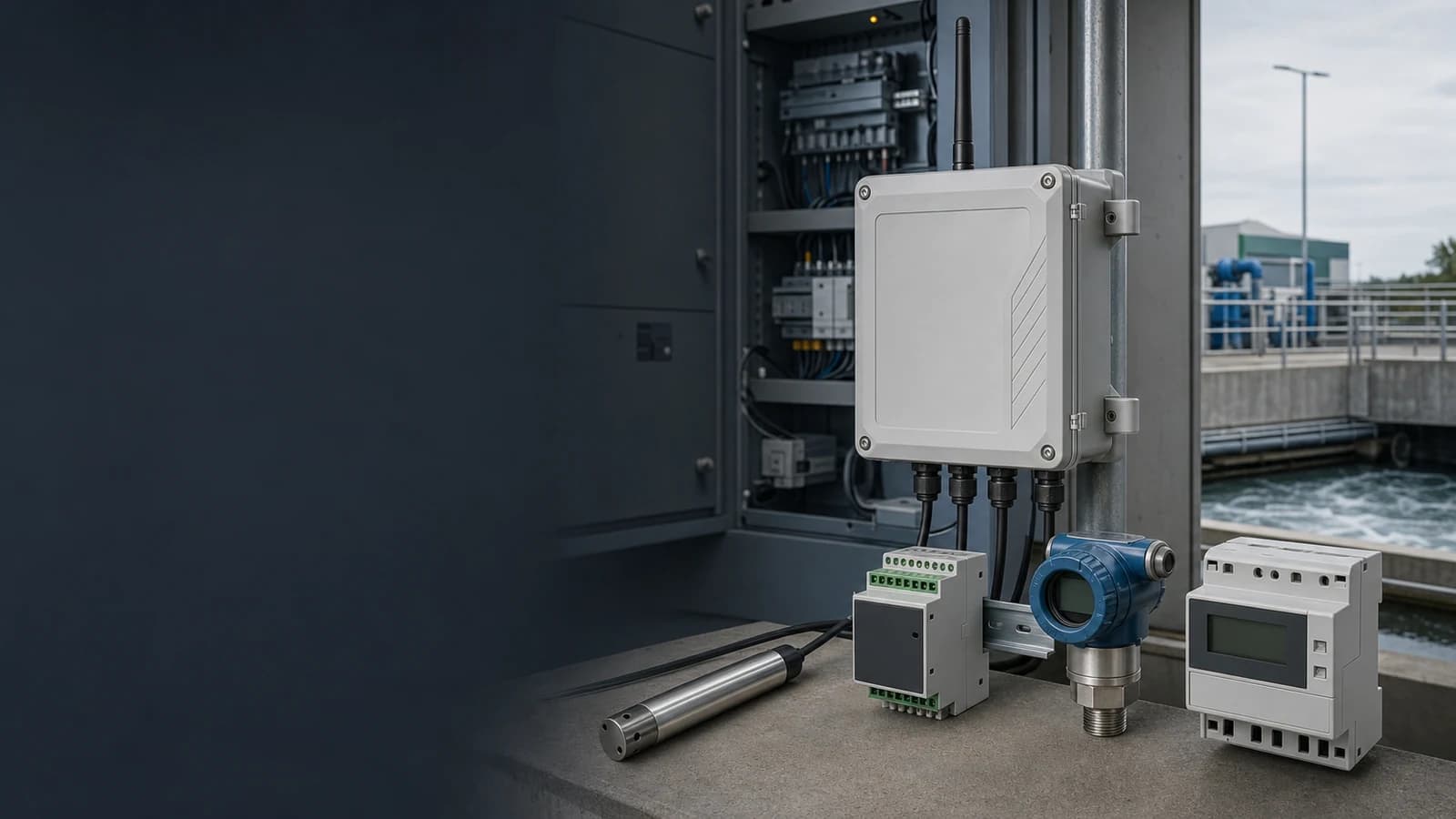
Water-site deployment context
Sensors, interfaces, enclosure, power and mounting are confirmed against the actual project before quotation.
See where the system fits
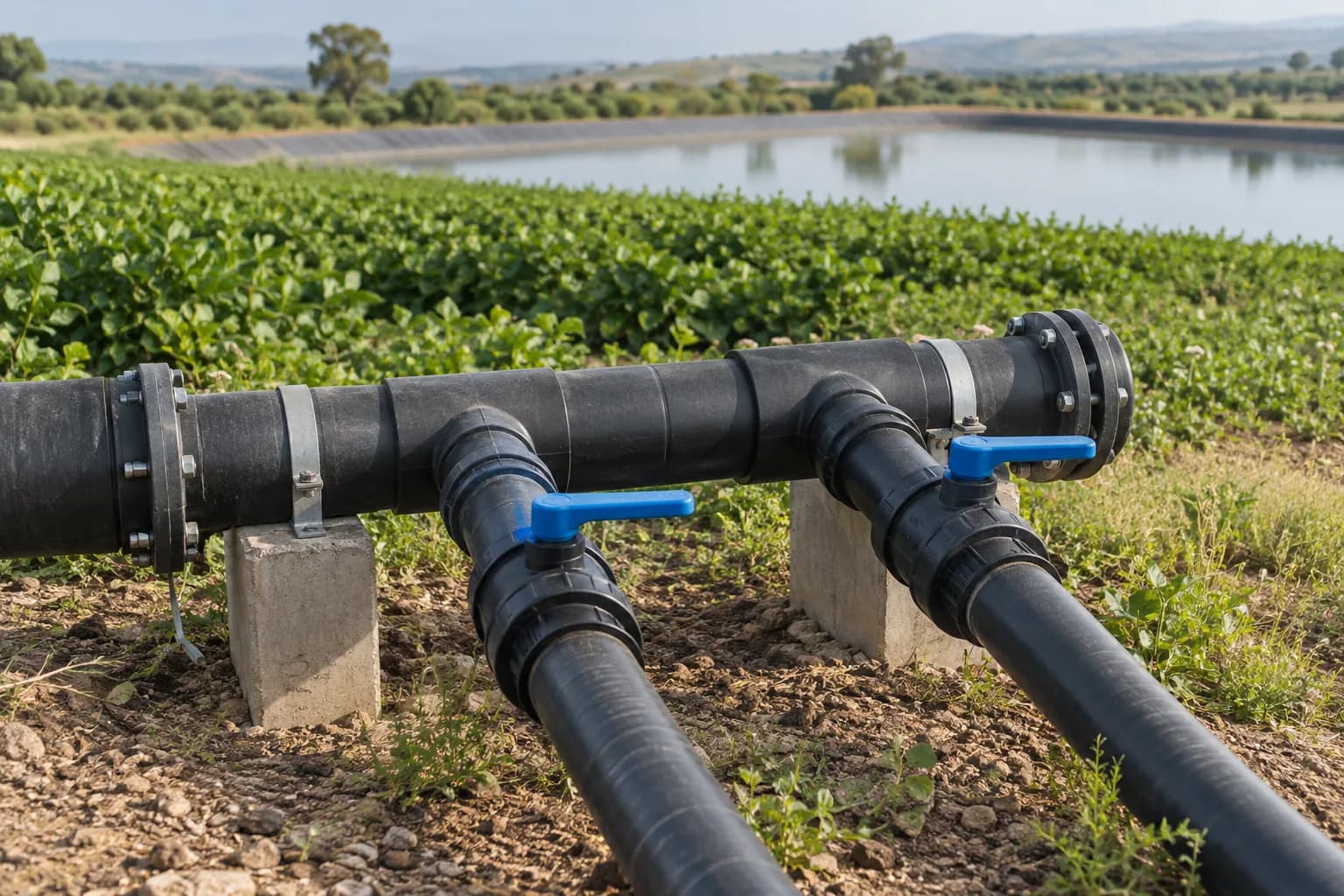
Water delivery across the farm
Connect level, flow and pump status with the water decisions your team makes.
Explore this requirement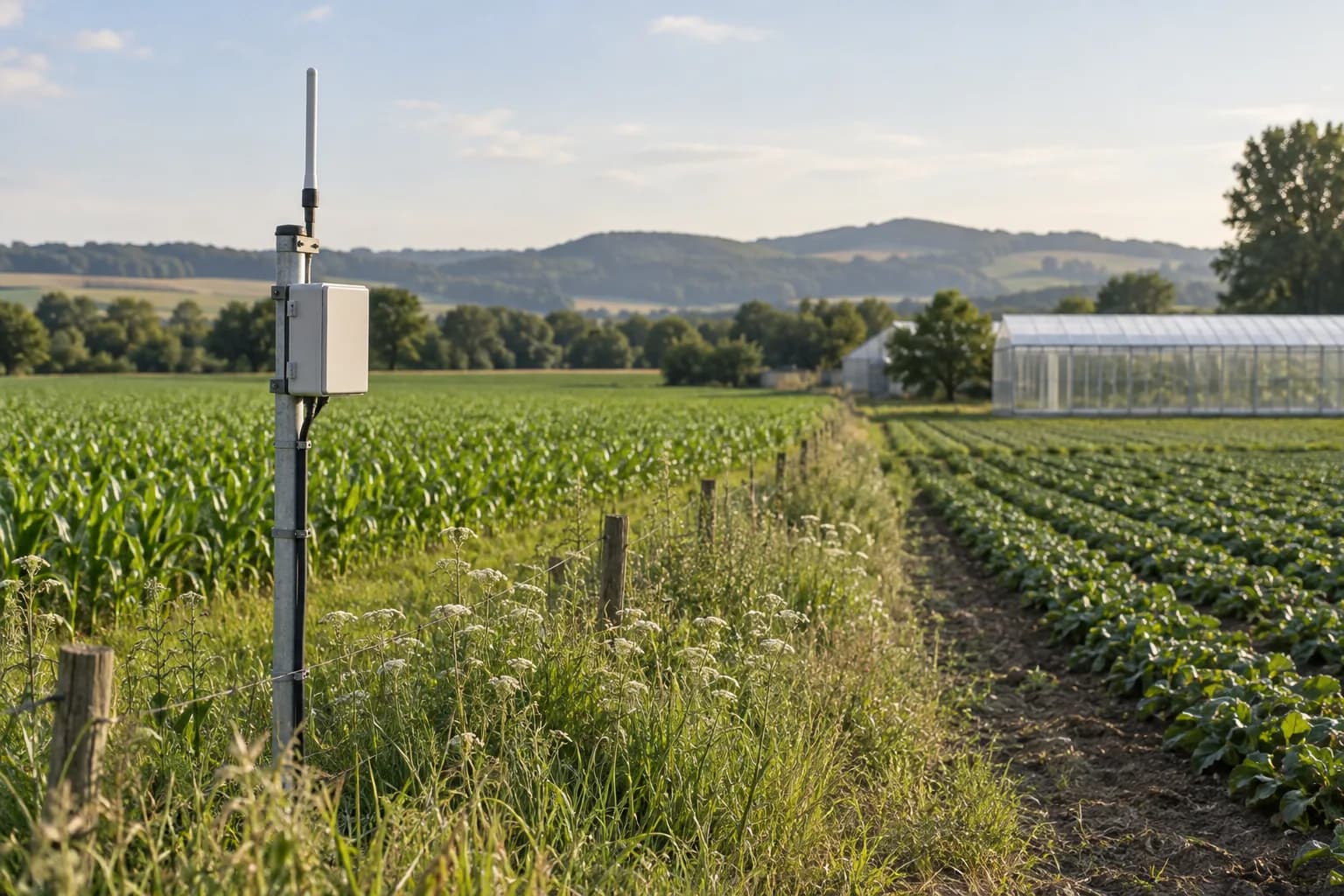
Connect separate fields and facilities
Review coverage, equipment identity and the path into your chosen platform.
Explore this requirementWhy LoRaWAN works for tanks
Tank level monitoring often needs battery-powered sensors across large sites. LoRaWAN supports long-range transmission with low power consumption, so each tank can report level, battery and alarm status without trenching new cables.
Wastewater monitoring sensor notes
For buyers searching wastewater monitoring sensor LoRaWAN, the usual requirement is not one sensor only; it is a field package that may combine tank level, overflow state, pump feedback and optional water-quality points such as pH, conductivity or turbidity. The sensor choice depends on liquid condition, foam, vapor, mounting distance and whether the measurement can be contact or non-contact.
Recommended sensor choices
Ultrasonic or radar level sensors are suitable for non-contact tank measurement. Submersible level transmitters can be used when the medium and installation conditions allow direct contact. SunGene supplies the sensors, LoRaWAN gateways and field hardware after tank height, liquid type, blind zone, power source and reporting interval are confirmed.
Continue with the remaining selection notes
Equipment in the system
System design, software integration, PLC/SCADA programming and site installation responsibilities are agreed in the written project scope.
Data destination
Customer platform or an agreed third-party service
Selection worksheet
Choose the sensing path before the radio
Clean-water tank with clear top access
- Sensor or field input
- Radar or ultrasonic non-contact level sensor
- LoRaWAN path
- RS485 / 4-20mA field node to LoRaWAN gateway
- Confirm before selection
- Tank height, blind zone, nozzle, internal obstructions and required accuracy
Wastewater wet well with foam, vapor or condensation
- Sensor or field input
- Radar or compatible submersible level transmitter
- LoRaWAN path
- Protected field node or wired input at a nearby enclosure
- Confirm before selection
- Liquid compatibility, condensation, cable route, cleaning access and site classification
Overflow alarm only
- Sensor or field input
- Independent float or point-level switch
- LoRaWAN path
- Digital-input LoRaWAN node
- Confirm before selection
- Fail-safe contact state, alarm delay, hysteresis and local test method
Show the remaining worksheet rows
Hardware referenced by this checklist
Exact model, interfaces and enclosure are confirmed in the written quote.
Key points
- Long-range low-power tank telemetry
- Wastewater level and overflow alarm paths
- Industrial IoT tank sensors for water, wastewater and chemical tanks
- Gateway options for private or public LoRaWAN networks
Technologies
- LoRaWAN
- RS485
- 4-20mA
- MQTT
- Water level
- Wastewater monitoring
Related pages
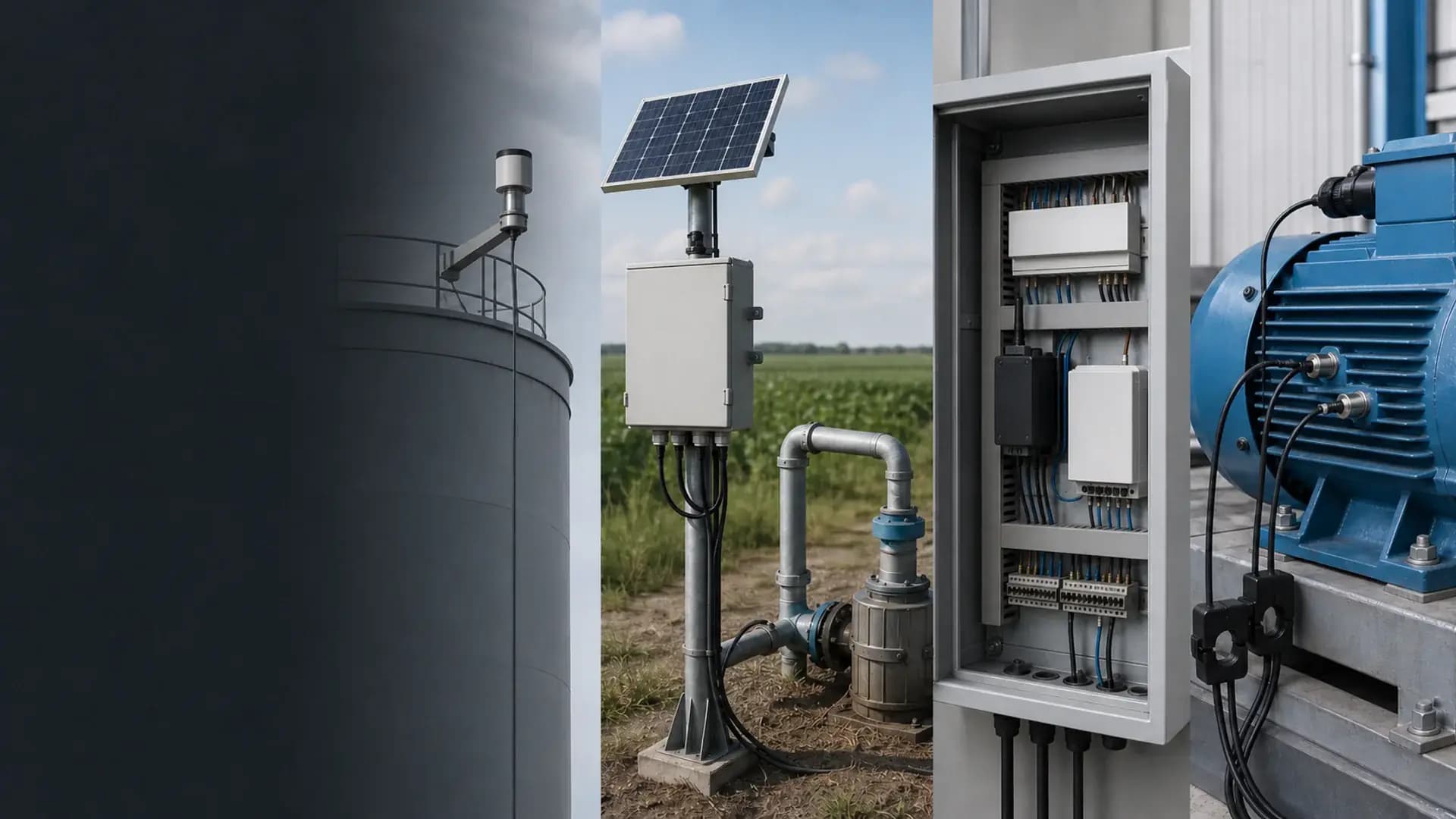
Remote integration context
Sensors, interfaces, enclosure, power and mounting are confirmed against the actual project before quotation.
Official technical references
These standards help validate protocol and network requirements. Product-specific conformity, regional settings and final specifications are confirmed before quotation.
FAQ
Can SunGene provide only the LoRaWAN gateway?
Yes. We can supply gateway-only hardware or a tank monitoring package with sensors, nodes and field accessories. The customer platform, decoder and alarm workflow are confirmed separately.
Which LoRaWAN sensors are used for wastewater monitoring?
Common options include radar or ultrasonic level sensors for non-contact measurement, plus optional water-quality sensors when pH, conductivity or turbidity data is needed. The final shortlist depends on liquid condition, mounting distance, power and target country frequency plan.
How do we confirm LoRaWAN frequency support?
Confirm the deployment country and required regional plan such as EU868, AS923 or US915 before samples or firmware labels are finalized.
Do you provide payload decoder support?
For LoRaWAN nodes, SunGene can help define payload fields and provide decoder guidance for supported network servers when project details are confirmed.
What information is needed for an industrial IoT tank sensor quotation?
Please share tank height, liquid type, installation photos, desired alarm thresholds, power source, network preference, country, quantity and whether the buyer needs gateway-only hardware or a complete monitoring package.
Is LoRaWAN the wastewater sensor itself?
No. LoRaWAN is the communication path. The measuring element may be a radar, ultrasonic or submersible level sensor, a point-level switch, or a water-quality instrument connected to a compatible field node. Sensor output, node inputs, regional band and payload format must be confirmed together.
Get selection help
Start with a short description. A complete equipment list is not required.