
Industrial IoT resource
Solar Weather Station Power System
A guide to sizing solar panel, RS485 MPPT controller, LiFePO4 battery and outdoor protection for remote weather station and monitoring equipment.
Start from the site condition
Models and quotation stay on sungeneiot.com. Use the matching field condition first.
agri.sungeneindustrial.com
Agricultural irrigation and farm pumps
Review water delivery, pump state and greenhouse signals from existing farm facilities.
agri.sungenegroup.com
Farm water, soil and weather monitoring
Plan field and orchard measurements around available power, coverage and maintenance visits.
Relevant products
The exact model, interfaces and enclosure are confirmed in the written quotation.
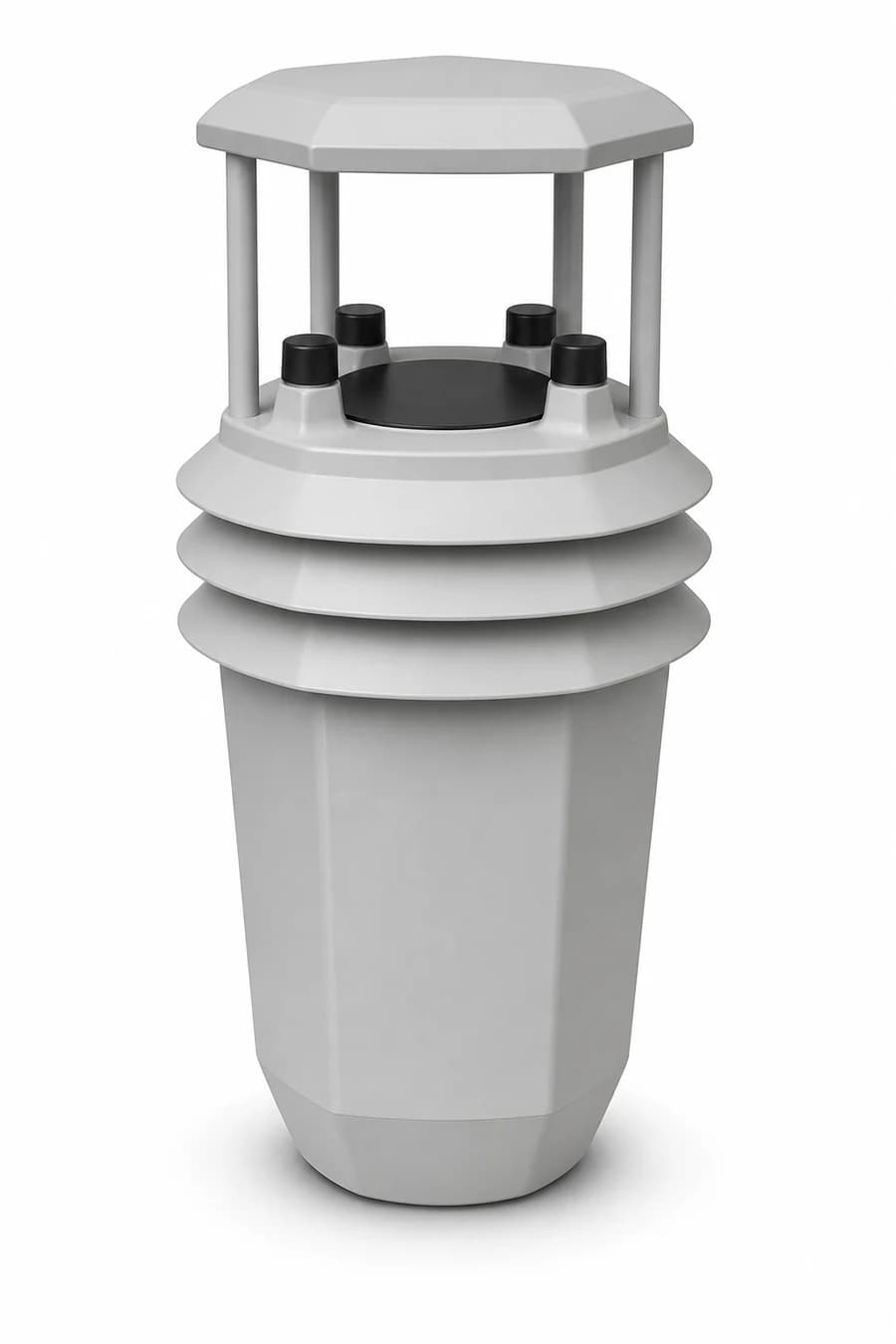
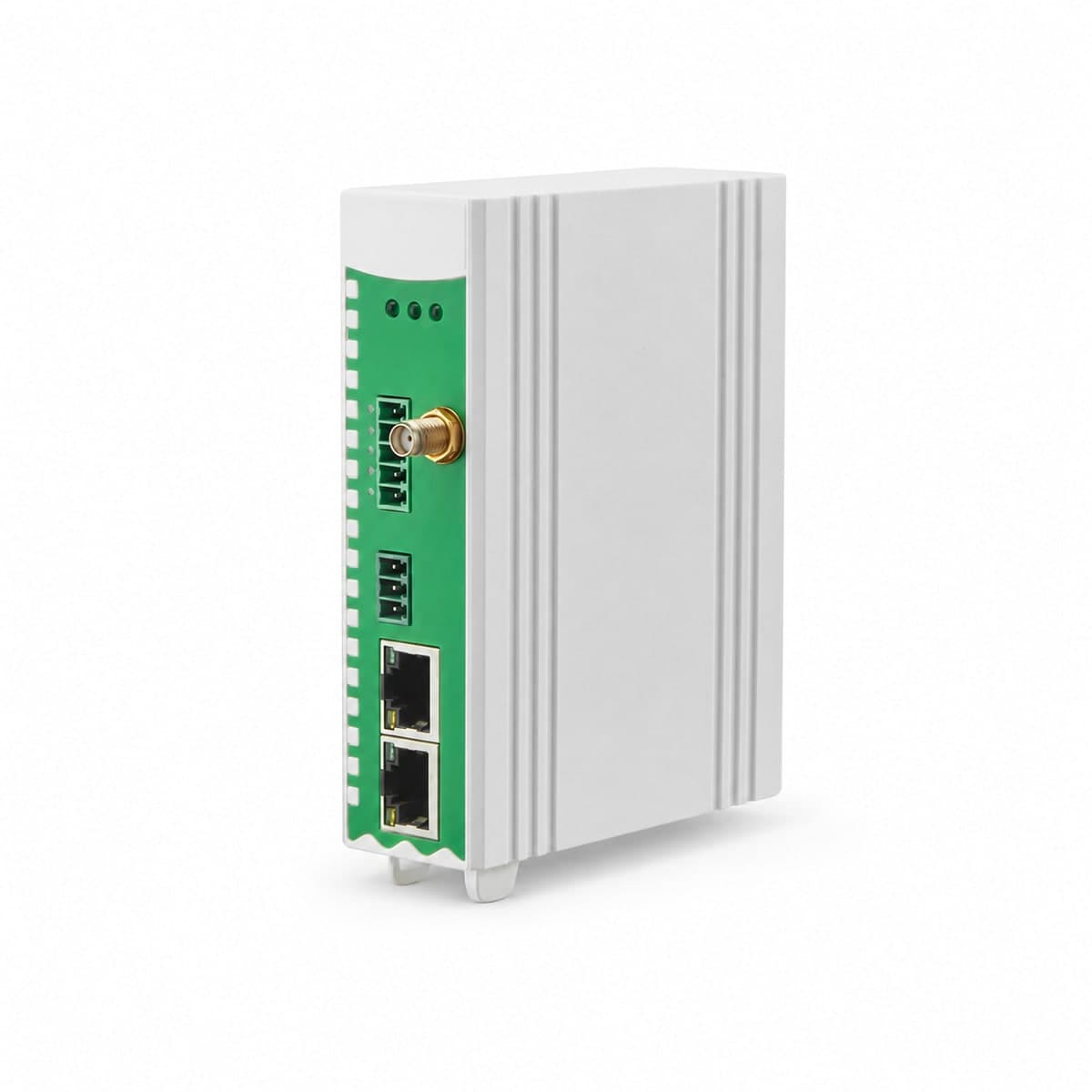
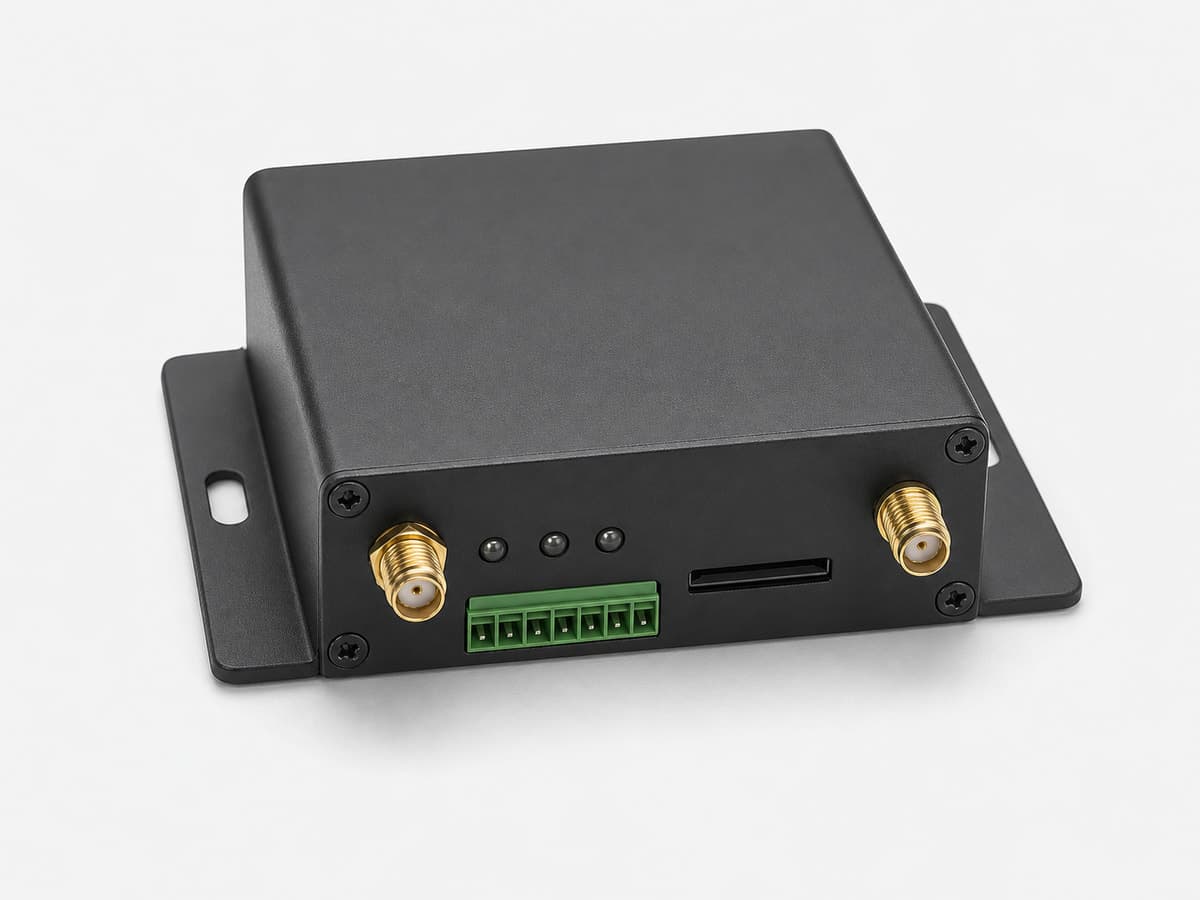
Need a project-specific hardware selection?
Send the site signals, network, power and reporting target. We will return a configuration scope for quotation.
- Document type
- Technical buyer guide
- Applicable family
- Solar-Powered Weather Station / Edge IoT Gateway
- Language
- English
- Evidence status
- Protocol references plus pre-quote product confirmation
This guide supports project selection. It is not an exact-model datasheet, compliance certificate or installation approval.
Best fit
Use this page when the main project risk is not the sensor itself, but keeping the weather station, gateway and communication module powered reliably outdoors.
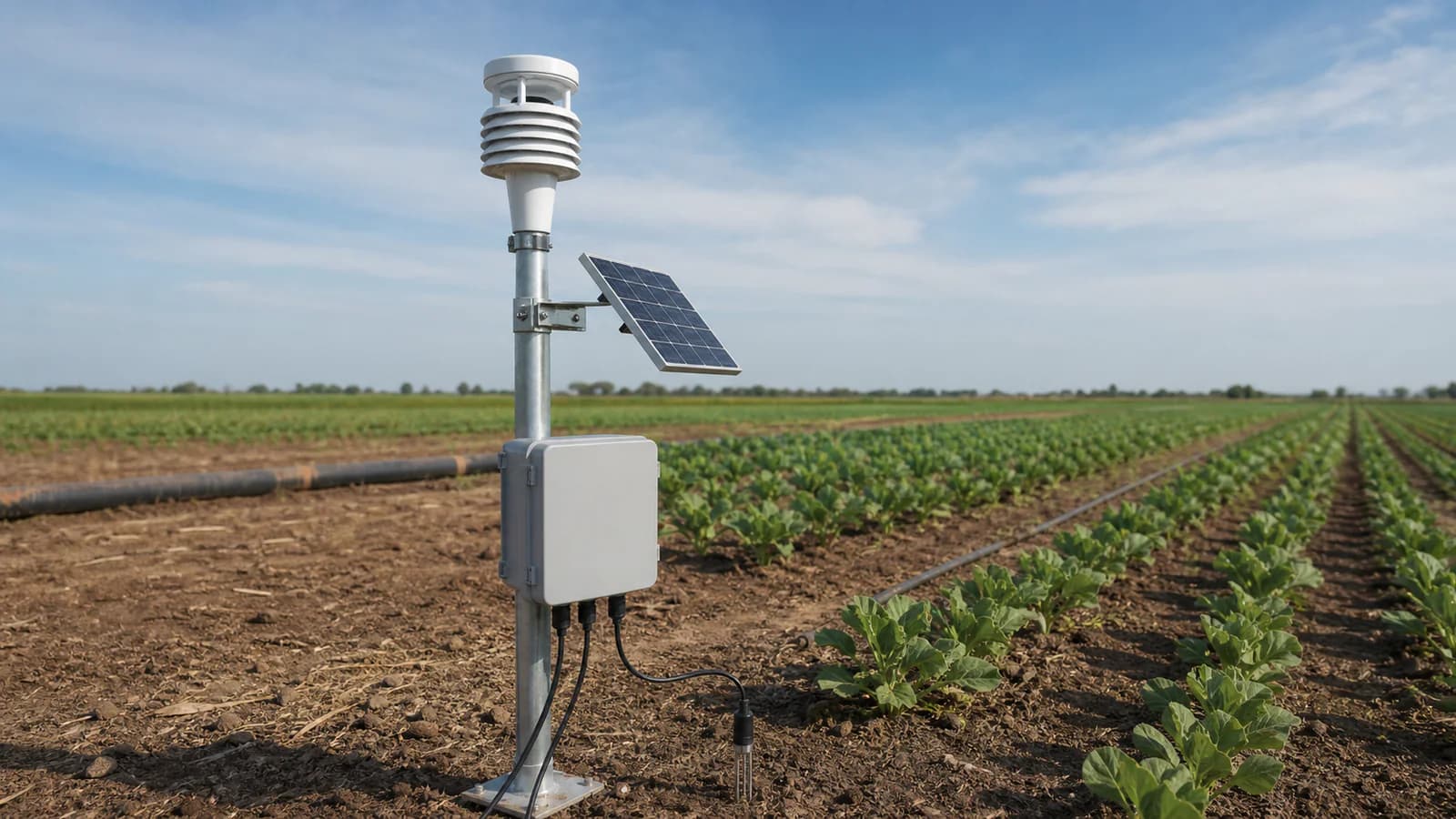
Outdoor field-monitoring context
Sensors, interfaces, enclosure, power and mounting are confirmed against the actual project before quotation.
See where the system fits
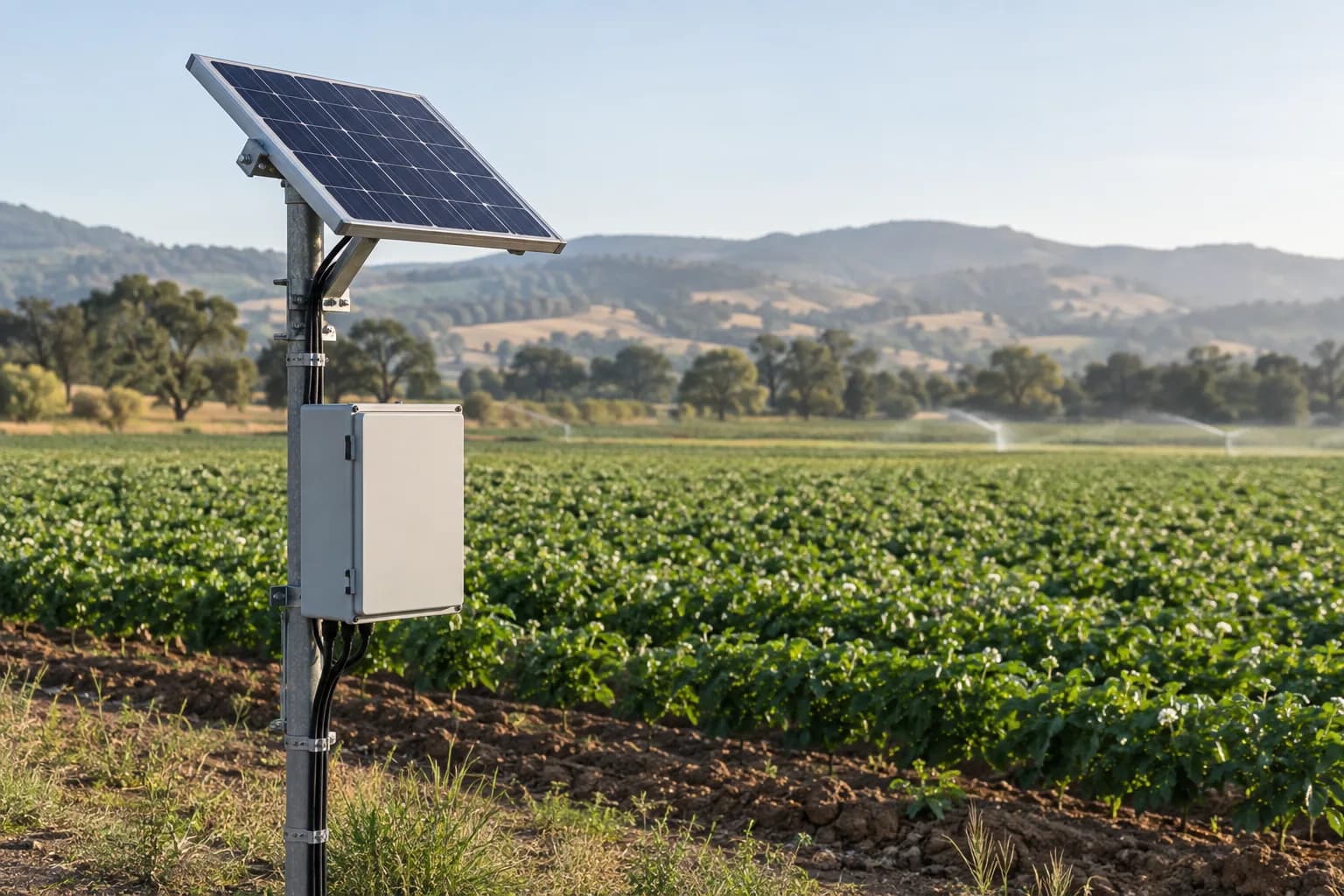
Keep remote measurement points supplied
Size field power around the final equipment load, seasonal sunlight and visit interval.
Explore this requirement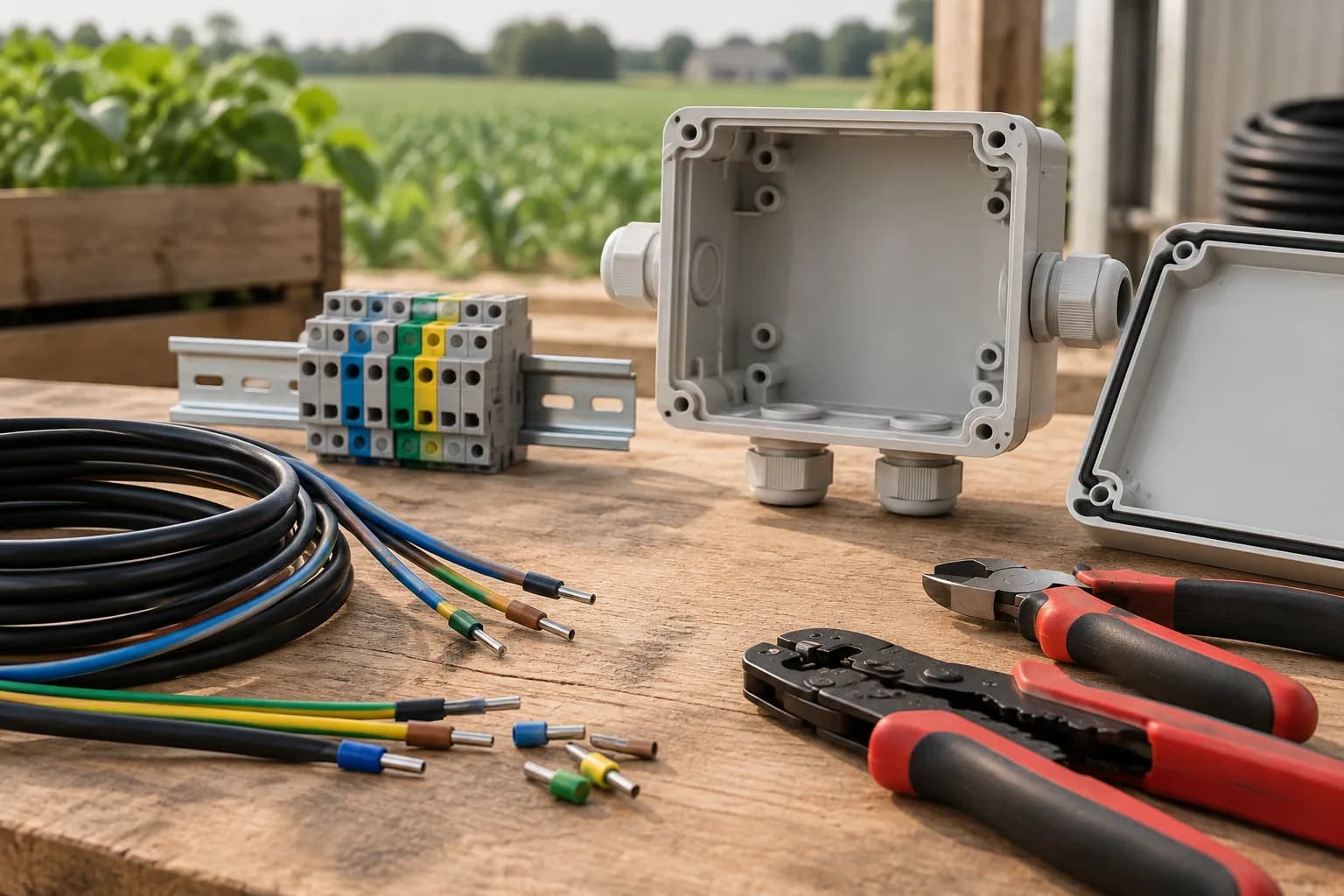
Make each connection understandable
Check power, terminals, interfaces and data interpretation when readings are missing.
Explore this requirementStart from the load budget
Power design starts with the average and peak load of sensors, gateway, communication module and any heater or auxiliary device. Reporting interval and sleep mode behavior affect the real daily energy requirement.
MPPT and battery selection
An RS485 MPPT controller can expose charging voltage, current, battery status and fault data to the monitoring gateway. Battery chemistry, usable capacity, charge limits and low-temperature behavior must be checked against the selected battery data before quotation.
Outdoor protection
The power system should consider IP-rated enclosure, ventilation, cable glands, fuse protection, surge protection, mounting angle, theft prevention and maintenance access.
Equipment in the system
System design, software integration, PLC/SCADA programming and site installation responsibilities are agreed in the written project scope.
Data destination
Customer platform or an agreed third-party service
Hardware referenced by this checklist
Exact model, interfaces and enclosure are confirmed in the written quote.
Key points
- Solar panel and battery autonomy sizing
- RS485 MPPT controller monitoring
- LiFePO4 battery for outdoor stations
- Protection design for remote sites
Technologies
- Solar power
- MPPT
- LiFePO4
- RS485
- DC power
- IP66 enclosure
Related pages
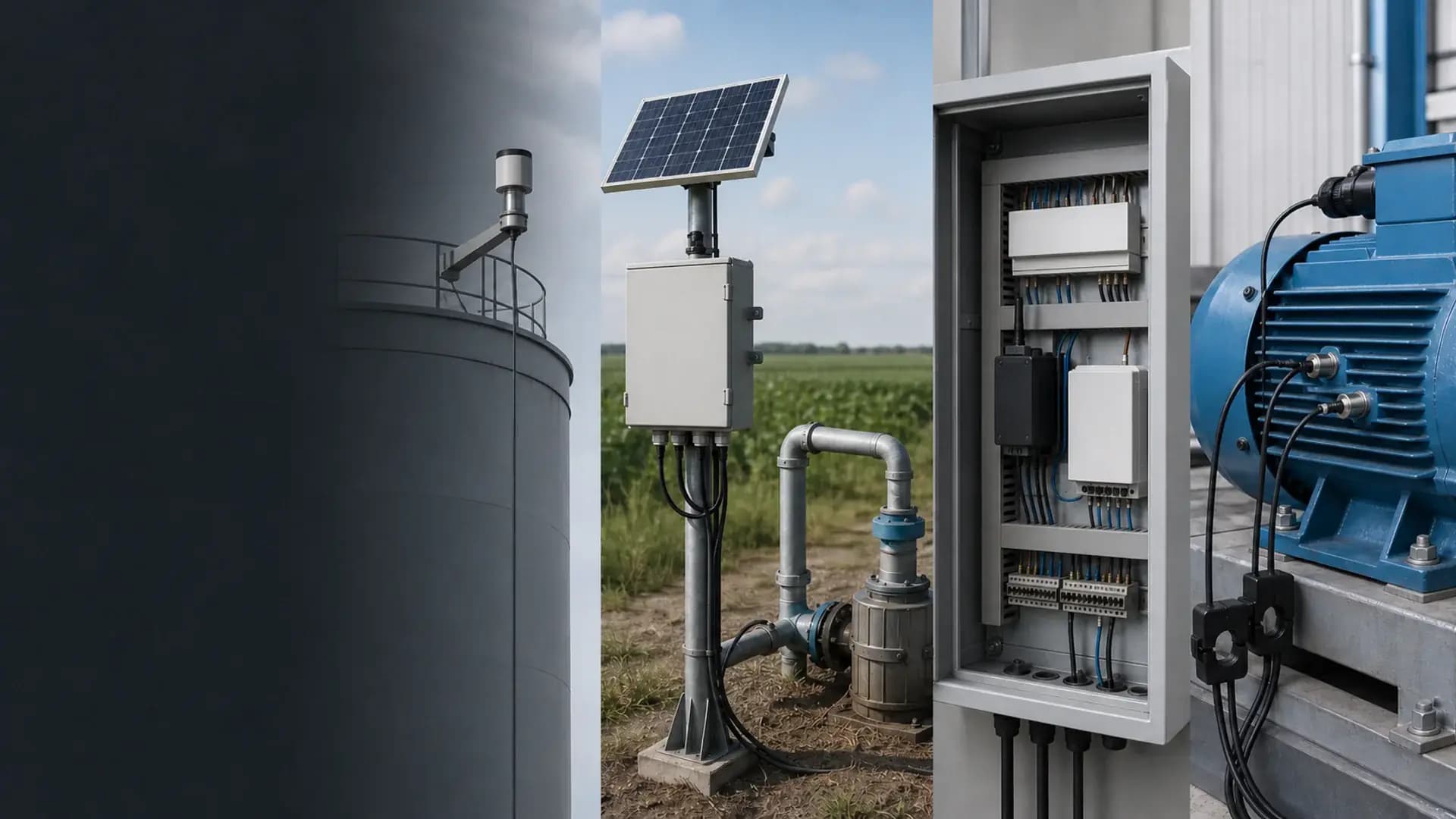
Remote integration context
Sensors, interfaces, enclosure, power and mounting are confirmed against the actual project before quotation.
Official technical references
These standards help validate protocol and network requirements. Product-specific conformity, regional settings and final specifications are confirmed before quotation.
FAQ
How many autonomy days should be planned?
It depends on local weather, service expectations and site criticality. Buyers should share load data, reporting interval and required backup days for sizing.
Why use an RS485 MPPT controller?
RS485 allows the gateway to read charging status, battery voltage, current and faults, so power health can be monitored remotely.
Can this power system be bundled with sensors and gateway?
Yes. SunGene can specify power accessories together with weather sensors, outdoor enclosure, gateway and dashboard requirements.
Get selection help
Start with a short description. A complete equipment list is not required.