
Industrial IoT resource
4G RTU Remote Monitoring Selection Guide
A practical 4G RTU selection guide covering LTE bands, field I/O, RS485 Modbus, MQTT or SCADA integration, power, antennas and offline data handling.
Site conditions to check
Compare power, communication and equipment requirements for irrigation, pumps, soil and weather monitoring.
agri.sungeneindustrial.com
Agricultural irrigation and farm pumps
Compare pump contacts, motor current and water flow before choosing what to monitor at your farm.
agri.sungenegroup.com
Farm water, soil and weather monitoring
Plan field and orchard measurements around available power, coverage and maintenance visits.
Relevant products
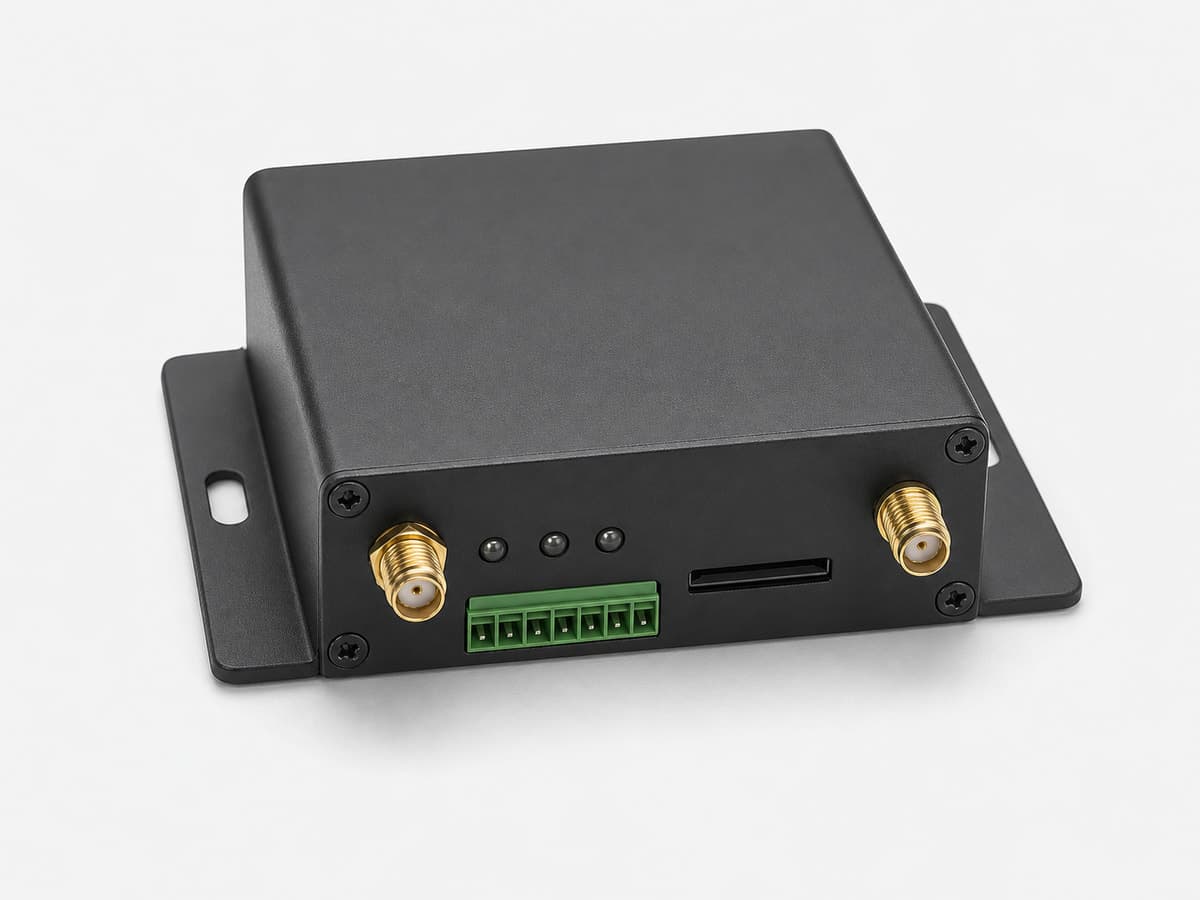
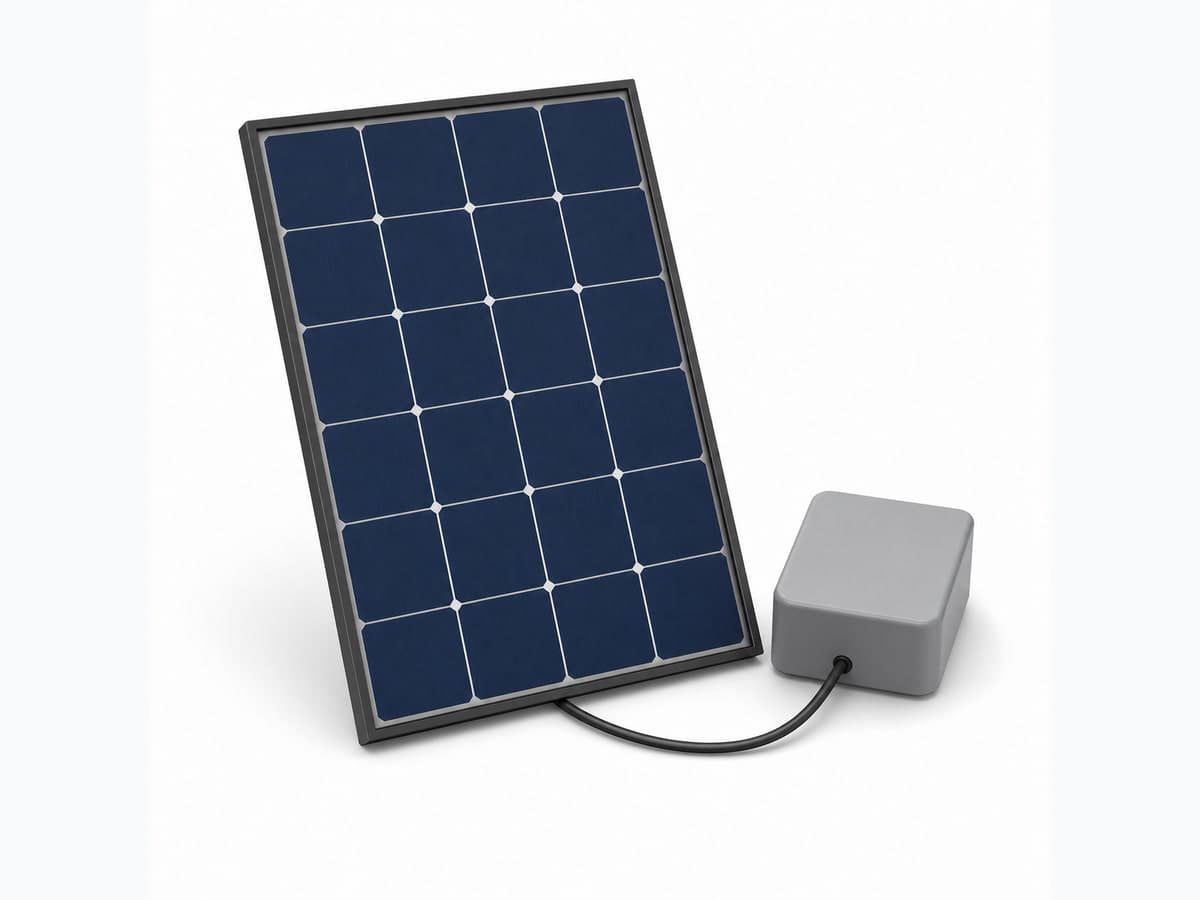
Product-family photos. See each product page for specifications and options.
Need help choosing equipment?
Send your device models, available power and network, and where the data needs to go. We can help select compatible equipment.
When to use this guide
Use this guide before requesting a 4G RTU for a pump station, tank, utility meter, environmental site or remote machine. It turns the field point list, cellular network and customer-platform requirements into a reviewable hardware scope without assuming one fixed model or unverified specification.
Connecting field equipment
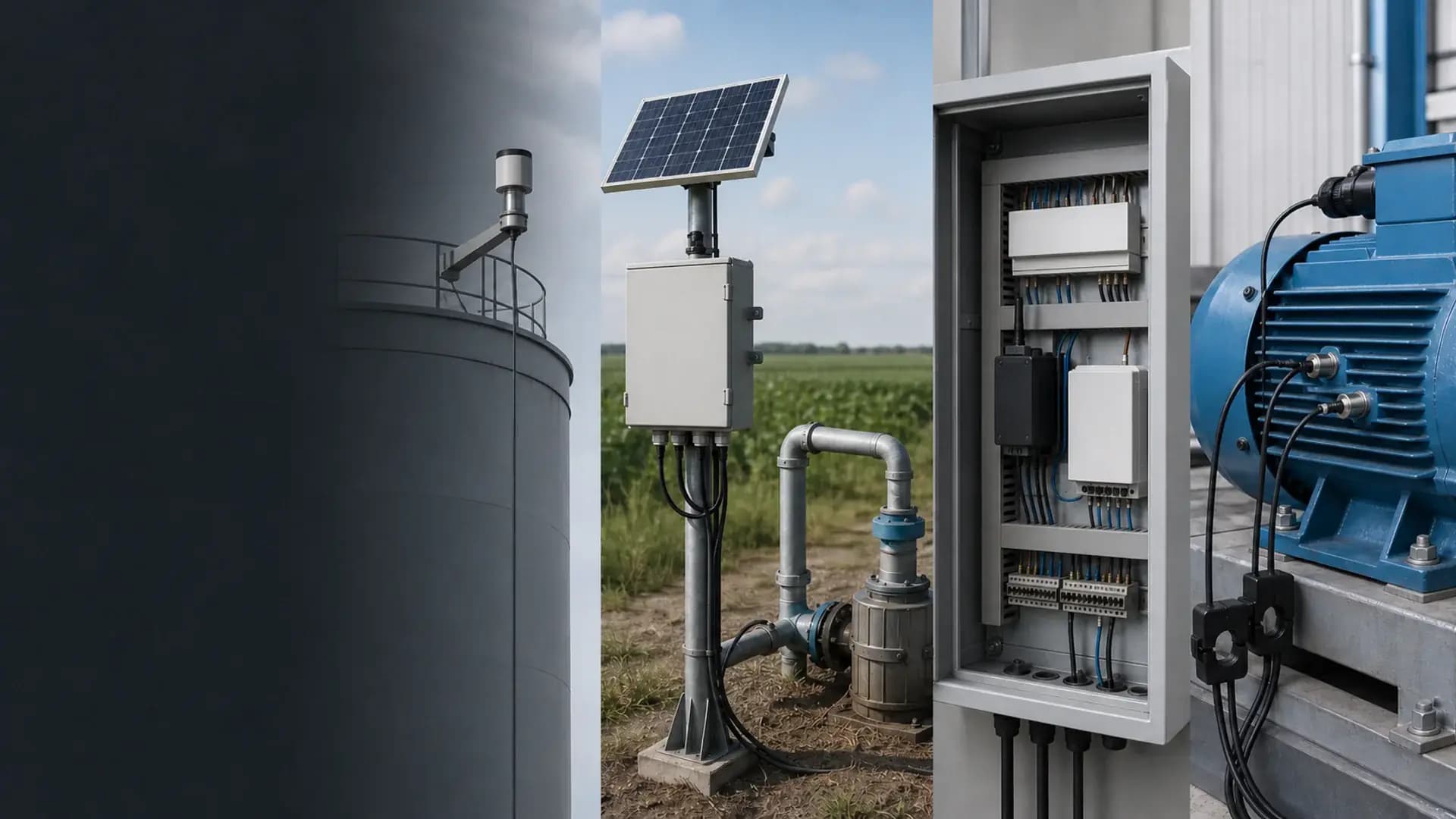
Illustration: remote-monitoring integration with field enclosure, gateway, power and industrial equipment.
See where the system fits
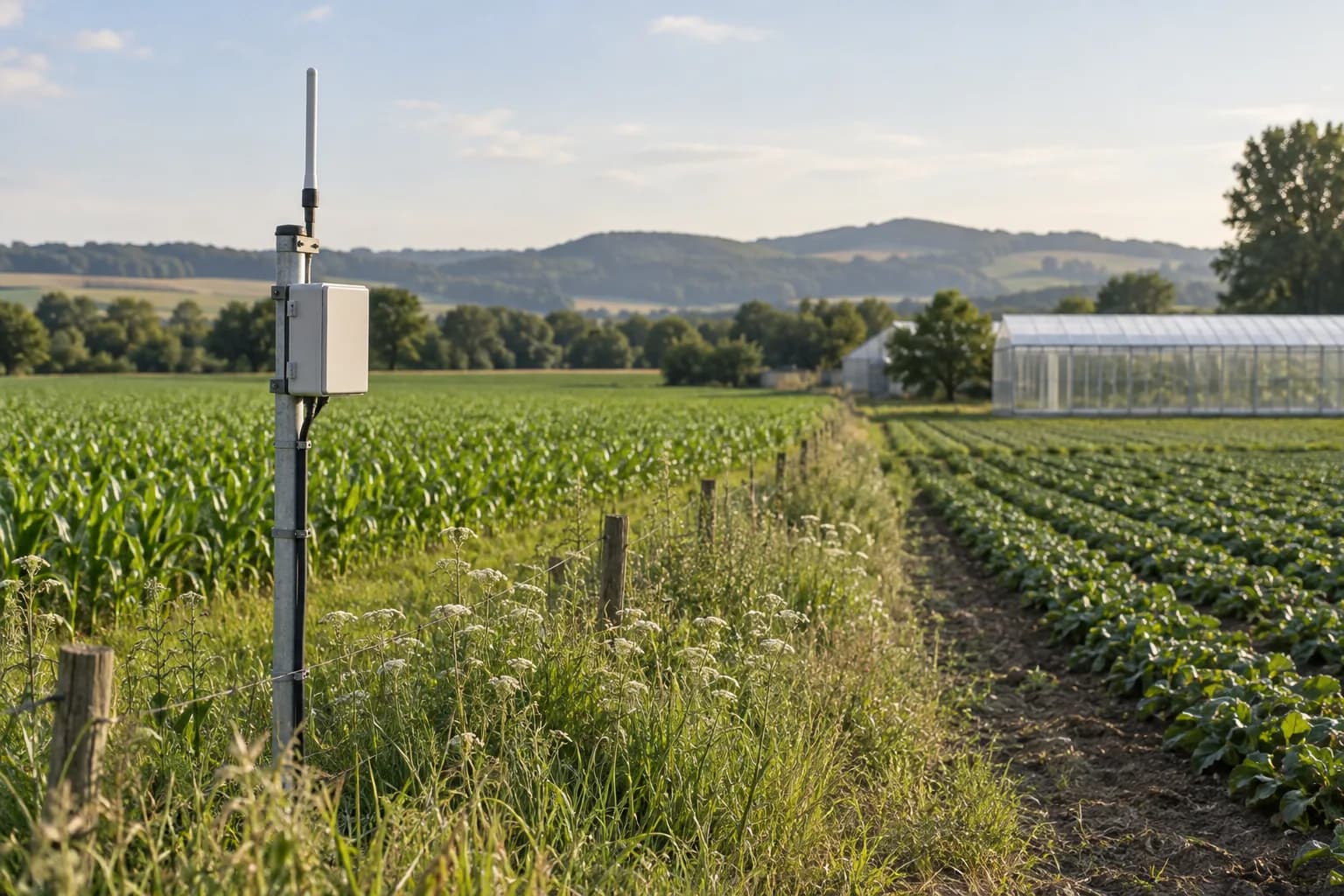
Connect separate fields and facilities
Review coverage, equipment identity and the path into your chosen platform.
Read the guide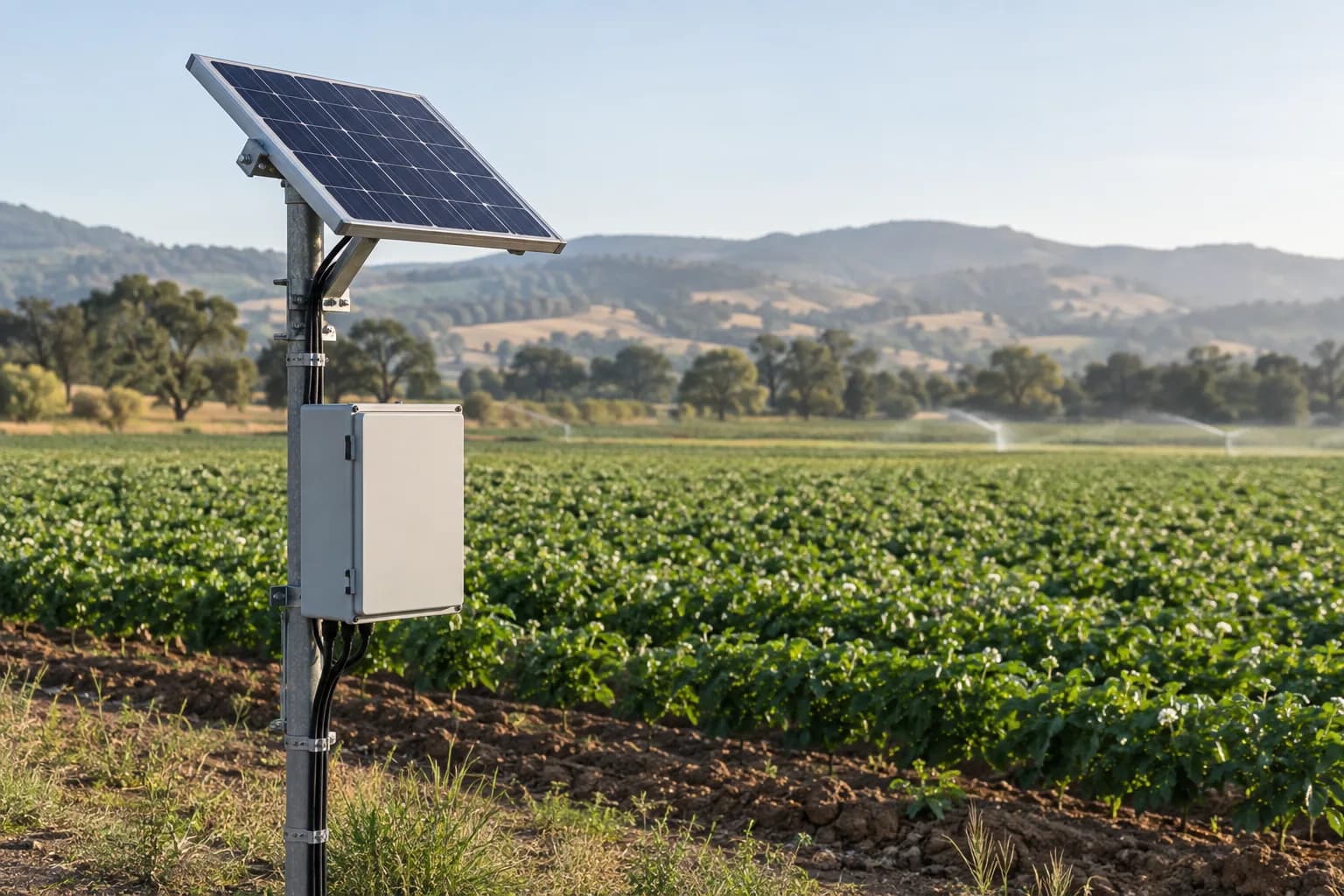
Keep remote measurement points supplied
Size field power around the final equipment load, seasonal sunlight and visit interval.
Read the guideList the readings and alarms the RTU must collect
Define what an operator must know or act on: pump fault, high tank level, loss of pressure, abnormal current, meter total, equipment temperature or a no-data condition. Then list each signal, its electrical interface, normal range, alarm rule and required reporting interval. This prevents a project from selecting an RTU by headline features while missing the I/O or data behavior that actually matters.
Confirm country, operator and LTE bands
A cellular RTU must match the radio bands and operator conditions at the deployment site. Share the country, intended network operator, SIM or APN requirements and whether the antenna will be inside a cabinet or mounted outside. The final cellular module, antenna and regional documentation must be confirmed before quotation; a generic statement such as 4G supported is not enough for an international deployment.
Build the field I/O and Modbus point list
Separate dry contacts, pulse inputs, 4-20mA or voltage signals, relay outputs and RS485 devices. For Modbus equipment, provide the register map, device address plan, baud rate, parity, data type, scaling and polling interval. If two device groups use different serial settings, they may need separate RS485 ports or a revised bus design. Remote control outputs also require interlocks and a clear owner for control authority.
Continue with the remaining selection notes
Equipment in the system
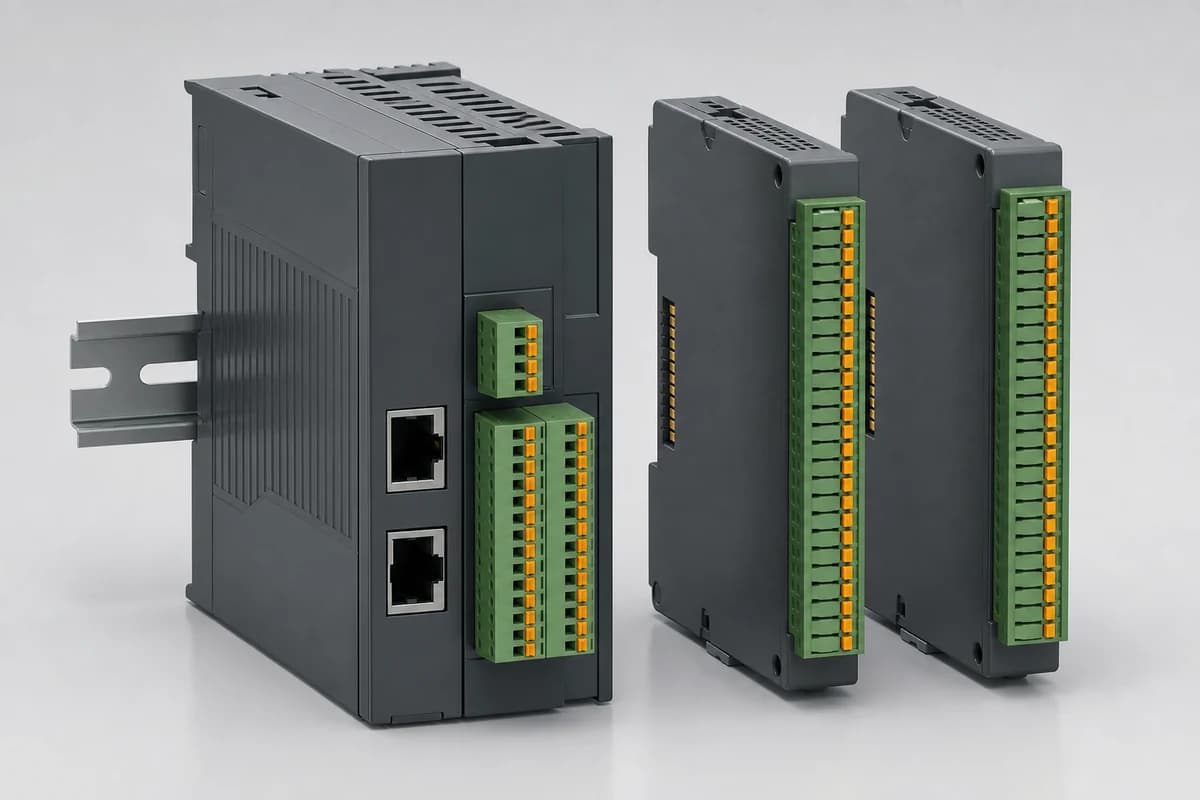
Example equipment arrangement. Check compatibility and agree who handles software, PLC/SCADA programming and site installation.
Data destination
Customer platform or an agreed third-party service
Selection worksheet
4G RTU selection checklist
Cellular region
- Confirm
- Country, operator, LTE bands, SIM / APN and antenna location
- Why it matters
- Prevents an incompatible radio or poor cabinet reception.
Digital I/O
- Confirm
- Run, fault, door, overflow, relay and remote-control points
- Why it matters
- Sizes channels and exposes interlock requirements.
Analog I/O
- Confirm
- 4-20mA / voltage range, loop power, isolation and scaling
- Why it matters
- Keeps sensor wiring and engineering units consistent.
Show the remaining worksheet rows
Other equipment to compare
Product-family photos; the model and enclosure may vary.
Key points
- Country and LTE-band review before model selection
- Dry contact, analog, pulse and RS485 point-list planning
- MQTT or transparent TCP / UDP integration, with other protocols verified separately
- Power, antenna, enclosure and offline-buffering scope
Technologies
- 4G LTE
- RS485
- Modbus RTU
- MQTT
- Digital I/O
- 4-20mA
- SCADA
Related pages
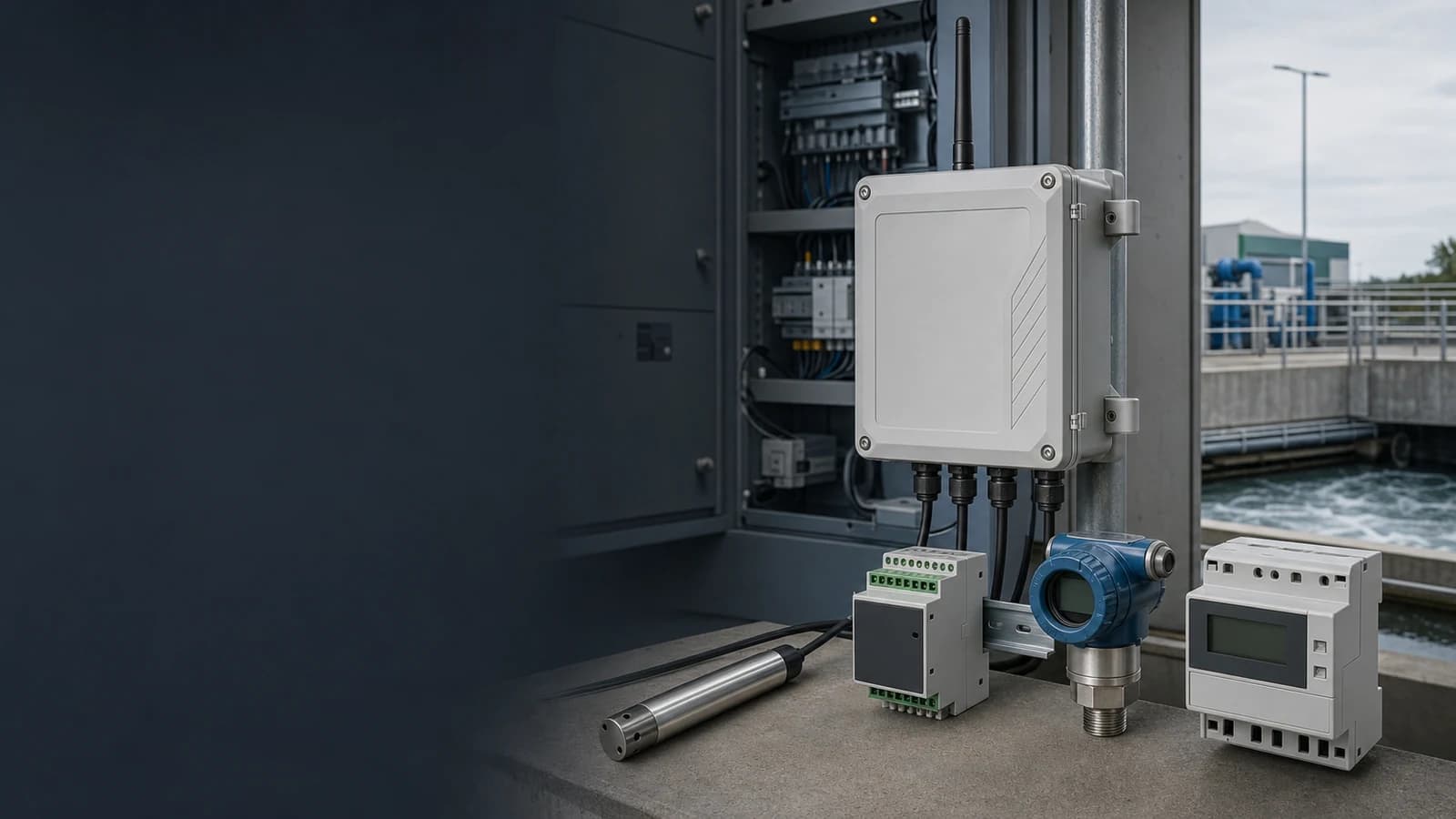
Water-level monitoring
Illustration: water-monitoring site with field instruments, an RTU enclosure and tank infrastructure.
Official technical references
See the protocol specifications below. Check the selected model’s documents for supported functions, radio settings and certificates.
FAQ
What information is needed to select a 4G RTU?
Share the deployment country and operator, complete I/O and Modbus point list, upstream protocol, power and enclosure conditions, offline-storage expectation, quantity and project stage.
Can one 4G RTU read both dry contacts and Modbus devices?
That architecture is common, but the final configuration depends on channel count, RS485 port layout, serial settings, register workload and the approved hardware option. These points are confirmed before quotation.
Does SunGene provide the monitoring platform?
SunGene primarily supplies field hardware and the agreed integration scope. The documented RTU configuration supports MQTT or transparent TCP / UDP delivery to a customer-owned endpoint. A separate gateway, dashboard or protocol-conversion scope can be reviewed when the destination requires Modbus TCP, HTTP API or another interface.
How should a remote pump-station RTU handle a network outage?
Define local event and value buffering, timestamp rules, reconnect behavior, delayed upload and a no-data alarm. The required duration depends on reporting interval, site criticality and expected cellular outages.
Can the RTU be supplied as a complete outdoor package?
Yes. The project scope can include sensors, remote I/O, cellular antenna, power accessories, solar components, enclosure, mounting accessories and integration documents after the site conditions are confirmed.
Get selection help
Tell us what you want to measure and where. Send a model number or site photo if you have one.