Water delivery across the farm
Connect level, flow and pump status with the water decisions your team makes.
Read the guide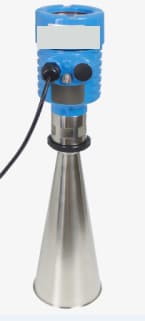
Pictured: SG-RLT-102 — Radar Liquid Level Transmitter.
Measure water levels from above a farm tank or reservoir. This 0.1–65 m radar sensor connects by RS485 Modbus RTU to a compatible logger or RTU, with a 10–33 VDC supply.
Related application hardware: Farm water & pump monitoring
For an irrigation reserve or farm water tank, choose where the radar can look directly at the water. The reading then passes to the logger or RTU that records it and handles the agreed high or low level alerts.
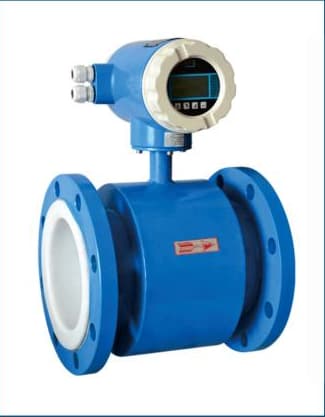
Order the sensor alone for a compatible existing system, or include the acquisition and remote connection equipment. For an initial quotation, send the country, quantity, mounting photo and water-level range.
The quotation lists the selected equipment, accessories, price and delivery terms.
Purchasing and delivery details →Selection guidance and application documents. Wiring, register maps and certificates must match the chosen model and version.
English · Web page · printable
Online selection guide
Application selection guide
PDF · English
Tell us which wiring, protocol or calibration documents you need for the equipment.
Compare uses, interfaces and configuration options. These are selection references.
Define the required function, interfaces, power, mounting and accessories for the site.
Confirm the exact model, configuration, photograph, document revisions, accessories, price, delivery and warranty.
Tell us what you want to measure and where. Send a model number or site photo if you have one.
Connect level, flow and pump status with the water decisions your team makes.
Read the guide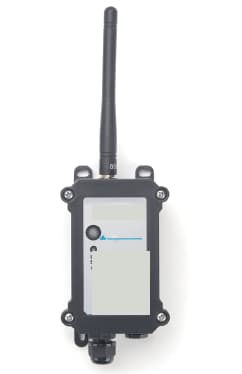
Review coverage, equipment identity and the path into your chosen platform.
Read the guideExample equipment arrangement. Check compatibility and agree who handles software, PLC/SCADA programming and site installation.
Data destination
Customer platform or an agreed third-party service
Compare power, communication and equipment requirements for irrigation, pumps, soil and weather monitoring.
Compare pump contacts, motor current and water flow before choosing what to monitor at your farm.
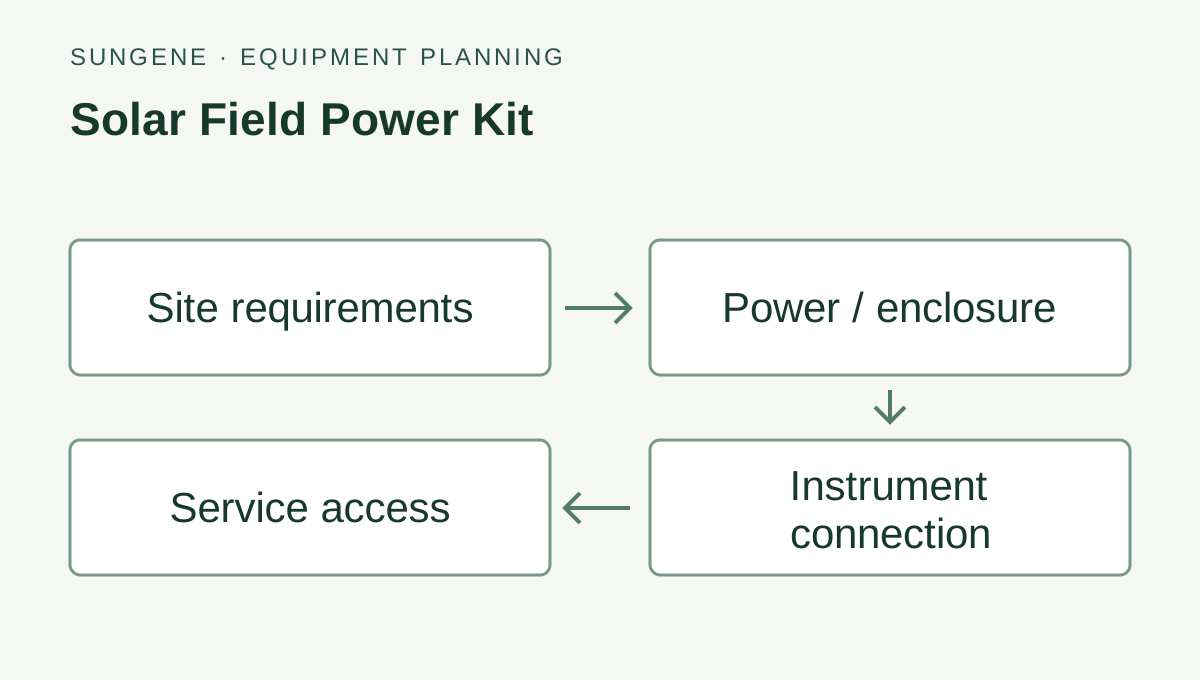
Calculate sensor, logger and radio loads before choosing a battery and solar panel. Include reporting intervals and maintenance visits.
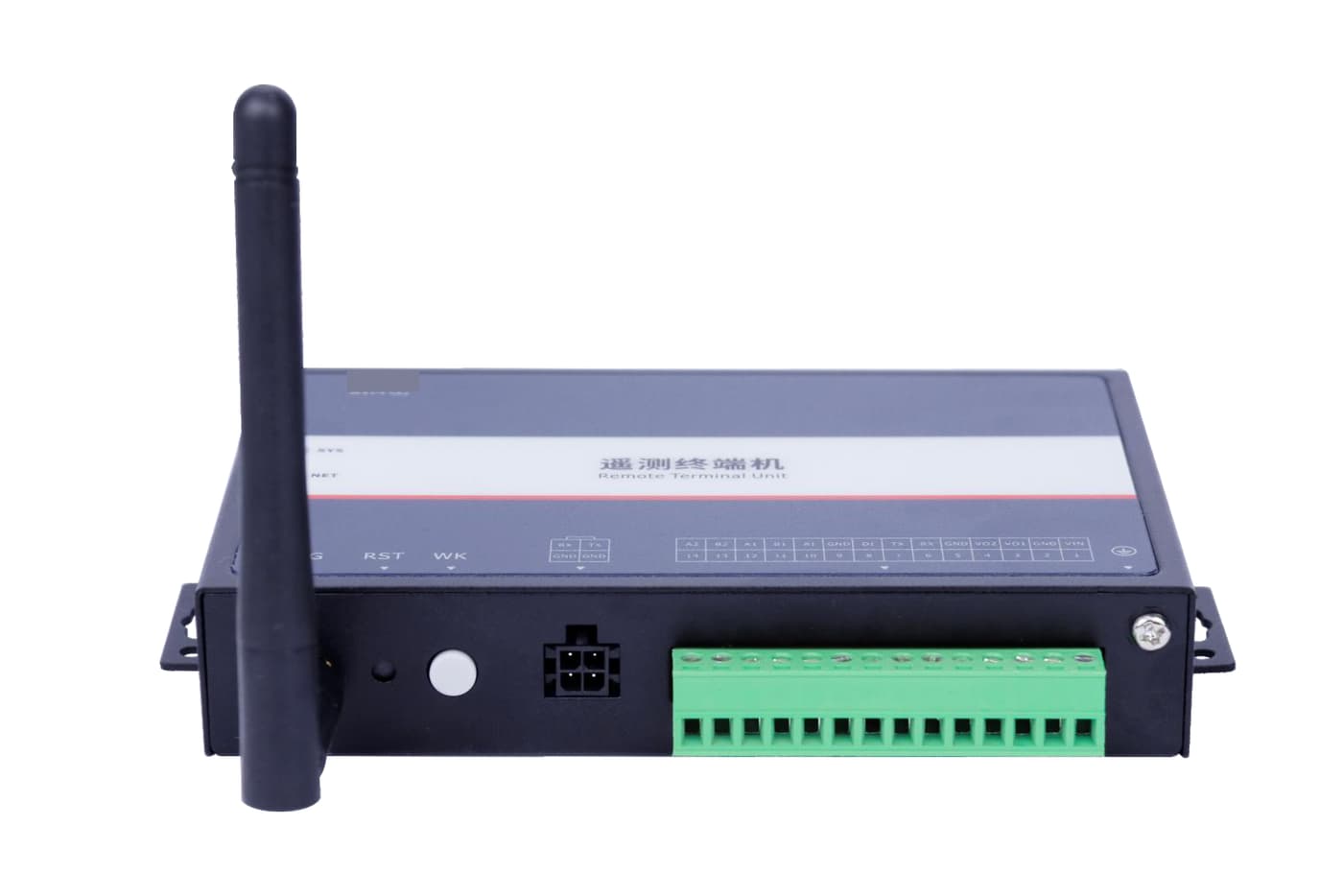
Product photograph
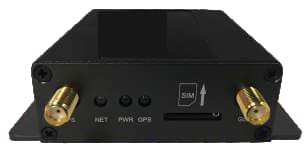
Pictured: SG-RTU-145 — Water Level Telemetry Terminal.
Compare related equipment and connection options.
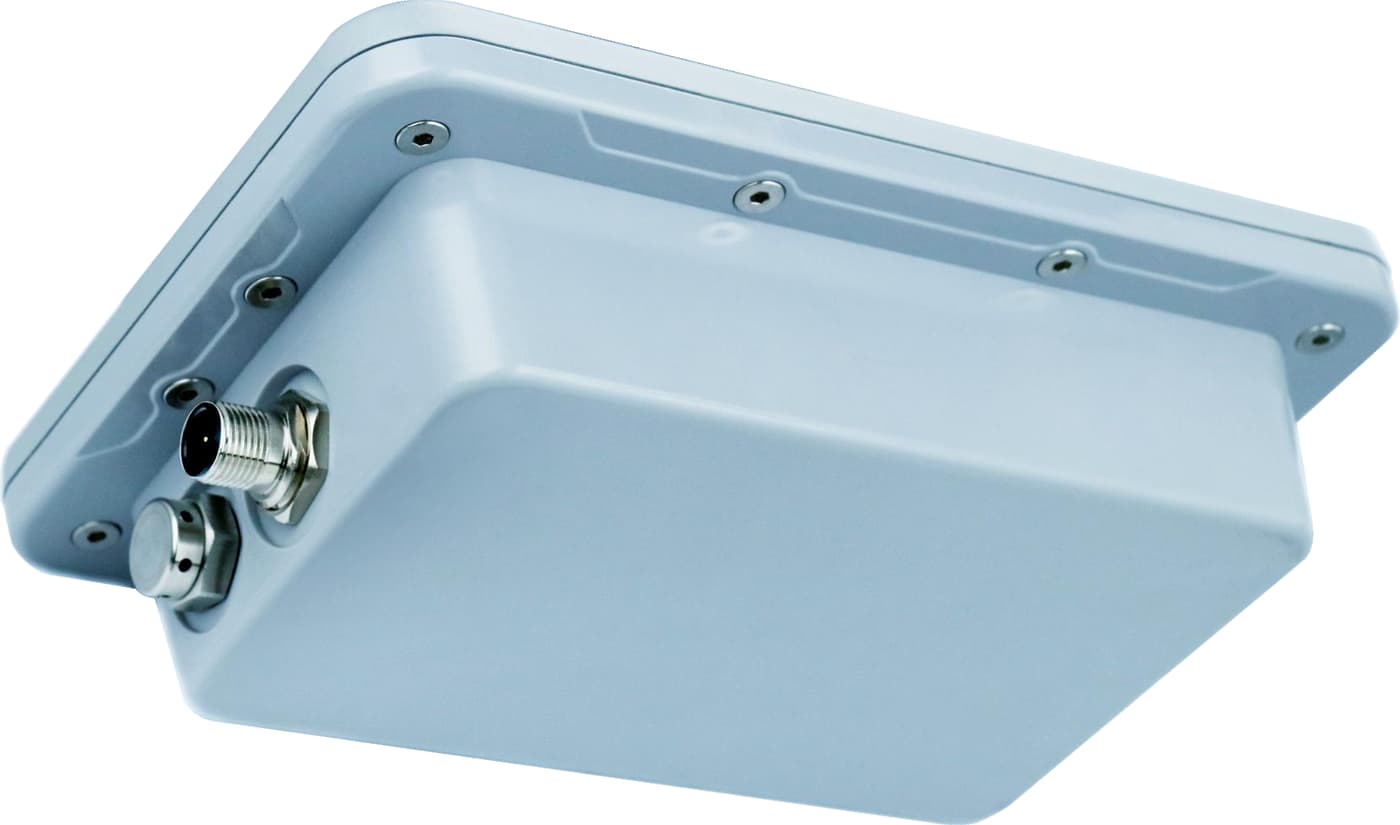
Product photograph. Pictured: SG-RLT-108 — Non-contact radar water level sensor.
Use this radar sensor when a river, lake, reservoir or tank needs non-contact water-level measurement with a clear view of the surface. The unit measures from 0.1 to 65 m and sends readings over RS485 Modbus RTU to a compatible RTU or data-acquisition gateway.
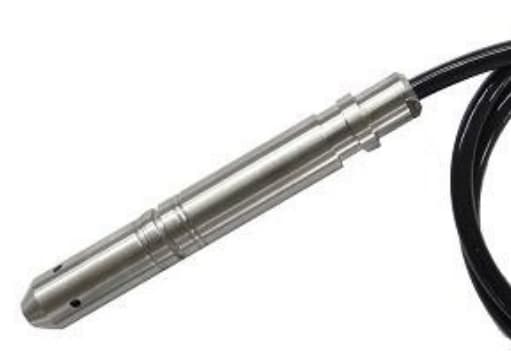
Application illustration · Tank-top sensor cable and an accessible field enclosure.
Read guide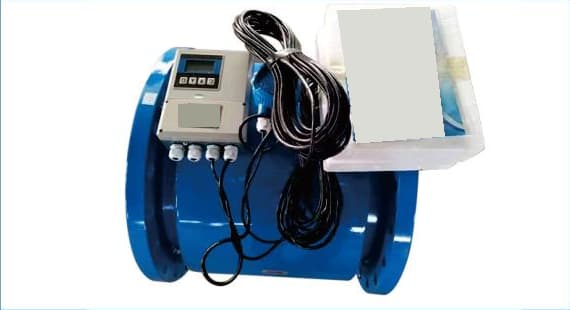
Application illustration · Instrument cables run to a separate collection enclosure.
Read guide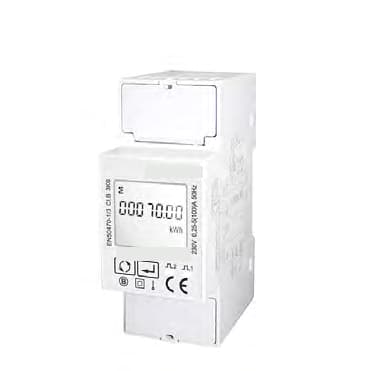
The unit provides RS485 Modbus RTU output and accepts 10–33 VDC. Connect it to a compatible RS485 port on the RTU or data-acquisition gateway, then confirm the ordered unit’s register map, cable run and polling plan before commissioning.
Typical sites include rivers, lakes, reservoirs and tanks with a clear downward view of the water surface. Keep the installation within the 0.1–65 m range, above the blind zone, and provide the mounting height and nearby obstructions for review.
The rating is IP68 with an operating temperature of -40 to +85 °C. The final bracket, hoop, field cable length, connector protection and enclosure entry are confirmed for the installation.
Yes when tank height, vapor or foam, nozzle size, mounting access and the radio or serial path are reviewed together. Radar is often compared with ultrasonic or a submersible transmitter before quotation. Range, output and material compatibility are confirmed for the ordered configuration.
The sensor itself is the measuring head. A LoRaWAN node, RS485 collector or 4G RTU is selected from the site power, distance, existing cabinet wiring and where the reading must arrive. Share those constraints before the radio is frozen.
Use the listed inputs, power and protocol to match the device to your controller. Send its model or an input photo with the equipment request.
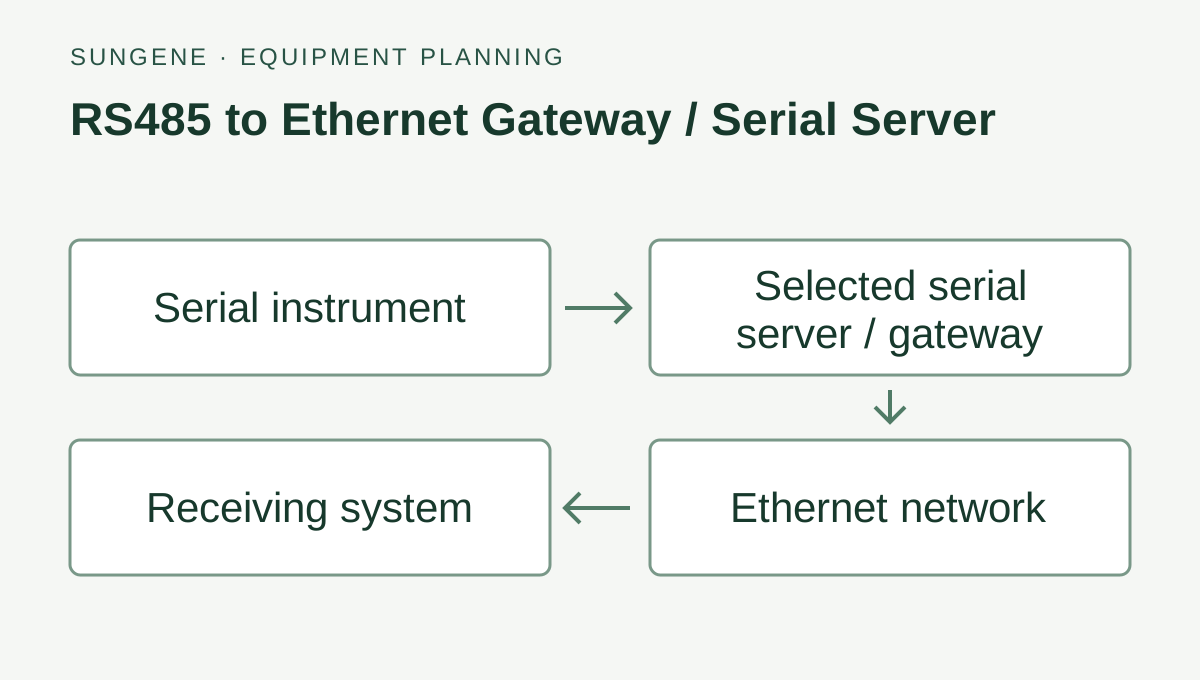
The sensor has an RS485 Modbus RTU output. Remote reporting uses a separate compatible RTU or gateway. For LoRaWAN, the wired sensor needs a compatible input node and a gateway with network-server and payload-decoder configuration.
Radar measures from above the water and needs a stable mounting point with a clear downward view. A submerged transmitter sits in the water and needs suitable wetted materials, cable length and service access. Choose from the tank layout, water depth, obstructions and receiving input.