Connect separate fields and facilities
Review coverage, equipment identity and the path into your chosen platform.
Explore this requirement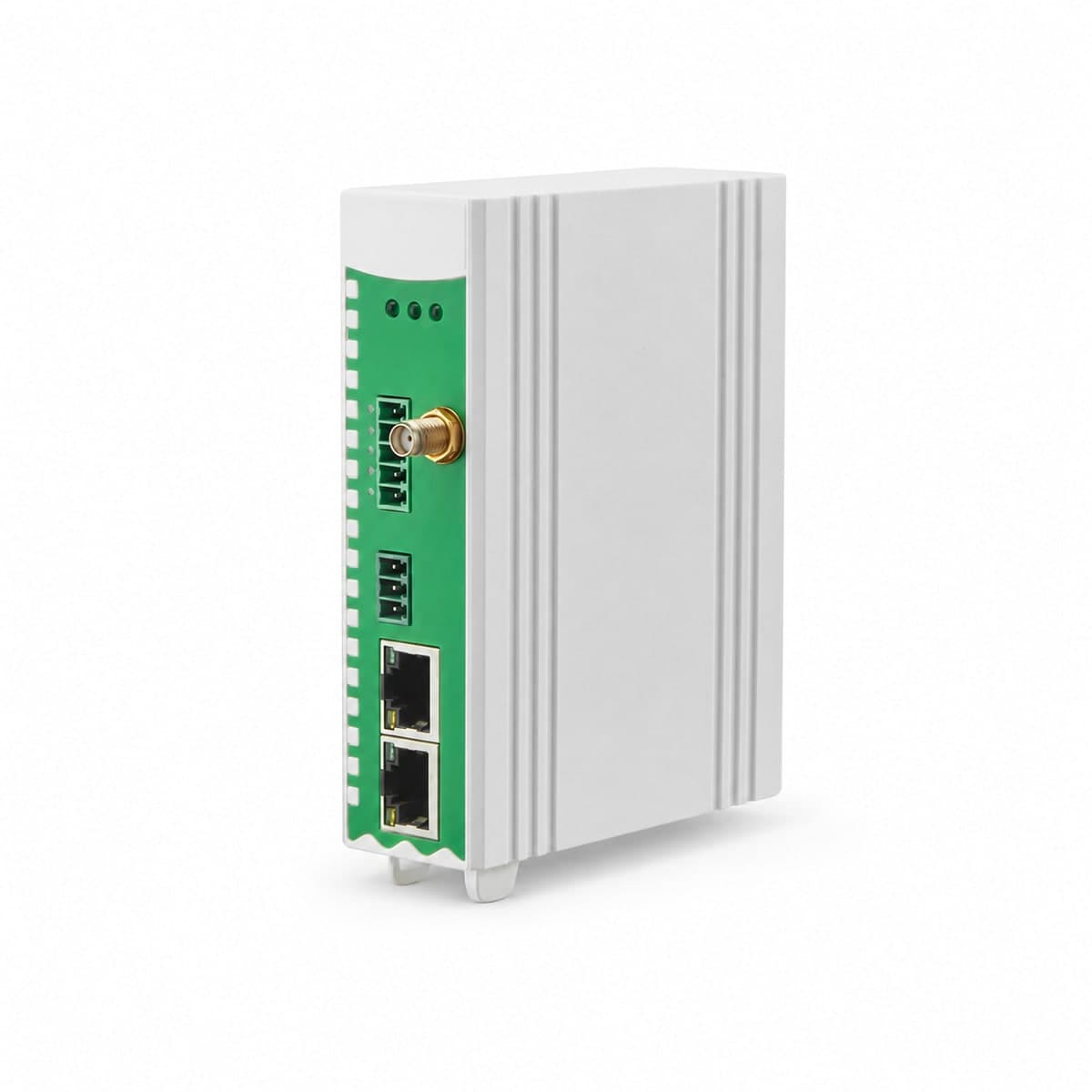
DIN-rail gateway for collecting Modbus data from RS485 / RS232 devices and sending it to MQTT, Modbus or OPC UA systems over Ethernet, optional 4G or Wi-Fi.
Appearance, connectors and included accessories follow the configuration confirmed in your quotation.
Related application hardware: Equipment Monitoring
Share your current model, a photo or the connection you need. We help assess interfaces, power and the required configuration.
Get selection & integration helpPublic documents describe this product family and selection options. Wiring, register maps and compliance documents must match the model and version selected for your order.
English · Web page · printable
Current online selection reference
Industrial Monitoring Hardware Catalog
PDF · English · 379 KiB
File revision: 2026-07-22 · 85c5f07896ab
Choose what you need. We first identify the model and revision, then confirm which documents can be supplied. The request does not imply that every document is available.
Compare uses, interfaces and configuration options. These are selection references.
An SG code helps identify a sourcing option; it is not a substitute for the manufacturer model or its certificate.
Confirm the exact model, configuration, photograph, document revisions, accessories, price, delivery and warranty.
Start with a short description. A complete equipment list is not required.
Review coverage, equipment identity and the path into your chosen platform.
Explore this requirement
Size field power around the final equipment load, seasonal sunlight and visit interval.
Explore this requirementSystem design, software integration, PLC/SCADA programming and site installation responsibilities are agreed in the written project scope.
Data destination
Customer platform or an agreed third-party service
The written quotation ties the site requirement to one reviewed hardware configuration.
Site requirement
Application, medium, mounting and environment
Hardware configuration
Signal, protocol, power and enclosure
Quote confirmation
Model, quantity, certificates and delivery
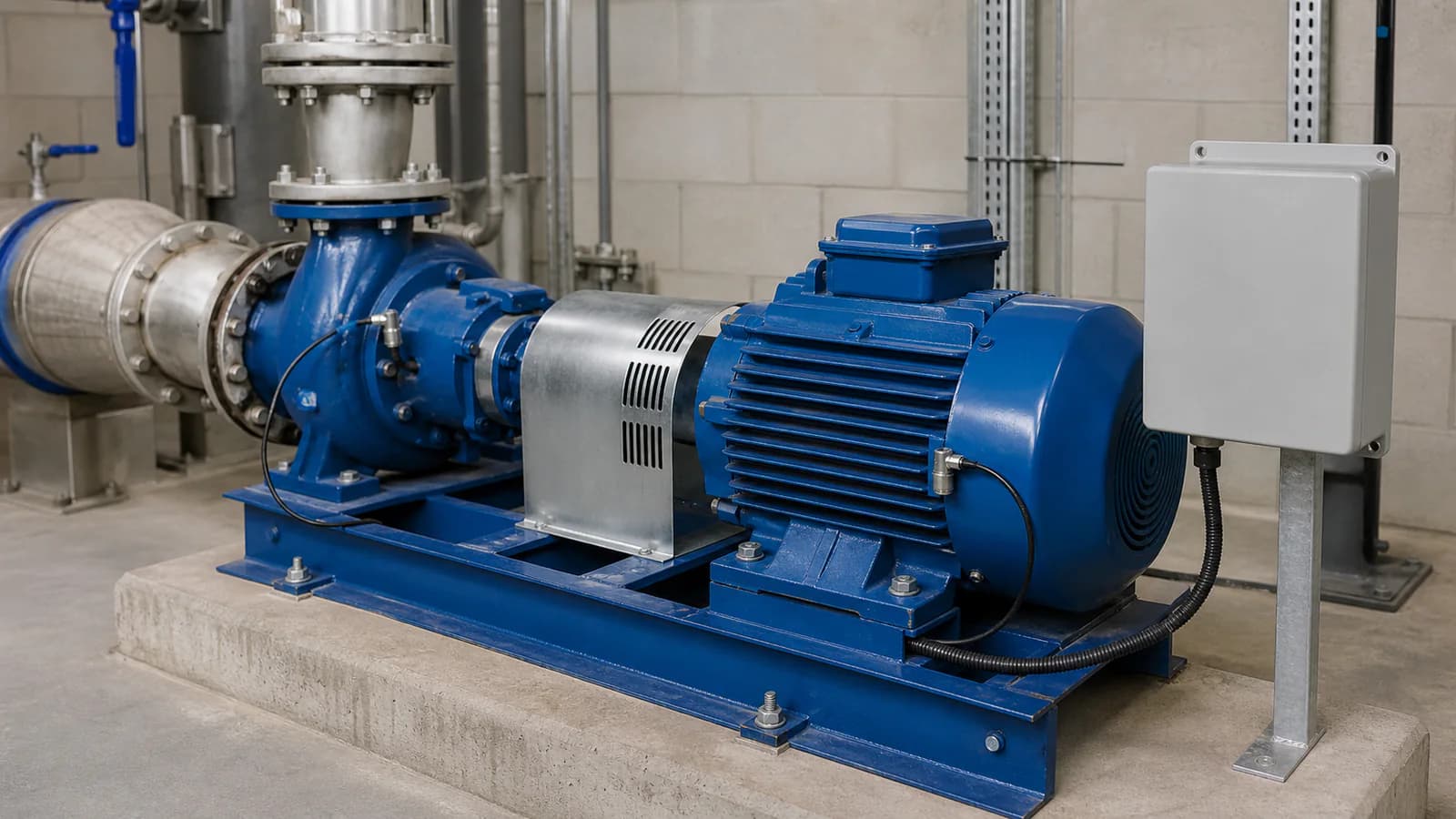
Machine monitoring context
Sensors, interfaces, enclosure, power and mounting are confirmed against the actual project before quotation.
Use these limits when the project depends on data recovery after a network interruption.
Model-selection reference
Compare equipment options in this catalog section.
6 sourcing references from “Industrial and modular edge gateways”. Put an SG code in the RFQ so we can match the same catalog row.
SG-GW-173SG-GW-169SG-GW-170SG-GW-171SG-GW-179SG-GW-187Compare adjacent hardware families for the same monitoring path.
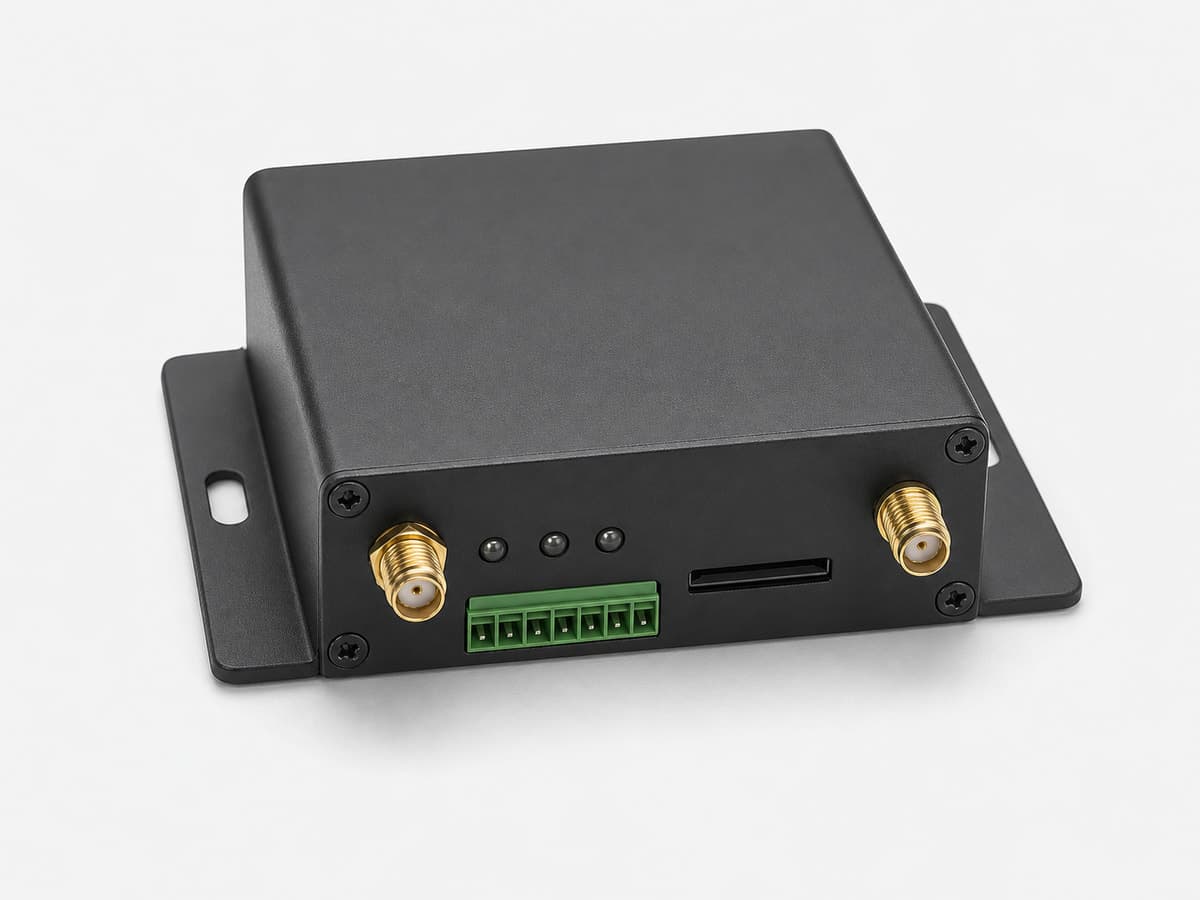
RTU / Remote I/O / Data Loggers & Industrial Gateways
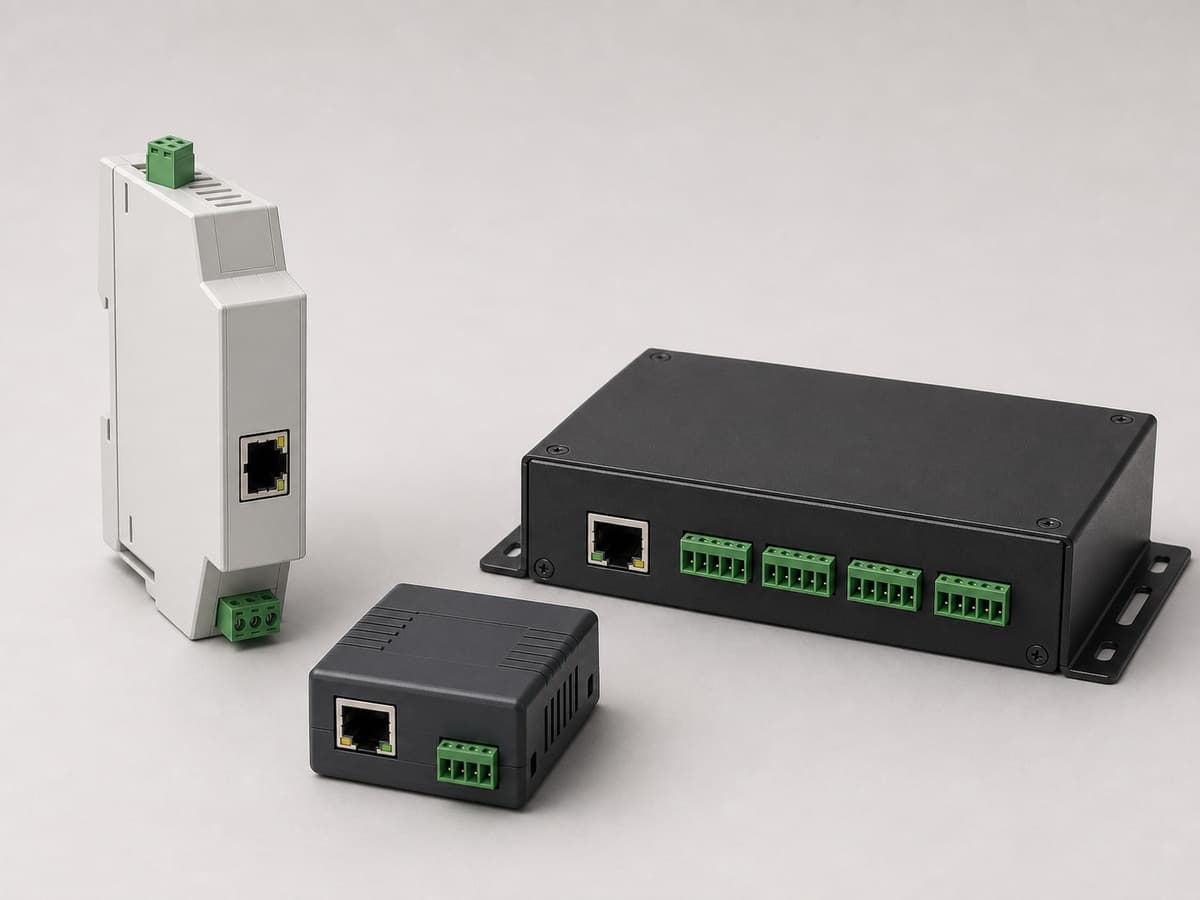
RTU / Remote I/O / Data Loggers & Industrial Gateways
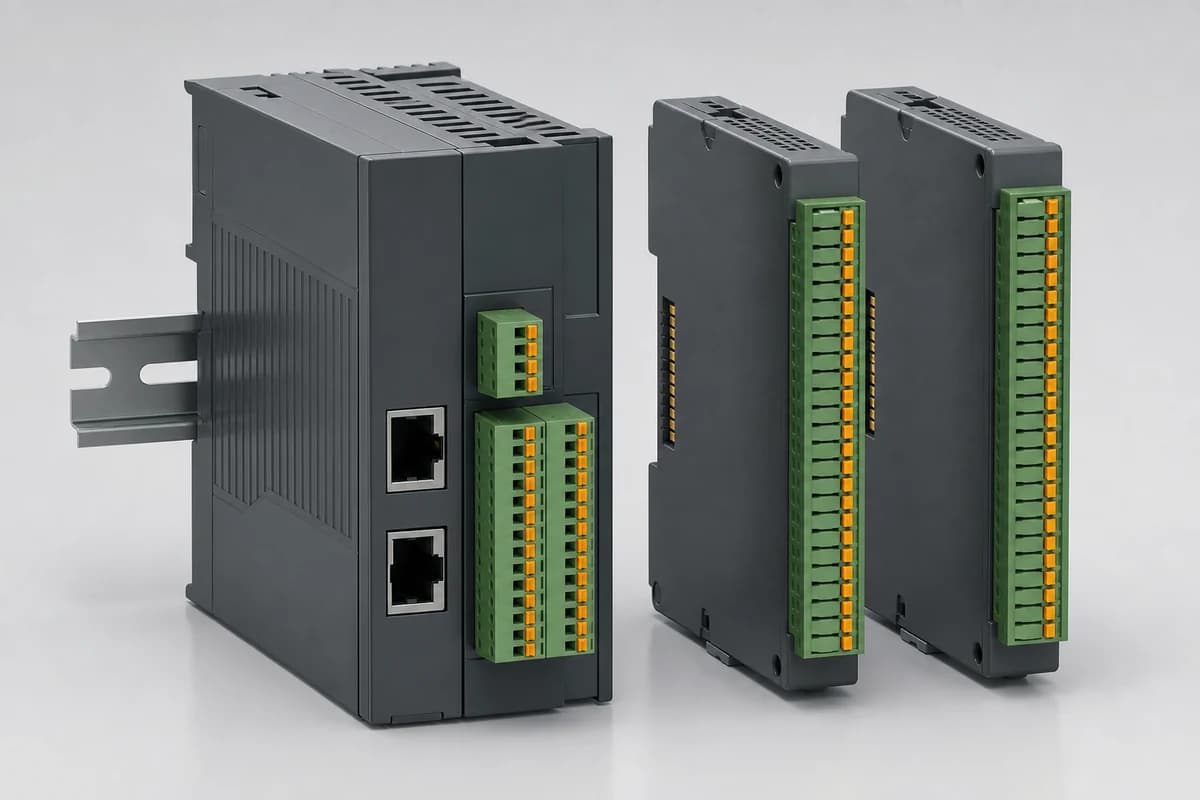
RTU / Remote I/O / Data Loggers & Industrial Gateways

Use this family when several Modbus devices need one DIN-rail gateway for Ethernet, optional 4G or Wi-Fi backhaul. It can collect serial data and hand it to MQTT, Modbus or OPC UA systems. The reviewed MQTT outage queue is useful for short network interruptions, but it is not nonvolatile storage.
It supports a reviewed MQTT outage queue for the supplier-format template. The queue can retain up to 100,000 data points while the network is unavailable, but it is RAM-based rather than nonvolatile storage.
No. Queued data is held in RAM and is lost if the gateway loses power or restarts. Use external nonvolatile logging or a different reviewed gateway when power-loss retention is required.
The reviewed replay function is limited to the supplier-format MQTT template. Custom JSON and Sparkplug B do not use the same queue, and OPC UA does not provide equivalent historical replay.
That behavior has not been verified. Projects that depend on original timestamps, strict replay order or end-to-end completeness need a written acceptance test before purchase.
The 2-port version supports up to 10 devices and 512 points. The 6-port version supports up to 50 devices and 4,000 points. The final choice also depends on baud rates, register counts, polling interval, retries and whether devices need separate serial settings.
No reviewed OPC UA historical replay is available for this family. OPC UA is provided as a server role on supported models; use the MQTT supplier-format queue or specify another logging path when historical recovery is required.
Connected devices, serial settings, register maps, point count and polling interval; Required 2-port or 6-port capacity and any need to separate different serial settings; Ethernet, 4G or Wi-Fi backhaul plus target country / mobile-network details; MQTT, Modbus or OPC UA role, broker / SCADA endpoint, payload and authentication
Open the Industrial Monitoring Hardware Catalog linked on this page. Use it to compare equipment options before requesting a configuration.
Compatibility is reviewed against your field signals, protocols and upstream platform. Typical pairings include Modbus RTU devices using RS485 or RS232, Ethernet networks and optional 4G or Wi-Fi uplinks, MQTT brokers using the reviewed supplier-format template.
Product-family reference. Final ordered model and specifications are confirmed in the written quotation.