Is a submerged level sensor’s reading the same as depth to water from the top of the bore?
A pressure-based sensor commonly measures the water column above its sensing point. Depth to water from a fixed reference requires the sensor’s installed position and a consistent calculation. Record the reference point, pressure compensation method and pump state so static level, pumping level and drawdown can be compared correctly.
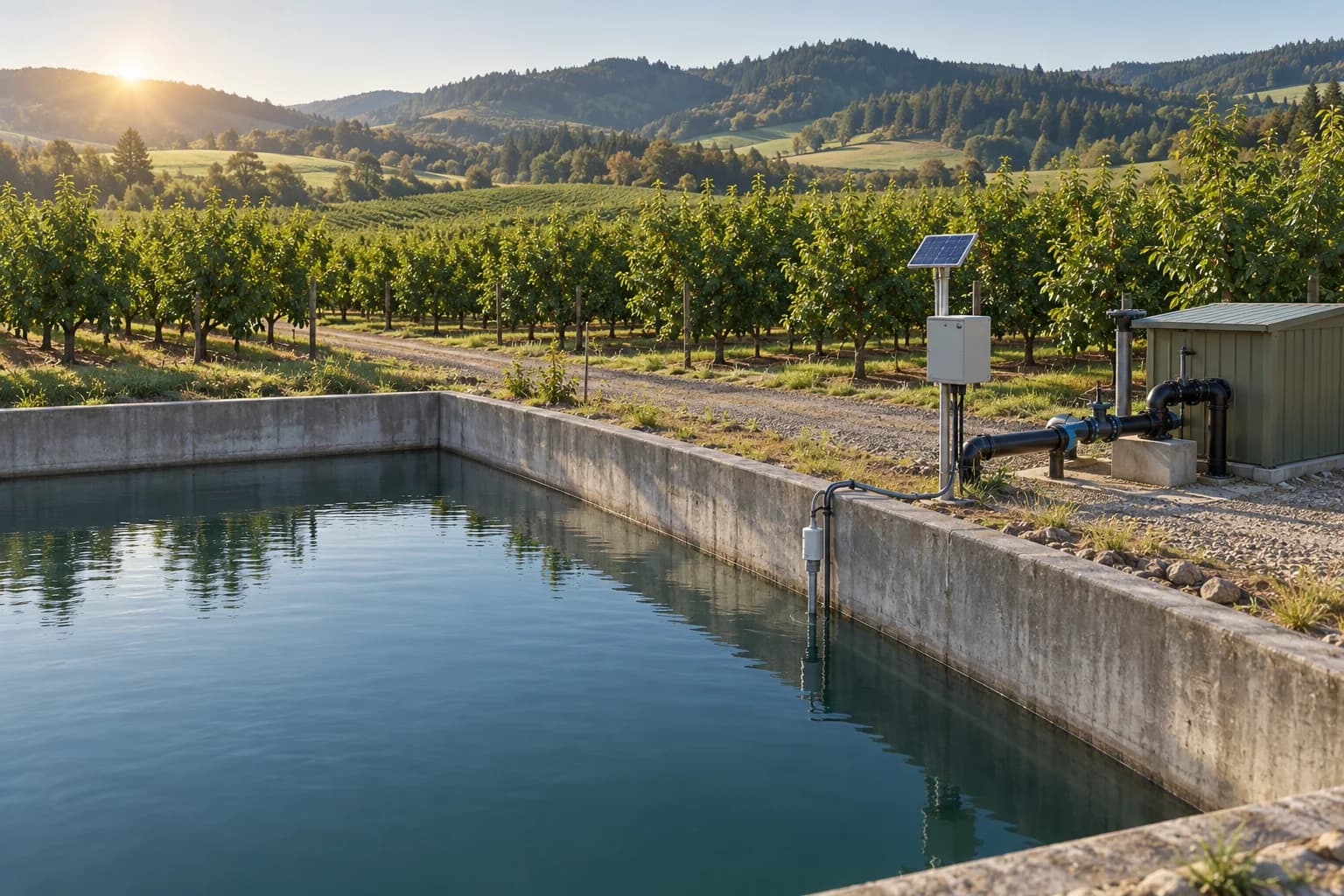
Plan level, flow and pump readings together- Reference point
A fixed mark at the bore head
- Water surface
Record static or pumping condition
- Submerged sensor
Known installed depth and position
- Logger
Save level, time and pump state
Agree what the displayed number means
An operator asks for “water level” while a pump technician asks for “depth.” They may mean height above the sensor, depth below the bore head or elevation relative to a survey datum. Put that meaning and the unit on the screen and in the export. Otherwise a falling water surface can produce a smaller water-column reading but a larger depth-to-water reading, making the same event look contradictory to two readers.
Keep the reference with the installation record
Choose a reference that the site team can locate again. Record the sensor’s installed position relative to it and retain any change made during service. The USGS groundwater procedures cover permanent measuring points and submersible pressure measurements. These are useful references for organizing the measurement record; the selected instrument’s instructions still govern its installation. A replacement sensor lowered to a different position needs an updated calculation before its readings are compared with the earlier trend.
Check how air pressure is accounted for
A vented sensor and an absolute-pressure sensor handle atmospheric pressure differently. Confirm the method on the exact device. A vented cable needs the manufacturer’s specified termination and moisture protection; an absolute sensor may require a separate atmospheric-pressure record and compensation workflow. Ask who maintains those parts of the system. A long signal cable also needs a documented routing, termination and interface plan, rather than a length chosen solely from the bore depth.
Read the level alongside pump operation
A level recorded while the pump is stopped answers a different question from one taken during pumping. To assess drawdown, establish a baseline and associate the pumping record with the same reference and the operating conditions. Flow and pump status help explain a change, so collect them where the test needs them. Keep the start and stop times. An unexplained step in the trend could come from a sensor move, a changed offset or a restart as well as a water-level change.
- Label the agreed reference and sensor position.
- Record when pumping begins and ends.
- Retain installation and offset changes with effective times.
Choose a range for the pressure the sensor will experience
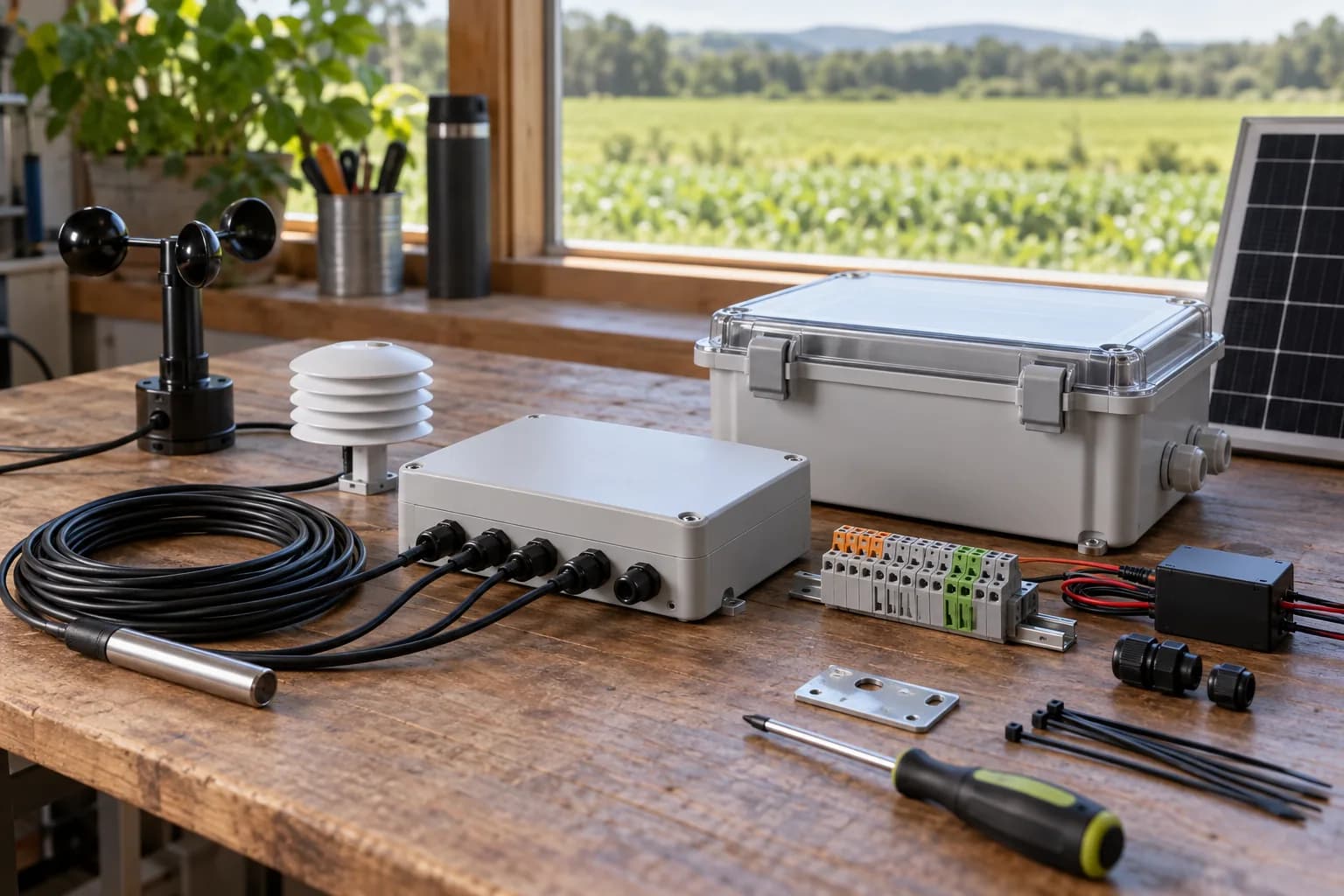
Well depth alone does not define the pressure at the sensing point. Review the expected water column, the proposed sensor position and the instrument’s range and overload limits. Check accuracy in the selected range and the suitability of wetted materials. The local well team should review mounting, retrieval and cable protection. For a remote package, also confirm how level and flow outputs connect to the logger and which software provides exports or remote viewing.
Make a test record someone else can repeat
Save the site reference, installed sensor depth, units, compensation method, pump operating state and measurement time. Compare an initial reading with the site’s agreed reference method and record any offset. For a portable pump test package, preserve a separate setup for each site. Send the measurement goal, bore layout, available power and required records so a suitable level, flow and logging arrangement can be selected.
| Value | Information needed to interpret it |
|---|---|
| Water column above sensor | Sensor position and pressure compensation |
| Depth to water | Fixed reference and installed sensor depth |
| Static level | Pump-off conditions and observation time |
| Pumping level and drawdown | Common reference, baseline and pump test record |
Reference documents
Common questions
Can a water-level reading alone show the pump’s delivered flow?
No. A level trend and a flow measurement answer different questions. Include the appropriate flow instrument when delivered rate or volume is needed.
What changes when the sensor is moved?
Its relationship to the reference point changes. Update the installation record and calculation, and mark when the change took effect.