
Industrial IoT resource
Industrial Current Monitoring LoRaWAN
How industrial current monitoring LoRaWAN systems use split-core current sensors, gateways and alarms for remote load and energy visibility.
1. Purpose
See whether a pump, motor or panel circuit is running, stopped or outside its normal load.
2. Suitable sites
Electrical panels and distributed motors where split-core sensors can report over LoRaWAN without new signal wiring.
3. What to send
Send current range, phase count, conductor size and gateway distance. We return a measurement path for quotation.
Site conditions to check
Compare power, communication and equipment requirements for irrigation, pumps, soil and weather monitoring.
Need help choosing equipment?
Send your device models, available power and network, and where the data needs to go. We can help select compatible equipment.
When to use this guide
Compare current sensors, meters and LoRaWAN nodes for pumps, motors and panel circuits. Check the required readings, conductor size, power and gateway coverage before selecting equipment.
Relevant products
Product-family photos. See each product page for specifications and options.
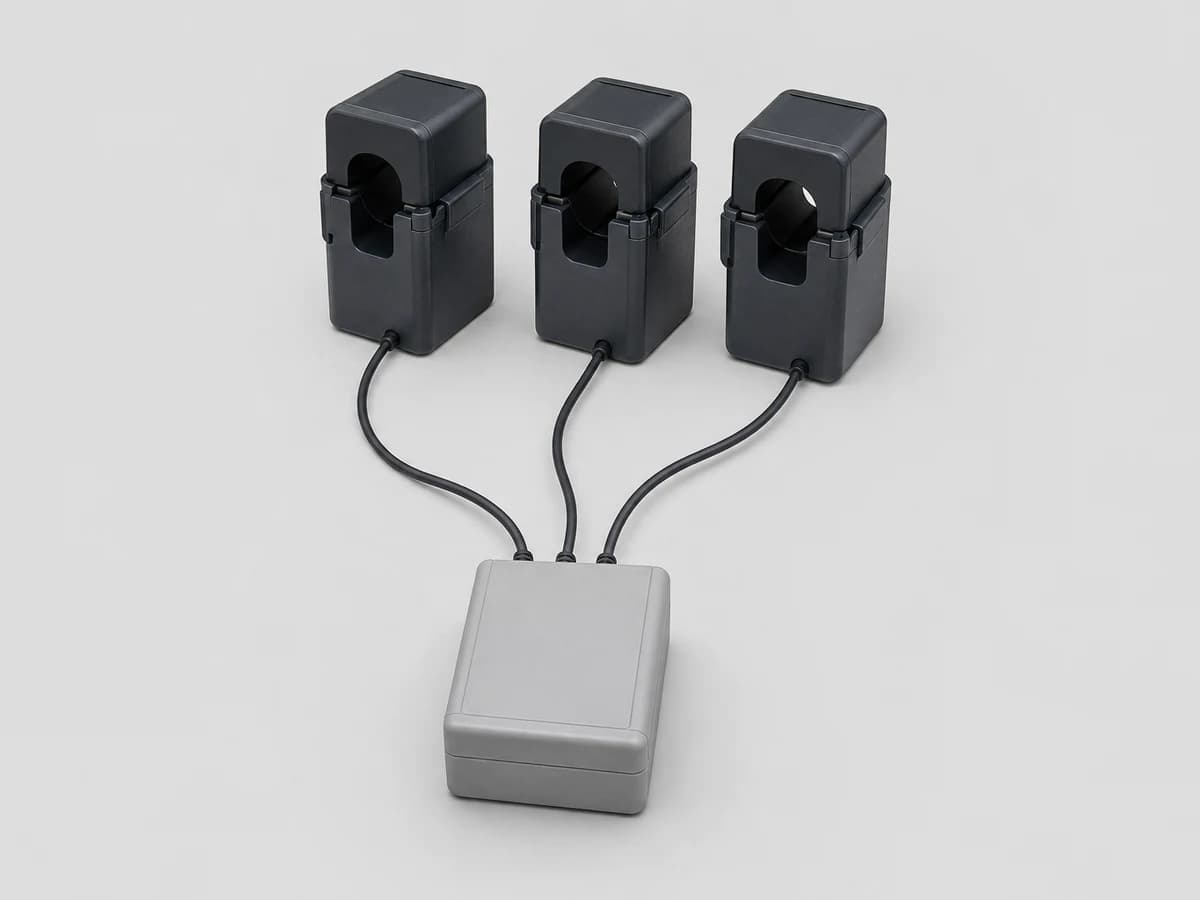
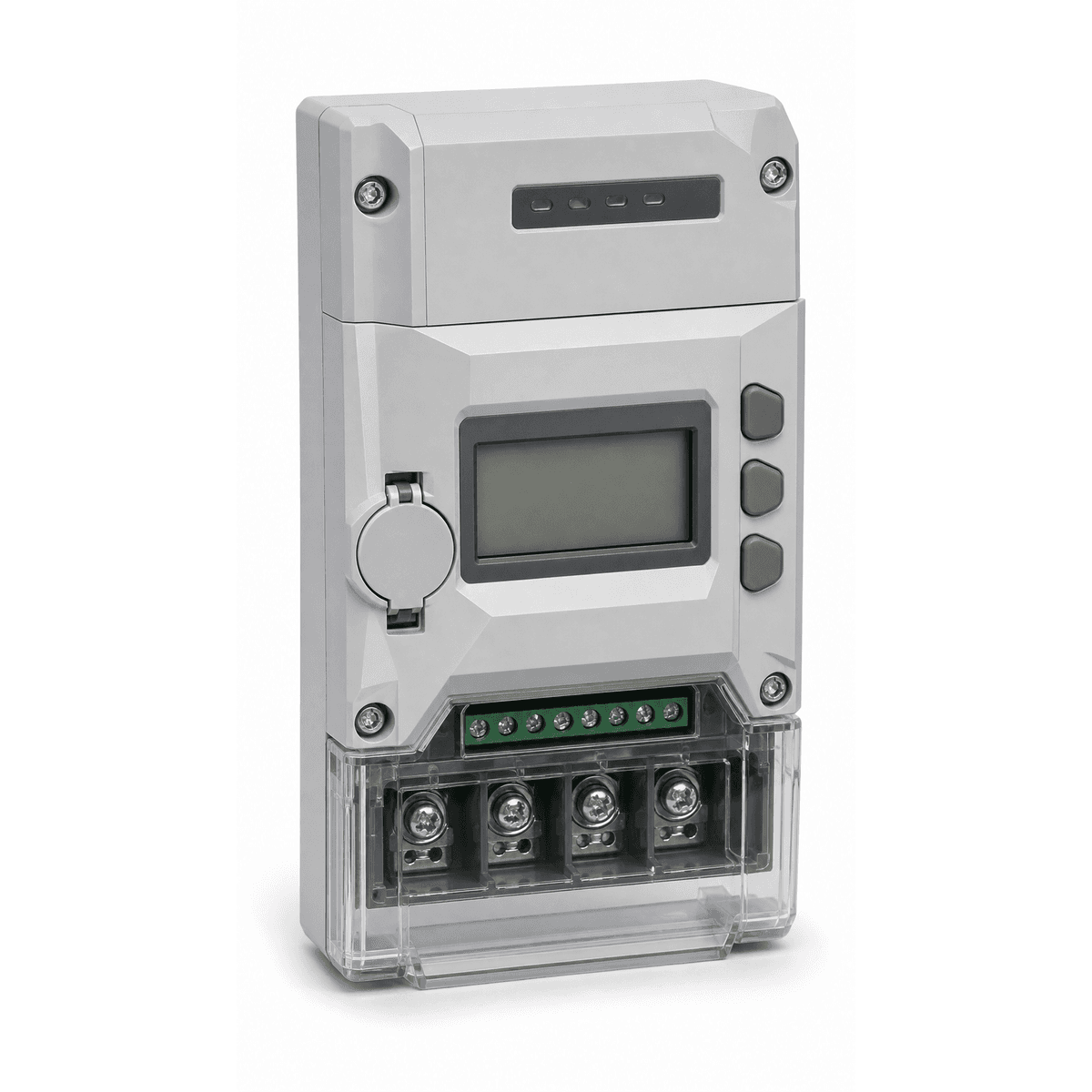
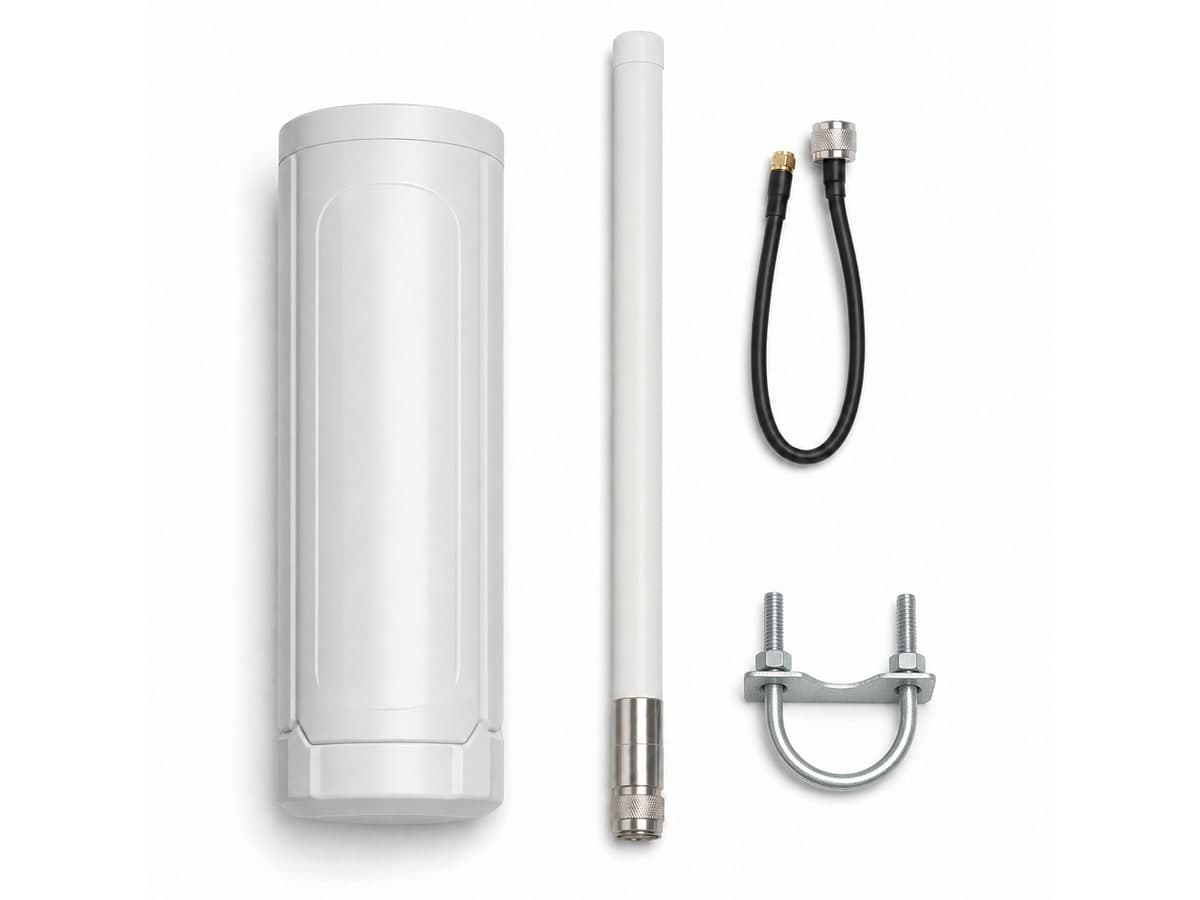
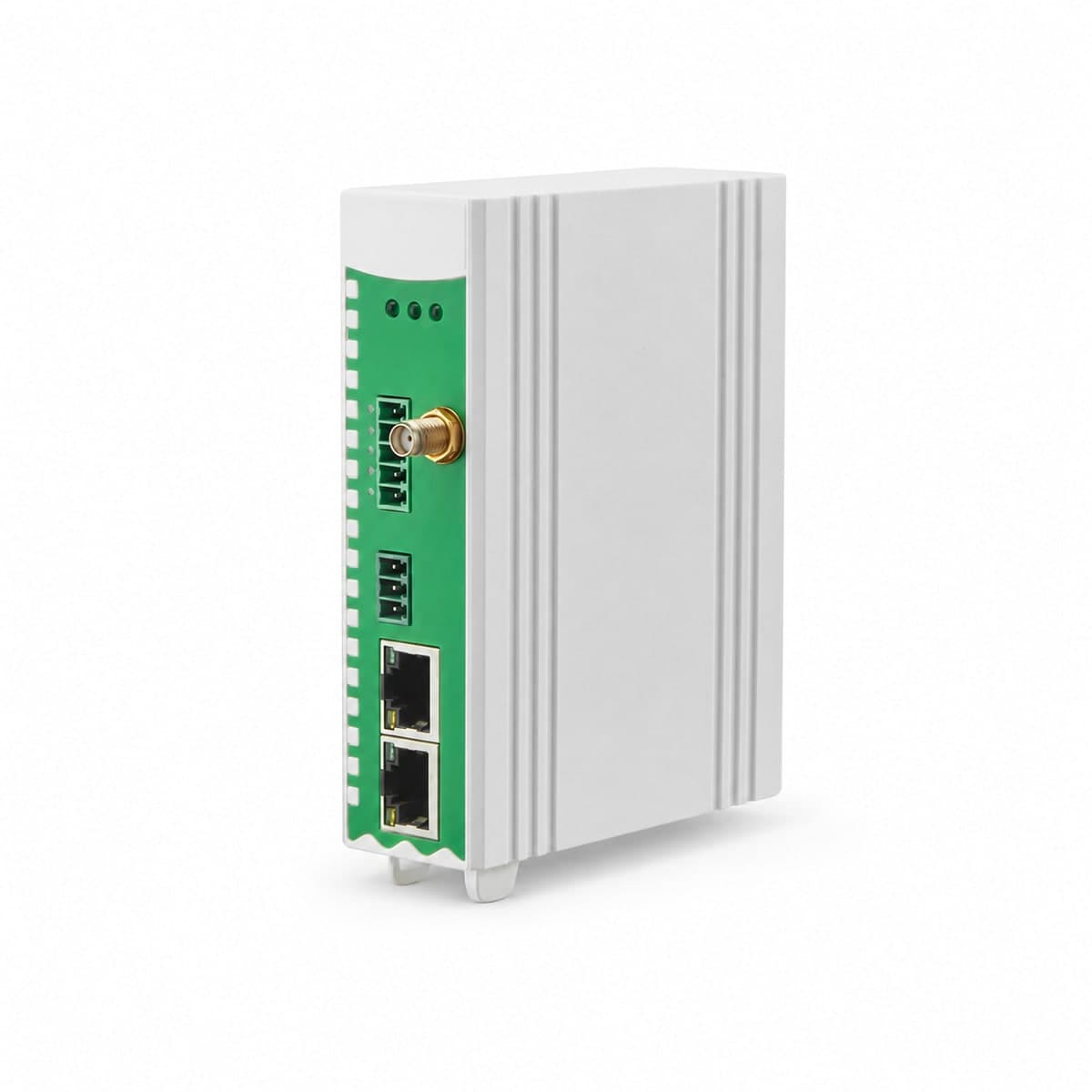
Compare the options
Current, energy or machine status: choose the right signal
For remote current measurement over LoRaWAN, use a compatible current-sensing node or connect an existing meter through a supported interface. Current alone does not establish real power or energy consumption; use an appropriate meter when kW or kWh is required.
- 01
Current sensor / meter
- 02
Compatible LoRaWAN node
- 03
Gateway + network server
- 04
Trend / alarm platform
Current trend / load presence
You need to see load changes or infer whether equipment may be running.
Check before selection
AC or DC, current range, conductor size, accuracy and reporting interval. CT-based sensing is generally for AC; verify the selected sensor technology.
Energy consumption
You need real power, power factor or accumulated kWh.
Check before selection
Use a suitable energy meter. Confirm phases, voltage/current inputs, register map and any metering requirements; do not derive billed energy from current alone.
Existing meter / PLC
An installed device already provides the measurements you need.
Check before selection
Confirm RS485/Modbus registers or pulse output, interface compatibility, scaling and payload decoding. RS485 wiring alone does not establish interoperability.
Check the selected model
Specify sampling separately from radio reporting. LoRaWAN monitoring is not a protective trip circuit or a guaranteed real-time control path. Electrical installation and protection must be assessed by qualified local personnel.
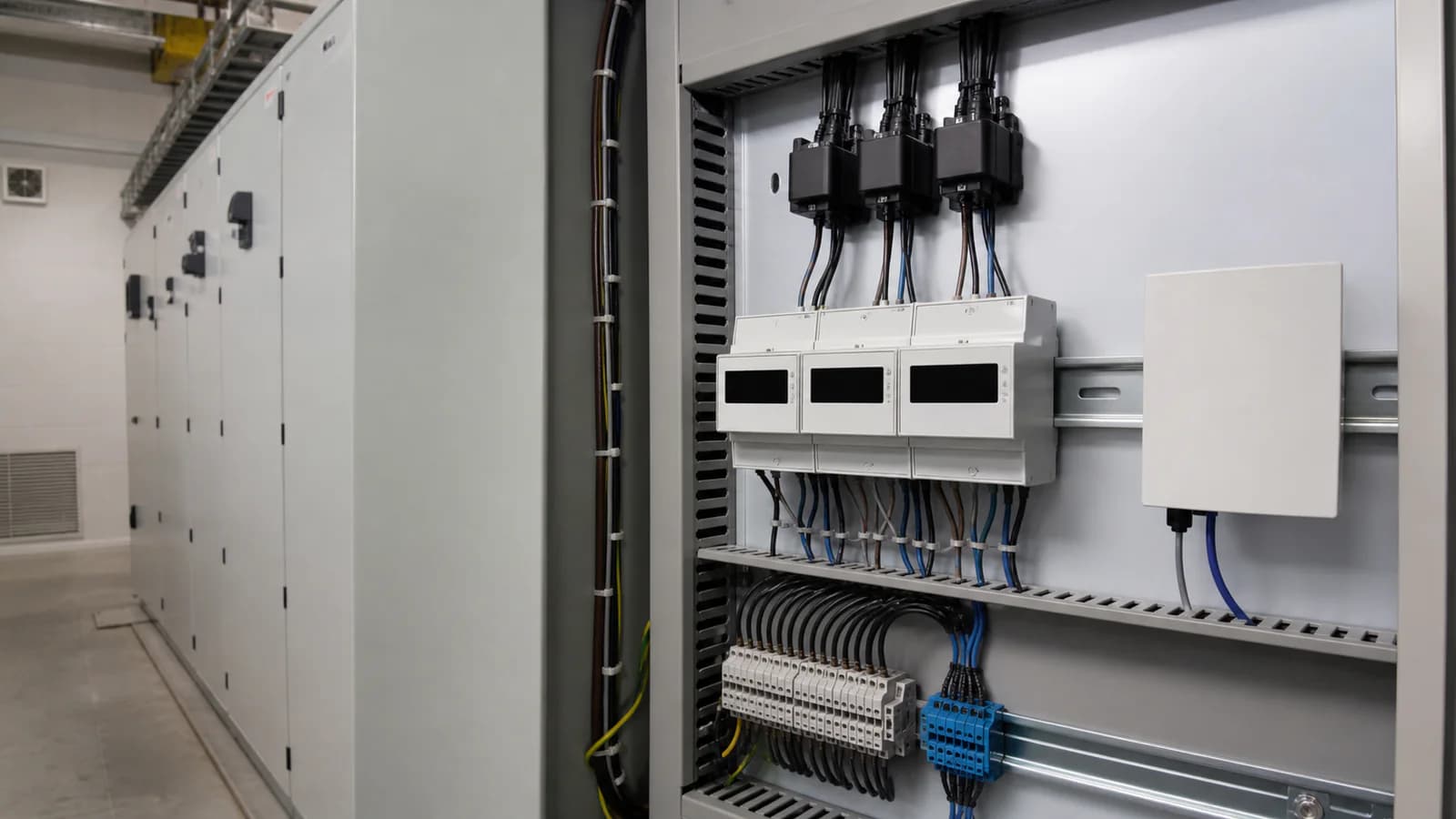
Energy metering in a control panel
Illustration: facility energy panel with meters, current sensors and an RS485 gateway.
See where the system fits
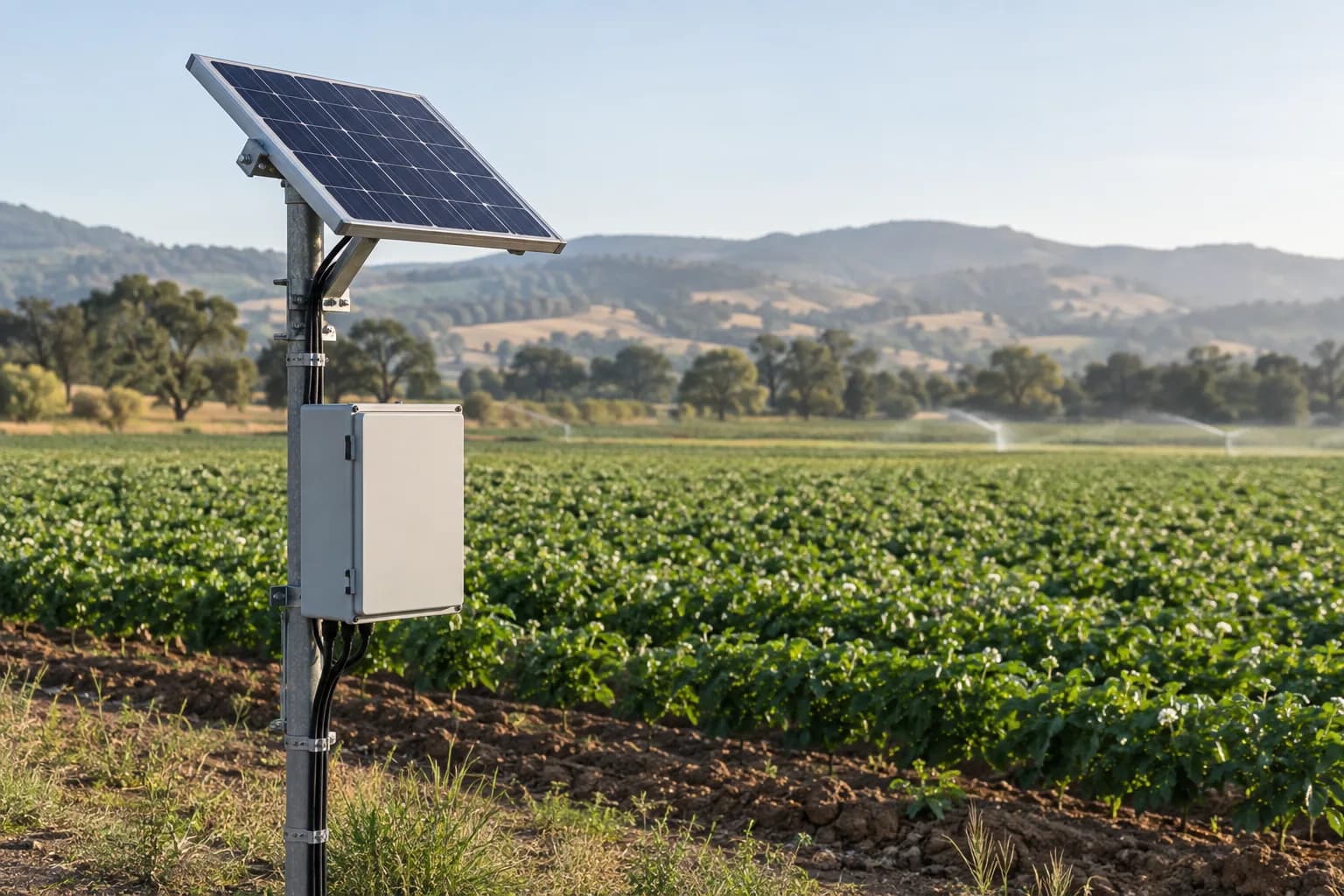
Keep remote measurement points supplied
Size field power around the final equipment load, seasonal sunlight and visit interval.
Read the guide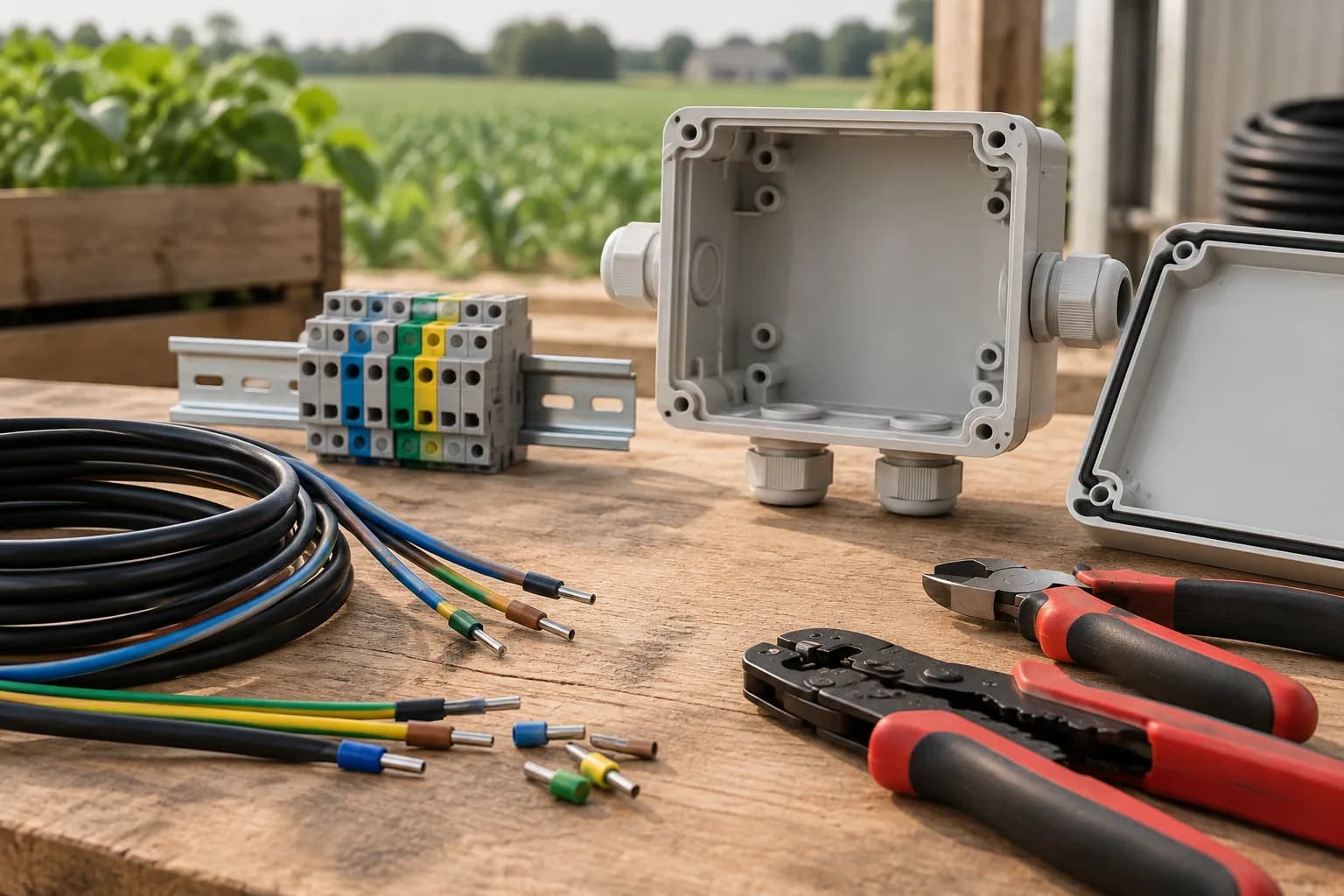
Check a sensor that returns no readings
Check power, terminals, interfaces and data interpretation when readings are missing.
Read the guideWhere LoRaWAN current monitoring fits
LoRaWAN can carry current readings from distributed panels, pumps and motors when the selected sensing node and radio coverage suit the site. A compatible split-core sensor can measure AC current without cutting the conductor; an existing meter needs a supported data interface. Select the sensor, node, gateway and receiving platform together.
Sensor and gateway architecture
A typical project uses split-core CTs, panel meters, RS485 energy meters or current transmitters at the field side. Data can be collected by a LoRaWAN node, RS485 gateway or edge gateway, then delivered through LoRaWAN, NB-IoT, 4G LTE, MQTT, Modbus TCP or a customer cloud depending on the site.
Alarm and quotation inputs
Before quoting, define current range, phase count, conductor size, sampling interval, alarm thresholds, enclosure needs, power source, gateway distance, LoRaWAN frequency plan, target country and whether the buyer needs sensor-only hardware or a full energy monitoring kit.
Continue with the remaining selection notes
Equipment in the system
Example equipment arrangement. Check compatibility and agree who handles software, PLC/SCADA programming and site installation.
Data destination
Customer platform or an agreed third-party service
Other equipment to compare
Product-family photos; the model and enclosure may vary.
Key points
- Industrial current monitoring LoRaWAN architecture
- Split-core current sensor and panel meter options
- Pump, motor, cabinet and circuit load alarms
- LoRaWAN, RS485, NB-IoT, 4G LTE, MQTT or Modbus TCP handoff
Technologies
- LoRaWAN
- Current monitoring
- RS485
- Modbus
- NB-IoT
- 4G LTE
- MQTT
Related pages
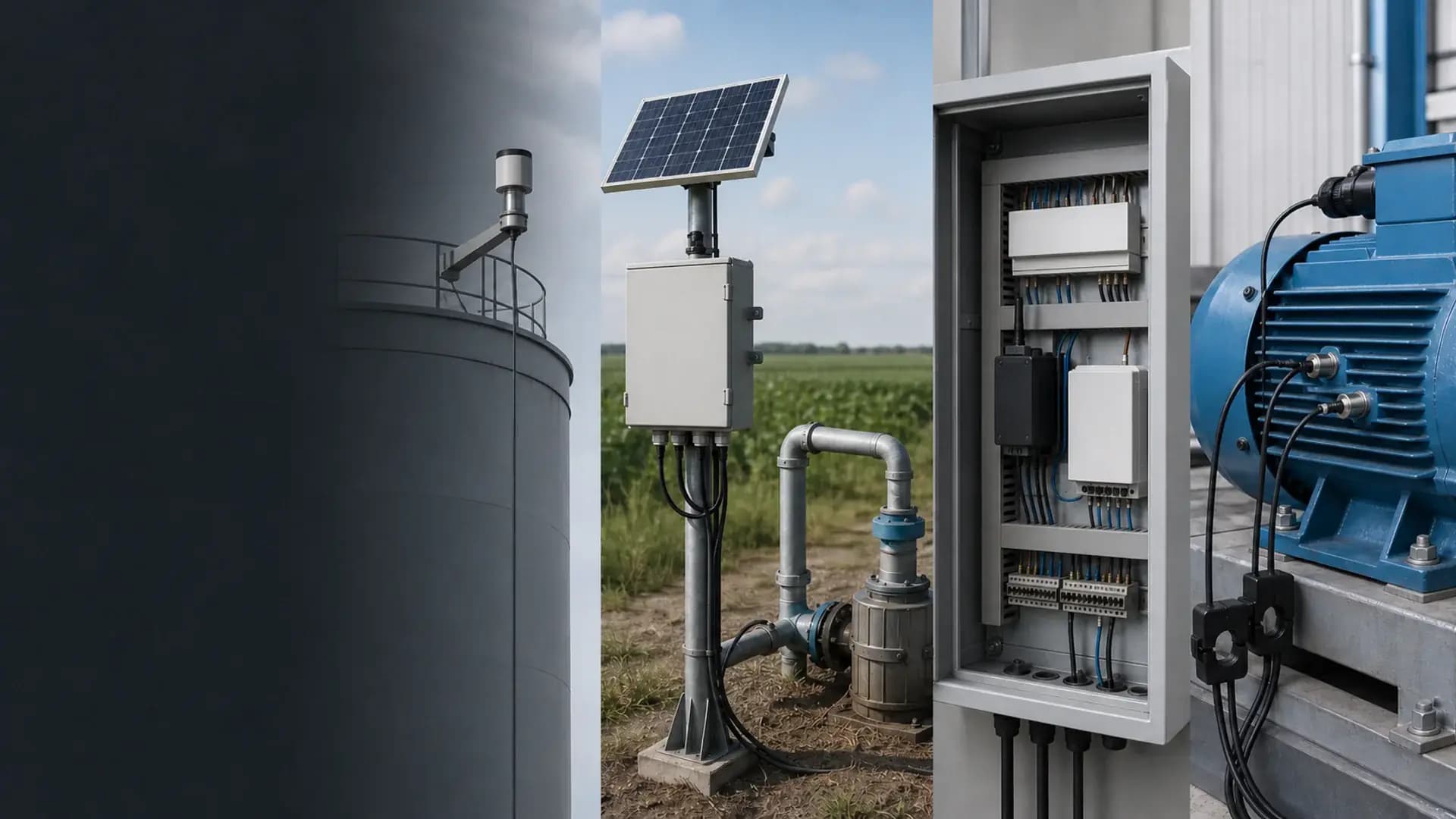
Connecting field equipment
Illustration: remote-monitoring integration with field enclosure, gateway, power and industrial equipment.
Official technical references
See the protocol specifications below. Check the selected model’s documents for supported functions, radio settings and certificates.
FAQ
Can LoRaWAN be used for industrial current monitoring?
Yes, when the reporting interval and battery or power budget match the project. LoRaWAN is useful for many low-data current points inside a site, while RS485 or 4G LTE may fit higher-frequency data or gateway-heavy installations.
Does the sensor need to disconnect existing wiring?
Split-core current sensors can usually clamp around existing conductors. Final selection depends on conductor diameter, current range, phase layout, accuracy target and safety rules at the site.
What should be prepared before requesting a quote?
Share current range, AC or DC load type, phase count, conductor size, sensor count, gateway distance, target country, LoRaWAN frequency band, power source, alarm thresholds and required data protocol.
Should I use a current sensor, current transmitter or energy meter?
Use a current sensor when the receiving device can accept its output and only load current is needed. Add a transmitter when a standardized analog or digital signal is required. Use an energy meter when voltage, power, power factor or accumulated energy must be reported. The final chain also depends on isolation, accuracy and installation rules.
Get selection help
Tell us what you want to measure and where. Send a model number or site photo if you have one.