Connect separate fields and facilities
Review coverage, equipment identity and the path into your chosen platform.
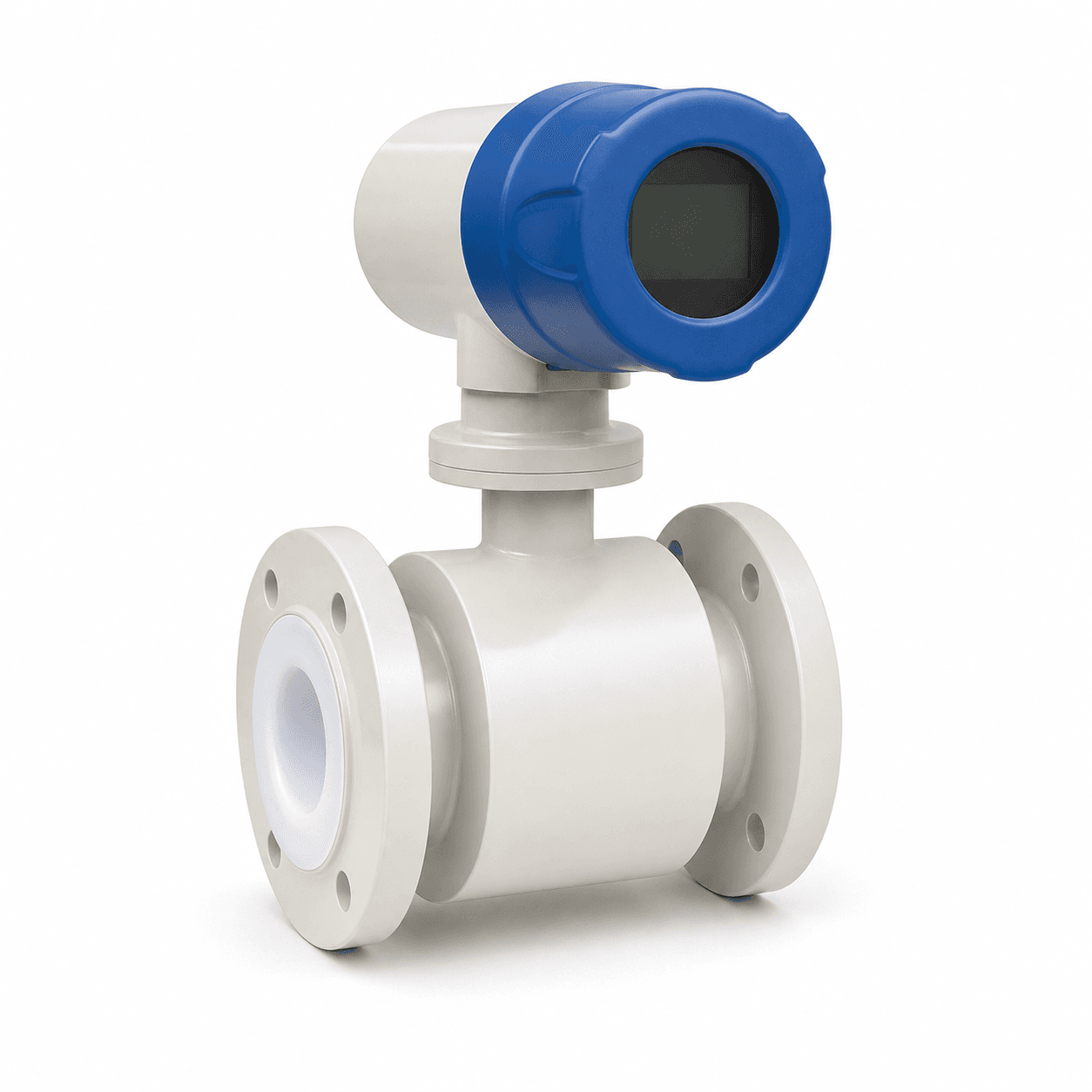
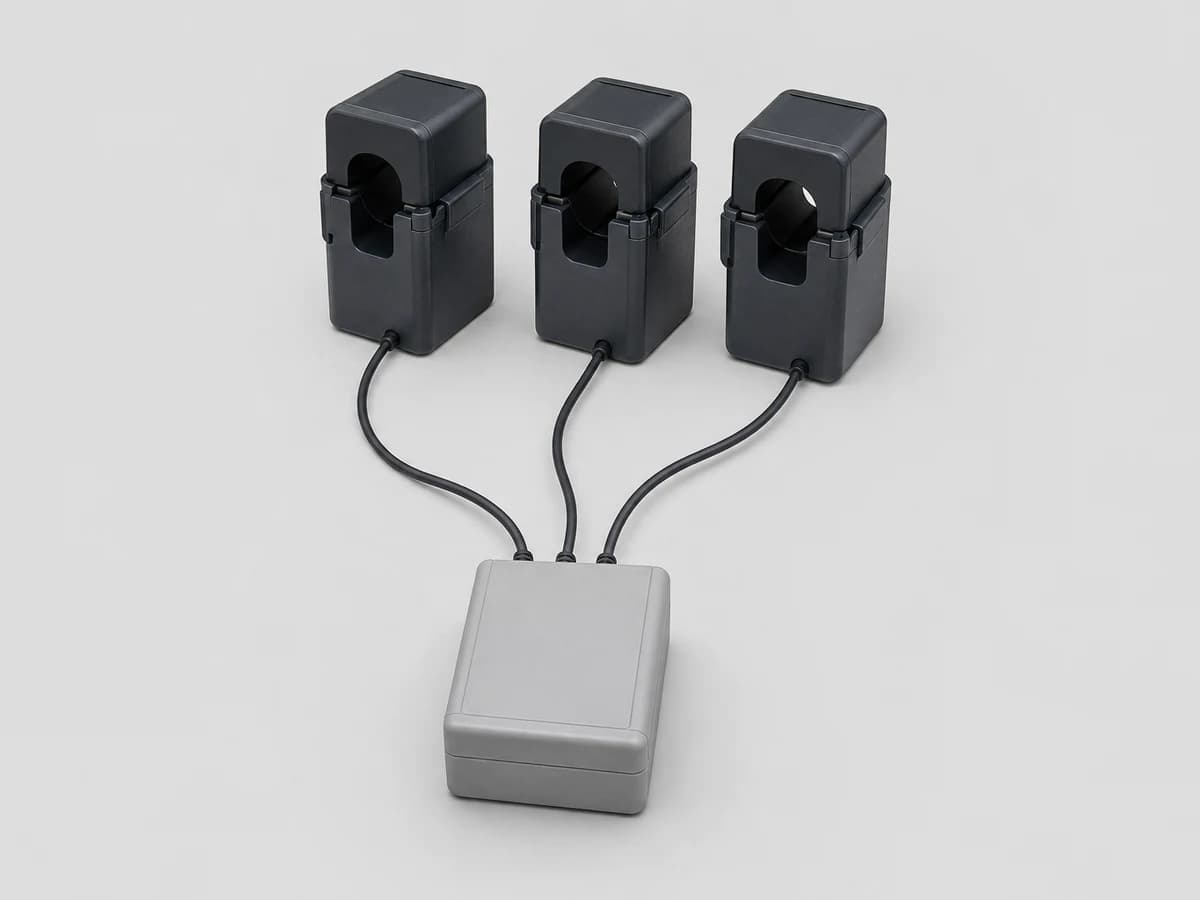
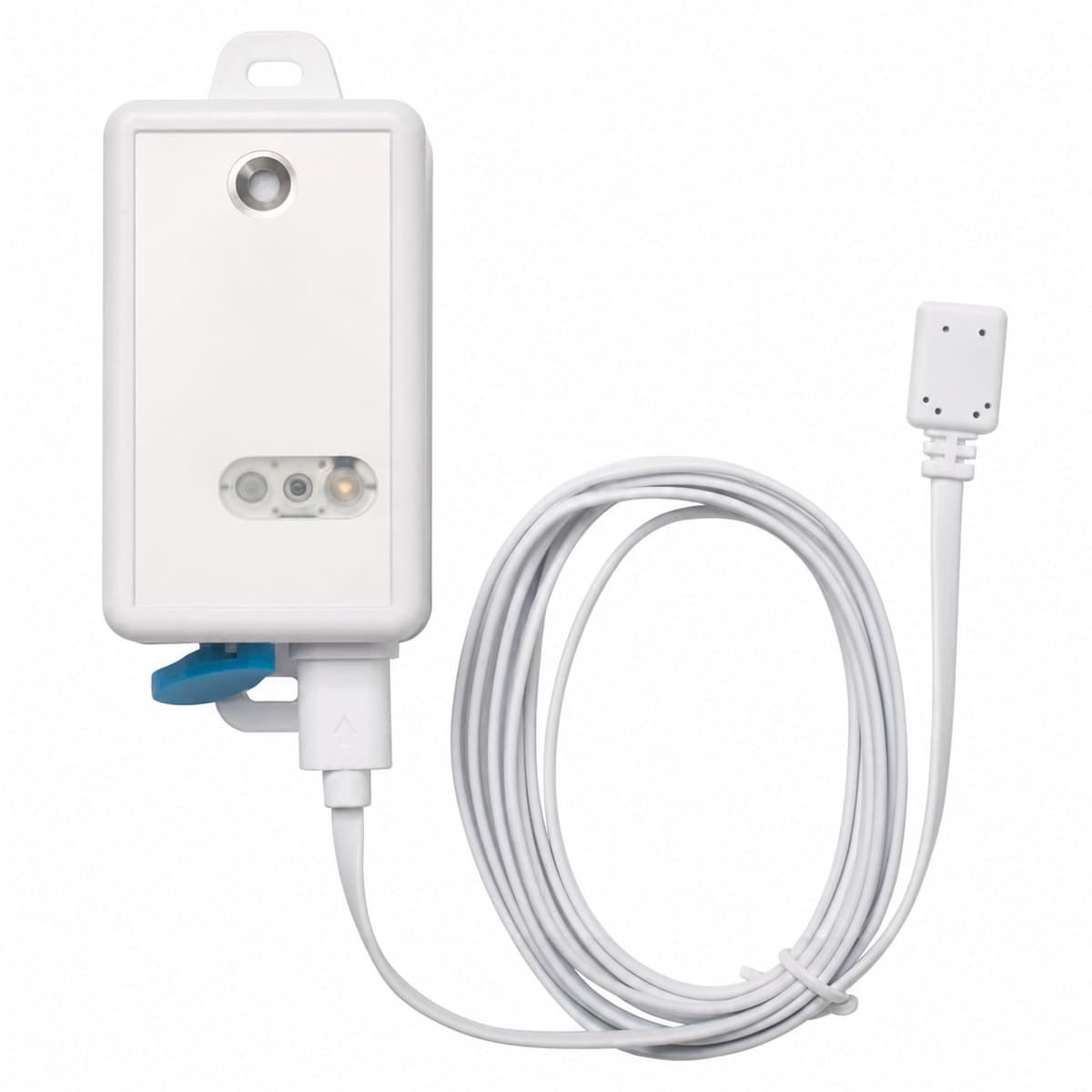
Explore this requirementPlan pump run, fault, pressure, flow, current and level signals for remote alarms and multi-site water operations.
The exact model, interfaces and enclosure are confirmed in the written quotation.
Equipment selection, or help with the whole farm?
Start with a country and a short description. We can help select one device, configure a kit, or plan the farm equipment list and agreed integration. Technical details can follow.
Compare ways to work with SunGene →Models and quotation stay on sungeneiot.com. Use the matching field condition first.
agri.sungeneindustrial.com
Review water delivery, pump state and greenhouse signals from existing farm facilities.
agri.sungenegroup.com
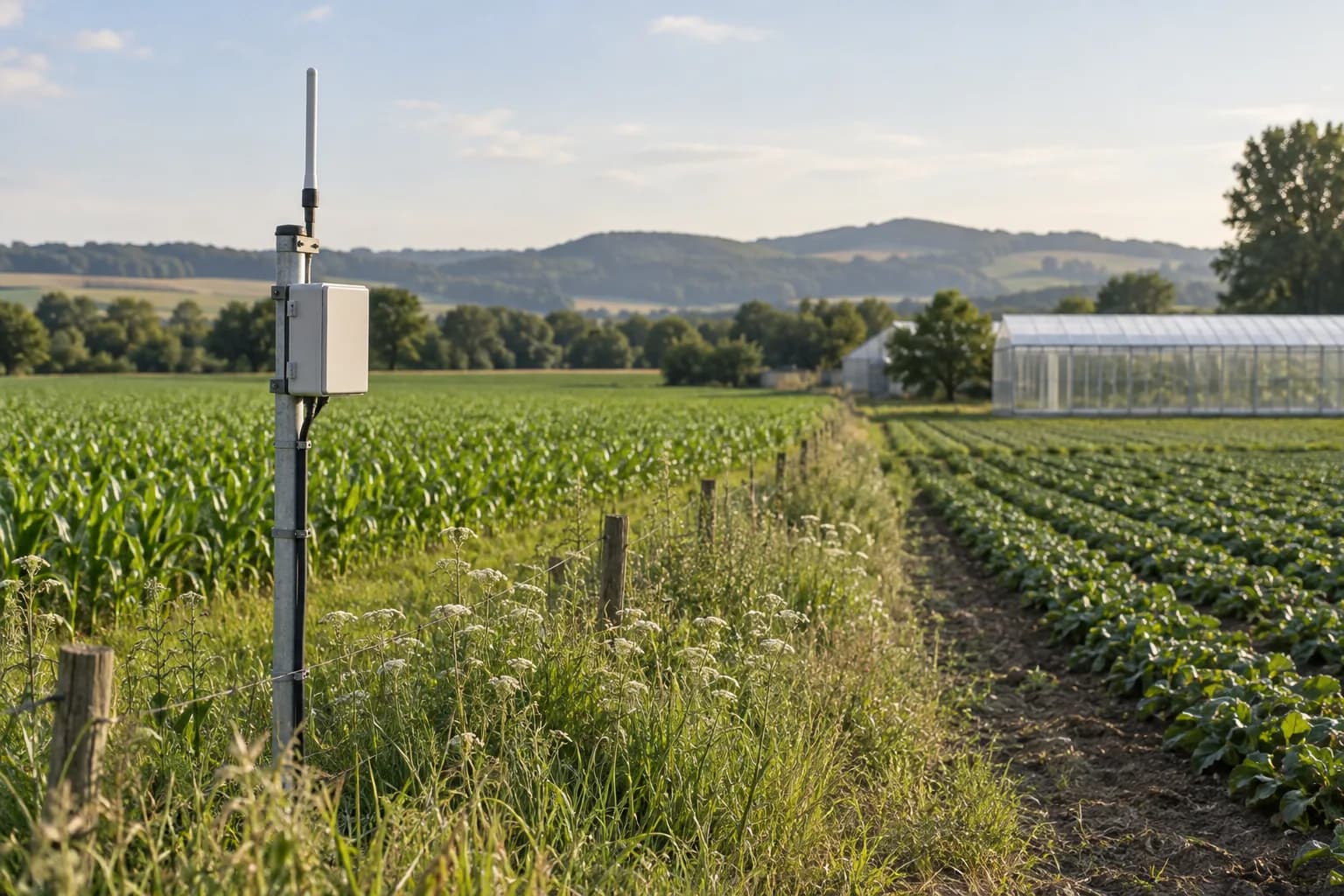
Plan field and orchard measurements around available power, coverage and maintenance visits.
Pump stations are often far from the control room. A useful remote monitoring design starts with the operating decision: detect loss of flow, confirm a commanded start, identify abnormal current, prevent dry running, or escalate a high wet-well level. The hardware and I/O plan should follow those decisions instead of collecting every available signal.
Exact model, interfaces and enclosure are confirmed in the written quote.
System design, software integration, PLC/SCADA programming and site installation responsibilities are agreed in the written project scope.
Data destination
Customer platform or an agreed third-party service
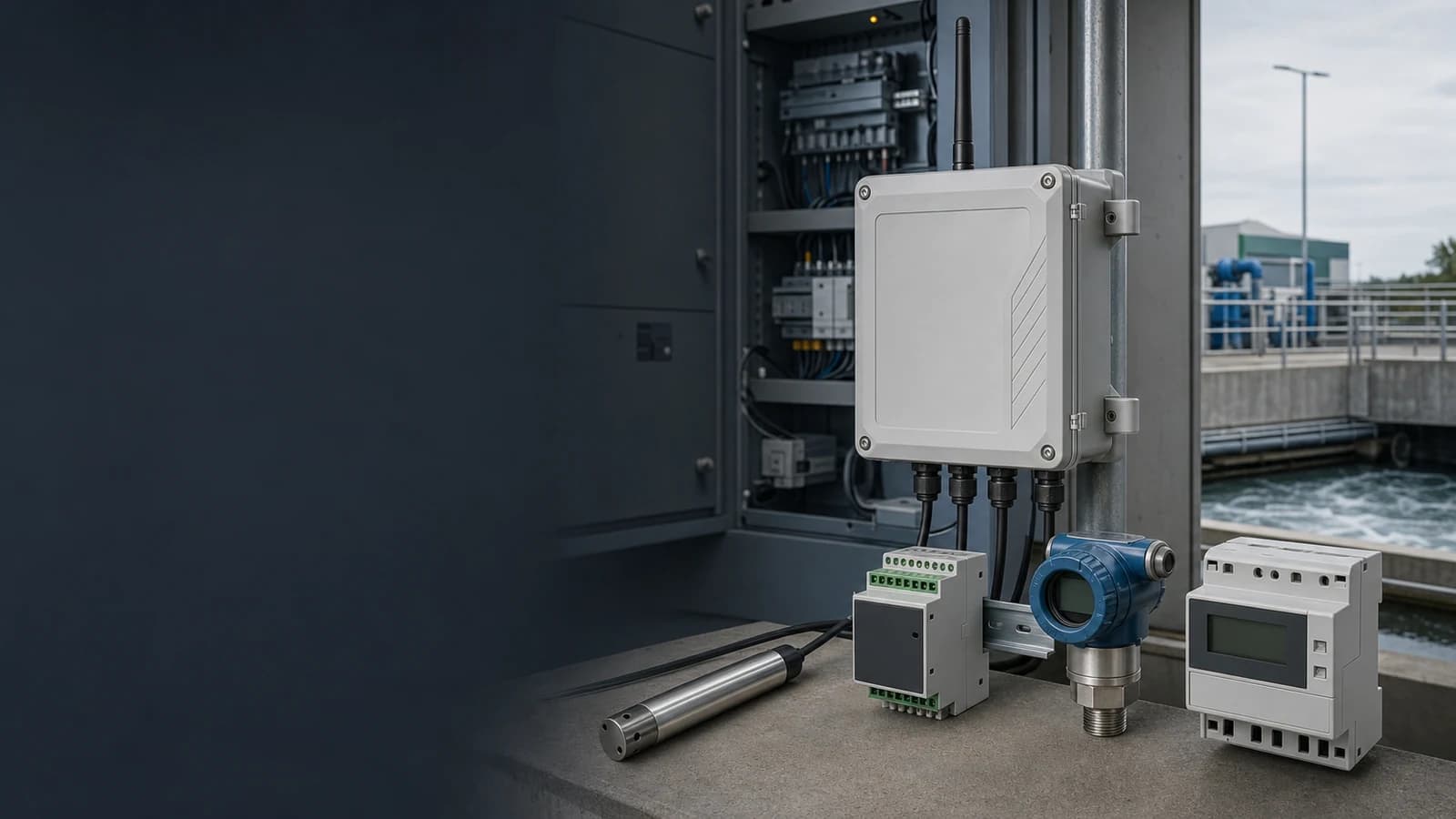
Water-site deployment context
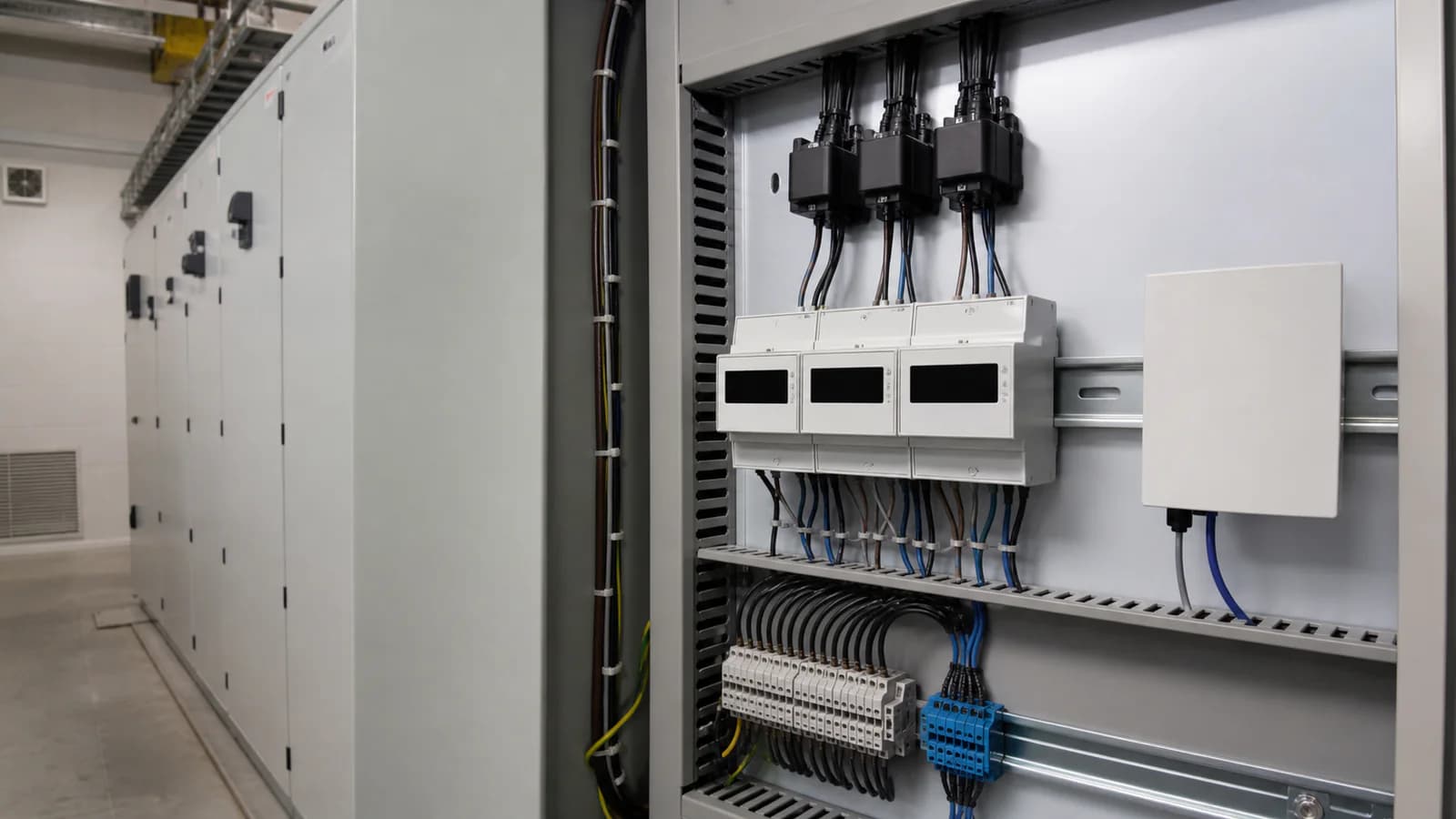
Sensors, interfaces, enclosure, power and mounting are confirmed against the actual project before quotation.
Review coverage, equipment identity and the path into your chosen platform.
Explore this requirement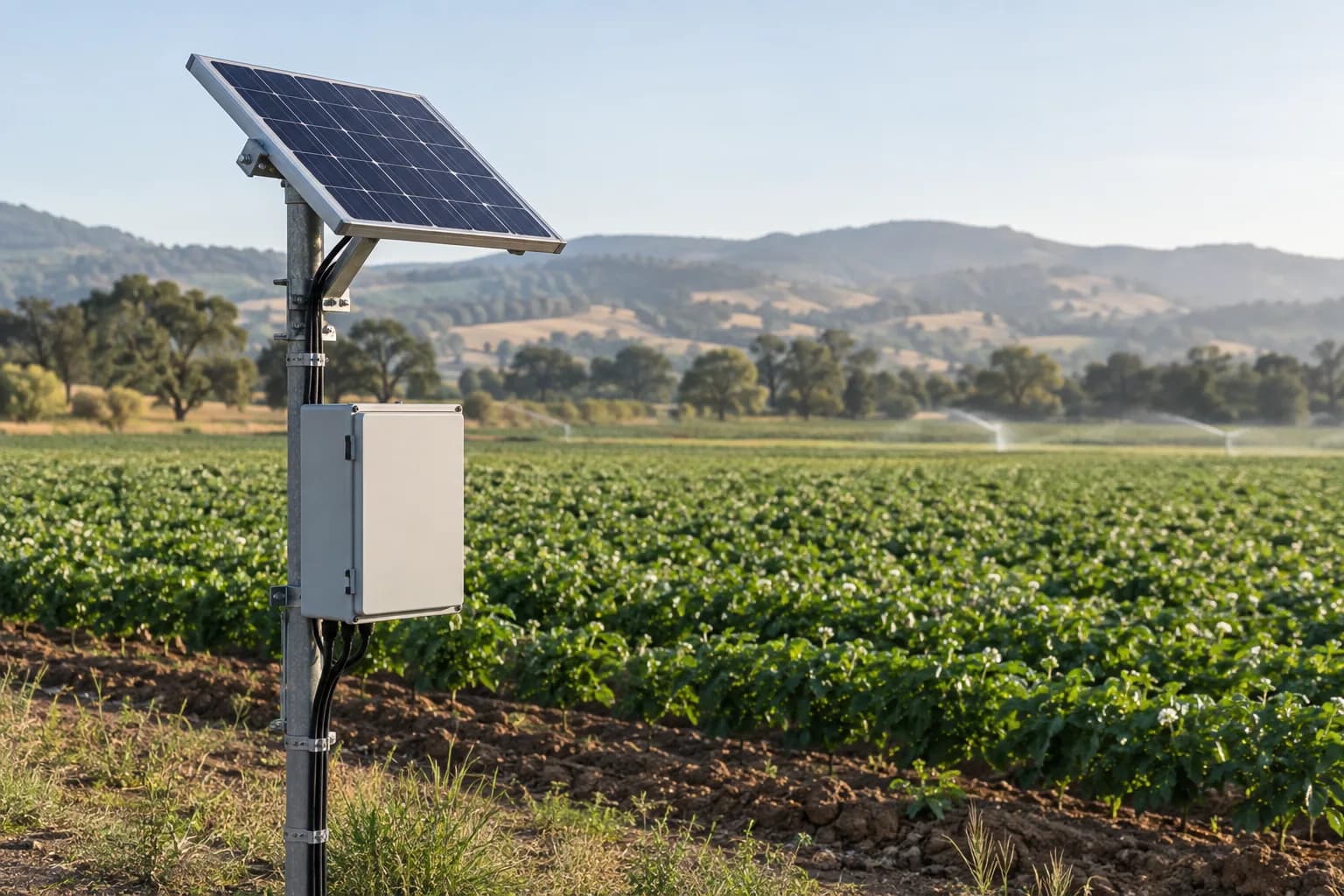
Size field power around the final equipment load, seasonal sunlight and visit interval.
Explore this requirementRun, stop, fault, local/remote, high level, low level and door contacts.
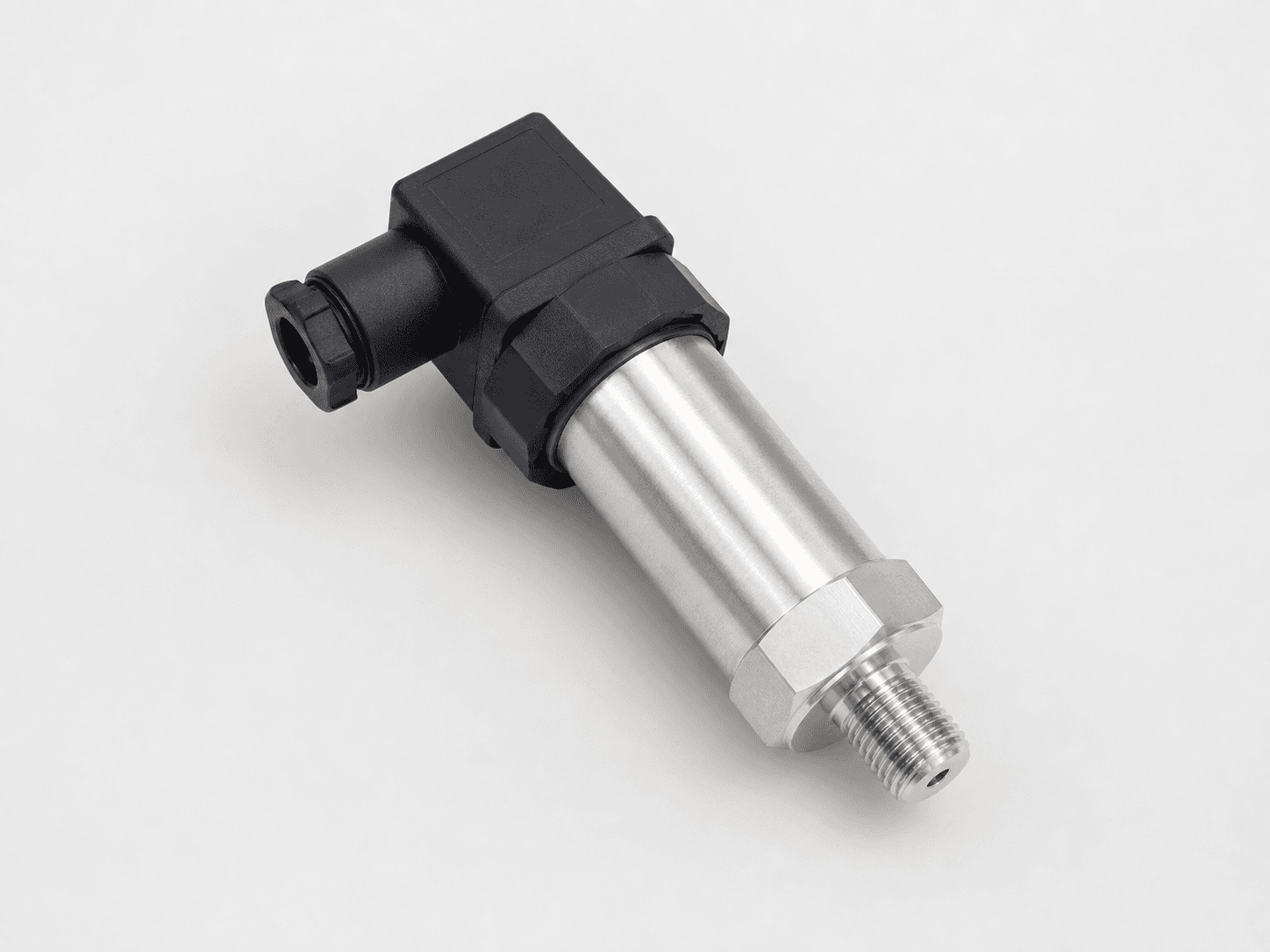
Signal type, range, loop power, isolation and scaling for pressure, flow or level.
Device count, register maps, baud/parity groups, polling interval and timeout policy.
Pulse value, maximum frequency and whether totalization must survive power loss.
Project logic: Start command is active and run feedback remains absent after a project-defined delay.
Operator context: Check panel state, motor protection and communications before repeated restart attempts.
Project logic: Run feedback is active while flow or pressure remains below the approved operating threshold.
Operator context: Investigate dry running, blocked suction, valve state, leakage or sensor condition.
Project logic: Level crosses the project limit with delay and hysteresis to avoid chatter.
Operator context: Escalate immediately and show whether duty / standby pumps are running.
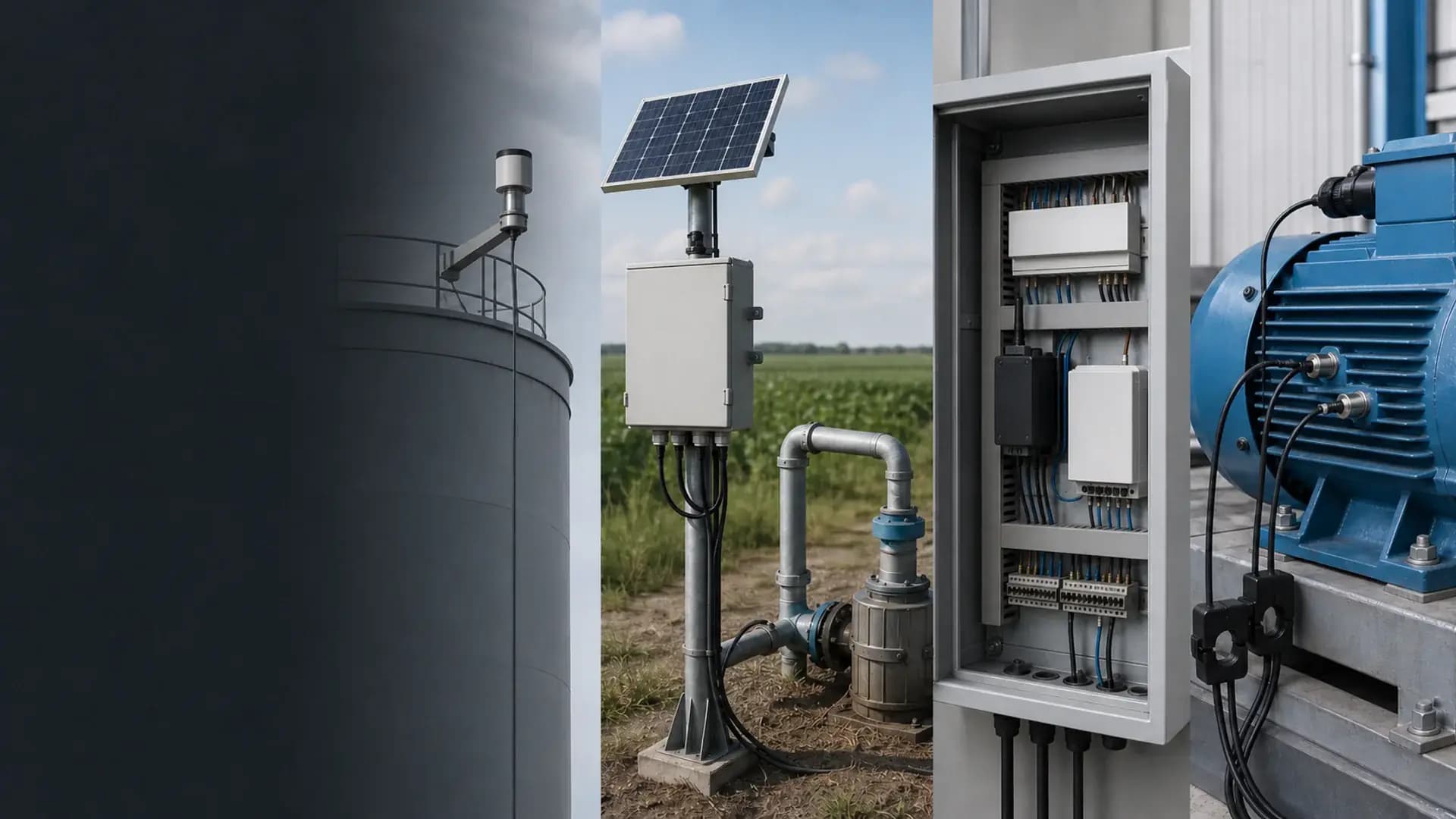
Remote integration context
Sensors, interfaces, enclosure, power and mounting are confirmed against the actual project before quotation.
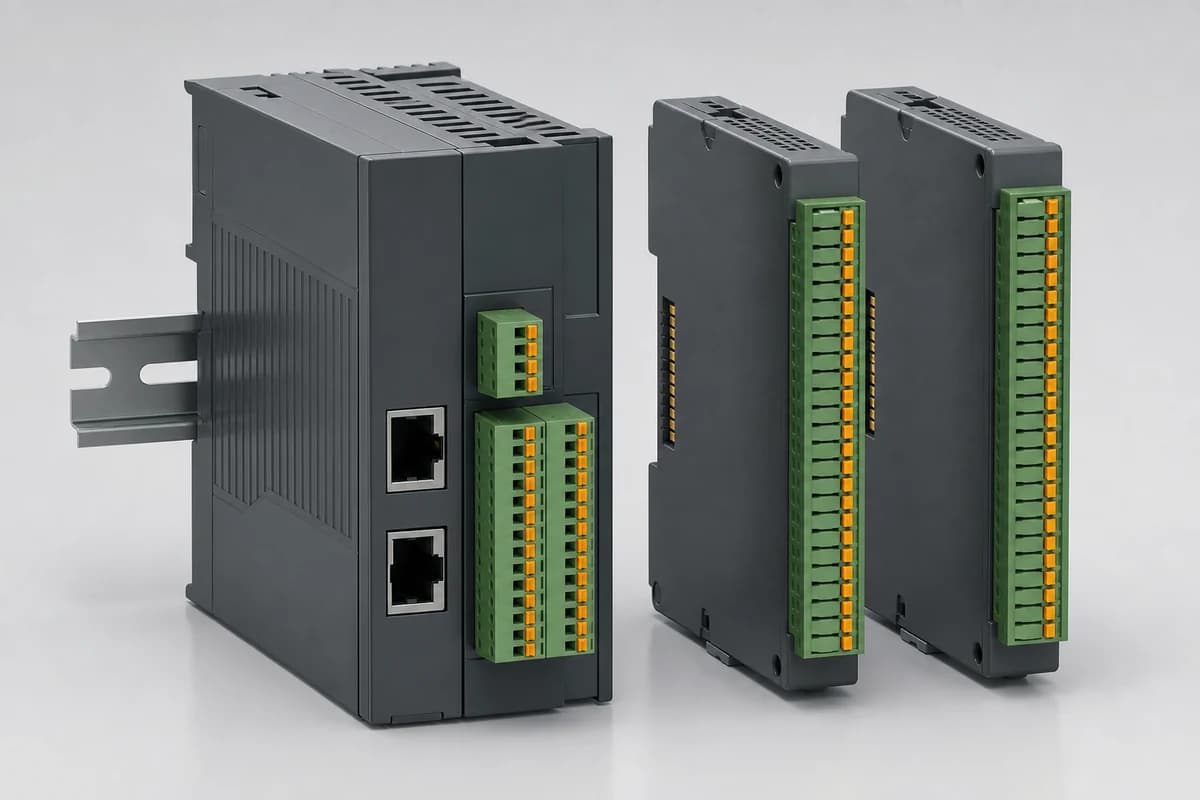
Yes. A retrofit can read auxiliary contacts, analog transmitters or Modbus registers while the existing controller keeps its control role. The point list and electrical interfaces must be checked before selecting the RTU or remote I/O.
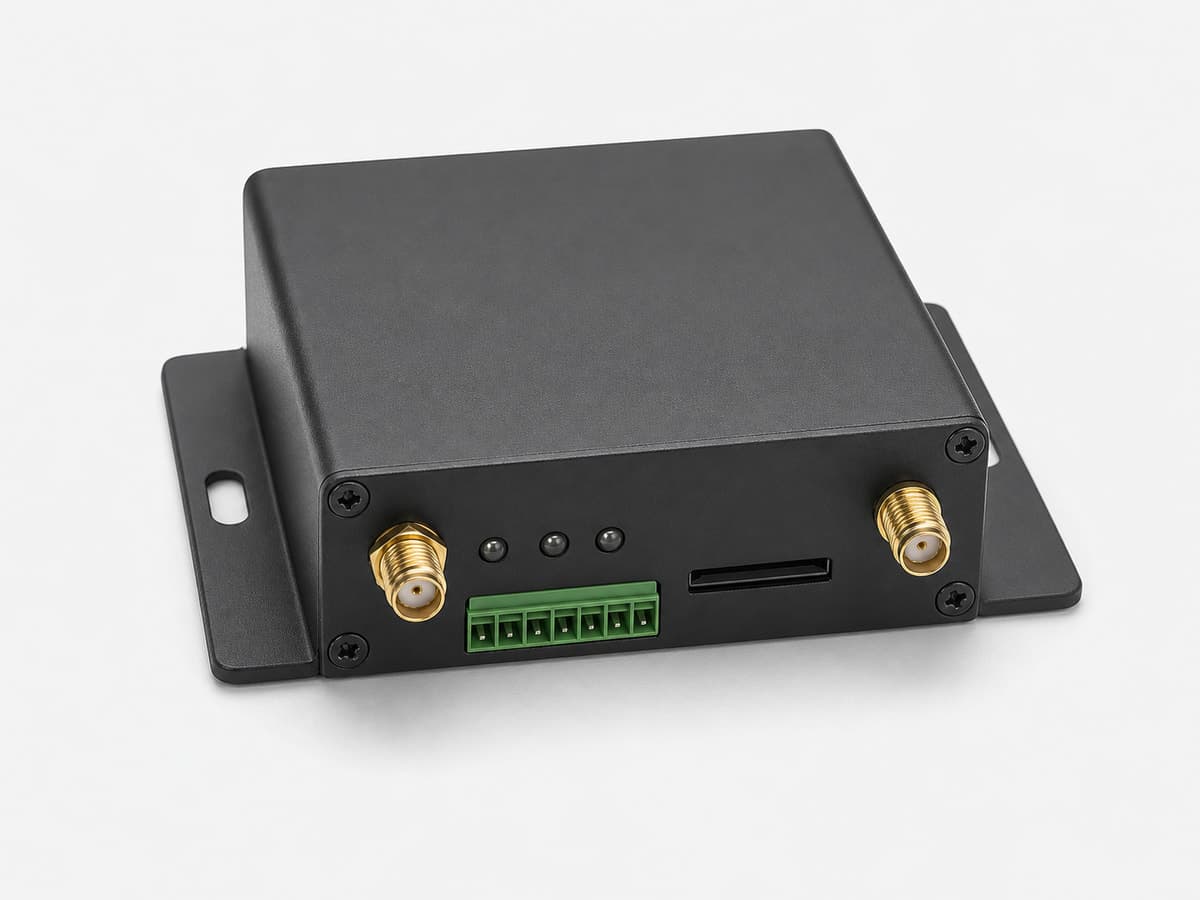
A 4G RTU is usually the direct path for one remote station with several I/O points, Modbus devices or local buffering. LoRaWAN is useful when many low-data sensor nodes share gateway coverage. Site topology, power, operator coverage and upstream architecture decide the final path.
Run feedback combined with flow, discharge pressure, motor current or source level is more informative than one signal alone. The accepted thresholds and delays must be set from the pump and process operating envelope.
Yes. The hardware path can be prepared for Modbus TCP, MQTT or another agreed interface. Share the point list, naming convention, security requirements and destination-system responsibility before quotation.
Provide the pump and panel count, available I/O, register maps, measured parameters, site power, country and network, enclosure needs, upstream system, alarm workflow, quantity and schedule.
Start with a short description. A complete equipment list is not required.