Skip to content
SunGeneAgricultural IoT
← All applications

Water Quality Monitoring for Irrigation, Aquaculture and Tanks

Select pH, EC, dissolved oxygen, turbidity and level equipment for irrigation, aquaculture and water tanks.

Need hardware for this application?

Tell us your country and what you need to monitor. A photo or existing model is helpful; technical and delivery details can follow during selection.

Choose equipment for your farm

Buy an individual instrument or prepare an equipment list for the monitoring points. Open the specifications to compare interfaces, mounting and measurement options.

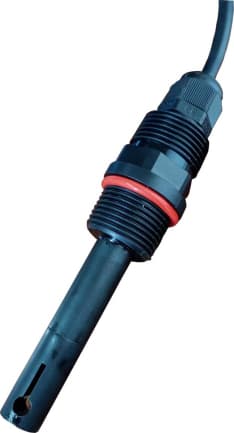
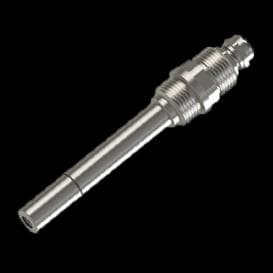
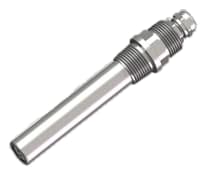
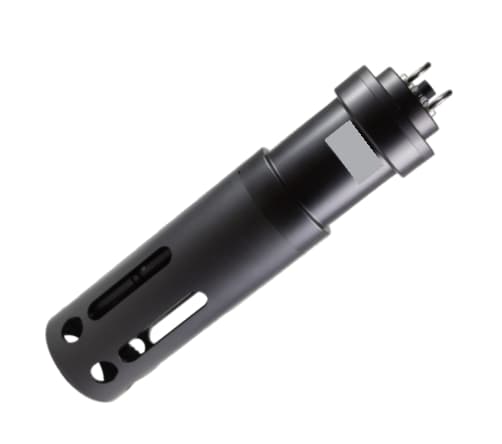
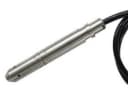
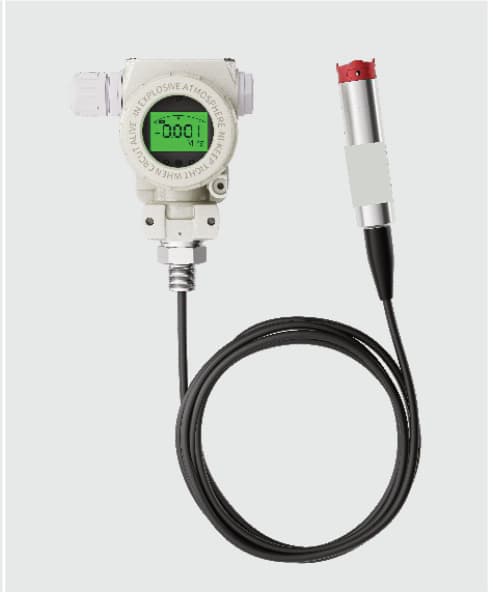
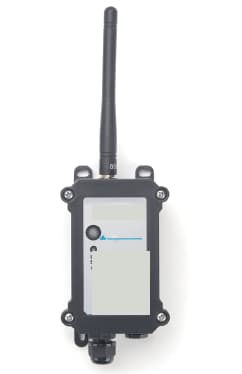
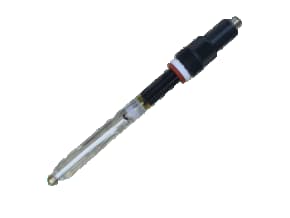
Equipment photographs: SG-WQE-105, SG-WQE-106, SG-WQE-101, SG-WQE-103, SG-WQE-104, SG-RTU-152. See the product specifications for the selected model and configuration.

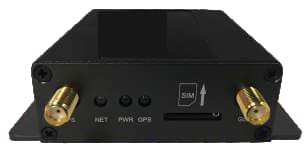
SG-RTU-152: Industrial Telemetry Remote Terminal Unit

4G/LTE Industrial RTU Gateway

Collect compatible farm instrument and pump signals for a cellular data connection.

Specification details

Cellular RTU gateway for irrigation pump stations, farm water telemetry and remote farm monitoring — collects RS485, analog and digital signals and uploads data over 4G LTE.

Need the equipment list for a complete monitoring point?

Send the country, measurements and number of points. Add the available power, network and existing equipment when you have them.

Request an equipment plan

Why this application needs hardware

Select the water readings used by the farm, with probe placement, cleaning and calibration included in the equipment plan. Keep the measurement time and instrument status with each reading.

Hardware for this application

  1. 1Choose probes for the water type, range and farm task.
  2. 2Match probe output, power and any required analyzer to the receiving logger or RTU.
  3. 3Agree the records, cleaning and calibration checks used during operation.

Choose water measurements for your site

Select the readings that support your daily work, then match the probes, mounting, controller inputs and maintenance access.

Irrigation supply and nutrient-solution tanks

Follow pH and electrical conductivity at the water source or mixing tank. Add level or flow measurements when the job also needs water availability or delivery records.

Measurements: pH and water EC; level, flow and pressure selected separately

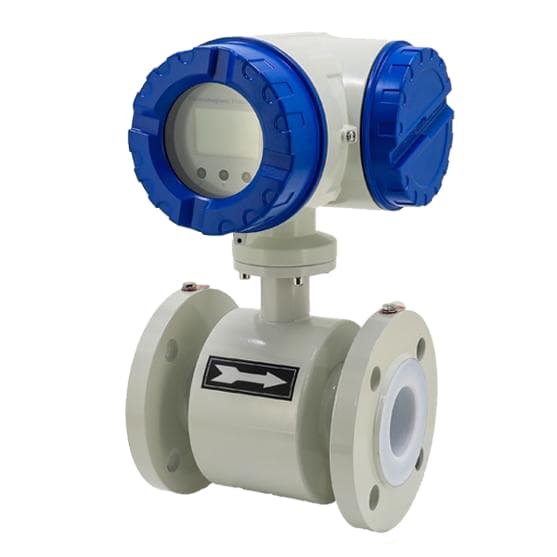
SG-EMF-109: Electromagnetic flow meter for conductive liquids
Pictured: SG-EMF-109 — Electromagnetic flow meter for conductive liquids.

Equipment photographs: SG-WQE-105, SG-WQE-106, SG-EMF-102. The quotation confirms the selected devices and configuration.

  1. 1pH / EC probes at the selected water point
  2. 2Matched sensor inputs on a logger or RTU
  3. 3Irrigation records in your controller or platform
Typical measurement path. Sensor outputs, receiving inputs, field power and the data destination are matched before quotation.
  • State whether the point is raw water, mixed nutrient solution or return water, and give the normal temperature and expected EC range.
  • Choose immersion or a suitable flow-cell arrangement, with access for cleaning and calibration.
  • Water EC tracks conductivity. Nutrient dosing, crop limits and any pump or valve commands need their own agreed settings and control scope.

Fish ponds, aquaculture tanks and recirculating water

Use dissolved oxygen and pH measurements to follow changing water conditions. Add conductivity, turbidity or a selected multi-parameter probe when those readings are needed at the same point.

Measurements: Dissolved oxygen and temperature; pH and other parameters as required

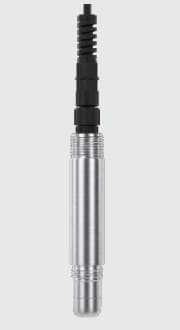
SG-WQE-115: Optical Dissolved Oxygen Sensor
Pictured: SG-WQE-115 — Optical Dissolved Oxygen Sensor.

Equipment photographs: SG-WQE-101, SG-WQE-105, SG-WQE-104. The quotation confirms the selected devices and configuration.

  1. 1Selected probes at representative pond or tank points
  2. 2Compatible acquisition, field power and network
  3. 3Trends and alerts with an assigned local response
Typical measurement path. Sensor outputs, receiving inputs, field power and the data destination are matched before quotation.
  • Share the species, freshwater or saltwater conditions, temperature, measurement depth and number of ponds or tanks.
  • Agree the DO compensation settings, calibration checks and a cleaning route that staff can reach.
  • Set alarm limits with the site specialist. Aeration commands, backup power and local protection are separate parts of the design.

Water storage, mixing and process tanks

Choose the water-quality readings needed at the tank, then select a separate level sensor if you also need to know how much water remains.

Measurements: Selected pH, EC or turbidity measurements; tank level is a separate signal

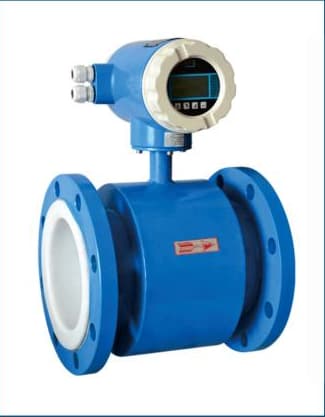
SG-EMF-102: Electromagnetic Flow Meter, Integrated and Remote
Pictured: SG-EMF-102 — Electromagnetic Flow Meter, Integrated and Remote.

Equipment photographs: SG-WQE-105, SG-WQE-103, SG-SLT-117. The quotation confirms the selected devices and configuration.

  1. 1Water-quality probe and, where needed, a level sensor
  2. 2PLC or RTU inputs matched to each output
  3. 3Tank records and agreed high / low or quality alerts
Typical measurement path. Sensor outputs, receiving inputs, field power and the data destination are matched before quotation.
  • Provide the liquid, tank dimensions, temperature, pressure and normal versus upset conditions.
  • Confirm immersion, threaded or flow-cell mounting, wetted materials and access for removing the probe.
  • Specify any drinking-water or process requirements before equipment selection. A few online parameters alone do not establish water safety or compliance.

Which parameter answers your question?

pH

pH changes in the selected liquid.

Match the output, mechanical body, pressure and temperature; plan buffer calibration and wet electrode storage.

Electrical conductivity (EC)

Conductivity changes in irrigation, aquaculture or process water.

Choose the EC range and wetted material. Confirm temperature basis and any calculated TDS or salinity values separately.

Dissolved oxygen (DO)

Oxygen conditions in ponds, aquaculture tanks and compatible water processes.

Select the probe type and range; confirm water chemistry, compensation, maintenance and alarm ownership.

Turbidity

Changes in optical cloudiness in the water.

Choose the NTU range, installation and cleaning option; turbidity is not a direct count of organisms or a universal solids concentration.

Several parameters at one point

Multiple selected water-quality measurements through one submerged assembly.

List the required sensing modules and data fields. The ordered parameter set, mounting and cleaning plan define the configuration.

For a quotation, send the water source or process, required parameters and ranges, point count, mounting photos, power and existing controller or platform. A short site description is enough to start.

Farm task

Choose water-quality instruments for irrigation supply, aquaculture or farm tanks. Include representative probe placement, cleaning access, calibration and a compatible receiving input.

See where the system fits

Choose the measurements

Core field parameters

pH, conductivity, dissolved oxygen, turbidity and temperature selected for the farm water task.

Hydraulic context

Level, flow or pump state used to explain changing readings.

Instrument health

Communication, power, calibration due date and selected diagnostic status.

Data quality

Timestamp, quality flags, cleaning records and missing or implausible value checks.

Equipment in the system

Example equipment arrangement. Check compatibility and agree who handles software, PLC/SCADA programming and site installation.

Equipment arrangements

Path 1

Several probes at one farm water point

Best for: An irrigation inlet, farm tank or aquaculture point with several selected readings.

  1. 1Selected probes
  2. 2Local analyzer or data collector
  3. 3Gateway
  4. 4Customer operations platform

Path 2

Separate farm water points

Best for: Several tanks, ponds or irrigation sources with different power or network conditions.

  1. 1Field sensor package
  2. 2Site power and enclosure
  3. 3LoRaWAN or cellular path
  4. 4Central data review

Before choosing equipment

  • Define the water type and decision for each parameter.
  • Choose a representative sampling or immersion point.
  • Review fouling, cleaning access and calibration frequency.
  • Confirm probe output, analyzer and register map.
  • Plan quality flags and response to implausible readings.

Details for an equipment quote

  • Water source and farm use
  • Parameters and expected ranges
  • Sampling point photos and immersion details
  • Cleaning and calibration plan
  • Power, network and endpoint
  • Site count and country

Installation and operating checks

  • Plan probe cleaning and calibration with access to the measurement point.
  • Match the probe, any required analyzer and the receiving input before combining equipment.

Technical references

Selection questions

Which sensors should I start with for irrigation water?

Start with the decision the operator needs to make. pH and EC can follow water or nutrient-solution conditions; a separate level sensor, flow meter or pressure transmitter covers water availability and delivery. Provide the source water, crop or process requirements, expected ranges and existing controller inputs so the equipment can be selected together.

What information is needed for an aquaculture water-monitoring quotation?

Provide the species, pond or tank count, freshwater or saltwater conditions, temperature, measurement points and required parameters. Include power, network coverage and who will clean probes and respond to alerts. The site specialist sets operating limits; any aeration control and local protection are agreed separately.

Can a tank level sensor also measure water quality?

A level sensor measures the water level. pH, conductivity, dissolved oxygen and turbidity require the corresponding water-quality instruments. A tank project can combine these signals through a compatible PLC or RTU, with each sensor selected for the liquid, mounting and required input.

Should I select separate probes or a multi-parameter probe?

Separate probes let you place or service each measurement independently. An integrated multi-parameter assembly can bring selected measurements from one submerged point through a single RS485 connection. Compare the required modules, mounting space, cleaning access, calibration work and replacement plan before choosing.

Can the equipment connect to my existing PLC or monitoring platform?

Match each probe output to the receiving input. Depending on the selected product and configuration, the path may use RS485 Modbus RTU or 4-20 mA, followed by a separately selected RTU or gateway. Share the controller model, available inputs, register map or data format, site power and network before quotation.

How often do water-quality probes need maintenance?

Set the schedule from the selected probe instructions and actual fouling at the site. Plan safe removal, cleaning, calibration standards and consumables before installation. Automatic cleaning on an applicable configuration still needs inspection and does not replace calibration checks.

Typical hardware

  • Dissolved Oxygen Sensor
  • Turbidity Sensor
  • Wireless Gateway

Common interfaces

  • RS485
  • Modbus
  • 4G LTE
  • LoRaWAN

Related application hardware

Farm water & pump monitoring

Water Quality for Irrigation & Aquaculture

Choose the water measurements that support the farm task. Plan probe mounting, calibration and a compatible receiving input before combining the equipment.

Get selection help

Tell us what you want to measure and where. Send a model number or site photo if you have one.

Text stays in this tab for up to 30 minutes while you browse. Saving across reloads is optional below.

A personal email is welcome.

A country and general site description are enough. If the location is undecided, say so.

Photos, model information or BOM (optional)

Up to 5 files, 10 MB each. PDF, JPG, PNG, WebP, CSV, TXT, DOCX or XLSX.

By submitting this form, you acknowledge the privacy notice.