Skip to content
SunGene Industrial IoT HardwareSunGeneIndustrial IoT hardware
All kits

LoRaWAN Gateway, Sensor Node & Outdoor Enclosure Kit

Gateway, field nodes, antennas, enclosures and data-handoff planning for private LoRaWAN sensor networks.

Built for distributors and system integrators who need the radio plan, gateway placement, sensor enclosure, backhaul and payload path reviewed before a field pilot.

  1. 1. What this is for

    Plan the outdoor LoRaWAN gateway, sensor nodes and enclosure as one field package.

  2. 2. Where it is used

    Outdoor or cabinet-mounted sensor networks that need weather protection and a radio plan.

  3. 3. Next step

    Send frequency plan, enclosure rating and sensor count. We return a kit scope for quotation.

Outdoor LoRaWAN Gateway representative product family

Representative gateway family

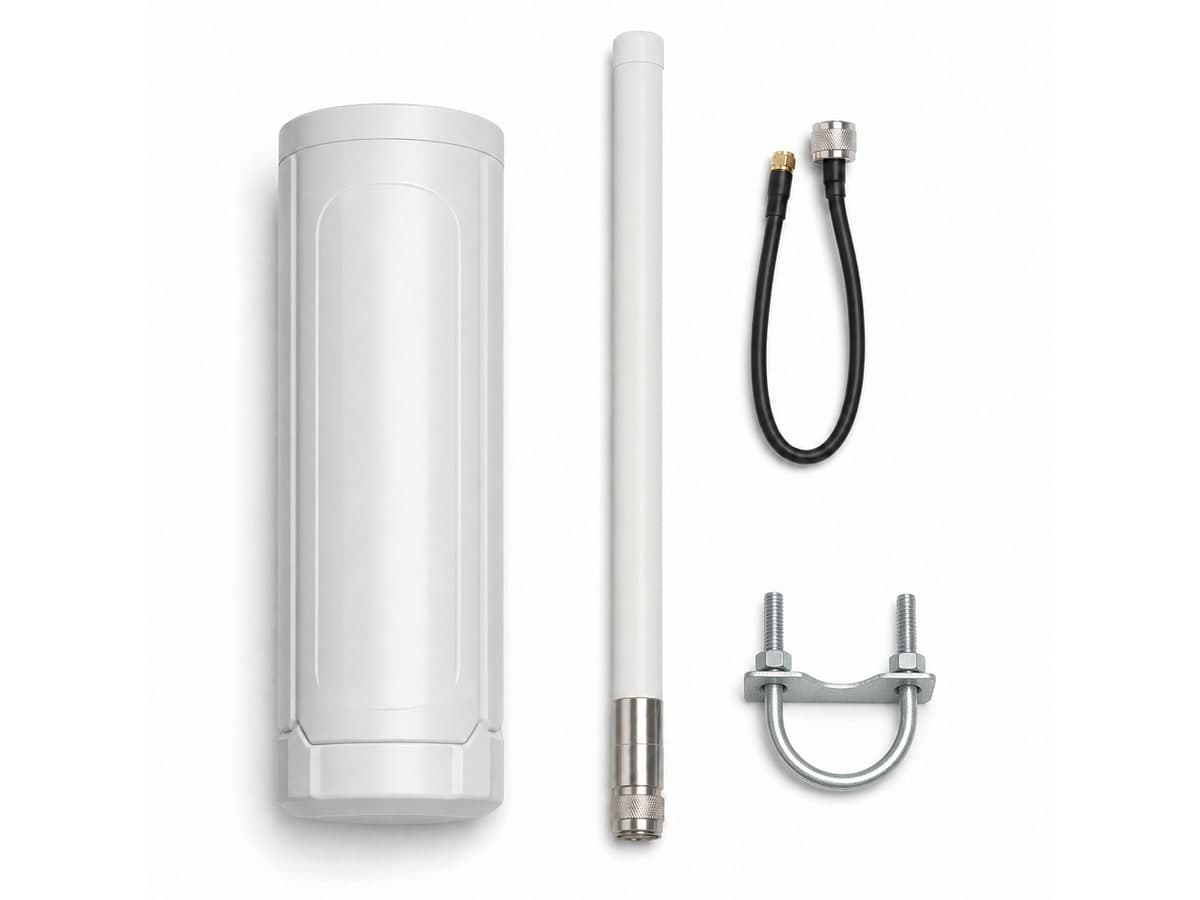
Outdoor LoRaWAN Gateway

Representative outdoor gateway family visual based on a reviewed hardware reference and independently de-identified. It is not the final ordered model; radio region, cellular option, enclosure details, connectors, antenna and mounting package are confirmed in the quotation.

Review gateway selection details

Is this the right LoRaWAN kit?

Use this kit when you need a LoRaWAN gateway, field sensor nodes and installation hardware selected as one deployable path. It is especially relevant when sensors sit outdoors, inside metal cabinets or at remote water, agriculture, utility or facility sites.

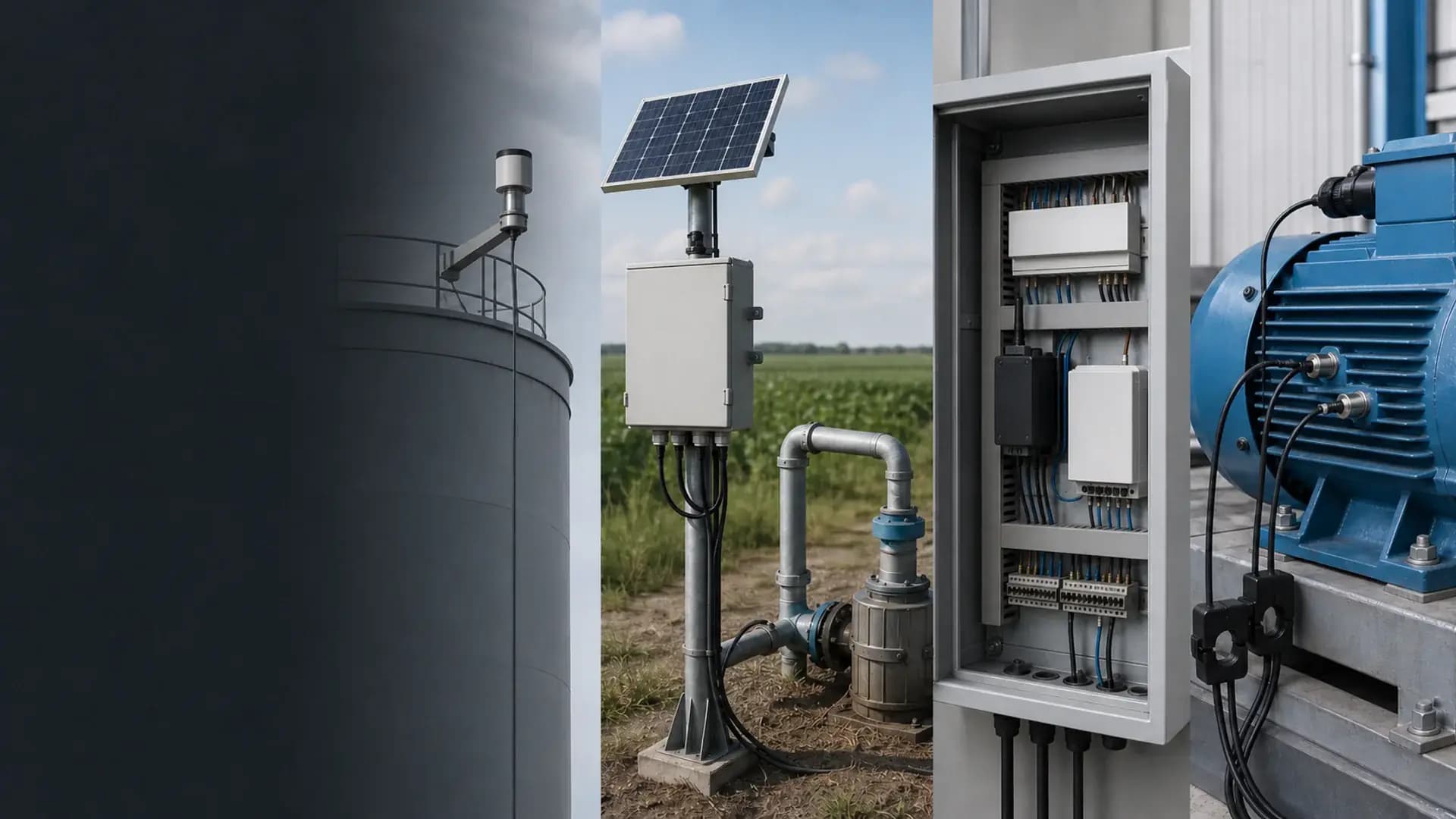
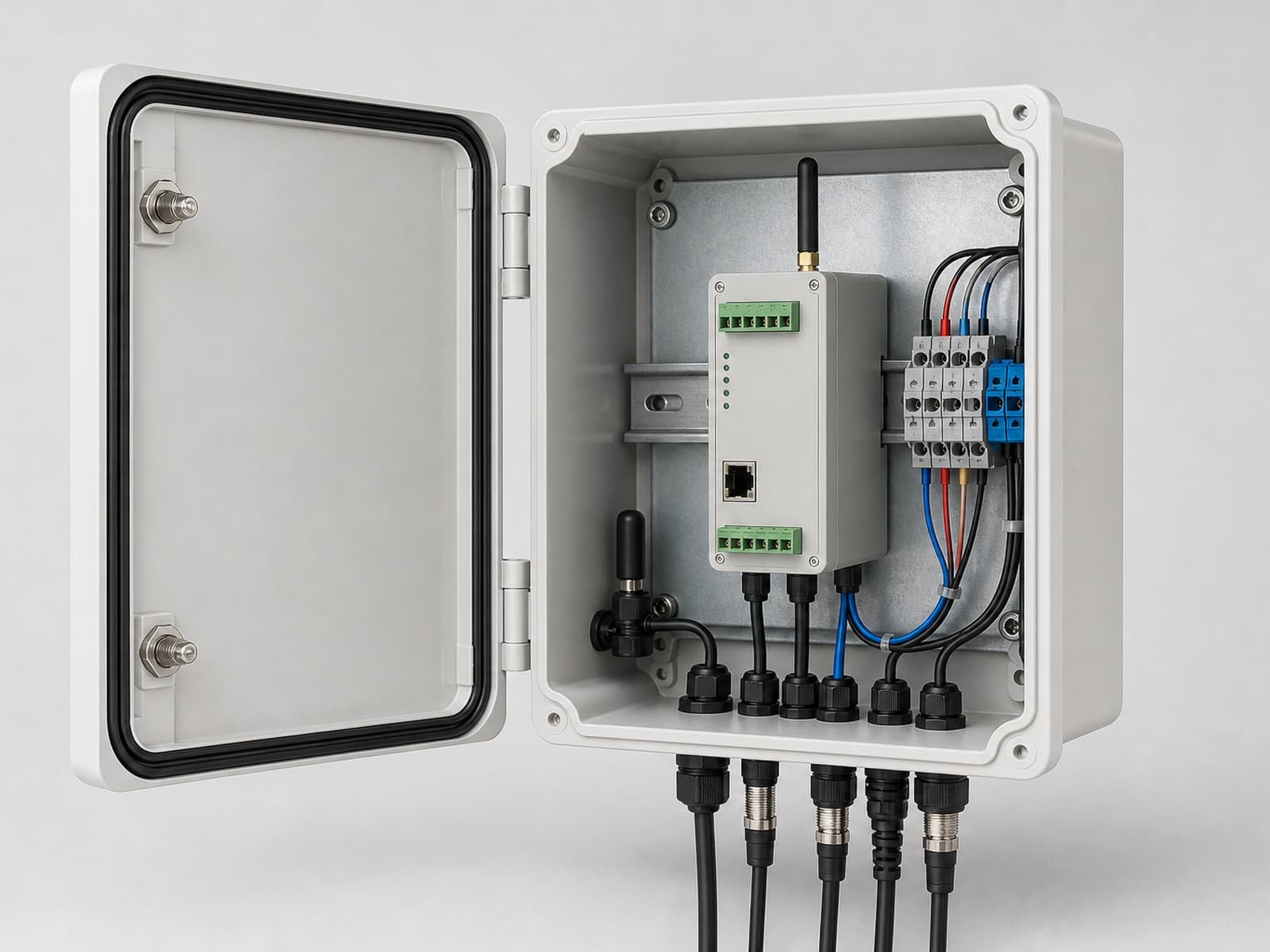
Representative remote-monitoring integration with field enclosure, gateway, power and industrial equipment

Remote integration context

Representative site context. Sensors, interfaces, enclosure, power and mounting are confirmed against the actual project before quotation.

Match the enclosure to the installation

Site exposure

Indoor shelter, rain, washdown, temporary immersion, condensation, corrosion and service access determine the enclosure and cable-entry requirements.

Radio path

Country, regional frequency plan, node positions, obstructions, mounting height and antenna location determine the radio variant and pilot coverage plan.

Gateway backhaul and power

Ethernet, Wi-Fi or cellular backhaul plus PoE, DC or field power must be checked at the intended gateway location.

Data handoff

Network-server ownership, device onboarding, payload fields, reporting interval and customer-platform endpoint must be agreed before the pilot is configured.

Typical Hardware Architecture

Final system design, software integration, PLC/SCADA programming and site installation are handled by the customer or their system integrator.

Typical LoRaWAN deployment paths

Path 1

Sheltered sensor network

Best for: Warehouses, plant rooms and covered facilities with an indoor gateway location.

  1. 1Battery or DC sensor nodes
  2. 2Indoor mounting and service access
  3. 3LoRaWAN gateway
  4. 4Customer network server and application

Path 2

Outdoor gateway and field nodes

Best for: Water, agriculture, utility and environmental sites exposed to weather.

  1. 1Project-specific sensor enclosure
  2. 2External antenna and cable entry
  3. 3Outdoor gateway with field power
  4. 4Ethernet, Wi-Fi or cellular backhaul
Show the remaining deployment path

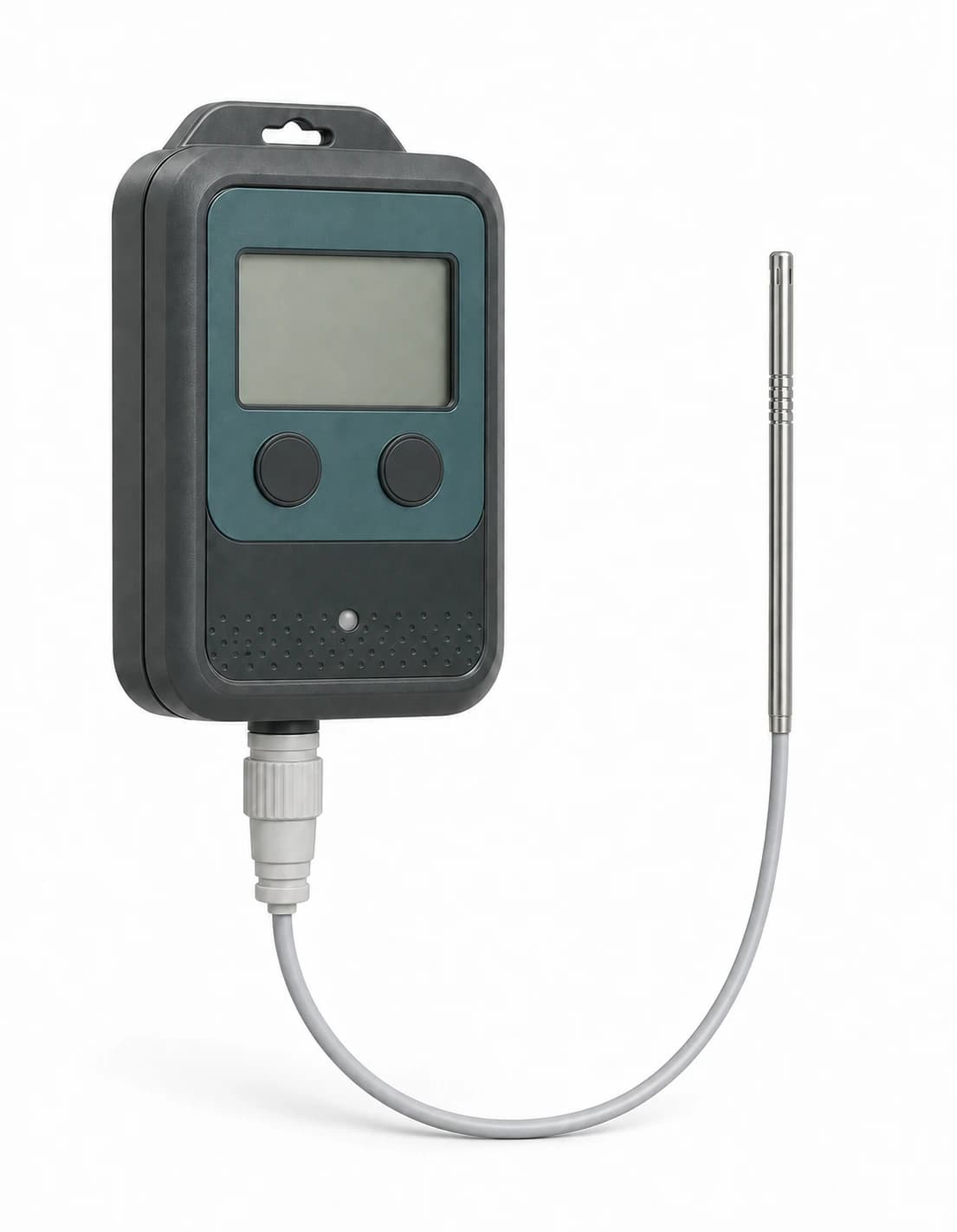
Representative hardware

Hardware families used in this kit

Find matching hardware →

Images show representative product families. The exact model, interface, enclosure and certificates are confirmed against the project before quotation.

Confirm gateway, antenna and enclosure details

  • Confirm the target country and LoRaWAN regional frequency plan before selecting any gateway or node radio variant.
  • Provide a site map with node positions, gateway position, distances, terrain, buildings, vegetation and expected mounting heights.
  • State whether each node is indoors, sheltered outdoors, exposed to rain or washdown, below grade, near condensation or inside a metal cabinet.
  • Choose the required enclosure protection from the actual exposure. IP65 or IP67 is not assumed for every node and must be confirmed for the selected configuration.
  • Keep the antenna outside a metal enclosure or use an approved RF-transparent mounting arrangement; confirm connectors, feedthroughs and cable loss.
  • Confirm gateway backhaul, network-server ownership, device onboarding method and payload-decoder responsibility.
  • Calculate battery or solar autonomy from reporting interval, alarm traffic, sensor load, temperature and maintenance target.
  • Plan a field radio and end-to-end data pilot before treating desktop range estimates as deployment coverage.

Send this for a useful kit quote

  • Target country and LoRaWAN regional frequency plan
  • Sensor type, output, quantity and reporting / alarm interval
  • Site map, distance, terrain, obstructions and mounting height
  • Indoor / outdoor exposure, enclosure target, cable entries and corrosion conditions
  • Gateway backhaul and available PoE, DC, mains or solar power
  • Network server, onboarding method and payload fields
  • Customer platform endpoint and data-delivery format
  • Pilot quantity, rollout quantity, certificates and delivery schedule
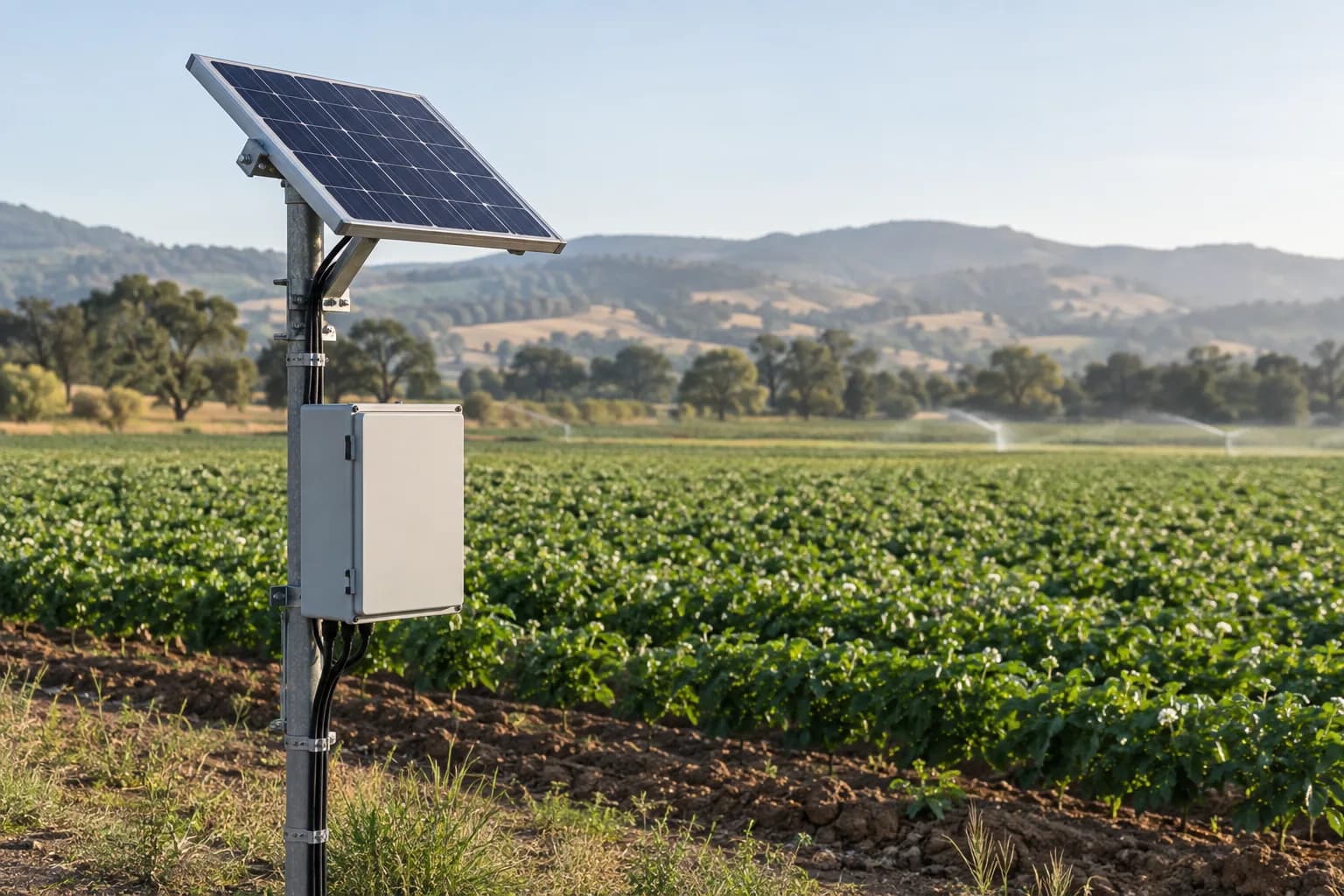
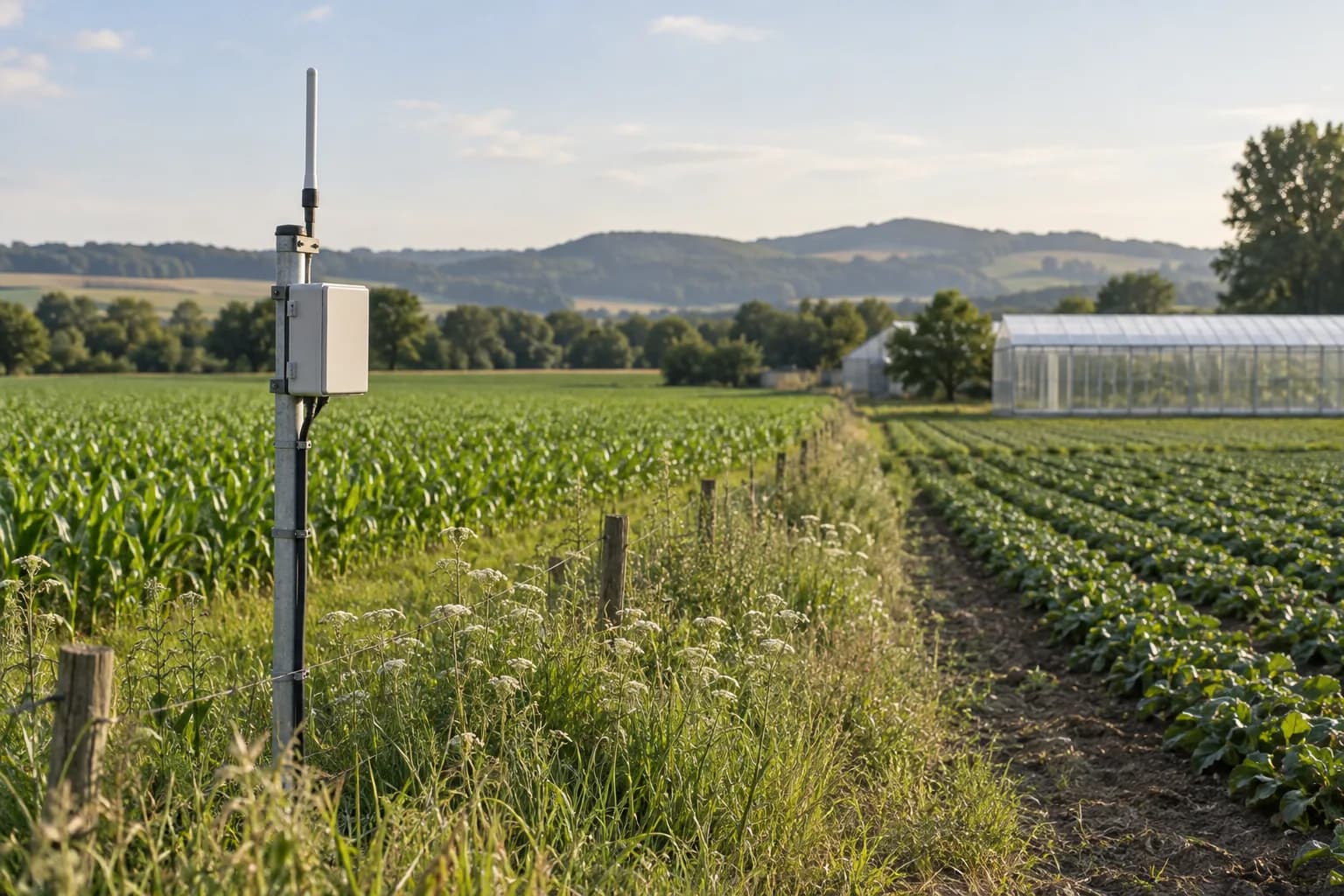
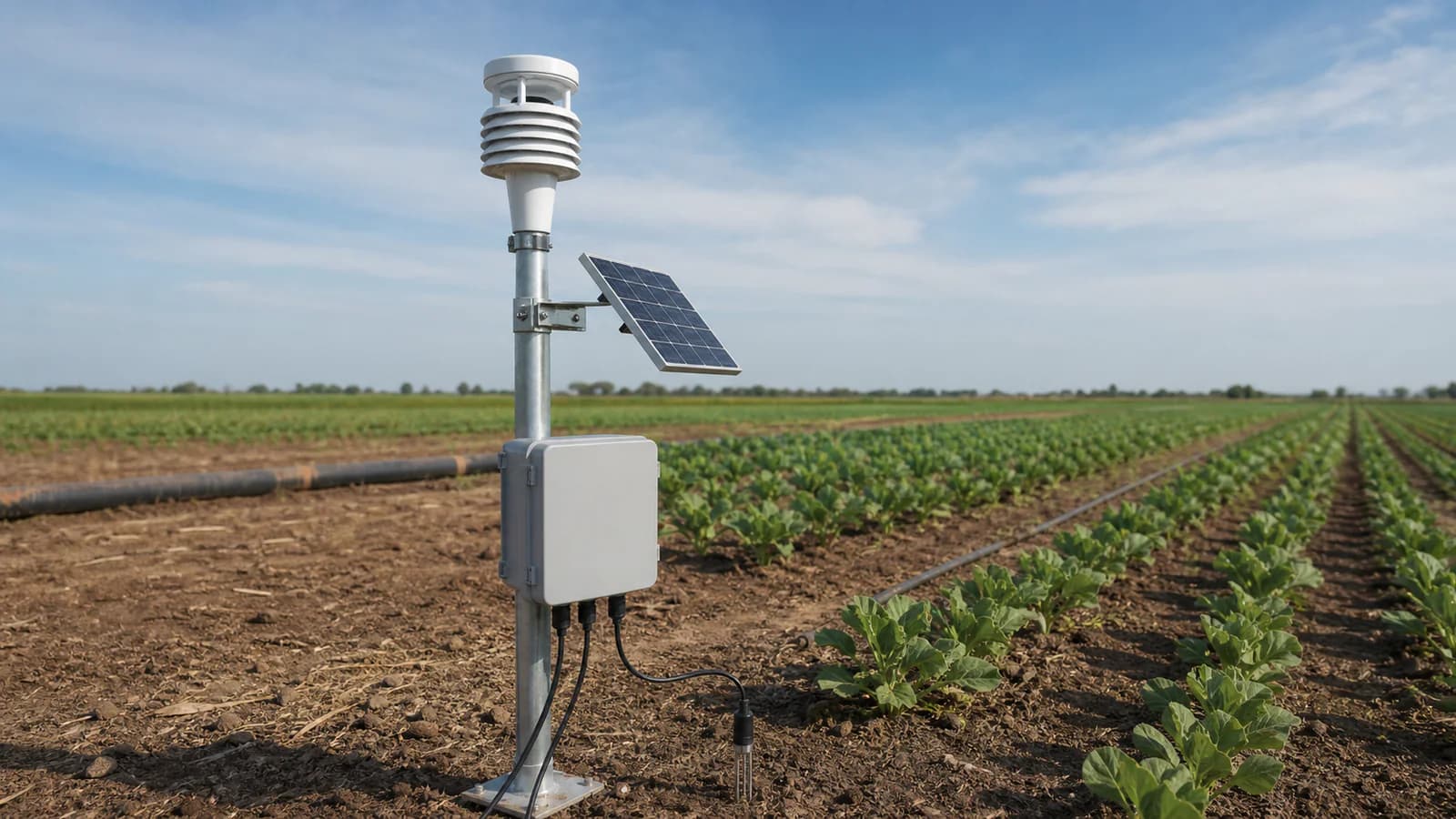
Representative outdoor monitoring station with weather sensor, solar supply, enclosure and field probe

Outdoor field-monitoring context

Representative site context. Sensors, interfaces, enclosure, power and mounting are confirmed against the actual project before quotation.

Coverage and supply boundaries

  • A website range figure cannot prove coverage at a real site. Final gateway placement and node reliability require a pilot that reflects the terrain, structures, antennas, radio plan and traffic.
  • The selected enclosure, IP rating, cable glands, corrosion protection, lightning protection and certificates are confirmed against the exact configuration before quotation.
  • SunGene prepares the hardware path and integration documents. Network-server operation, field installation and the customer application remain with the agreed project owner.

Hardware reference for the final selection

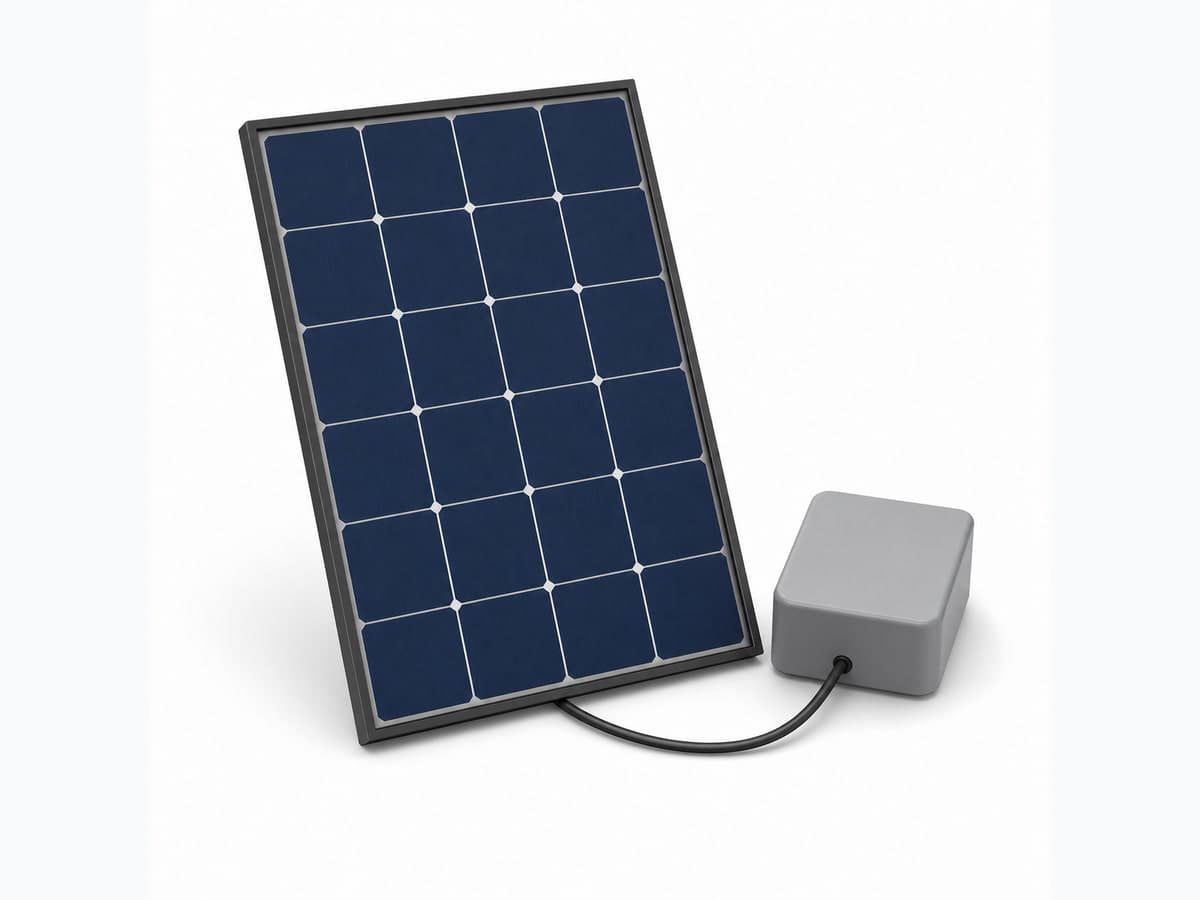
Representative product-family images. Exact model, interfaces and enclosure are confirmed in the written quote.

Official standards and deployment references

LoRaWAN gateway and enclosure questions

Should an outdoor LoRaWAN sensor use IP65 or IP67?

Choose the enclosure from the actual exposure and the selected hardware. Rain or water jets, temporary immersion, condensation, cable entries, service access and corrosion are different conditions. The final protection claim must match the exact enclosure and IEC 60529 test scope.

Can a LoRaWAN antenna stay inside a metal enclosure?

A metal enclosure can attenuate the radio path. Plan an external antenna or an approved RF-transparent arrangement, then confirm connector type, feedthrough, cable loss, grounding and mounting before the field pilot.

Do we have to use ChirpStack?

No single network server is assumed. Provide the intended network server and onboarding method so gateway packet forwarding, device profiles, payload decoding and customer-platform handoff can be checked.

What is needed before SunGene can quote the kit?

Send the country, site map, node types and quantities, reporting interval, enclosure exposure, gateway backhaul and power, network-server owner, payload fields, certificates and pilot schedule.

Partnership

LoRaWAN hardware and integration-document supply for pilots and recurring channel programs.

Commercial notes

  • Paid sample and pilot quantities are available before volume supply.
  • Packaging and documentation details can be reviewed after the application scope is confirmed.
  • Certificates are model-specific and confirmed per shortlisted configuration.
Request a Kit Quote

Related selection guides