Water delivery across the farm
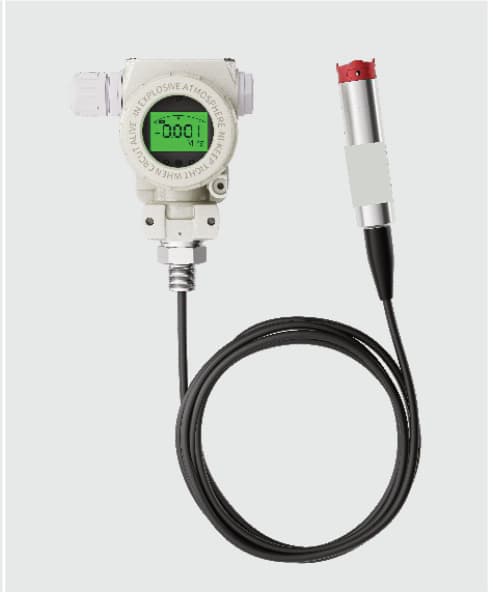
Connect level, flow and pump status with the water decisions your team makes.
Read the guide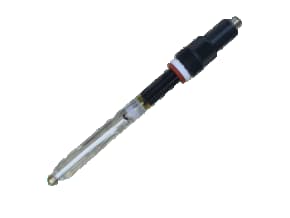
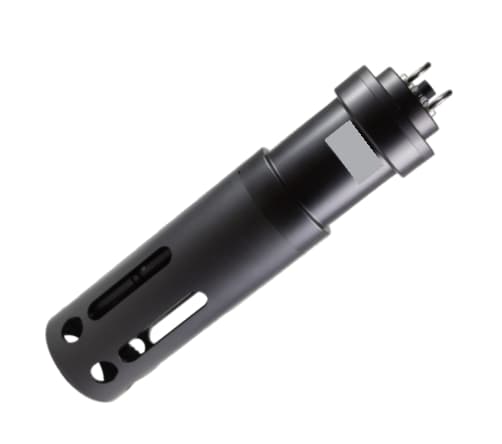
Pictured: SG-WQE-105 — pH Electrode with Temperature Compensation.
A mixing tank, pond and pressurised water line need different mounting and maintenance arrangements. Start with the liquid and the place where the reading will be used.
Related application hardware: Farm water & pump monitoring
A mixing tank, pond and pressurised water line need different mounting and maintenance arrangements. Start with the liquid and the place where the reading will be used.
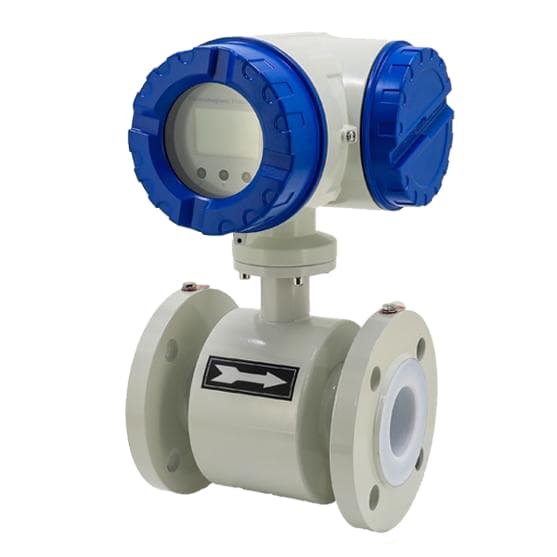
The quotation lists the selected equipment, accessories, price and delivery terms.
Purchasing and delivery details →Selection guidance and application documents. Wiring, register maps and certificates must match the chosen model and version.
English · Web page · printable
Online selection guide
Application selection guide
PDF · English
Tell us which wiring, protocol or calibration documents you need for the equipment.
Compare uses, interfaces and configuration options. These are selection references.
Define the required function, interfaces, power, mounting and accessories for the site.
Confirm the exact model, configuration, photograph, document revisions, accessories, price, delivery and warranty.
Tell us what you want to measure and where. Send a model number or site photo if you have one.
Connect level, flow and pump status with the water decisions your team makes.
Read the guide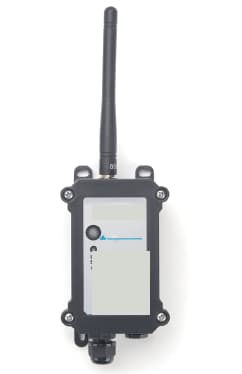
Review coverage, equipment identity and the path into your chosen platform.
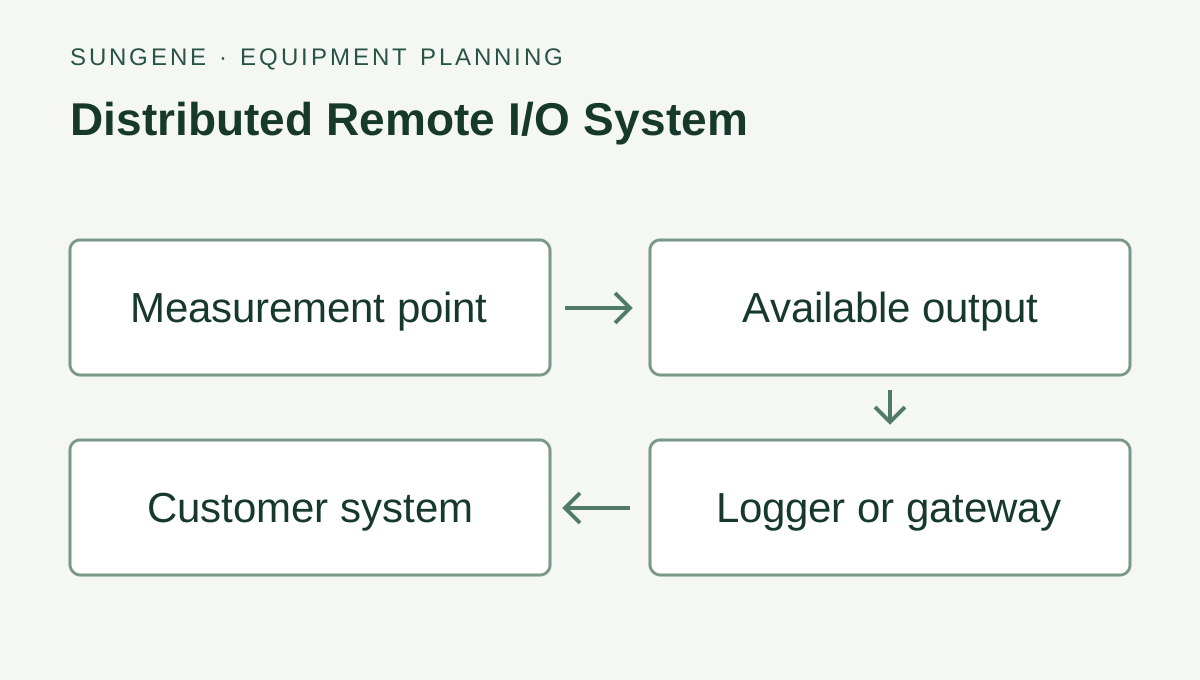
Read the guideExample equipment arrangement. Check compatibility and agree who handles software, PLC/SCADA programming and site installation.
Data destination
Customer platform or an agreed third-party service
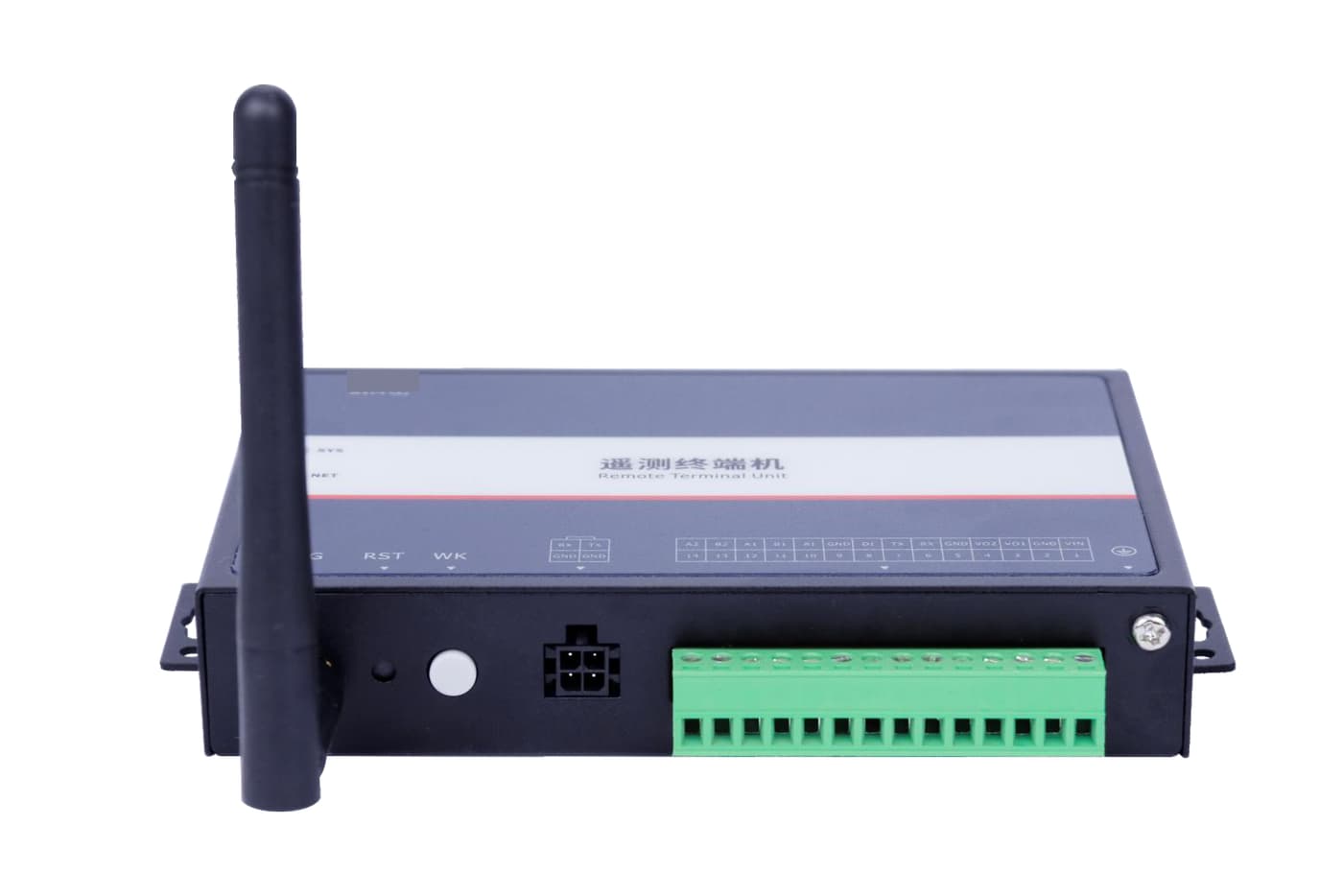
Product photograph
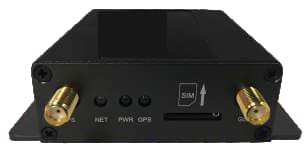
Pictured: SG-RTU-145 — Water Level Telemetry Terminal.
The specifications cover several probe configurations. Select the range, connection, output and power together; available options vary by model.
Compare related equipment and connection options.
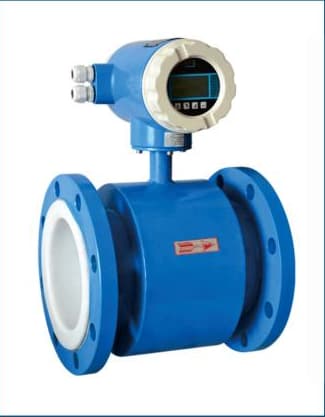
Use this probe for continuous pH monitoring in water tanks, treatment basins, wastewater processes and compatible process-water lines. This product family covers pH 0–14 measurement with RS485 Modbus RTU or 4-20 mA output families. Mechanical body, connector, cable, temperature rating and pressure rating vary by configuration and must be selected together before quotation.
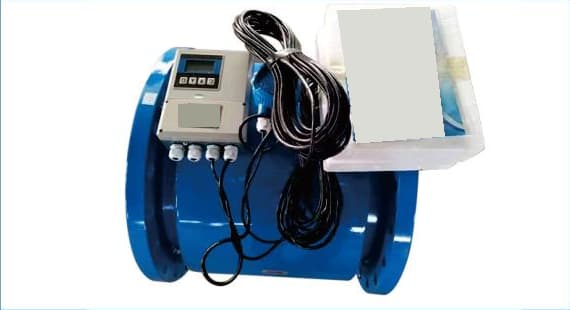
Application illustration · Instrument cables run to a separate collection enclosure.
Read guide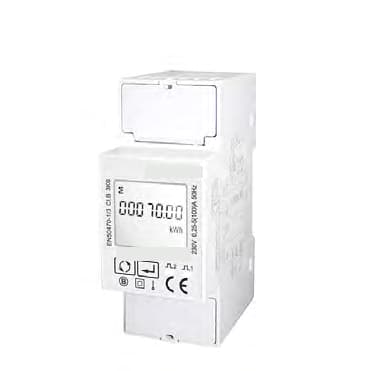
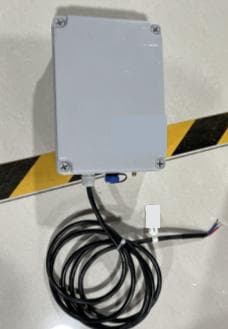
Application illustration · Cable entries, antenna position and service space at a field node.
Read guideChoose the output from the available PLC, RTU or gateway input and the required cable run. The specified product family provides RS485 Modbus RTU or 4-20 mA by configuration; the quotation confirms one compatible probe, wiring and receiving-input path.
The rating depends on the mechanical variant. Available configurations list 0–60, 0–80 or 0–100 °C and 0.6, 0.8 or 1 MPa. Share the liquid temperature, normal pressure, credible peak pressure and mounting method so the correct body can be selected.
The RS485 configuration supports pH 4, pH 7 and pH 10 buffer calibration using one-, two- or three-point procedures. The calibration method, buffer set and acceptance interval are confirmed for the project.
Install it vertically or at an angle with the sensing end down. Avoid trapped bubbles, direct sediment loading and inaccessible locations. Immersion, flow-cell and threaded installations need different mechanical configurations.
Keep the glass electrode wet in 3 M KCl or the specified storage solution when it is out of service. Plan cleaning and calibration access; the guidance uses three- or six-month cleaning intervals depending on site fouling.
Choose the measurement point and a mounting arrangement that staff can reach for cleaning and buffer calibration. Share the liquid temperature, tank layout, mixing pattern and expected pH range. Immersion, flow-cell and threaded arrangements have different installation requirements.
Provide the controller model and available input specification. Select the probe output, RS485 Modbus RTU or 4–20 mA, for that input. A serial connection also needs the register map, address and communication settings. Include the supply and cable length in the request.
Use the listed inputs, power and protocol to match the device to your controller. Send its model or an input photo with the equipment request.