Can one soil moisture and EC probe represent an entire field?
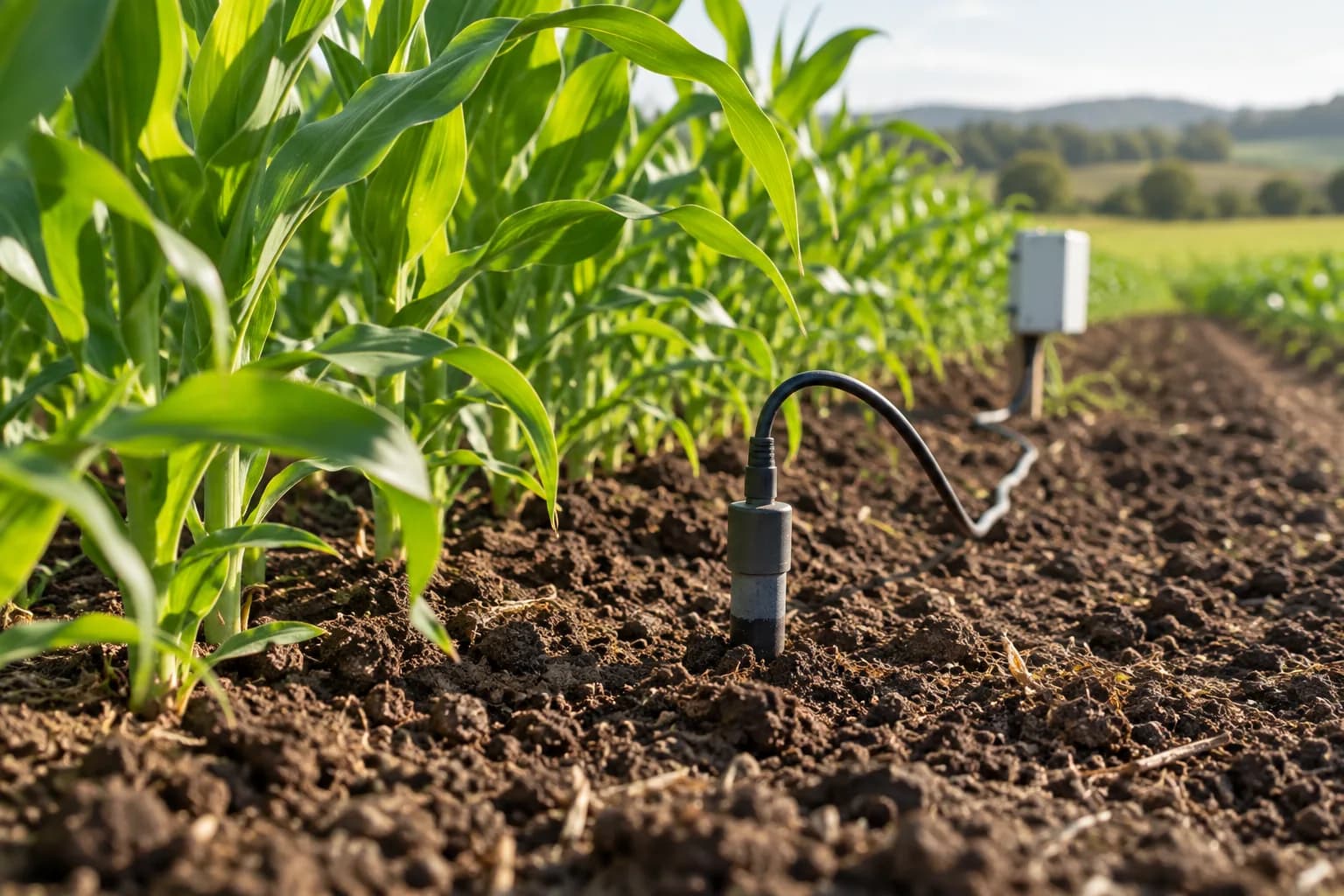
Choose a location and depth that match the question being studied. Soil, irrigation pattern and root-zone conditions vary across a field. Also identify whether the instrument reports bulk soil EC, a calculated pore-water value or another measurement; those values should not be compared as if they were interchangeable.
Review soil and weather measurement points- Growing zone
Soil, crop and irrigation pattern
- Probe position
Depth and distance from the emitter
- Field node
Moisture, temperature and defined EC
- Trend + site log
Compare readings with irrigation events
Start with the irrigation question
A grower wants to know whether water is reaching the root zone. Another wants to compare wetter and drier parts of the field. A probe beside one emitter can help with the first question, but it may give a misleading picture of the second. Write down the decision, the zone being represented and who will inspect a surprising reading. The first pilot should make that relationship clear before adding a large number of devices.
Record where the probe is, not just its coordinates
Include depth, soil or substrate, distance from the emitter and the local irrigation arrangement. Avoid positions chosen only because mounting or radio reception is convenient. Review sensor contact and installation against the exact model’s instructions; disturbed soil or poor contact can affect readings. METER’s TEROS manual is one reference that distinguishes mineral soil and soilless-media calibration. Use the documentation for the proposed probe, including any calibration needed for your medium.
Name the conductivity measurement precisely
Conductivity describes an electrical property, and the measurement method matters. The TEROS reference distinguishes bulk EC from pore-water EC and saturation-extract EC. A bulk reading can change with water content as well as the conductive material in the soil. Keep the reported method, unit and any conversion in the point list. A field EC number alone should not be treated as a direct fertilizer prescription or compared with a laboratory value obtained by a different method.
Use the first irrigation cycle to check the setup
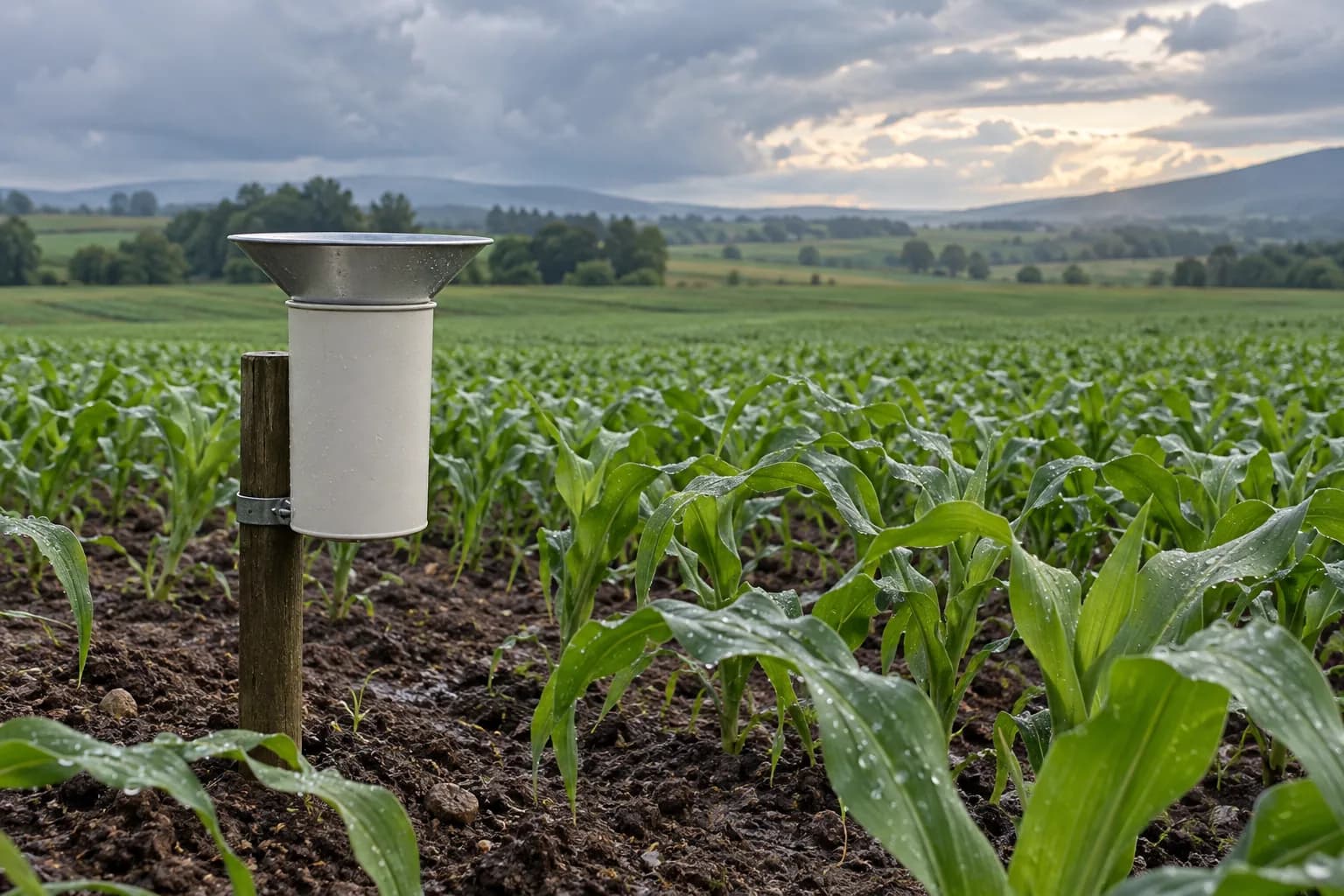
Watch the reading before, during and after an irrigation event, while recording the event’s timing and any rain. Ask whether the change fits what the site team observed. If several depths are monitored, label them clearly rather than averaging them into one unexplained number. Keep missing data visible. A quiet graph could mean stable conditions, a disconnected sensor or a placement that does not see the wetted zone.
- Keep a photo and installation note for every probe.
- Label depth, measurement method and units in the platform.
- Record irrigation and rainfall events beside the trend.
Match the sensor interface to the field node
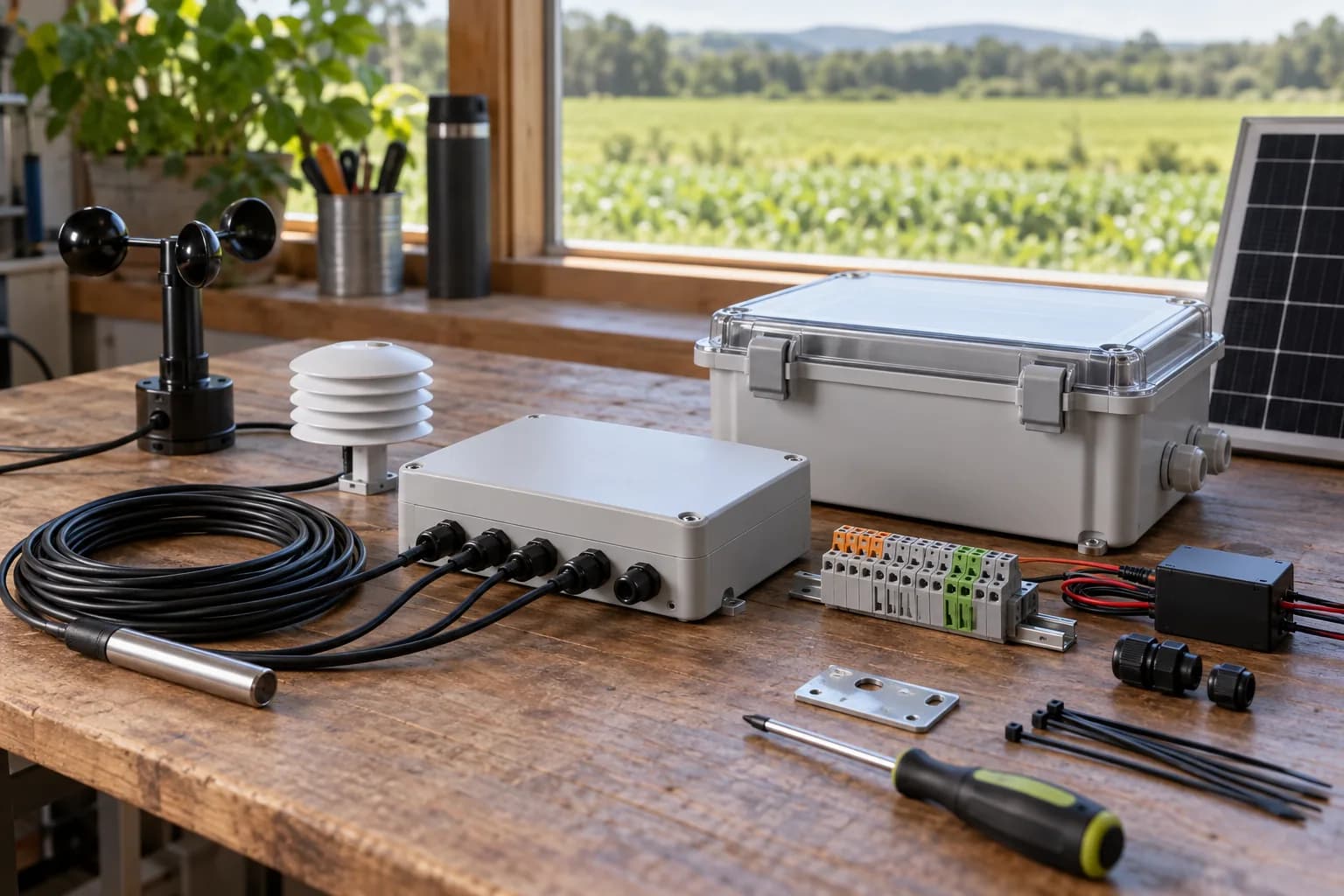
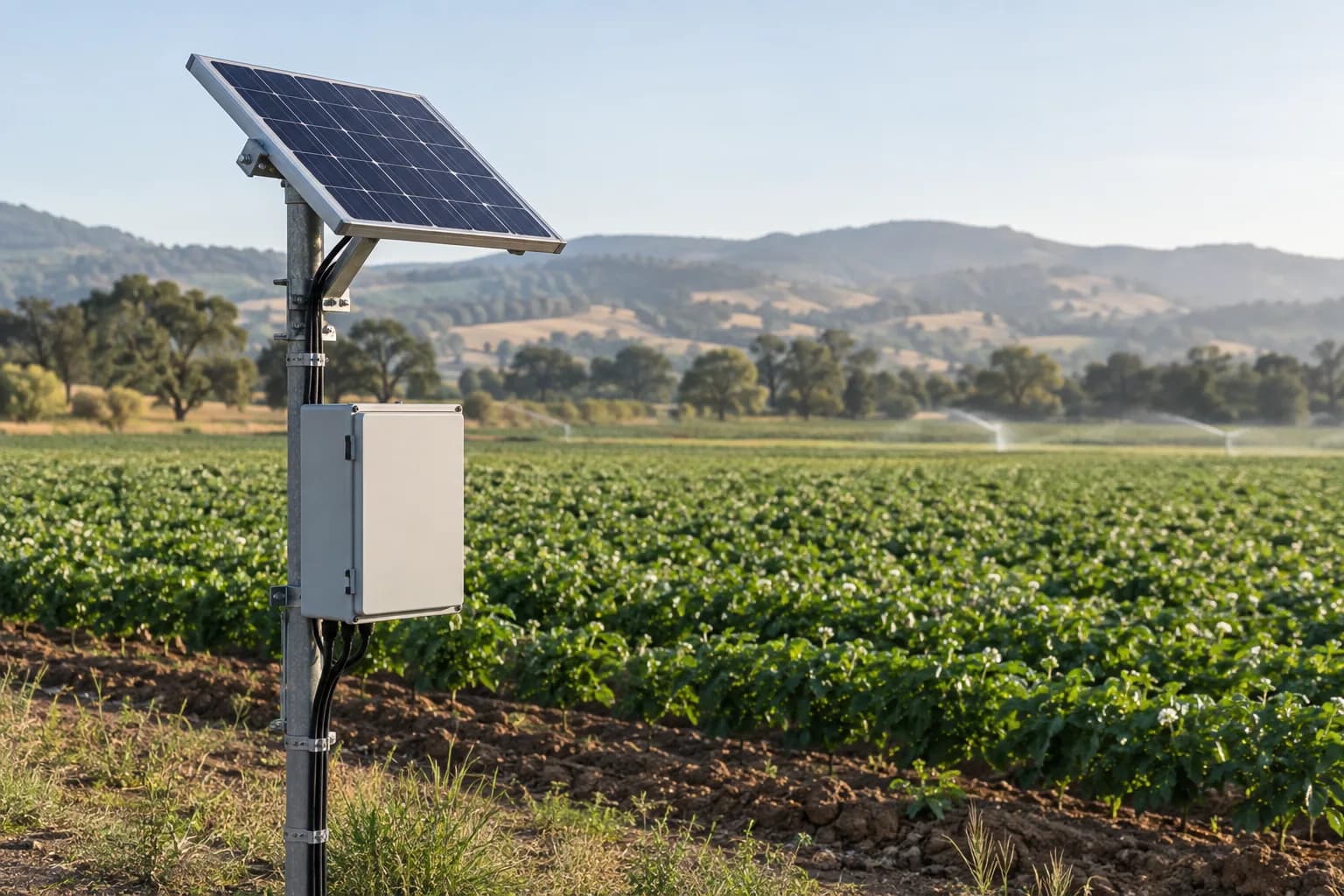
Soil probes may use analog, RS485, SDI-12 or a manufacturer-specific wireless interface. Check the actual protocol, supply, cable and logger support. For Modbus, obtain the register definitions and scaling; for wireless sensors, check the payload decoder and reporting schedule. Do not assume that every probe measuring the same parameters produces the same data. Include the full list of probes when calculating battery or solar power.
Expand by zone rather than by an arbitrary sensor count
After the initial placement has produced useful readings, compare the areas that differ in soil, slope, irrigation or crop management. Decide which differences require another point. Share a sketch of those zones, intended measurements and the irrigation system with the selection team. We can help compare sensor and communication options while the grower or agronomy team defines the crop-specific interpretation and action thresholds.
| Field information | Why it belongs in the record |
|---|---|
| Zone, depth and emitter distance | Explains which part of the root zone is sampled |
| Soil or substrate and calibration | Keeps the measurement method appropriate to the medium |
| EC method and unit | Prevents comparison of unlike conductivity values |
| Rain and irrigation times | Helps explain changes in moisture and conductivity |
Reference documents
Common questions
Does soil EC directly tell us how much fertilizer to add?
No. Its interpretation depends on the measurement method, moisture, soil and crop context. Agree the agronomic interpretation separately from the hardware data path.
Should every monitoring point use the same depth?
Choose depths for the root-zone question and local conditions. Keep the depths recorded so measurements from different locations can be interpreted correctly.