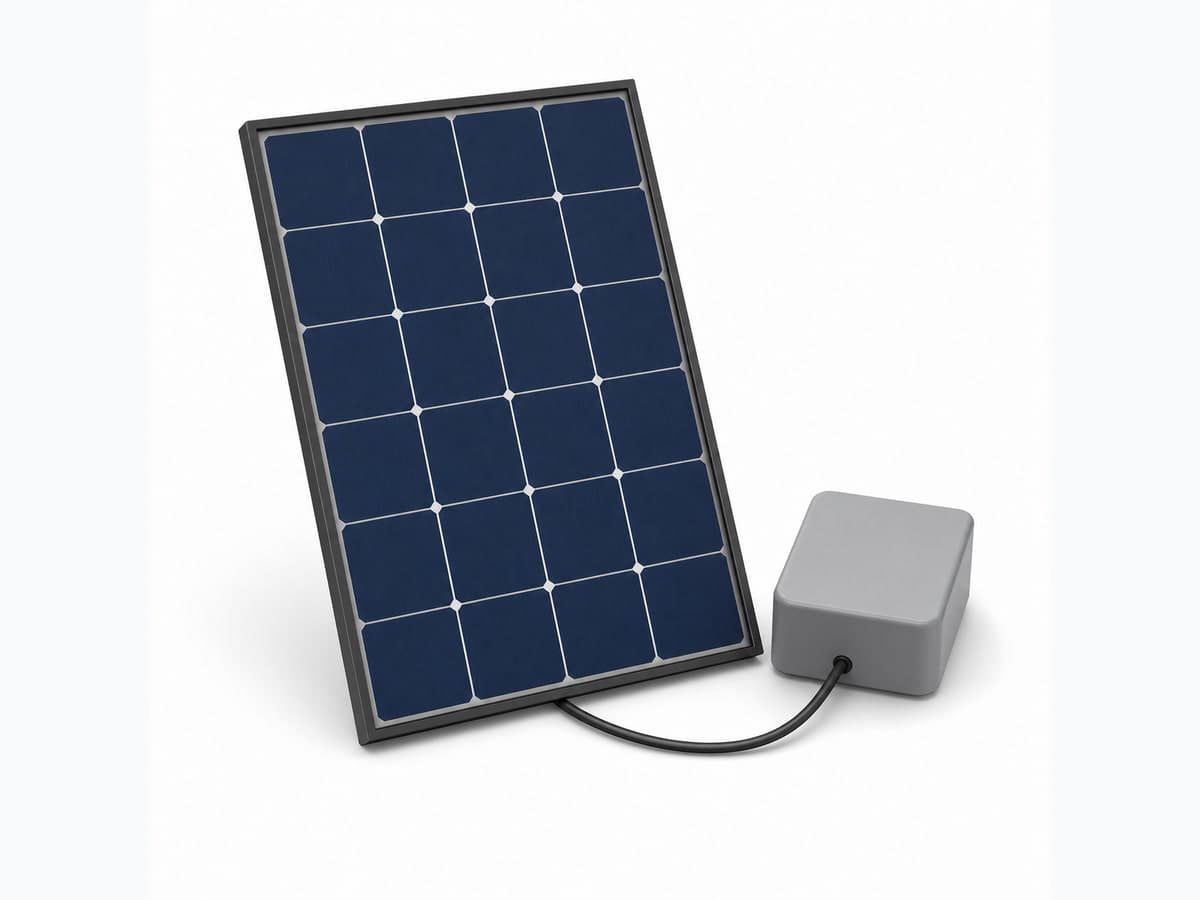
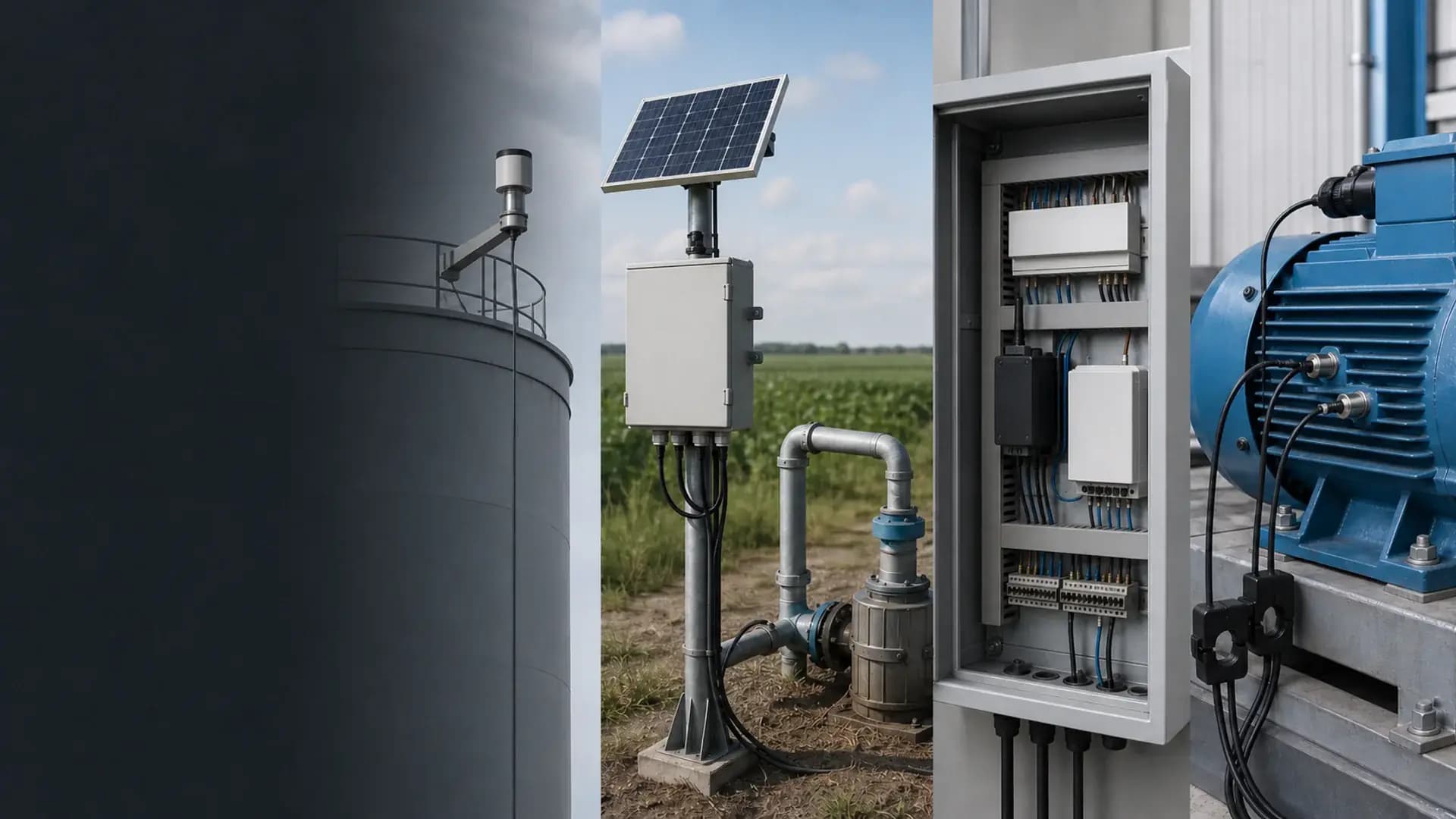
Remote tank level monitoring for water, fuel and chemical tanks — no more manual dipping.
1. What this is for
Read tank level remotely instead of sending someone to dip the tank.
2. Where it is used
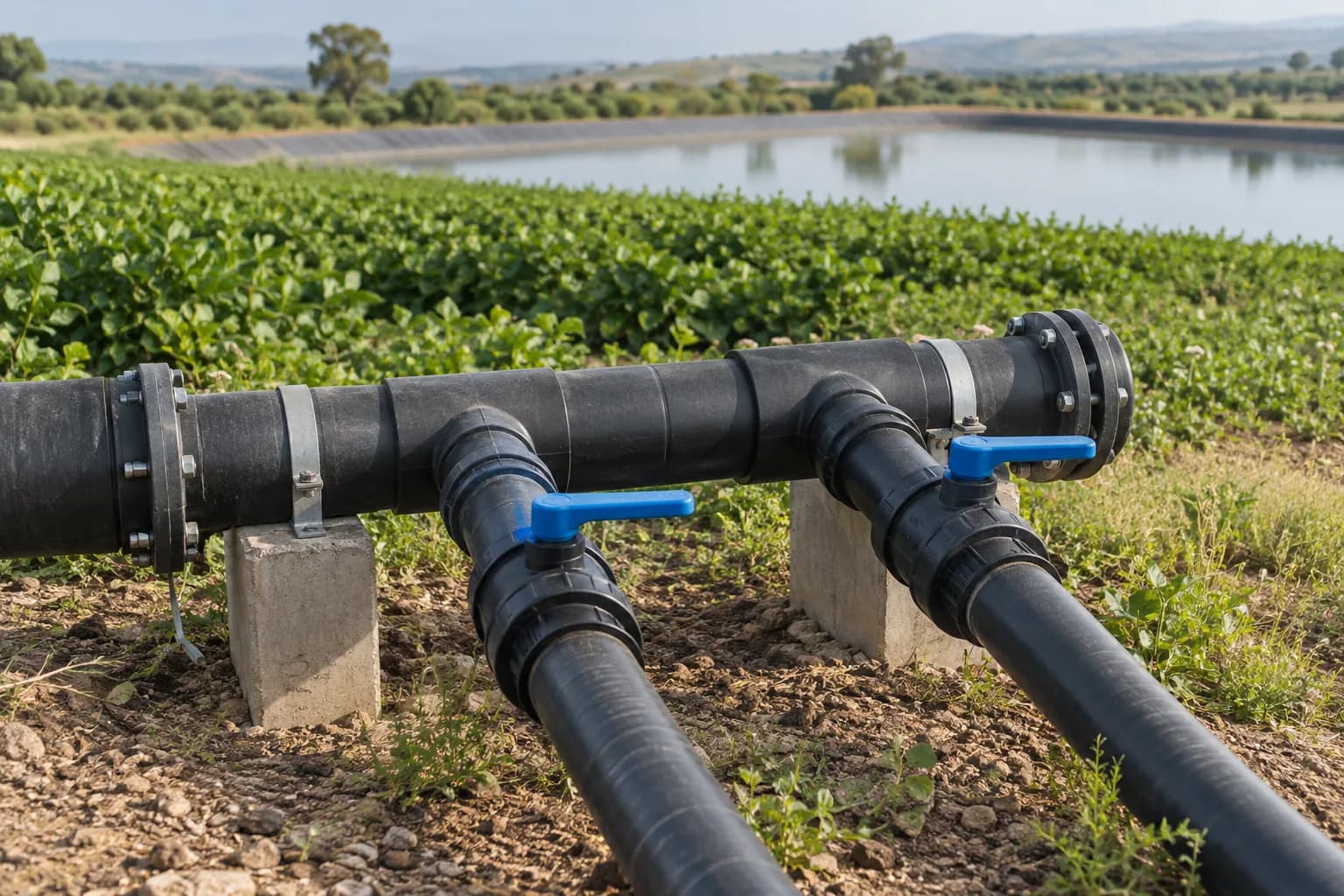
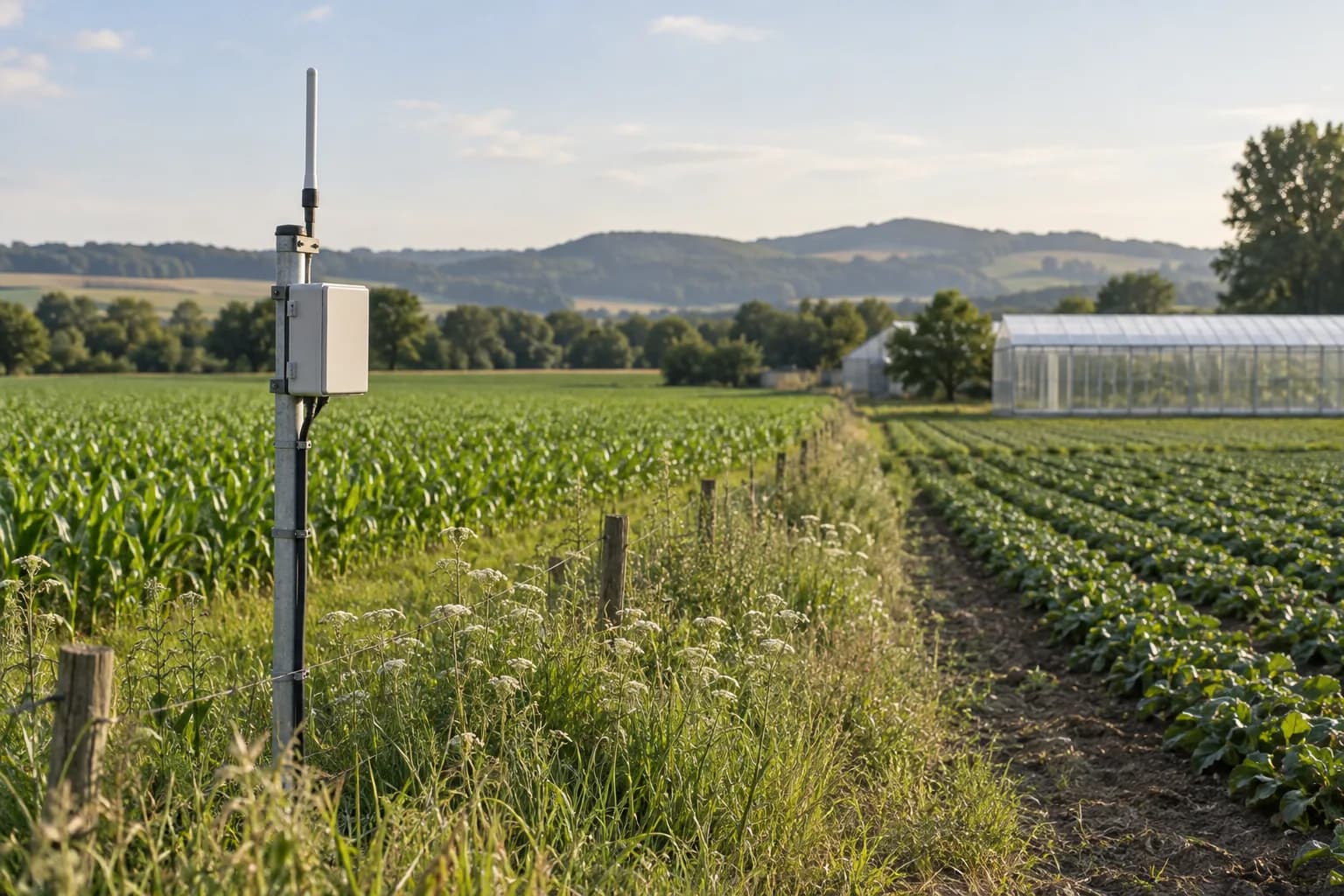
Water, fuel and chemical tanks at remote or unmanned sites.
3. Next step
Send tank height, liquid type and power or network options. We return a sensor and gateway path for quotation.
How can I monitor a remote water tank with 4G?
A possible path is a level sensor with a supported RS485 / Modbus output, a compatible 4G RTU or gateway, and MQTT data sent to your cloud. Choose the sensing method and confirm the complete configuration before ordering.
Water level
Radar, ultrasonic or submersible level family
Liquid, tank height, mounting, blind zone and obstructions determine the sensing method.
Existing signal
RS485 Modbus or matching analog / pulse input
RS485 alone does not establish Modbus support. Confirm the register map or electrical input.
Your choices will appear with the inquiry. Add your email, country and a short description; a photo is optional.
Equipment selection, or help with the whole farm?
Start with a country and a short description. We can help select one device, configure a kit, or plan the farm equipment list and agreed integration. Technical details can follow.
Tanks at remote or unmanned sites are hard to read. Without remote level data you risk dry runs, overflows and wasted truck rolls just to check a gauge.
Related products
The exact model, interfaces and enclosure are confirmed in the written quotation.
Select the sensing method from the liquid, tank geometry, mounting access and maintenance conditions before choosing 4G or LoRaWAN. Radar, ultrasonic and submerged pressure measurement each have different installation constraints.
01
Level measurement
02
Supported field interface
03
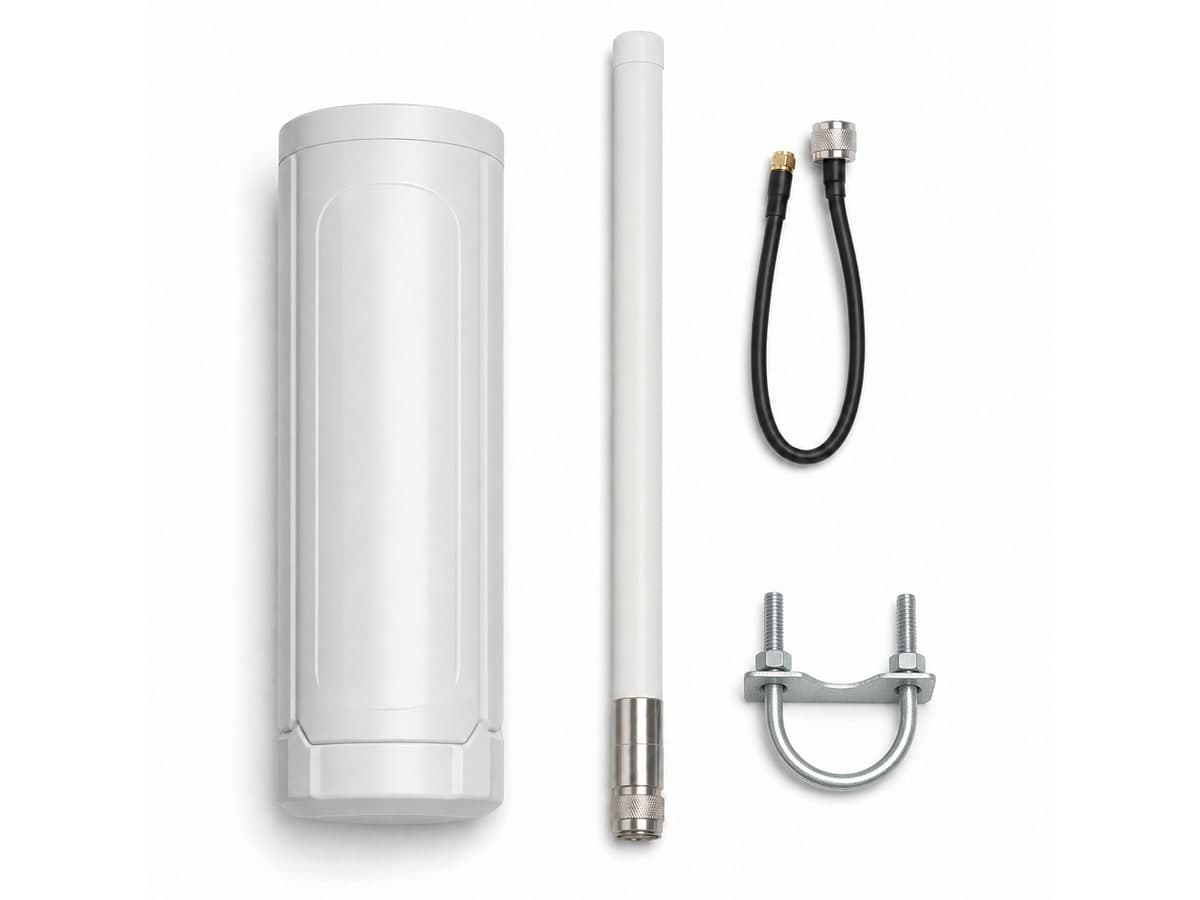
4G RTU / gateway
04
Customer platform
Example 4G monitoring architecture, not an installation drawing. Confirm protocol, power, reporting and alarm responsibility for the selected equipment.
A
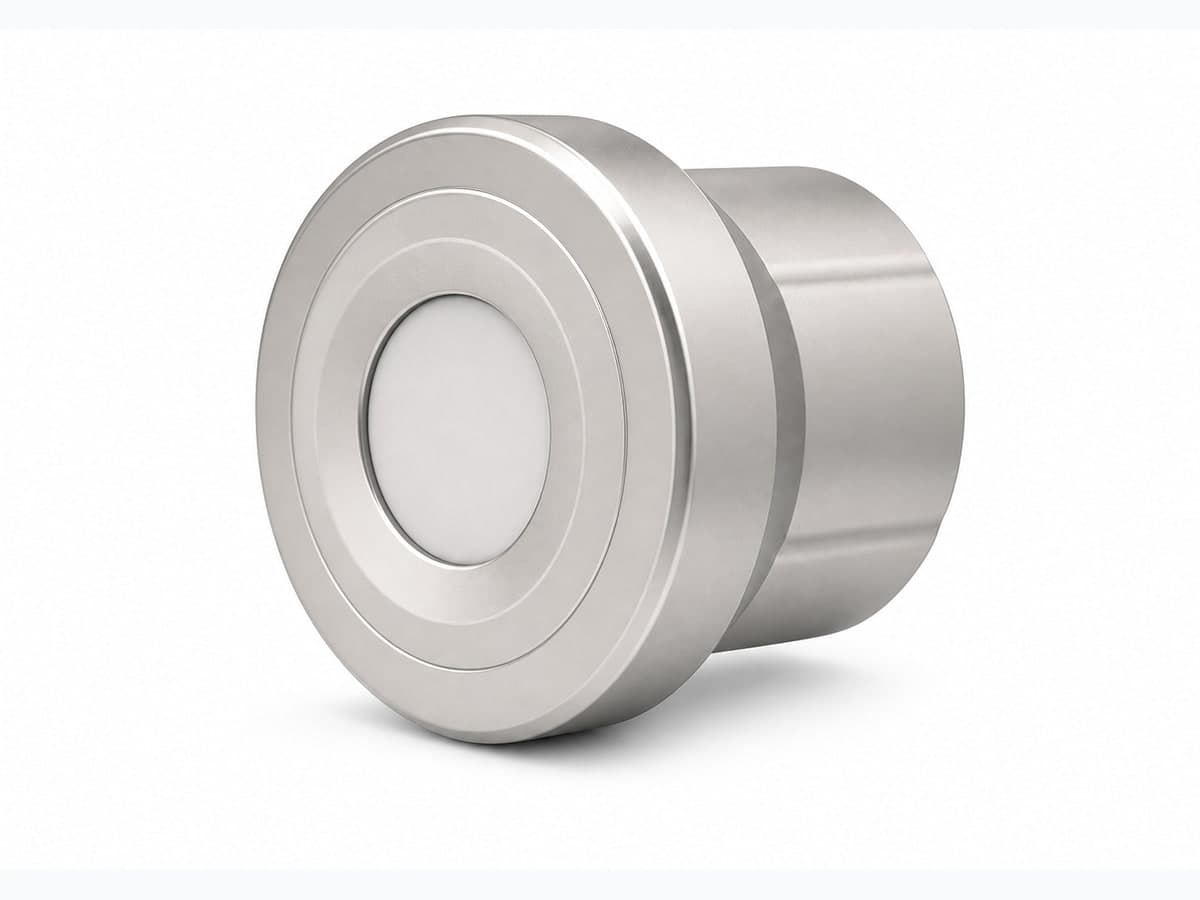
Radar
Consider non-contact measurement where access from the top is available.
Check before selection
Antenna, beam path, nozzle and internal obstructions; verify suitability for foam, condensation and the liquid characteristics against the chosen model.
B
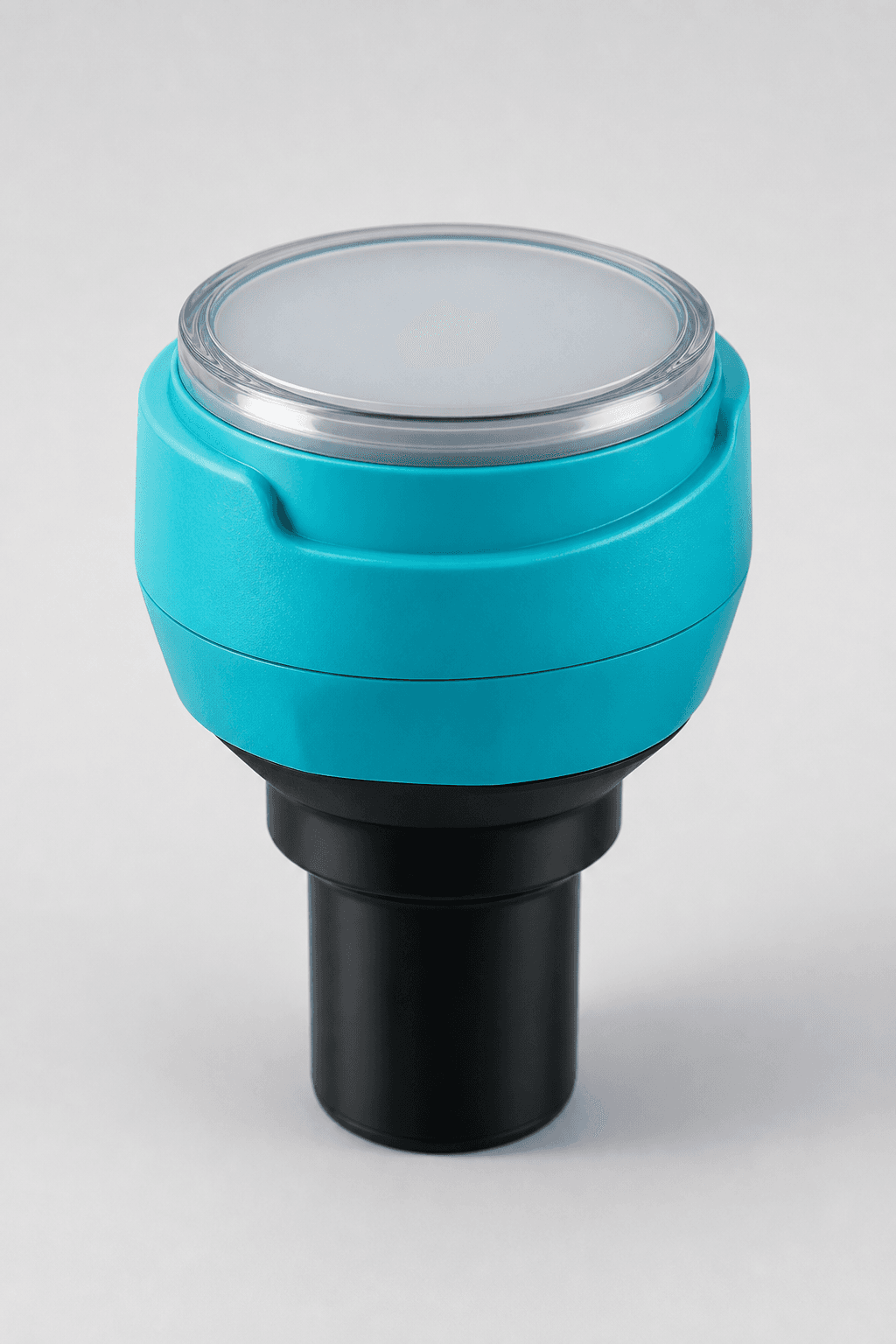
Ultrasonic
Consider non-contact measurement with a clear acoustic path above the liquid.
Check before selection
Dead band, temperature, vapor, foam and turbulence. Check usable range in the actual tank, not only the maximum published range.
C
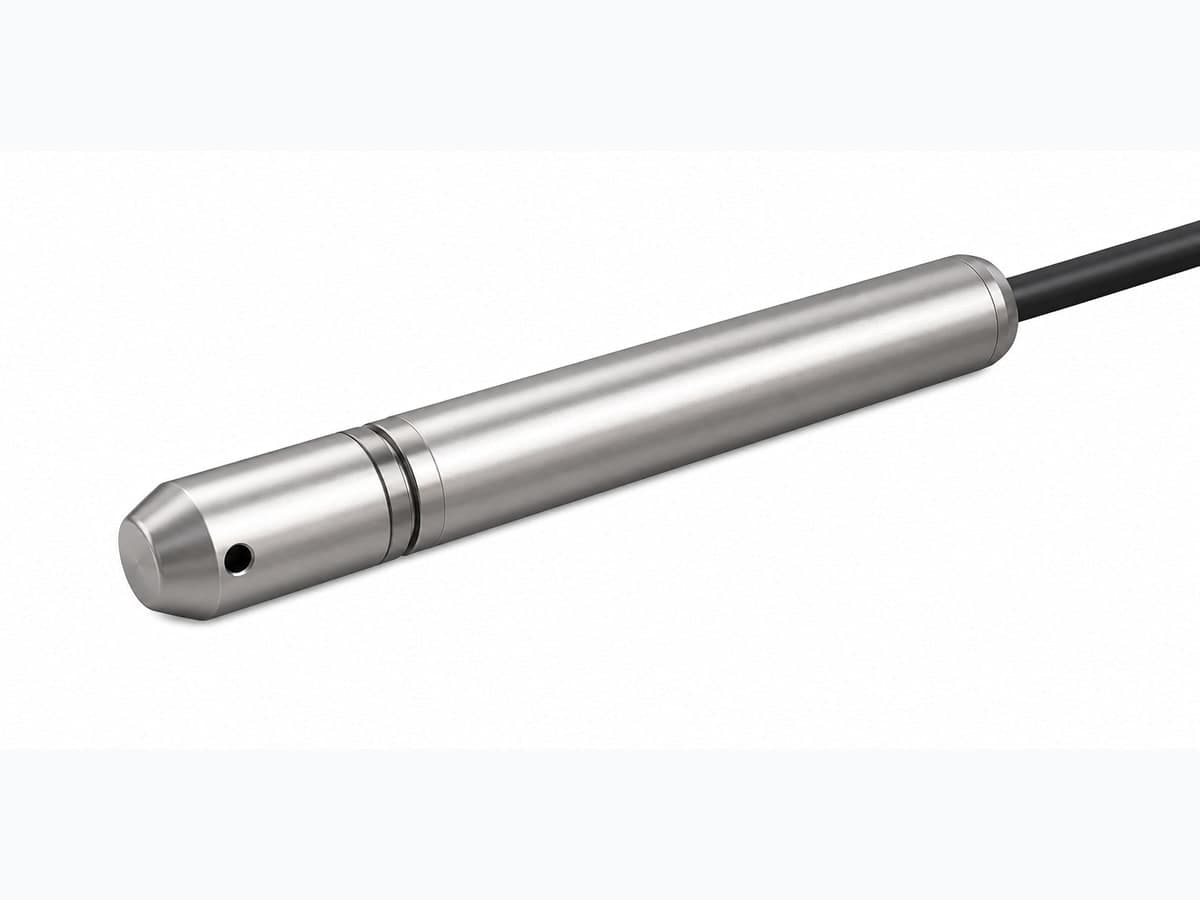
Submersible pressure
Consider hydrostatic measurement where a sensor can remain in the liquid.
Check before selection
Liquid density, material compatibility, vent/reference arrangement, sediment and maintenance access. Level conversion depends on density and pressure conditions.
What needs project-specific confirmation
Do not treat a remote reading as an independent overflow or dry-run protection system. Define local protection, alarm escalation and loss-of-communication behavior with the site team.
Hardware for this application
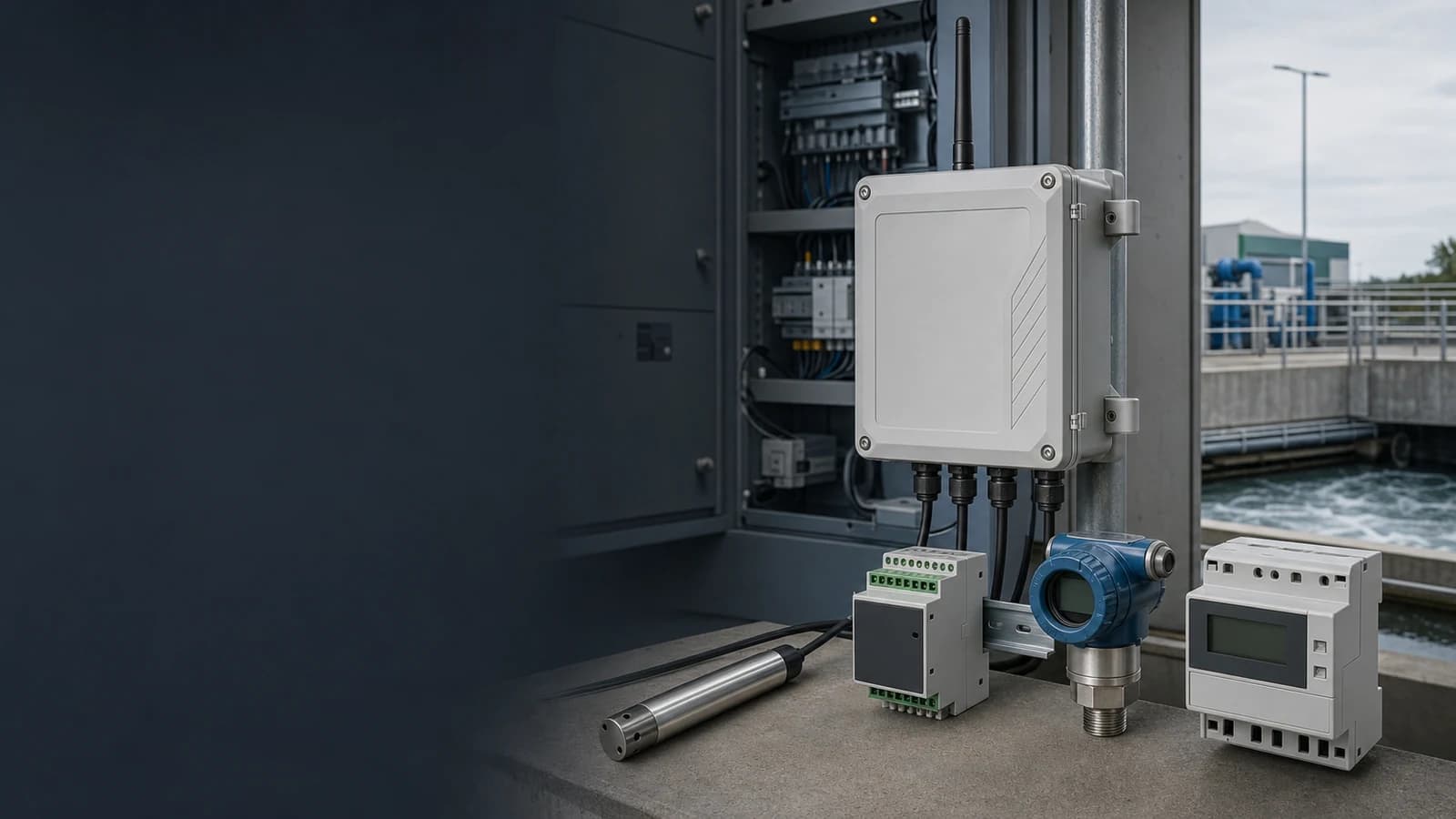
1A level sensor (submersible, ultrasonic or radar) measures the tank continuously.
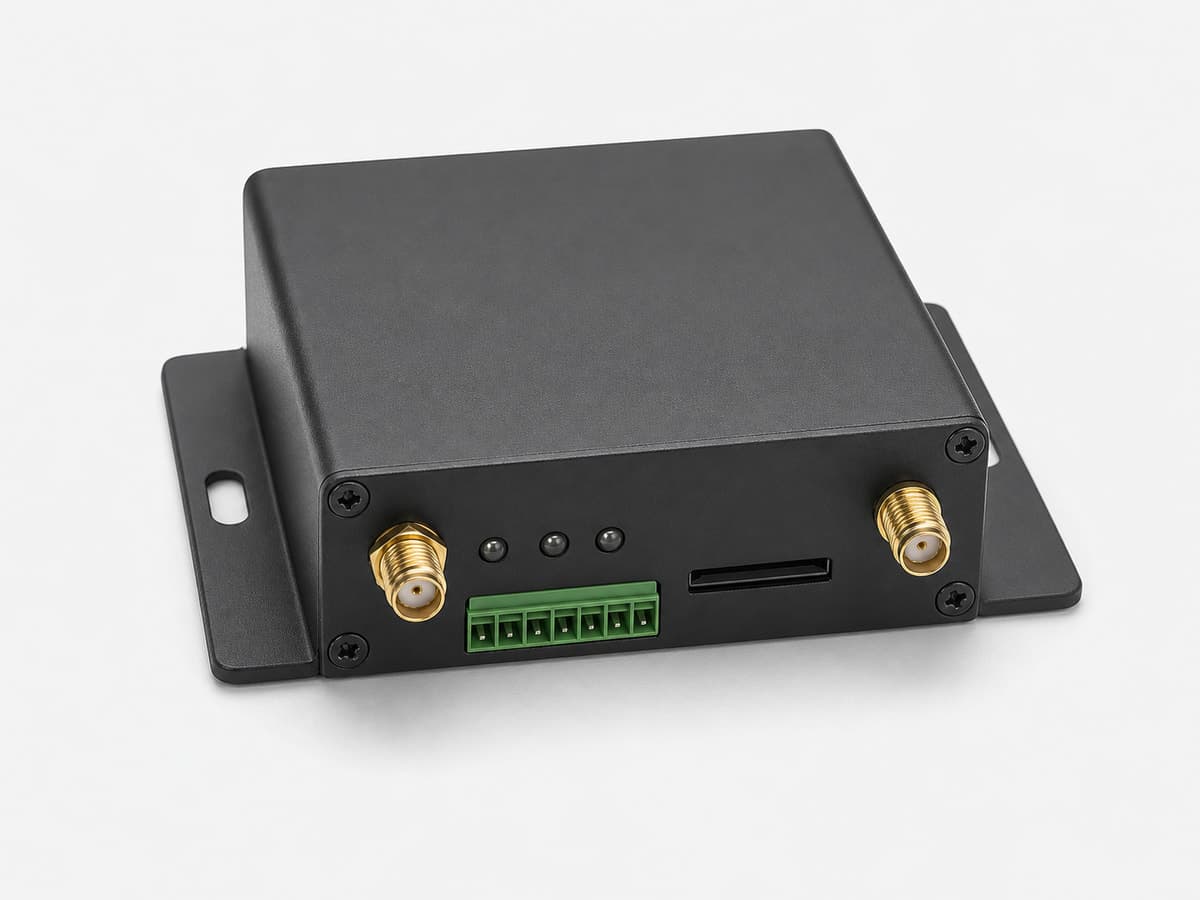
2SunGene supplies RTUs, gateways, sensors and related hardware commonly used in tank level monitoring systems.
3Hardware interfaces and protocols can be selected to match the customer existing SCADA, PLC or cloud architecture.
Hardware used between field signals and the network
Exact model, interfaces and enclosure are confirmed in the written quote.
Which level sensor is suitable for an industrial tank?
Radar or ultrasonic sensing avoids liquid contact, while a submersible transmitter measures hydrostatic pressure from inside the tank. The choice depends on liquid compatibility, foam or vapor, tank geometry, mounting, blind zone, required range and site classification rather than the network technology alone.
Is LoRaWAN the level sensor?
No. LoRaWAN is the radio path. The measuring element may be radar, ultrasonic, hydrostatic or a point-level switch connected to a compatible field node. Sensor output, node inputs, regional band and payload format must be checked together.
Can one gateway monitor several tanks?
Often yes, but the answer depends on site layout, antenna height, obstructions, reporting interval, regional radio settings and whether every field node has adequate power and coverage. A site plan and pilot test are safer than assuming a fixed range.
Can wastewater tanks include water-quality monitoring?
Optional pH, conductivity, turbidity or dissolved-oxygen points can be added when the process need, calibration routine, cleaning access and maintenance ownership are clear. These instruments should not be treated as maintenance-free accessories.
What does SunGene need before quoting tank monitoring hardware?
Provide the tank and liquid details, photos, measured points, alarm requirements, field power, site network, country, target platform, quantity and schedule. Exact model, material compatibility, certification and enclosure are confirmed before order.
Get selection help
Start with a short description. A complete equipment list is not required.