
Keep rainfall records useful through an outage
Agree measurement timestamps, local storage and recovery before selecting a station.
Explore this requirementContinuous wind, temperature, humidity, pressure and rainfall data from remote weather stations.
The exact model, interfaces and enclosure are confirmed in the written quotation.
Equipment selection, or help with the whole farm?
Start with a country and a short description. We can help select one device, configure a kit, or plan the farm equipment list and agreed integration. Technical details can follow.
Compare ways to work with SunGene →Field operations, farms and infrastructure depend on local weather, but standard forecasts are too coarse and manual logging is unreliable. Site-specific, continuous weather data is needed to plan work and to trigger alerts.
Is this the right page?
Use this page when a farm, solar site, facility or infrastructure project needs site-specific weather measurements and can define siting, sampling, maintenance and data-use requirements.
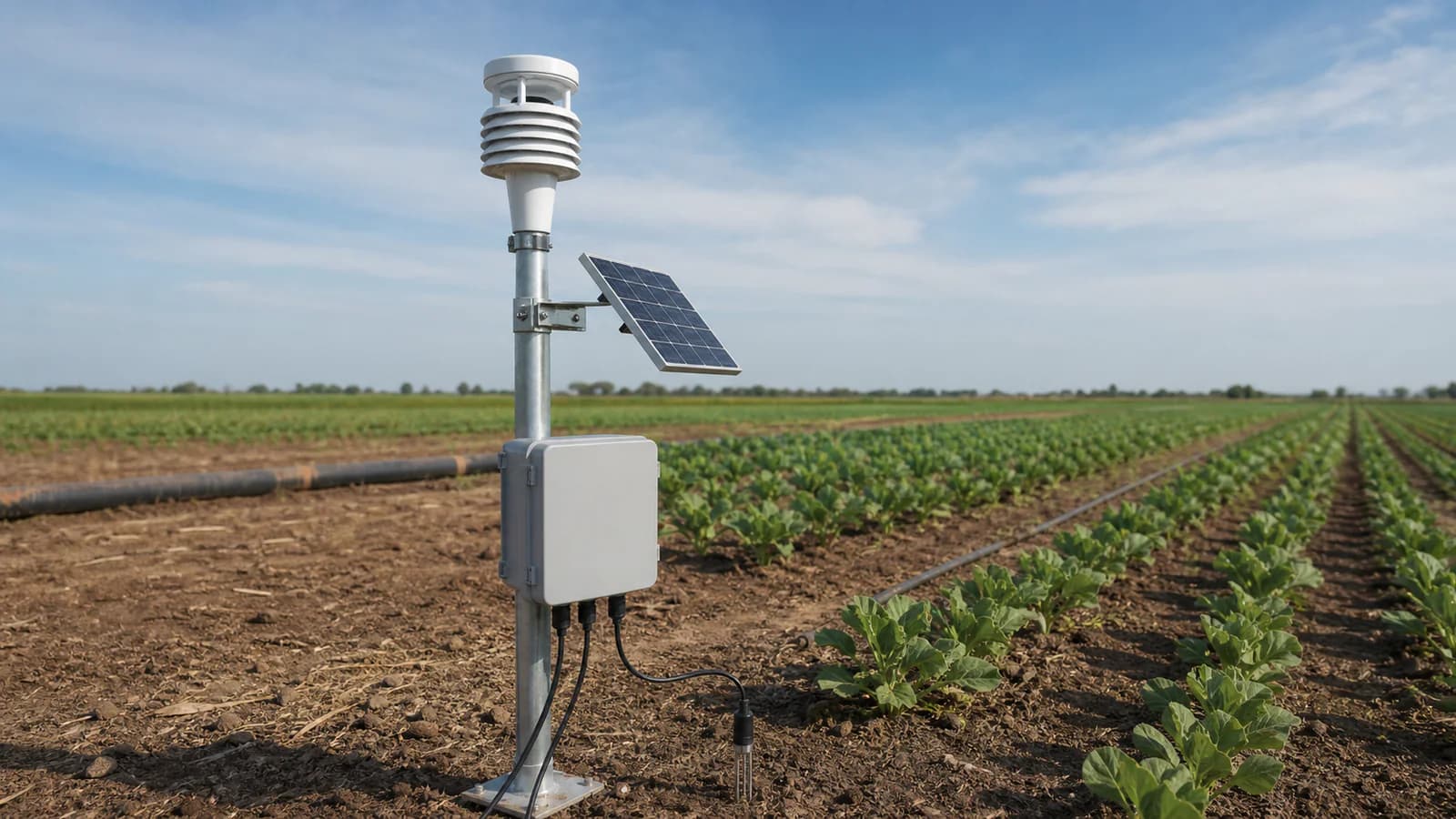
Outdoor field-monitoring context
Sensors, interfaces, enclosure, power and mounting are confirmed against the actual project before quotation.
Agree measurement timestamps, local storage and recovery before selecting a station.
Explore this requirement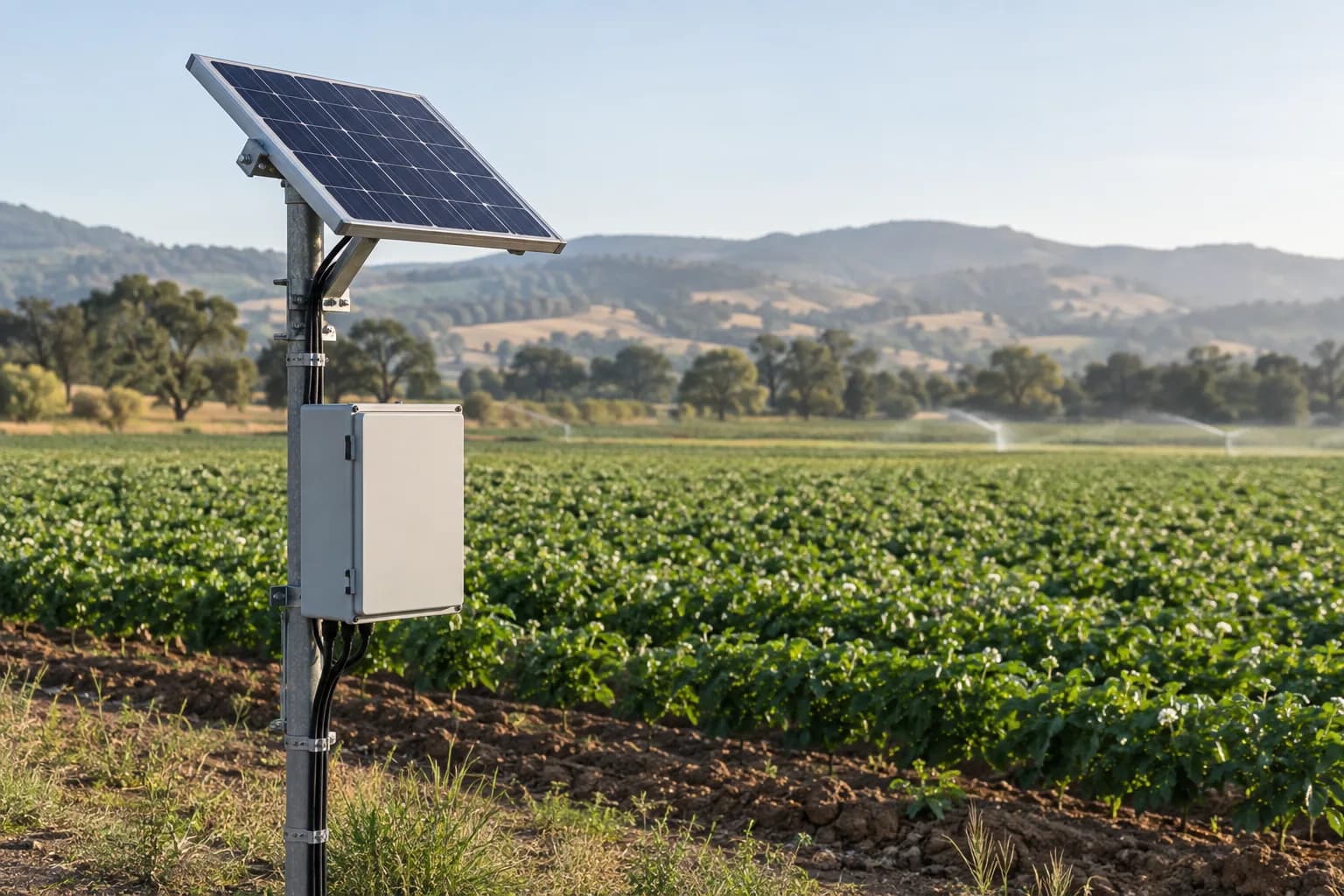
Size field power around the final equipment load, seasonal sunlight and visit interval.
Explore this requirementTemperature, humidity, pressure, wind and precipitation selected for the operating question.
Radiation or sunshine variables where energy or crop decisions require them.
Supply voltage, gateway heartbeat, sensor status and missing-data checks.
Station location, mounting height, orientation, sampling and maintenance records.
System design, software integration, PLC/SCADA programming and site installation responsibilities are agreed in the written project scope.
Data destination
Customer platform or an agreed third-party service
Path 1
Best for: A compact site needing several weather variables.
Path 2
Best for: Projects that need selected instruments, replaceable sensors or formal siting.
Related hardware
The exact model, interface, enclosure and certificates are confirmed against the project before quotation.
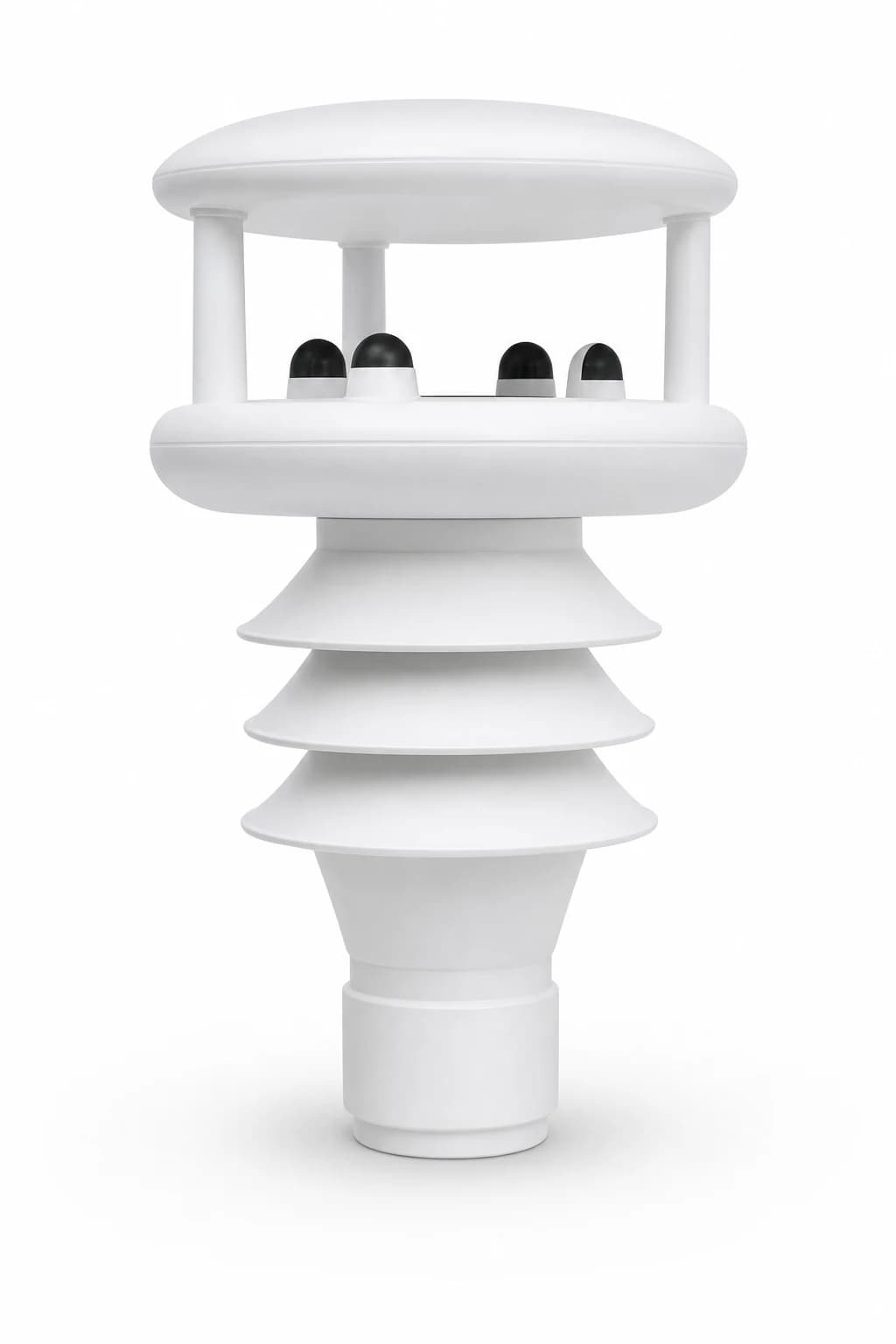
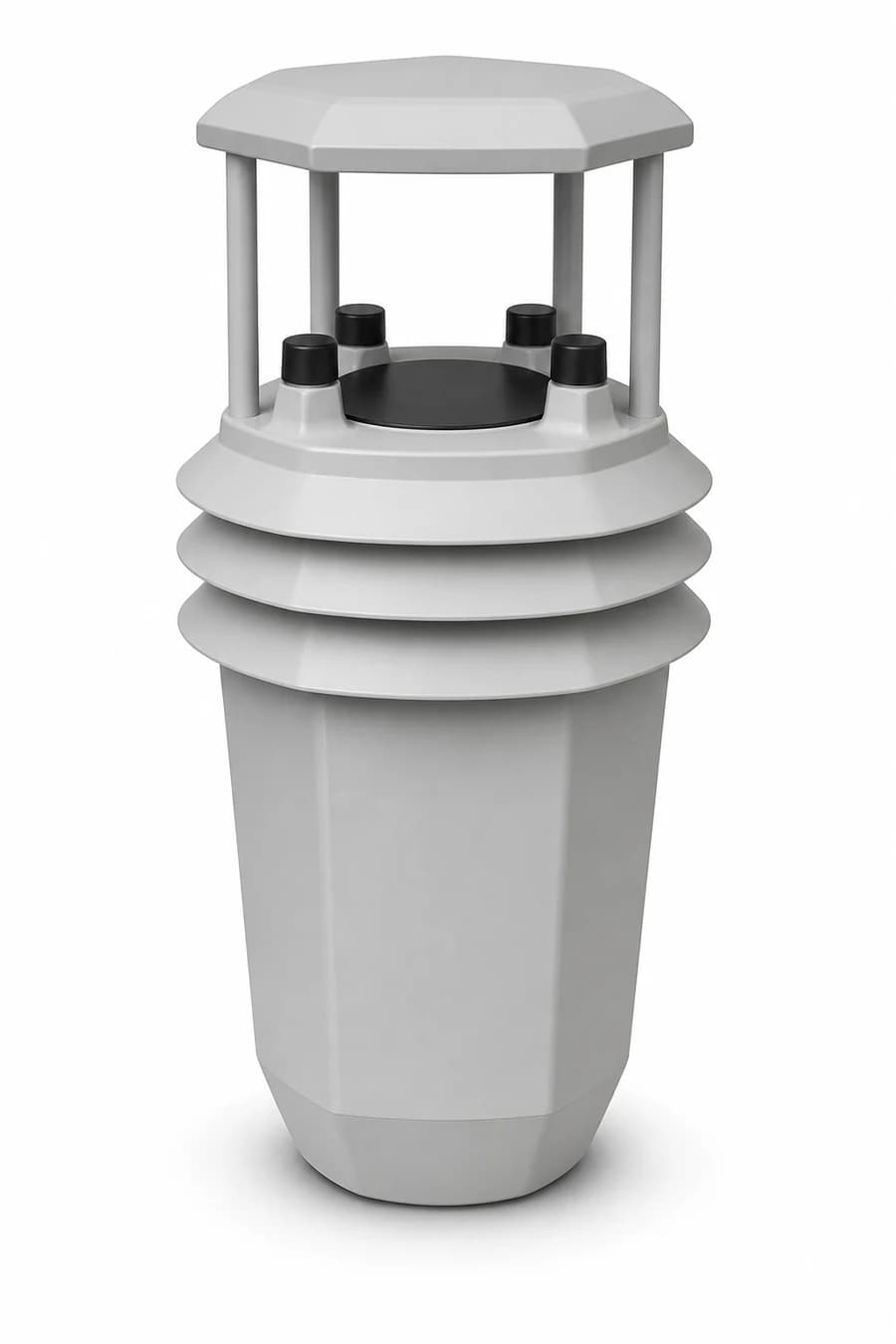
Configurable 5-, 6- or 9-channel weather instrument with mandatory ultrasonic wind measurement and a selected RS485 Modbus RTU, RS232 NMEA-0183 or SDI-12 interface.
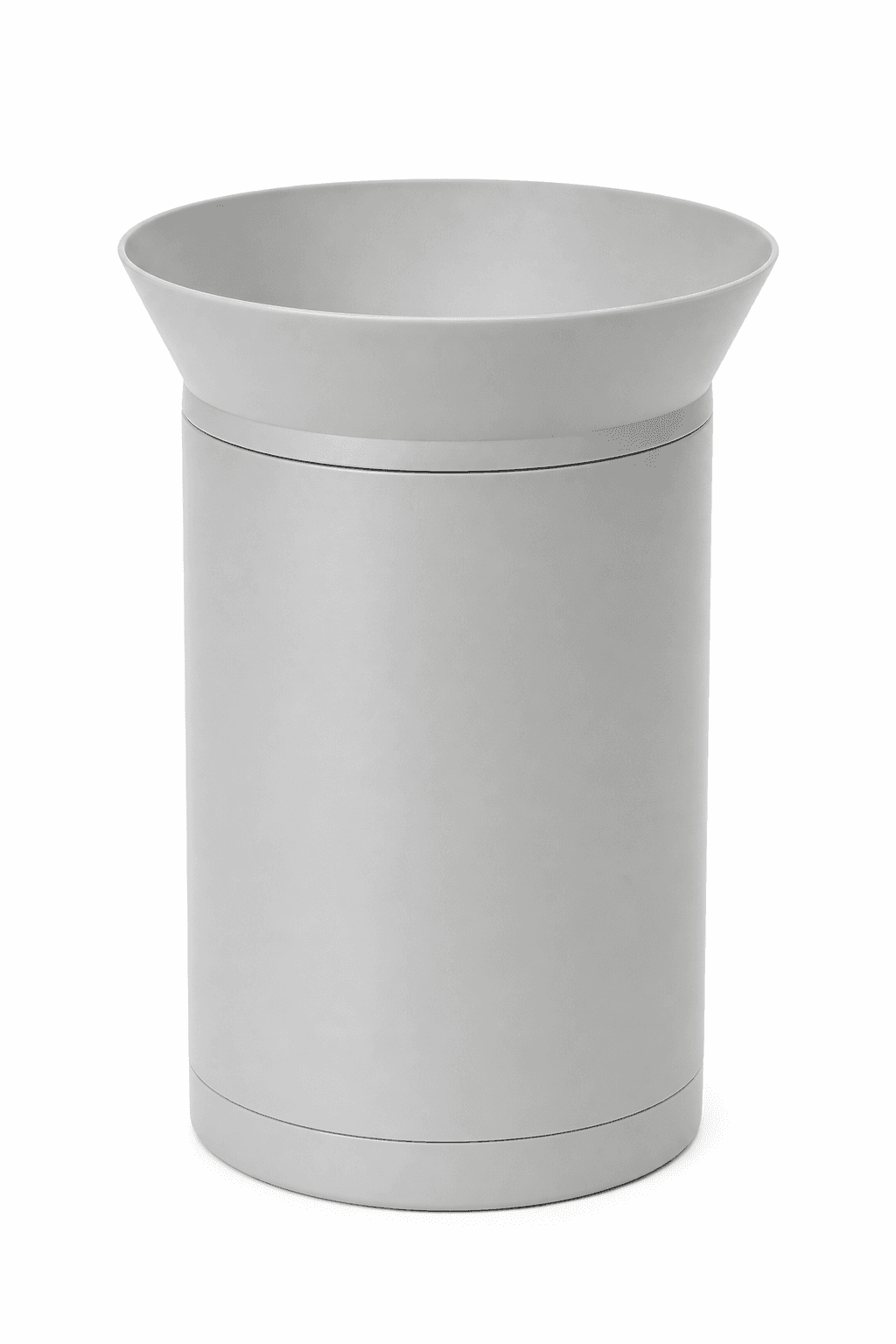
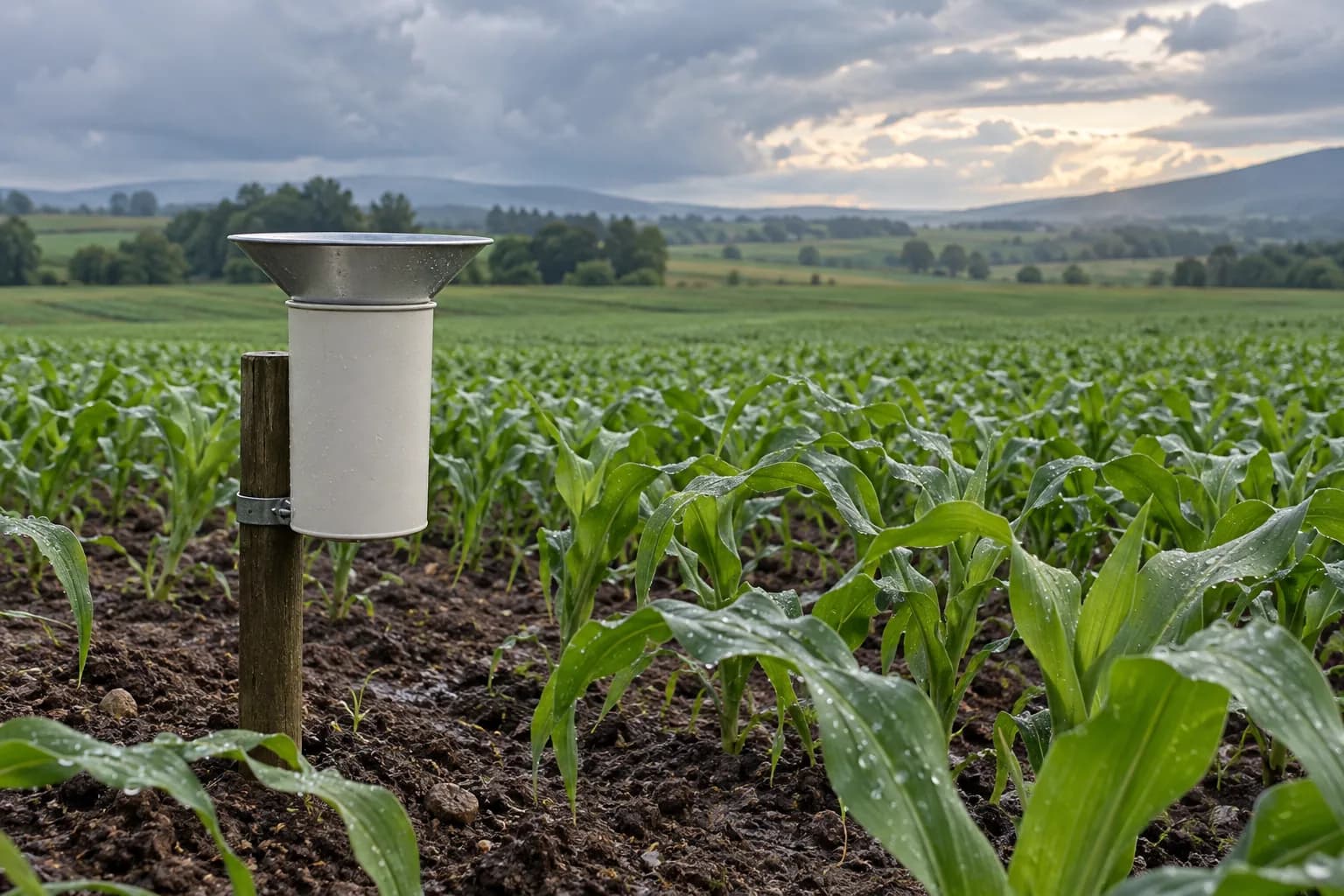
Tipping-bucket rain gauge with a 200 mm collector, pulse or RS485 output variants and a removable debris filter for weather, hydrology and irrigation monitoring.
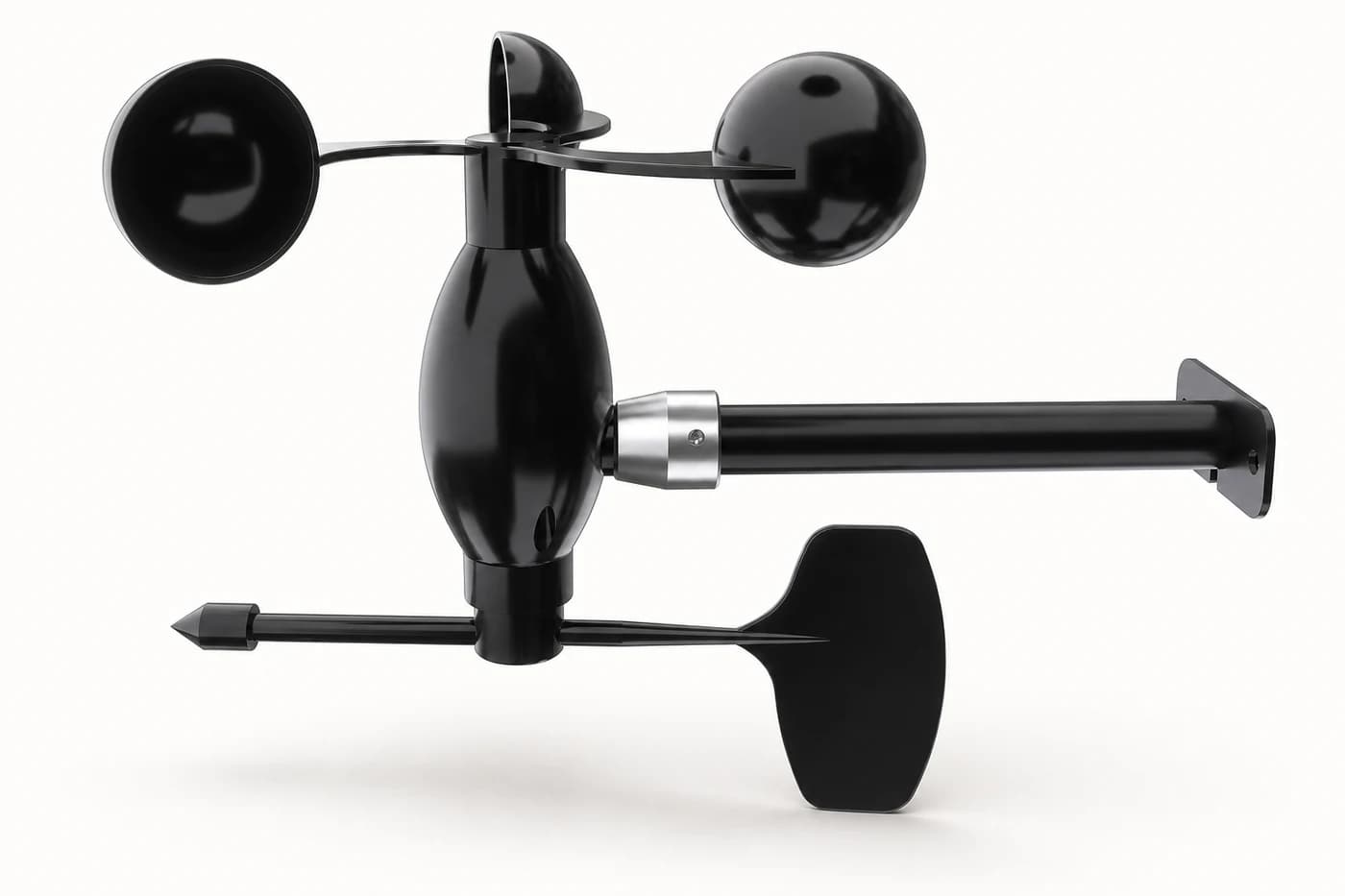
Integrated cup anemometer and wind vane with selectable 0–30, 0–50 or 0–60 m/s range and one RS485, 4–20 mA or voltage output configuration.
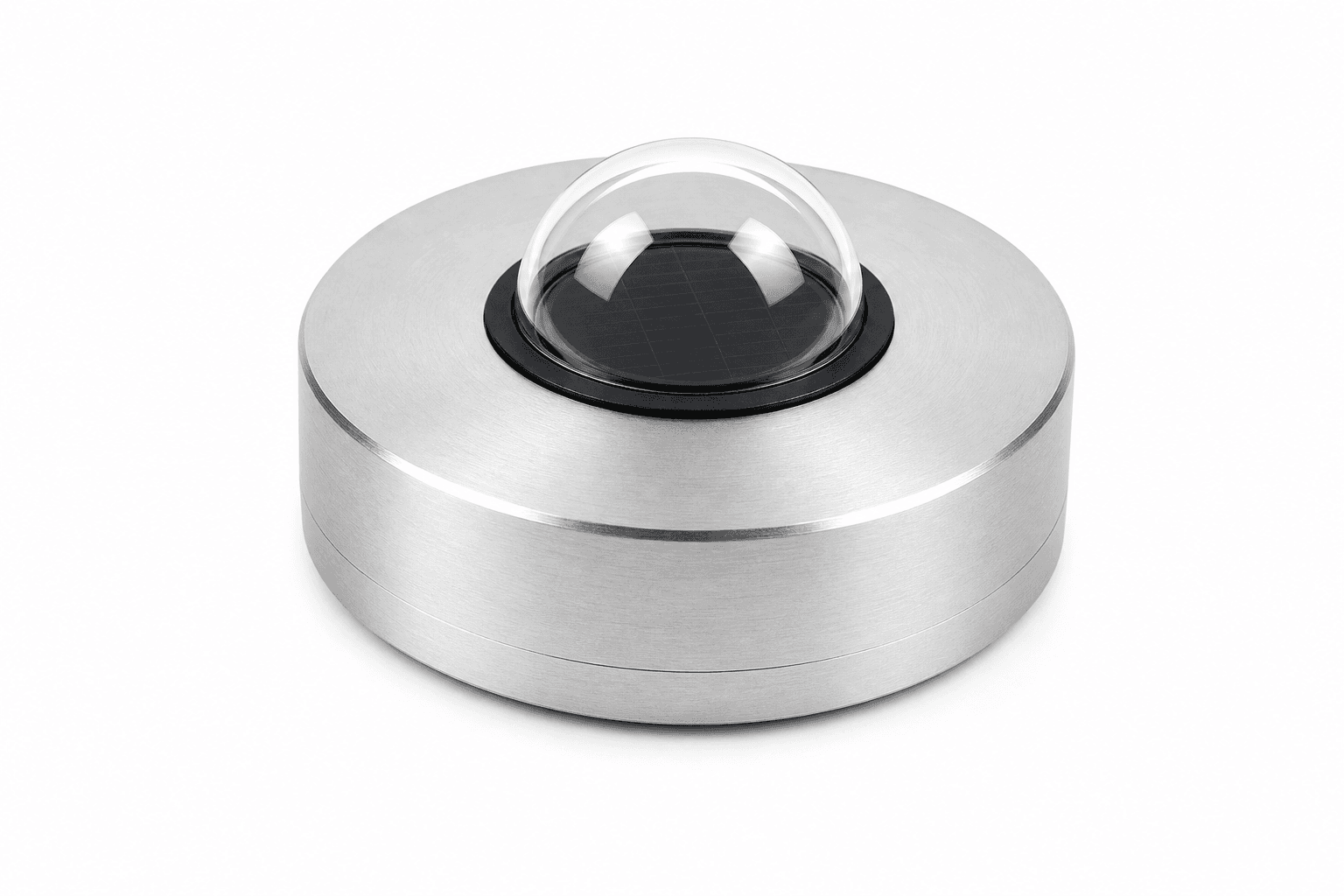
ISO 9060:2018 Class C thermopile pyranometer for 0–2000 W/m² global solar irradiance, with the output configuration selected for the site logger or RTU.
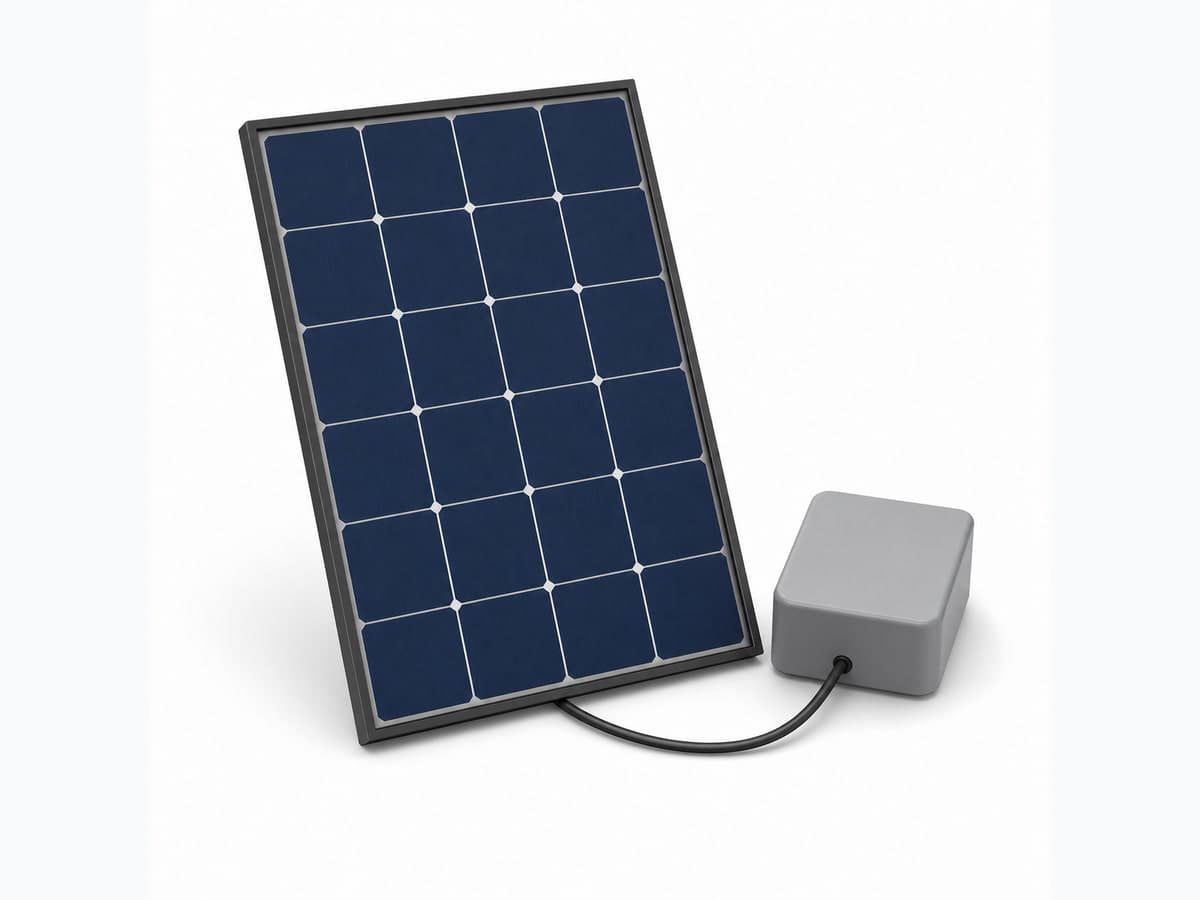
Field power package with a 60 W solar panel and IP67 12/24 V, 10 A controller for remote monitoring nodes; battery is selected and purchased locally.
Exact model, interfaces and enclosure are confirmed in the written quote.
Integrated stations are compact. Modular stations are better when individual variables, serviceability or instrument class must be selected separately.
Choose the upload interval from the operational need and available power; it can differ from the sensor sampling interval.
Yes after the sensor, logger and radio loads are checked against autonomy and local solar conditions.
Start with a short description. A complete equipment list is not required.