
Industrial IoT resource
NB-IoT Energy Monitoring
How NB-IoT energy meters and gateways support remote sub-metering, consumption reporting and energy alarms for distributed sites.
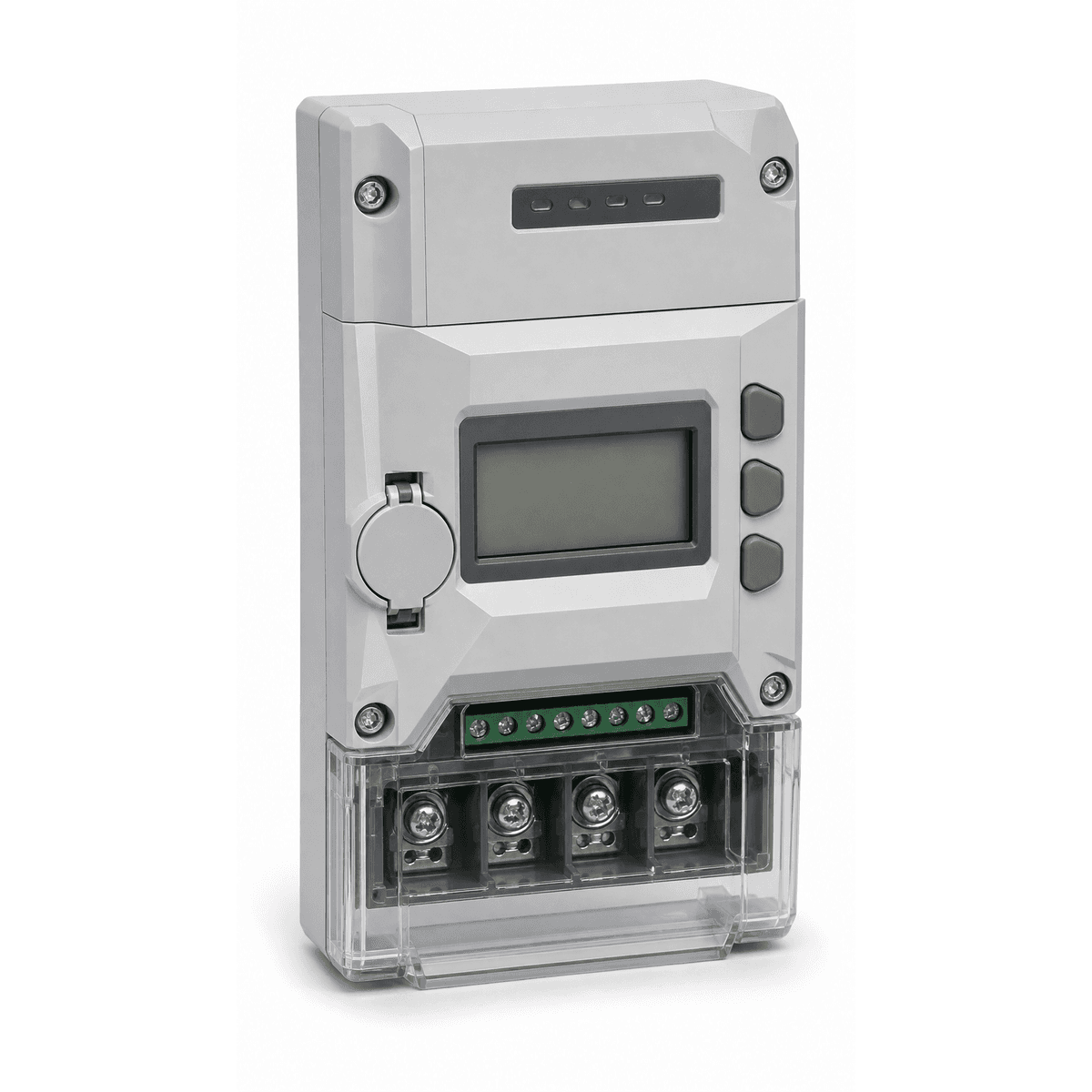
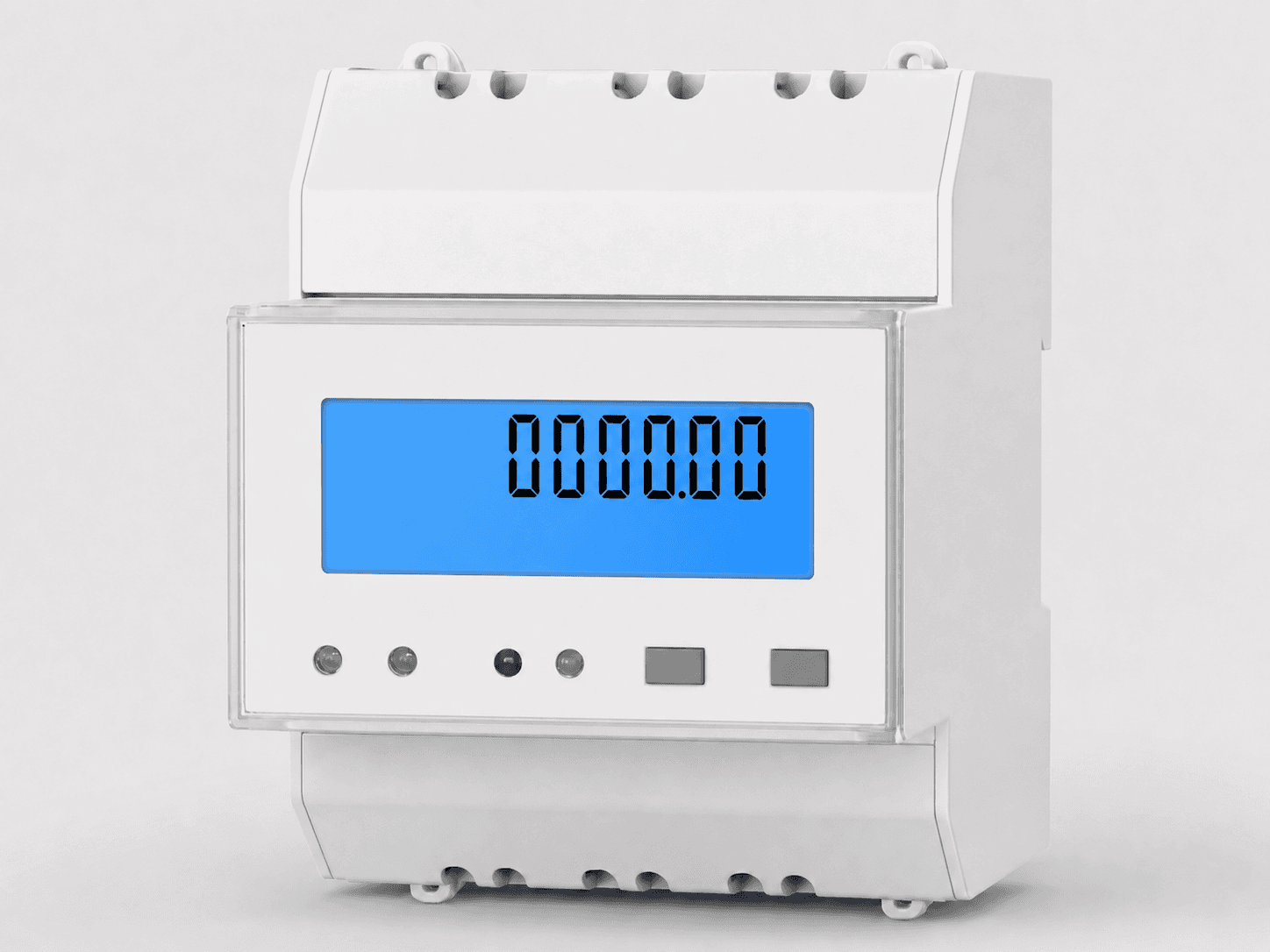
Relevant products
The exact model, interfaces and enclosure are confirmed in the written quotation.
Need a project-specific hardware selection?
Send the site signals, network, power and reporting target. We will return a configuration scope for quotation.
- Document type
- Technical buyer guide
- Applicable family
- Single-Phase Smart Energy Meter / DIN-Rail Three-Phase Energy Meter
- Language
- English
- Evidence status
- Protocol references plus pre-quote product confirmation
This guide supports project selection. It is not an exact-model datasheet, compliance certificate or installation approval.
Best fit
NB-IoT is useful when meters are spread across locations where WiFi or wired Ethernet is not reliable and data volume is modest.
Other project components
- NB-IoT Gateway Configuration (RFQ)
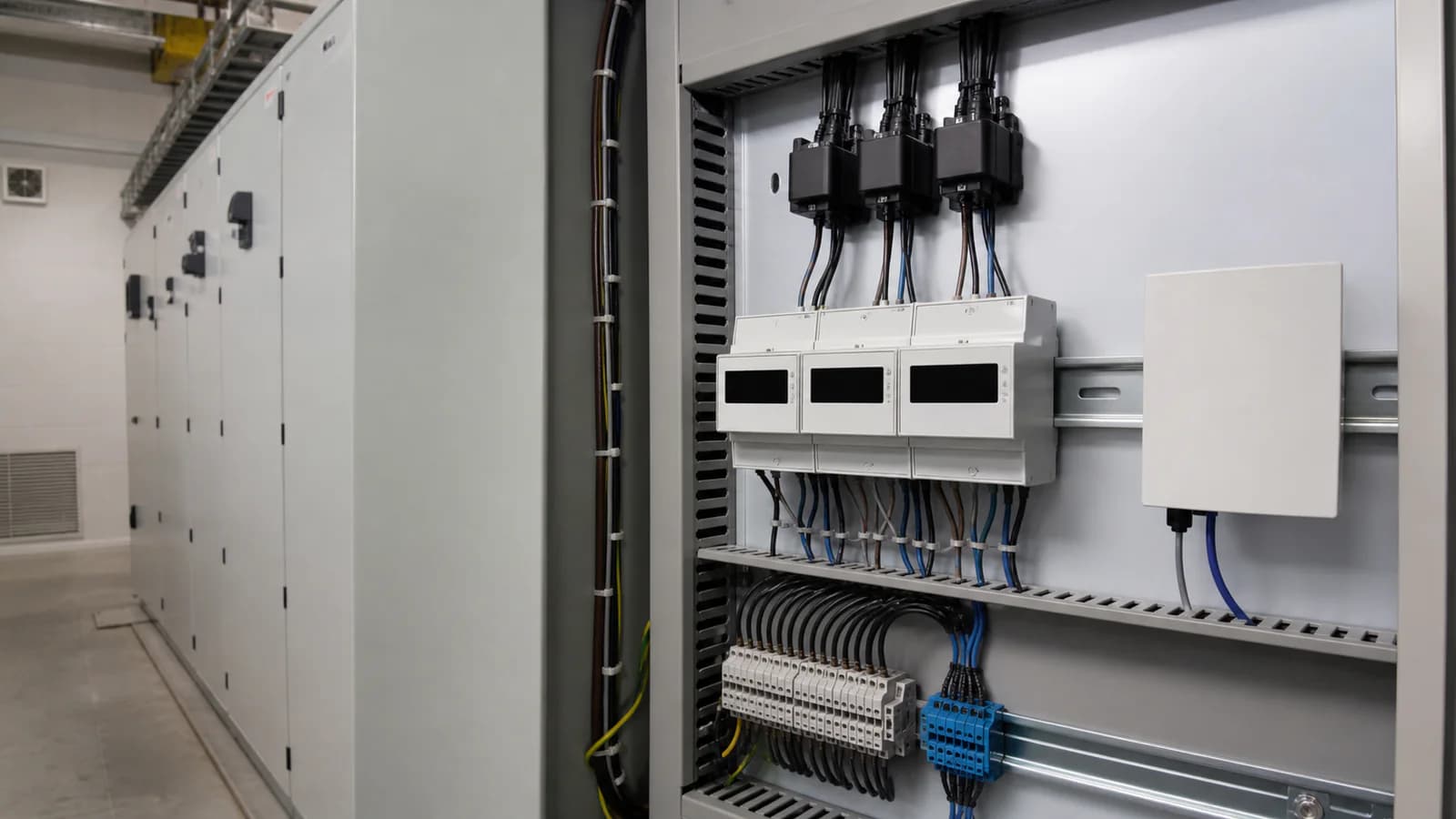
Facility metering context
Sensors, interfaces, enclosure, power and mounting are confirmed against the actual project before quotation.
See where the system fits
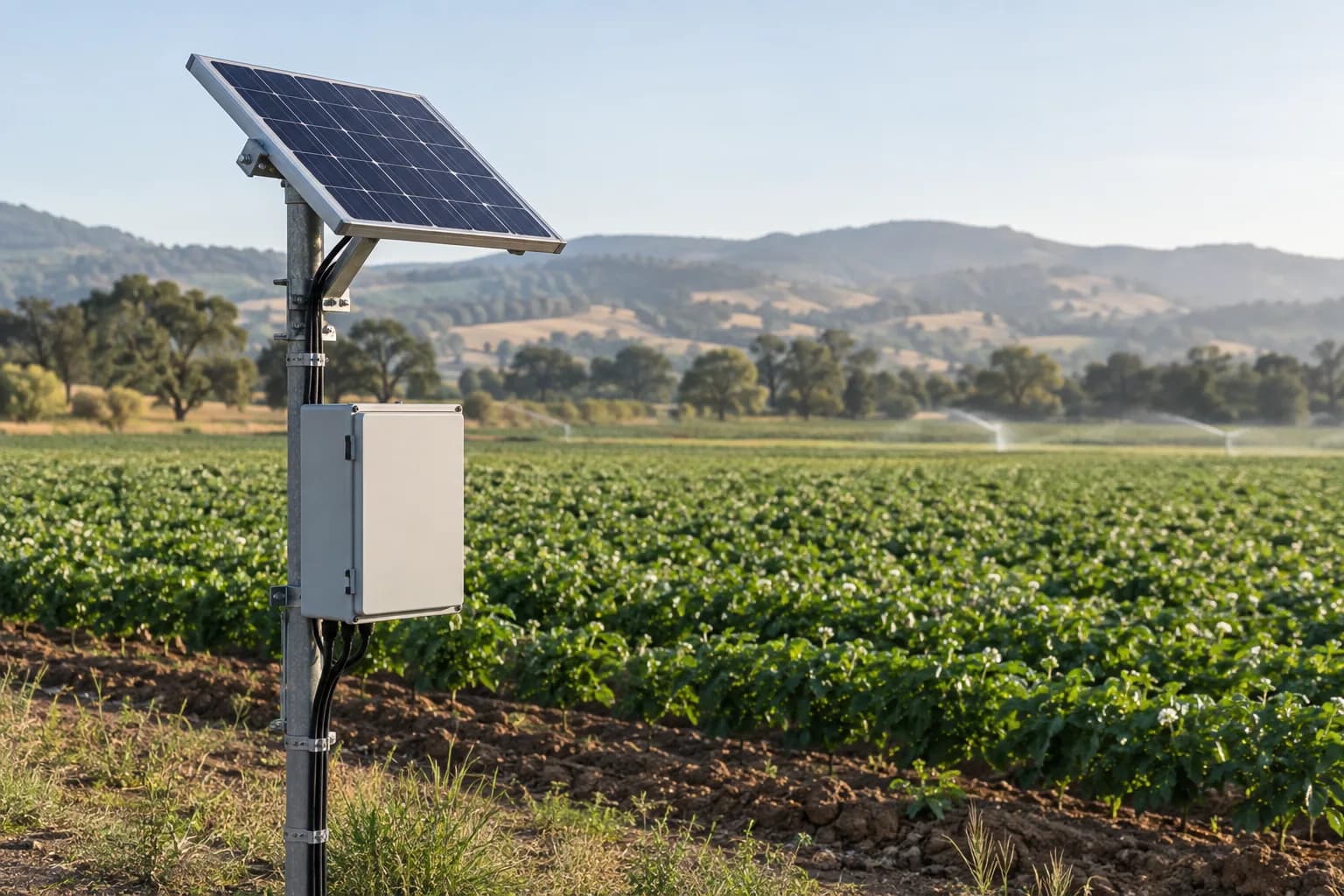
Keep remote measurement points supplied
Size field power around the final equipment load, seasonal sunlight and visit interval.
Explore this requirement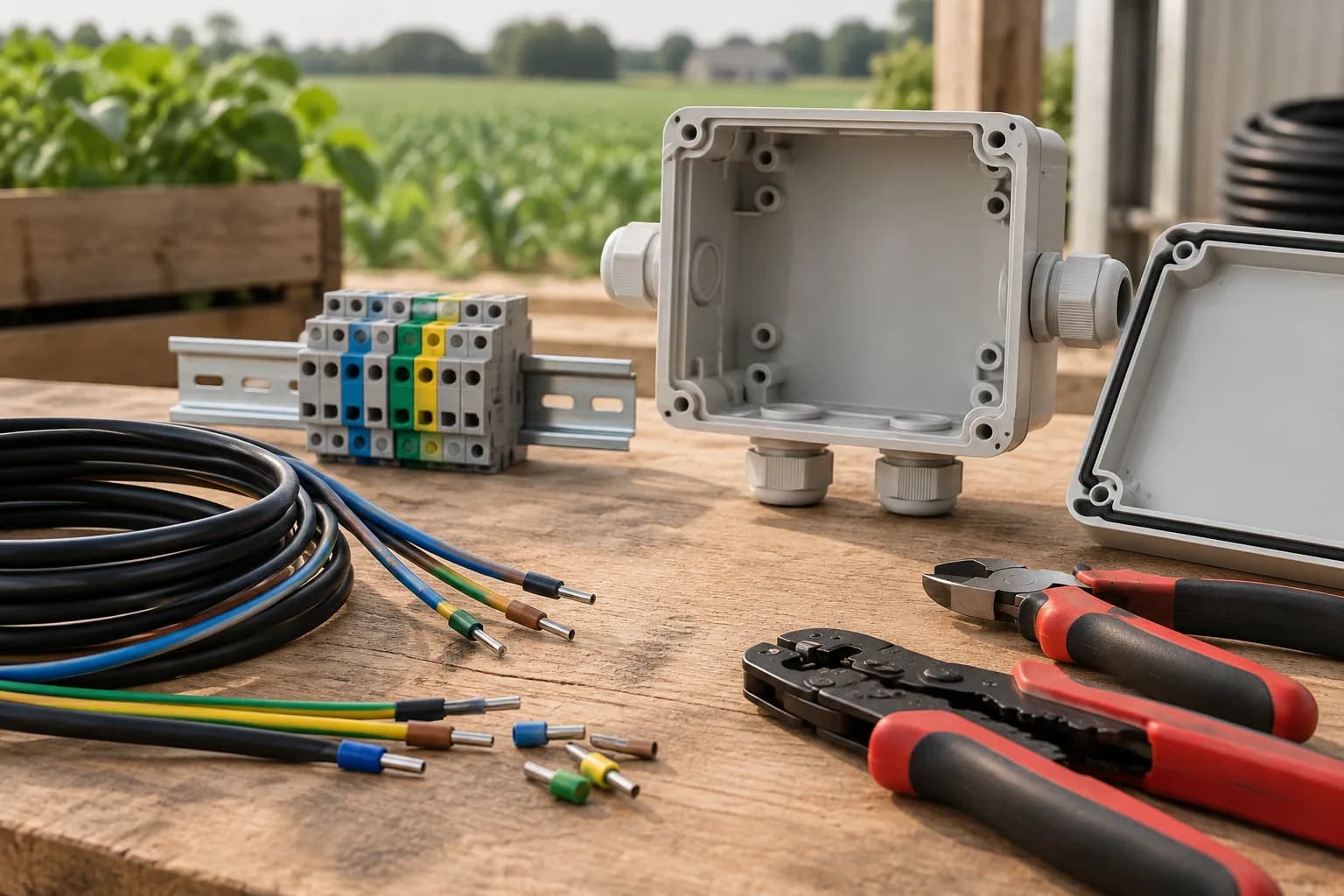
Make each connection understandable
Check power, terminals, interfaces and data interpretation when readings are missing.
Explore this requirementBest-fit projects
NB-IoT energy monitoring fits substations, utility rooms, retail branches, farms, charging areas and distributed solar sites where energy data is needed daily or hourly.
Metering architecture
A smart energy meter measures voltage, current, power, power factor and kWh. Data is sent through an NB-IoT module or through an RS485 collector with cellular uplink.
Commercial value
Remote metering reduces manual reading, supports energy allocation and detects abnormal consumption. Contractual tenant billing requires a meter, accuracy class, installation and approval path accepted by the local authority; it is not implied by adding NB-IoT connectivity.
Equipment in the system
System design, software integration, PLC/SCADA programming and site installation responsibilities are agreed in the written project scope.
Data destination
Customer platform or an agreed third-party service
Hardware referenced by this checklist
Exact model, interfaces and enclosure are confirmed in the written quote.
Key points
- Remote sub-metering without local broadband
- Consumption trends and abnormal-use alarms
- Useful for solar, buildings and distributed facilities
- Works with direct meters or RS485 meter clusters
Technologies
- NB-IoT
- RS485
- Modbus
- MQTT
Related pages
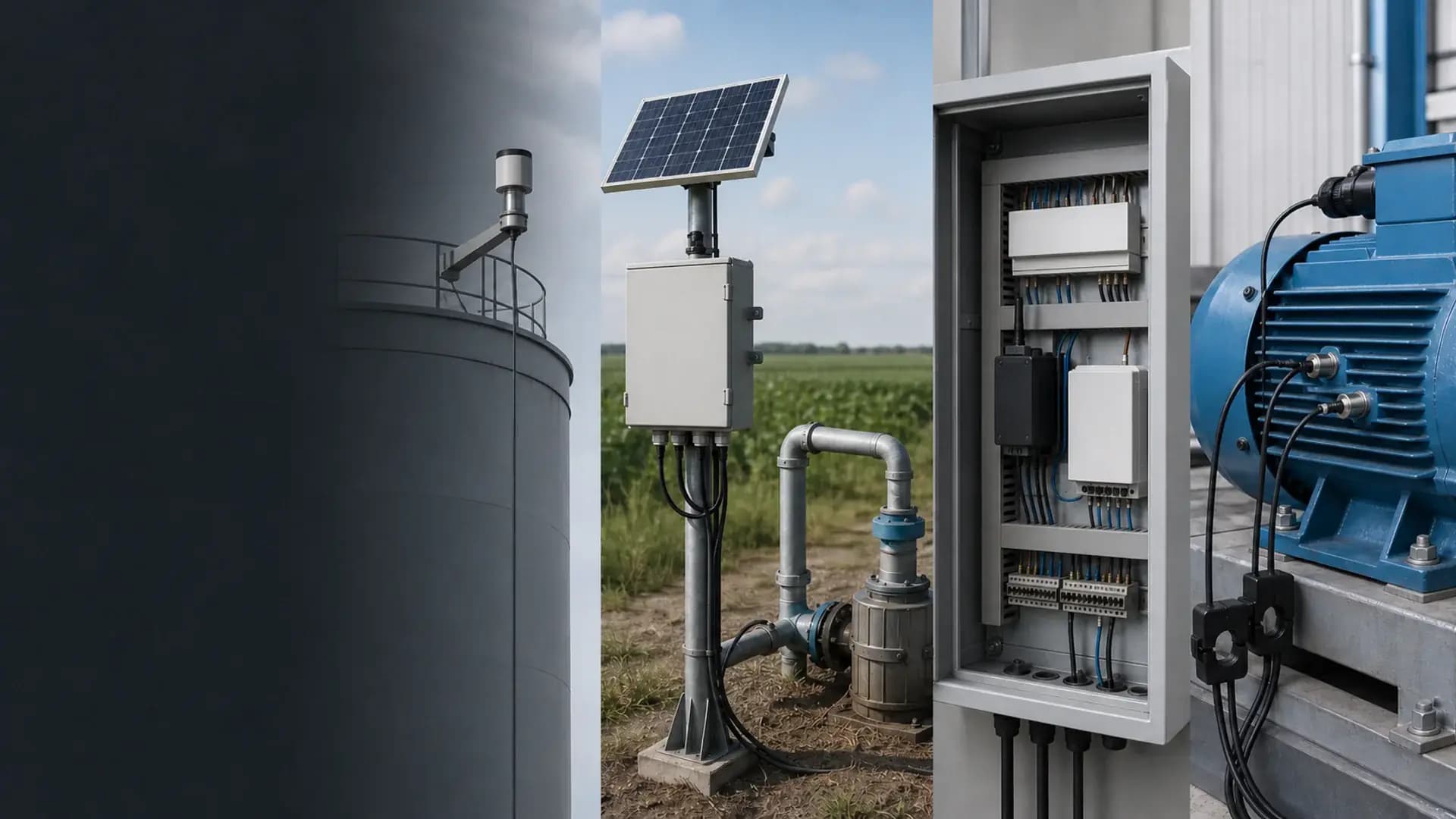
Remote integration context
Sensors, interfaces, enclosure, power and mounting are confirmed against the actual project before quotation.
Official technical references
These standards help validate protocol and network requirements. Product-specific conformity, regional settings and final specifications are confirmed before quotation.
FAQ
When is NB-IoT better than 4G LTE?
NB-IoT is suitable for small, periodic energy data where coverage is available and power consumption must stay low. 4G LTE is better for higher data volume or richer gateway functions.
Can the system connect existing RS485 meters?
Yes. Existing RS485 / Modbus meters can often be collected by a cellular gateway when register maps and wiring conditions are available.
How is NB-IoT meter data delivered?
SunGene prepares the selected meter or gateway hardware and the agreed data path for a customer-owned dashboard, SCADA or platform. The quotation confirms the endpoint, payload, ownership and recurring operation.
Get selection help
Start with a short description. A complete equipment list is not required.