
Industrial IoT resource
RS485 Remote Monitoring Gateway
How an RS485 remote monitoring gateway connects Modbus meters, sensors and controllers to a customer-owned or third-party SCADA, dashboard or alarm workflow.
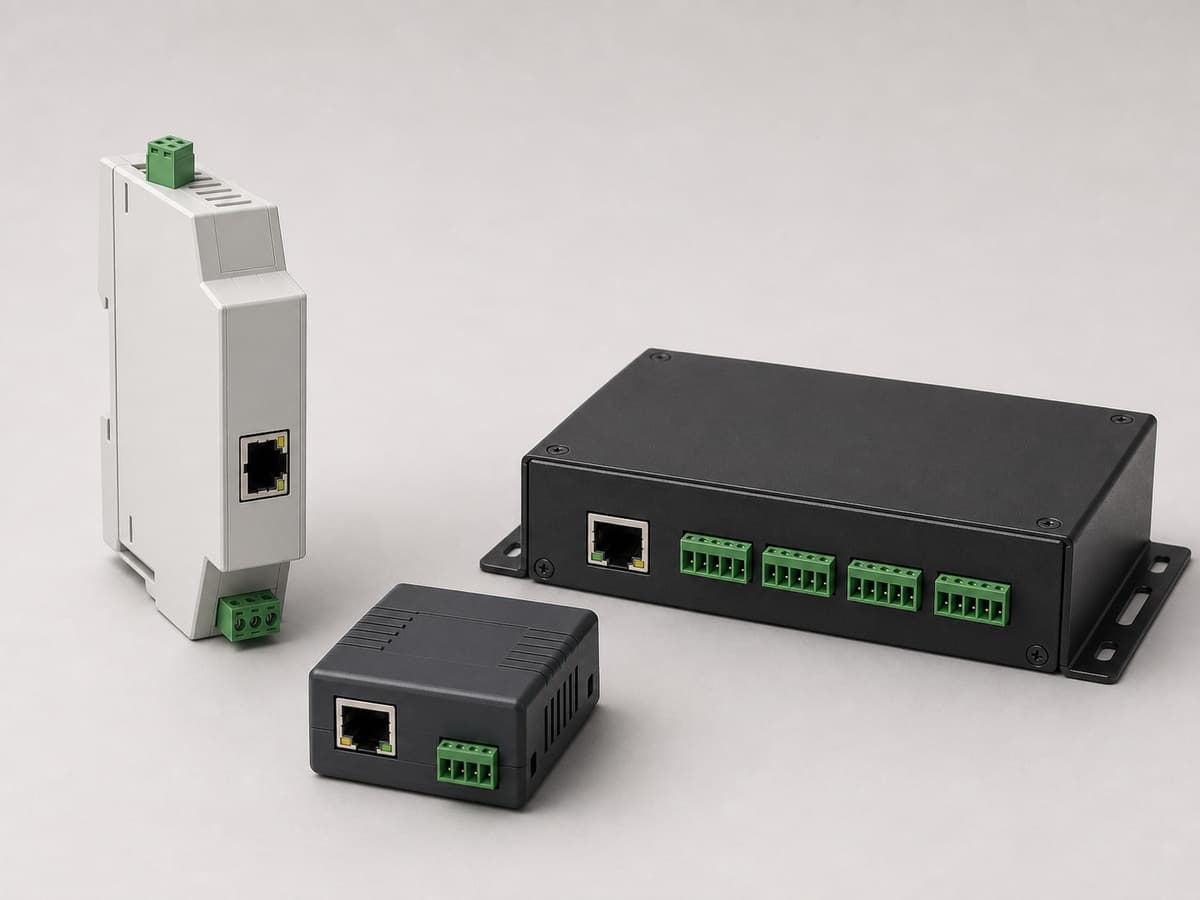
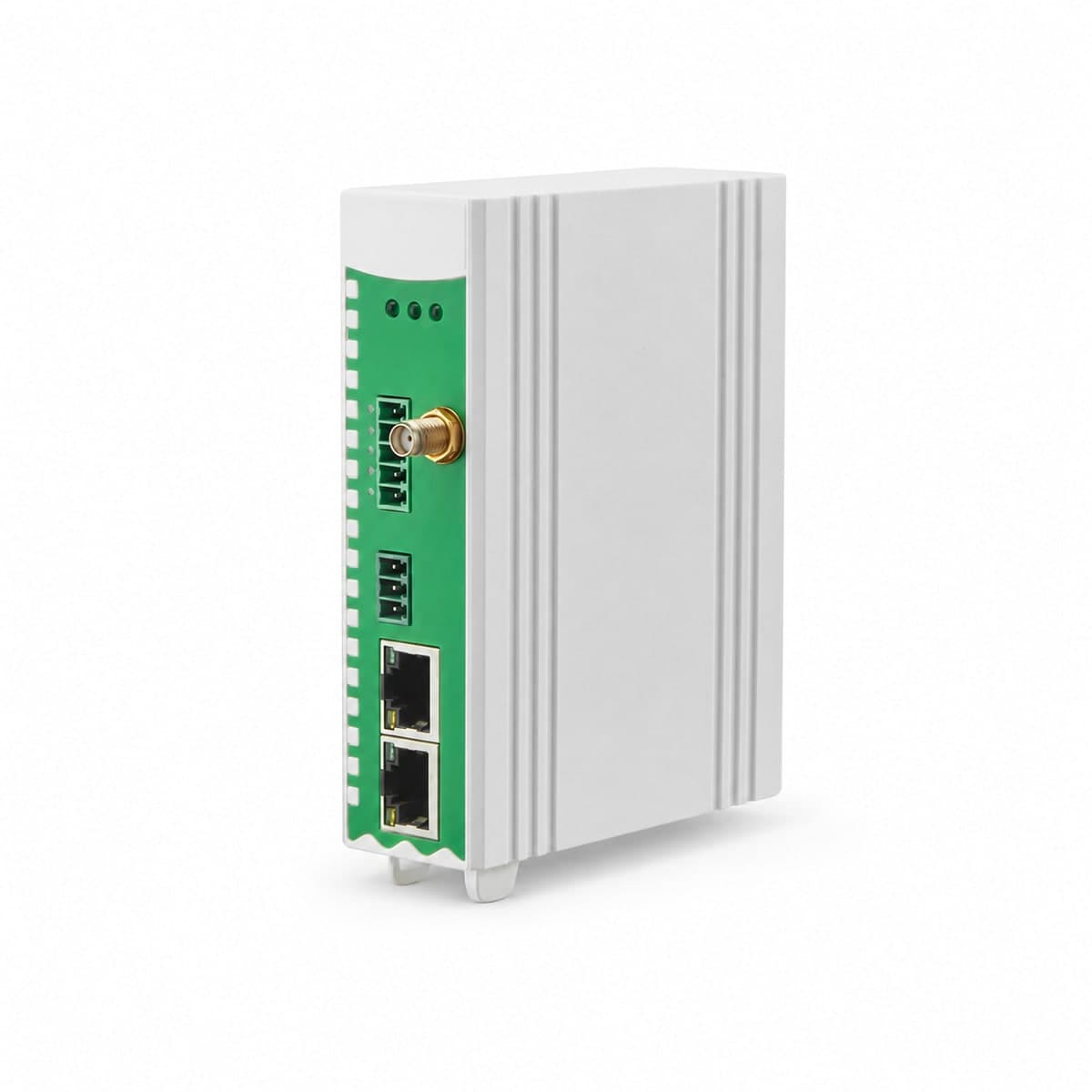
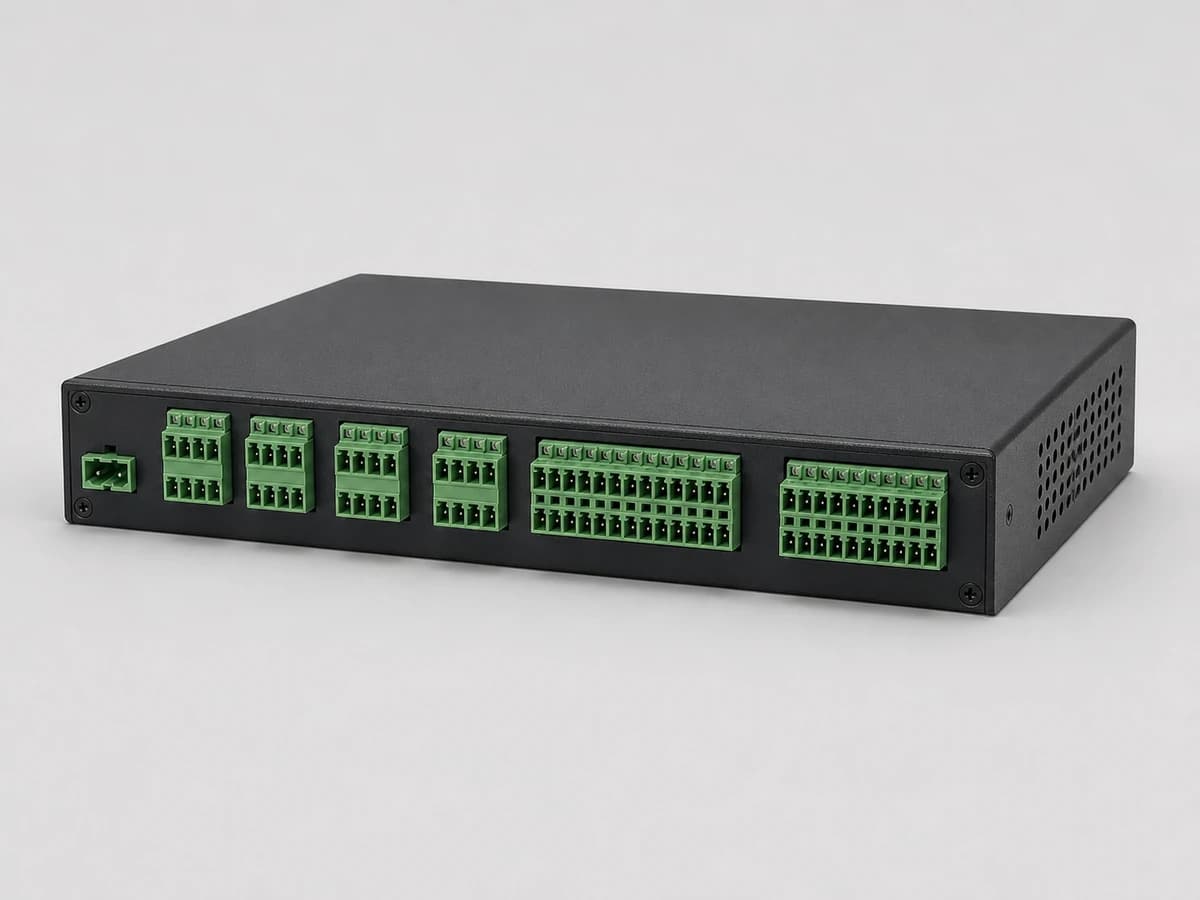
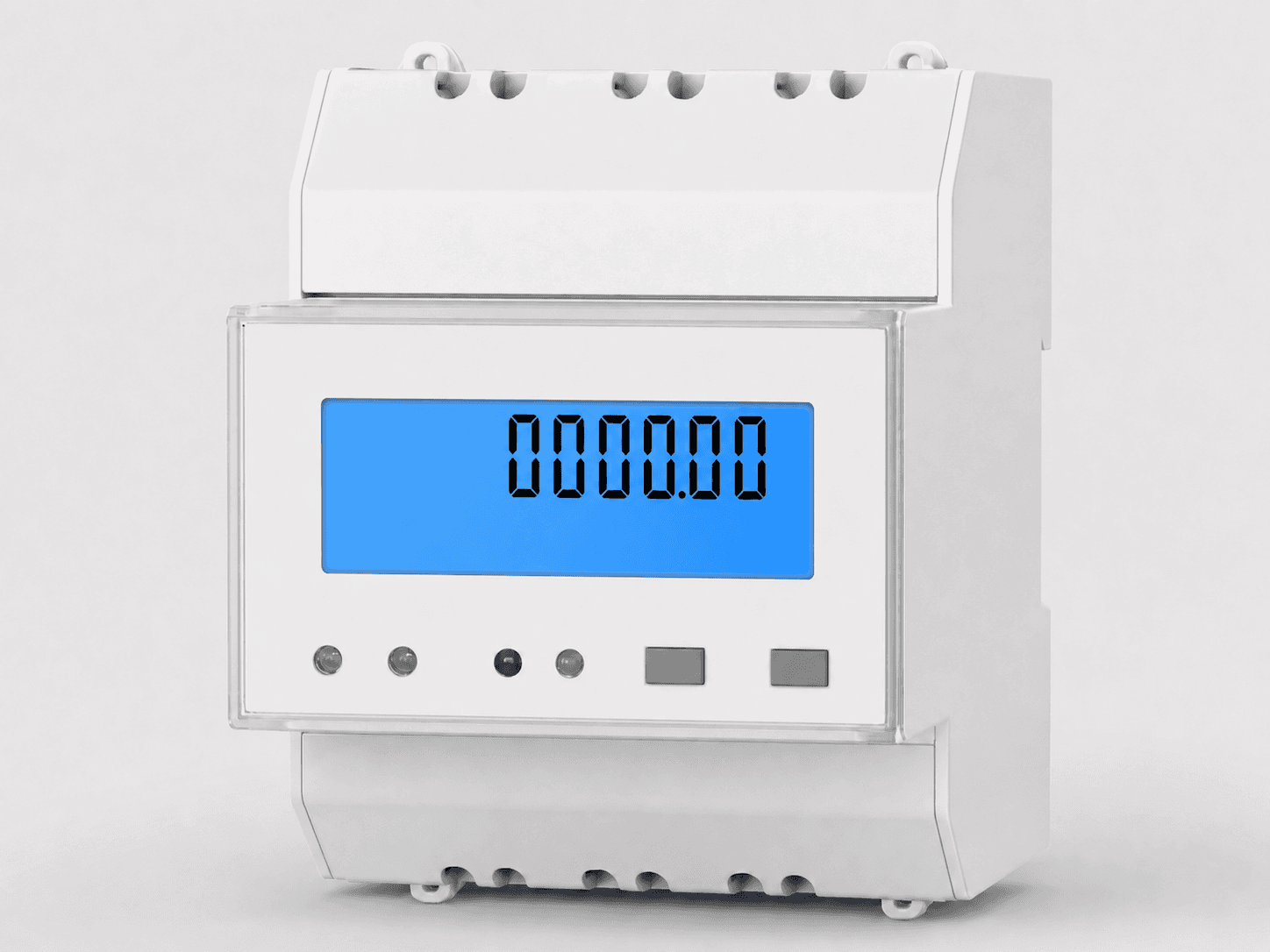
Relevant products
The exact model, interfaces and enclosure are confirmed in the written quotation.
Need a project-specific hardware selection?
Send the site signals, network, power and reporting target. We will return a configuration scope for quotation.
- Document type
- Technical buyer guide
- Applicable family
- RS485 to Ethernet Gateway / Serial Server / Edge IoT Gateway
- Language
- English
- Evidence status
- Protocol references plus pre-quote product confirmation
This guide supports project selection. It is not an exact-model datasheet, compliance certificate or installation approval.
Best fit
Use this guide when a site already has RS485 / Modbus field devices but needs remote visibility without replacing the installed equipment.
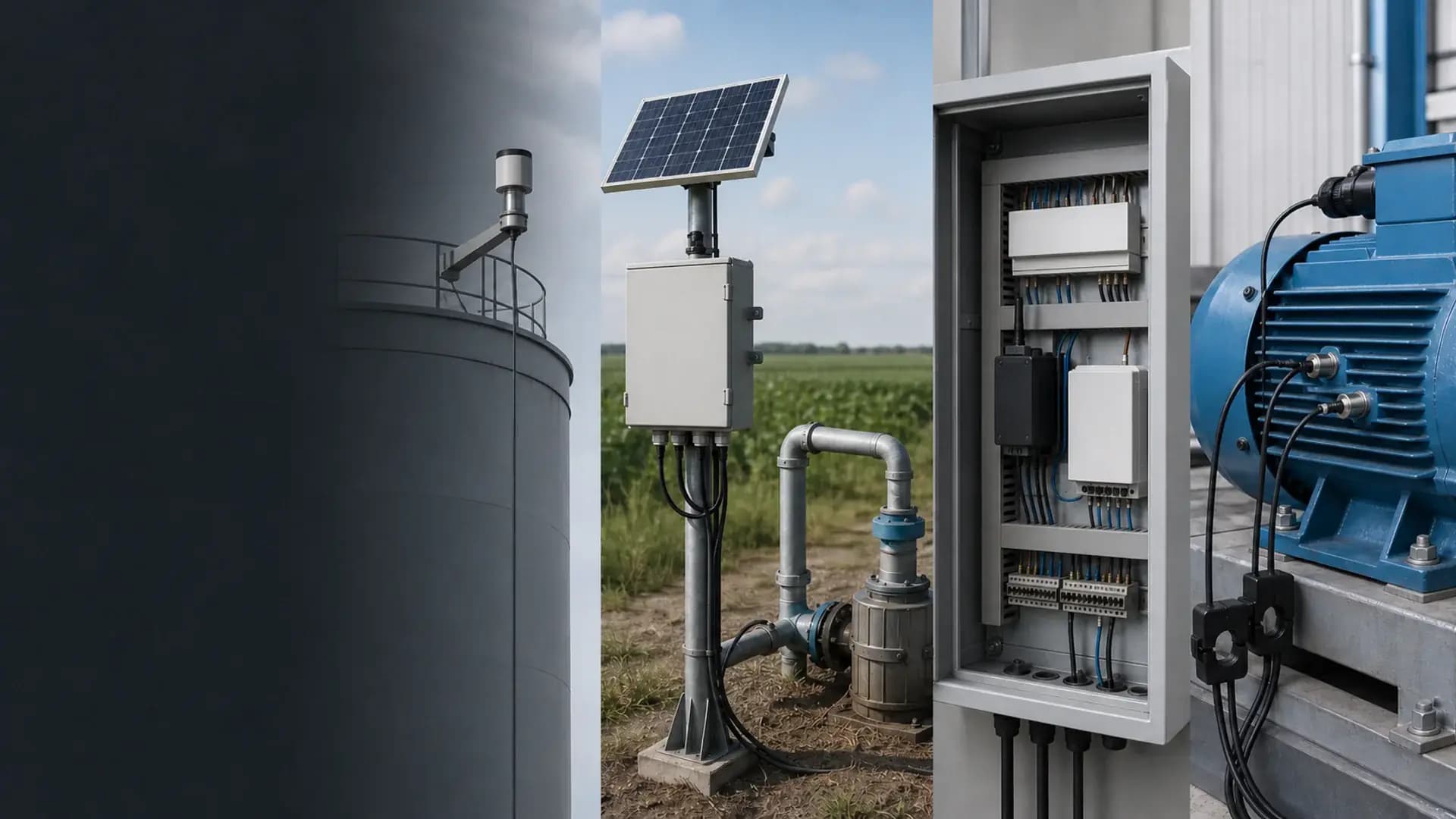
Remote integration context
Sensors, interfaces, enclosure, power and mounting are confirmed against the actual project before quotation.
See where the system fits
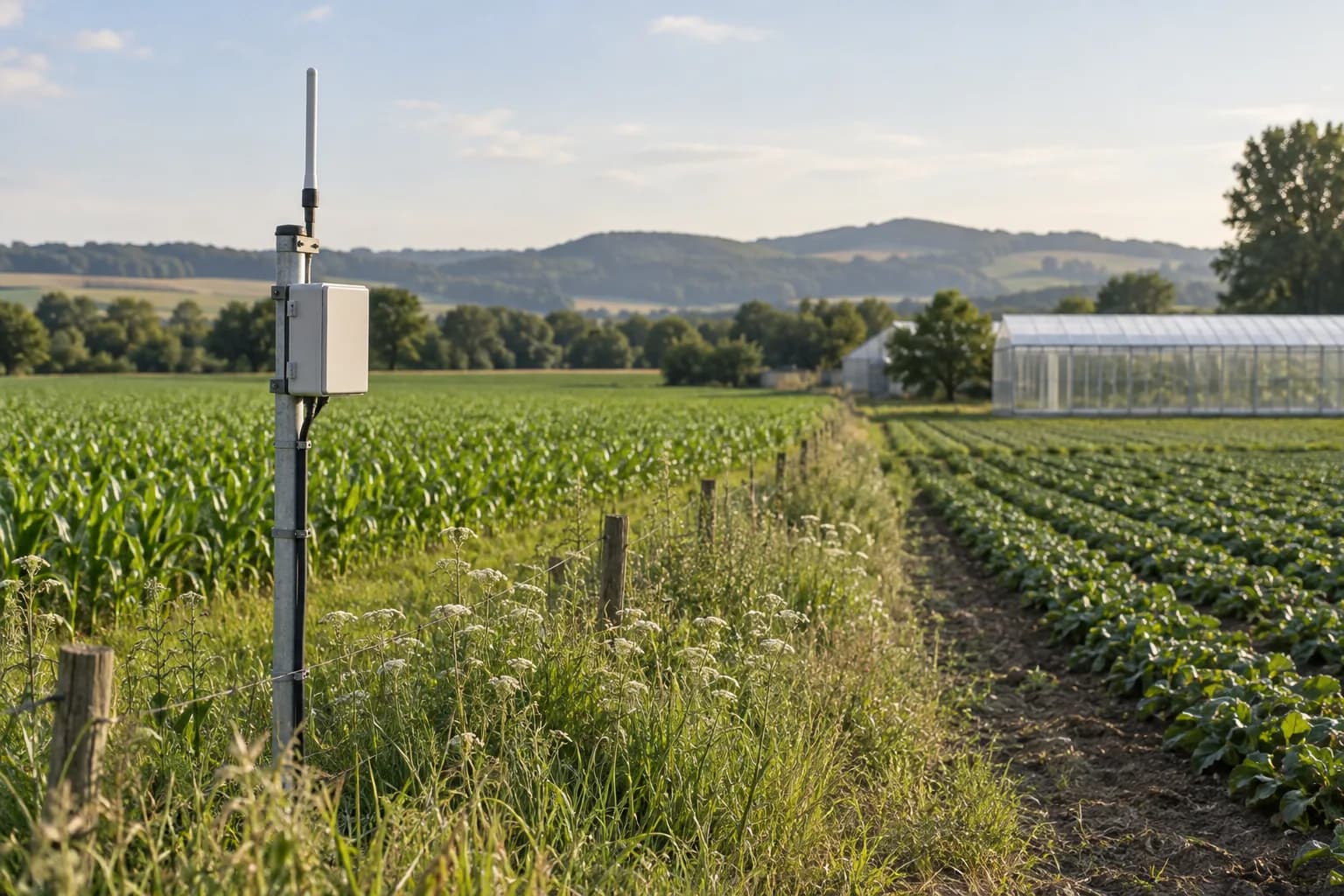
Connect separate fields and facilities
Review coverage, equipment identity and the path into your chosen platform.
Explore this requirement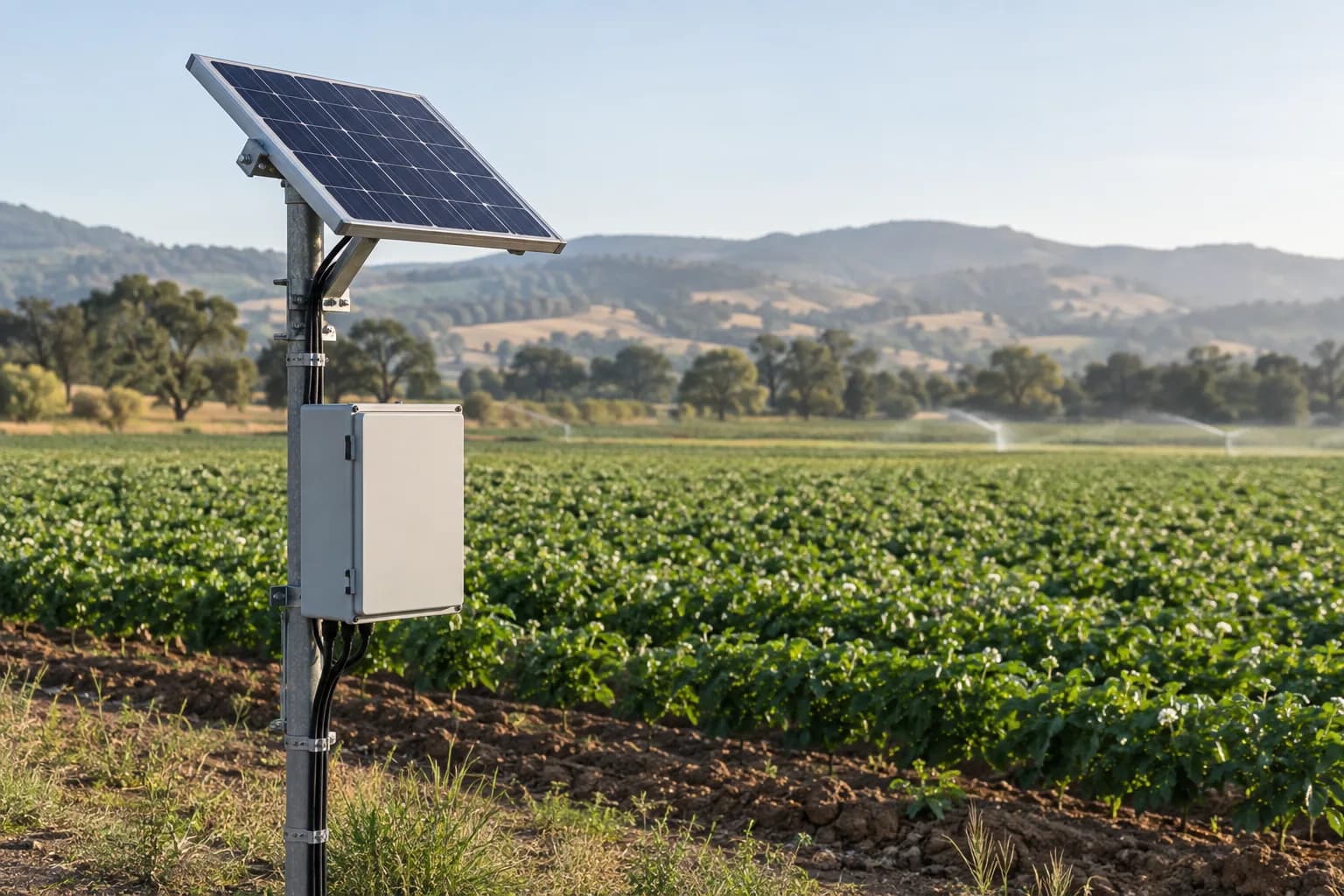
Keep remote measurement points supplied
Size field power around the final equipment load, seasonal sunlight and visit interval.
Explore this requirementWhere RS485 gateways fit
RS485 remains common in energy meters, water sensors, temperature controllers, pump panels and industrial instruments. Search results often call both serial servers and edge gateways an “RS485 gateway,” but they do different jobs: a serial server carries serial traffic onto Ethernet, while an edge gateway or RTU can poll, scale and forward values through Ethernet or a verified wireless backhaul.
Typical architecture
For direct Modbus RTU-to-TCP bridging, RS485 devices connect to a serial server and the upstream SCADA or software owns polling, scaling and alarms. When the field hardware must poll registers, timestamp values, publish MQTT payloads or follow a defined outage-recovery process, use an evidence-matched edge gateway or RTU instead.
What to specify
First state whether the project needs transparent serial transport, Modbus RTU-to-TCP bridging or an edge data-acquisition role. Then confirm serial interface and port count, baud and framing groups, device and register workload, Ethernet or cellular path, power, enclosure, upstream protocol, buffering requirements and alarm ownership.
Equipment in the system
System design, software integration, PLC/SCADA programming and site installation responsibilities are agreed in the written project scope.
Data destination
Customer platform or an agreed third-party service
Hardware referenced by this checklist
Exact model, interfaces and enclosure are confirmed in the written quote.
Key points
- Direct RS485-to-Ethernet transport or evidence-matched Modbus polling
- Ethernet or verified 4G, LoRaWAN or NB-IoT backhaul
- Data handoff to a customer-owned or third-party SCADA, dashboard or alarm workflow
- Suitable for retrofit monitoring projects
Technologies
- RS485
- Modbus RTU
- Modbus TCP
- MQTT
- 4G LTE
Related pages
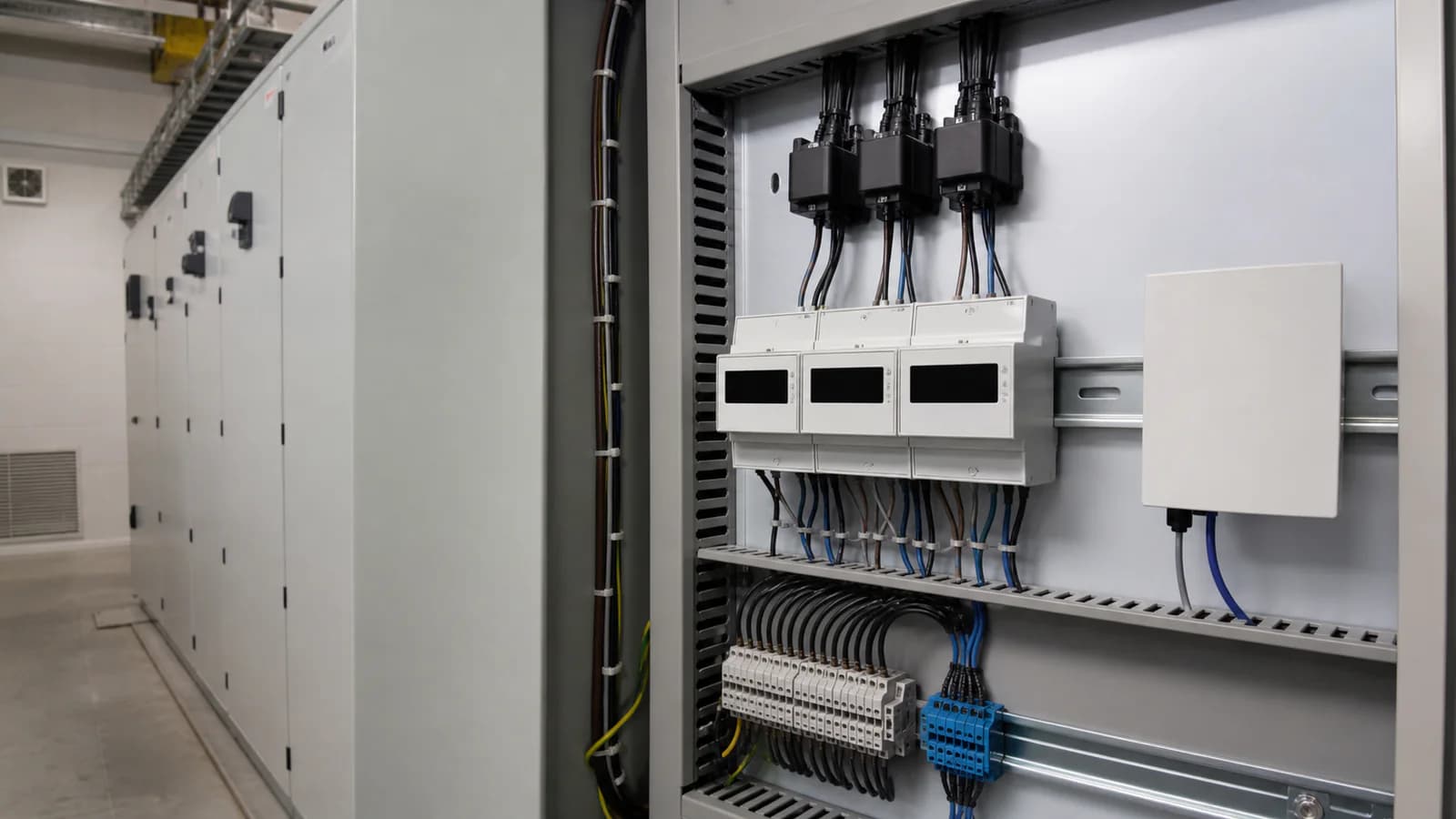
Facility metering context
Sensors, interfaces, enclosure, power and mounting are confirmed against the actual project before quotation.
Official technical references
These standards help validate protocol and network requirements. Product-specific conformity, regional settings and final specifications are confirmed before quotation.
FAQ
Is RS485 the same as Modbus RTU?
No. RS485 is the physical electrical interface, while Modbus RTU is a communication protocol commonly used over RS485 wiring.
What can be included in an RS485 monitoring hardware package?
The package can include the gateway, selected sensors or meters, an enclosure, power accessories, register-mapping notes and an agreed data handoff. The quotation identifies the customer platform or integration partner responsible for alarm operation.
Should I choose a serial server or an edge monitoring gateway?
Choose a serial server when an existing SCADA or software system will poll the devices and only needs an Ethernet path. Choose an edge gateway or RTU when the field hardware must poll registers, scale values, publish structured data, use cellular backhaul or handle a reviewed outage-recovery process.
What information is needed for a quotation?
Please share the target country, device count, sensor or meter list, register map, network type, power source, certificate needs, quantity and timeline.
Get selection help
Start with a short description. A complete equipment list is not required.