
Equipment selection guide
Agricultural IoT Remote Monitoring: Sensors, Connections & Records
Plan soil, weather, irrigation and greenhouse monitoring. Choose individual sensors or an equipment list with field power, data connections and integration.
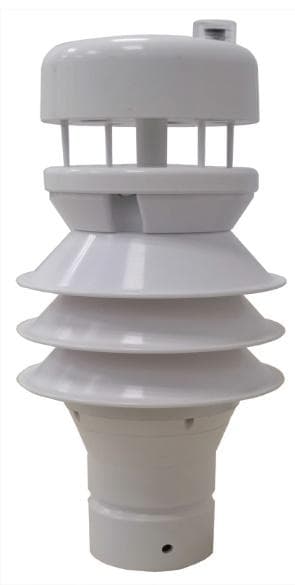
Equipment photographs: SG-SOIL-121, SG-WS-163.
Compare individual equipment specifications ↓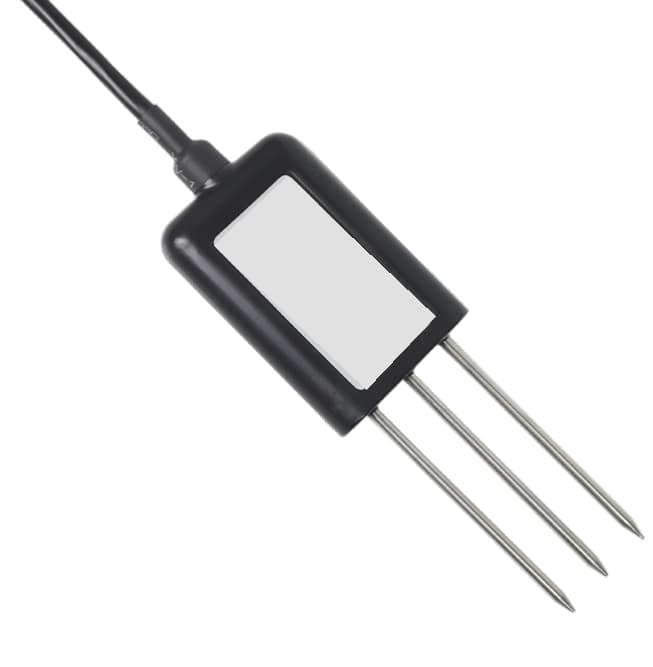
1. Purpose
Bring readings from separate farm points into the records your team uses.
2. Suitable sites
Fields, orchards, irrigation water points and greenhouses.
3. What to send
Send the country, farm task, measurement points, existing equipment, power and the receiving application.
Site conditions to check
Compare power, communication and equipment requirements for irrigation, pumps, soil and weather monitoring.
Agricultural irrigation and farm pumps
Compare pump contacts, motor current and water flow before choosing what to monitor at your farm.
Power for remote water, soil and weather stations
Calculate sensor, logger and radio loads before choosing a battery and solar panel. Include reporting intervals and maintenance visits.
Choose equipment for your farm
Send the country, measurements, existing instruments, power and network, and where your team needs the readings.
When to use this guide
Start with the farm decision and the reading needed at each point. Choose one replacement instrument or plan the sensors, field connections, power and data delivery for the farm.
Individual equipment specifications
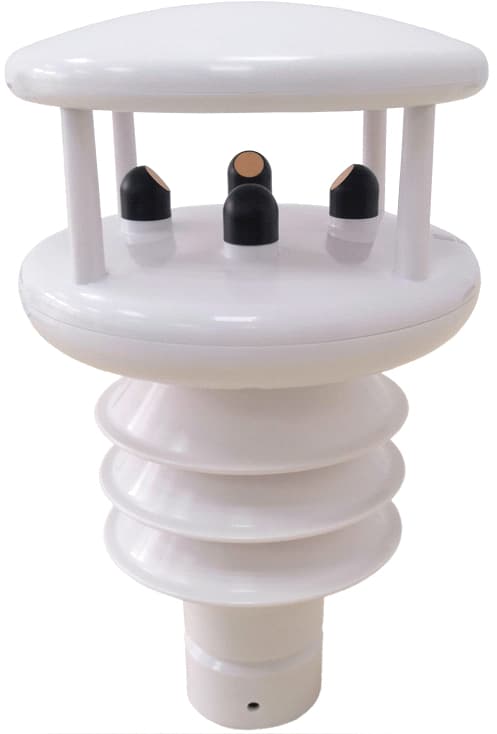
Product photograph
Pictured: SG-WS-162 — Ultrasonic All-in-One Automatic Weather Station.
See where the system fits
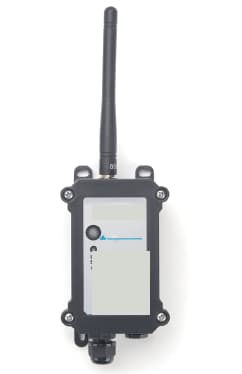
Connect separate fields and facilities
Review coverage, equipment identity and the path into your chosen platform.
Read the guide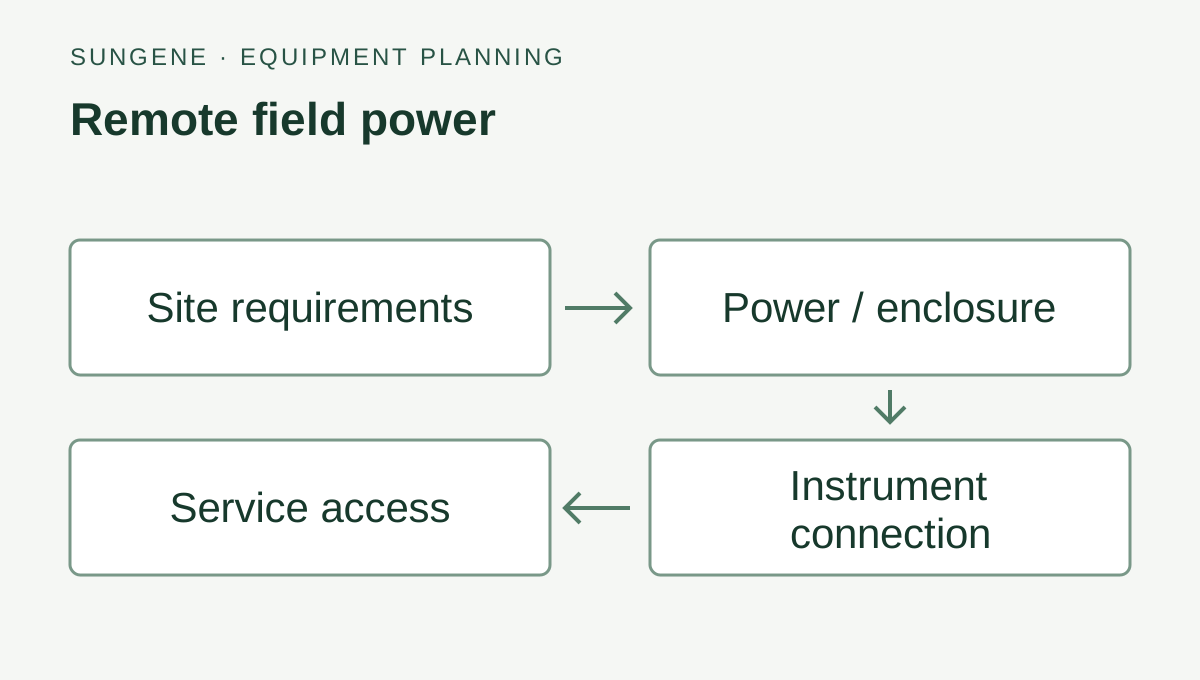
Keep remote measurement points supplied
Size field power around the final equipment load, seasonal sunlight and visit interval.
Read the guideChoose the measurements around the farm
Soil moisture, temperature and EC describe the root zone. Weather instruments measure the selected atmospheric conditions. Separate level, flow, pressure and water-quality instruments describe farm water. Greenhouse air and light measurements belong at the growing zones that need them.
Connect the equipment to the records
Match each sensor output to its receiver. RS485 instruments need compatible protocol settings and register maps. LoRaWAN instruments use a gateway, network server and payload decoder. Ethernet or a selected cellular connection carries records to the receiving application. Keep the point identity, units and original measurement time with the value.
Plan one purchase or the full equipment list
SunGene supplies the selected instruments, gateways, field power and accessories, and handles the agreed integration work. Local teams carry out mounting, wiring and site safety. Define the equipment, data destination, tests, handover and maintenance responsibilities with the project.
Plan the equipment and data connection
Measure at the farm
Soil, weather, water or greenhouse instruments at the required measurement points.
Match the connection
Compatible inputs and protocols, with the field power and wired, cellular or LoRaWAN path.
Use the readings
Point names, units, original measurement times and the farm’s receiving application.
Example equipment and data path. Select each instrument, receiver, power supply and receiving interface as part of the equipment list.
Key points
- Individual sensors and replacement hardware
- Equipment lists for soil, weather, water and greenhouse points
- Field power, connections and agreed data integration
- Cooperation with local dealers, installers and professionals
Technologies
- LoRaWAN
- NB-IoT
- RS485
- Modbus
- MQTT
- 4G LTE
Related pages
Official technical references
Protocol specifications for the connections described in this guide.
FAQ
Can I buy an individual sensor?
Yes. Send the measurement, range, output, mounting conditions and quantity. For a replacement, include the existing model or a photo of its label and connection.
What is needed for a complete farm monitoring plan?
Send the country, crop or farm task, measurement points, site layout, existing controllers, power and network. Include where the records will be used and who handles installation and alerts.
Who handles software and installation?
SunGene handles equipment selection, farm system architecture and the agreed software or integration work. Local teams carry out construction, mounting, wiring and site safety. The project scope assigns testing, handover and ongoing support.
Get selection help
Tell us what you want to measure and where. Send a model number or site photo if you have one.