
Industrial IoT resource
Condition Monitoring Hardware for Predictive Maintenance
How to select vibration, temperature, current and gateway data-acquisition hardware for condition monitoring and customer predictive-maintenance workflows.
Site conditions to check
Compare power, communication and equipment requirements for irrigation, pumps, soil and weather monitoring.
Relevant products
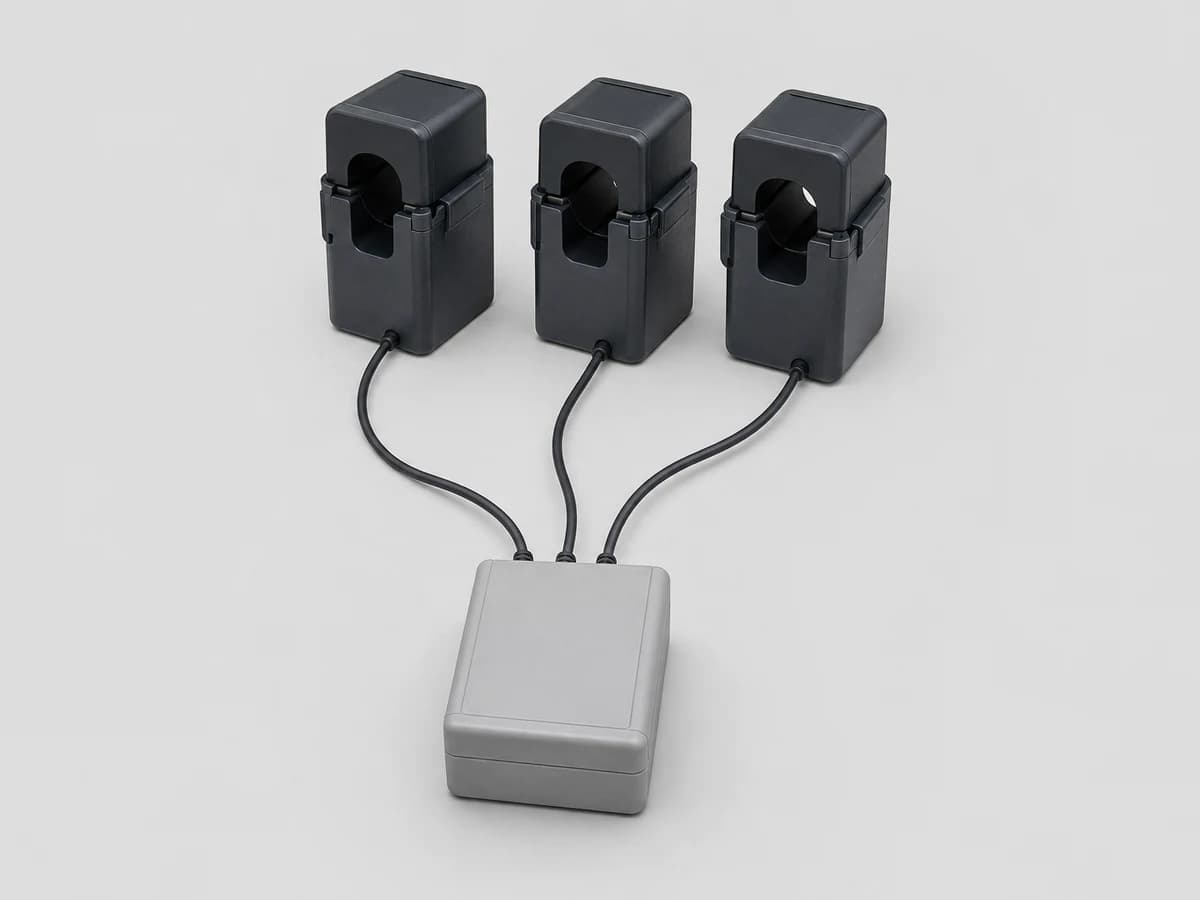
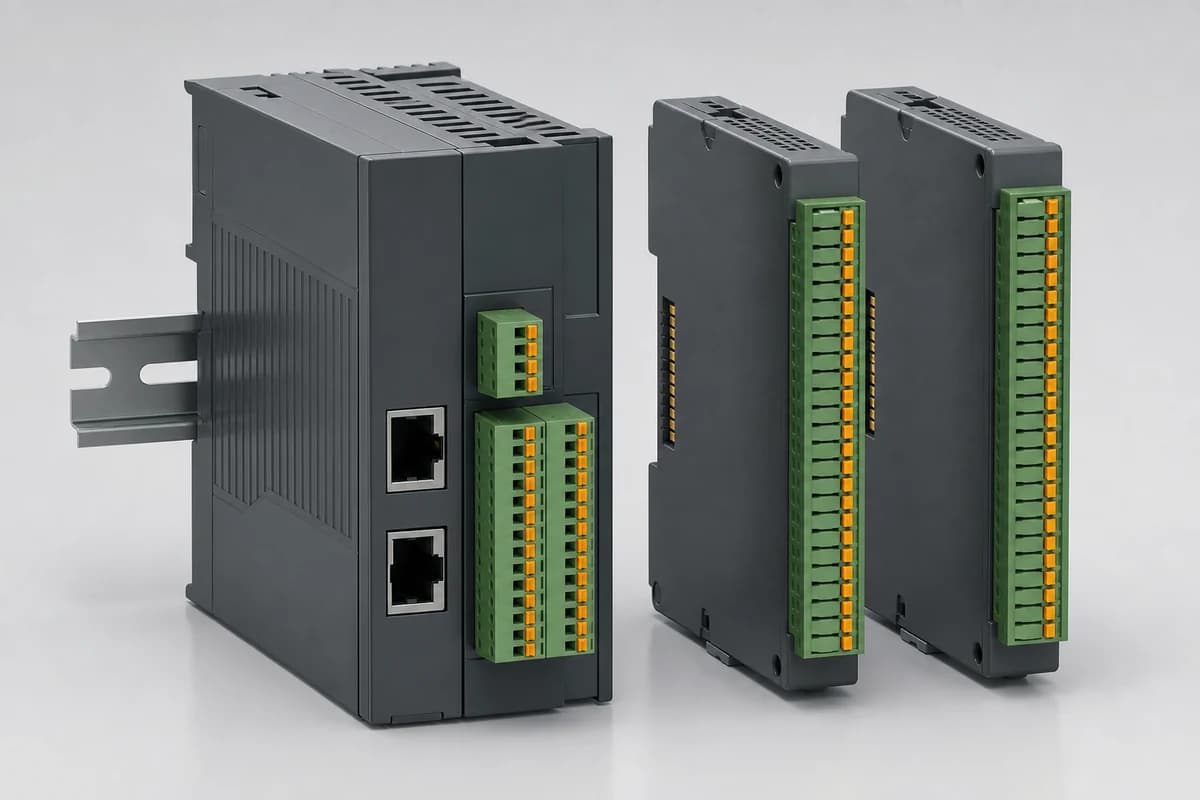
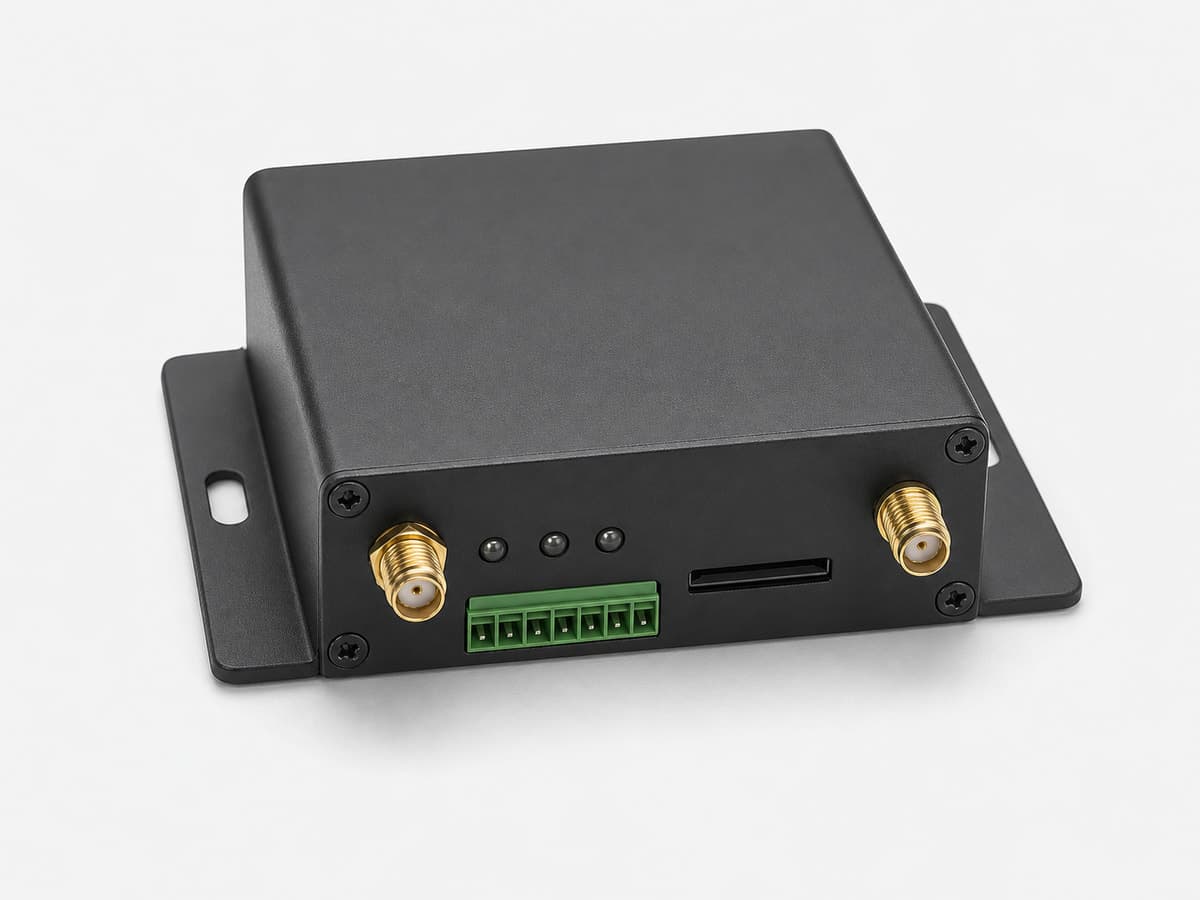
Product-family photos. See each product page for specifications and options.
Need help choosing equipment?
Send your device models, available power and network, and where the data needs to go. We can help select compatible equipment.
When to use this guide
Select field sensors and data acquisition for pumps, motors, fans or remote equipment. SunGene supplies the hardware layer and integration-ready measurements; specialist waveform analysis, fault diagnosis and predictive algorithms remain in the customer or selected maintenance platform.
Other project components
- Vibration Sensor
- Temperature Sensor
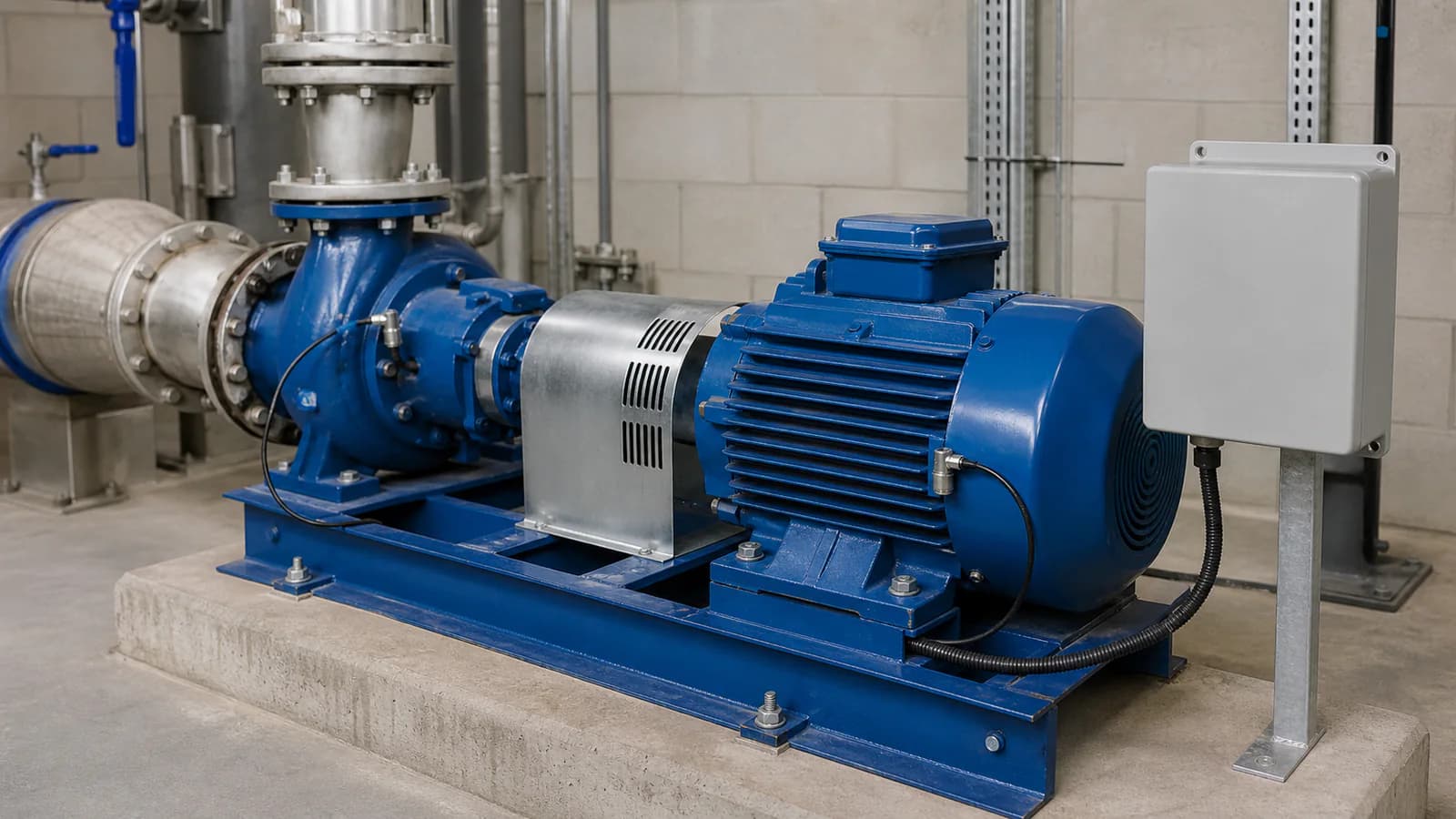
Pump and motor monitoring
Illustration: pump and motor monitoring installation with bearing sensors and a field enclosure.
See where the system fits
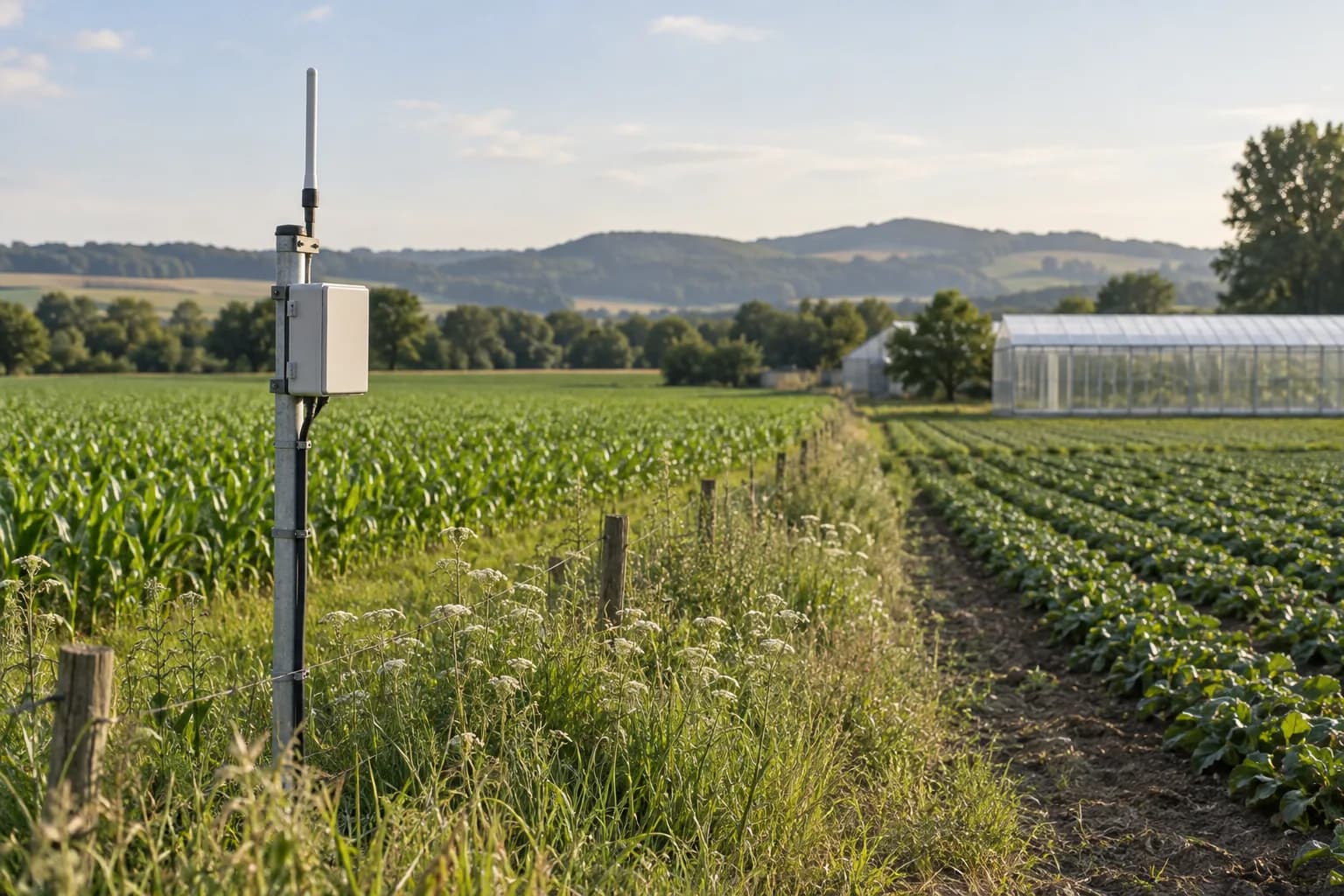
Connect separate fields and facilities
Review coverage, equipment identity and the path into your chosen platform.
Read the guide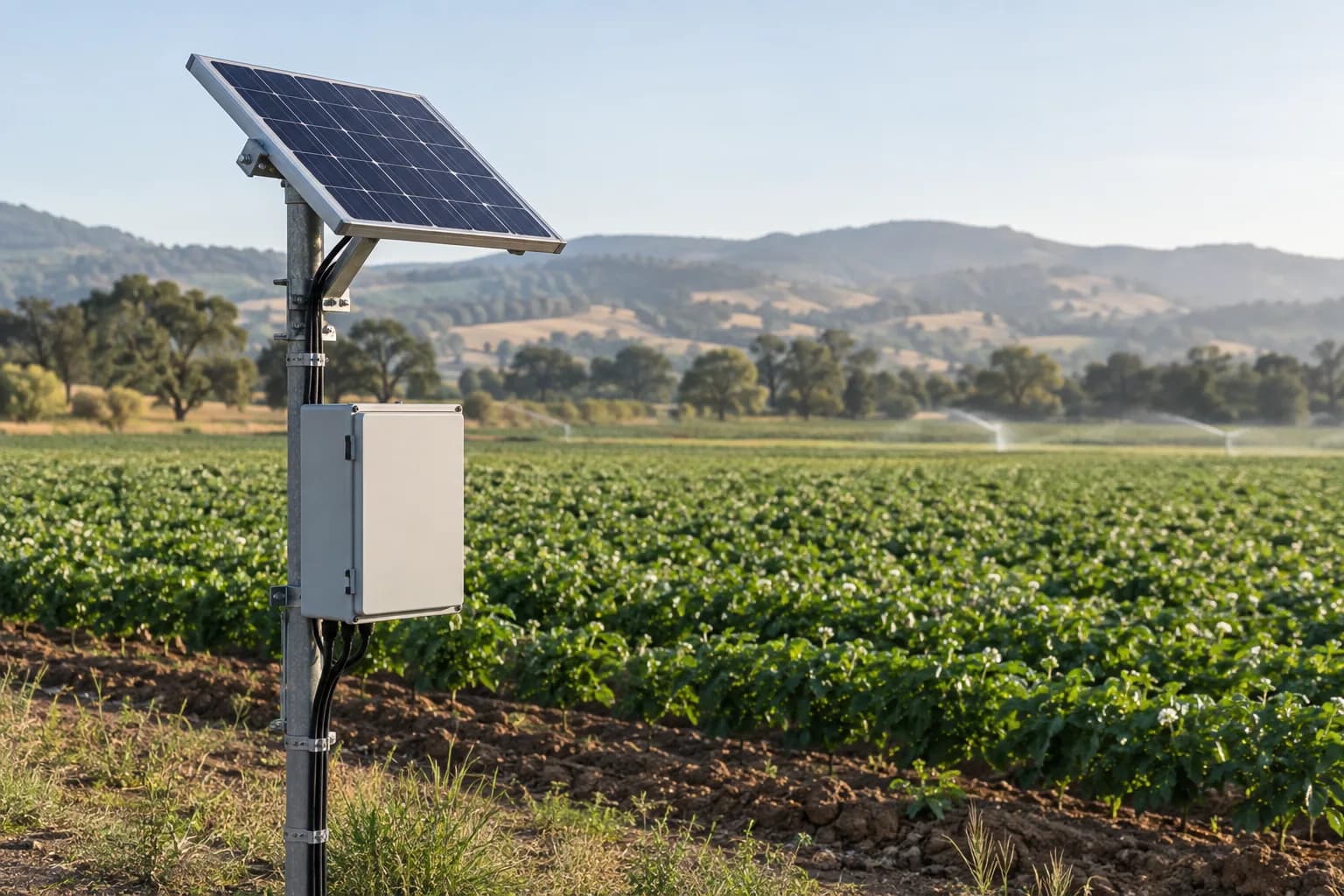
Keep remote measurement points supplied
Size field power around the final equipment load, seasonal sunlight and visit interval.
Read the guideDefine the maintenance decision first
Condition monitoring is useful when each measurement supports an action: inspect a bearing, check alignment, investigate overload, confirm cooling or plan a site visit. List critical assets, likely faults, operating states and the action required for each alarm. A list of sensors without an inspection workflow can create data without improving maintenance decisions.
Choose signals that match the failure mode
Vibration can indicate a change in mechanical condition; surface or winding temperature can expose thermal stress; motor current can show load changes; run status and speed provide the operating context needed to interpret those trends. Pressure and flow are also valuable for pumps because a mechanical or process problem may appear in the delivered duty before it appears as a single sensor alarm.
Separate trend monitoring from waveform diagnosis
A low-rate RMS, peak or overall vibration value can support remote trending and threshold alarms. It is not the same as high-rate waveform capture, FFT analysis or bearing-fault diagnosis. Projects requiring spectral diagnosis must define sample rate, bandwidth, synchronous speed, waveform storage and the specialist analysis platform. SunGene does not present a field gateway as a substitute for that diagnostic layer.
Continue with the remaining selection notes
Equipment in the system
Example equipment arrangement. Check compatibility and agree who handles software, PLC/SCADA programming and site installation.
Data destination
Customer platform or an agreed third-party service
Selection worksheet
Condition monitoring hardware plan
Run / fault state
- Typical hardware path
- Dry contact or controller register to remote I/O
- Use in the workflow
- Adds operating context and verifies commanded operation.
Vibration trend
- Typical hardware path
- Condition transmitter or sensor to analog / RS485 input
- Use in the workflow
- Supports baseline, threshold and rate-of-change alarms.
Temperature
- Typical hardware path
- Surface, probe or controller value to analog / RS485 input
- Use in the workflow
- Flags sustained thermal change and cooling problems.
Show the remaining worksheet rows
Other equipment to compare
Product-family photos; the model and enclosure may vary.
Key points
- Vibration, temperature, current and operating-state inputs
- 4-20mA, dry contact and RS485 Modbus data acquisition
- Timestamped data for customer SCADA or maintenance platforms
- Trend alarms and waveform diagnosis require different measurement methods
Technologies
- Condition monitoring
- 4-20mA
- RS485
- Modbus
- MQTT
- SCADA
- 4G LTE
Related pages
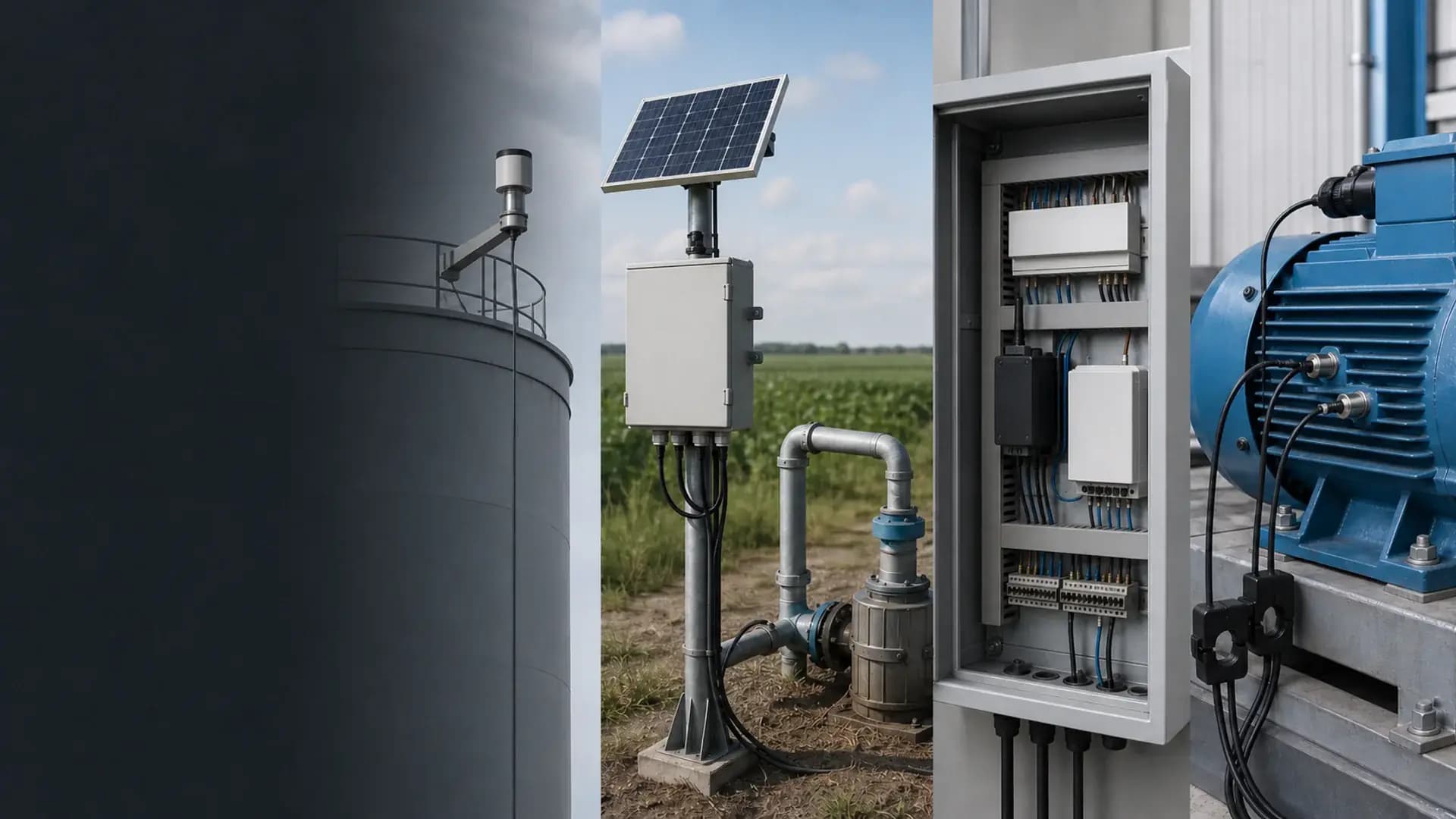
Connecting field equipment
Illustration: remote-monitoring integration with field enclosure, gateway, power and industrial equipment.
Official technical references
See the protocol specifications below. Check the selected model’s documents for supported functions, radio settings and certificates.
FAQ
Is condition monitoring the same as predictive maintenance?
Condition monitoring supplies measurements and alarms about asset condition. Predictive maintenance is the wider maintenance process that may combine those measurements with inspections, history, work orders and analytical models.
Does SunGene provide machine-learning failure prediction?
SunGene focuses on sensors, remote I/O, gateways and integration-ready data. Machine-learning prediction, fault diagnosis and maintenance workflows remain in the customer or selected specialist platform unless separately provided by that platform.
Can a low-rate vibration value replace FFT analysis?
No. Low-rate overall values can support trends and threshold alarms, but waveform and spectral diagnosis require defined sample rate, bandwidth, storage and specialist analysis hardware or software.
Which signals are useful for pump condition monitoring?
A practical scope may combine run and fault state, vibration trend, bearing or casing temperature, motor current, pressure, flow and level. The final list should follow the failure modes and operator actions for that pump station.
What should be included in a quotation request?
Provide asset type and quantity, operating speed and states, target failure modes, required signals, sensor mounting information, cable distances, gateway or platform protocol, network, power, environment, certificates and pilot timeline.
Get selection help
Tell us what you want to measure and where. Send a model number or site photo if you have one.