Keep remote measurement points supplied
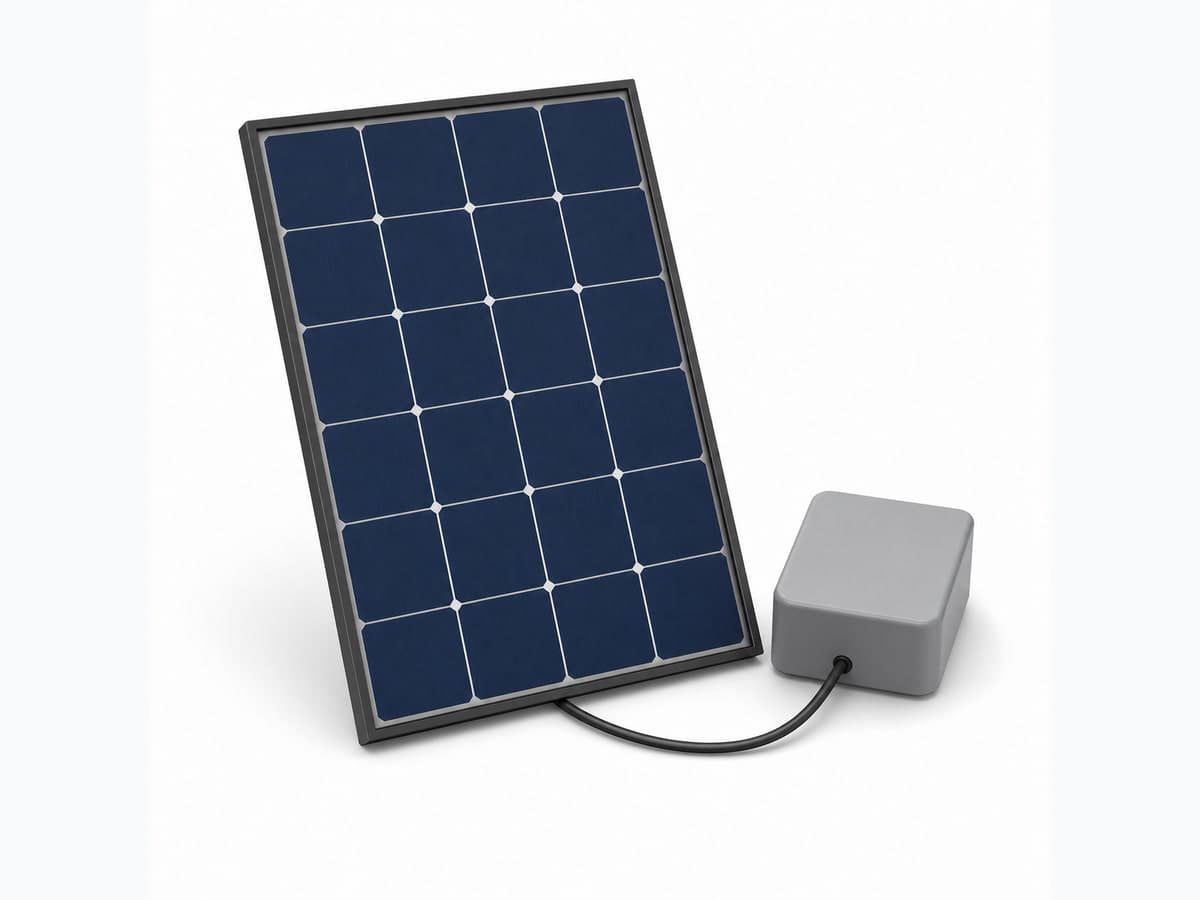
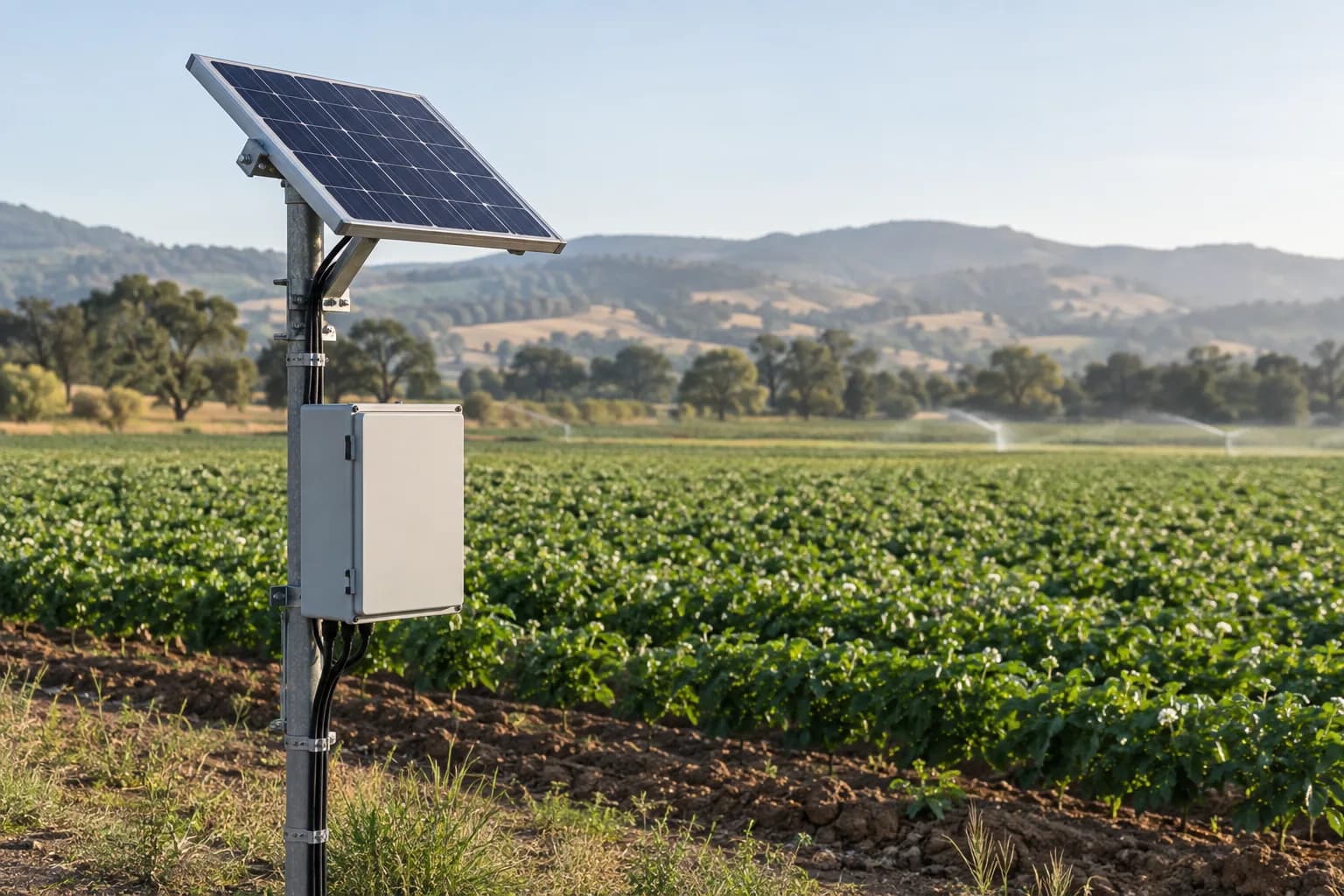
Size field power around the final equipment load, seasonal sunlight and visit interval.
Explore this requirement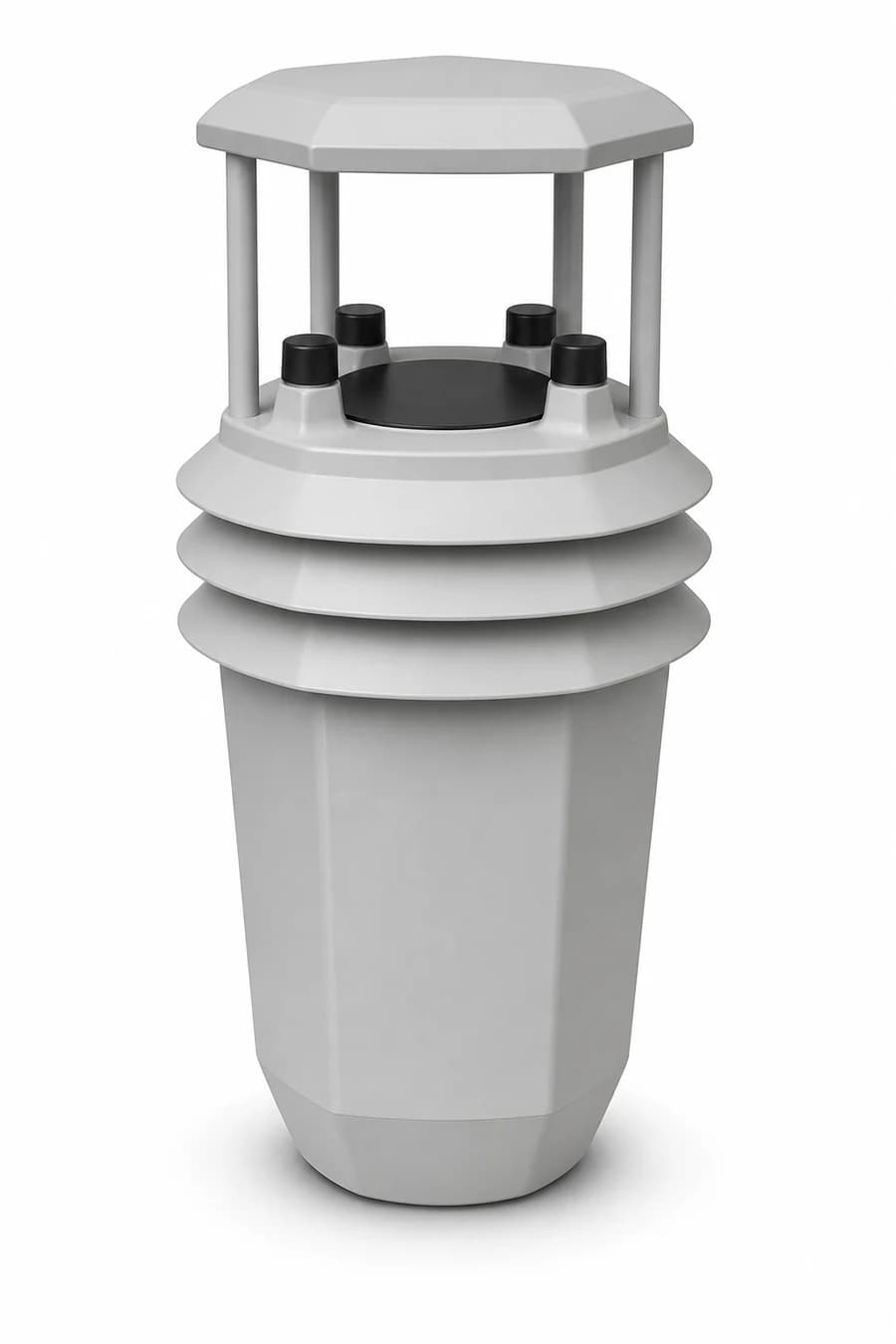
Off-grid automatic weather station kit with six-parameter sensing, RS485 Modbus, site-sized solar power and a project-selected LoRaWAN or 4G backhaul.
Appearance, connectors and included accessories follow the configuration confirmed in your quotation.
Related application hardware: Environmental Monitoring
Share your current model, a photo or the connection you need. We help assess interfaces, power and the required configuration.
Get selection & integration helpPublic documents describe this product family and selection options. Wiring, register maps and compliance documents must match the model and version selected for your order.
English · Web page · printable
Current online selection reference
Agriculture & Weather Hardware Catalog
PDF · English · 447 KiB
File revision: 2026-07-22 · afc637605e57
Choose what you need. We first identify the model and revision, then confirm which documents can be supplied. The request does not imply that every document is available.
Compare uses, interfaces and configuration options. These are selection references.
An SG code helps identify a sourcing option; it is not a substitute for the manufacturer model or its certificate.
Confirm the exact model, configuration, photograph, document revisions, accessories, price, delivery and warranty.
Start with a short description. A complete equipment list is not required.
Size field power around the final equipment load, seasonal sunlight and visit interval.
Explore this requirement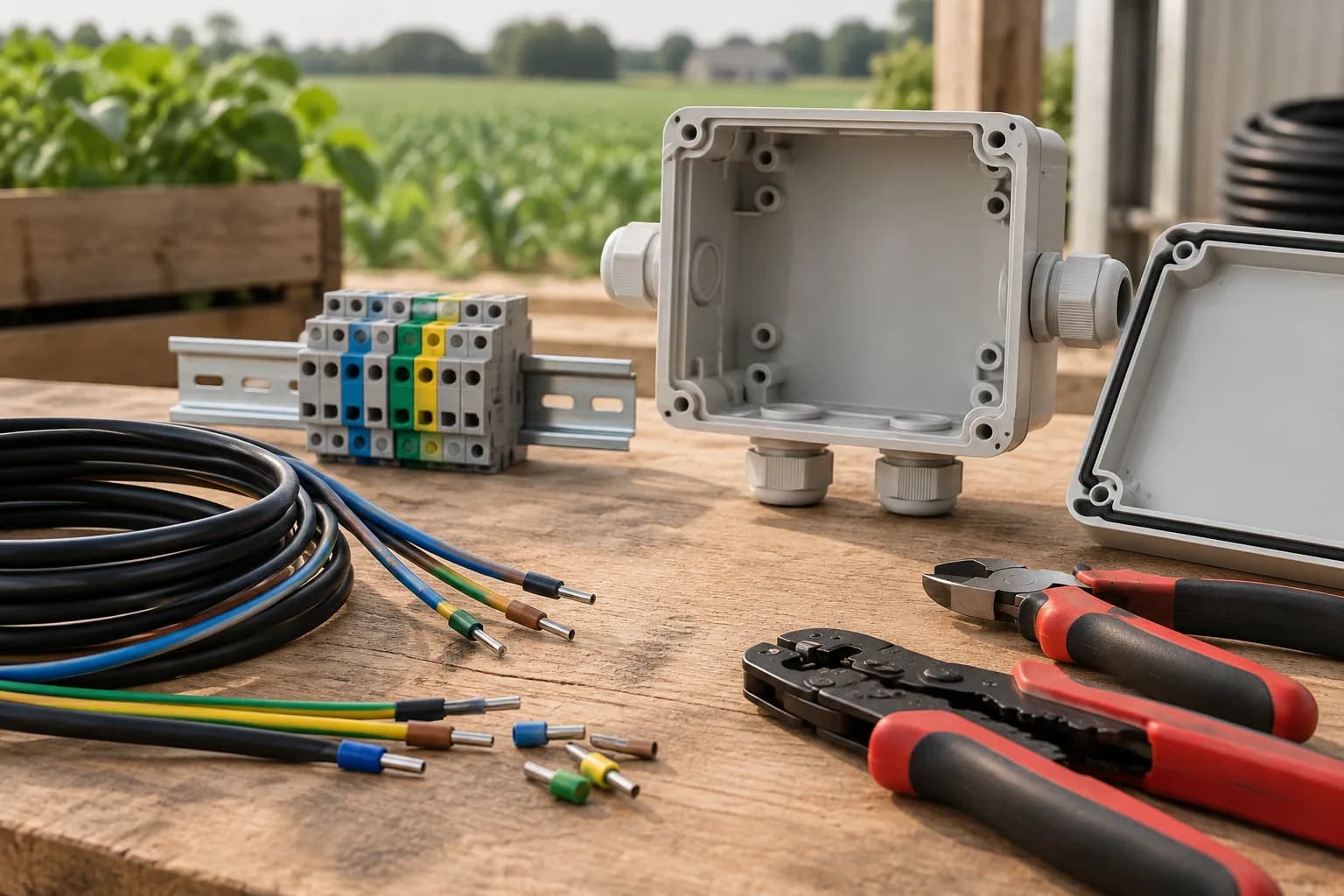
Check power, terminals, interfaces and data interpretation when readings are missing.
Explore this requirementSystem design, software integration, PLC/SCADA programming and site installation responsibilities are agreed in the written project scope.
Data destination
Customer platform or an agreed third-party service
The written quotation ties the site requirement to one reviewed hardware configuration.
Site requirement
Application, medium, mounting and environment
Hardware configuration
Signal, protocol, power and enclosure
Quote confirmation
Model, quantity, certificates and delivery
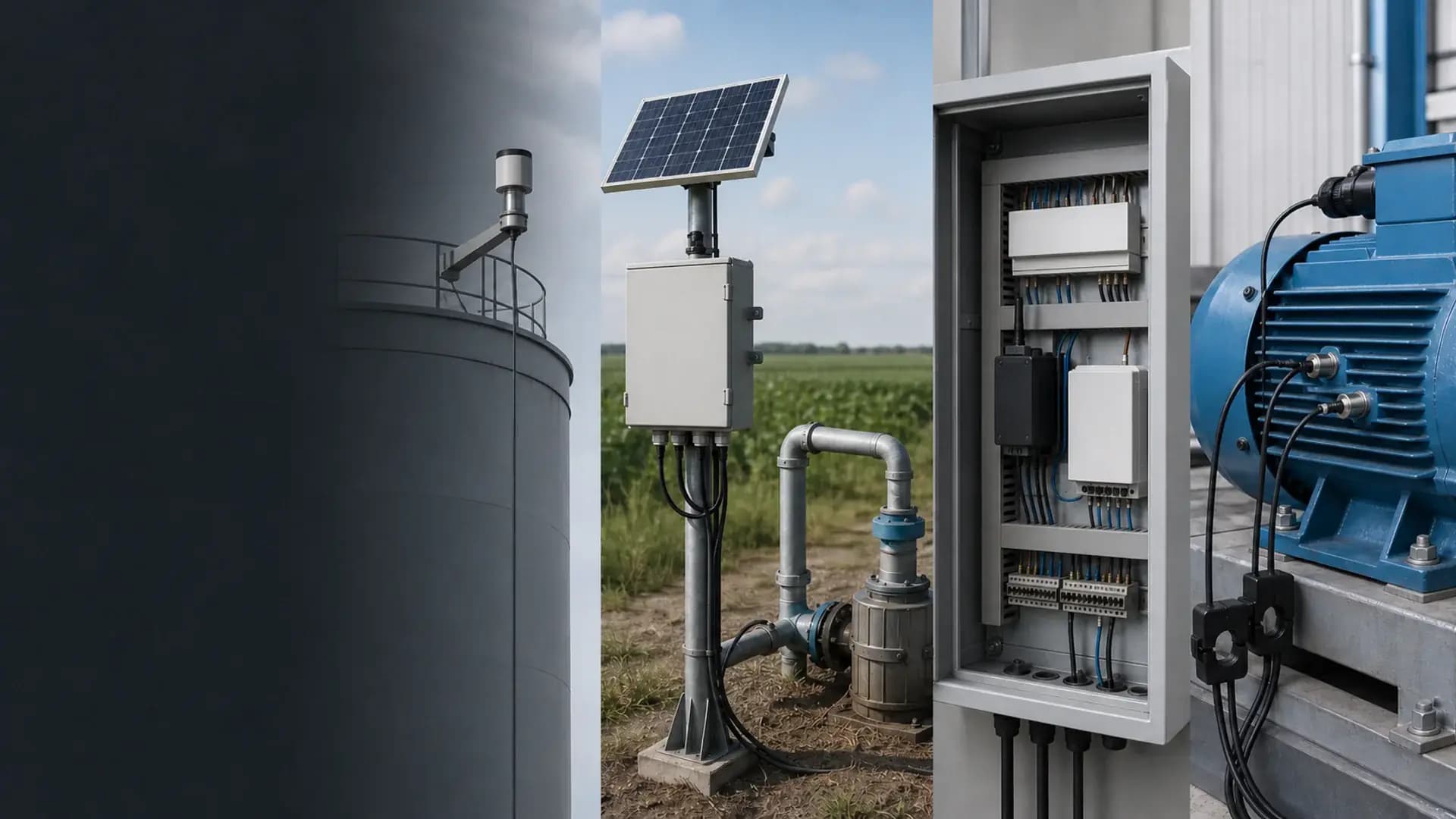
Remote integration context
Sensors, interfaces, enclosure, power and mounting are confirmed against the actual project before quotation.
Source documents define the instrument, solar-controller and LoRaWAN-node boundaries below. They do not turn every option into one fixed kit.
Model-selection reference
Compare equipment options in this catalog section.
18 sourcing references from “All-in-one weather stations”. Put an SG code in the RFQ so we can match the same catalog row.
SG-WS-110SG-WS-162SG-WS-163SG-WS-164SG-WS-161SG-WS-166SG-WS-120SG-WS-167SG-WS-111SG-WS-123SG-WS-122SG-WS-121SG-WS-118SG-WS-116SG-WS-117SG-WS-108SG-WS-109SG-WS-165Compare adjacent hardware families for the same monitoring path.
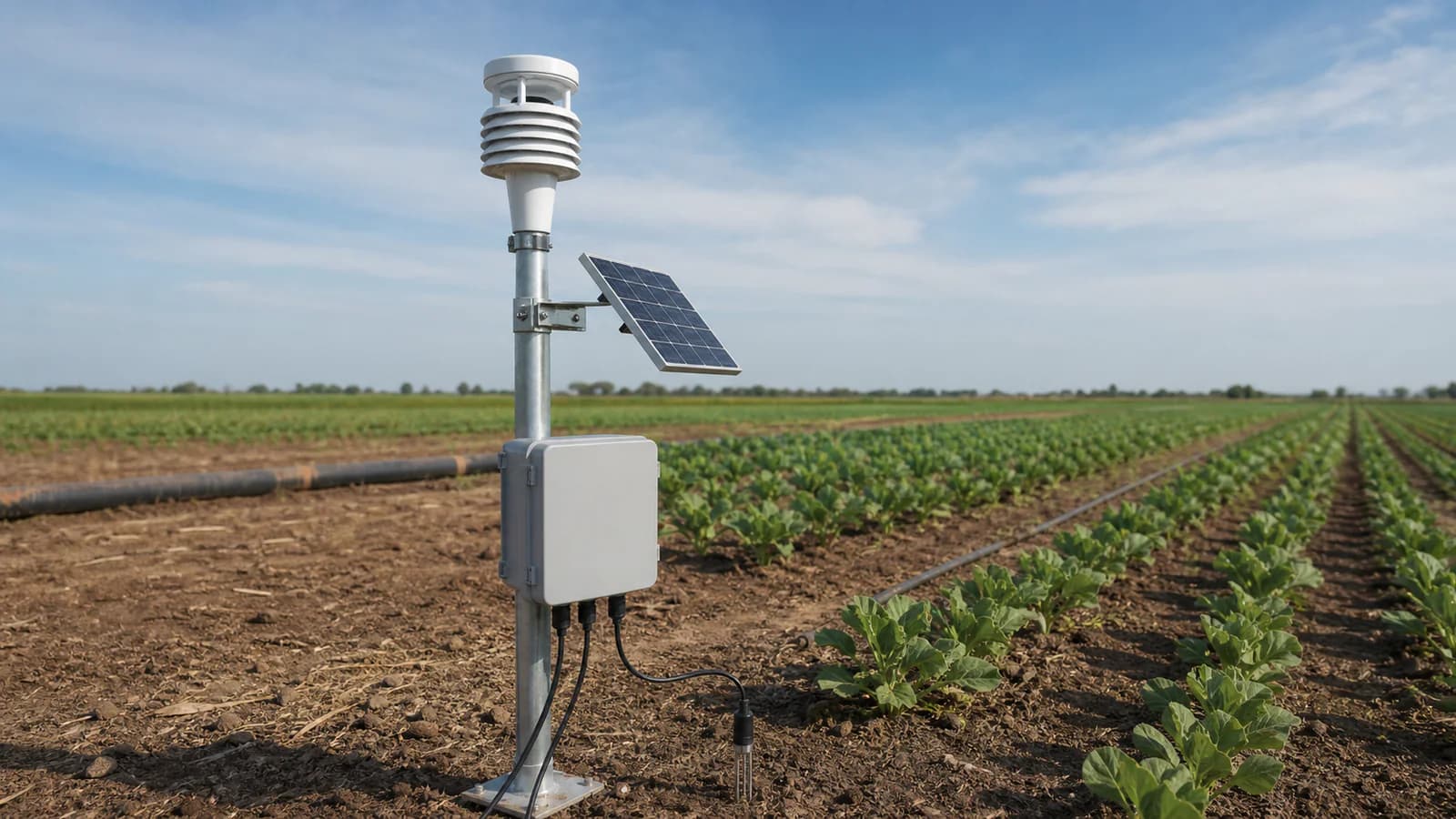
Use this kit for an off-grid site that needs one coordinated weather instrument, solar power path, telemetry path and mounting package. The core instrument measures six weather variables; solar sizing, battery, radio, enclosure and mast hardware remain site-specific. It is a configured hardware package, not one universal stock SKU.
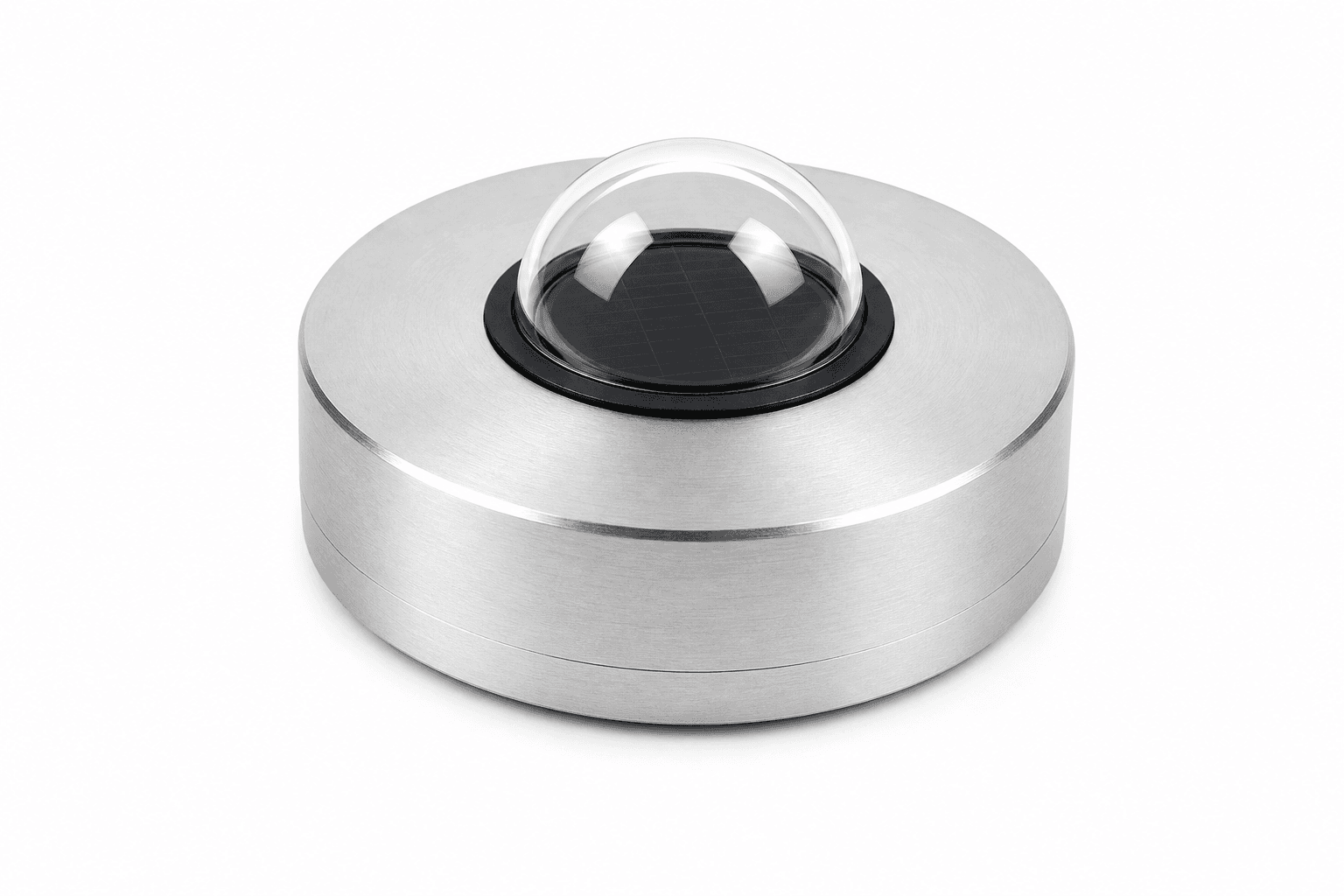
The six-parameter configuration measures wind speed, wind direction, air temperature, relative humidity, atmospheric pressure and rainfall. Solar radiation, illumination, particulate matter, visibility and noise are separate ordered channels and are not implied by the base kit.
Not by default. The battery is normally sourced locally and sized from the complete station load, reporting interval, radio duty cycle, site sun hours and required low-sun autonomy. The quotation states the required voltage, chemistry boundary and target capacity.
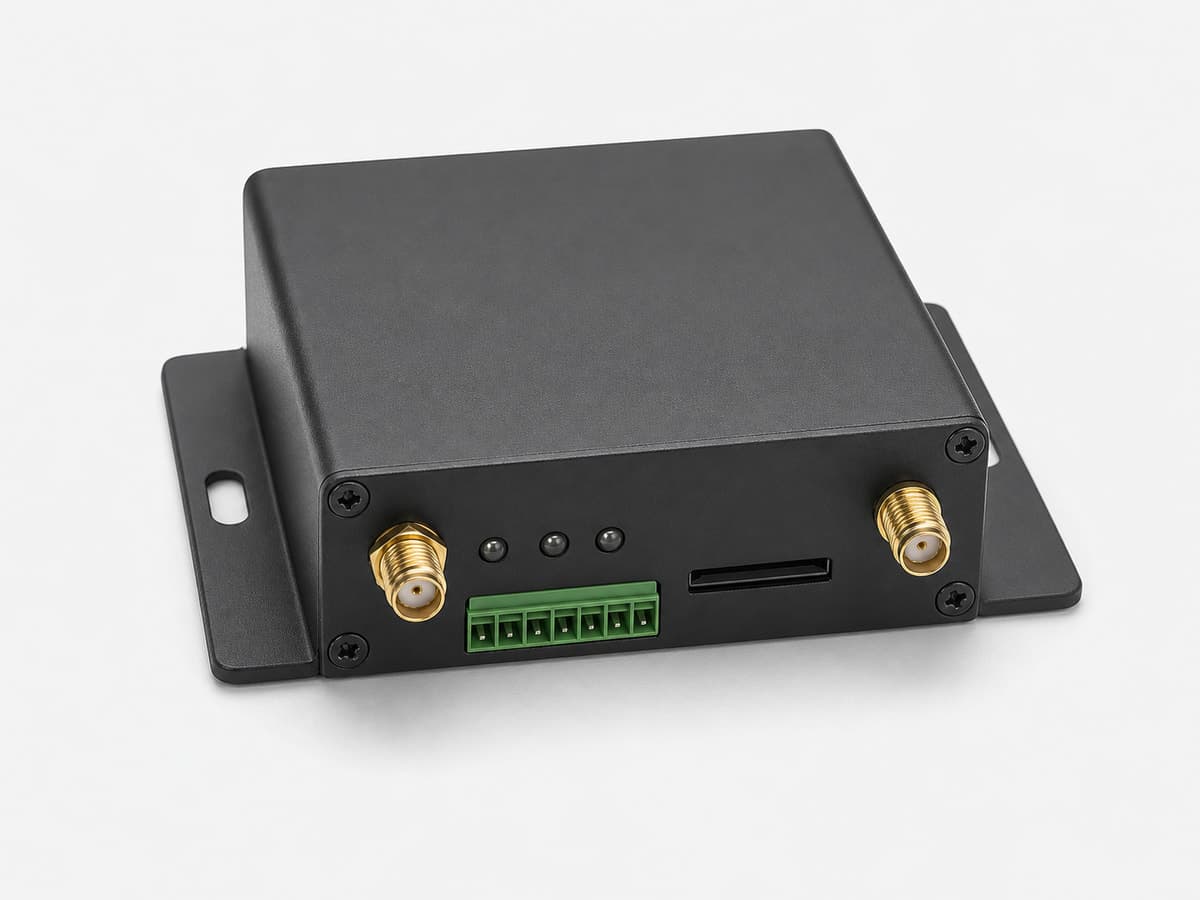
Yes, but one backhaul path is selected for the project. The reviewed LoRaWAN node accepts RS485 Modbus RTU and must be configured for the target regional plan and installed in a suitable enclosure. A 4G RTU is selected separately against local bands, SIM/APN and destination protocol.
No. The reviewed <1.7 W value is for the six-element weather instrument only. Solar and battery sizing also includes the logger or RTU, radio transmissions, optional heaters and any enclosure accessories.
The telemetry kit is released with the selected RS485 Modbus RTU output. The underlying instrument record also documents separately ordered RS232 and SDI-12 outputs. The order must specify one output and the receiving device.
Required weather parameters and accuracy; Site coordinates, terrain, mast height and obstructions; Reporting interval and destination platform; Backhaul method and network coverage
Open the Agriculture & Weather Hardware Catalog linked on this page. Use it to compare equipment options before requesting a configuration.
Compatibility is reviewed against your field signals, protocols and upstream platform. Typical pairings include RS485 Modbus RTU logger, PLC or RTU matched to the selected weather-instrument output, LoRaWAN RS485 node installed in a site-rated enclosure and configured for the destination regional plan, Separately selected 4G RTU when cellular backhaul is required instead of LoRaWAN.
Product-family reference. Final ordered model and specifications are confirmed in the written quotation.