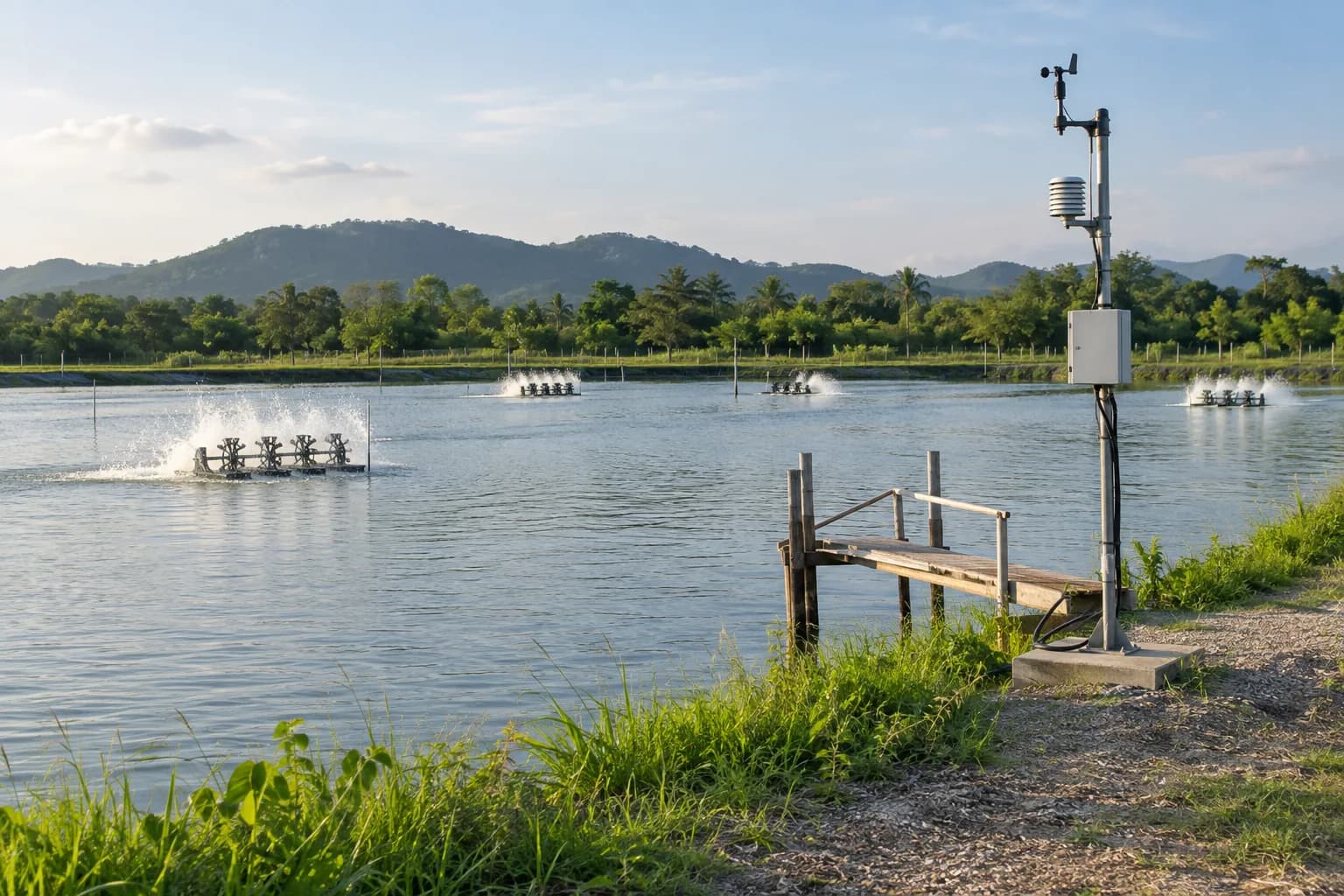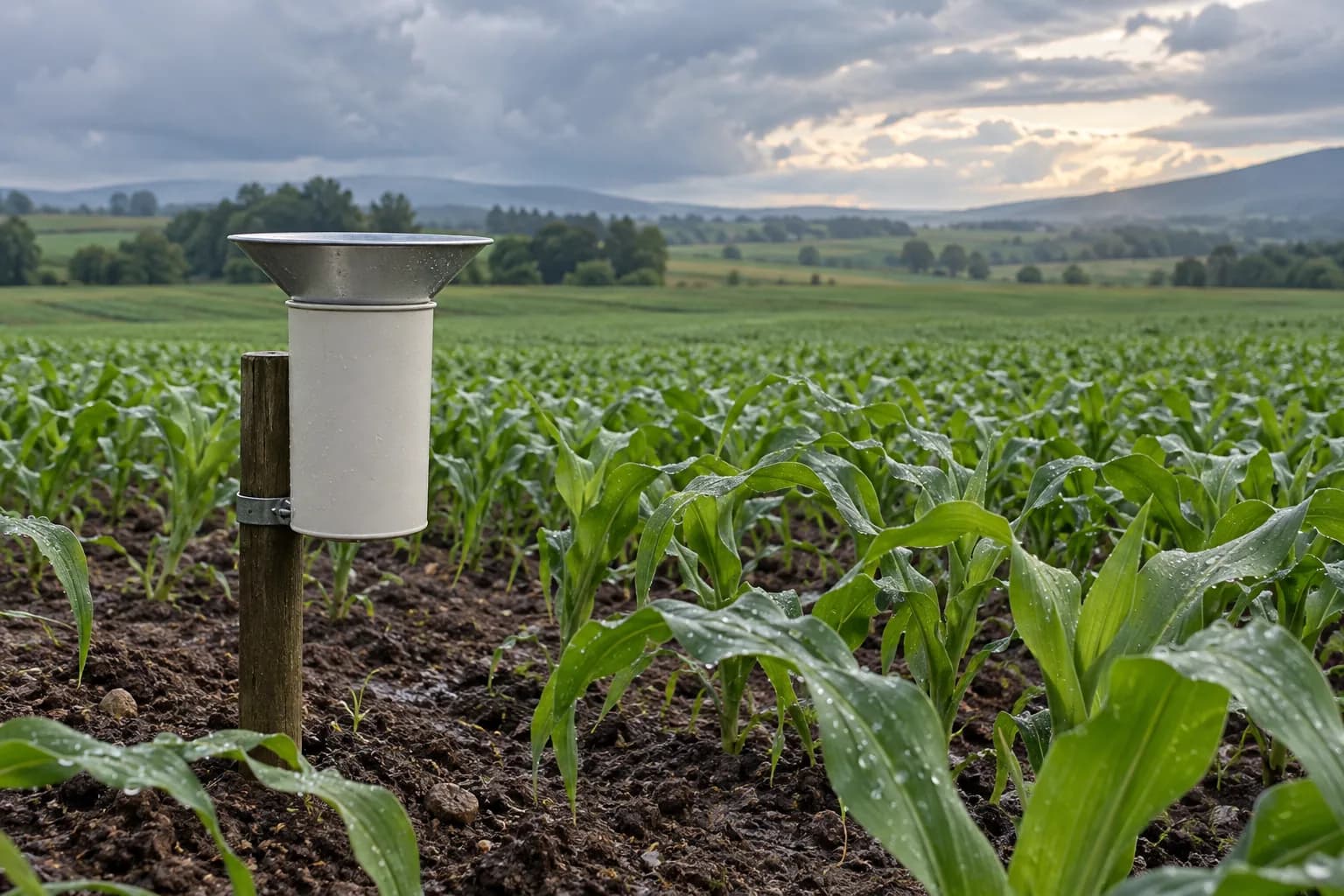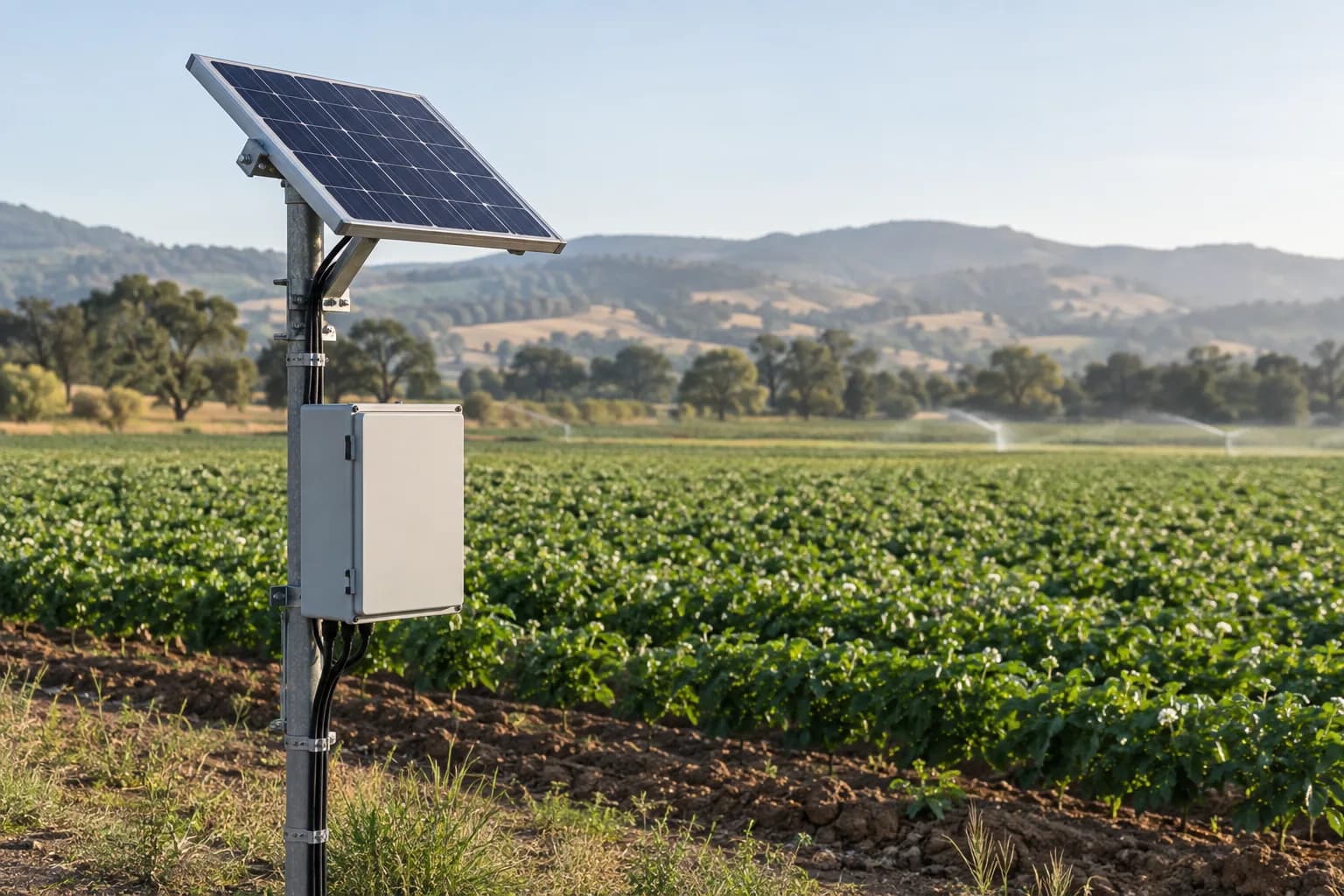
How do you start sizing solar power for a remote monitoring station?
Measure the average and peak consumption of the final probe, logger and modem configuration at the planned duty cycle. Use daily energy, local seasonal sunlight, conversion losses and required no-sun duration to size the battery and charging system.
Freeze the equipment before sizing the power supply
In the source review, an earlier power estimate included a display logger that was absent from a later equipment list. The team requested a calculation for the actual probe and cellular unit. Sensor cleaning, modem transmission and startup loads also needed to be distinguished from average consumption.
A transparent starting calculation
Daily load energy in Wh equals average watts multiplied by 24 hours. For an illustrative 5 W average load, that is 120 Wh per day. Three days requires 360 Wh of usable battery energy before additional design margins. Nameplate battery capacity must be higher when discharge limits, temperature, ageing and conversion losses are included. These values illustrate the method; they are not a SunGene kit specification.
Design for the site and service plan
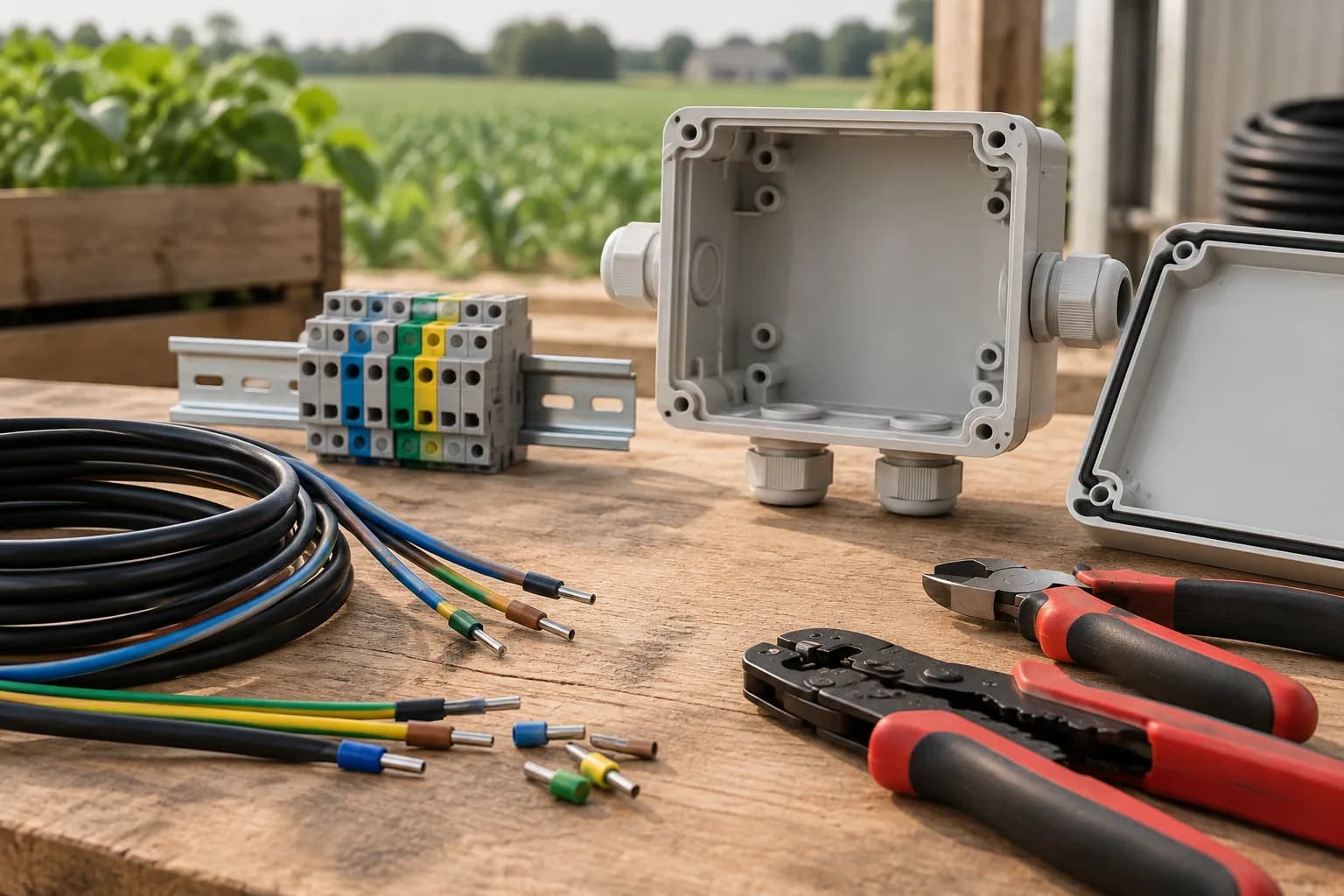
Local seasonal solar resource, shading, installation conditions and maintenance affect the result. Confirm charging compatibility and peak current separately from daily energy. If a battery is sourced locally, specify voltage, chemistry, usable capacity and charger compatibility instead of supplying an unverified part number.
- Measure normal, transmit, startup and cleaning loads.
- State the required no-sun period and recovery after it.
- Verify low-voltage behaviour and restart without losing configuration.
- Record who supplies the battery, mounting and electrical protection.
Evidence & context
Derived from anonymized distributed water-quality equipment correspondence and delivery-planning records, July–August 2026. Calculations below are illustrative; no site autonomy or delivered-system performance is claimed.
The basis above distinguishes editorial guidance from anonymized project records. Final equipment capabilities and delivery commitments require configuration-specific confirmation.
Common questions
Can the same solar kit be used at every site?
Only after checking equipment load, sunlight, shading, temperature and autonomy requirements at each site.
Can we buy the battery locally?
Yes, this can be part of the agreed supply arrangement. We can review minimum specifications and interfaces; the actual locally supplied component still needs verification.