Skip to content
SunGeneAgricultural IoT
← All applications

Smart Agriculture Sensors & Irrigation Monitoring

Choose soil, weather, crop-light and irrigation monitoring equipment for farms, greenhouses and orchards.

Choose the farm measurement you need first

Start with the reading that helps your team run the site: moisture in the crop zone, water available for irrigation, or light at crop height. Each path connects the measurement to suitable collection equipment.

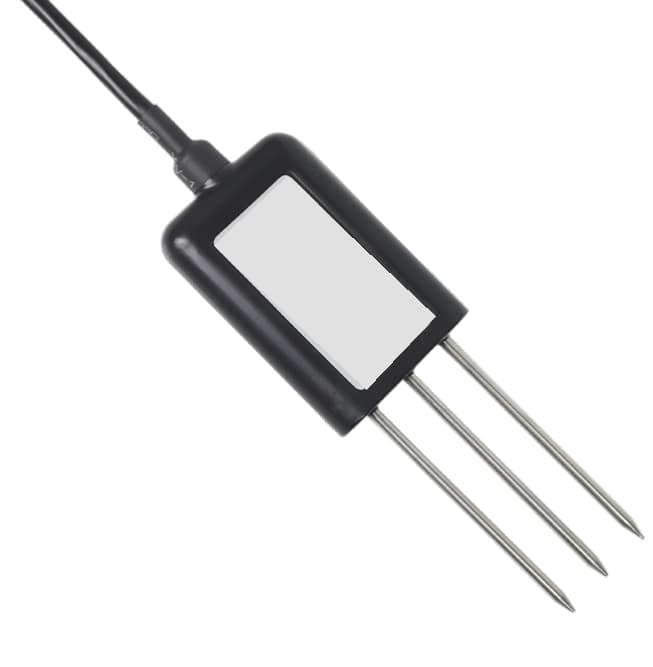
SG-SOIL-121: Soil Moisture, Temperature and EC Sensor
Pictured: SG-SOIL-121 — Soil Moisture, Temperature and EC Sensor.

Follow moisture in the root zone

Compare soil conditions before and after irrigation in a field, orchard or growing bed.

Equipment to select

Soil moisture, temperature and EC probes at representative depths, connected to a logger with the selected probe input.

Select the sensing points by soil type, crop zone and depth. One probe measures its own installation point.
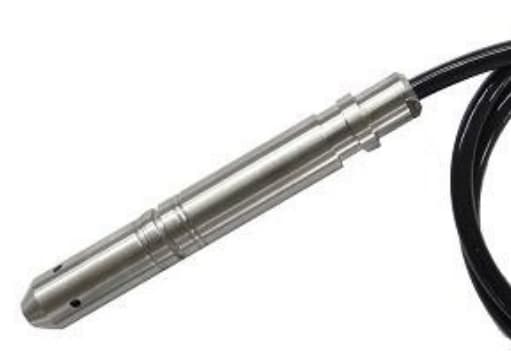
SG-SLT-117: Submersible Liquid Level Transmitter
Pictured: SG-SLT-117 — Submersible Liquid Level Transmitter.

Check irrigation water and delivery

See the level in a tank or well and the operating state of the irrigation pump.

Equipment to select

Level transmitter and compatible logger or RTU, with separate pump-status, flow or pressure inputs where needed.

Provide the tank dimensions or well depth and the available panel signals. Local pump protection remains with the control system.

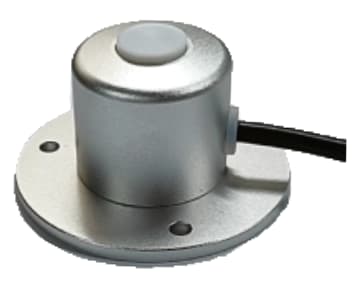
SG-SRD-113: PAR (Photosynthetically Active Radiation) Quantum Sensor
Pictured: SG-SRD-113 — PAR (Photosynthetically Active Radiation) Quantum Sensor.

Measure light where crops grow

Compare light at crop height in a greenhouse, nursery or shaded growing area.

Equipment to select

PAR quantum sensor, mounting and a logger with the selected sensor input.

PAR measures photon flux for plant-light monitoring. A lux sensor or solar-energy measurement answers a different question.

Tell us the crop area and the reading you need

  • Country, crop or facility type and approximate number of measurement points
  • The readings you need and any existing sensors or controllers
  • Available power, network coverage and a site photo or layout

SunGene supplies sensing and data-connection equipment. Crop targets and irrigation schedules are set by the grower or agronomy team.

Equipment selection, or help with the whole farm?

Send your country and a description of the equipment or problem. We can recommend a device, prepare a kit or plan the farm equipment and integration. Add technical details when available.

Compare ways to work with SunGene →

Choose equipment for your farm

Buy an individual instrument or prepare an equipment list for the monitoring points. Open the specifications to compare interfaces, mounting and measurement options.

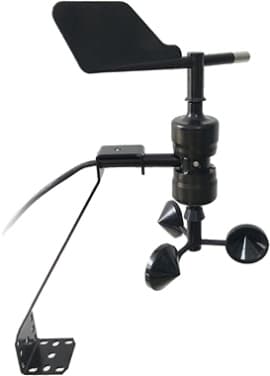
Equipment photographs: SG-WS-163, SG-WND-110, SG-RG-102, SG-SOIL-121, SG-AQM-104, SG-THS-154, SG-SRD-113, SG-RG-105, SG-SLT-117. Equipment and connection diagrams. See the product specifications for the selected model and configuration.

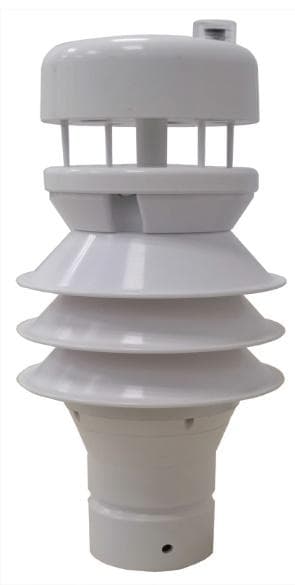
SG-WS-163: Ultrasonic Automatic Weather Station

Ultrasonic Weather Station

Measure wind and selected air conditions beside fields, orchards or greenhouses.

Specification details

Configurable 5-, 6- or 9-channel weather instrument with mandatory ultrasonic wind measurement and a selected RS485 Modbus RTU, RS232 NMEA-0183 or SDI-12 interface.

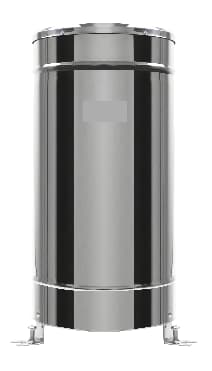
SG-RG-102: Tipping Bucket Rain Gauge, 0.2 mm Resolution

Tipping-Bucket Rain Gauge

Record rainfall at the crop area through a compatible pulse input.

Specification details

Tipping-bucket rain gauge with a 200 mm collector, pulse or RS485 output variants and a removable debris filter for weather, hydrology and irrigation monitoring.

More farm measurements and field connections
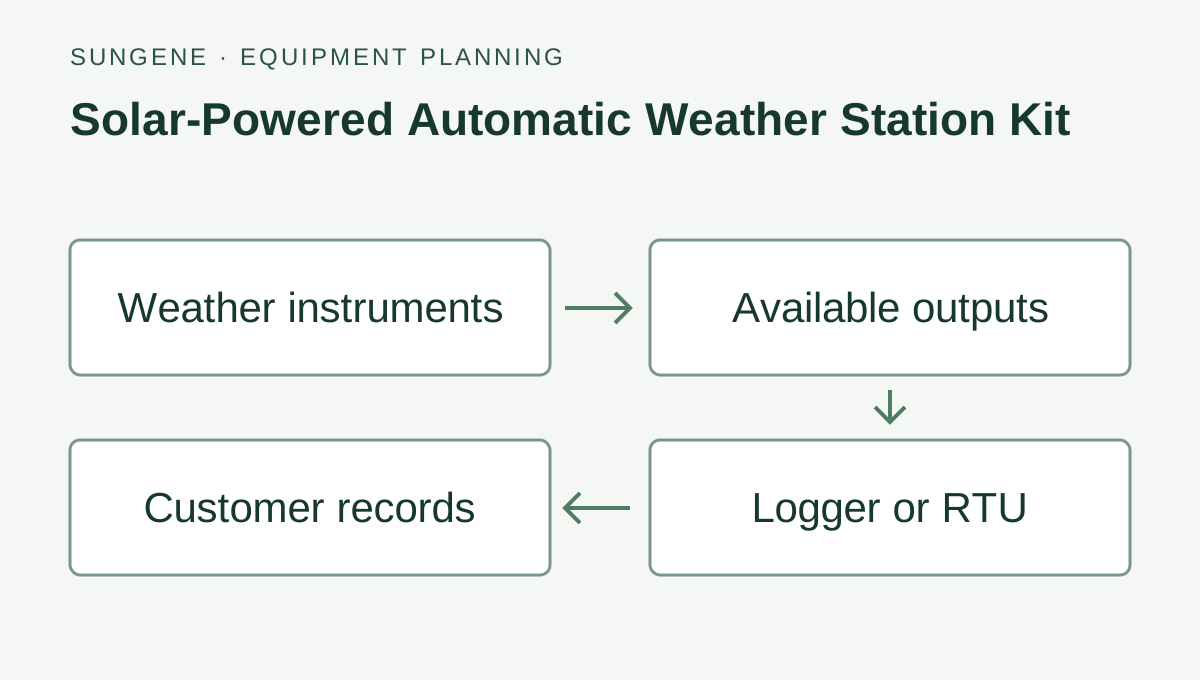
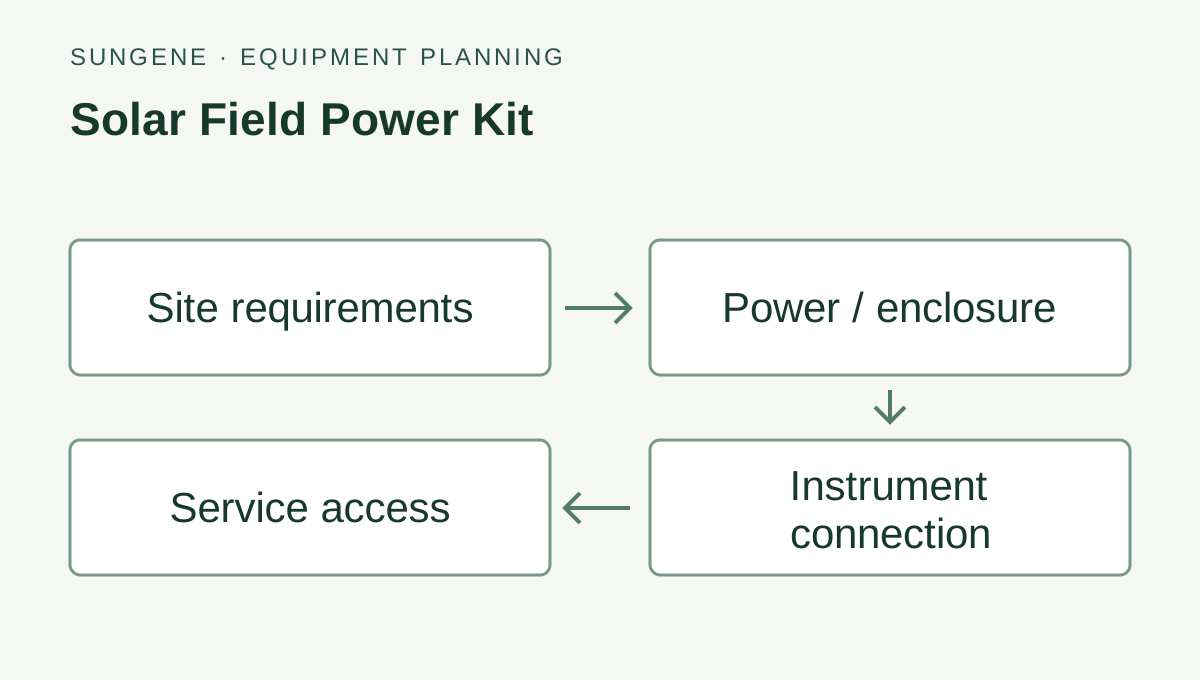
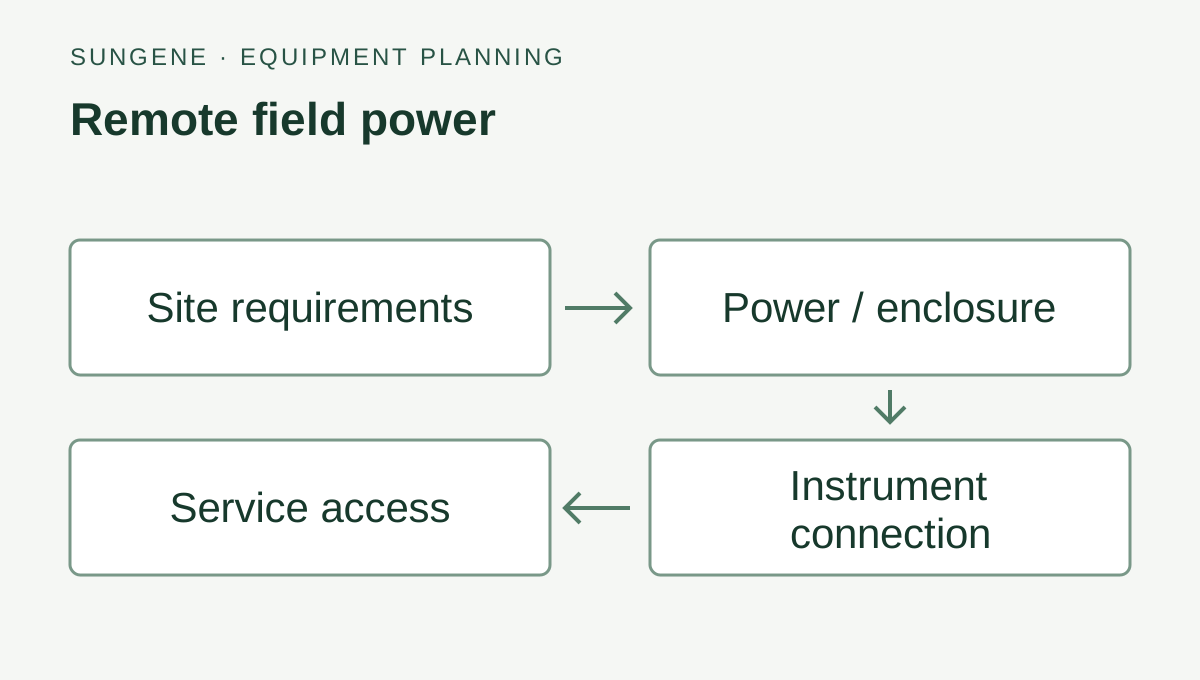
Solar Field Power Kit: Site requirements → Power / enclosure → Instrument connection → Service access.

Solar Field Power Kit

Supply a remote measurement point with a power system sized for its complete equipment load.

Specification details

Field power package with a 60 W solar panel and IP67 12/24 V, 10 A controller for remote monitoring nodes; battery is selected and purchased locally.

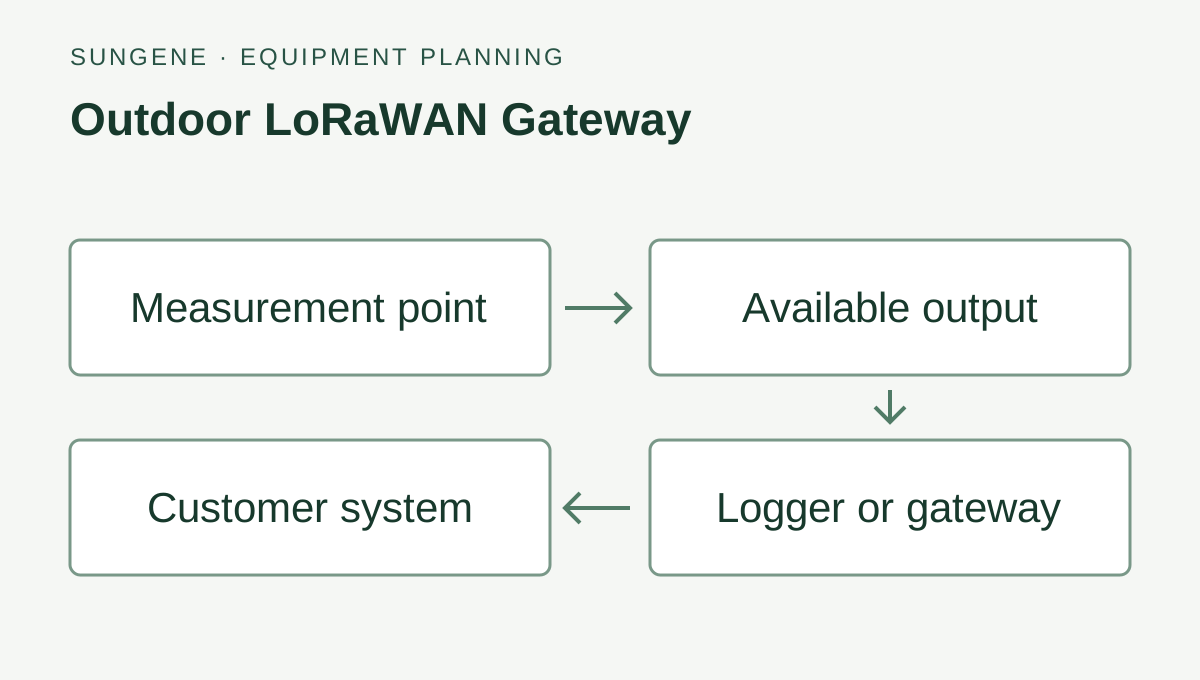
Outdoor LoRaWAN Gateway: Measurement point → Available output → Logger or gateway → Customer system.

Outdoor LoRaWAN Gateway

Connect compatible farm sensor nodes through a LoRaWAN gateway and network server.

Specification details

IP65 outdoor multi-channel LoRaWAN gateway with Ethernet / Wi-Fi, 802.3af PoE, secure MQTT and optional cellular backhaul for distributed sensor networks.

Equipment specifications for the configurations above

Need the equipment list for a complete monitoring point?

Send the country, measurements and number of points. Add the available power, network and existing equipment when you have them.

Request an equipment plan

Why this application needs hardware

Compare soil moisture, irrigation flow and local weather across representative crop zones. Define sensor placement and the irrigation decisions those readings support with the grower or agronomy team.

Hardware for this application

  1. 1Soil moisture / temperature / EC sensors and a weather station capture field conditions.
  2. 2SunGene supplies soil sensors, flow meters, pressure sensors, RTUs, data loggers, gateways, weather sensors and solar power commonly used in irrigation monitoring.
  3. 3Hardware interfaces and protocols can be selected to match the customer existing SCADA, PLC or cloud architecture.

Is this the right page?

Choose sensing and data-collection equipment for soil, irrigation water and crop-light measurements. Compare the product families, measurement points and connections used at farms, greenhouses and orchards.

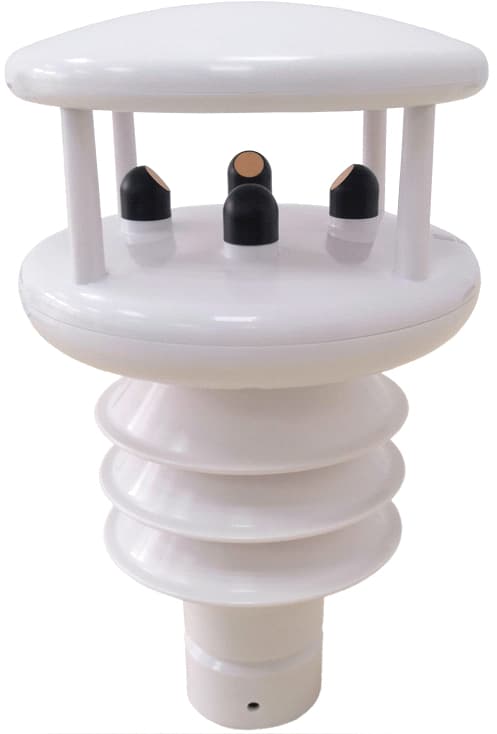
SG-WS-162: Ultrasonic All-in-One Automatic Weather Station

Product photograph

Pictured: SG-WS-162 — Ultrasonic All-in-One Automatic Weather Station.

See where the system fits

What buyers usually need to monitor

Soil

Moisture, temperature and EC at representative depths and zones.

Water assets

Tank or well level, irrigation flow, pressure and pump state.

Microclimate

Temperature, humidity, rainfall, wind or leaf wetness where they support a decision.

Station health

Battery, solar charging, radio quality and last report time.

Equipment in the system

Example equipment arrangement. Check compatibility and agree who handles software, PLC/SCADA programming and site installation.

Typical hardware paths

Path 1

LoRaWAN field network

Best for: Many low-power points within a gateway service area.

  1. 1Field sensors
  2. 2LoRaWAN nodes
  3. 3Farm gateway
  4. 4Customer application

Path 2

Remote cellular station

Best for: An isolated well, tank or pump site.

  1. 1Water and pump inputs
  2. 2Low-power RTU
  3. 3Cellular backhaul
  4. 4Remote records and alarms

Confirm before selection

  • Choose sensor locations from field zones, not convenience.
  • Define soil depth and number of representative points.
  • Confirm pump monitoring is separate from control.
  • Calculate battery life from reporting and alarm frequency.
  • Check radio coverage and gateway mounting.

Send this for a useful quote

  • Field map and zones
  • Soil and weather parameters
  • Water and pump details
  • Power and autonomy
  • Network and country
  • Pilot point count

Application limits

  • The hardware supplies measurements; crop recommendations, irrigation design and yield claims remain with the buyer or agronomist.
  • Field installation and remote-control safety must be owned by qualified local parties.

Official references

Common questions

Which smart agriculture equipment should I start with?

Start with the measurement used in a daily task: root-zone moisture for irrigation review, tank or well level for water availability, or PAR at crop height for light comparisons. Select the sensors, logger inputs, power and connection for those points.

Can existing farm sensors and controllers stay in service?

Existing equipment can be connected through documented signals and interfaces. Send the device models, available outputs and receiving-system details so the logger or gateway can be selected.

Can one station measure soil, weather and water?

A station can collect several types of reading when it has the matching inputs, protocols and supply. Soil probes, weather instruments and water sensors keep their own measurement points, units and installation requirements.

Typical hardware

  • Soil Moisture / Temperature / EC Sensor
  • Ultrasonic Weather Station
  • Wireless Gateway

Common interfaces

  • LoRaWAN
  • NB-IoT
  • RS485
  • 4G LTE

Related application hardware

Soil & weather monitoring

Get selection help

Tell us what you want to measure and where. Send a model number or site photo if you have one.

Text stays in this tab for up to 30 minutes while you browse. Saving across reloads is optional below.

A personal email is welcome.

A country and general site description are enough. If the location is undecided, say so.

Photos, model information or BOM (optional)

Up to 5 files, 10 MB each. PDF, JPG, PNG, WebP, CSV, TXT, DOCX or XLSX.

By submitting this form, you acknowledge the privacy notice.