
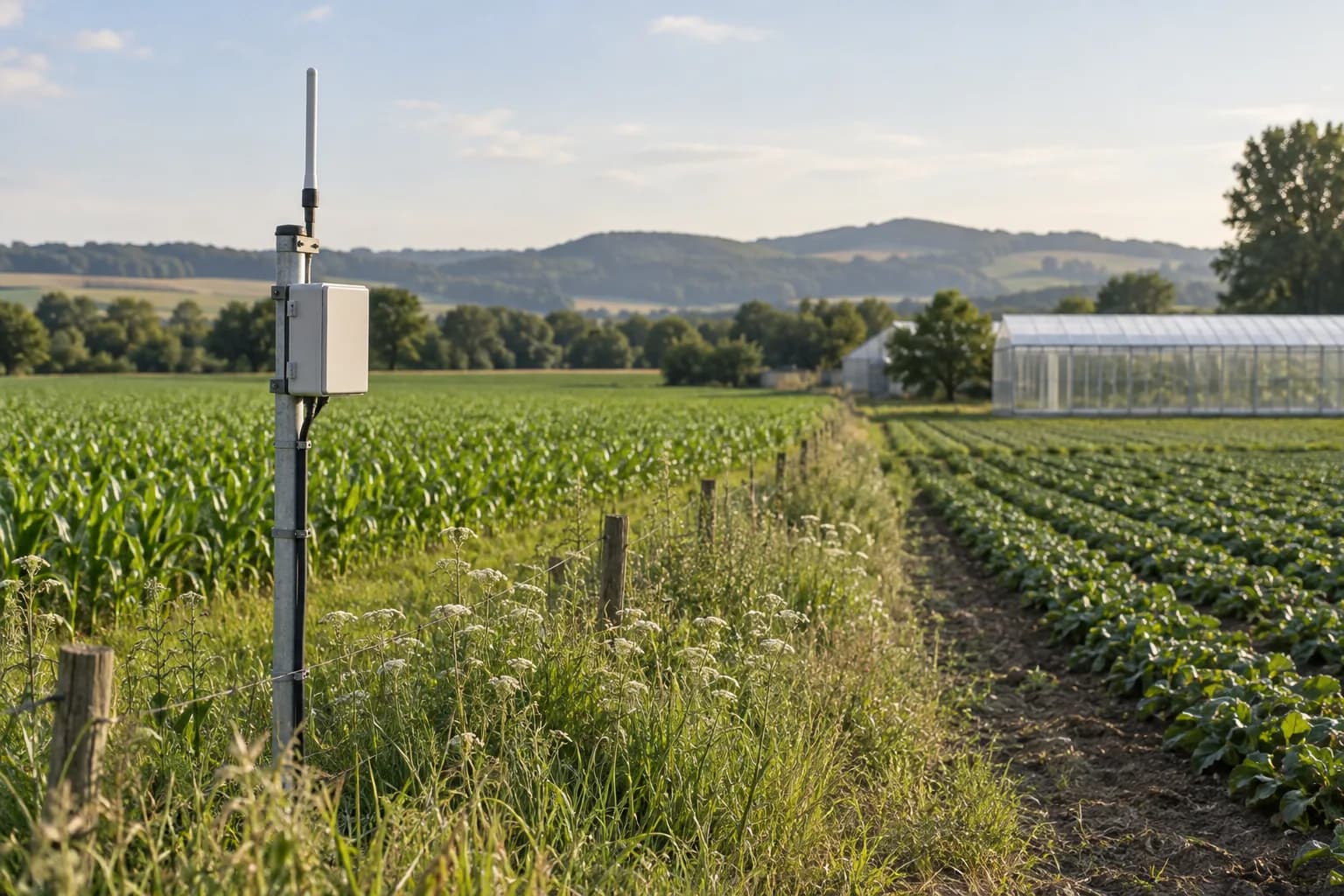
Connect separate fields and facilities
Review coverage, equipment identity and the path into your chosen platform.
Explore this requirementIrrigation tanks, pumps and field conditions monitored remotely over LoRa and 4G.
The exact model, interfaces and enclosure are confirmed in the written quotation.
Equipment selection, or help with the whole farm?
Start with a country and a short description. We can help select one device, configure a kit, or plan the farm equipment list and agreed integration. Technical details can follow.
Compare ways to work with SunGene →Models and quotation stay on sungeneiot.com. Use the matching field condition first.
agri.sungeneindustrial.com
Review water delivery, pump state and greenhouse signals from existing farm facilities.
agri.sungenegroup.com
Plan field and orchard measurements around available power, coverage and maintenance visits.
Is this the right page?
Use this page for irrigation, farm, greenhouse or orchard projects where water assets, pump status, soil and local weather need to be monitored across sites with limited power or connectivity.
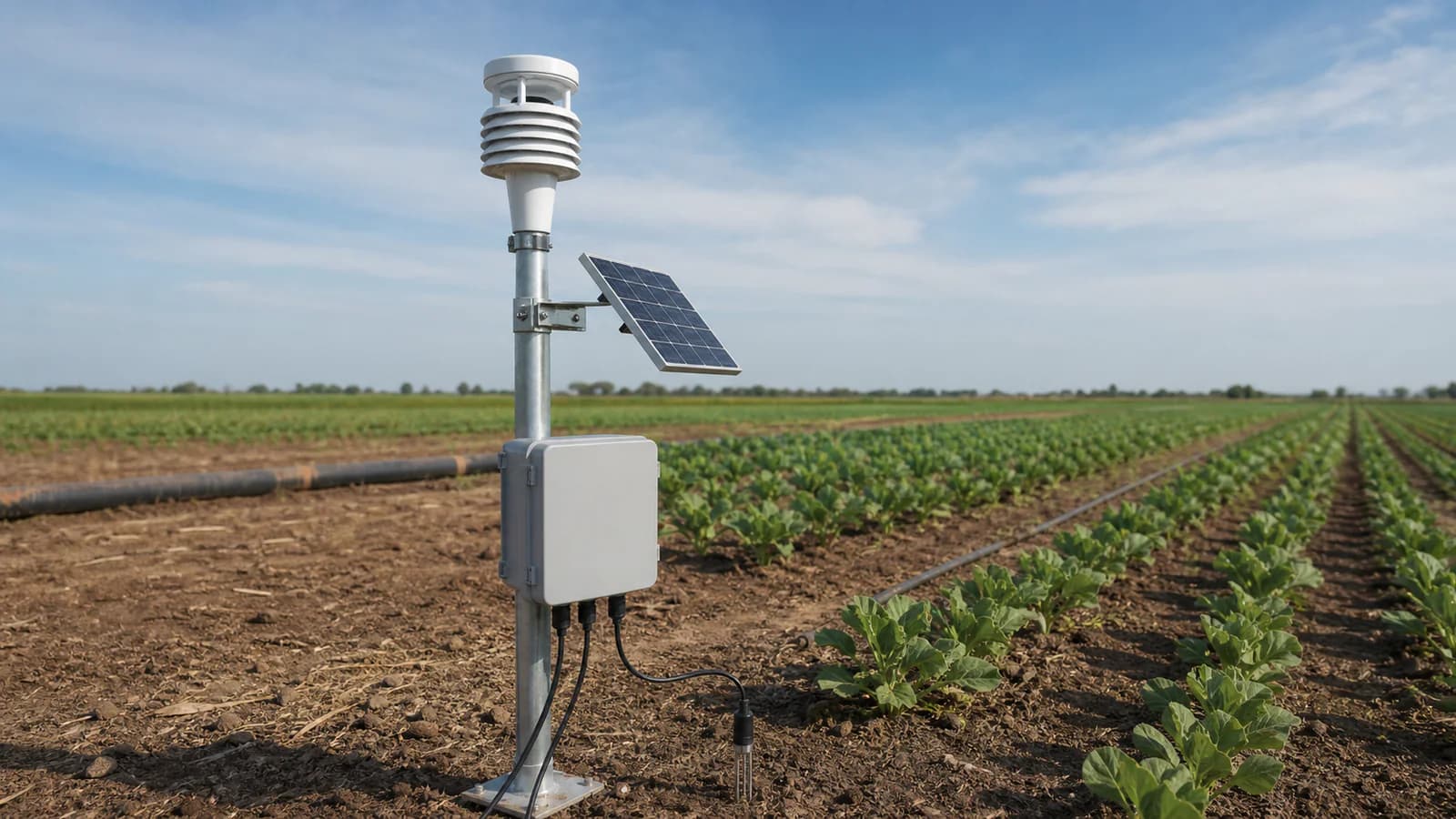
Outdoor field-monitoring context
Sensors, interfaces, enclosure, power and mounting are confirmed against the actual project before quotation.
Review coverage, equipment identity and the path into your chosen platform.
Explore this requirement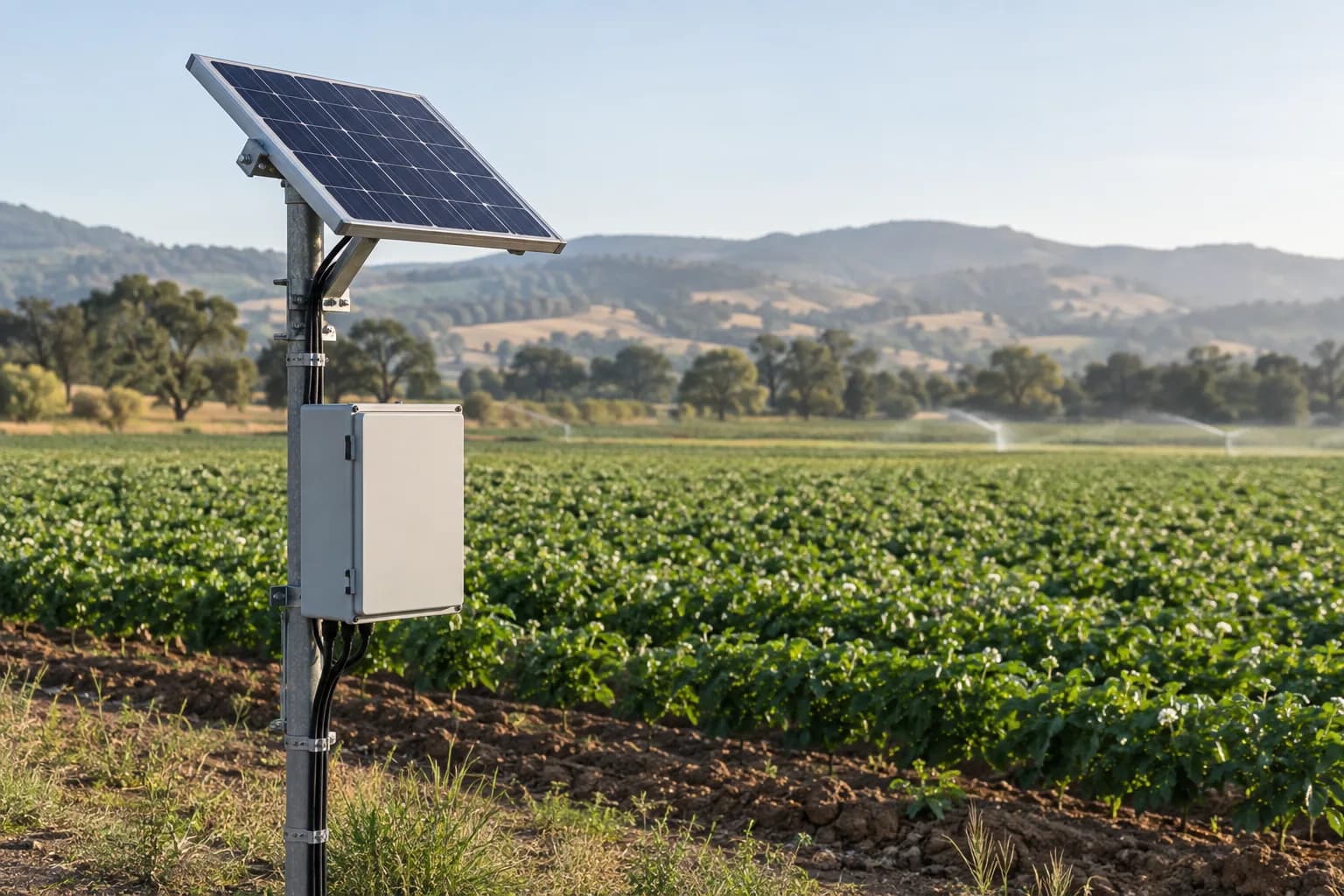
Size field power around the final equipment load, seasonal sunlight and visit interval.
Explore this requirementTank, well, reservoir or canal level together with selected flow and pressure points.
Run, fault, current and controller status used to spot stopped or abnormal operation.
Moisture, temperature and EC at depths and locations chosen for the crop and irrigation zone.
Rainfall, wind, temperature, humidity and radiation where they support an operating decision.
System design, software integration, PLC/SCADA programming and site installation responsibilities are agreed in the written project scope.
Data destination
Customer platform or an agreed third-party service
Path 1
Best for: One remote well, tank or pump station outside local network coverage.
Path 2
Best for: Many low-data sensor points within a farm or estate.
Related hardware
The exact model, interface, enclosure and certificates are confirmed against the project before quotation.
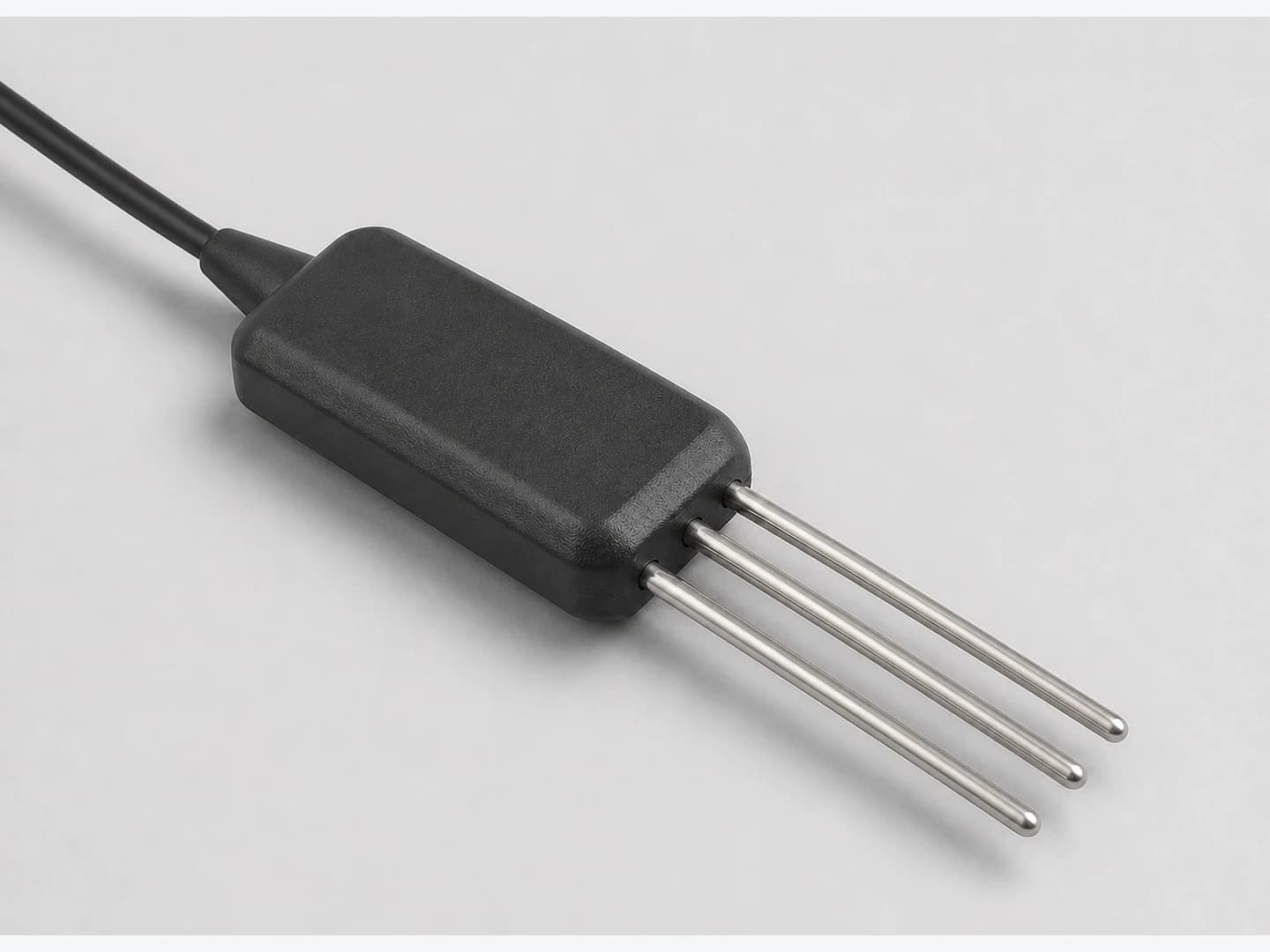
Three-parameter soil probe for moisture, -30 to +70 °C temperature and selectable EC ranges, with 0-2 V, RS485 Modbus RTU or SDI-12 output.
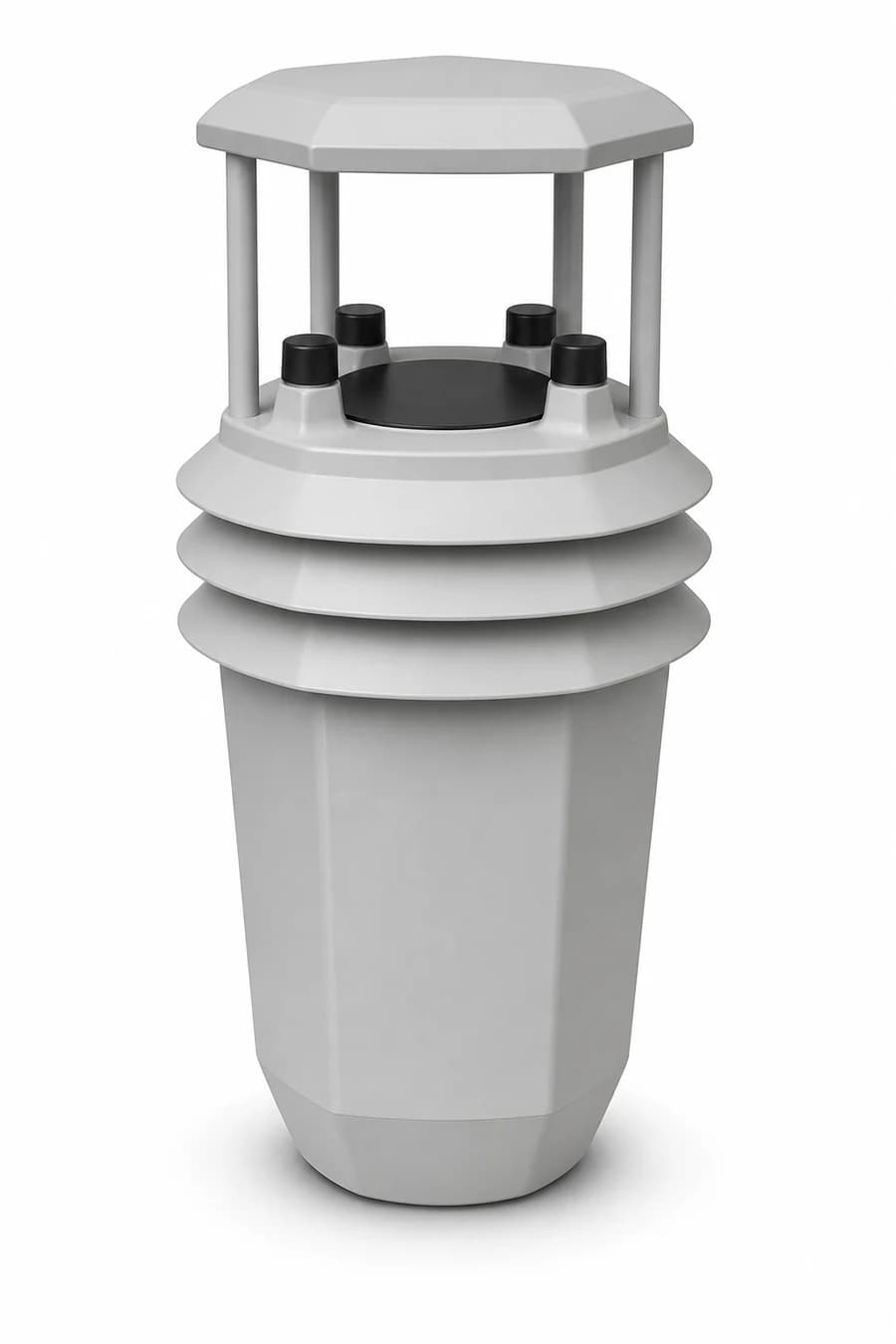
Off-grid automatic weather station kit with six-parameter sensing, RS485 Modbus, site-sized solar power and a project-selected LoRaWAN or 4G backhaul.
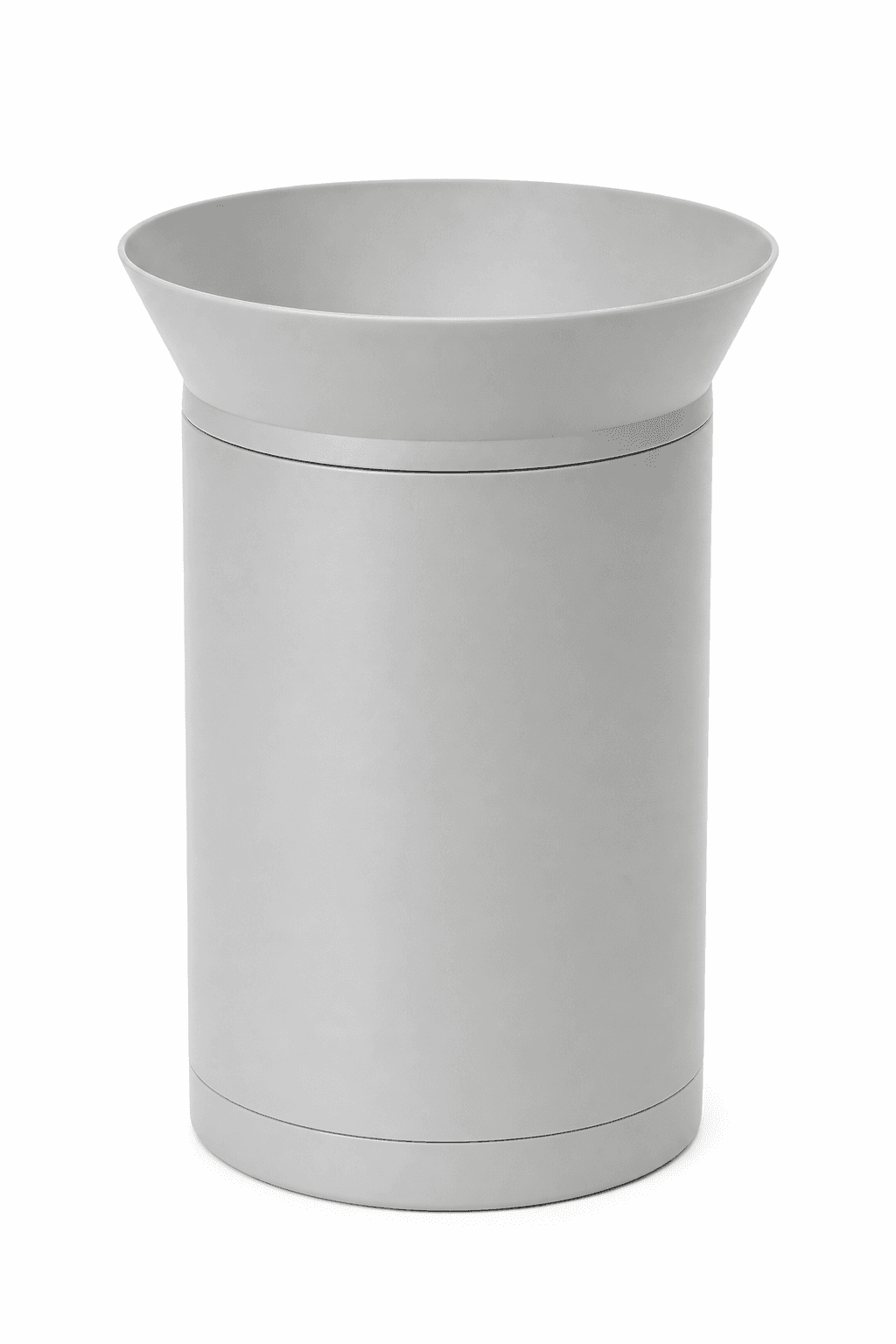
Tipping-bucket rain gauge with a 200 mm collector, pulse or RS485 output variants and a removable debris filter for weather, hydrology and irrigation monitoring.
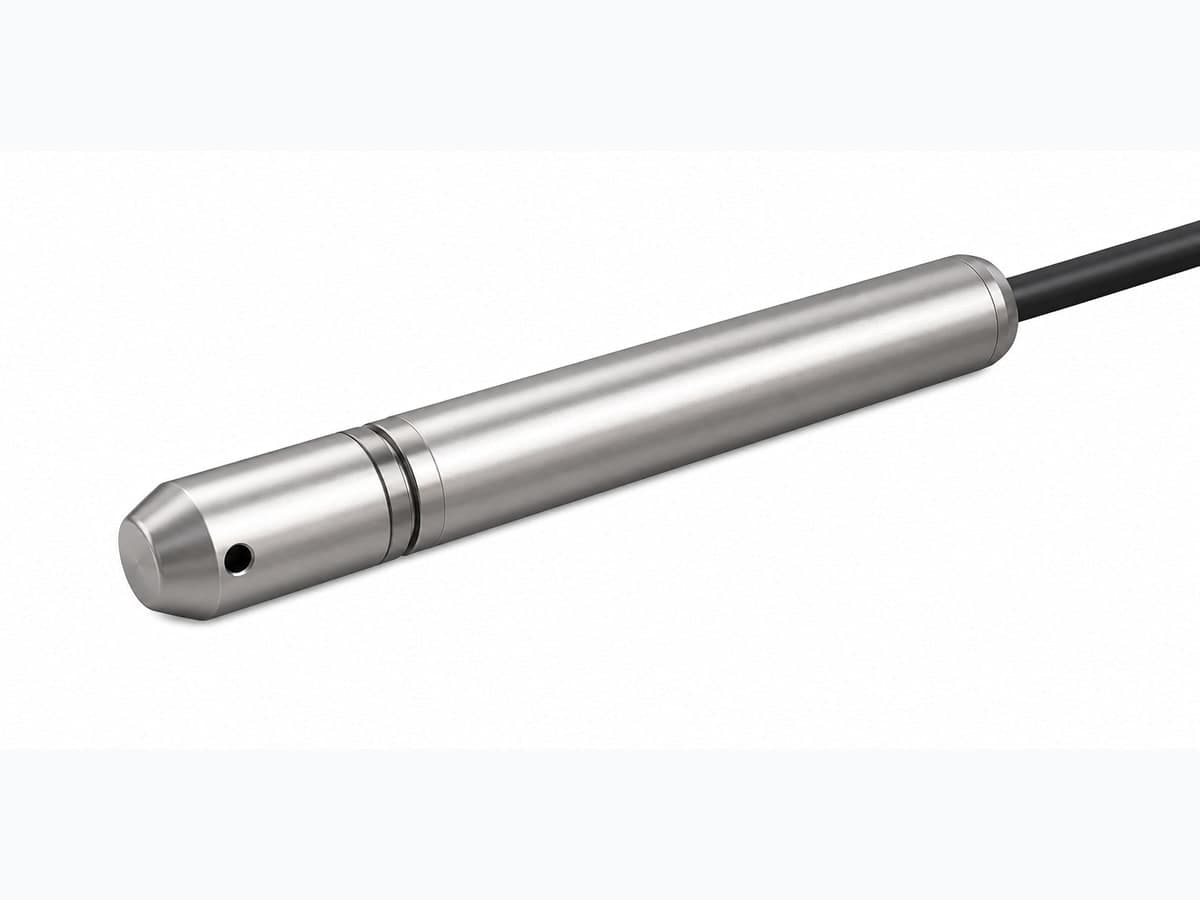
Immersion level transmitter for tanks, reservoirs and wells where direct hydrostatic level measurement is preferred.
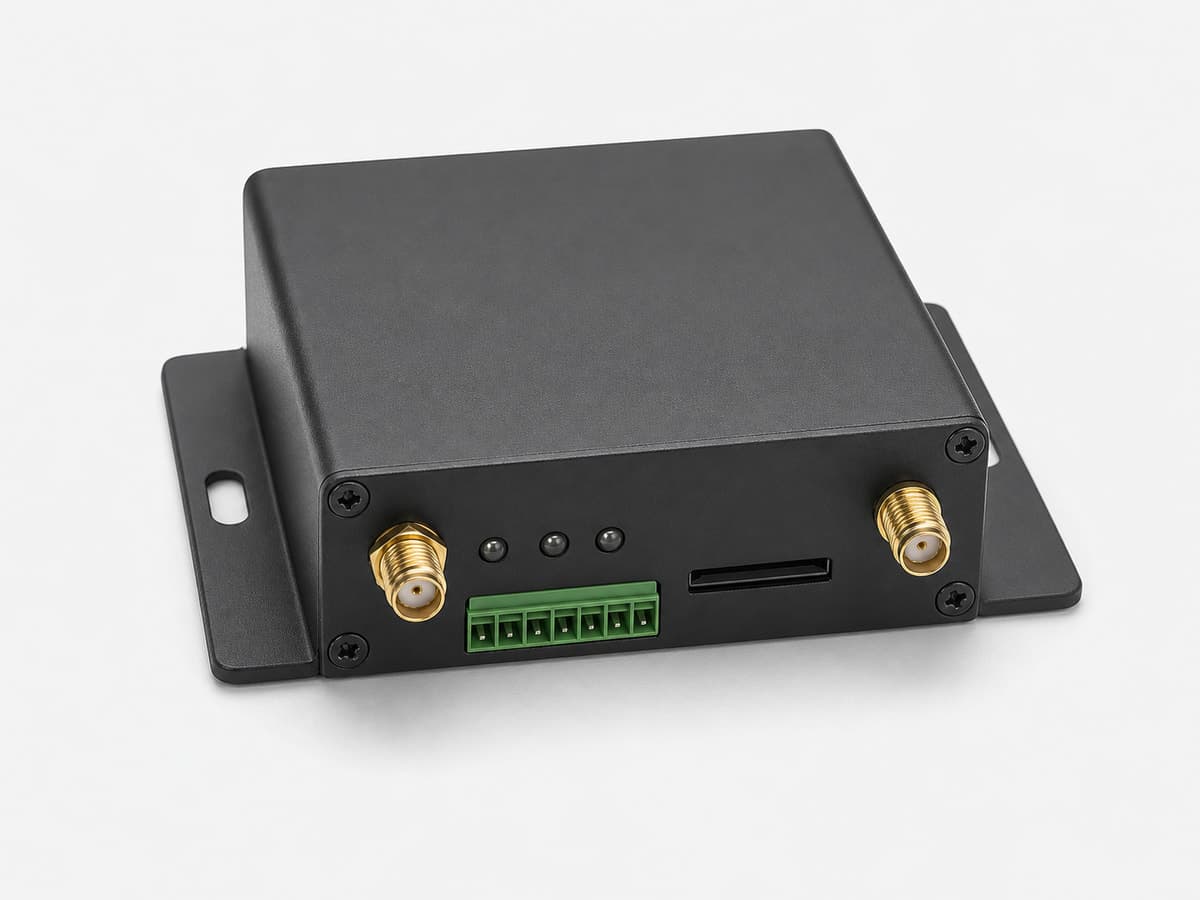
Cellular RTU gateway for pump stations, water telemetry and remote industrial monitoring — collects RS485, analog and digital signals and uploads data over 4G LTE.
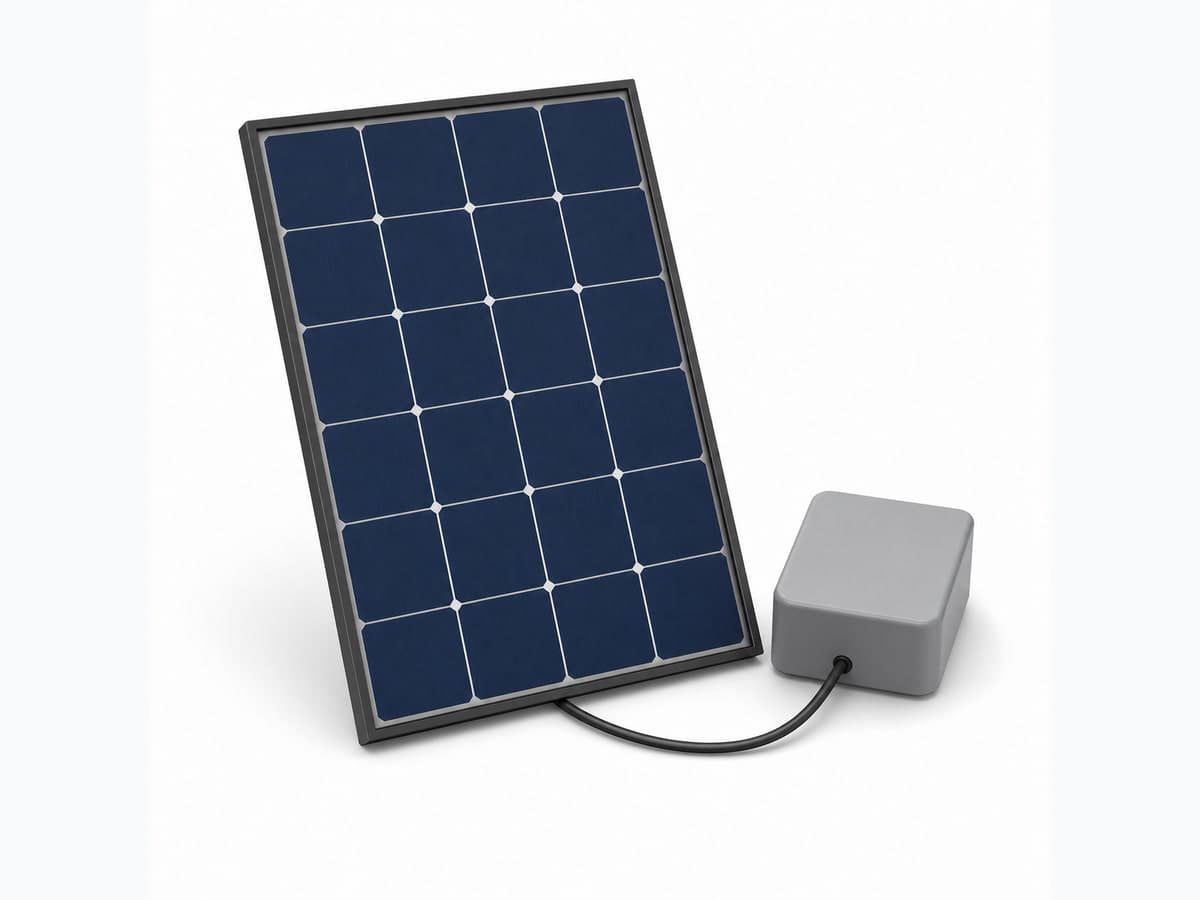
Field power package with a 60 W solar panel and IP67 12/24 V, 10 A controller for remote monitoring nodes; battery is selected and purchased locally.
Exact model, interfaces and enclosure are confirmed in the written quote.
LoRaWAN suits many nearby low-data points when a gateway can be placed. Cellular suits isolated stations when operator coverage and the data plan are confirmed.
Yes when the RTU has the required analog, digital or serial inputs and the field wiring is practical.
Provide the sensor and gateway loads, reporting interval, autonomy target, local sun conditions and enclosure temperature so the power path can be evaluated.