Use local weather to plan farm work
Use measurements from the farm rather than relying only on a distant weather station. Position the sensor for the parameter being measured and check when the latest reading was received.
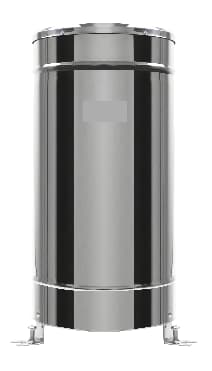
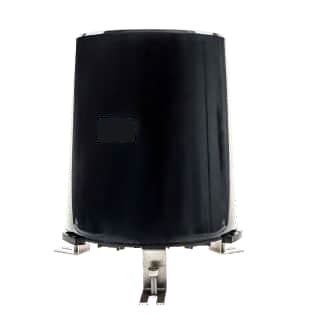
Pictured: SG-RG-102 — Tipping Bucket Rain Gauge, 0.2 mm Resolution.
Tipping-bucket rain gauge with a 200 mm collector, pulse or RS485 output variants and a removable debris filter for weather, hydrology and irrigation monitoring.
Related application hardware: Soil & weather monitoring
Use measurements from the farm rather than relying only on a distant weather station. Position the sensor for the parameter being measured and check when the latest reading was received.
Farm weather stations can use selected channels to follow conditions across planted areas. The required measurements, mounting, power and receiving system determine the configuration.
The quotation lists the selected equipment, accessories, price and delivery terms.
Purchasing and delivery details →Selection guidance and application documents. Wiring, register maps and certificates must match the chosen model and version.
English · Web page · printable
Online selection guide
Application selection guide
PDF · English
Tell us which wiring, protocol or calibration documents you need for the equipment.
Compare uses, interfaces and configuration options. These are selection references.
Define the required function, interfaces, power, mounting and accessories for the site.
Confirm the exact model, configuration, photograph, document revisions, accessories, price, delivery and warranty.
Tell us what you want to measure and where. Send a model number or site photo if you have one.
Agree measurement timestamps, local storage and recovery before selecting a station.
Read the guide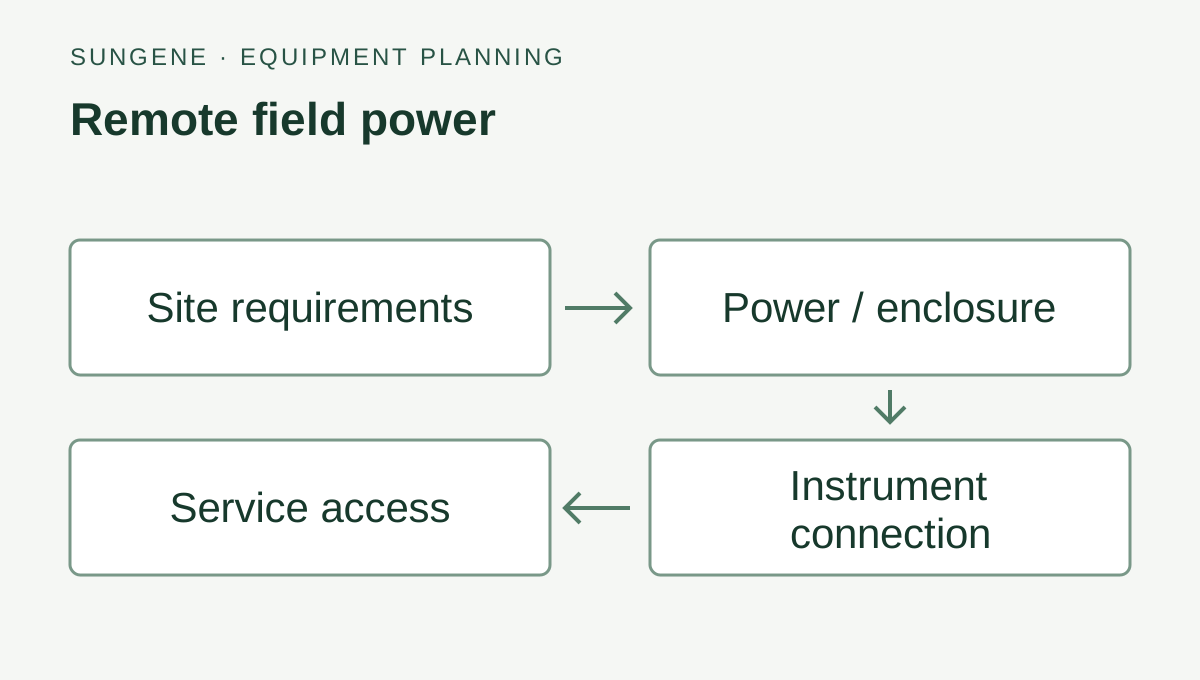
Size field power around the final equipment load, seasonal sunlight and visit interval.
Read the guideExample equipment arrangement. Check compatibility and agree who handles software, PLC/SCADA programming and site installation.
Data destination
Customer platform or an agreed third-party service
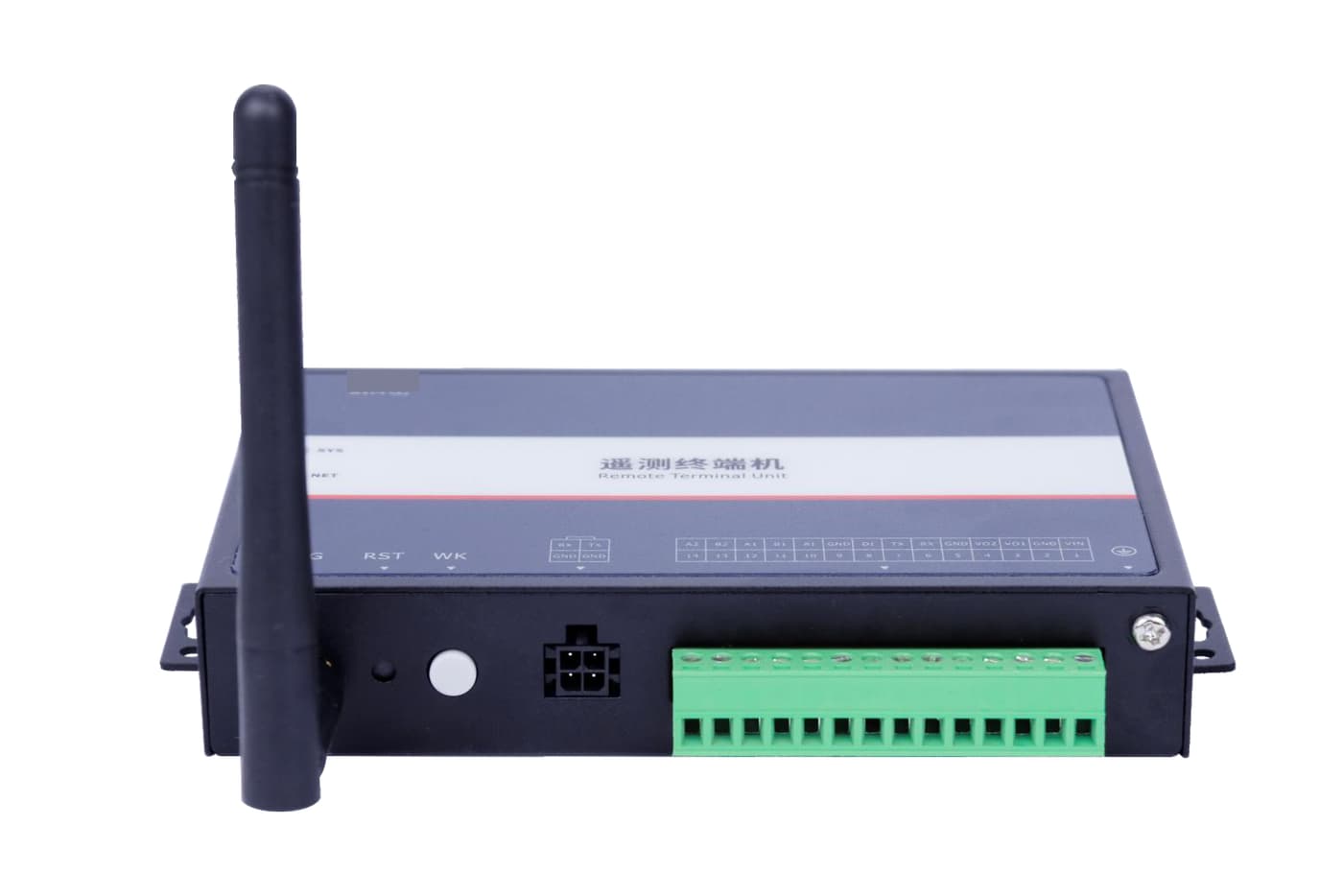
Product photograph
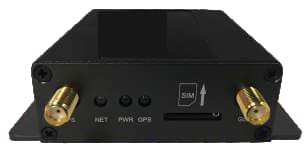
Pictured: SG-RTU-145 — Water Level Telemetry Terminal.
Check the collector size, rainfall-intensity limits and output options below. The quotation confirms resolution, heating, cable and mounting options.
Compare related equipment and connection options.
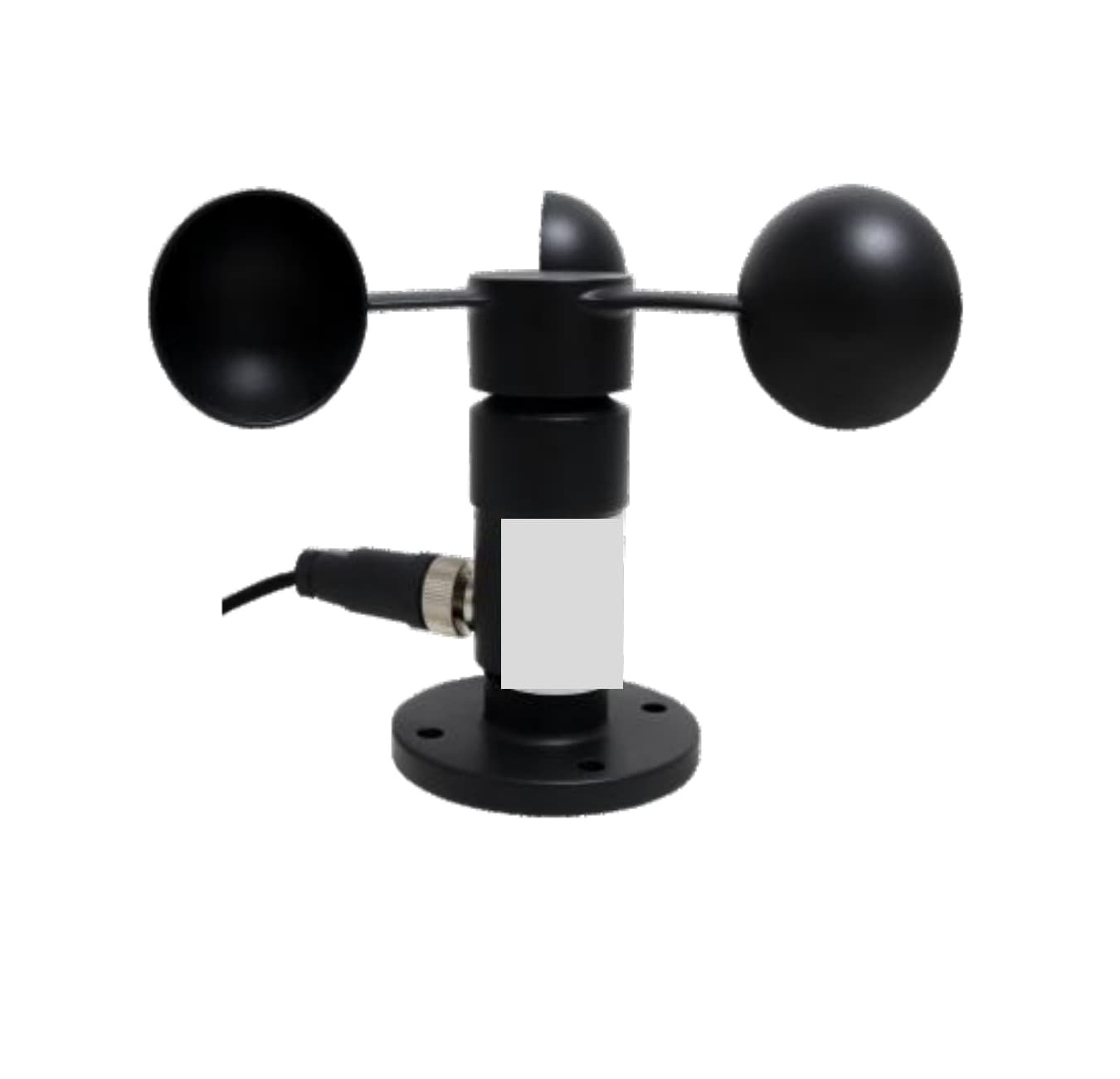
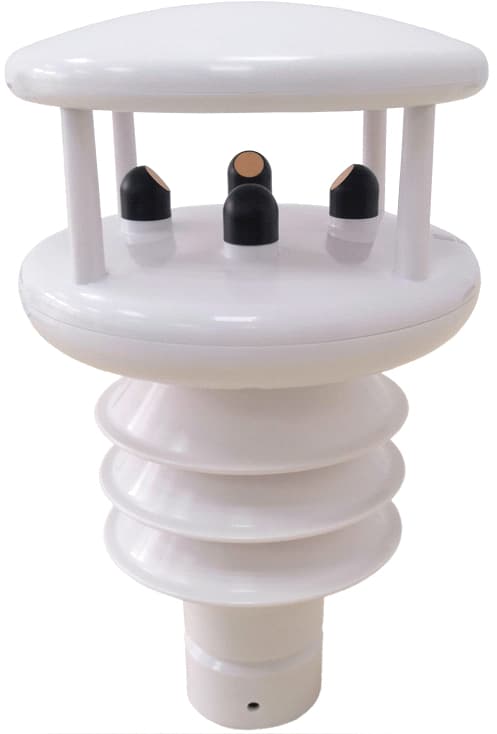
Product photograph. Pictured: SG-WND-103 — Cup Anemometer (Wind Speed Sensor).
Select the sensor set, mast, solar supply, enclosure and probe positions for the crop and site.
Use this tipping-bucket rain gauge to collect rainfall totals at unattended weather, hydrology and irrigation sites. A 200 mm collector directs water to a single tipping bucket, while the selected pulse or RS485 interface connects the gauge to the site logger or RTU. Resolution, cable length, cold-weather provisions and optional accessories are fixed in the quotation instead of being assumed from the product family.
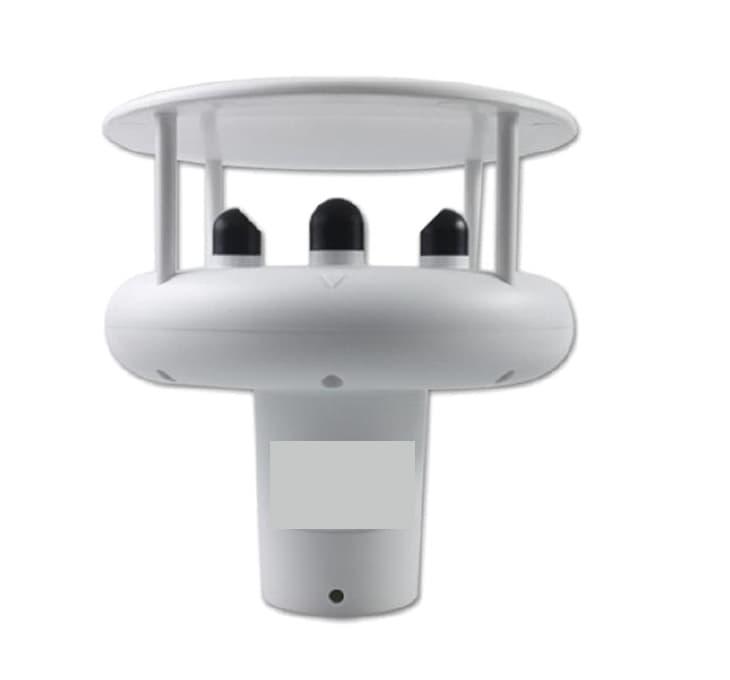
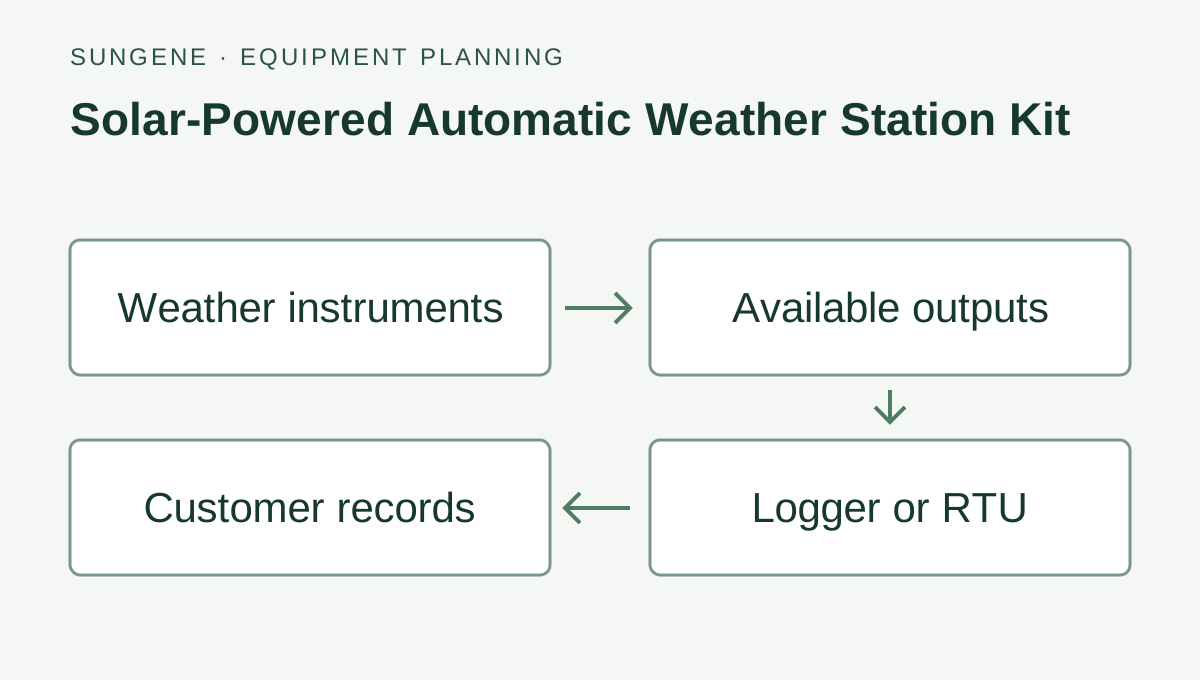
Application illustration · Wind and air instruments with a separate rain-gauge point.
Read guide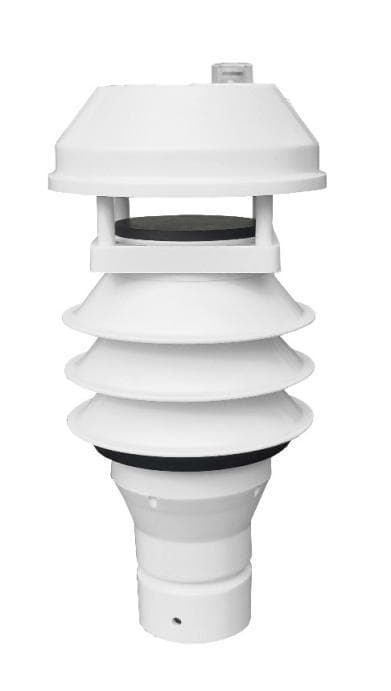
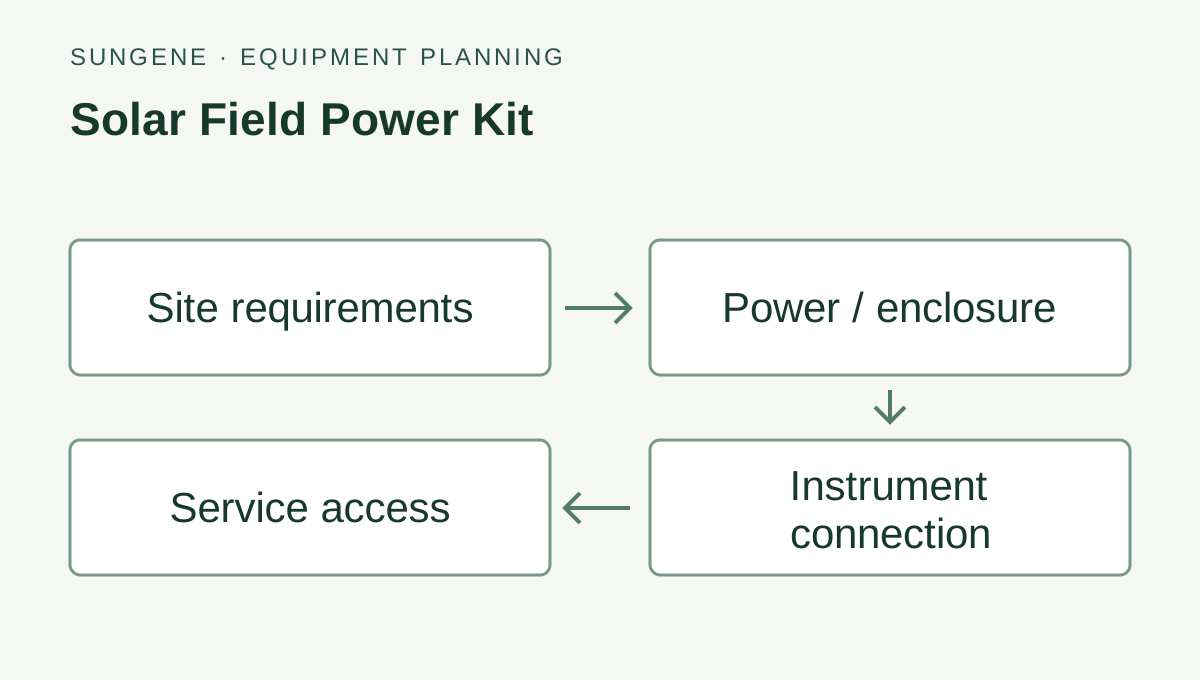
Application illustration · Solar supply at an orchard weather-measurement point.
Read guide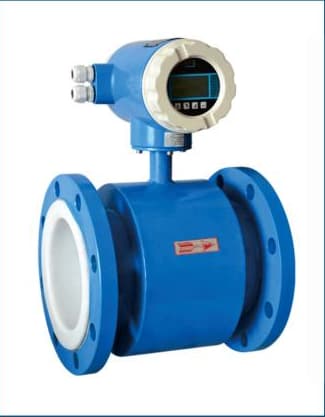
Choose the interface used by the site logger or RTU. The reed-switch pulse variant is read by a compatible counter input within the 30 VDC / 20 mA contact limits. The RS485 variant uses 12-24 VDC and communicates through Modbus RTU.
The product documentation lists measured rainfall intensity up to 4 mm/min and allowable rainfall intensity up to 10 mm/min. Accuracy is listed as ±4% for an indoor static test at 2 mm/min.
The available documents list different rainfall resolutions. Confirm the resolution of the ordered gauge in the quotation and acceptance record.
The standard operating range is 0 to 70 °C under no-freeze conditions. A 220 V, 200 W heater is optional and must be selected with the site power, enclosure and installation plan.
Install it level in an open area away from trees, walls and splash. Inspect and clean the collector entrance and removable filter regularly so leaves, insects and debris do not alter the rainfall path.
Use the listed inputs, power and protocol to match the device to your controller. Send its model or an input photo with the equipment request.