Water delivery across the farm
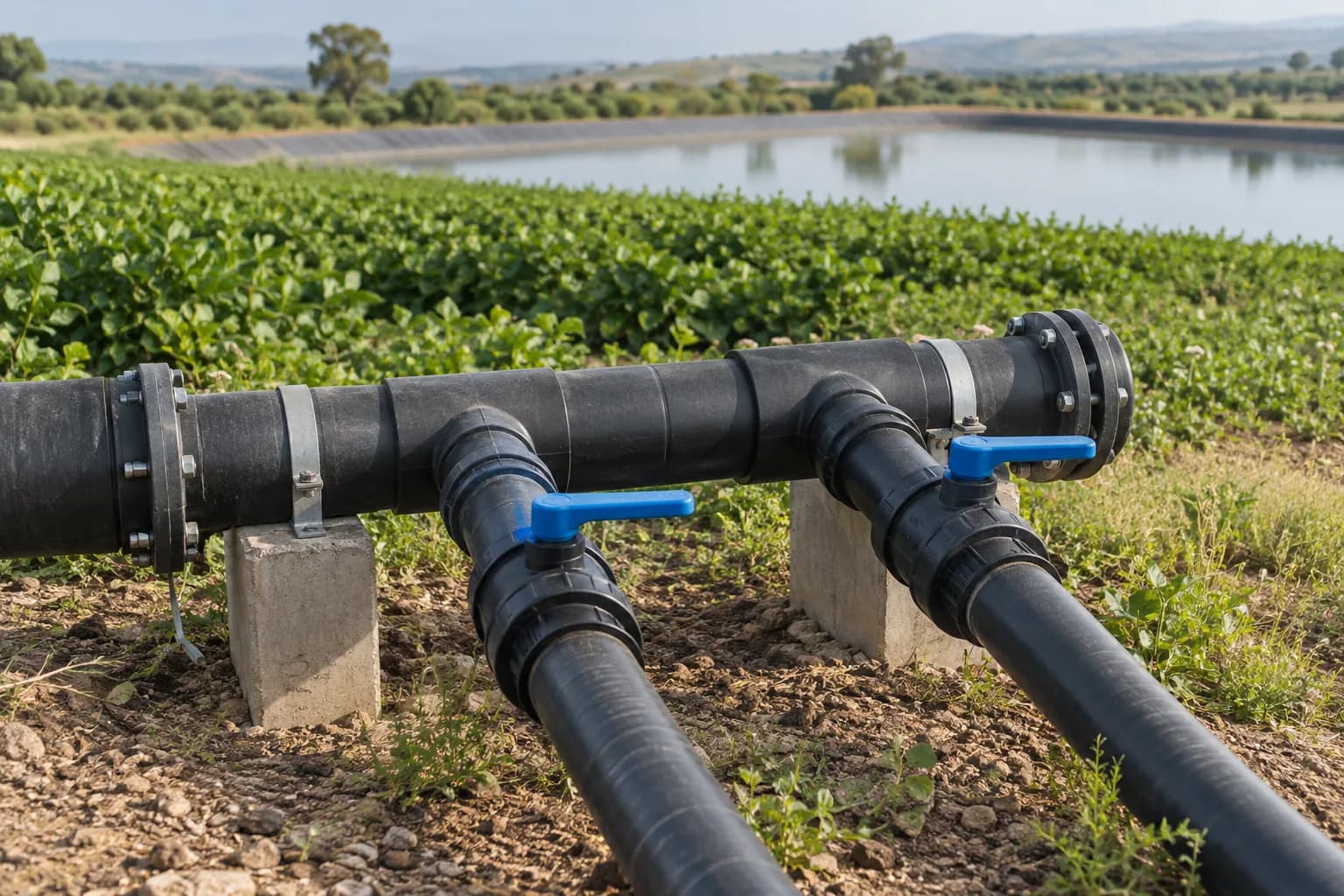
Connect level, flow and pump status with the water decisions your team makes.
Explore this requirement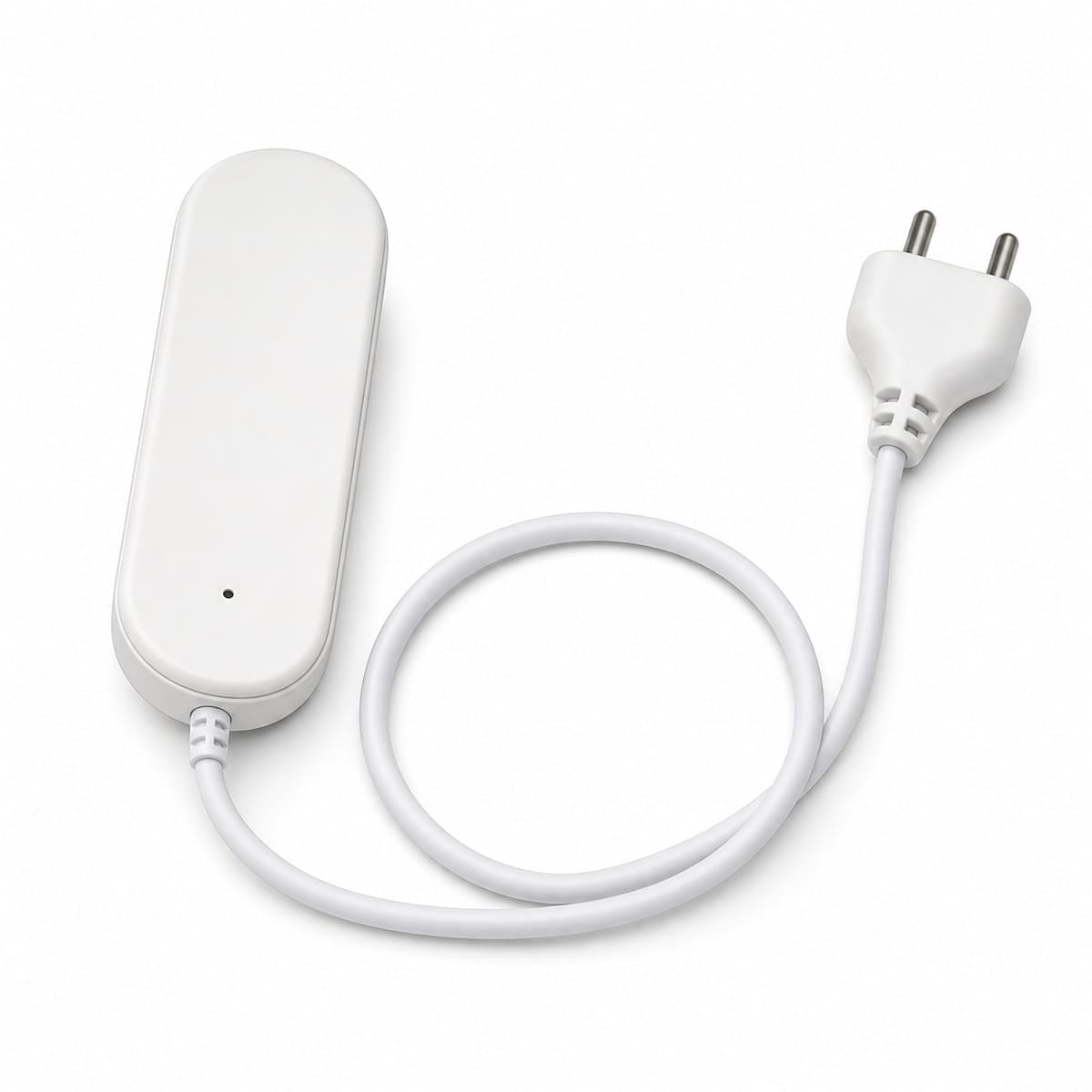
LoRaWAN water leak sensor with a remote probe and periodic or event-driven reporting for pump rooms, equipment spaces and distributed facilities.
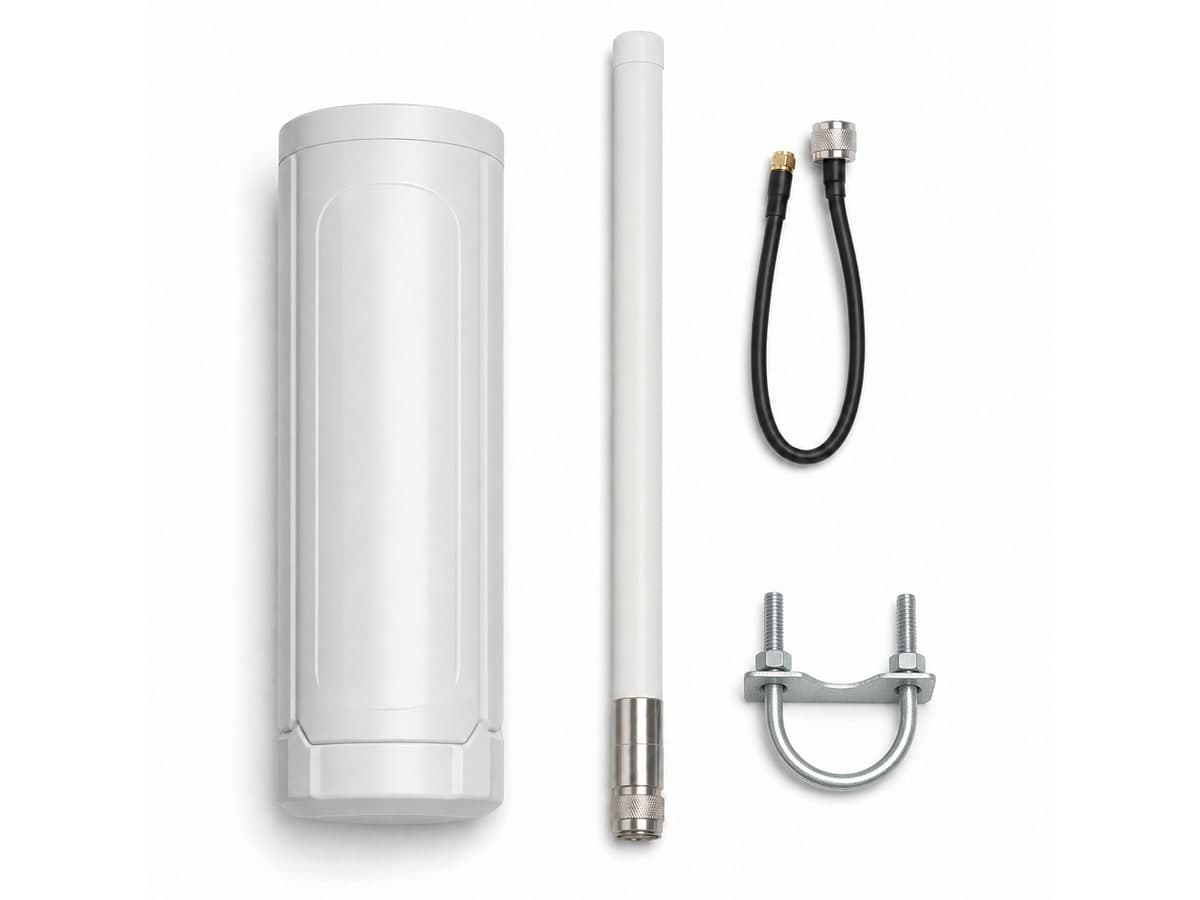
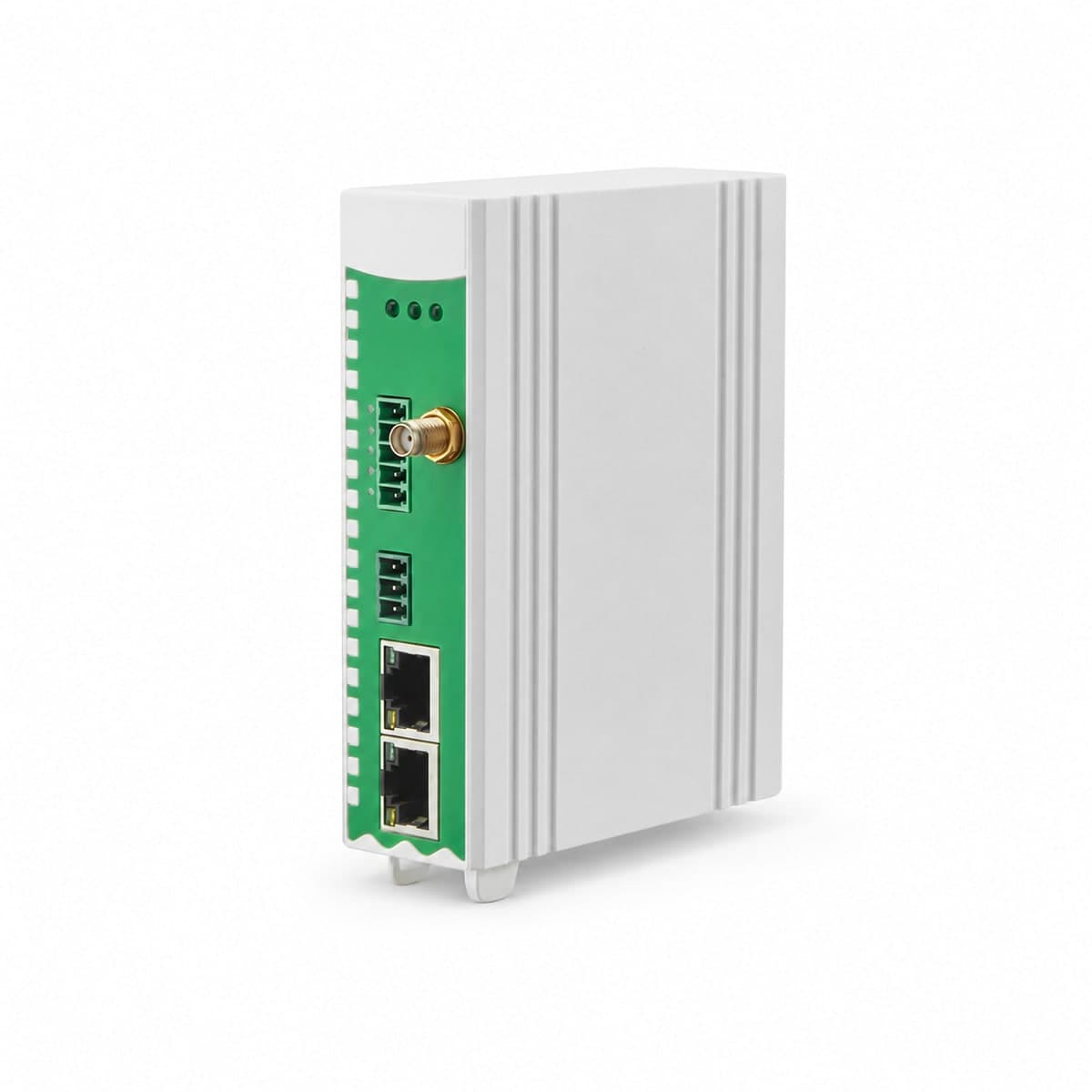
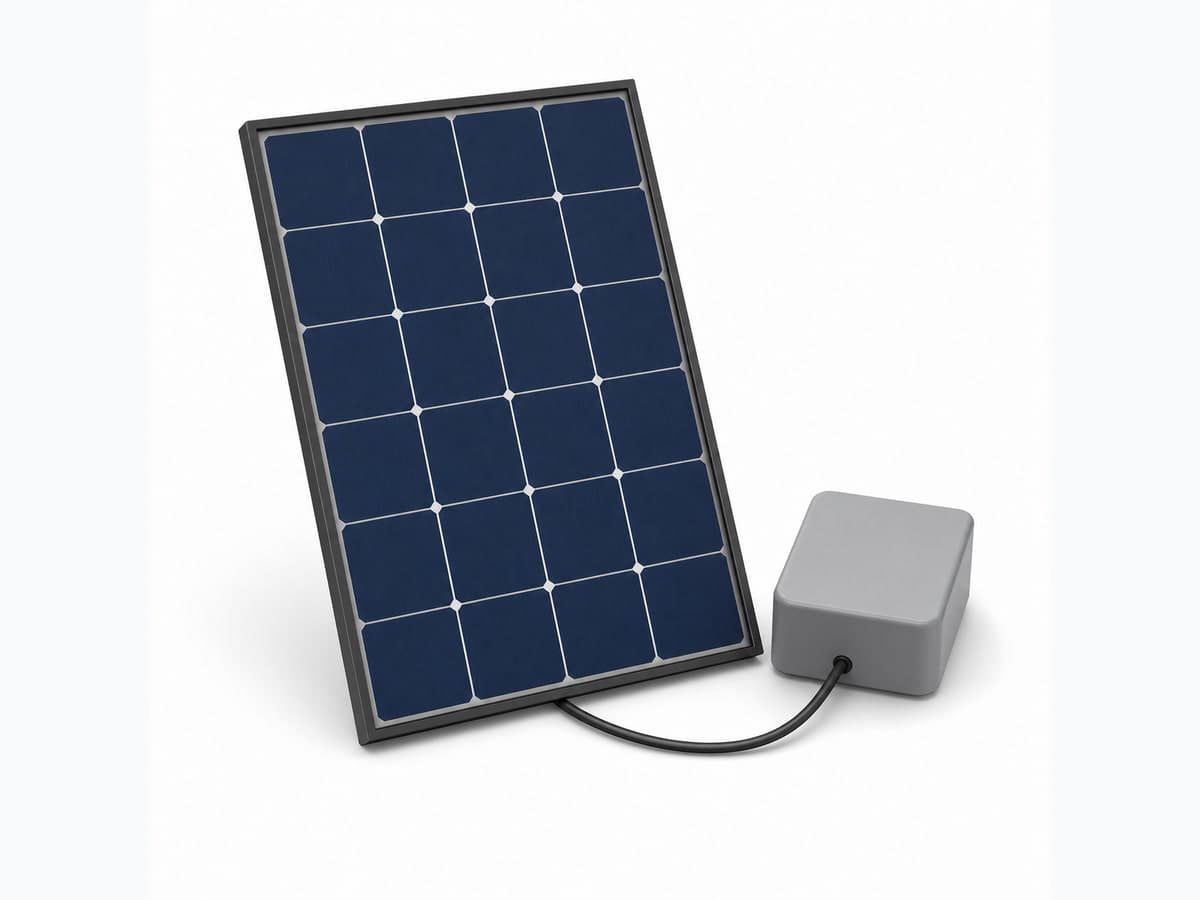
Appearance, connectors and included accessories follow the configuration confirmed in your quotation.
Related application hardware: Water Monitoring
Share your current model, a photo or the connection you need. We help assess interfaces, power and the required configuration.
Get selection & integration helpPublic documents describe this product family and selection options. Wiring, register maps and compliance documents must match the model and version selected for your order.
English · Web page · printable
Current online selection reference
Water & Utilities Hardware Catalog
PDF · English · 388 KiB
File revision: 2026-07-22 · 82cac85fcd00
Choose what you need. We first identify the model and revision, then confirm which documents can be supplied. The request does not imply that every document is available.
Compare uses, interfaces and configuration options. These are selection references.
An SG code helps identify a sourcing option; it is not a substitute for the manufacturer model or its certificate.
Confirm the exact model, configuration, photograph, document revisions, accessories, price, delivery and warranty.
Start with a short description. A complete equipment list is not required.
Connect level, flow and pump status with the water decisions your team makes.
Explore this requirement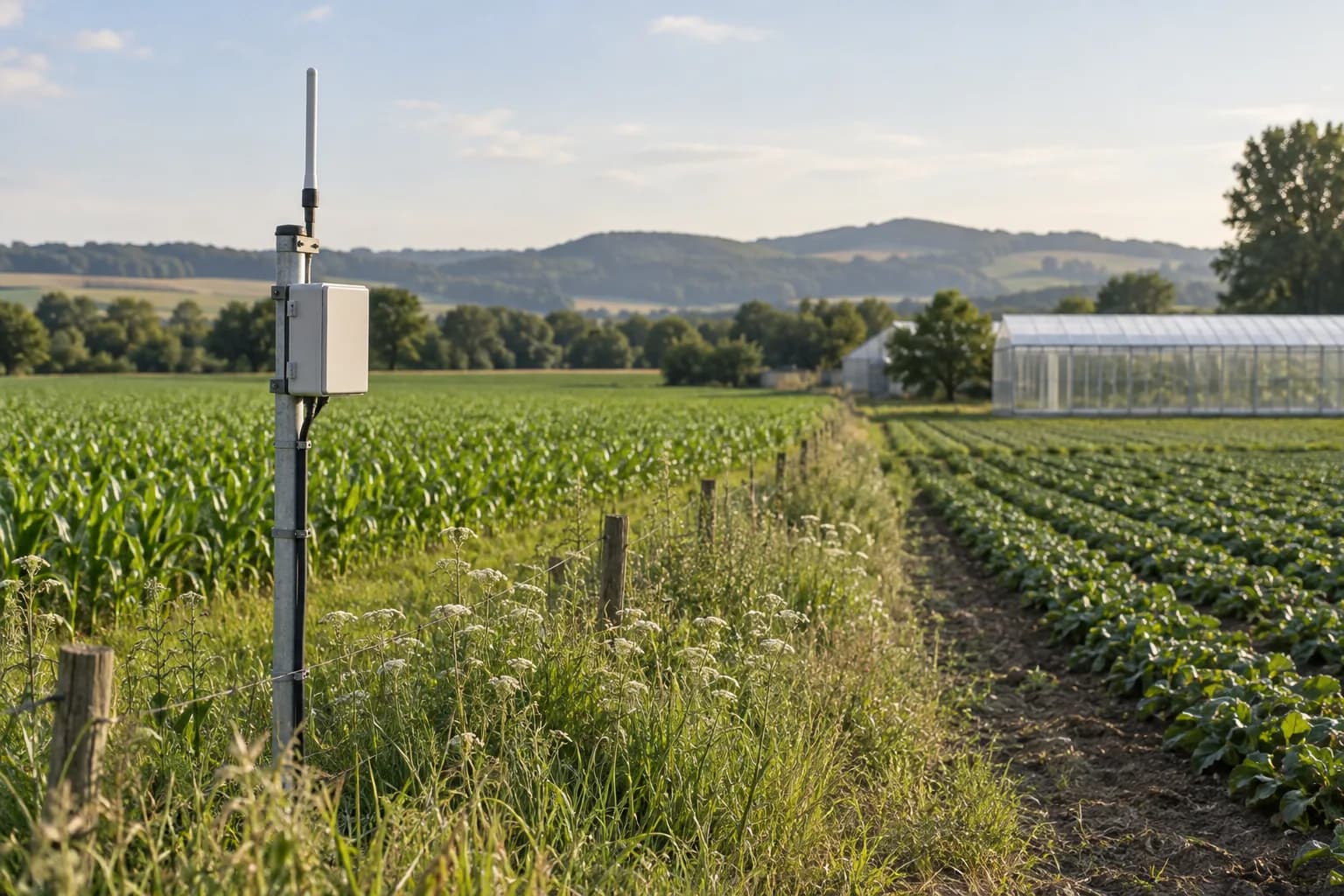
Review coverage, equipment identity and the path into your chosen platform.
Explore this requirementSystem design, software integration, PLC/SCADA programming and site installation responsibilities are agreed in the written project scope.
Data destination
Customer platform or an agreed third-party service
The written quotation ties the site requirement to one reviewed hardware configuration.
Site requirement
Application, medium, mounting and environment
Hardware configuration
Signal, protocol, power and enclosure
Quote confirmation
Model, quantity, certificates and delivery
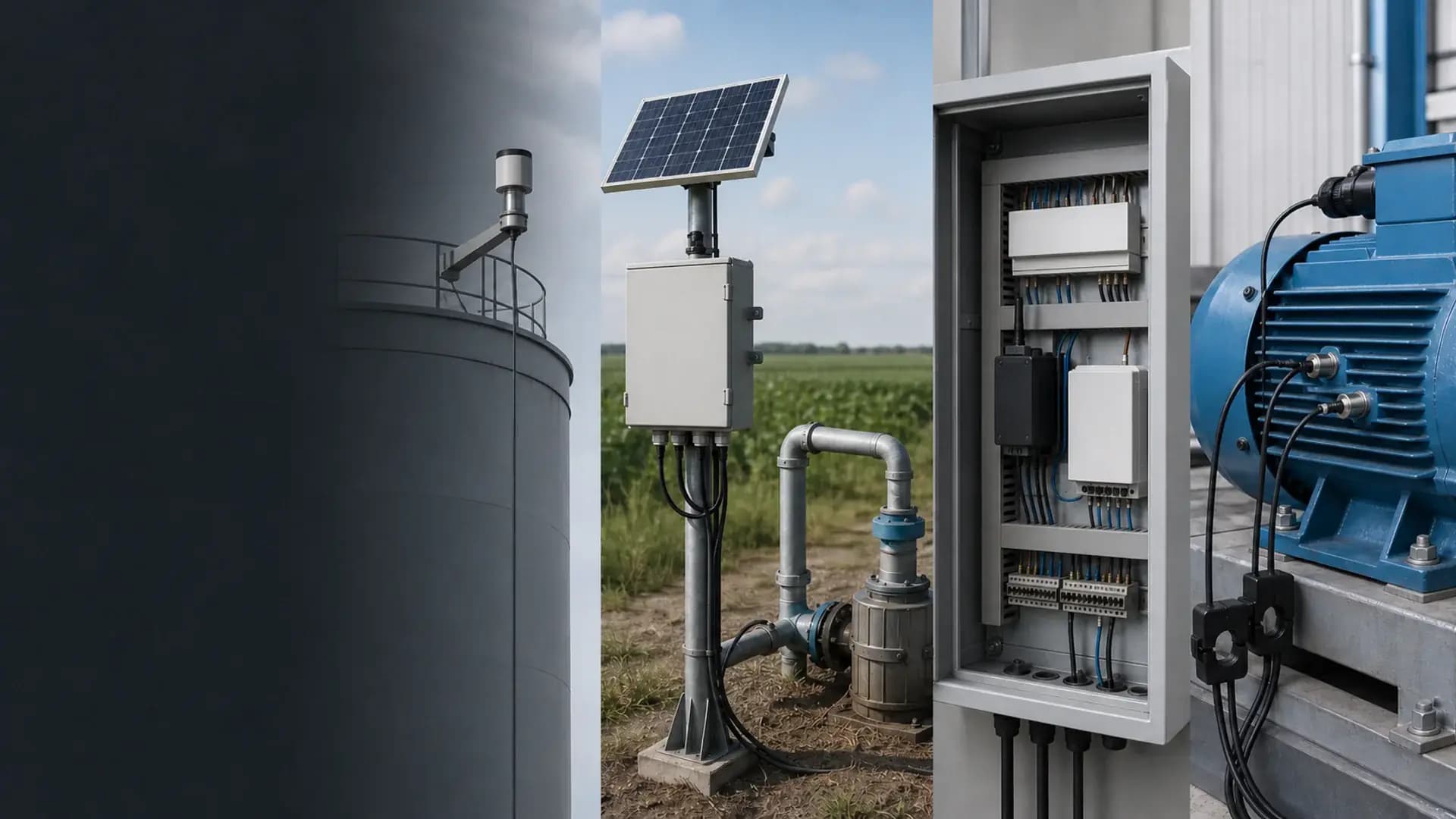
Remote integration context
Sensors, interfaces, enclosure, power and mounting are confirmed against the actual project before quotation.
The reviewed evidence supports a battery-powered LoRaWAN node with a remote water-leak probe and both periodic and event-driven reporting.
Model-selection reference
Compare equipment options in this catalog section.
18 sourcing references from “Water leak and immersion detection”. Put an SG code in the RFQ so we can match the same catalog row.
SG-LEAK-101SG-LEAK-102SG-LEAK-105SG-LEAK-106SG-LEAK-109SG-LEAK-112SG-LEAK-113SG-LEAK-114SG-LEAK-116SG-LEAK-119SG-LEAK-110SG-LEAK-117SG-LEAK-120SG-LEAK-121SG-LEAK-122SG-LEAK-123SG-LEAK-124SG-LEAK-125Compare adjacent hardware families for the same monitoring path.
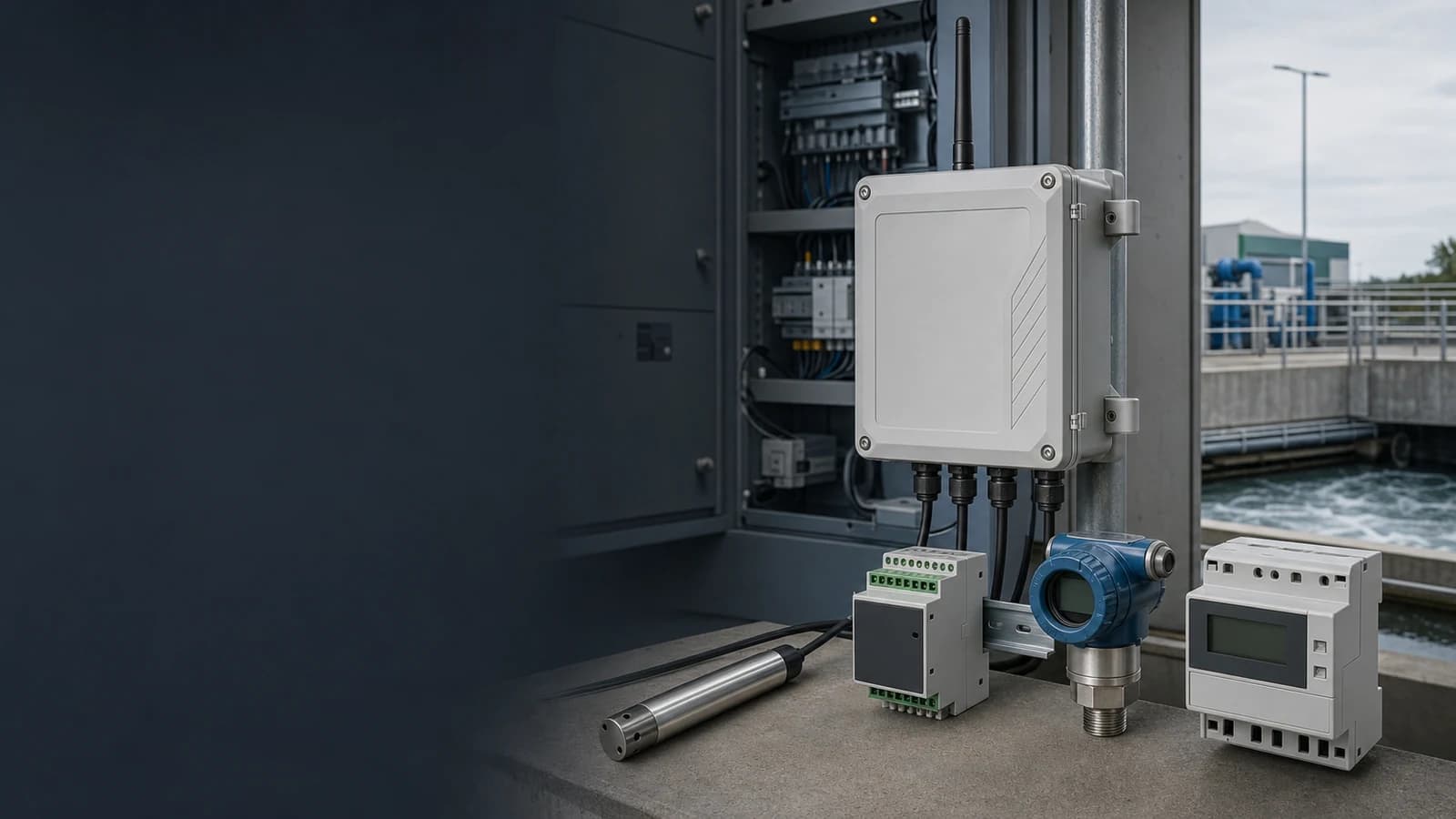
Use this node for point leak detection where a remote probe can sit at the expected water path while the radio enclosure remains in a practical mounting position. It reports routine status and leak events through LoRaWAN; gateway coverage, regional frequency, reporting behavior and alarm handling are confirmed before the pilot.
More guides
No. The reviewed device detects water at its remote probe and reports status or leak events through LoRaWAN. Any automatic shutoff requires a separately reviewed controller, valve, interlock and fail-safe design.
Confirm the destination country, regional frequency plan, gateway coverage, network server, payload mapping, reporting interval and alarm destination. These items determine whether the node will work with the intended LoRaWAN deployment.
The reviewed supplier records contain two different temperature ranges. SunGene therefore confirms the final hardware revision and applicable rating in the quotation instead of presenting one unqualified value.
Target country and LoRaWAN frequency plan; Number of leak zones and probe locations; Network server or gateway; Reporting interval and alarm destination
Open the Water & Utilities Hardware Catalog linked on this page. Use it to compare equipment options before requesting a configuration.
Compatibility is reviewed against your field signals, protocols and upstream platform. Typical pairings include LoRaWAN gateways and network servers using the regional frequency plan selected for the destination country, Pump rooms, mechanical spaces, cabinets and distributed facilities where a remote point probe can be placed at the likely leak path, Customer alarm workflows that consume periodic status and leak-event messages from the upstream LoRaWAN platform.
Product-family reference. Final ordered model and specifications are confirmed in the written quotation.