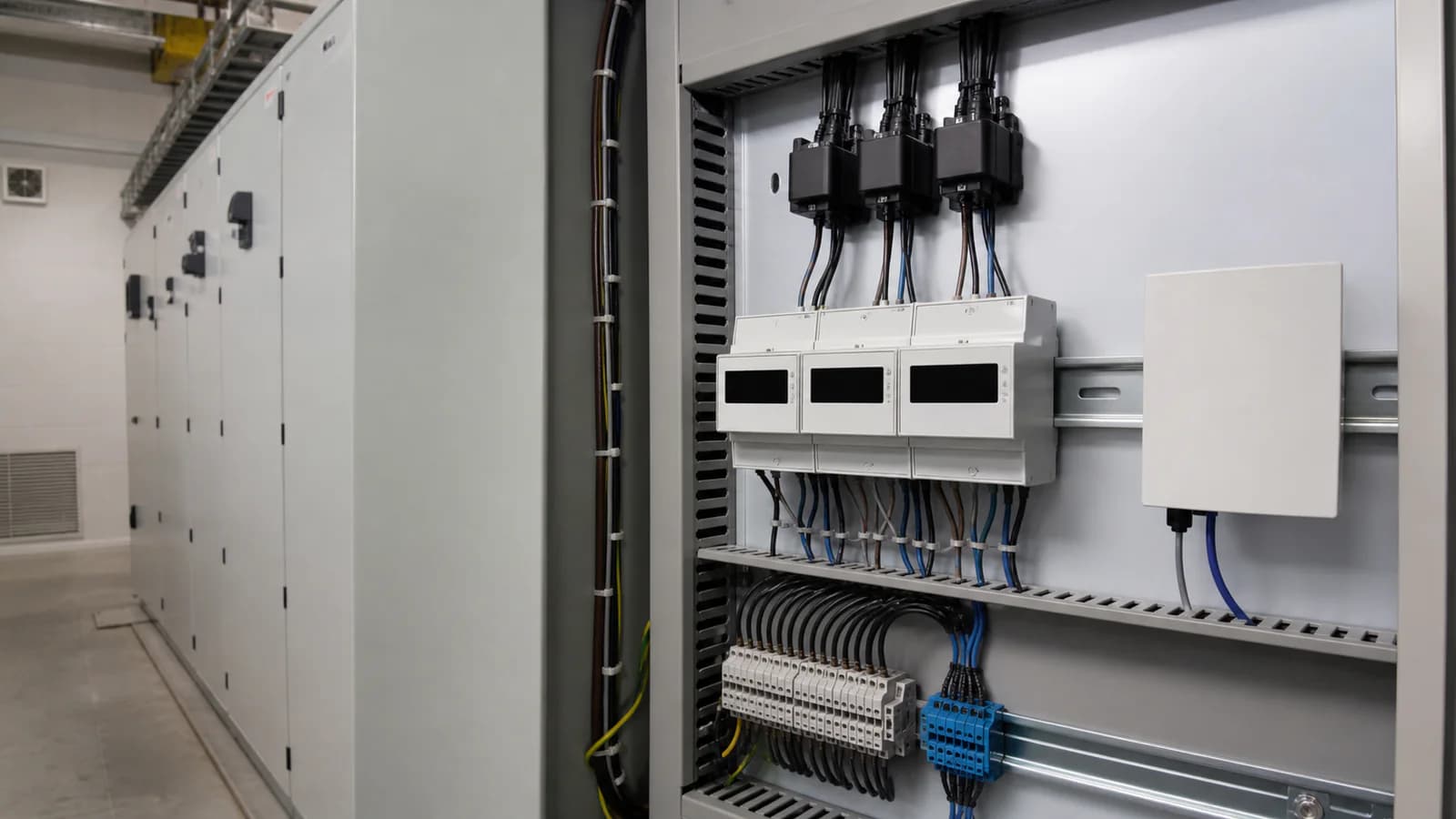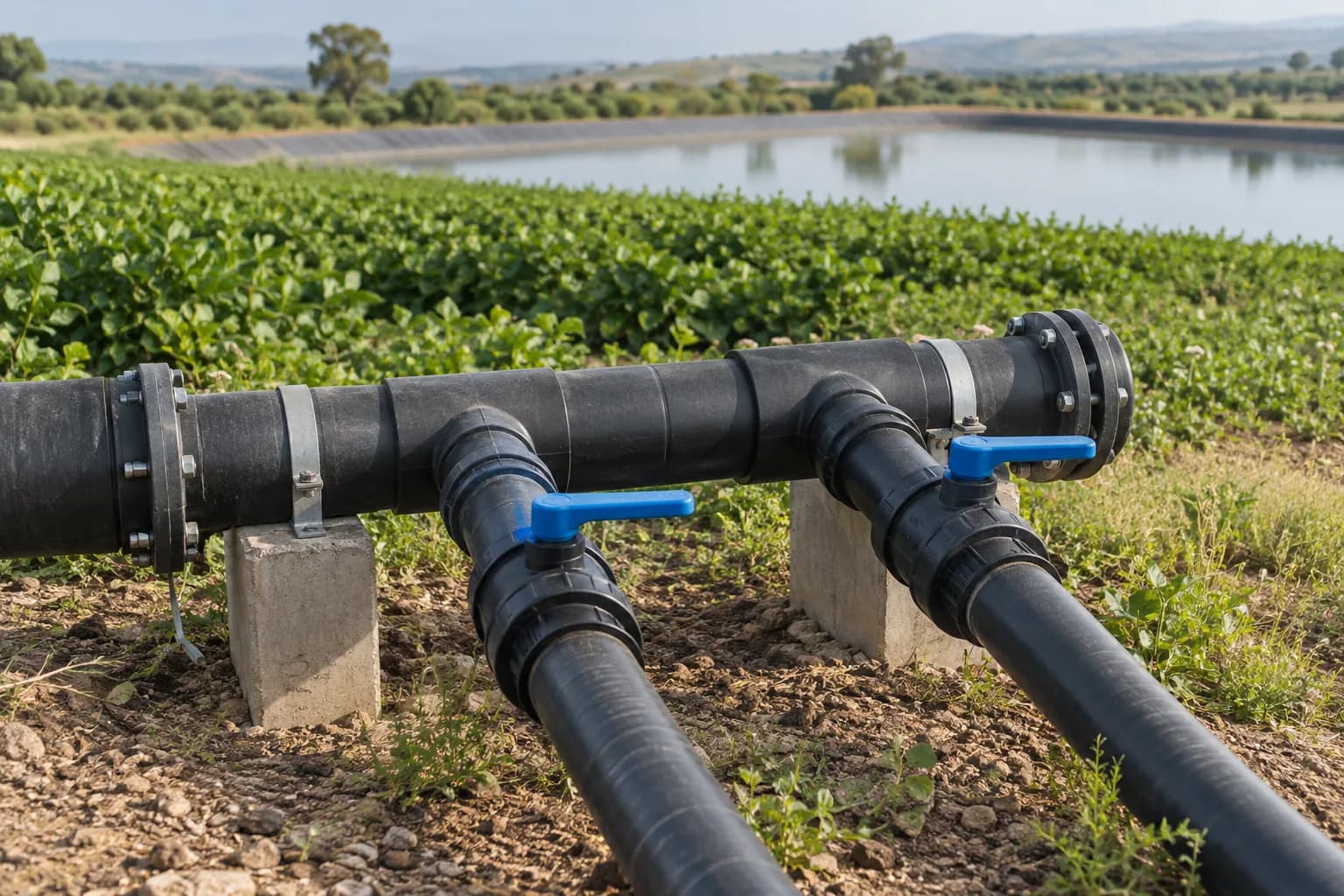
Water delivery across the farm
Connect level, flow and pump status with the water decisions your team makes.
Explore this requirement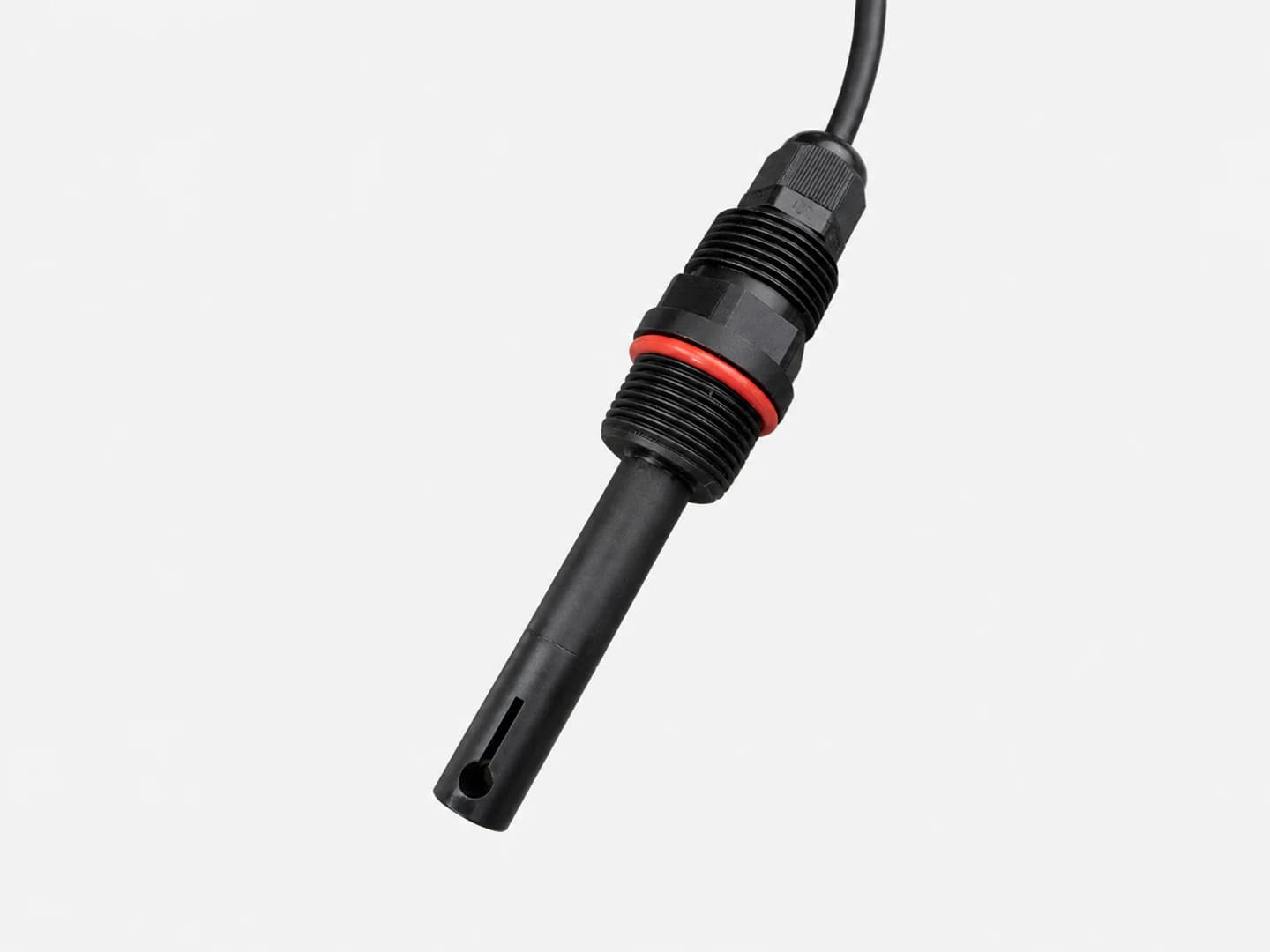
Online EC probe family with selectable materials and ranges, ±1% FS accuracy, and simultaneous 4-20 mA plus RS485 Modbus RTU output.
Appearance, connectors and included accessories follow the configuration confirmed in your quotation.
Related application hardware: Water Monitoring
Share your current model, a photo or the connection you need. We help assess interfaces, power and the required configuration.
Get selection & integration helpPublic documents describe this product family and selection options. Wiring, register maps and compliance documents must match the model and version selected for your order.
English · Web page · printable
Current online selection reference
Water & Utilities Hardware Catalog
PDF · English · 388 KiB
File revision: 2026-07-22 · 82cac85fcd00
Choose what you need. We first identify the model and revision, then confirm which documents can be supplied. The request does not imply that every document is available.
Compare uses, interfaces and configuration options. These are selection references.
An SG code helps identify a sourcing option; it is not a substitute for the manufacturer model or its certificate.
Confirm the exact model, configuration, photograph, document revisions, accessories, price, delivery and warranty.
Start with a short description. A complete equipment list is not required.
Connect level, flow and pump status with the water decisions your team makes.
Explore this requirement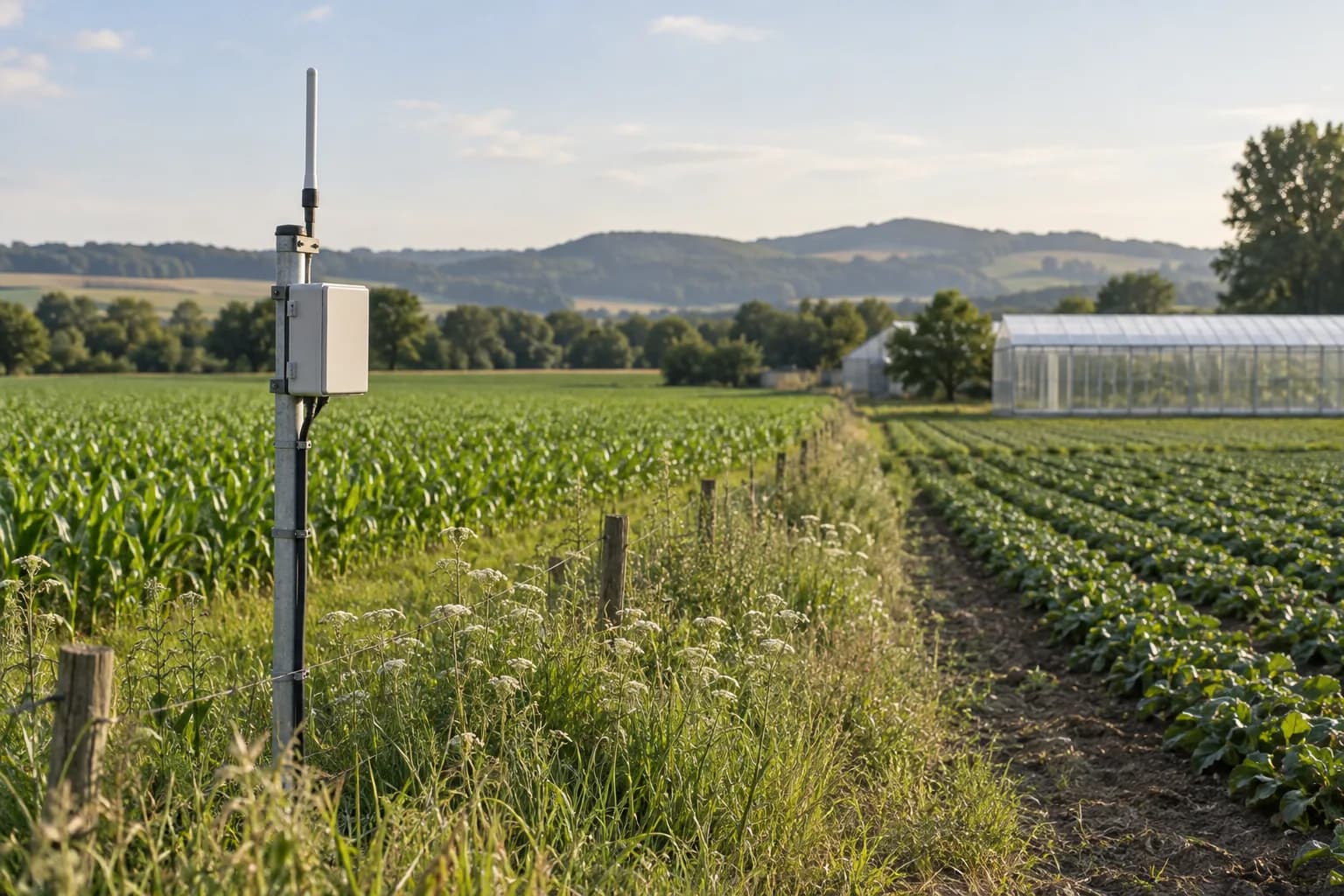
Review coverage, equipment identity and the path into your chosen platform.
Explore this requirementSystem design, software integration, PLC/SCADA programming and site installation responsibilities are agreed in the written project scope.
Data destination
Customer platform or an agreed third-party service
The written quotation ties the site requirement to one reviewed hardware configuration.
Site requirement
Application, medium, mounting and environment
Hardware configuration
Signal, protocol, power and enclosure
Quote confirmation
Model, quantity, certificates and delivery
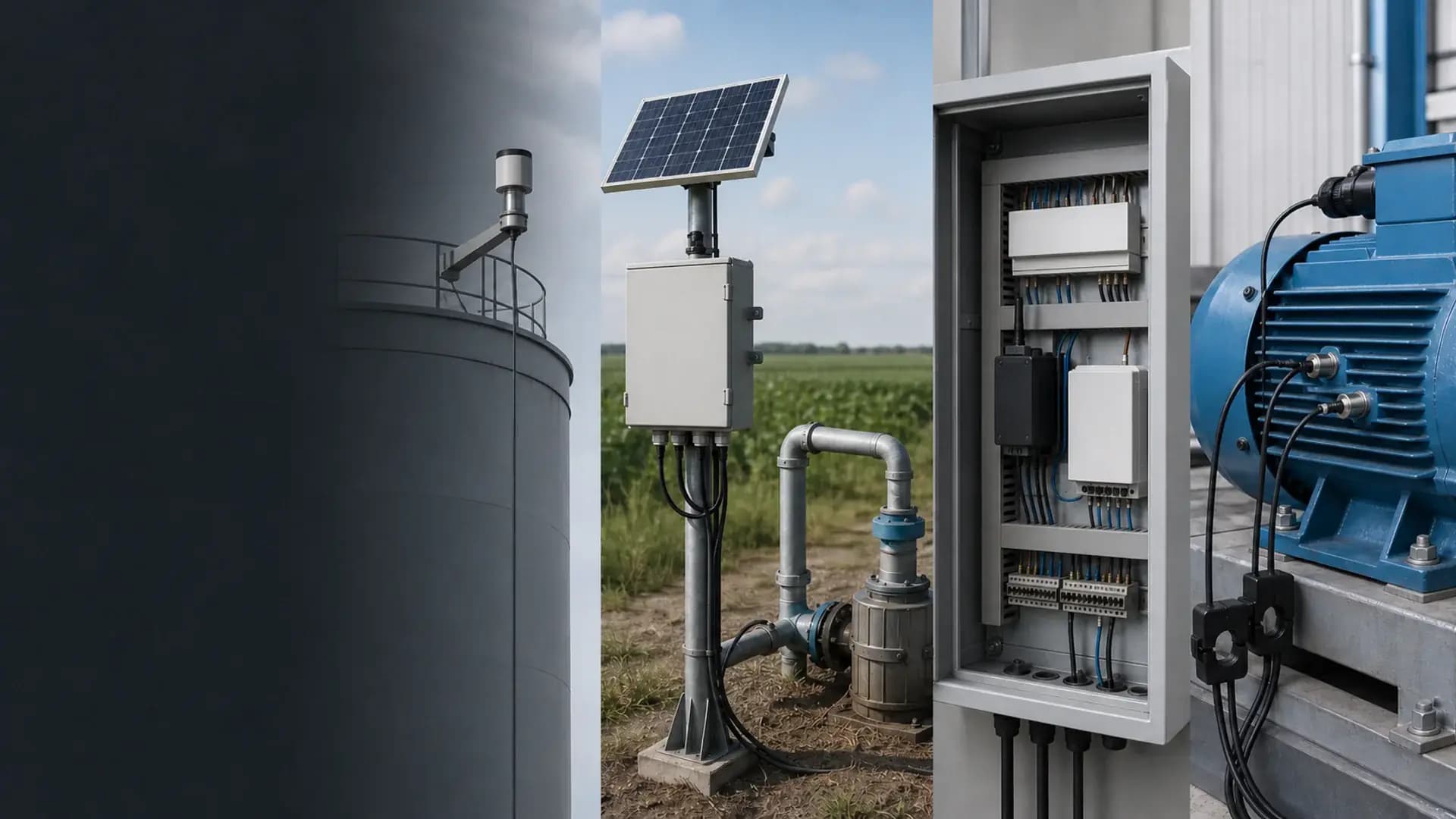
Remote integration context
Sensors, interfaces, enclosure, power and mounting are confirmed against the actual project before quotation.
The four mechanical families do not share the same wetted materials or service limits.
Model-selection reference
Compare equipment options in this catalog section.
28 sourcing references from “Water-quality electrodes and probes”. Put an SG code in the RFQ so we can match the same catalog row.
SG-WQE-101SG-WQE-102SG-WQE-103SG-WQE-105SG-WQE-106SG-WQE-107SG-WQE-108SG-WQE-109SG-WQE-104SG-WQE-110SG-WQE-111SG-WQE-112SG-WQE-115SG-WQE-118SG-WQE-124SG-WQE-127SG-WQE-128SG-WQE-113SG-WQE-114SG-WQE-119SG-WQE-120SG-WQE-121SG-WQE-122SG-WQE-123SG-WQE-116SG-WQE-117SG-WQE-125SG-WQE-126Compare adjacent hardware families for the same monitoring path.
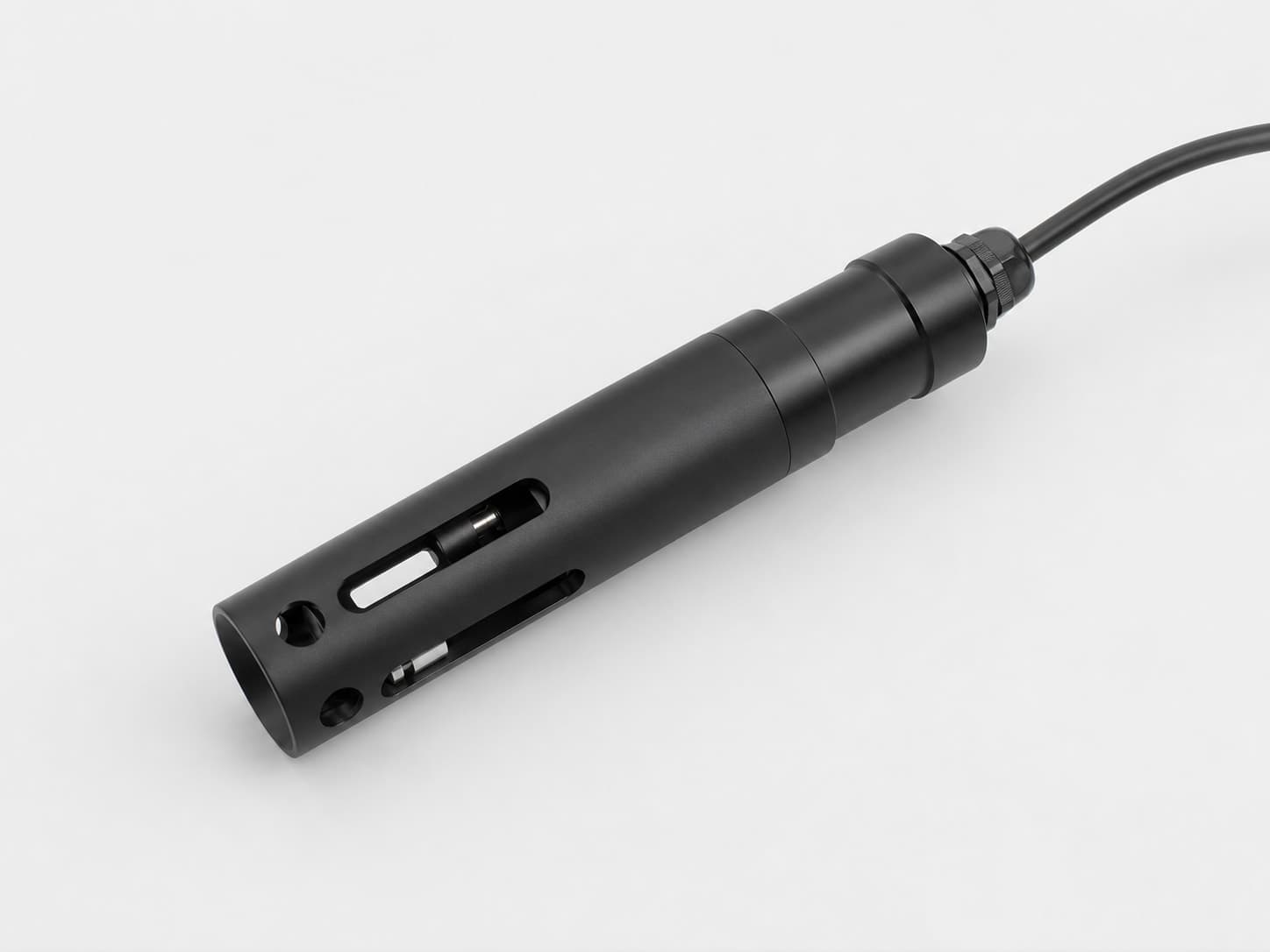
Water & Wastewater Instrumentation
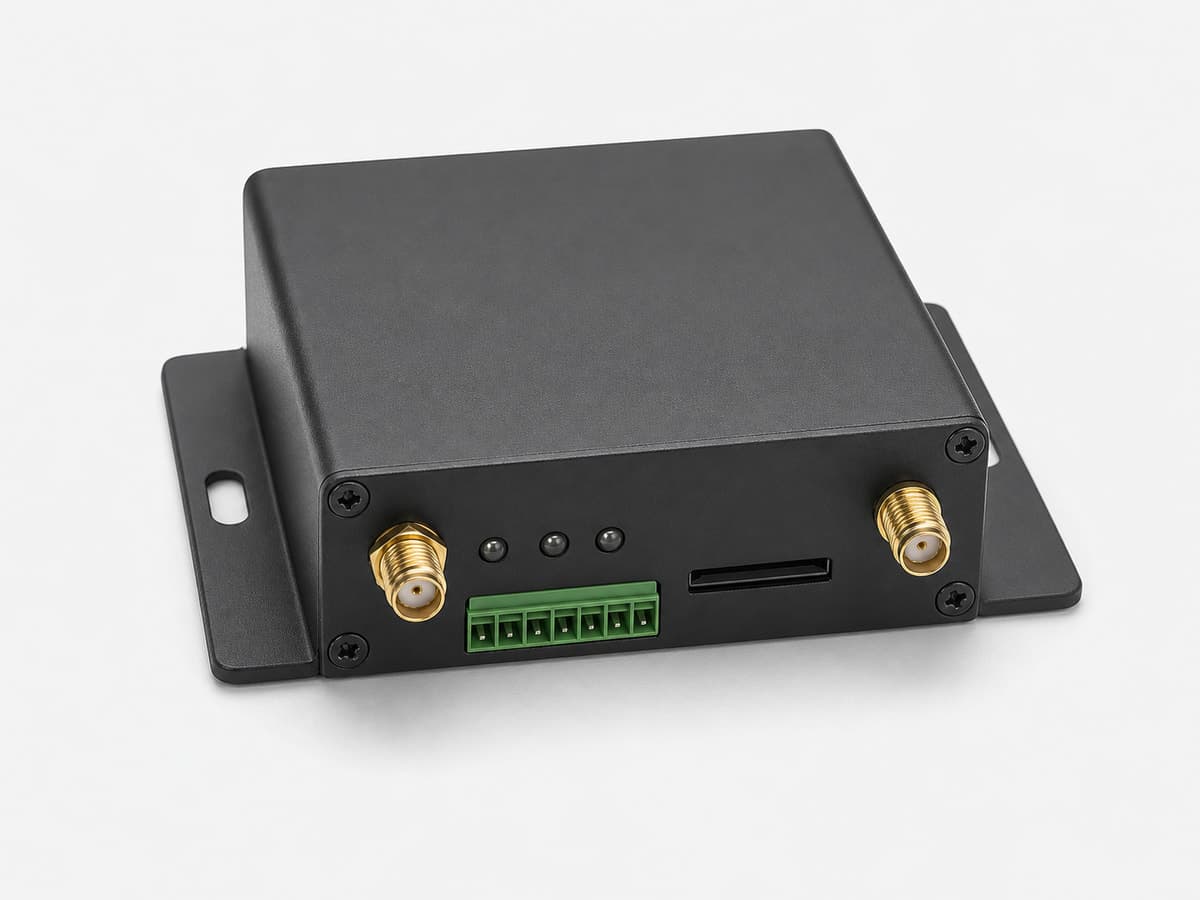
RTU / Remote I/O / Data Loggers & Industrial Gateways
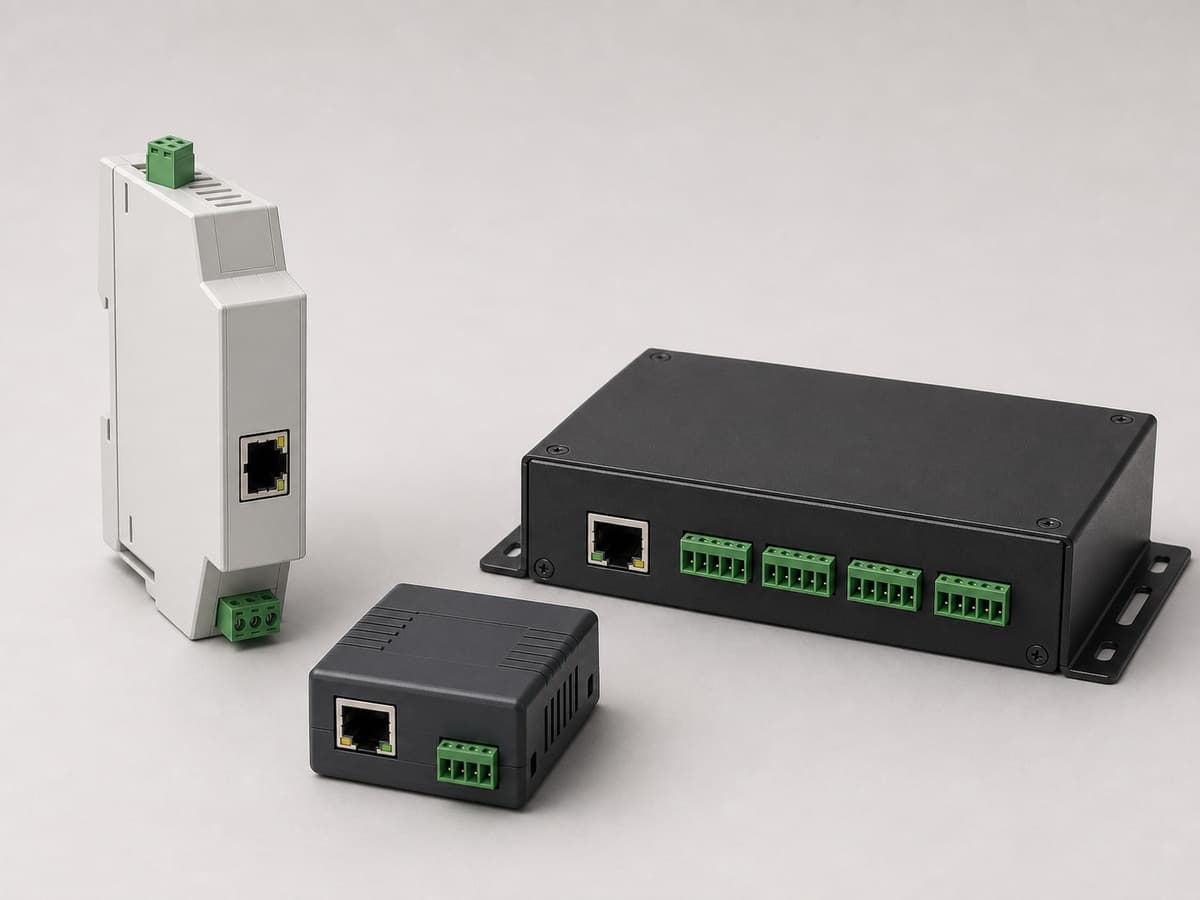
RTU / Remote I/O / Data Loggers & Industrial Gateways
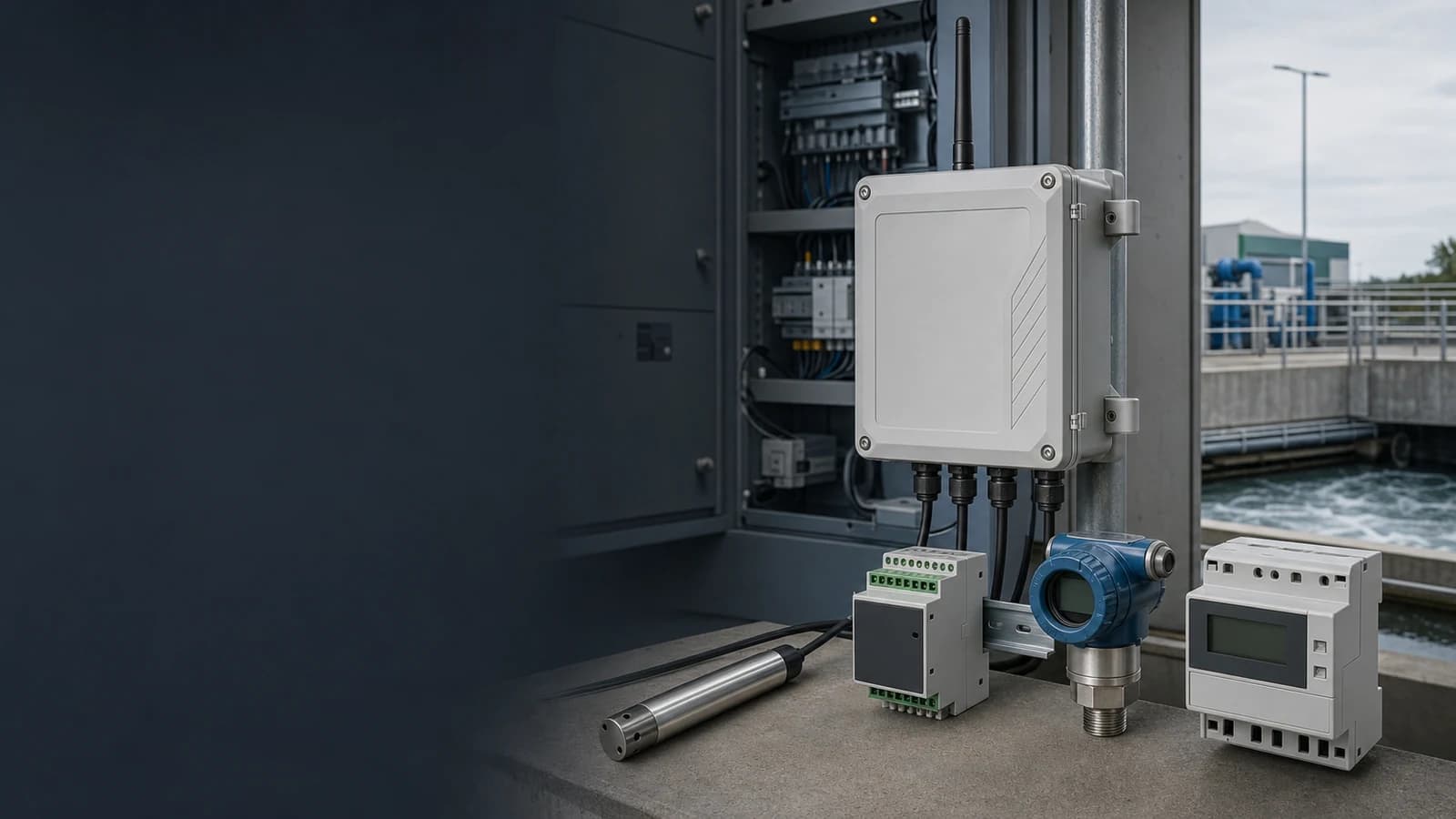
This probe family measures online electrical conductivity in water and compatible process media. Select Type A, B, C or D from the wetted material, pressure, temperature, connection and range. The standard three- or four-wire configurations provide 4-20 mA and RS485 Modbus RTU simultaneously; the Type D two-wire 4-20 mA option is a separate configuration. Conductivity is the direct measured property. A matching manual documents calculated TDS and salinity data on applicable configurations, but availability, units, conversion and temperature basis must be confirmed before those derived values are used.
Start with water chemistry, wetted-material compatibility, process pressure, temperature, connection and range. Type A is ABS/graphite to 0.8 MPa, Types B and C are nylon-fibre constructions to 1.0 MPa, and Type D uses 316L/PEEK for the reviewed higher-temperature and 2.0 MPa service.
Yes on the reviewed standard three- or four-wire configurations. Type D also has a separate two-wire 4-20 mA option with a 22-28 VDC supply requirement, so the wiring version is fixed in the quotation.
Types A, B and C support 0-2000, 0-5000, 0-10000 or 0-20000 µS/cm, with reviewed custom ranges on Type C. Type D supports 0-50, 0-500, 0-10000 or 0-20000 µS/cm. Accuracy is ±1% FS and resolution is 0.01 mS/cm.
The direct measurement is electrical conductivity. A matching manual documents calculated TDS and salinity data on applicable configurations, but the ordered firmware/register set, units, conversion, temperature basis and comparison method must be confirmed before those derived values are used.
Provide immersion or pipe geometry, NPT3/4 connection needs, pressure, temperature, cable length, flow, bubble risk, likely deposits and cleaning access. Include the calibration or comparison method and the receiving PLC, RTU or analyzer.
Water or process medium, expected normal / upset conductivity and units; Required Type A / B / C / D material, range, pressure and temperature; Immersion depth or NPT3/4 process connection, flow and bubble risk; Simultaneous 4-20 mA / RS485 or Type D two-wire output, receiving PLC / RTU / analyzer and supply
Open the Water & Utilities Hardware Catalog linked on this page. Use it to compare equipment options before requesting a configuration.
Compatibility is reviewed against your field signals, protocols and upstream platform. Typical pairings include PLC, RTU or analyzer inputs accepting 4-20 mA and RS485 Modbus RTU, Immersion brackets or NPT3/4 process connections selected for the probe family, Water-quality controllers and telemetry gateways using the reviewed register map.
Product-family reference. Final ordered model and specifications are confirmed in the written quotation.