Keep remote measurement points supplied
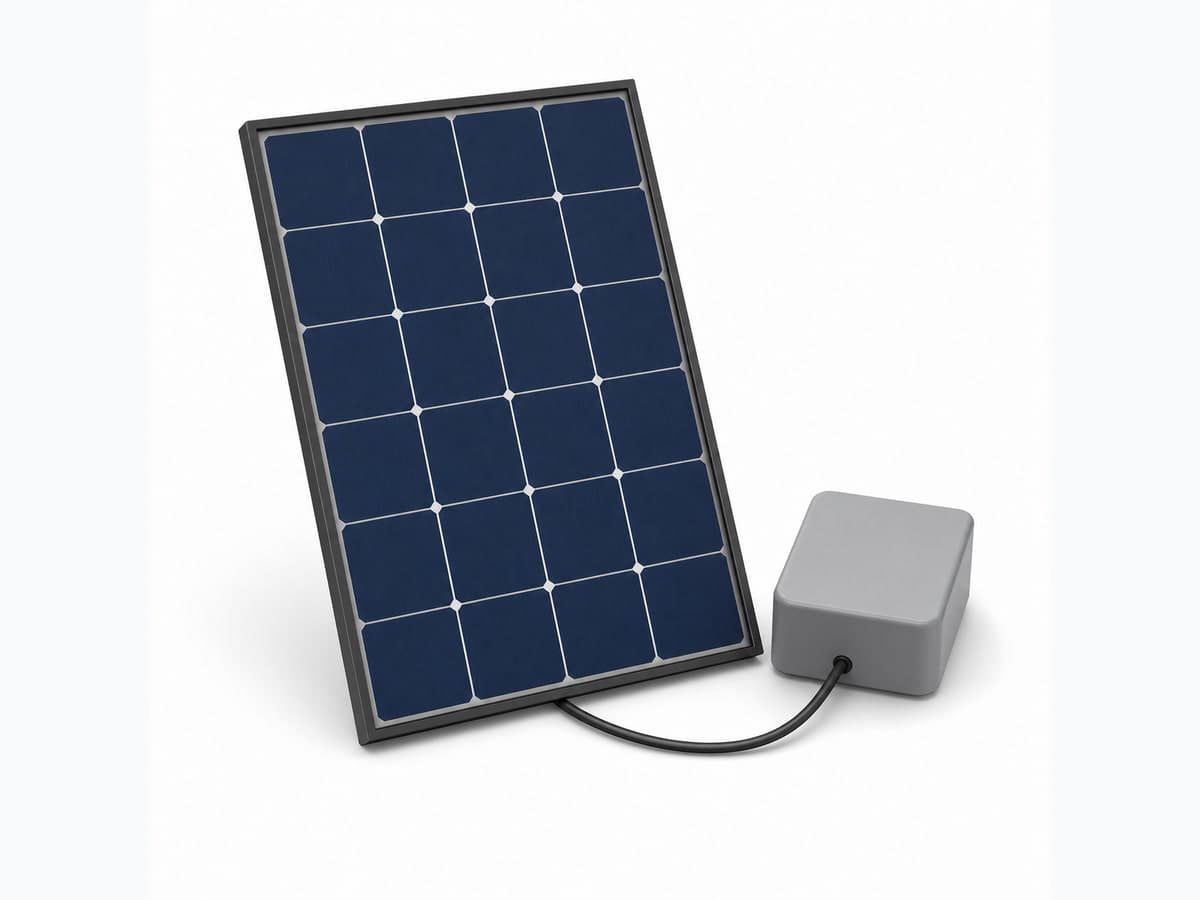
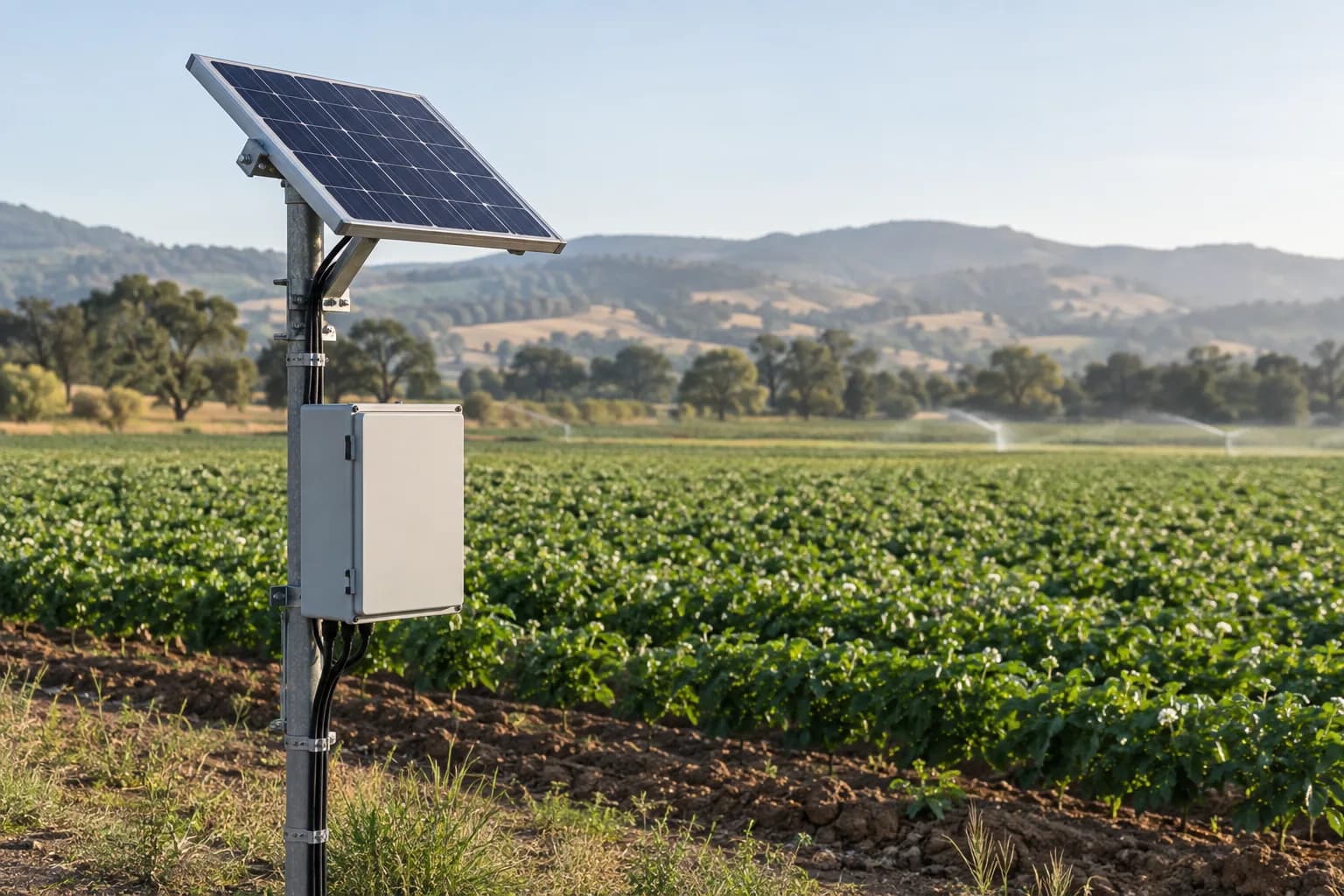
Size field power around the final equipment load, seasonal sunlight and visit interval.
Explore this requirement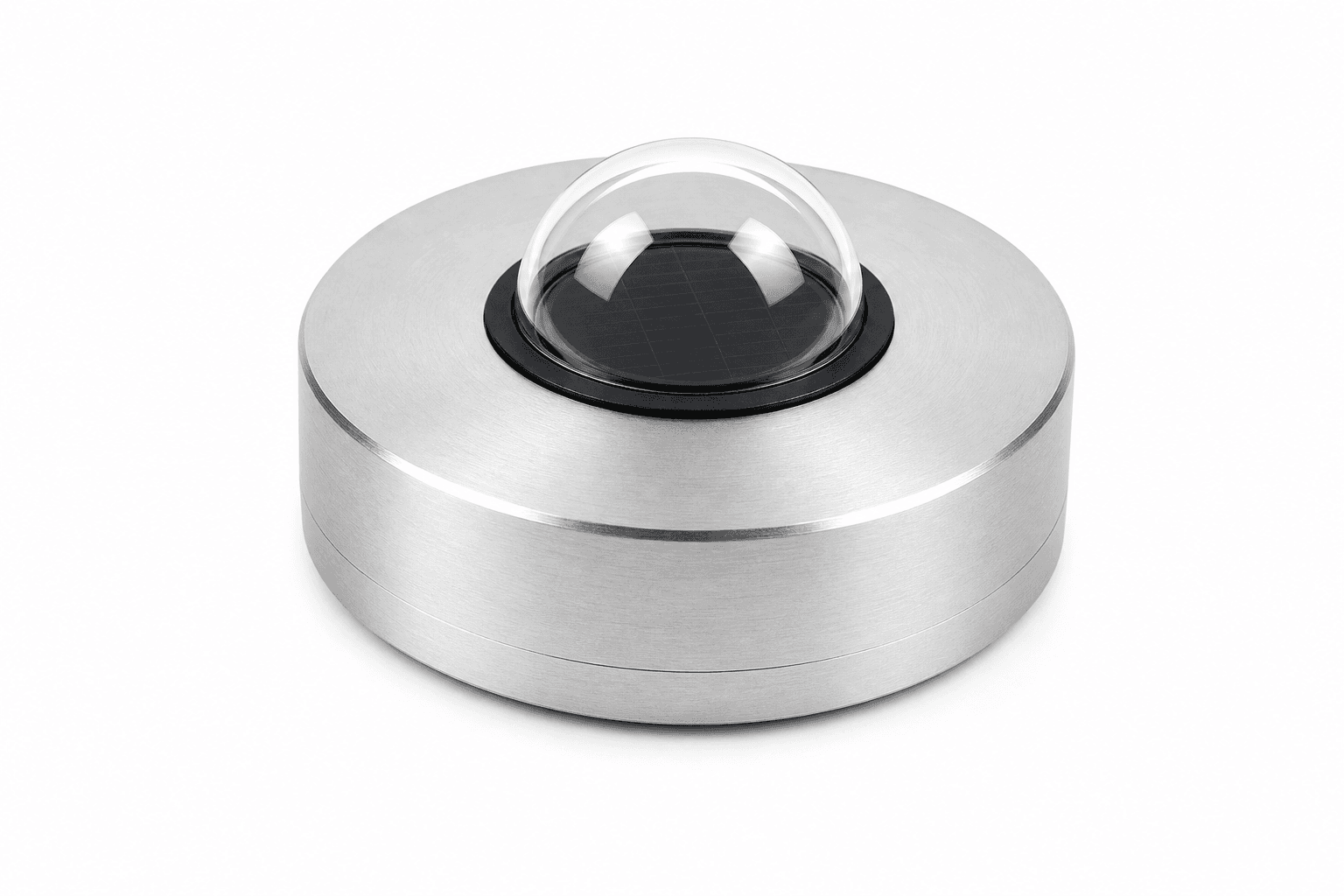
ISO 9060:2018 Class C thermopile pyranometer for 0–2000 W/m² global solar irradiance, with the output configuration selected for the site logger or RTU.
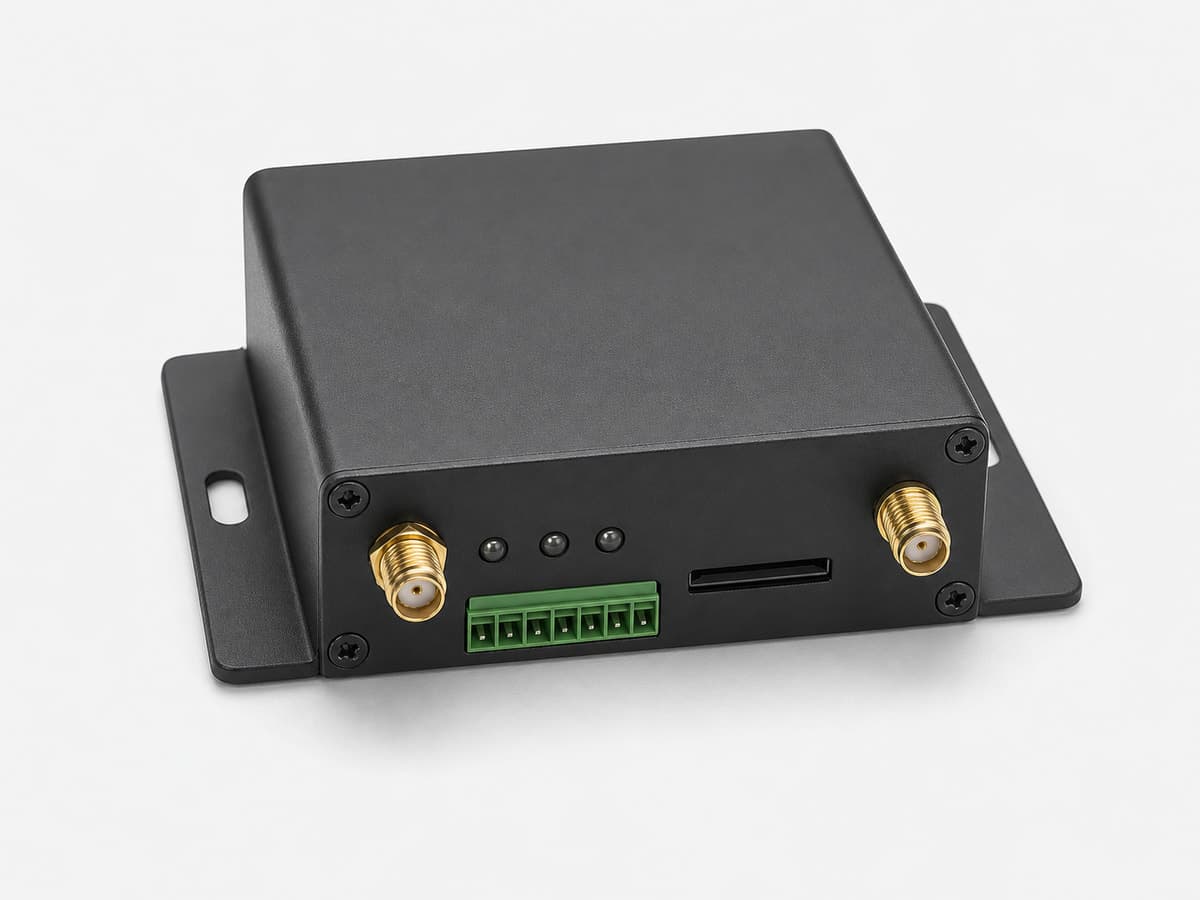
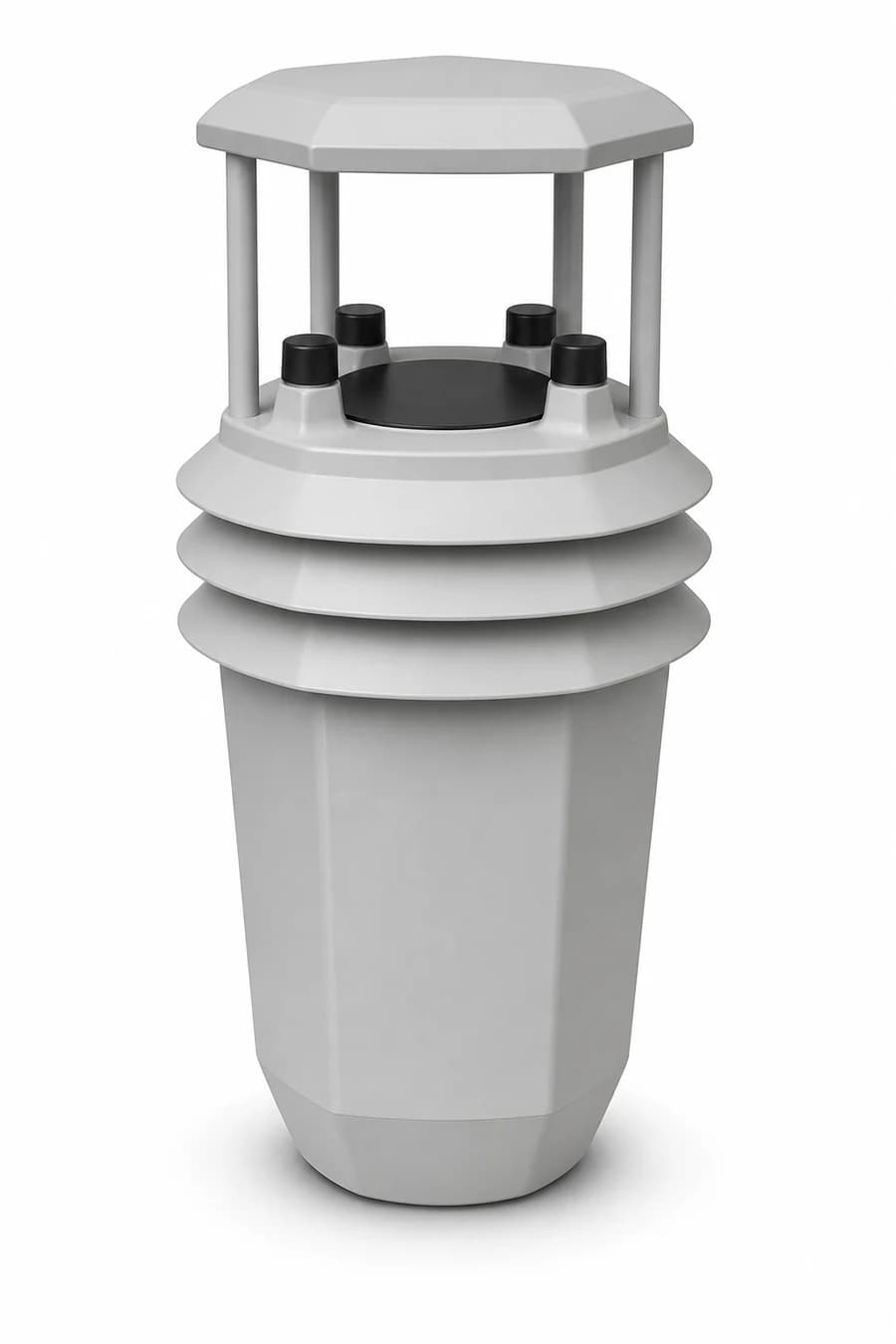
Appearance, connectors and included accessories follow the configuration confirmed in your quotation.
Related application hardware: Energy Monitoring
Share your current model, a photo or the connection you need. We help assess interfaces, power and the required configuration.
Get selection & integration helpPublic documents describe this product family and selection options. Wiring, register maps and compliance documents must match the model and version selected for your order.
English · Web page · printable
Current online selection reference
Agriculture & Weather Hardware Catalog
PDF · English · 447 KiB
File revision: 2026-07-22 · afc637605e57
Choose what you need. We first identify the model and revision, then confirm which documents can be supplied. The request does not imply that every document is available.
Compare uses, interfaces and configuration options. These are selection references.
An SG code helps identify a sourcing option; it is not a substitute for the manufacturer model or its certificate.
Confirm the exact model, configuration, photograph, document revisions, accessories, price, delivery and warranty.
Start with a short description. A complete equipment list is not required.
Size field power around the final equipment load, seasonal sunlight and visit interval.
Explore this requirement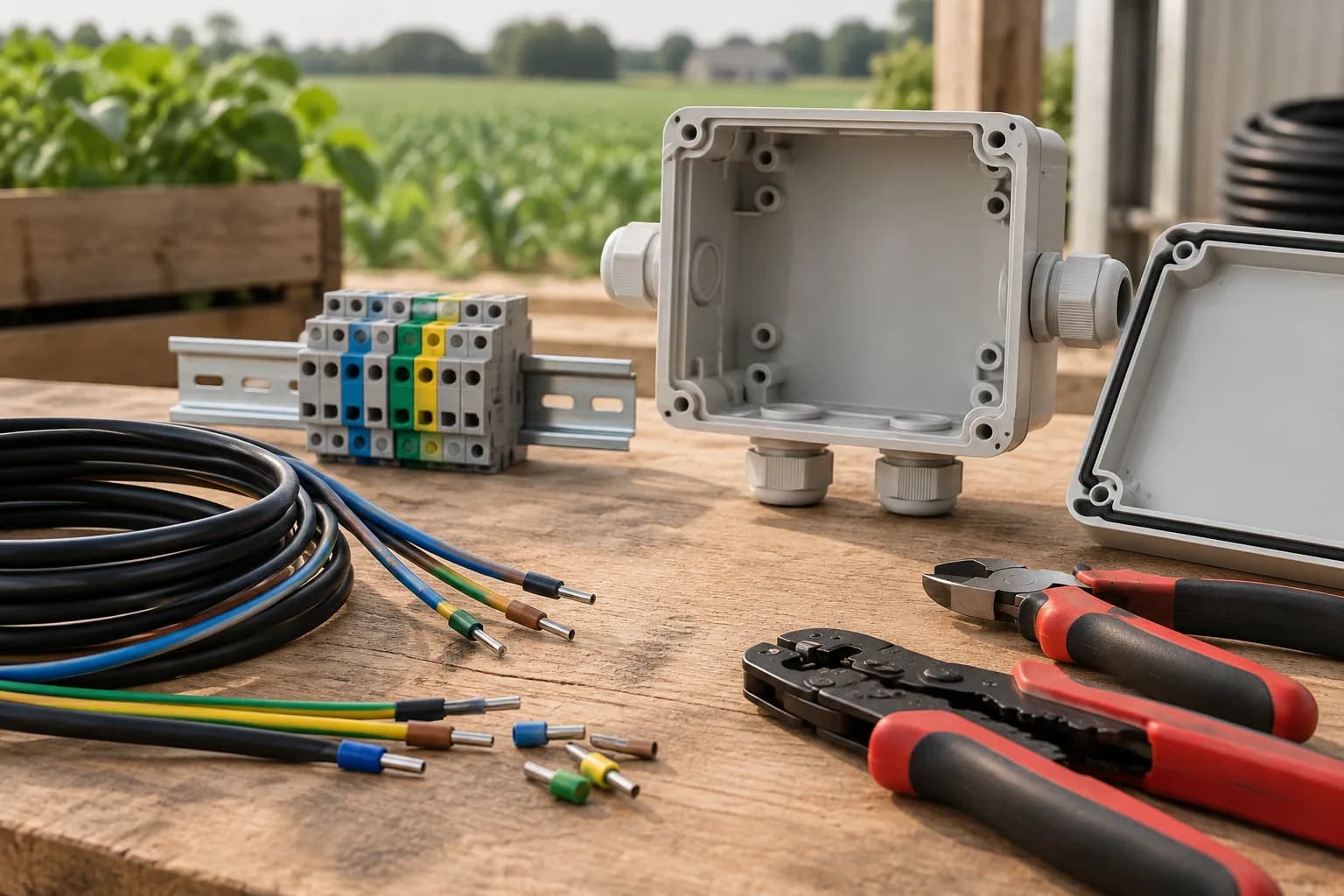
Check power, terminals, interfaces and data interpretation when readings are missing.
Explore this requirementSystem design, software integration, PLC/SCADA programming and site installation responsibilities are agreed in the written project scope.
Data destination
Customer platform or an agreed third-party service
The written quotation ties the site requirement to one reviewed hardware configuration.
Site requirement
Application, medium, mounting and environment
Hardware configuration
Signal, protocol, power and enclosure
Quote confirmation
Model, quantity, certificates and delivery
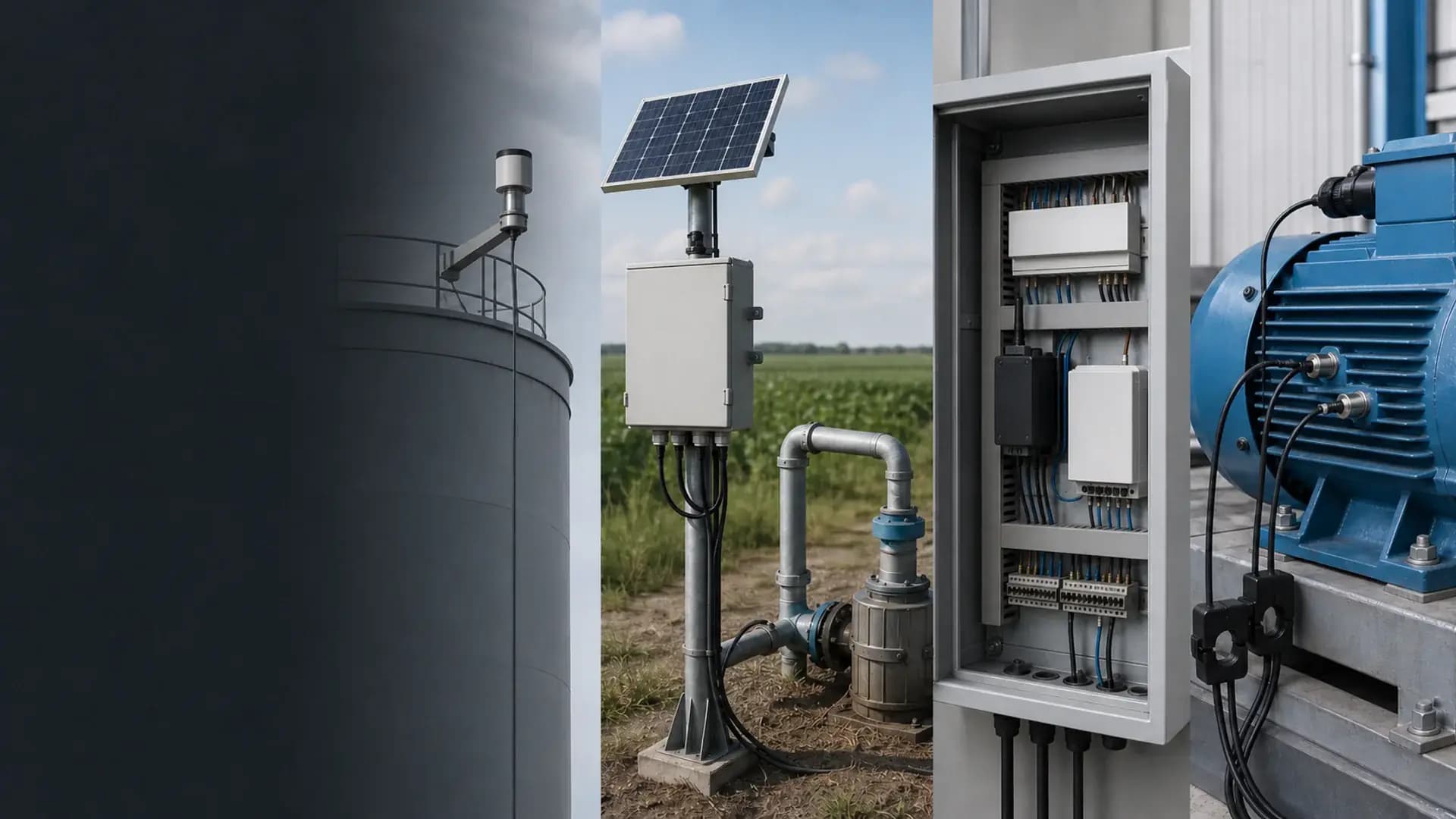
Remote integration context
Sensors, interfaces, enclosure, power and mounting are confirmed against the actual project before quotation.
The reviewed Class C documents support the performance values below. Output, supply, cable, mounting and calibration deliverables remain order-specific.
Model-selection reference
Compare equipment options in this catalog section.
12 sourcing references from “Solar radiation, PAR and light sensors”. Put an SG code in the RFQ so we can match the same catalog row.
SG-SRD-113SG-SRD-110SG-SRD-114SG-SRD-115SG-SRD-116SG-SRD-117SG-WS-137SG-WS-133SG-WS-152SG-WS-145SG-SRD-118SG-SRD-119Compare adjacent hardware families for the same monitoring path.
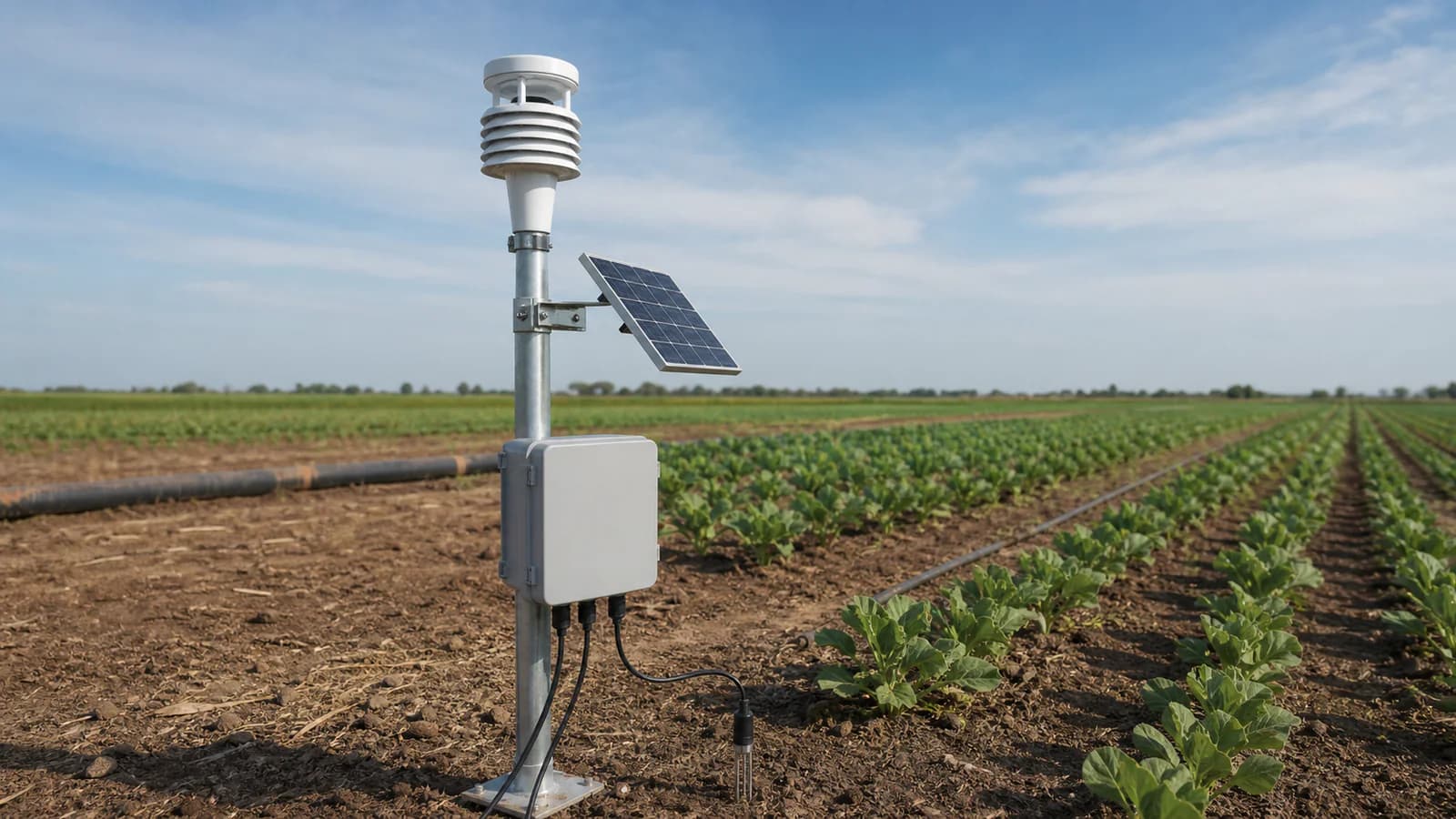
Use this Class C thermopile pyranometer to measure global solar irradiance from 0 to 2000 W/m² at PV, weather and agricultural monitoring sites. The reviewed family covers passive millivolt and several powered-output variants, but each ordered unit uses one selected output and its matching supply. Mounting plane, shading, cable, logger scaling and calibration documentation are fixed in the quotation rather than assumed from the family name.
More guides
The reviewed instrument is classified as ISO 9060:2018 Class C. Selection should use the published response, non-linearity, directional-response, temperature-effect and stability components instead of reducing performance to one unsupported generic accuracy number.
Match the output to the site logger or RTU. Choose passive 0-20 mV for a compatible low-level input, 4-20 mA or 0-5 V for analogue acquisition, RS485 Modbus RTU for a serial master, or SDI-12 for a compatible environmental logger. One configuration is selected when ordering.
No. The passive 0-20 mV configuration needs no external supply. The powered variants use 5 VDC or 12-24 VDC depending on the selected output, so the output and supply must be quoted together.
Use a rigid, level and unobstructed location for global horizontal irradiance, or a reviewed plane-of-array bracket for tilted measurements. Record nearby shading, horizon obstructions, cable route, cleaning access and surge exposure before ordering.
The reviewed calibration basis is ISO 9847 and the recommended recalibration interval is two years. The exact report, certificate or traceability documentation included with the order must be written into the quotation.
Application, measurement objective and required instrument class; Horizontal or plane-of-array mounting and site coordinates; Selected output and connected logger / RTU input; Sampling, averaging and reporting interval
Open the Agriculture & Weather Hardware Catalog linked on this page. Use it to compare equipment options before requesting a configuration.
Compatibility is reviewed against your field signals, protocols and upstream platform. Typical pairings include Passive millivolt data loggers with sensitivity-based scaling for the selected sensor, 4-20 mA or 0-5 V analogue inputs on the ordered powered-output variant, RS485 Modbus RTU masters or SDI-12 loggers on the corresponding ordered variant.
Product-family reference. Final ordered model and specifications are confirmed in the written quotation.