
Industrial IoT comparison
Solar-Powered vs Mains-Powered Remote Monitoring
Choose between solar-powered and mains-powered remote monitoring stations for water, weather, agriculture and energy sites.
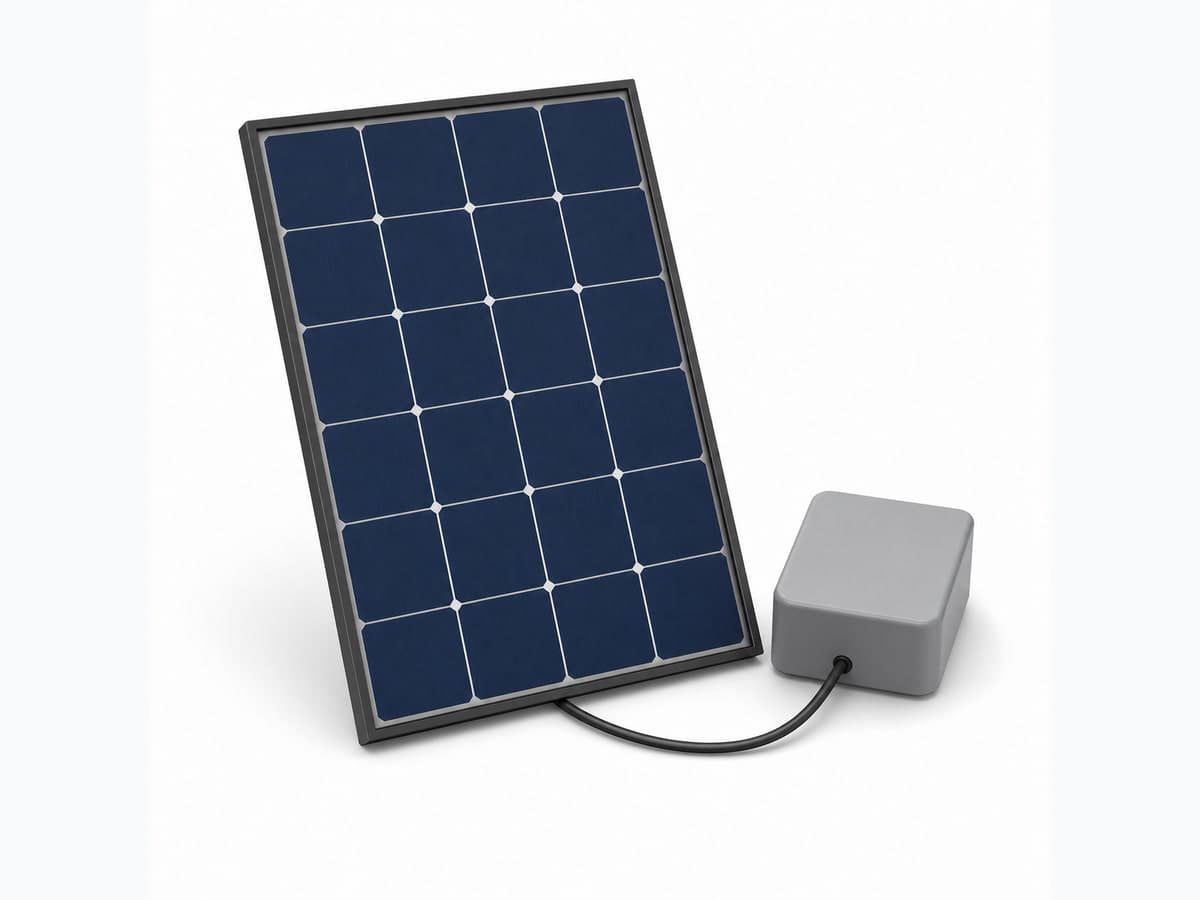
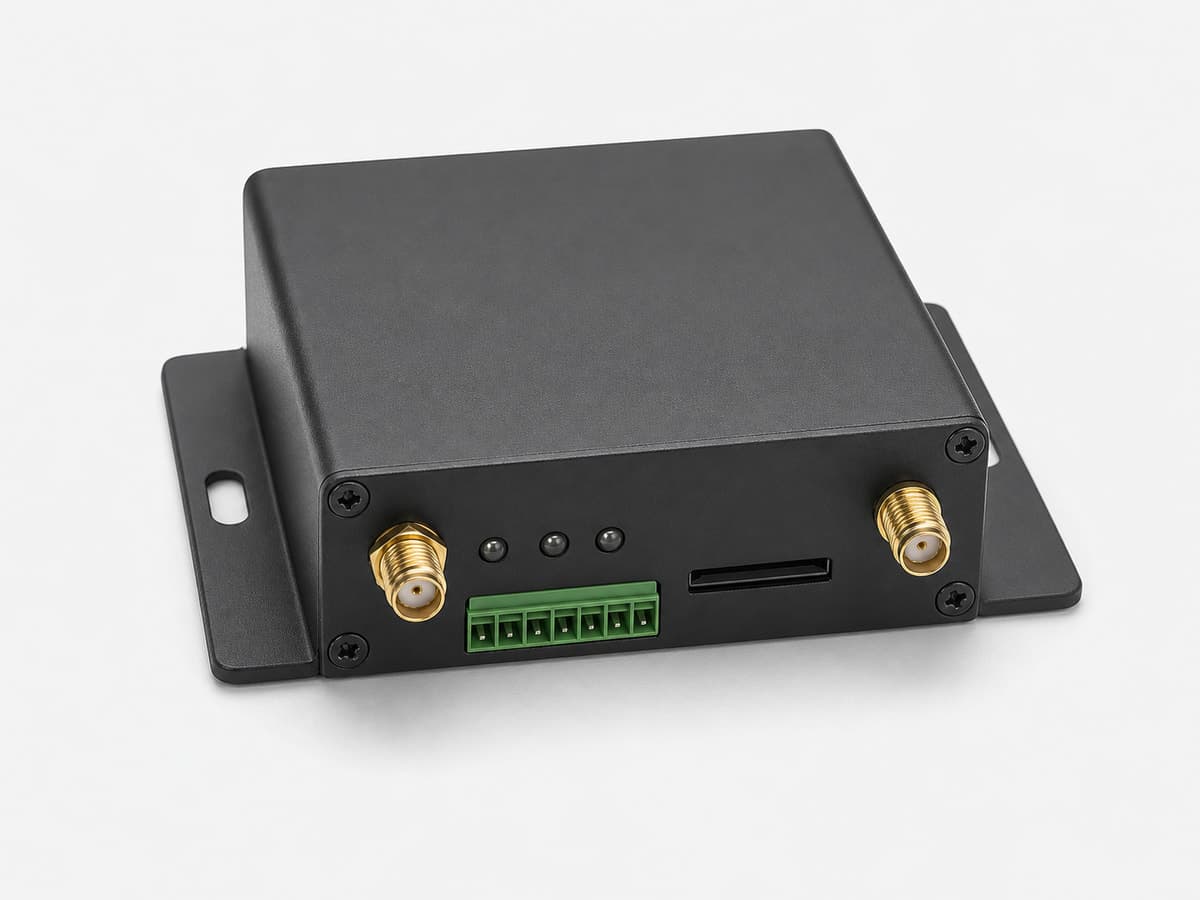
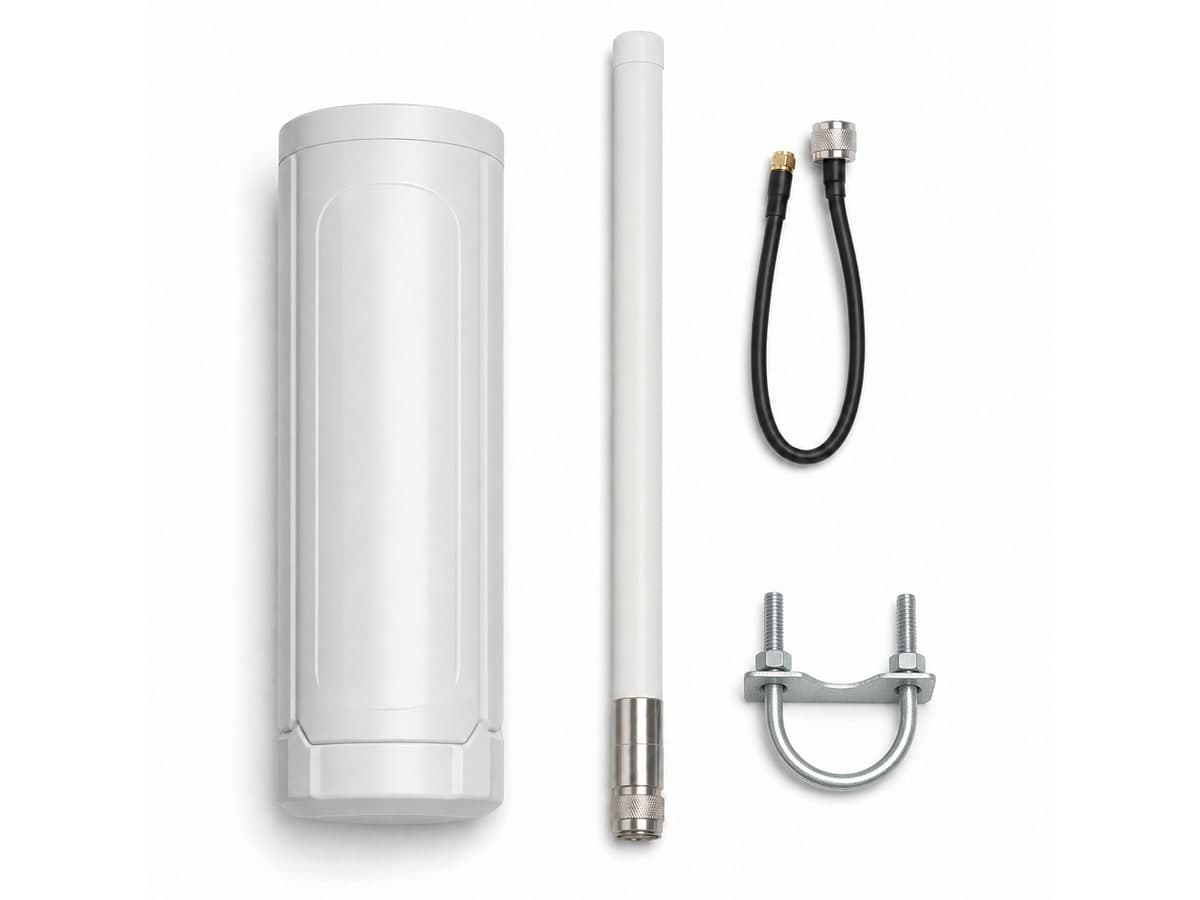
Hardware in this guide
Product-family photos. See each product page for specifications and options.
Need a project-specific choice?
Send your existing device models, power, network and the readings you need. We can compare compatible equipment and prepare a quotation.
At your site
Mains power is simpler when available and stable. Solar power is useful for remote sites, but requires autonomy, enclosure and load planning.
Decision table
Site power
- Solar-powered station
- No stable grid power
- Mains-powered station
- Reliable cabinet or utility power
- Guidance
- Do not add solar complexity when mains power is already reliable.
Maintenance
- Solar-powered station
- Battery health and panel cleaning matter
- Mains-powered station
- Electrical protection and uptime matter
- Guidance
- Maintenance plan changes with power source.
Load budget
- Solar-powered station
- Must calculate sensor, gateway and reporting load
- Mains-powered station
- More tolerance for higher power devices
- Guidance
- Solar projects need a real power budget.
Equipment in the system
Example equipment arrangement. Check compatibility and agree who handles software, PLC/SCADA programming and site installation.
Data destination
Customer platform or an agreed third-party service
Hardware used in the comparison
Product-family photos; the model and enclosure may vary.
Choose Solar-powered station when
- The site is remote or off-grid
- Reporting interval can be optimized
- Battery autonomy is specified
Choose Mains-powered station when
- A control cabinet already has power
- High-frequency polling or always-on gateway is required
- Maintenance access is regular
Information needed for quotation
- Site sun exposure
- Battery autonomy target
- Gateway and sensor load
- Ingress protection and mounting method
Hardware to confirm before quotation
Product-family photos; the model and enclosure may vary.
Related pages
FAQ
How do I choose between the two options?
Solar-powered station fits these conditions: The site is remote or off-grid. Mains-powered station fits these conditions: A control cabinet already has power. SunGene can shortlist hardware after reviewing the site and integration details.
Can SunGene quote both options?
Yes. Send the site layout, measurements, available network and quantity. We can compare equipment and accessories for both options.
Does this comparison include pricing or guaranteed certification?
No. Pricing and certification depend on the selected hardware configuration and target country, so they are confirmed during quotation.
Can we test an option before a wider rollout?
Ask for a sample or pilot configuration. Agree the interfaces, power, mounting and receiving system, then compare local readings with the received data. Confirm model-specific documents and any required approvals before ordering.