Skip to content
SunGeneAgricultural IoT
← Agricultural solutions

Livestock buildings, drinking water and ponds

Livestock and Aquaculture Water and Environment Monitoring

Select dissolved oxygen, pH and other required water measurements for ponds and tanks, alongside separate livestock-building measurements. Plan probe maintenance, data connections and the local response to alerts.

Discuss Your Project
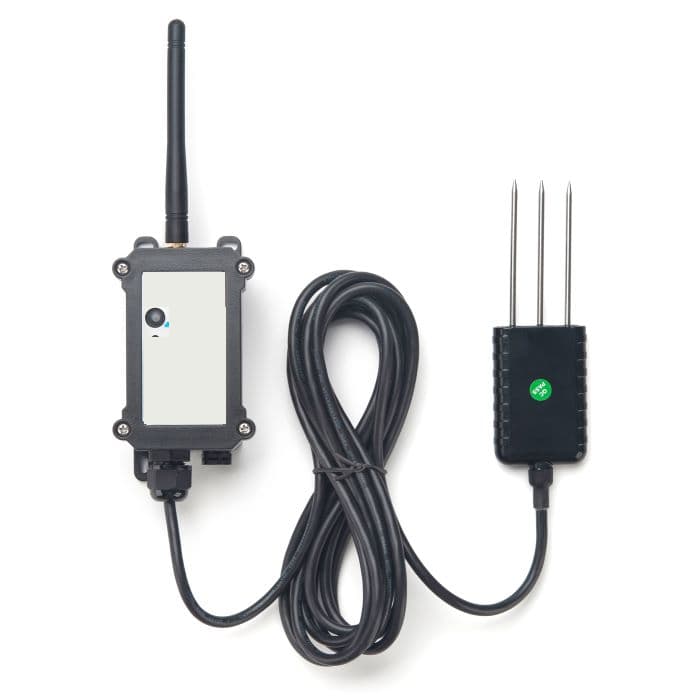
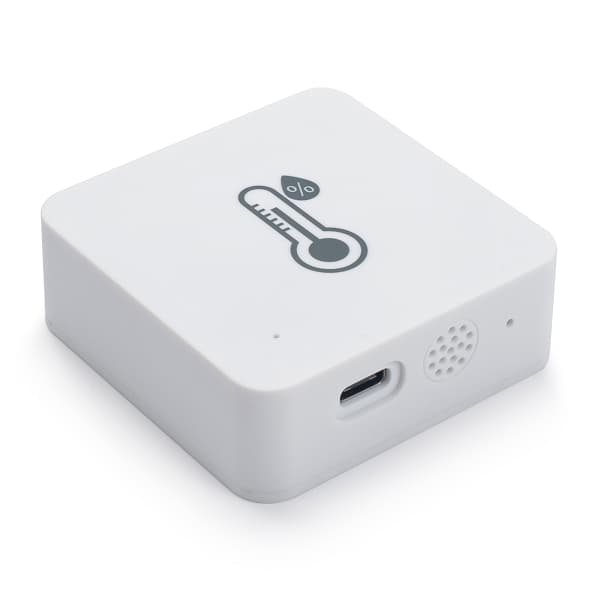
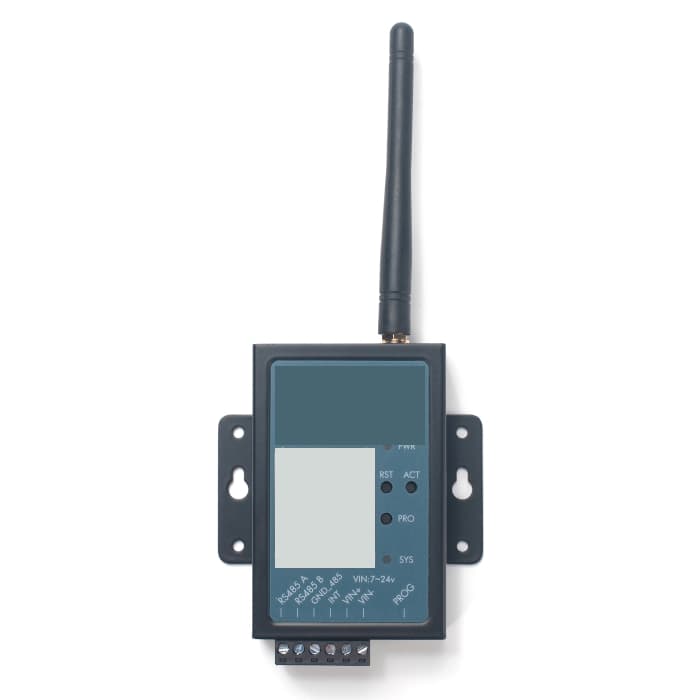
SG-THS-115: Wireless Temperature and Humidity Sensor

The field requirement

Measurements and equipment on site

Define useful parameters, measurement zones and an alert response process. Husbandry thresholds and biological decisions remain with the site specialist.

Who handles each part?

SunGene handles equipment sourcing, farm system architecture and the agreed software or integration work. On-site construction and installation are carried out by local teams; we can help you find and coordinate a suitable partner.

System architecture & engineering details
  1. 01Field sensingSoil, weather, water & equipment
  2. 02Data acquisitionInputs, mapping & field power
  3. 03ConnectivityWired, wireless & recovery
  4. 04Platform integrationYour platform or a suitable service
  5. 05Alerts & decisionsAgreed views, exports & workflows
Equipment and functions are selected for each project. Control work also requires agreed command authority, local protection and outage behaviour.

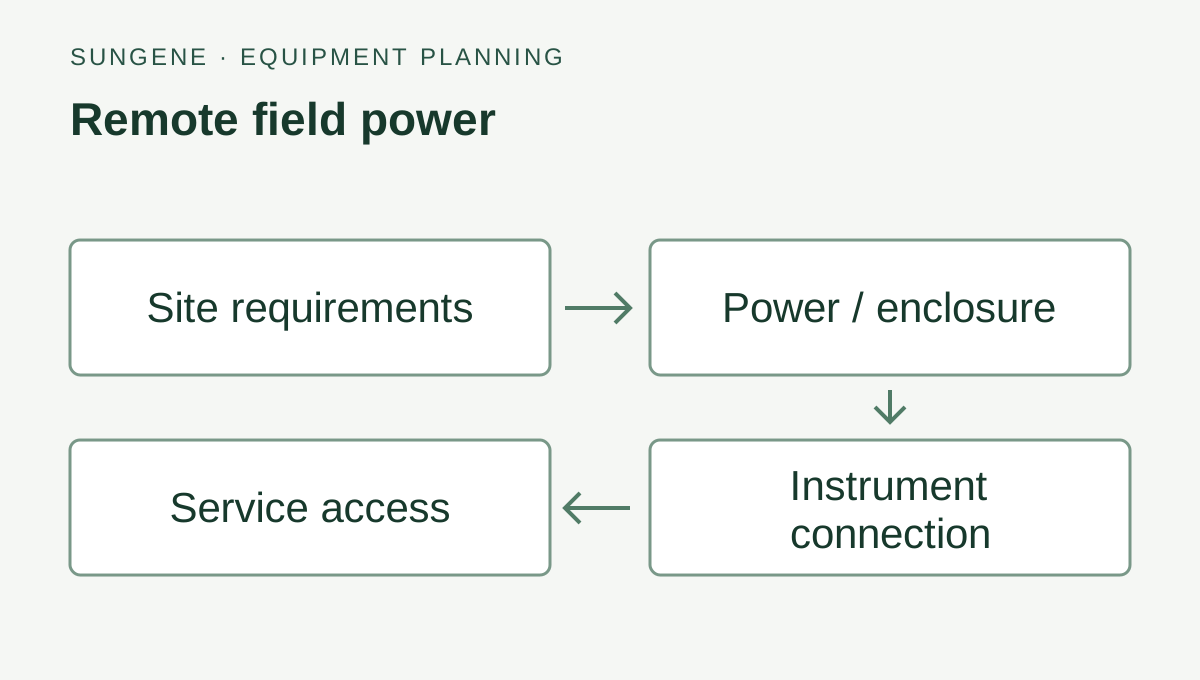
Environmental or water sensors → acquisition and field power → network → platform → agreed monitoring and alerts.

Choose measurements for the pond or tank

Select the readings that support your daily work, then match the probes, mounting, controller inputs and maintenance access.

Fish ponds, aquaculture tanks and recirculating water

Use dissolved oxygen and pH measurements to follow changing water conditions. Add conductivity, turbidity or a selected multi-parameter probe when those readings are needed at the same point.

Measurements: Dissolved oxygen and temperature; pH and other parameters as required
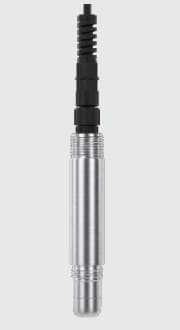
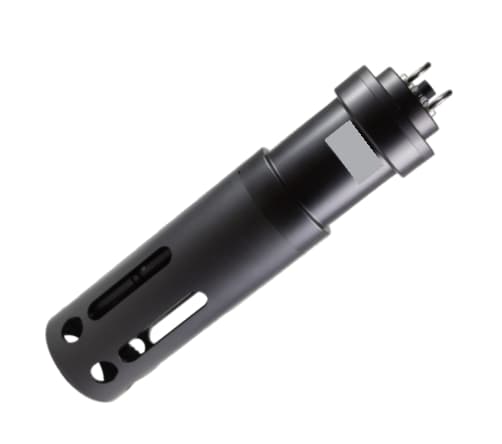
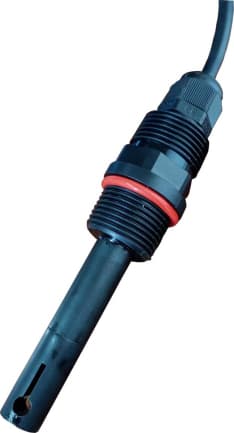
SG-WQE-115: Optical Dissolved Oxygen Sensor
Pictured: SG-WQE-115 — Optical Dissolved Oxygen Sensor.

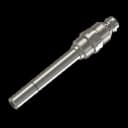
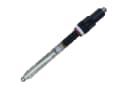
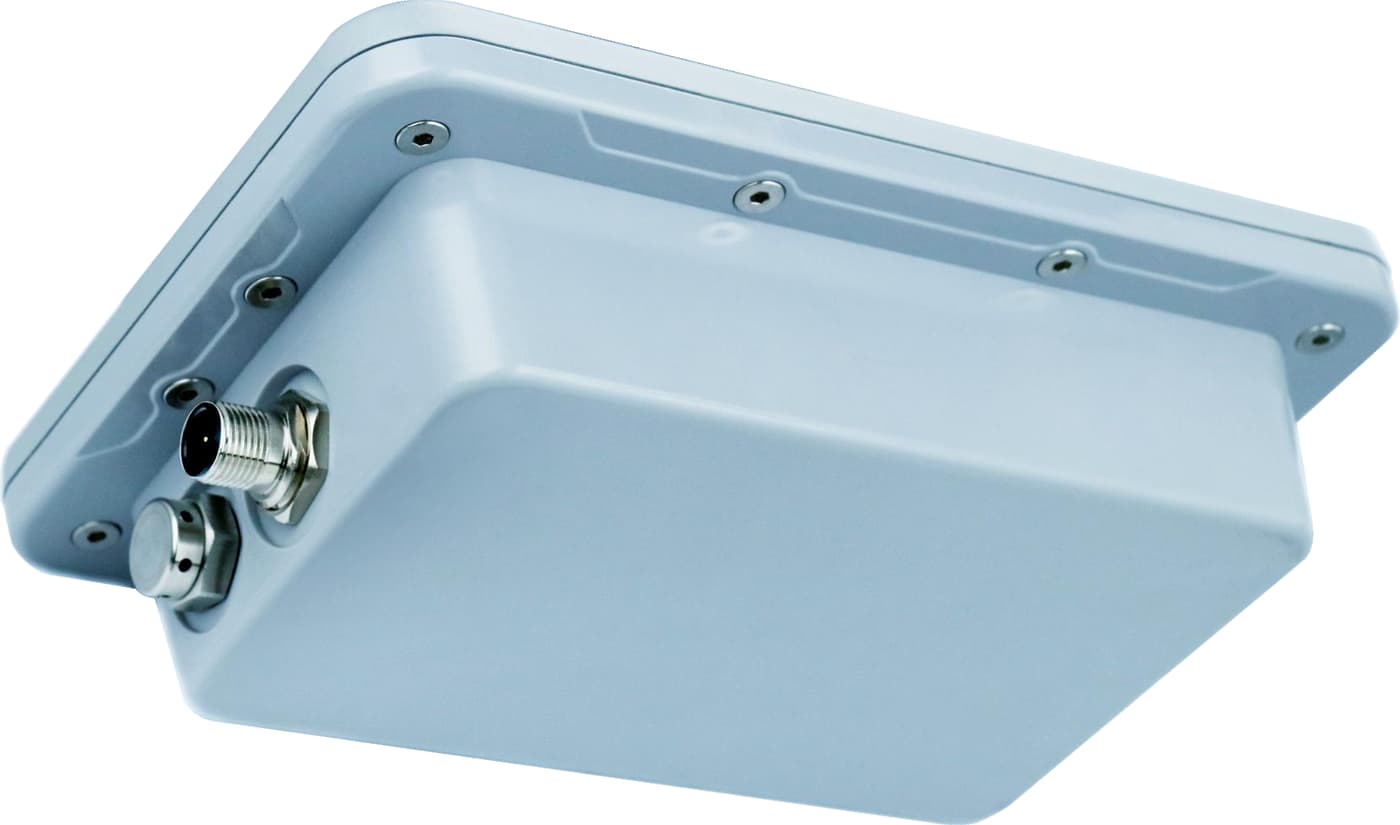
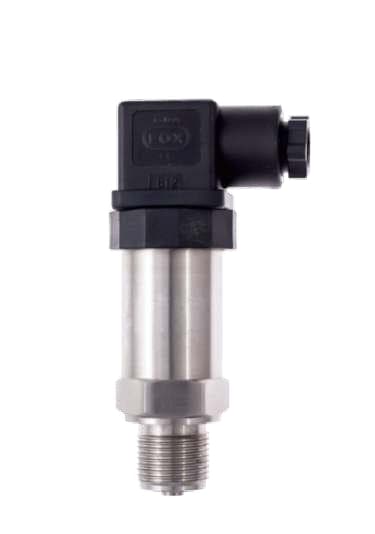
Equipment photographs: SG-WQE-101, SG-WQE-105, SG-WQE-104. The quotation confirms the selected devices and configuration.

  1. 1Selected probes at representative pond or tank points
  2. 2Compatible acquisition, field power and network
  3. 3Trends and alerts with an assigned local response
Typical measurement path. Sensor outputs, receiving inputs, field power and the data destination are matched before quotation.
  • Share the species, freshwater or saltwater conditions, temperature, measurement depth and number of ponds or tanks.
  • Agree the DO compensation settings, calibration checks and a cleaning route that staff can reach.
  • Set alarm limits with the site specialist. Aeration commands, backup power and local protection are separate parts of the design.
Water monitoring questions

What information is needed for an aquaculture water-monitoring quotation?

Provide the species, pond or tank count, freshwater or saltwater conditions, temperature, measurement points and required parameters. Include power, network coverage and who will clean probes and respond to alerts. The site specialist sets operating limits; any aeration control and local protection are agreed separately.

Should I select separate probes or a multi-parameter probe?

Separate probes let you place or service each measurement independently. An integrated multi-parameter assembly can bring selected measurements from one submerged point through a single RS485 connection. Compare the required modules, mounting space, cleaning access, calibration work and replacement plan before choosing.

How often do water-quality probes need maintenance?

Set the schedule from the selected probe instructions and actual fouling at the site. Plan safe removal, cleaning, calibration standards and consumables before installation. Automatic cleaning on an applicable configuration still needs inspection and does not replace calibration checks.

Site & interface review

Check power, interfaces and installation conditions

  • Medium, parameters and measurement method
  • Cleaning, calibration and consumables
  • Location, power and protection
  • Alert owner and local response

Working with what is already there

Review existing equipment for reuse.

Existing probes, aeration equipment and controllers can be reviewed through documented interfaces. A network connection alone does not define command authority or protection.

Review equipment compatibility

See where the system fits

Our project role

Equipment, data connections and operating documents

01

Measurement and service requirements

02

Equipment and interface configuration

03

Data and alert mapping

04

Pilot checks and operating handover

Your proposal lists the selected equipment, software functions, checks, site responsibilities and support. Share your existing equipment and site conditions so we can define the configuration.

See our integration services

Useful before you begin

Related installation and selection guides

Related equipment families

Equipment for this system

Select the version for your controller, power and site.

Contact SunGene

Ask about equipment,
planning or a system fault.

Tell us your country and what you want to measure or fix. A site photo or equipment list helps us check the options.