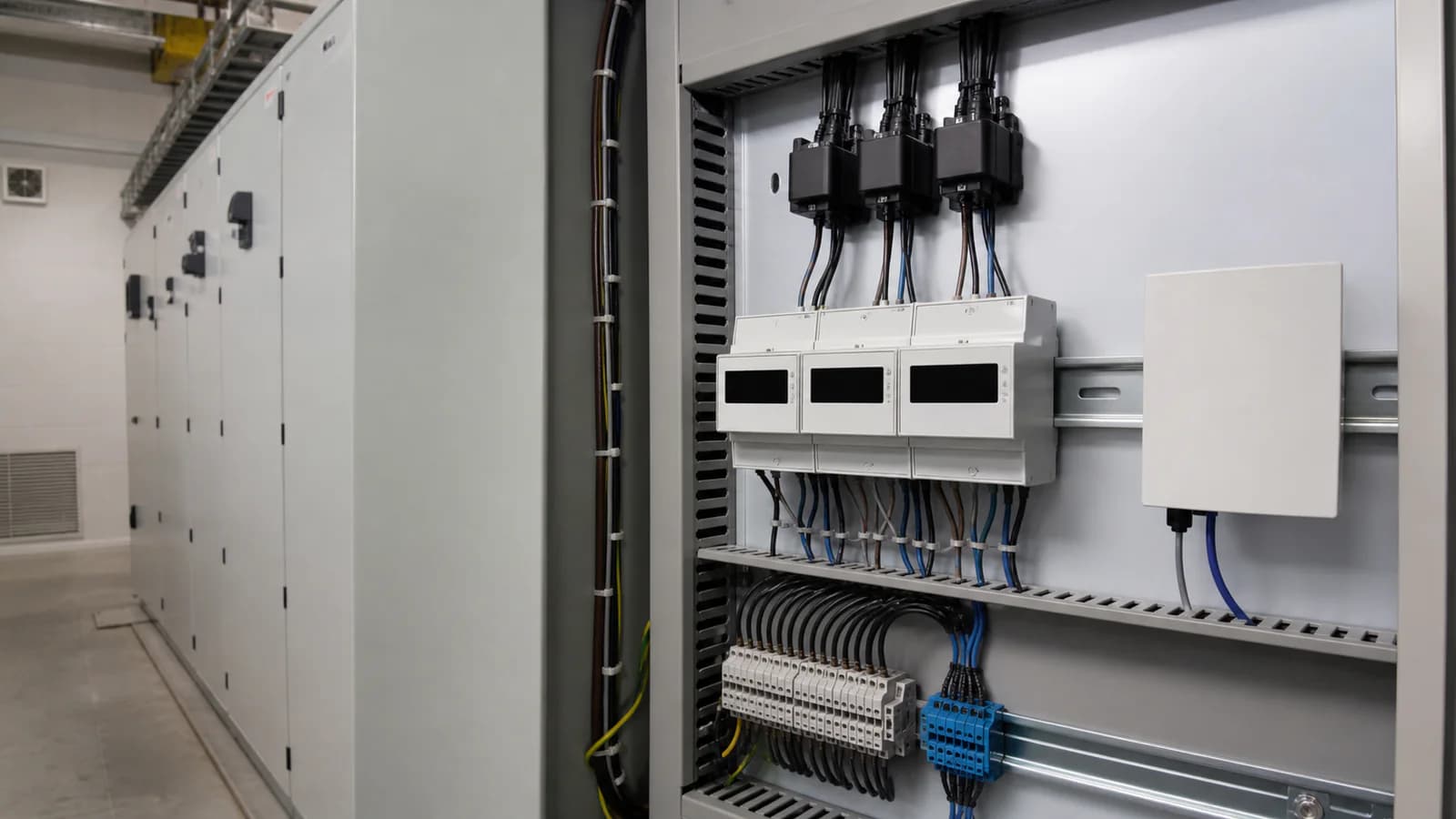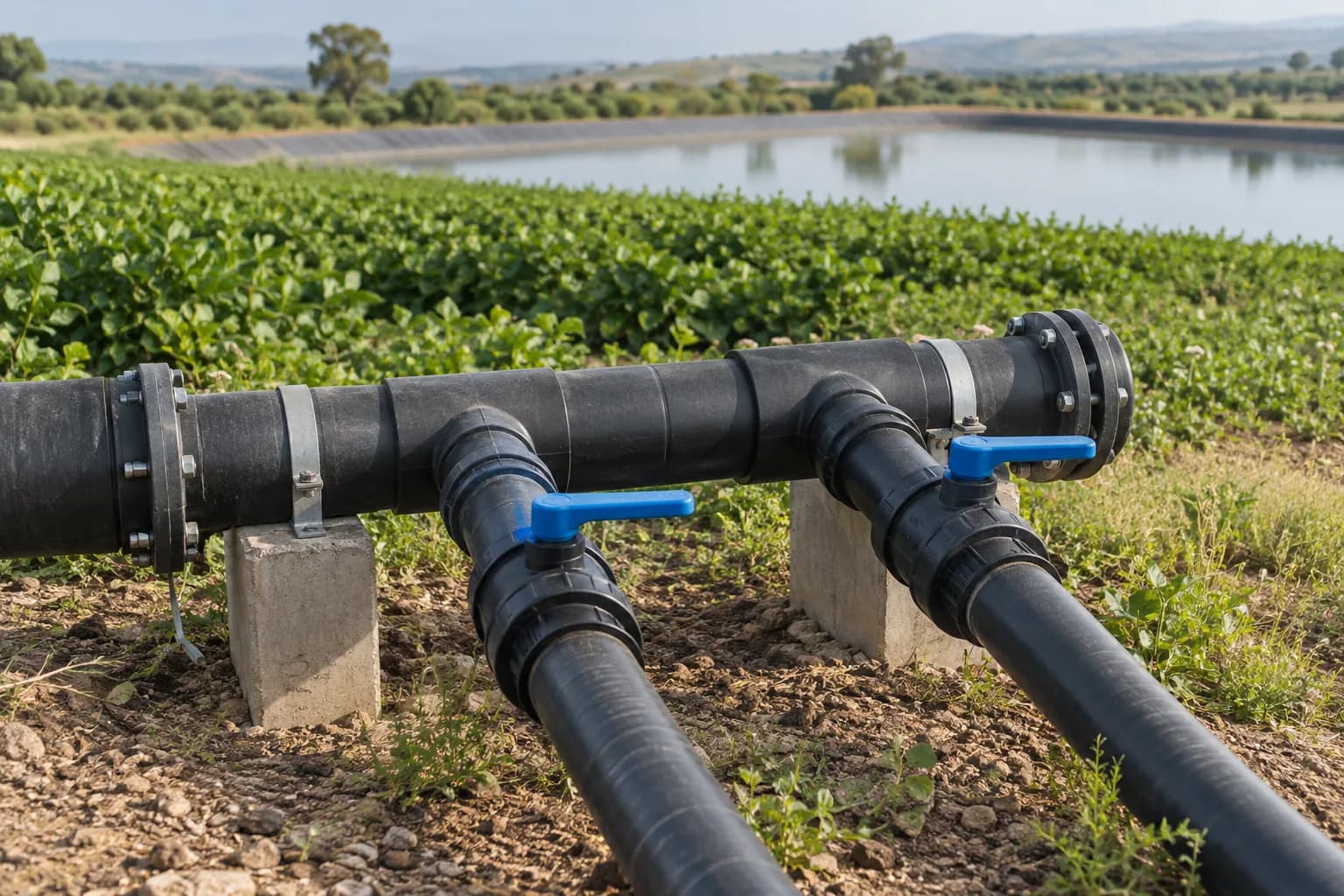
Water delivery across the farm
Connect level, flow and pump status with the water decisions your team makes.
Explore this requirement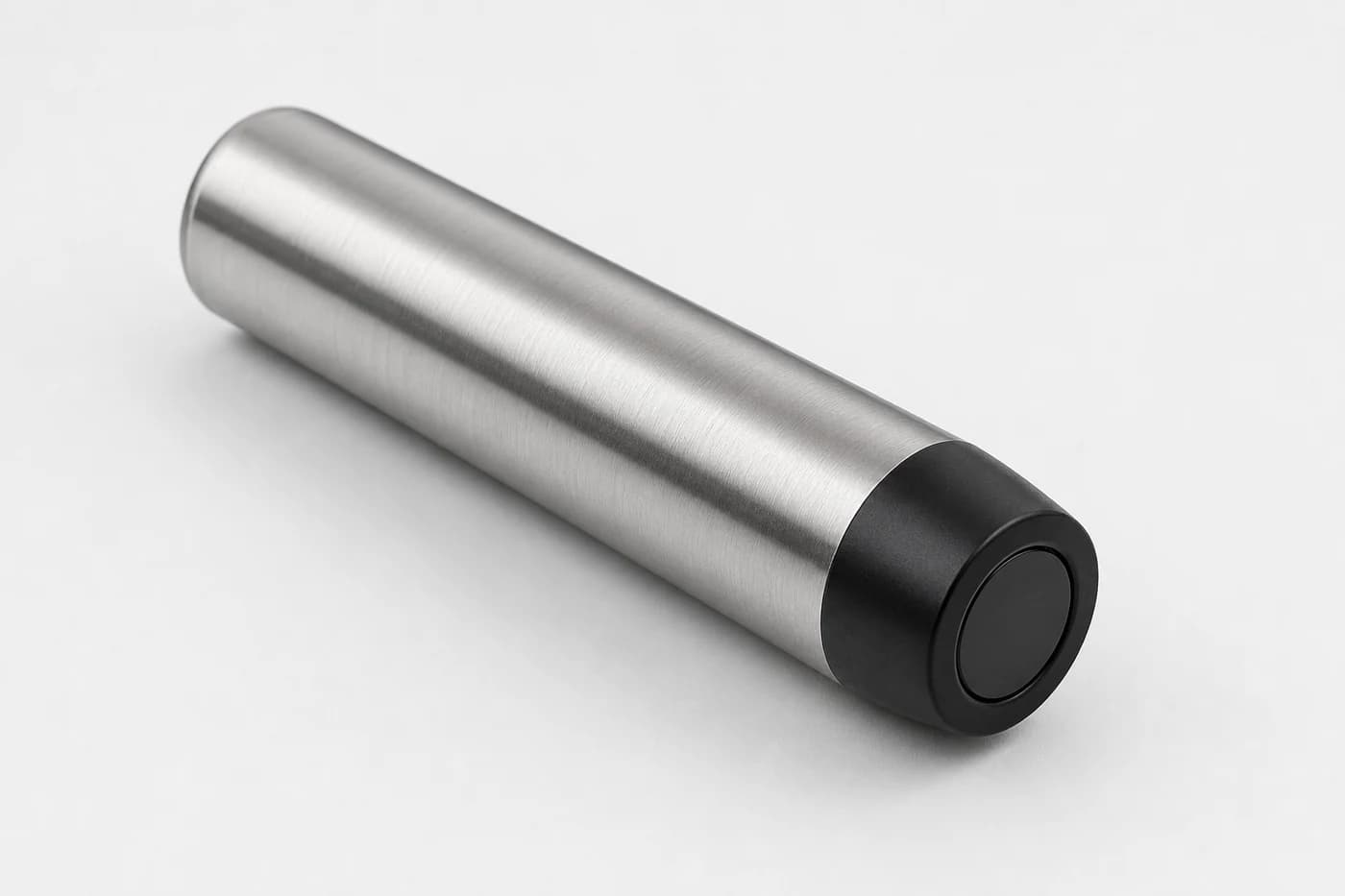
Continuous 860 nm, 90-degree scattered-light turbidity probe with selectable 0–10 to 0–4000 NTU ranges and simultaneous RS485 Modbus RTU / 4-20 mA outputs.
Appearance, connectors and included accessories follow the configuration confirmed in your quotation.
Related application hardware: Water Monitoring
Share your current model, a photo or the connection you need. We help assess interfaces, power and the required configuration.
Get selection & integration helpPublic documents describe this product family and selection options. Wiring, register maps and compliance documents must match the model and version selected for your order.
English · Web page · printable
Current online selection reference
Water & Utilities Hardware Catalog
PDF · English · 388 KiB
File revision: 2026-07-22 · 82cac85fcd00
Choose what you need. We first identify the model and revision, then confirm which documents can be supplied. The request does not imply that every document is available.
Compare uses, interfaces and configuration options. These are selection references.
An SG code helps identify a sourcing option; it is not a substitute for the manufacturer model or its certificate.
Confirm the exact model, configuration, photograph, document revisions, accessories, price, delivery and warranty.
Start with a short description. A complete equipment list is not required.
Connect level, flow and pump status with the water decisions your team makes.
Explore this requirement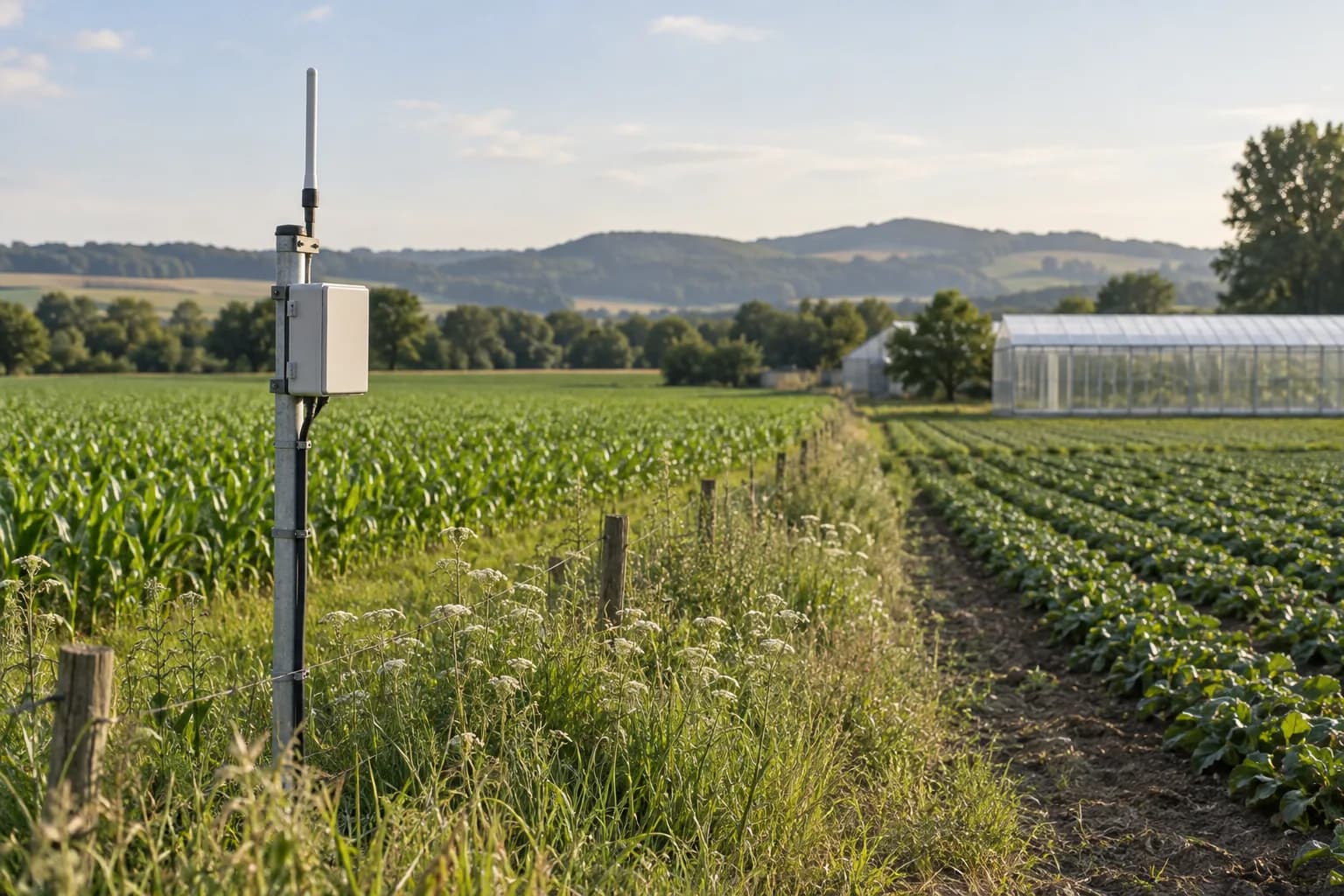
Review coverage, equipment identity and the path into your chosen platform.
Explore this requirementSystem design, software integration, PLC/SCADA programming and site installation responsibilities are agreed in the written project scope.
Data destination
Customer platform or an agreed third-party service
The written quotation ties the site requirement to one reviewed hardware configuration.
Site requirement
Application, medium, mounting and environment
Hardware configuration
Signal, protocol, power and enclosure
Quote confirmation
Model, quantity, certificates and delivery
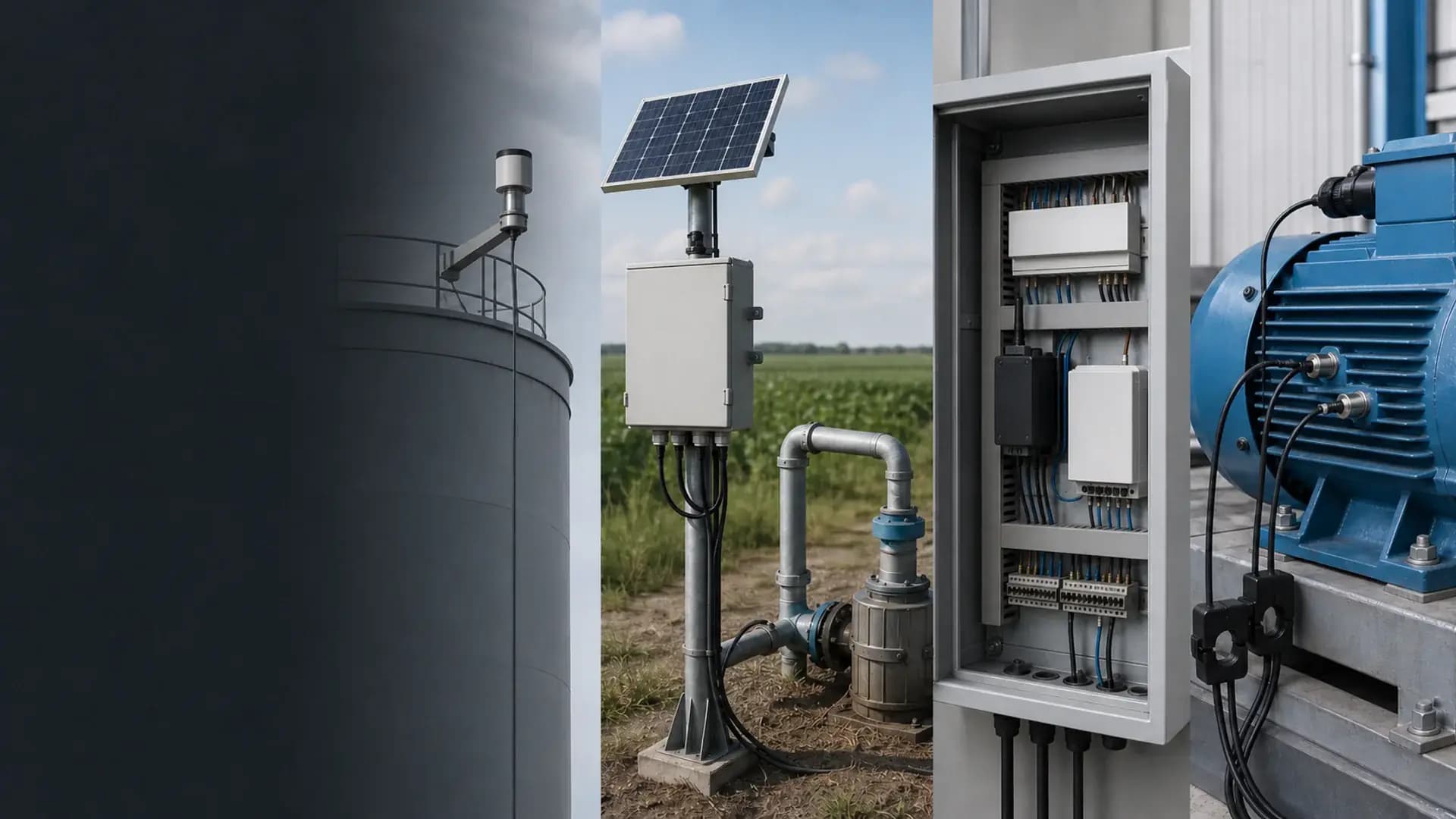
Remote integration context
Sensors, interfaces, enclosure, power and mounting are confirmed against the actual project before quotation.
The reviewed record contains four hardware types. Range alone is not enough to select the ordered probe.
Model-selection reference
Compare equipment options in this catalog section.
28 sourcing references from “Water-quality electrodes and probes”. Put an SG code in the RFQ so we can match the same catalog row.
SG-WQE-101SG-WQE-102SG-WQE-103SG-WQE-105SG-WQE-106SG-WQE-107SG-WQE-108SG-WQE-109SG-WQE-104SG-WQE-110SG-WQE-111SG-WQE-112SG-WQE-115SG-WQE-118SG-WQE-124SG-WQE-127SG-WQE-128SG-WQE-113SG-WQE-114SG-WQE-119SG-WQE-120SG-WQE-121SG-WQE-122SG-WQE-123SG-WQE-116SG-WQE-117SG-WQE-125SG-WQE-126Compare adjacent hardware families for the same monitoring path.
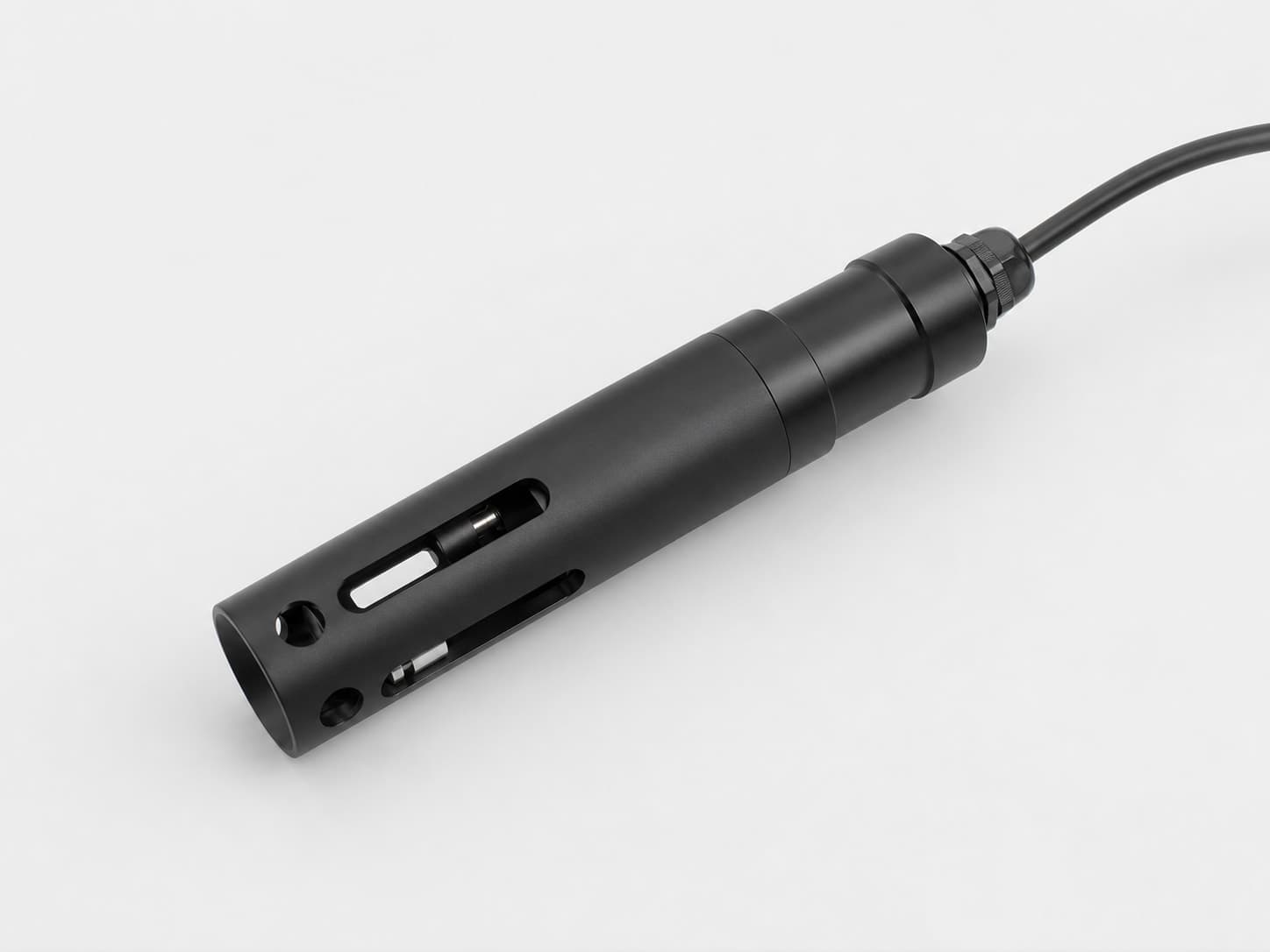
Water & Wastewater Instrumentation
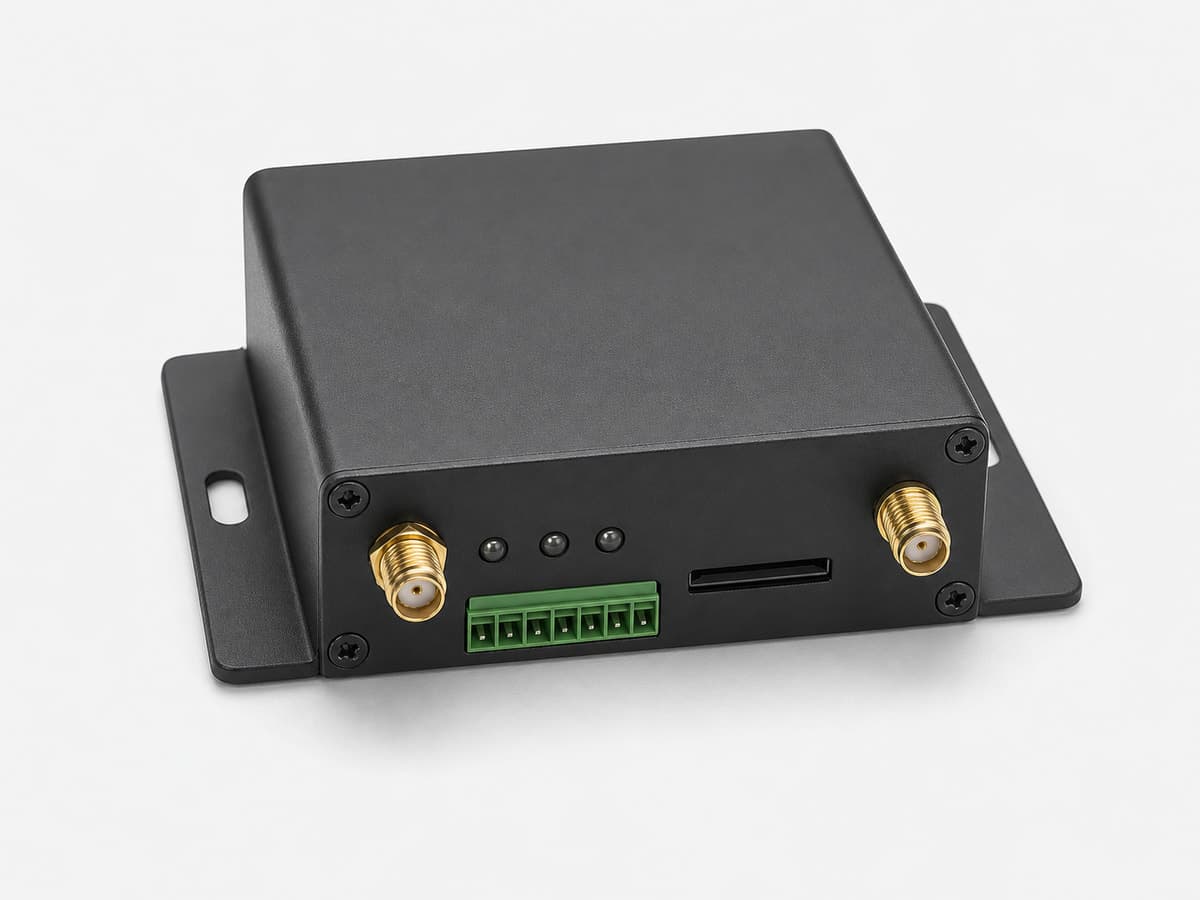
RTU / Remote I/O / Data Loggers & Industrial Gateways
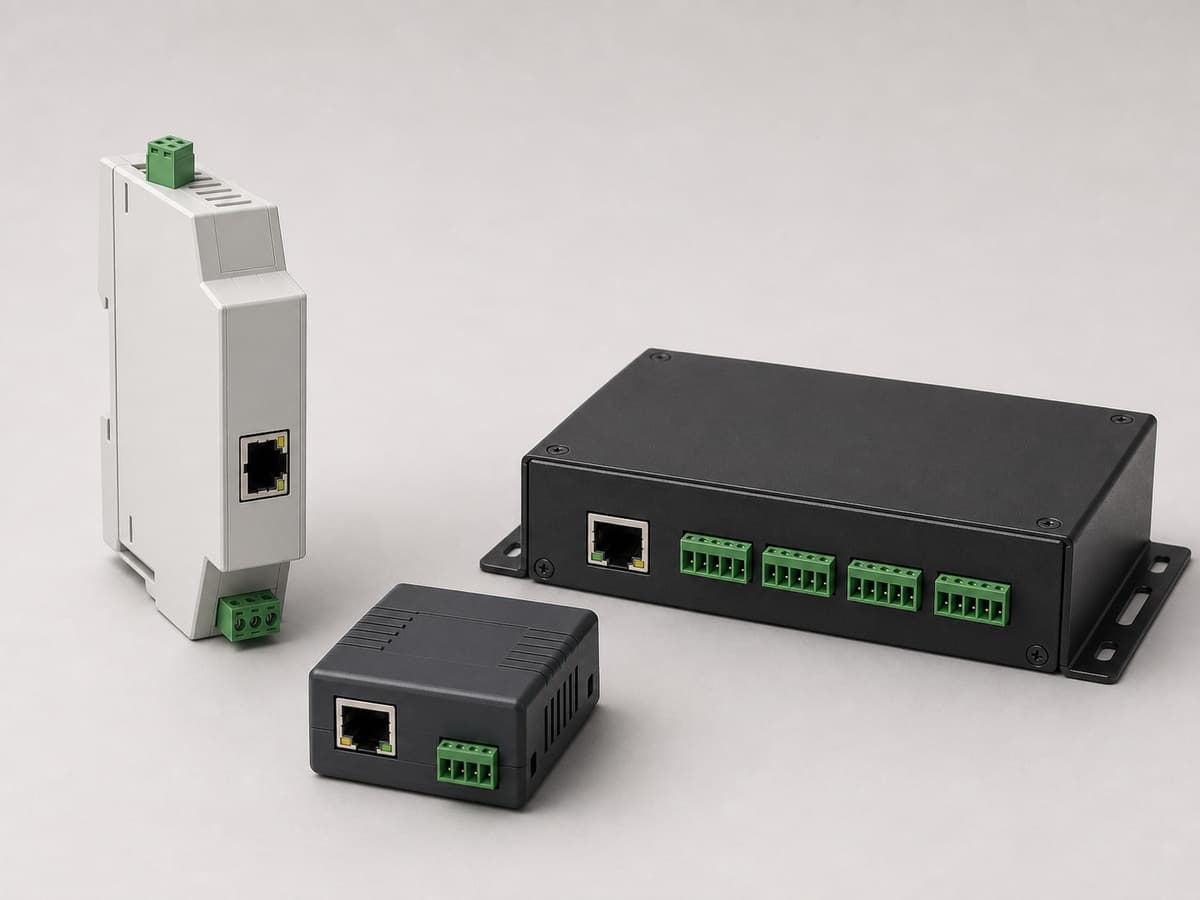
RTU / Remote I/O / Data Loggers & Industrial Gateways
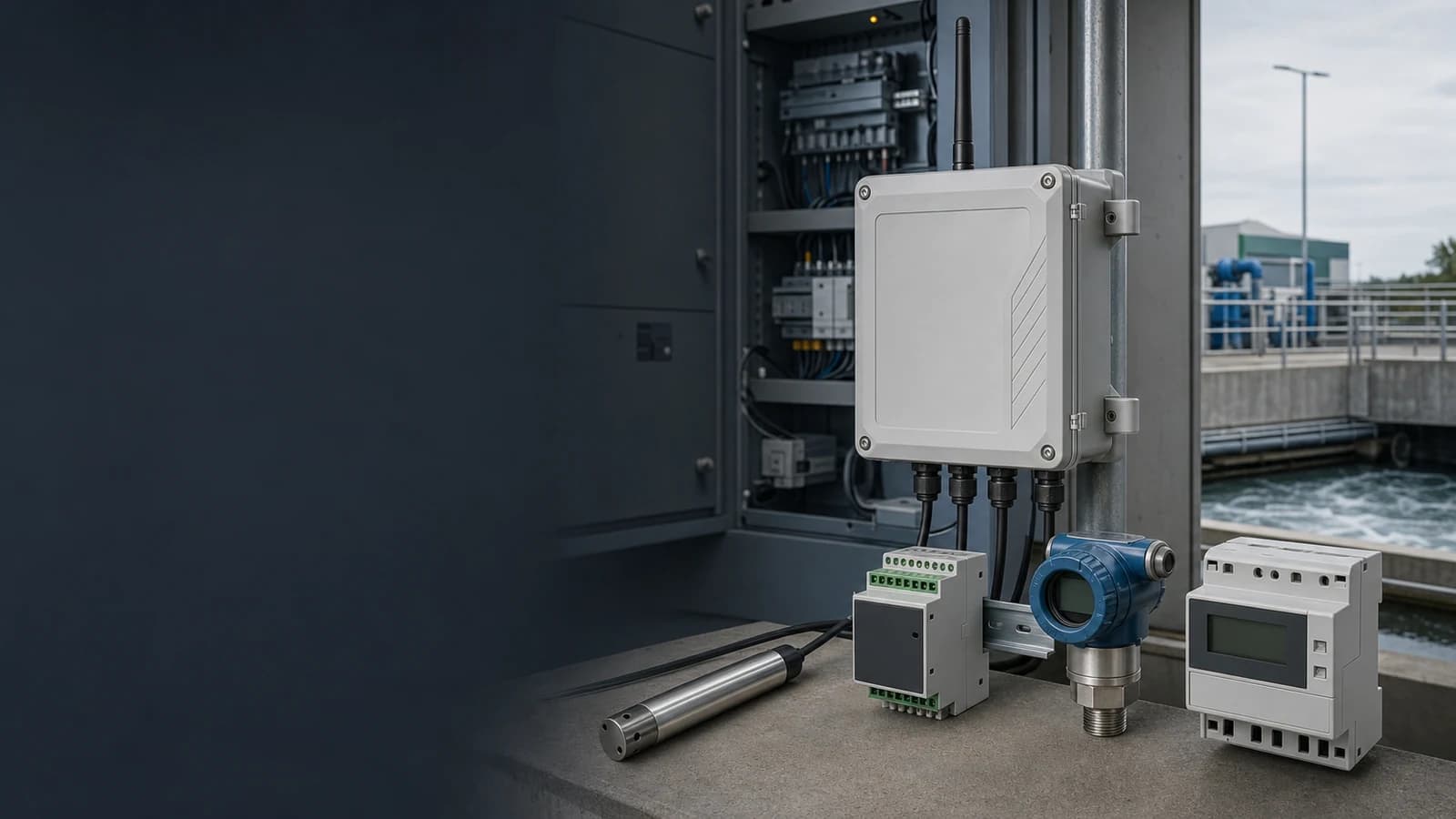
Use this 860 nm, 90-degree scattered-light probe for continuous turbidity monitoring in treatment water, wastewater, aquaculture and compatible process water. The 0–10, 0–100, 0–1000 and 0–4000 NTU ranges, wetted materials, installation and cleaning option must be selected as one configuration.
Choose from 0–10, 0–100, 0–1000 or 0–4000 NTU using both normal and upset conditions. Low-range treatment water and high-solids wastewater should not use the same range by default.
Types A, B and C are specified at ±1% FS, with 0.01 NTU resolution at or below 10 NTU and 0.1 NTU above 10 NTU. Type D with a cleaning brush is ±2% FS with 0.1 NTU resolution.
Yes. The reviewed electrical configuration provides 4-20 mA and RS485 Modbus RTU simultaneously. Confirm supply, wiring, cable length, register map and the receiving PLC, RTU or analyzer before commissioning.
No. The optical window must be inspected and cleaned. Type D adds a cleaning brush, but brush condition, deposits, calibration and installation geometry still require maintenance review.
Normal, upset and required maximum turbidity range; Water type, colour, bubbles, solids, deposits and expected cleaning interval; Type A / B / C / D, required accuracy, immersion / pipe mounting and wetted-material constraints; Receiving PLC / RTU / analyzer, analog input, RS485 register-map needs and available 7–28 VDC supply
Open the Water & Utilities Hardware Catalog linked on this page. Use it to compare equipment options before requesting a configuration.
Compatibility is reviewed against your field signals, protocols and upstream platform. Typical pairings include PLC, RTU or analyzer accepting simultaneous RS485 Modbus RTU and 4-20 mA, Treatment-water, wastewater and aquaculture monitoring points with defined cleaning access, Immersion, pipe or self-cleaning installation selected from the process and fouling load.
Product-family reference. Final ordered model and specifications are confirmed in the written quotation.