Keep remote measurement points supplied
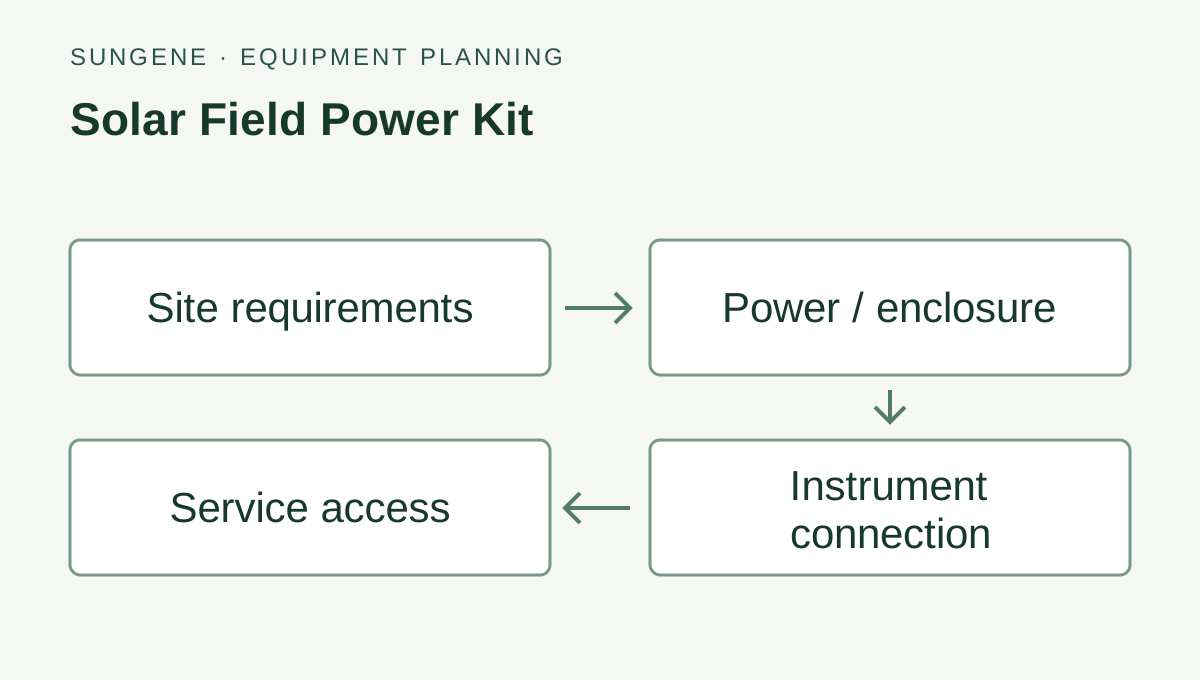
Size field power around the final equipment load, seasonal sunlight and visit interval.
Read the guidePlan soil, weather and water readings at farm points without mains power. Bring the instruments, data connection, mounting and solar supply into one equipment list.
1. Purpose
Collect useful farm readings where mains power is unavailable.
2. Suitable sites
Remote crop blocks, orchards, irrigation reservoirs and field weather points.
3. What to send
Send the country, required measurements, point count and a field photo. Include network coverage and the time between service visits.
Which farm point needs connecting?
Send the country, required measurements, point count and a field photo. Include network coverage and the time between service visits.
Compare power, communication and equipment requirements for irrigation, pumps, soil and weather monitoring.
Compare pump contacts, motor current and water flow before choosing what to monitor at your farm.
Calculate sensor, logger and radio loads before choosing a battery and solar panel. Include reporting intervals and maintenance visits.
A remote farm point needs enough energy for the complete measurement and reporting cycle. Size the supply around the selected sensors, logger and modem, with access for maintenance and the required records during an outage.
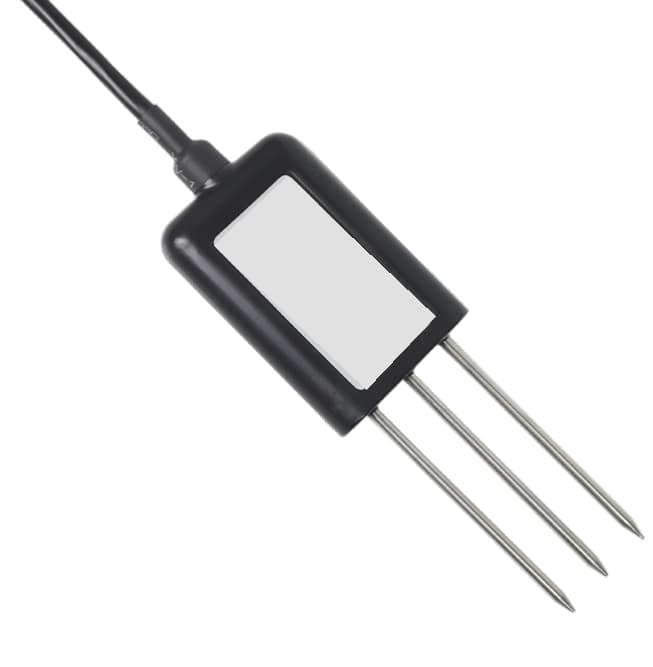
Equipment photographs: SG-SOIL-121, SG-SLT-117. Equipment and connection diagrams.
Farm task
Plan an off-grid farm point from the measurements the team uses, then select compatible collection, communication and power equipment.
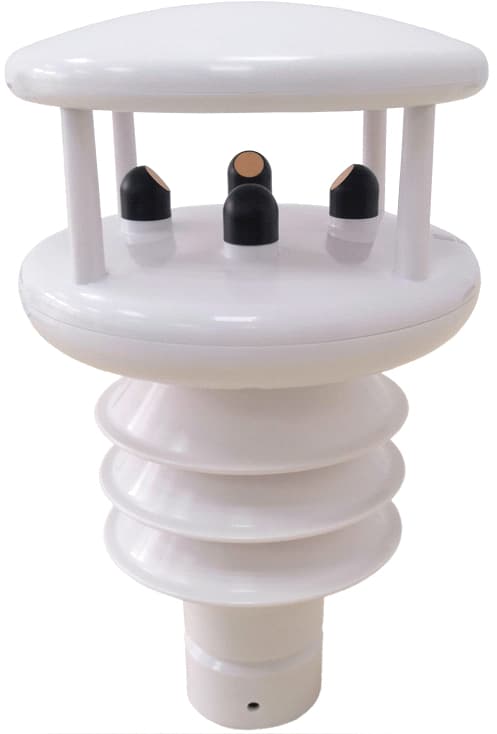
Product photograph
Pictured: SG-WS-162 — Ultrasonic All-in-One Automatic Weather Station.
Size field power around the final equipment load, seasonal sunlight and visit interval.
Read the guide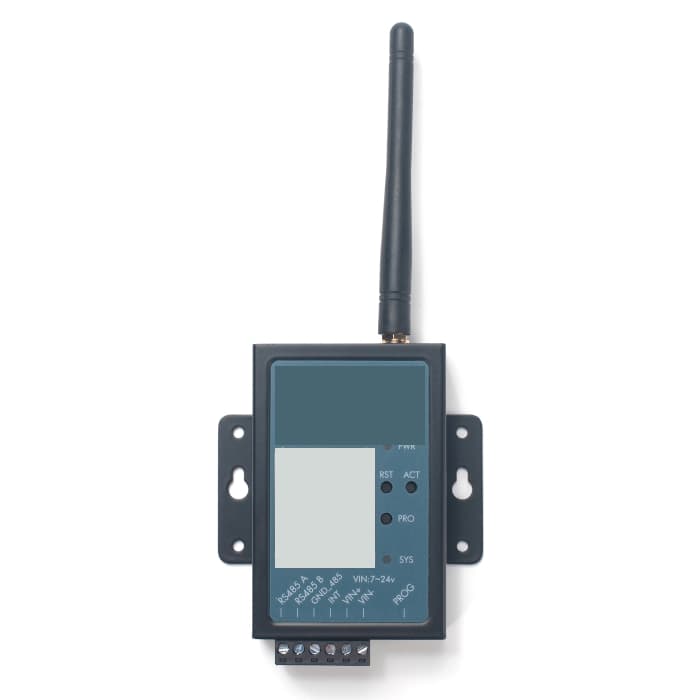
Check power, terminals, interfaces and data interpretation when readings are missing.
Read the guideSoil, weather or water readings chosen for the field task.
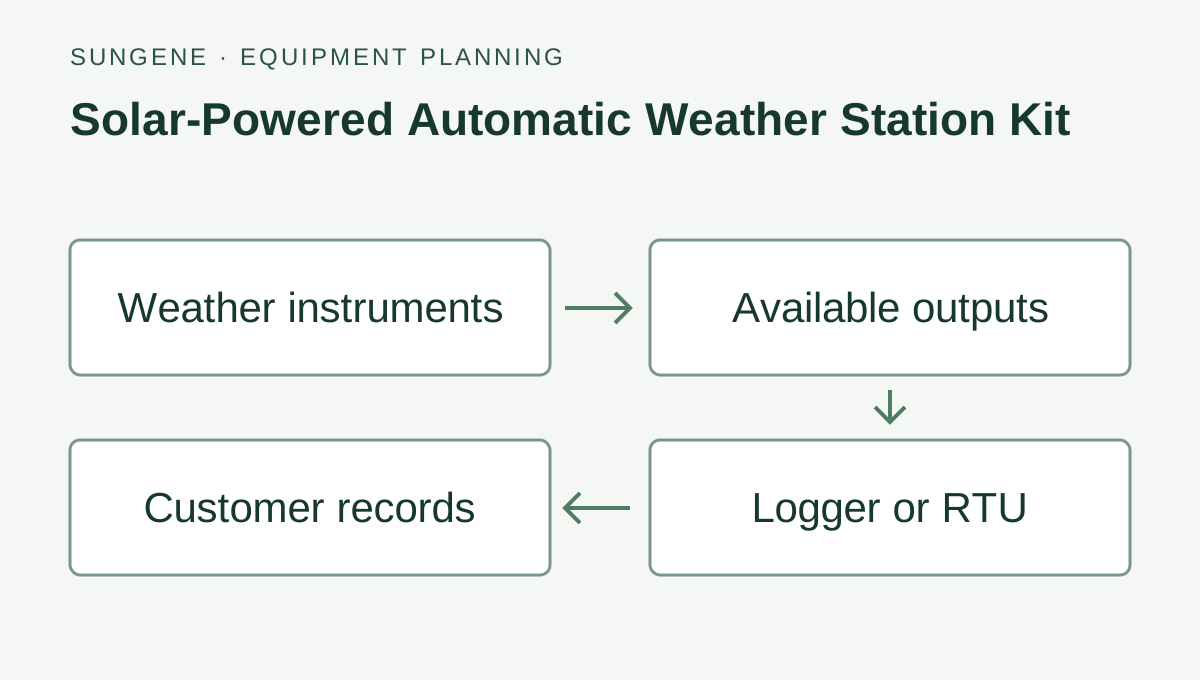
Sensor, logger and modem loads, charging conditions and any available supply-status data.
Point identity, units, reading time and the receiving farm application.
Mounting, enclosure, cable protection and access for the next visit.
Example equipment arrangement. Check compatibility and agree who handles software, PLC/SCADA programming and site installation.
Data destination
Customer platform or an agreed third-party service
Path 1
Best for: A field or orchard point with selected weather channels and root-zone measurements.
Path 2
Best for: A tank, well or reservoir needing level or other selected water readings.
Related equipment
The exact model, interface, enclosure and certificates are confirmed against the project before quotation.
Field power package with a 60 W solar panel and IP67 12/24 V, 10 A controller for remote monitoring nodes; battery is selected and purchased locally.
Off-grid automatic weather station kit with six-parameter sensing, RS485 Modbus, site-sized solar power and a project-selected LoRaWAN or 4G backhaul.
Three-parameter soil probe for moisture, -30 to +70 °C temperature and selectable EC ranges, with 0-2 V, RS485 Modbus RTU or SDI-12 output.
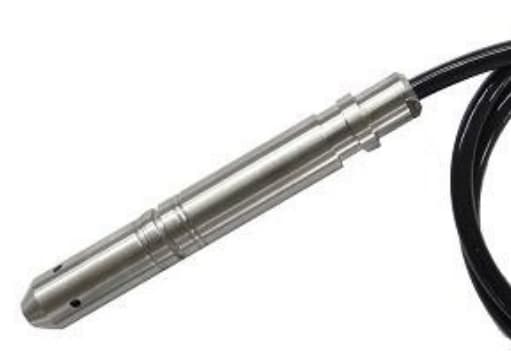
Immersion level transmitter for tanks, reservoirs and wells where direct hydrostatic level measurement is preferred.
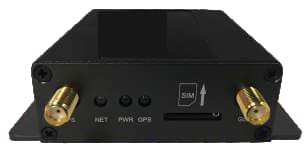
Cellular RTU gateway for irrigation pump stations, farm water telemetry and remote farm monitoring — collects RS485, analog and digital signals and uploads data over 4G LTE.
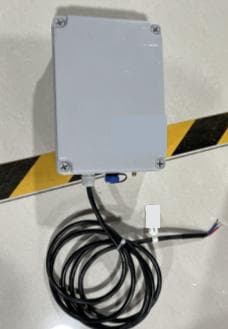
Product photograph. Pictured: SG-RTU-161 — 4G Telemetry Module in Protective Enclosure.
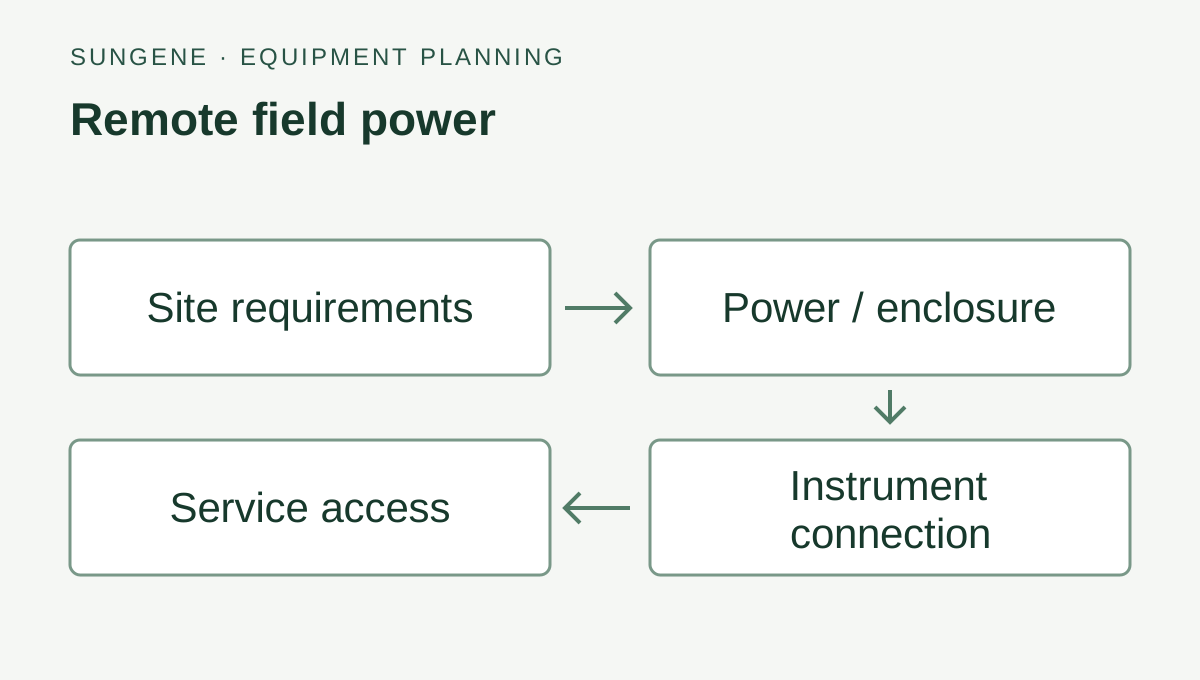
Locate the power supply and data connection at the field point. Leave access for cable entries, the antenna and servicing.
View product specifications →
View product specifications →
Yes. Send the readings, country, available network and a site photo. We can prepare one equipment list and the checks needed before expanding.
The complete load, reporting cycle, usable battery capacity, charging conditions and required autonomy belong in the calculation. Choose the kit after those inputs are defined.
Provide the required protocol and sample fields. The selected logger or gateway and the agreed integration work define the connection.
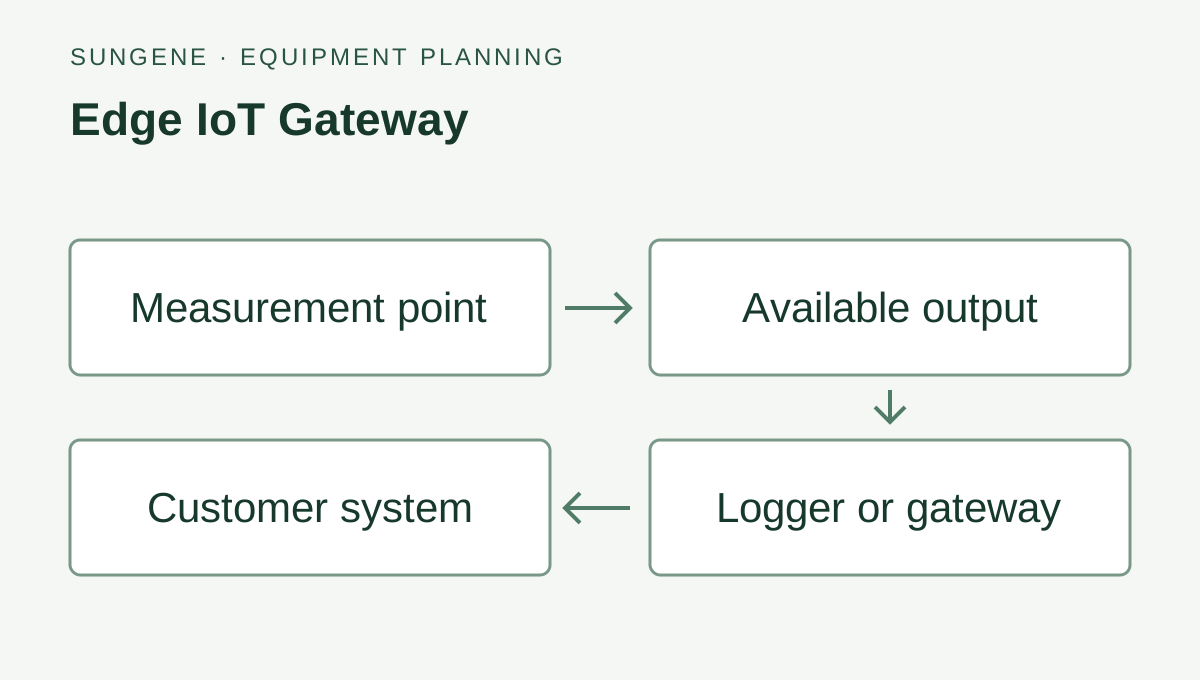
Buy one missing device or prepare a complete monitoring point. List what is already on the farm, then bring the instruments, collection inputs, power and data destination into one equipment plan.
Tell us what you want to measure and where. Send a model number or site photo if you have one.