Skip to content
SunGeneAgricultural IoT
← All products
Radar Surface Velocity Sensor

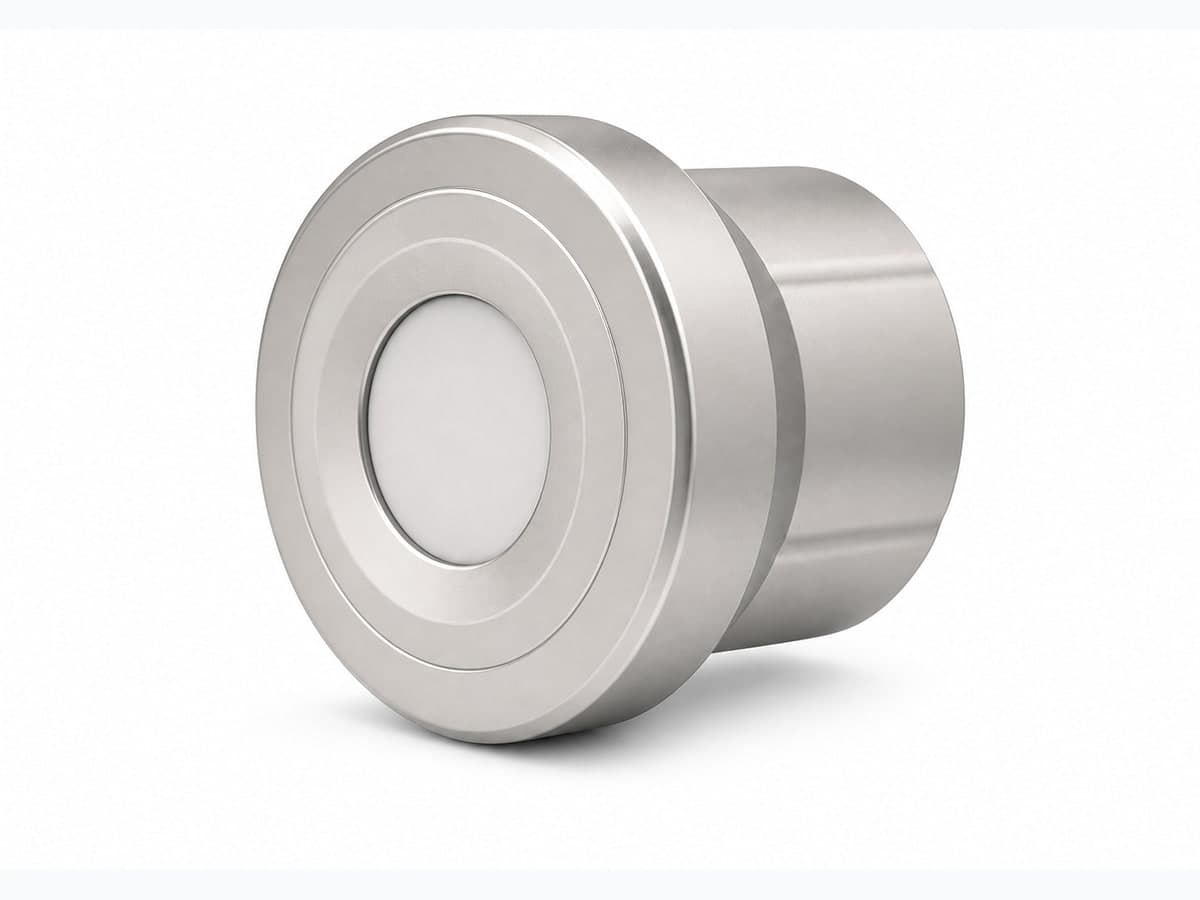
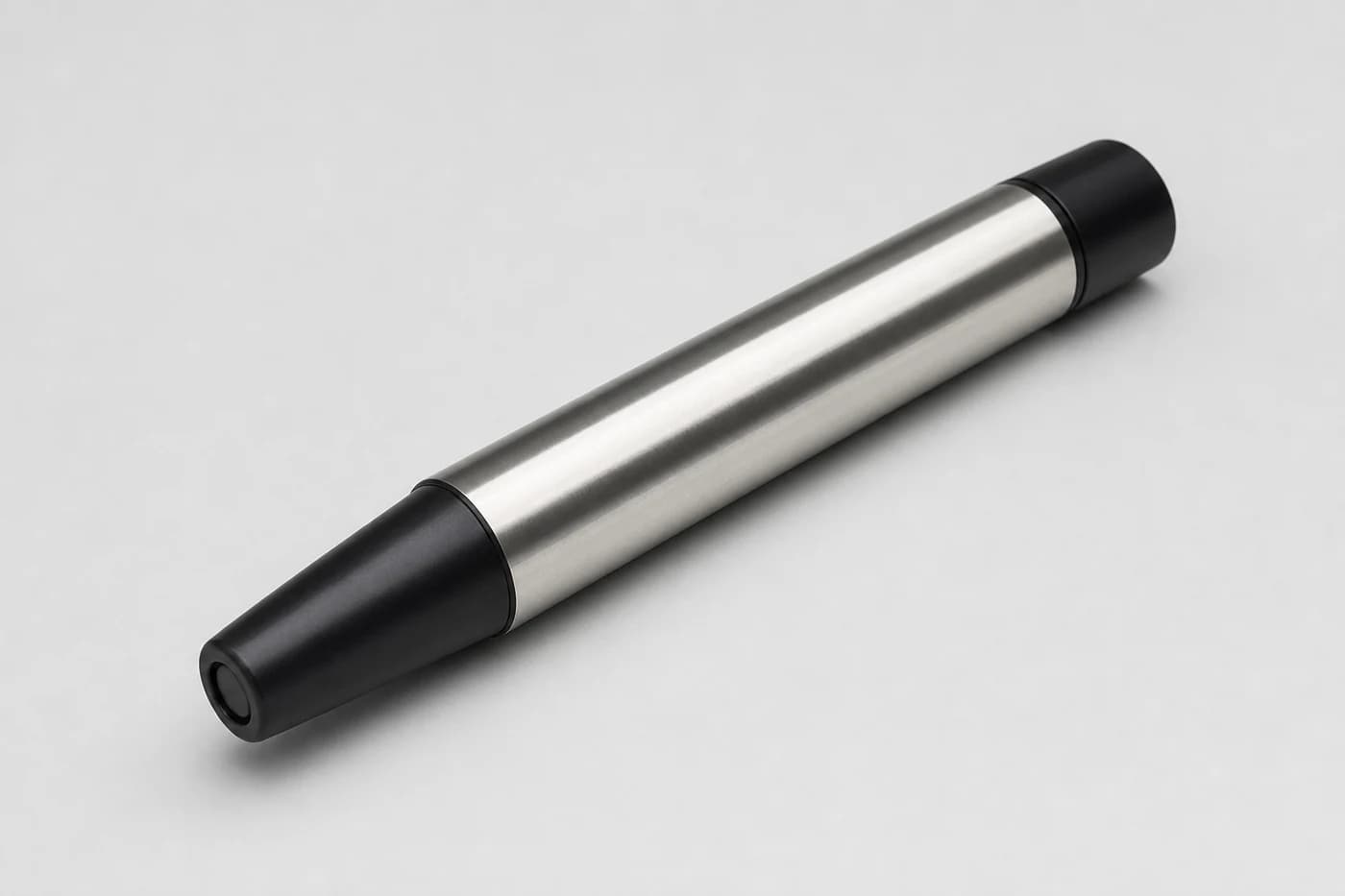
Product-family illustration. Appearance and accessories depend on the ordered configuration.

Radar Surface Velocity Sensor

Equipment options & specifications

Measure open-channel surface velocity from above the water for irrigation and hydrological monitoring.

Appearance, connectors and included accessories follow the configuration confirmed in your quotation.

Related application hardware: Water Monitoring

Where this equipment fits

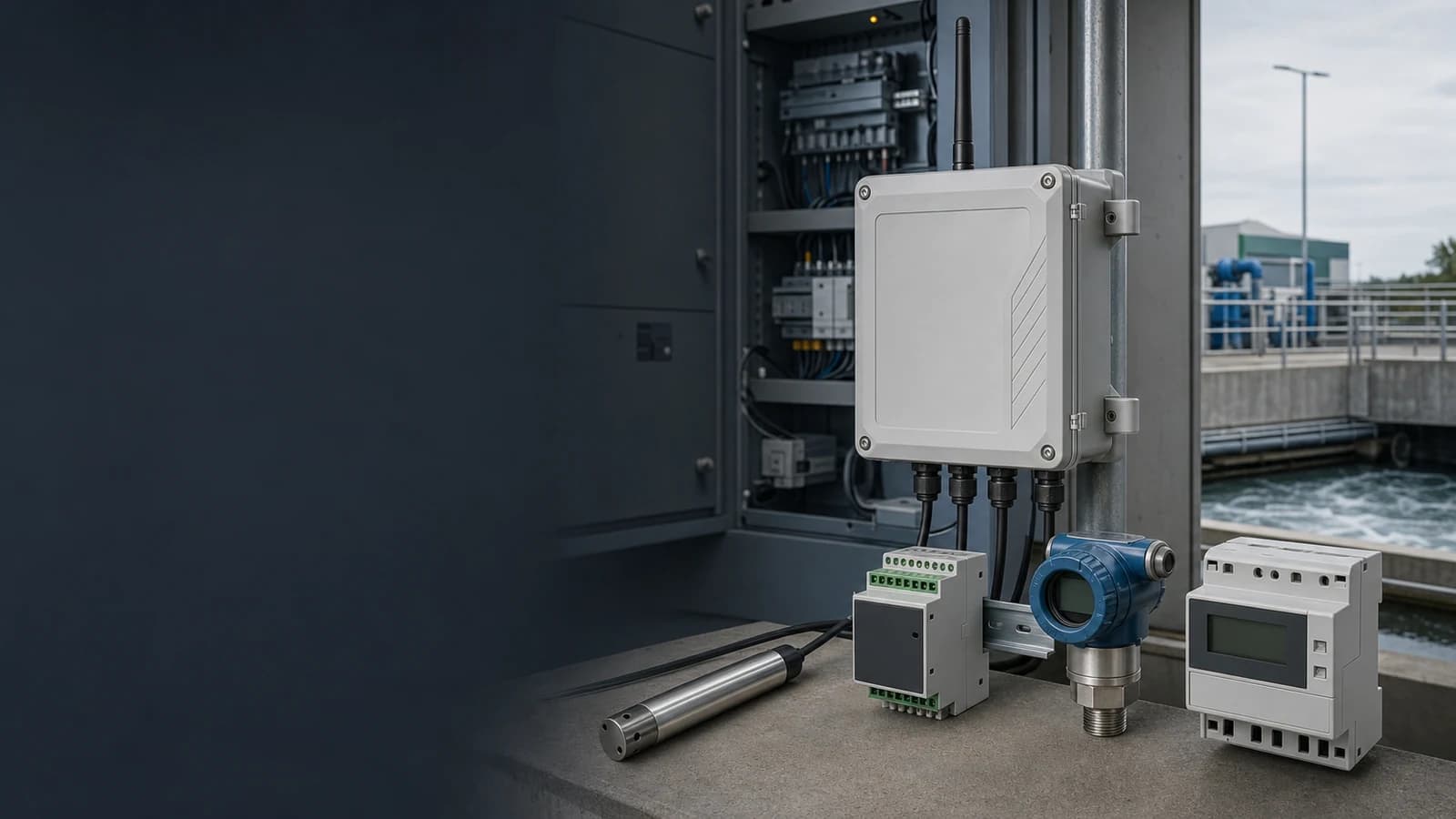
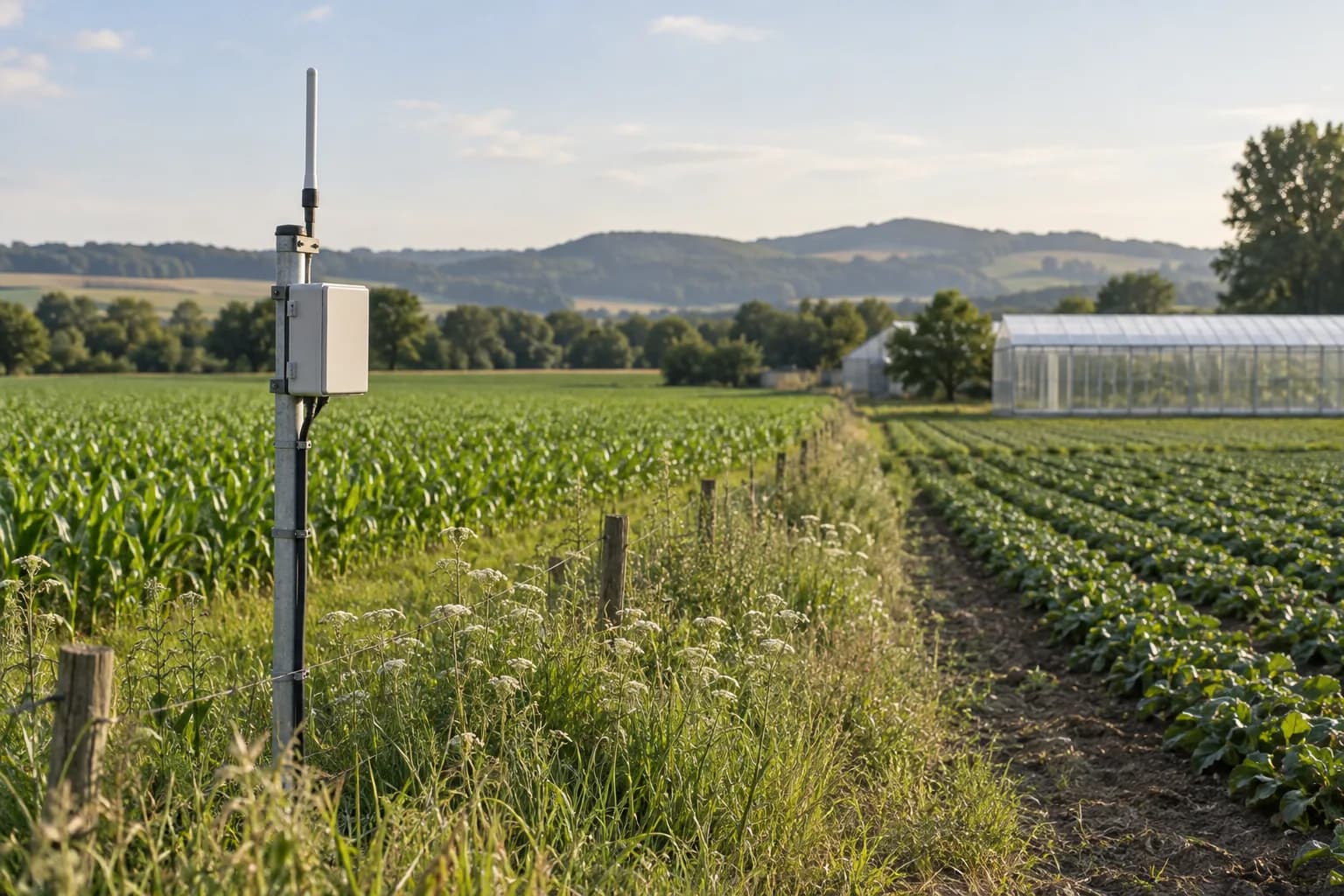
water-monitoring site with field instruments, an RTU enclosure and tank infrastructure
Illustration: water-monitoring site with field instruments, an RTU enclosure and tank infrastructure.

Watch water move through an irrigation channel

Measure surface velocity from above the water without putting the radar in the flow. Review beam direction, mounting angle, water texture and obstructions at the site.
Add velocity data to hydrological monitoring

River and drainage teams can observe compatible channels. To calculate discharge, combine surface velocity with channel geometry, water level and a validated site relationship.

Specifications & version options

SG device code
SG-OCF-104
Measurement
Non-contact water-surface velocity
Velocity range
0.1–20 m/s; usable range depends on flow conditions
Resolution
0.01 m/s
Sensing distance
0.5–30 m
Measurement time
3–240 seconds
Show 4 more specification rows

Need to connect this equipment to an existing controller or platform?

Share your current model, a photo or the connection you need. We help assess interfaces, power and the required configuration.

Get selection & integration help

Buying this equipment

Samples & minimum quantity
Ask for a sample or a small pilot. Availability, minimum quantity and sample charges depend on the selected model.
Price & delivery
Range, interface, accessories, quantity and destination affect the quote. Stock, lead time, freight, taxes and delivery terms need confirmation.
Warranty & support
Coverage, duration, exclusions and the fault-assessment process are confirmed for the quoted model before order.
Certificates & documents
Tell us the destination and required standard. We check the exact model, document revision and applicable documents for the proposed configuration.
Review procurement and support details →

Find the right document

Public documents describe this product family and selection options. Wiring, register maps and compliance documents must match the model and version selected for your order.

Open family selection sheet

English · Web page · printable
Current online selection reference

View application selection guide

Irrigation canal measurement guide
Web page · printable · English

Need documents for engineering or purchasing?

Tell us which documents you need. We check availability for the selected model and document revision.

On this page
Application guide and product-family selection sheet
Check for the selected model
  • Exact-model datasheet
  • Wiring / pinout
  • Register map, protocol or sample data
  • Model-specific certificates
  • Calibration and measurement evidence
  • Dimensions / installation drawing
Project starter files →
Request an engineering package →
From a product family to your order
  1. Family page

    Compare uses, interfaces and configuration options. These are selection references.

  2. SG reference

    An SG code helps identify a sourcing option; it is not a substitute for the manufacturer model or its certificate.

  3. Written quotation

    Confirm the exact model, configuration, photograph, document revisions, accessories, price, delivery and warranty.

Get selection help

Tell us what you want to measure and where. Send a model number or site photo if you have one.
Text stays in this tab for up to 30 minutes while you browse. Saving across reloads is optional below.

A personal email is welcome.

A country and general site description are enough. If the location is undecided, say so.

Up to 5 files, 10 MB each. PDF, JPG, PNG, WebP, CSV, TXT, DOCX or XLSX.

By submitting this form, you acknowledge the privacy notice.

See where the system fits

Equipment in the system

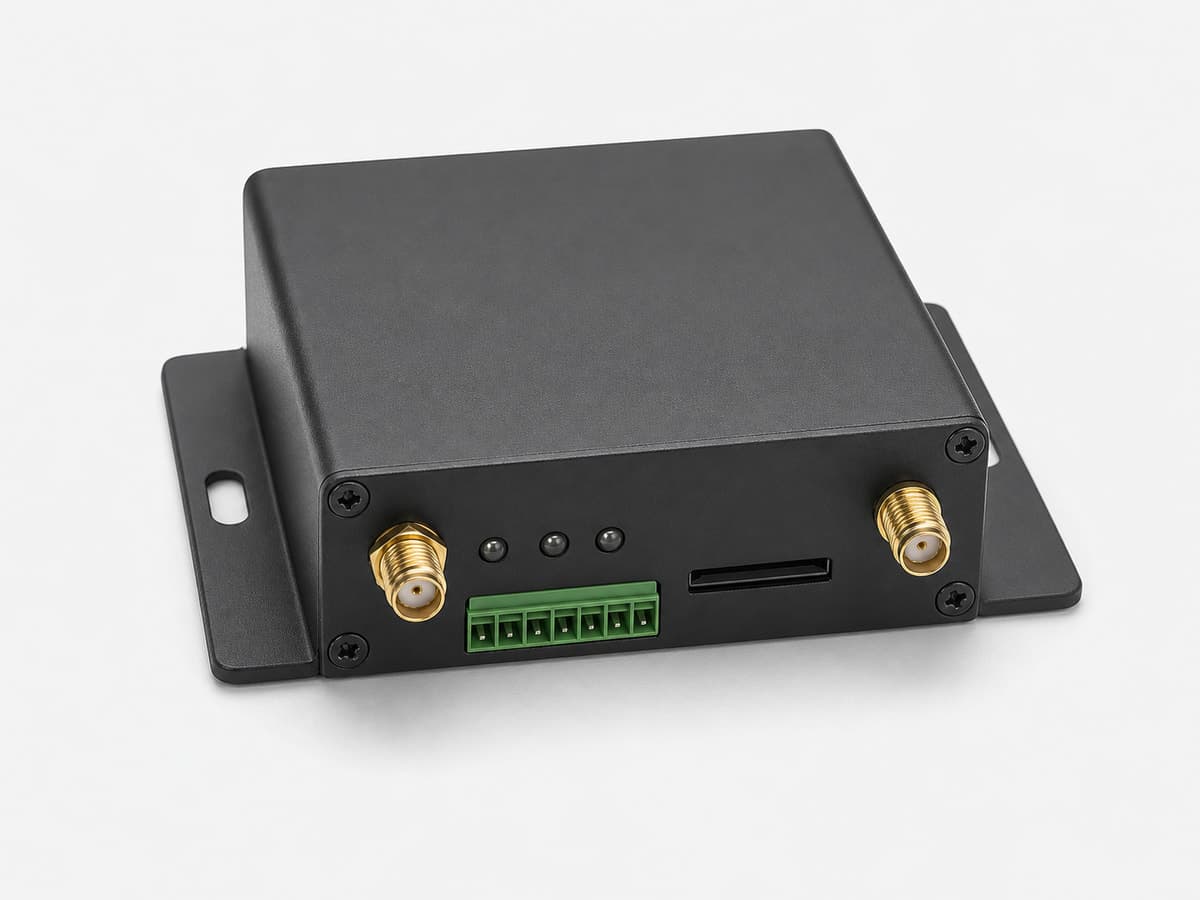
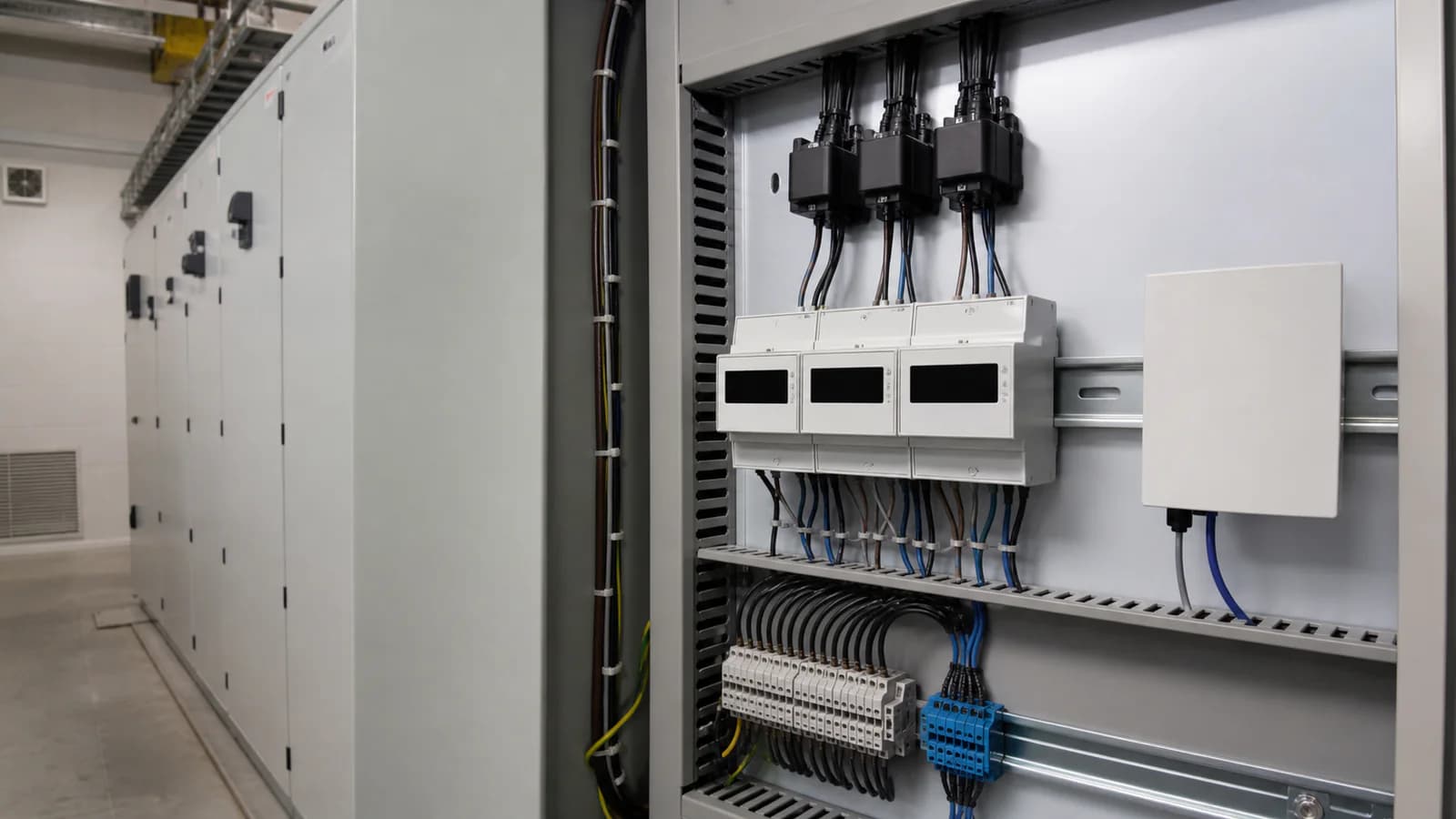
Example equipment arrangement. Check compatibility and agree who handles software, PLC/SCADA programming and site installation.

How the model is selected

Check the installation, electrical interfaces and documents before choosing the model.

Site requirement

Application, medium, mounting and environment

Hardware configuration

Signal, protocol, power and enclosure

Your quotation

Model, quantity, certificates and delivery
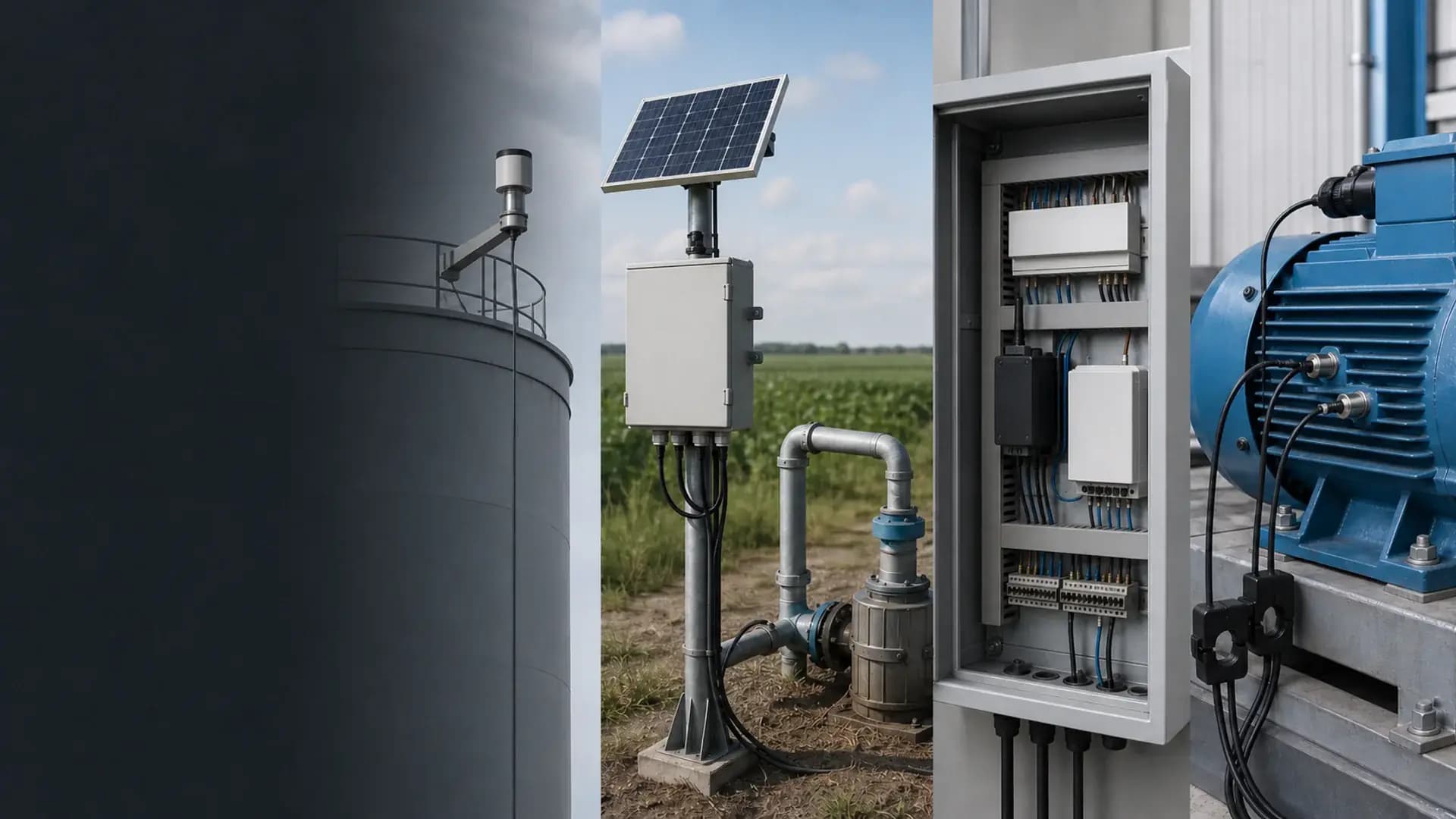
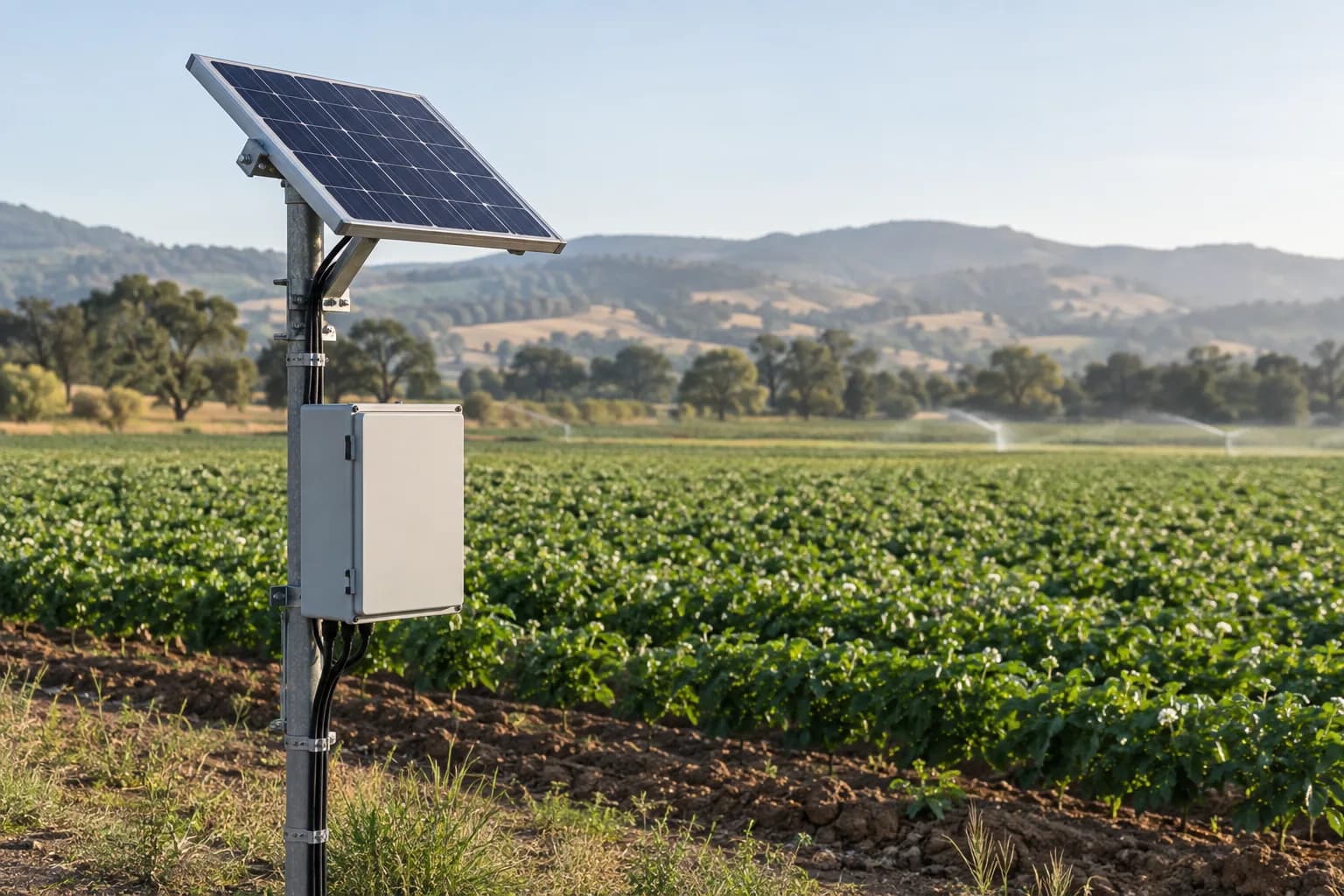
remote-monitoring integration with field enclosure, gateway, power and industrial equipment

Connecting field equipment

Illustration: remote-monitoring integration with field enclosure, gateway, power and industrial equipment.

Installation and selection

  • Direct the radar beam towards the water flow. The documented installation angle is 30–45°, with 30° recommended.
  • Review surface texture, turbulence, sensor height and obstructions before specifying the usable measurement range.
  • Surface velocity is one input to discharge calculation; channel geometry, water level and site calibration are needed for flow volume.

Continue product selection

Compare adjacent hardware families for the same monitoring path.

How to choose

  • Direct the radar beam towards the water flow. The documented installation angle is 30–45°, with 30° recommended.
  • Review surface texture, turbulence, sensor height and obstructions before specifying the usable measurement range.
  • Surface velocity is one input to discharge calculation; channel geometry, water level and site calibration are needed for flow volume.

Compatible with

  • A receiving logger or controller with the selected electrical input and documented protocol
  • The agreed customer platform through a compatible logger or gateway

Typical package

  • Selected device, cable and mounting configuration as listed in the quotation
  • External sensors, power equipment and communications are listed separately where required

Applications

water-monitoring site with field instruments, an RTU enclosure and tank infrastructure
Instruments, enclosure, power and mounting are selected for the actual tank, well, reservoir or pump station.

Measure open-channel surface velocity from above the water for irrigation and hydrological monitoring.
  • Irrigation open-channel surface-velocity monitoring
  • Hydrological survey and flood-control observations
  • Drainage channels and environmental water monitoring
See related application hardware

What to include in your quote request

  • Channel dimensions and water-level variation
  • Expected surface velocity and flow direction
  • Sensor height and mounting angle
  • RTU interface, supply and cable route
  • Destination country, quantity and required delivery date
Request Hardware Quotation

Related selection guides

Related resources

Frequently asked questions

Does a surface-velocity reading give me the water volume?

Surface velocity is one input. Discharge calculation also needs channel geometry, water level and a validated relationship for the site. Check that relationship against field measurements before using a calculated flow volume for water allocation.

Where should the sensor be mounted?

Mount it above the water with the radar beam directed towards the flow. The source document gives a 30–45° installation angle, with 30° recommended. Review sensor height, water-surface conditions and obstructions before defining the usable range.

What should I provide when requesting a quote for the Radar Surface Velocity Sensor?

Channel dimensions and water-level variation; Expected surface velocity and flow direction; Sensor height and mounting angle; RTU interface, supply and cable route

Where can I compare available model options?

Open the Irrigation canal measurement guide linked on this page. Use it to compare equipment options before requesting a configuration.

Will it work with my existing system?

Check the field signal, supply, protocol and receiving platform against the selected model. The connection options listed on this page are a starting point; send your equipment model or interface document so we can check the combination before ordering.

Product-family reference. Final ordered model and specifications are confirmed in the written quotation.