Connect separate fields and facilities
Review coverage, equipment identity and the path into your chosen platform.
Explore this requirement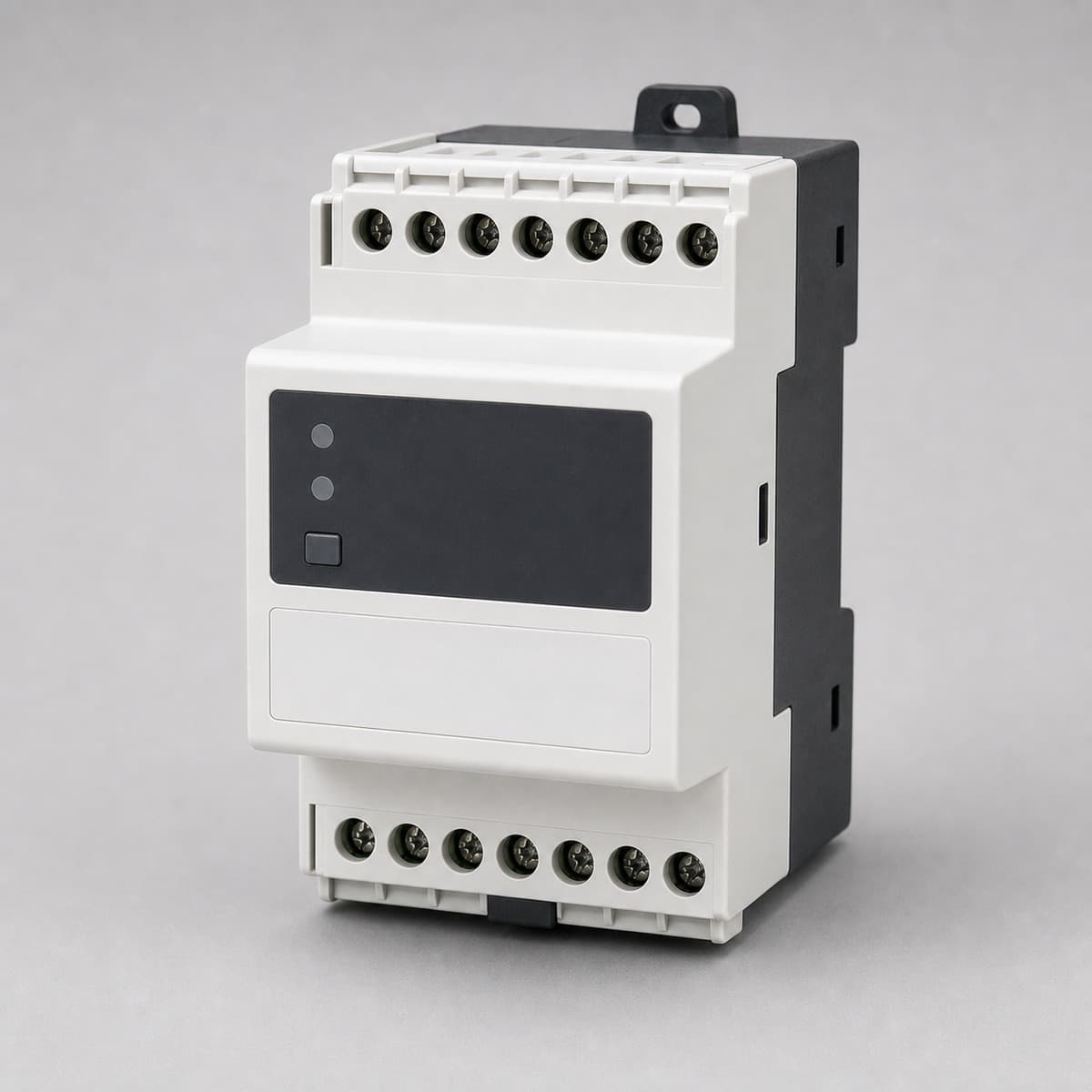
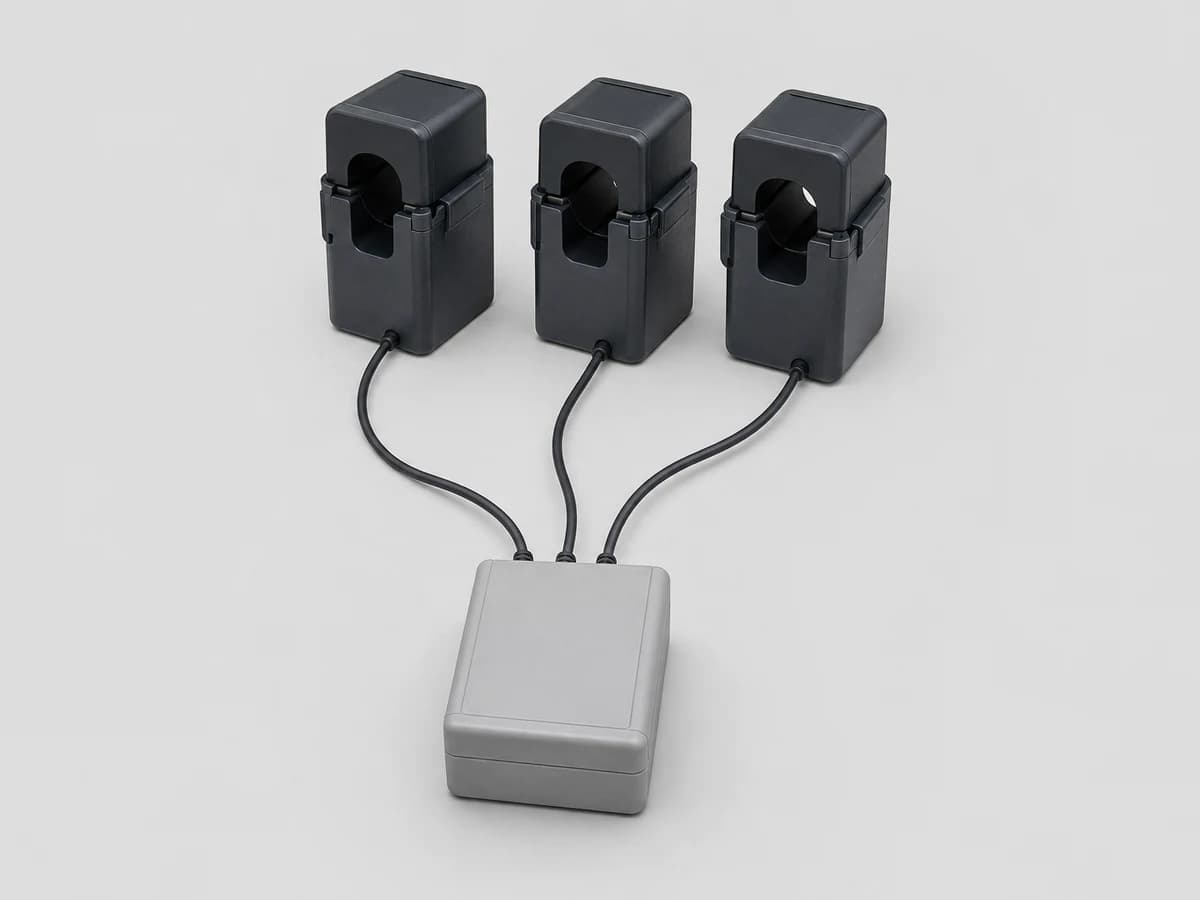
Use this page to define residual-current monitoring hardware for a distribution-panel project. It is not a fire-alarm design or a code-compliance claim. The electrical designer must approve the circuit scope, sensors, alarms, interface and commissioning method.
Appearance, connectors and included accessories follow the configuration confirmed in your quotation.
Related application hardware: Equipment Monitoring
Share your current model, a photo or the connection you need. We help assess interfaces, power and the required configuration.
Get selection & integration helpPublic documents describe this product family and selection options. Wiring, register maps and compliance documents must match the model and version selected for your order.
Current online selection reference
Smart City Hardware Catalog
PDF · English · 344 KiB
File revision: 2026-07-22 · 634d3943f70d
Choose what you need. We first identify the model and revision, then confirm which documents can be supplied. The request does not imply that every document is available.
Compare uses, interfaces and configuration options. These are selection references.
An SG code helps identify a sourcing option; it is not a substitute for the manufacturer model or its certificate.
Confirm the exact model, configuration, photograph, document revisions, accessories, price, delivery and warranty.
Start with a short description. A complete equipment list is not required.
Review coverage, equipment identity and the path into your chosen platform.
Explore this requirement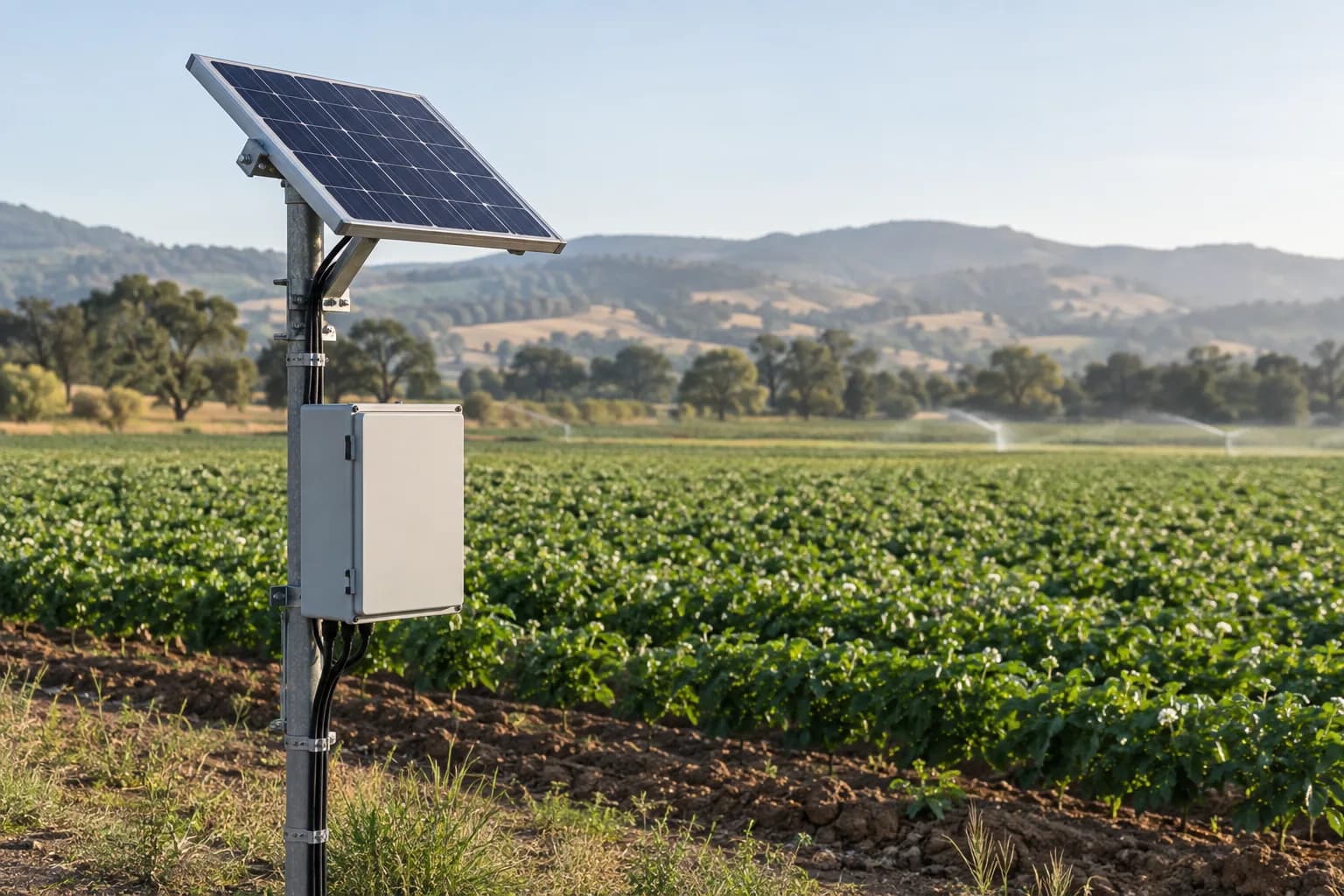
Size field power around the final equipment load, seasonal sunlight and visit interval.
Explore this requirementSystem design, software integration, PLC/SCADA programming and site installation responsibilities are agreed in the written project scope.
Data destination
Customer platform or an agreed third-party service
The written quotation ties the site requirement to one reviewed hardware configuration.
Site requirement
Application, medium, mounting and environment
Hardware configuration
Signal, protocol, power and enclosure
Quote confirmation
Model, quantity, certificates and delivery
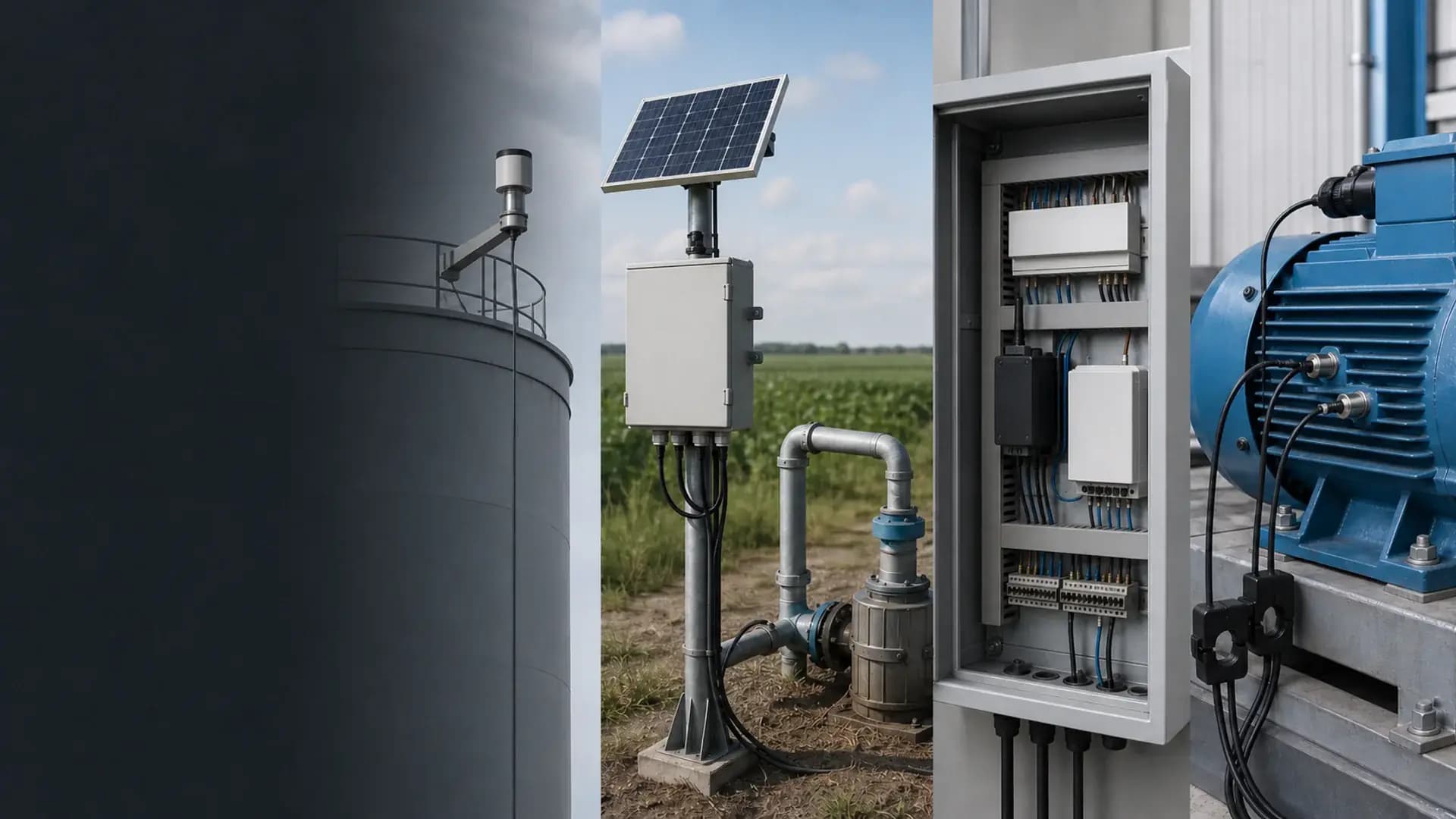
Remote integration context
Sensors, interfaces, enclosure, power and mounting are confirmed against the actual project before quotation.
Model-selection reference
Compare equipment options in this catalog section.
39 sourcing references from “Electrical fire monitoring detectors”. Put an SG code in the RFQ so we can match the same catalog row.
SG-EFD-125SG-EFD-126SG-EFD-127SG-EFD-128SG-EFD-129SG-EFD-130SG-EFD-131SG-EFD-133SG-EFD-134SG-EFD-132SG-EFD-137SG-EFD-135SG-EFD-136SG-EFD-139SG-EFD-141SG-EFD-142SG-EFD-143SG-EFD-144SG-EFD-145SG-EFD-146SG-EFD-189SG-EFD-190SG-EFD-149SG-EFD-159SG-EFD-163SG-EFD-165SG-EFD-150SG-EFD-153SG-EFD-151SG-EFD-152SG-EFD-164SG-EFD-154SG-EFD-155SG-EFD-156SG-EFD-157SG-EFD-158SG-EFD-160SG-EFD-161SG-EFD-162Compare adjacent hardware families for the same monitoring path.
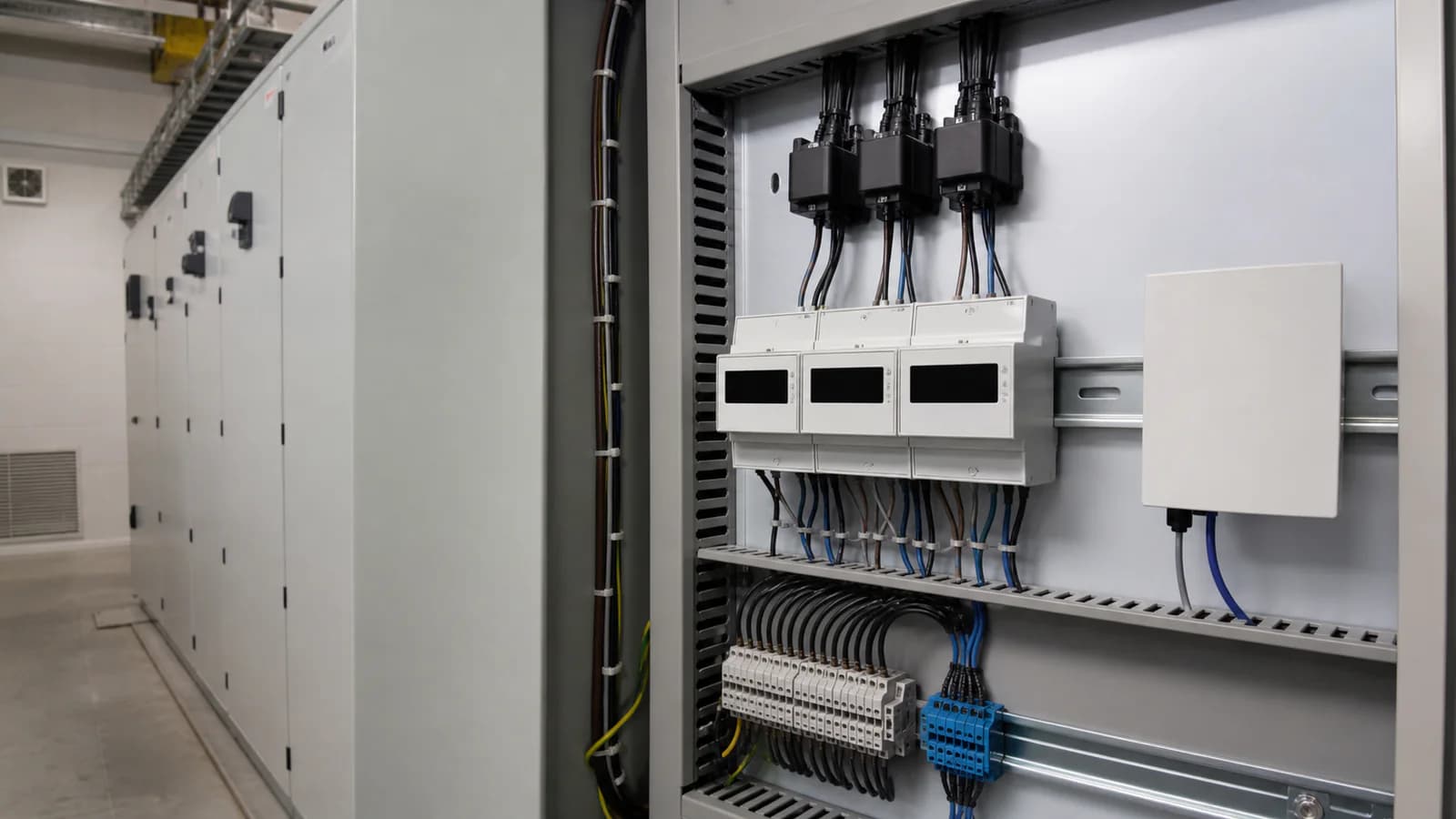
This page covers project-selected residual-current monitoring hardware for distribution panels. It is not a fire-alarm design or a claim of code compliance. The monitored circuits, sensor arrangement, alarm logic, host interface, certification and commissioning method must be approved by the project electrical designer.
Have the electrical designer define the monitored circuits, residual-current and temperature points, alarm logic and applicable local code. Confirm sensor / aperture size, conductor arrangement, circuit count, host-panel interface and whether the device is for indication or part of a listed protection system. Review supply, panel space, communication, commissioning records and required certifications before the monitoring hardware is selected.
Applicable code and monitoring purpose; Circuit count, conductor arrangement and aperture size; Residual-current / temperature points and alarms; Host panel, protocol and supply
Open the Smart City Hardware Catalog linked on this page. Use it to compare equipment options before requesting a configuration.
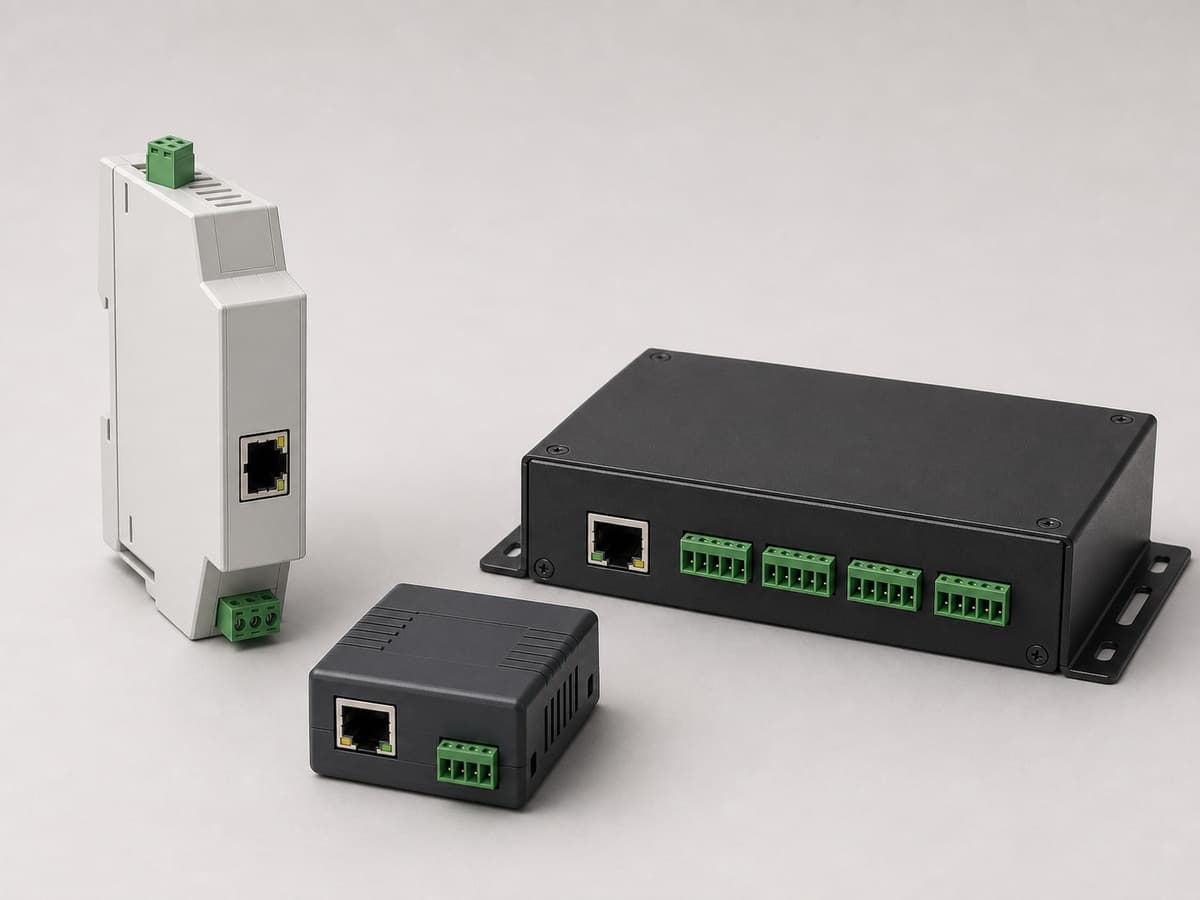
Compatibility is reviewed against your field signals, protocols and upstream platform. Typical pairings include Residual-current and temperature sensors selected for the conductor and monitored circuit, Host panel, alarm interface or upstream system approved by the project electrical designer, Panel protection and wiring designed to the destination-country electrical code.
This page is an application guide until a specific orderable model is confirmed. Available models are selected according to the required specification, interface, environmental rating and quantity.