
Industrial IoT comparison
MQTT vs HTTP for IoT Data Upload
Compare MQTT and HTTP for Industrial IoT data upload from gateways, sensors and remote monitoring sites.
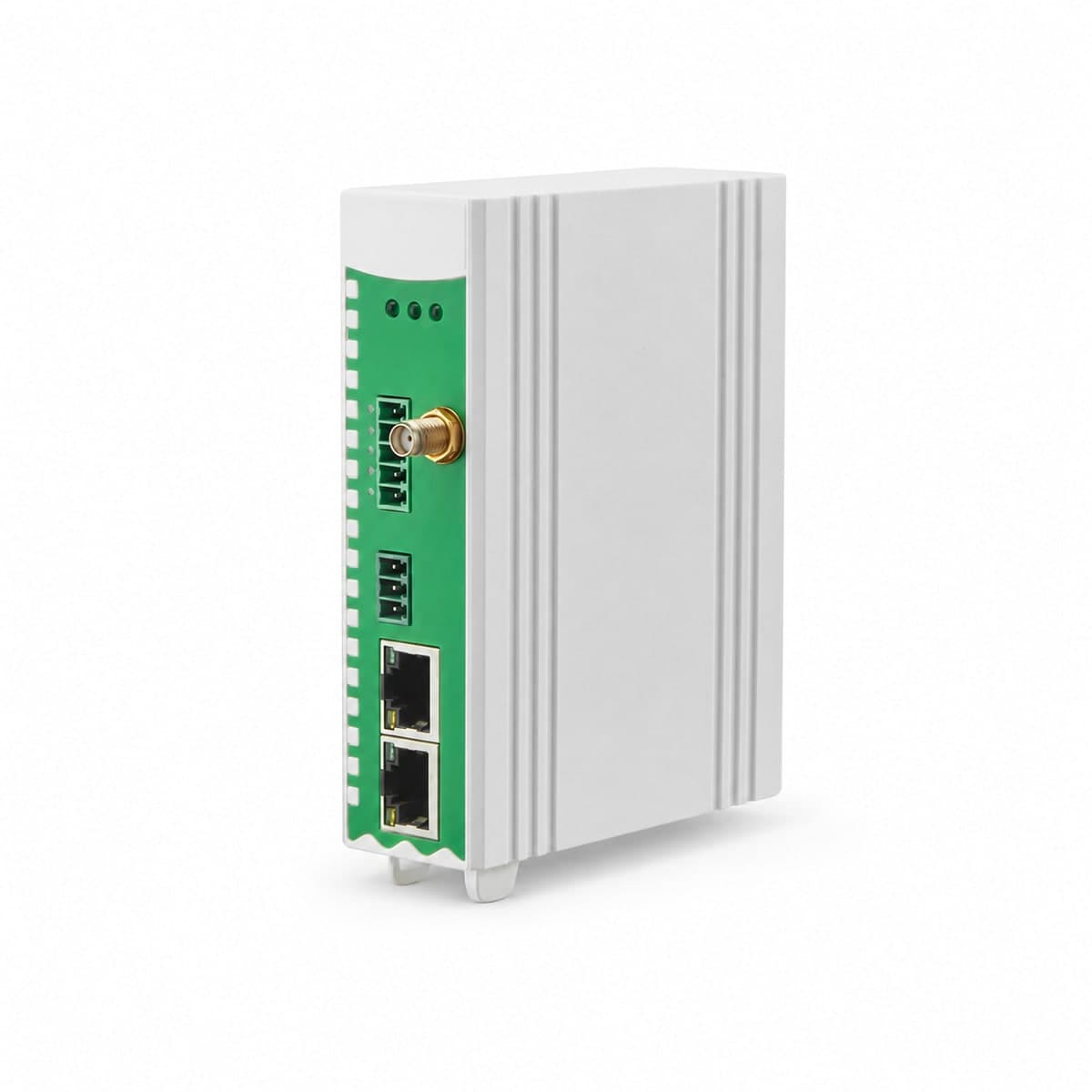
Hardware in this guide
Product-family photos. See each product page for specifications and options.
Need a project-specific choice?
Send your existing device models, power, network and the readings you need. We can compare compatible equipment and prepare a quotation.
At your site
MQTT is usually better for continuous telemetry and low-overhead device messaging. HTTP is simple for occasional reports or enterprise APIs.
Decision table
Message pattern
- MQTT
- Publish/subscribe telemetry
- HTTP
- Request/response submission
- Guidance
- MQTT is natural for streaming sensor updates.
Connectivity
- MQTT
- Handles intermittent links with session planning
- HTTP
- Simple but each request has more overhead
- Guidance
- Remote cellular sites often prefer MQTT.
Backend fit
- MQTT
- IoT broker or platform
- HTTP
- Web API or enterprise system
- Guidance
- Choose what the customer platform can maintain.
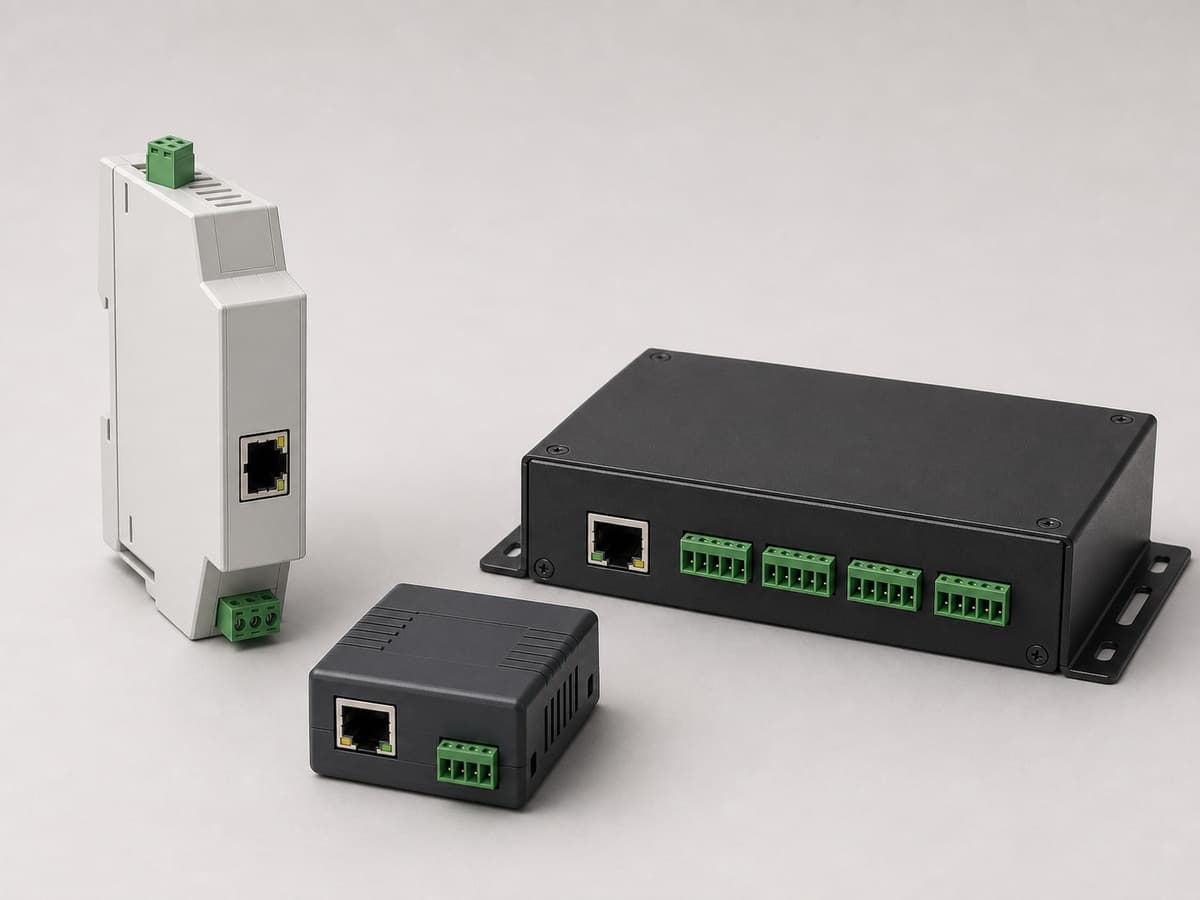
Equipment in the system
Example equipment arrangement. Check compatibility and agree who handles software, PLC/SCADA programming and site installation.
Data destination
Customer platform or an agreed third-party service
Implementation checks before choosing MQTT or HTTP
The protocol name alone does not define delivery behavior. Agree on the connection, retry and payload contract before configuring gateway firmware.
Traffic pattern
Use the actual reporting interval, payload size, device count and number of data consumers. Frequent telemetry and fan-out differ from occasional submissions to one business endpoint.
Session and reconnect behavior
For MQTT, define client identifiers, keep-alive, clean start, session expiry and reconnect backoff. Also decide whether retained messages are appropriate for each topic.
Delivery and duplicate handling
MQTT QoS controls protocol delivery flow, not final database acceptance. Define how the application detects duplicates, late messages and gaps after reconnection.
HTTP request semantics
Specify the method, endpoint, expected status codes, timeout, retry policy and idempotency behavior. Retrying a non-idempotent request without a key can create duplicate records.
Security and credential lifecycle
Confirm TLS requirements, certificate or token format, credential rotation, device clock needs and how revoked credentials are replaced in the field.
Payload contract
Fix topic or URL structure, field names, units, timestamps, device identifiers, sequence values and batch limits. Provide an accepted example payload before production rollout.
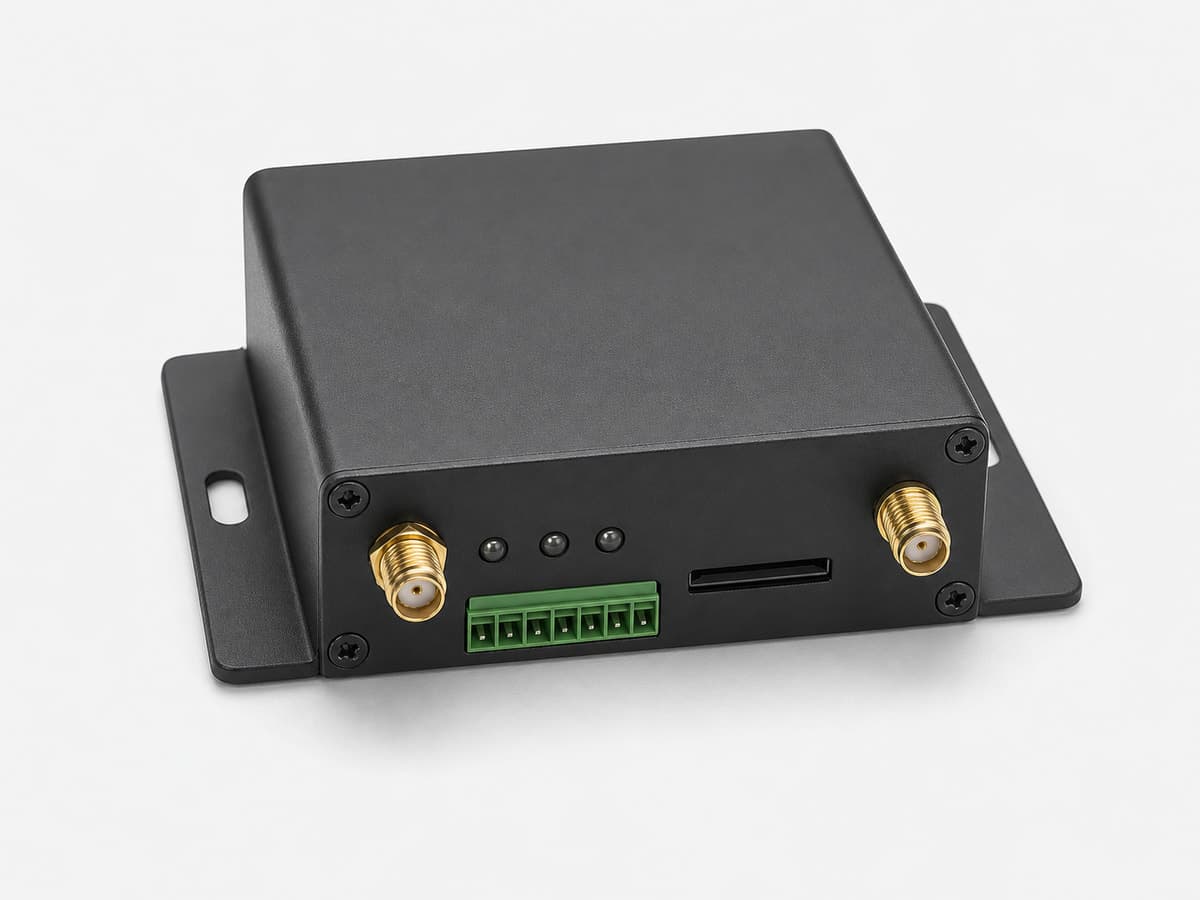
Hardware used in the comparison
Product-family photos; the model and enclosure may vary.
Choose MQTT when
- Many devices publish frequent readings
- The backend has an MQTT broker
- Connection quality varies in the field
Choose HTTP when
- Updates are infrequent
- The customer only exposes a REST endpoint
- Payloads need simple business-system handoff
Information needed for quotation
- Broker or API endpoint and security requirements
- Accepted payload with units and timestamps
- Device count, reporting interval and payload size
- Session, retry, duplicate and offline-buffer rules
Hardware to confirm before quotation
Product-family photos; the model and enclosure may vary.
Official technical references
- OASIS MQTT Version 5.0
Official MQTT 5.0 specification for sessions, quality of service and protocol behavior.
- RFC 9110: HTTP Semantics
Internet standard defining HTTP methods, status codes and request-response semantics.
Related pages
FAQ
How do I choose between the two options?
Choose MQTT when many devices publish frequent readings. Choose HTTP when updates are infrequent. SunGene can shortlist hardware after reviewing the site and integration details.
Can SunGene quote both options?
Yes. Send the site layout, measurements, available network and quantity. We can compare equipment and accessories for both options.
Does this comparison include pricing or guaranteed certification?
No. Pricing and certification depend on the selected hardware configuration and target country, so they are confirmed during quotation.
Can we test an option before a wider rollout?
Ask for a sample or pilot configuration. Agree the interfaces, power, mounting and receiving system, then compare local readings with the received data. Confirm model-specific documents and any required approvals before ordering.
Is MQTT always more reliable than HTTP for remote monitoring?
No. Reliability depends on the complete design: session settings, QoS, retries, duplicate handling, offline buffering and backend processing. HTTP can be reliable when status handling and idempotent retries are defined.
Can one industrial gateway support both MQTT and HTTP?
Some gateway firmware can, but support must be confirmed for the required authentication, payload format, buffering and retry behavior. Do not assume that a protocol label includes the customer-specific integration contract.