
Design example
Remote Village Water Level Alarms
Plan low-level, overflow and offline notifications across remote village tanks with different power and network conditions.
Design example: use the site requirements and equipment path below to plan your own configuration.
Hardware in this guide
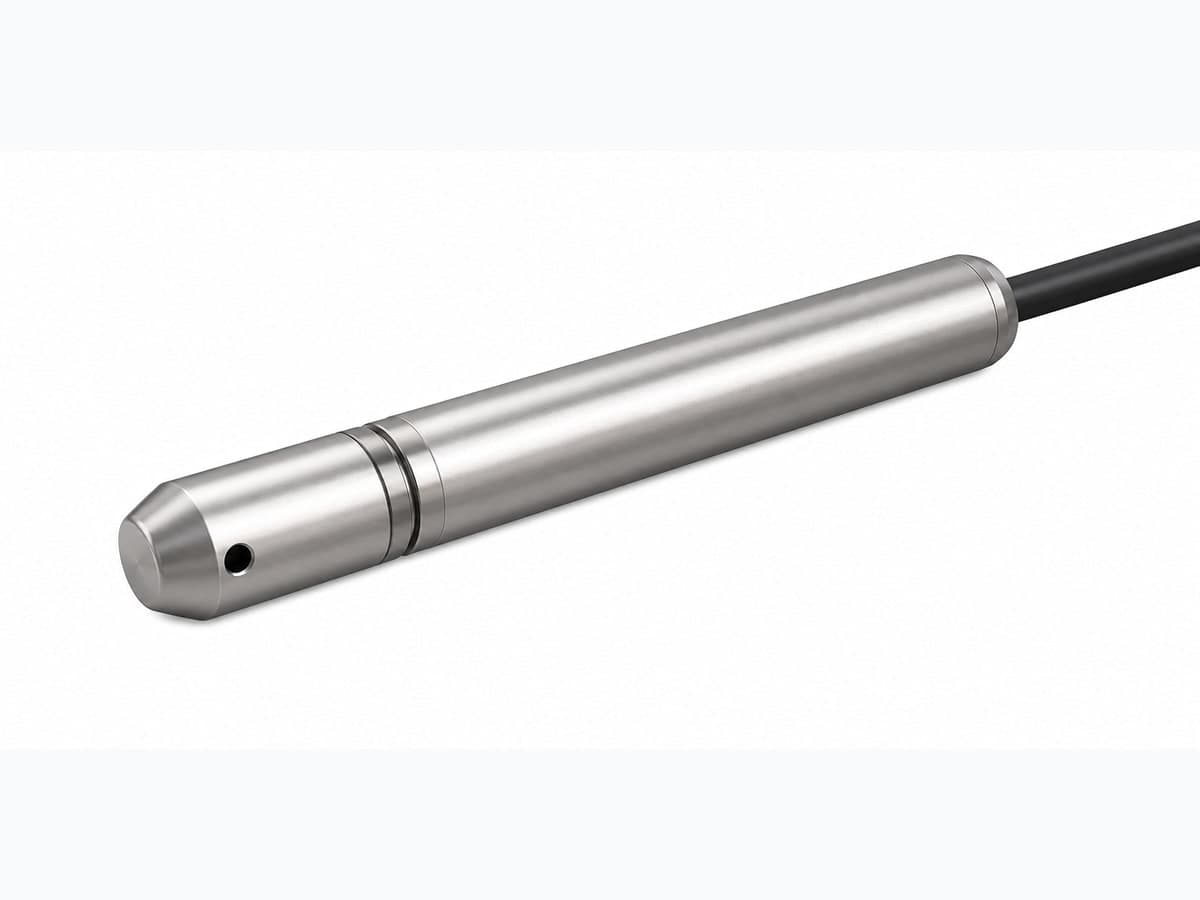
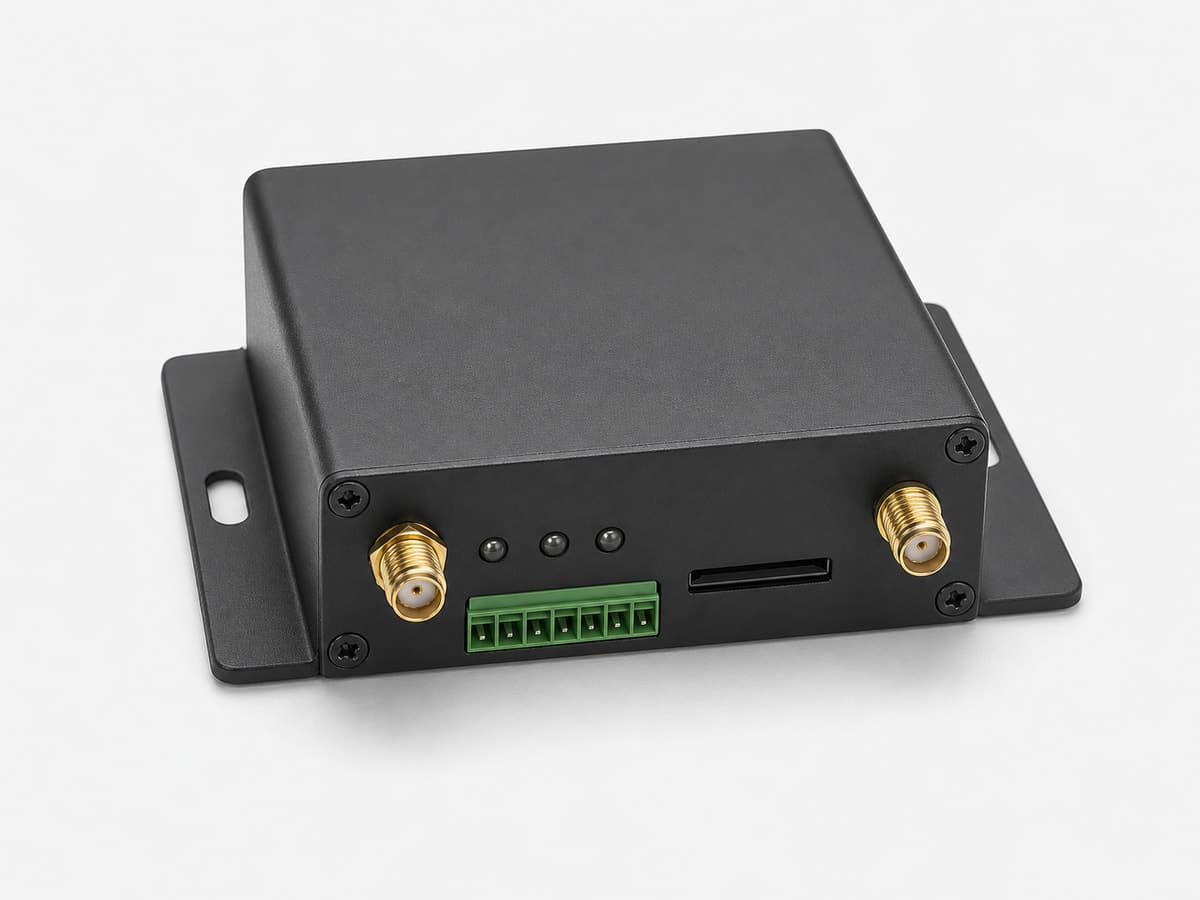
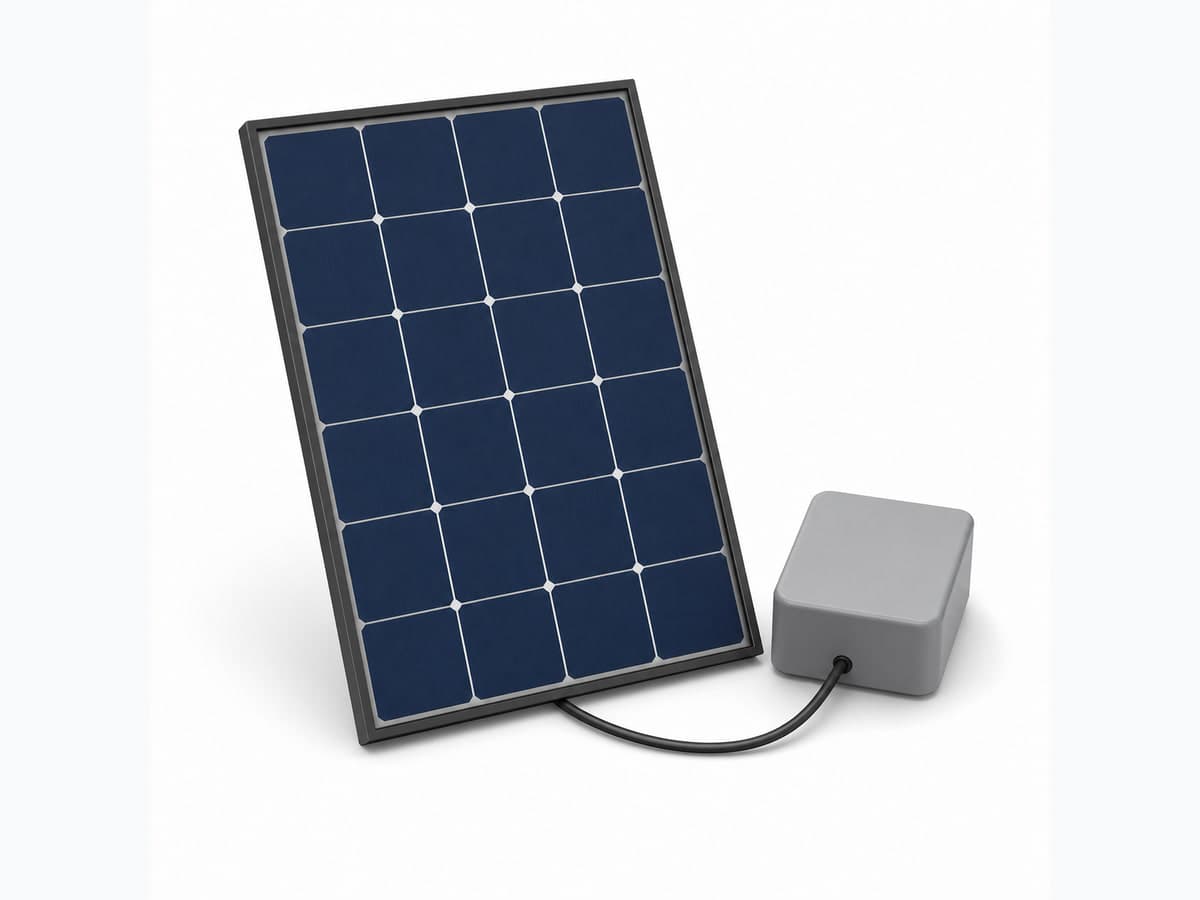
Product-family photos. See each product page for specifications and options.
Planning a similar site?
Send the site count, signals, network, power and reporting target. We will return a comparable hardware configuration for quotation.
Site conditions to check
Compare power, communication and equipment requirements for irrigation, pumps, soil and weather monitoring.
agri.sungeneindustrial.com
Agricultural irrigation and farm pumps
Compare pump contacts, motor current and water flow before choosing what to monitor at your farm.
agri.sungenegroup.com
Farm water, soil and weather monitoring
Plan field and orchard measurements around available power, coverage and maintenance visits.
Project team
A water project buyer evaluating alarm visibility for village-level tanks.
Challenge
Site visits are infrequent. The operations team needs to distinguish low water, overflow and lost communication at each tank.
Equipment in the system
Example equipment arrangement. Check compatibility and agree who handles software, PLC/SCADA programming and site installation.

Data destination
Customer platform or an agreed third-party service
Site context
- Several remote tanks with uneven network coverage
- Power availability varied by site
- Operations team wanted simple alarm status
Approach
- Survey tank dimensions, mounting and network coverage
- Use the simplest sensor and gateway path per site
- Keep alarm fields consistent across tanks
Hardware plan
- Level sensor
- 4G LTE or LoRaWAN communication path
- Solar-ready enclosure where needed
- Gateway heartbeat and battery status
Hardware reference
Product-family photos; the model and enclosure may vary.
Integration path
- Alarm payload by tank ID
- Low-level and overflow thresholds
- Offline state separated from level alarm
Checks before rollout
- Agree the required water-level alarms with the operations team
- Survey tank dimensions, mounting, power and coverage before quotation
- Use consistent tank identities and fields in the receiving application
Quote inputs
- Tank list and locations
- Network coverage notes
- Power availability
- Alarm recipients
Related pages
FAQ
How can I use this design example?
Compare the measurement points, equipment connections and site checks with your project. Send the existing devices, available power and receiving system so we can check a suitable configuration.
Should every village tank use the same communication hardware?
Not necessarily. Check power and network coverage at each tank. A tank with suitable cellular coverage may use a 4G RTU; clustered points may suit LoRaWAN when a gateway can cover them. Keep tank identities and alarm fields consistent across both paths.
How should low water and lost communication be distinguished?
Send the measured level, timestamp, tank identity and gateway status as separate fields. Agree low-level and overflow thresholds with the operations team and test the offline state separately. Tank locations, power availability and alarm recipients are useful starting details.