
Problem / solution guide
Tank Level Sensor Mounting Options
Review mounting options for tank level sensors before selecting radar, ultrasonic or wireless monitoring hardware.
Hardware in this guide
Product-family photos. See each product page for specifications and options.
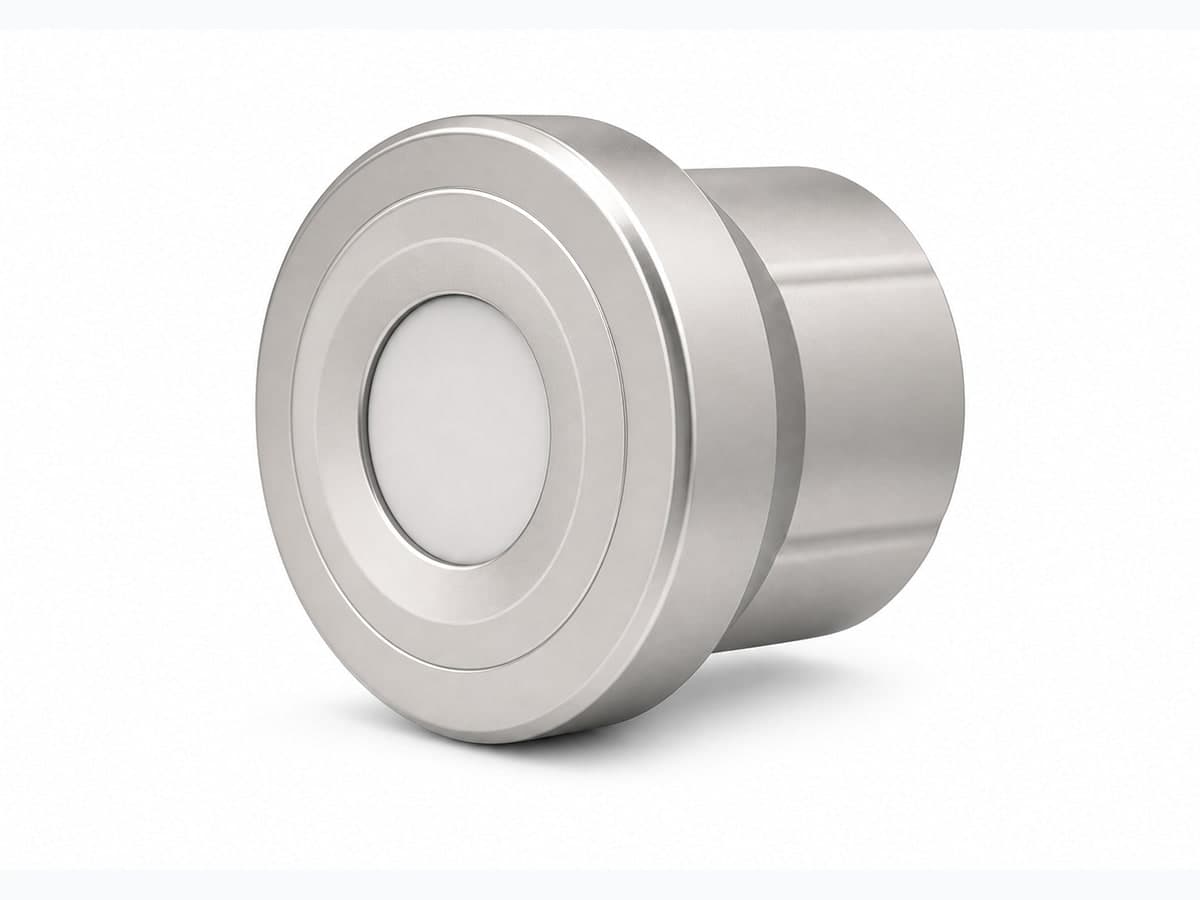
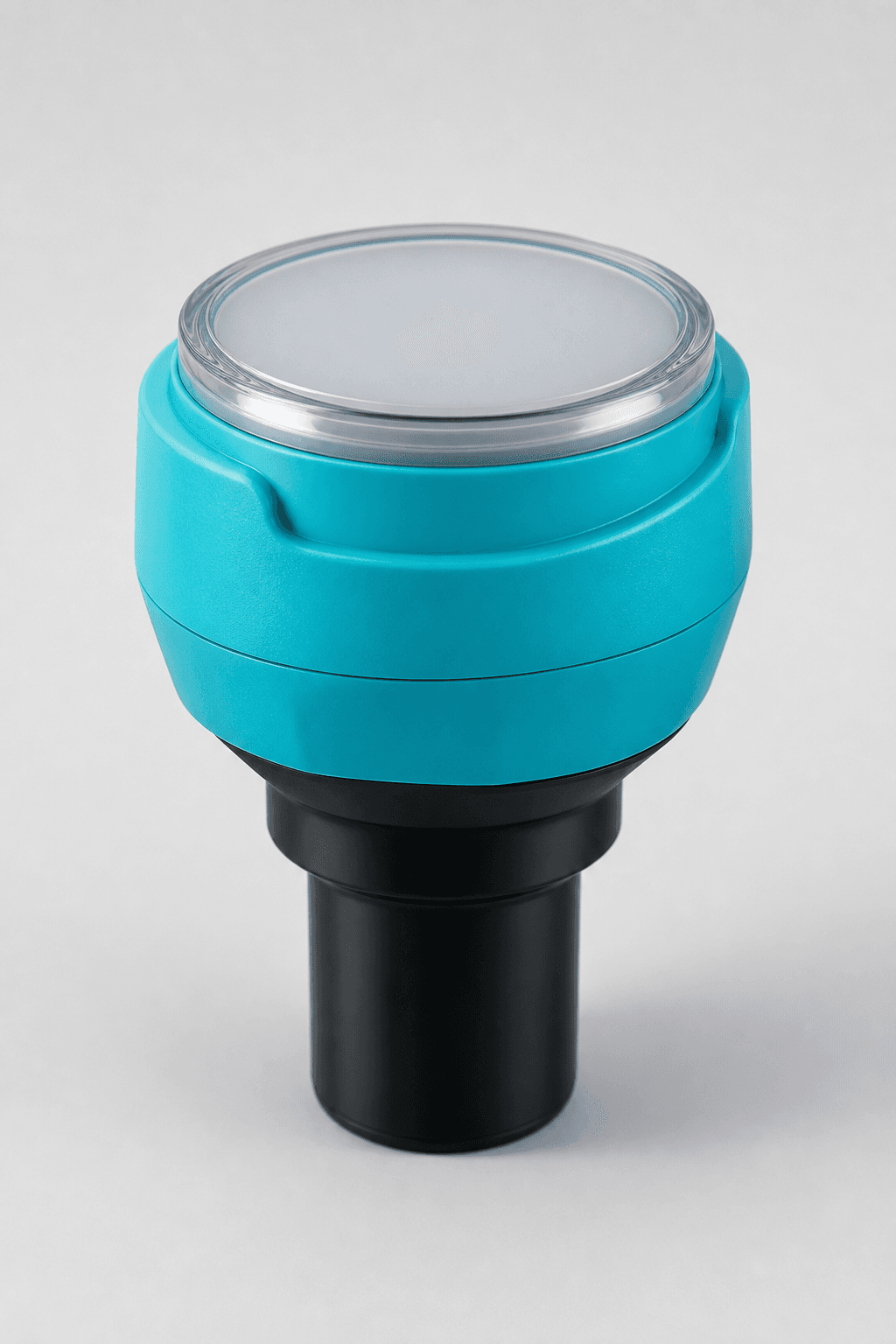
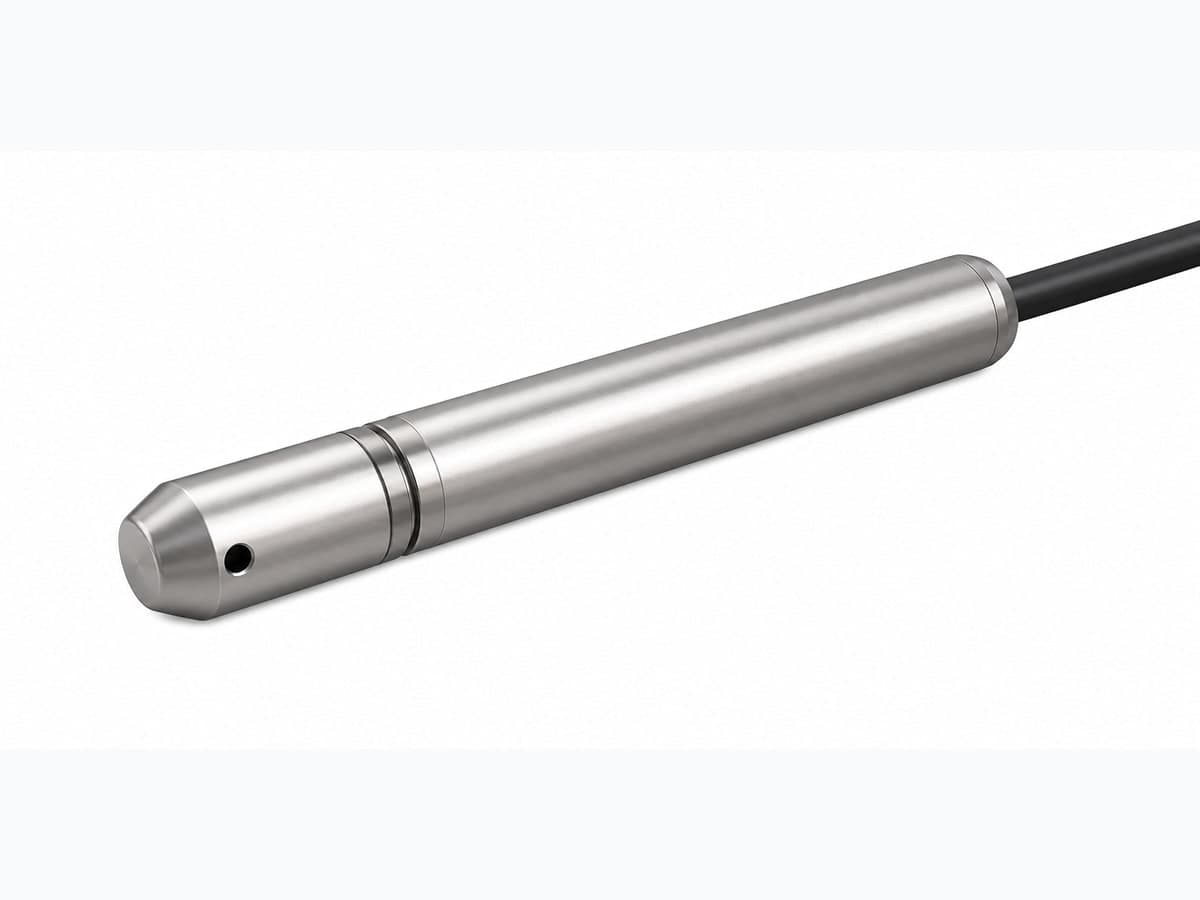
Equipment selection, or help with the whole farm?
Send your country and a description of the equipment or problem. We can recommend a device, prepare a kit or plan the farm equipment and integration. Add technical details when available.
Compare ways to work with SunGene →Problem to solve
A good sensor can fail if the mounting point has obstacles, foam, dead zone or poor enclosure protection. Mounting details should be checked before quotation.
Measurements that matter
- Tank height and dead zone
- Obstacle clearance
- Liquid surface condition
- Cable, power and enclosure path
Suggested hardware configuration
- Radar or ultrasonic level sensor
- Mounting bracket or flange review
- Outdoor enclosure and cable accessories
- Gateway or node path
Equipment in the system
Example equipment arrangement. Check compatibility and agree who handles software, PLC/SCADA programming and site installation.
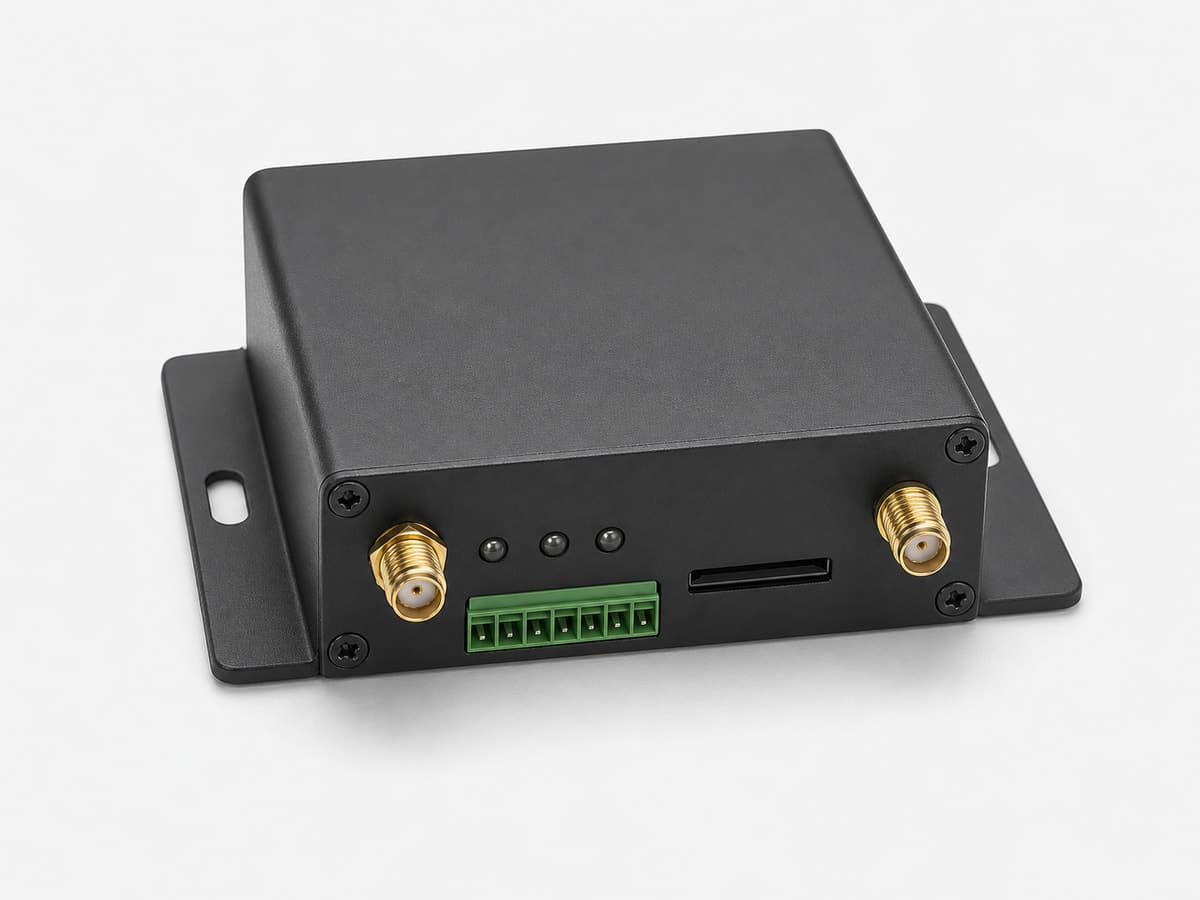
Data destination
Customer platform or an agreed third-party service
Information needed before quotation
- Tank photos and dimensions
- Mounting location
- Liquid type and surface condition
- Required accuracy and network path
Recommended next steps
- Compare radar and ultrasonic sensors
- Review water tank monitoring
- Send mounting photos for review
Related pages
FAQ
What does SunGene need before quoting Tank Level Sensor Mounting Options?
For a quotation, send these details: Tank photos and dimensions; Mounting location; Liquid type and surface condition; Required accuracy and network path. We use them to select sensors, gateways, power and the data connection.
When is top-mounted level sensing practical?
Check access above the tank and a clear path to the surface. The selected sensor must suit the mounting opening, measuring distance and surface conditions, including any foam, vapour or internal obstruction.
What if there is no suitable opening above the tank?
Review an immersed probe or another measurement arrangement with the tank owner. Liquid compatibility, access for cleaning, cable routing and pressure conditions need to be checked before choosing hardware.
What should I check before selecting equipment?
Record these site details: Tank height and dead zone; Obstacle clearance; Liquid surface condition. Check the sensor output, receiving input, power supply and installation conditions together. Confirm any required approvals for the exact model and destination.