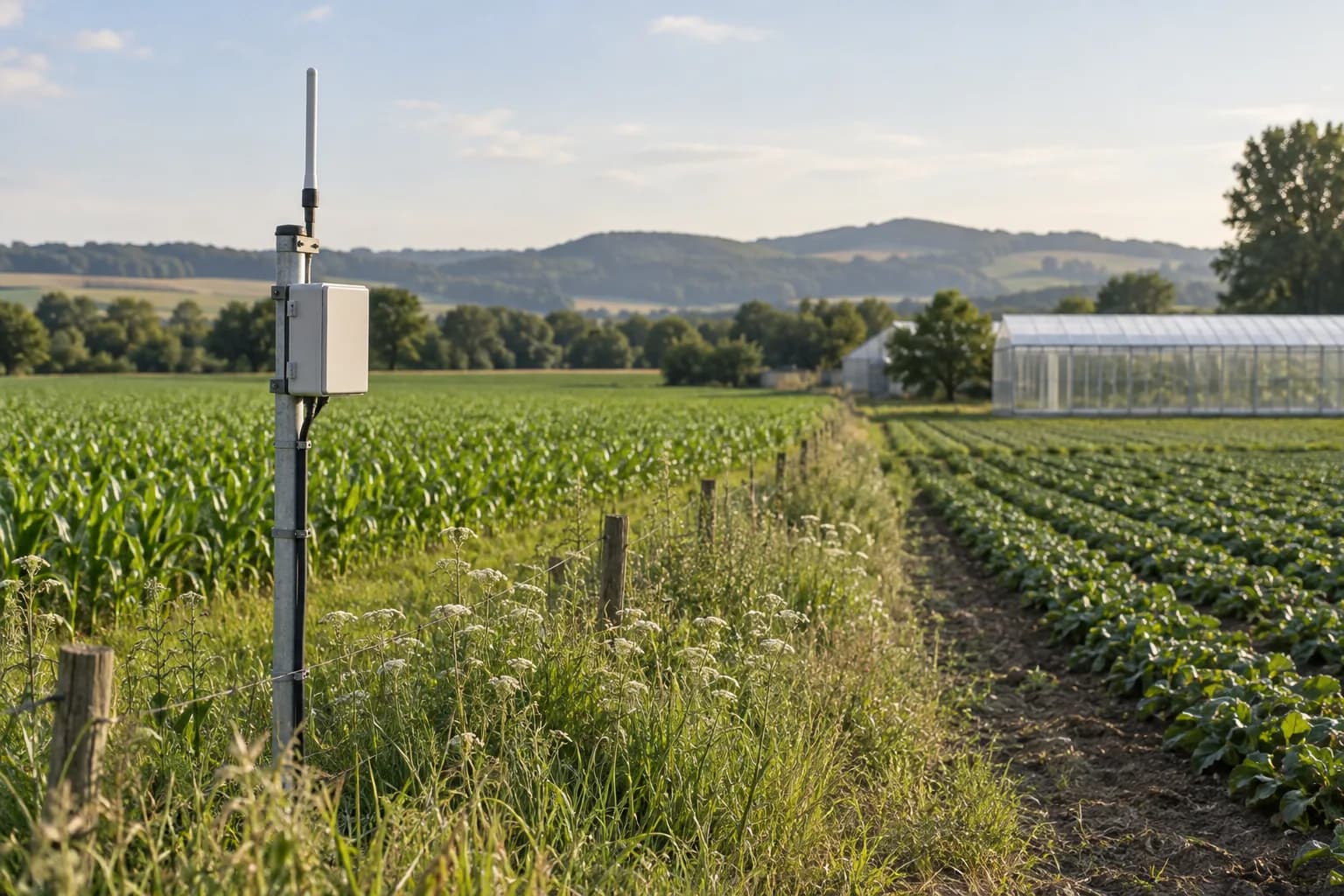
Connect separate fields and facilities
Review coverage, equipment identity and the path into your chosen platform.
Explore this requirement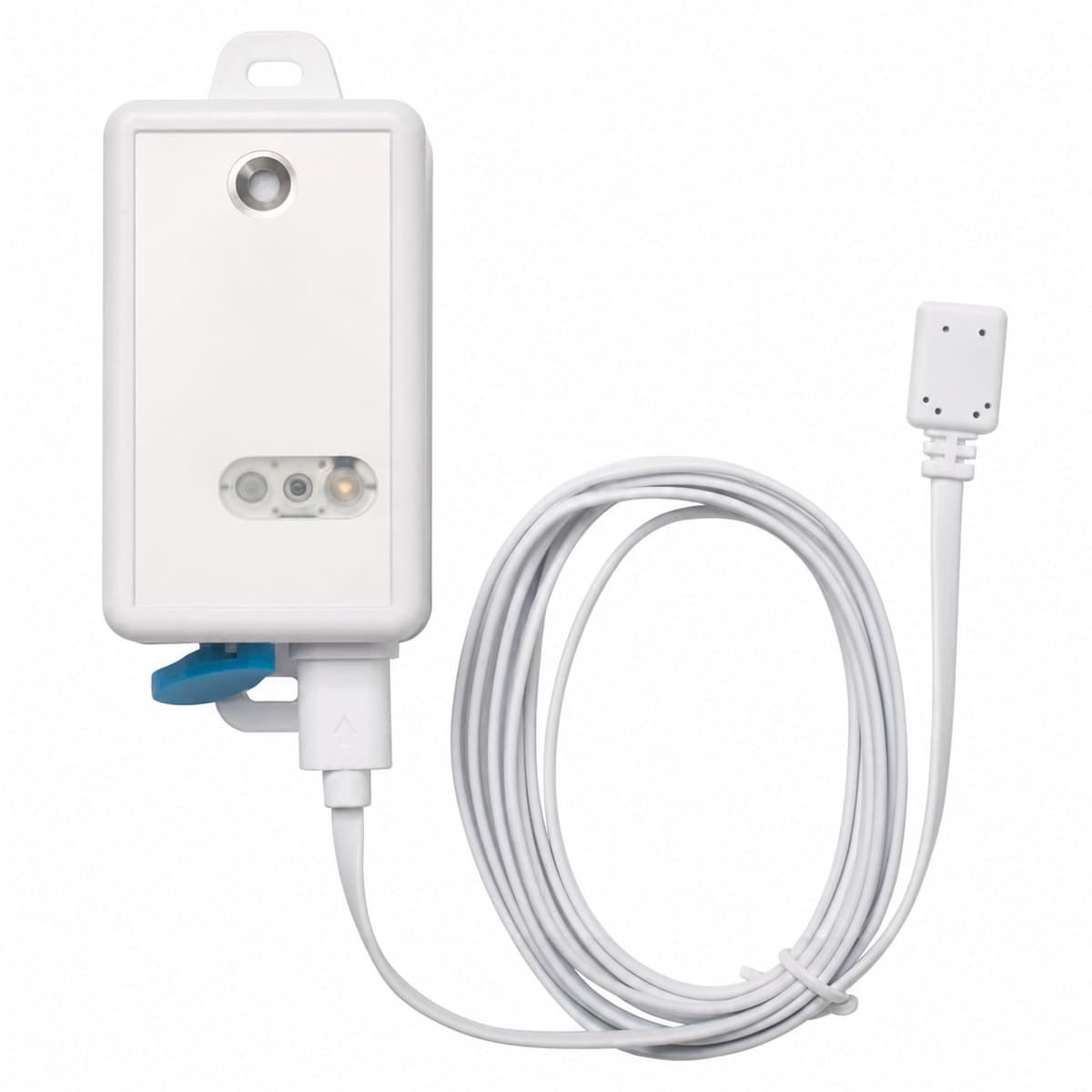
Battery-powered LoRaWAN monitoring node with an external three-axis acceleration probe and built-in ambient temperature and humidity sensing.
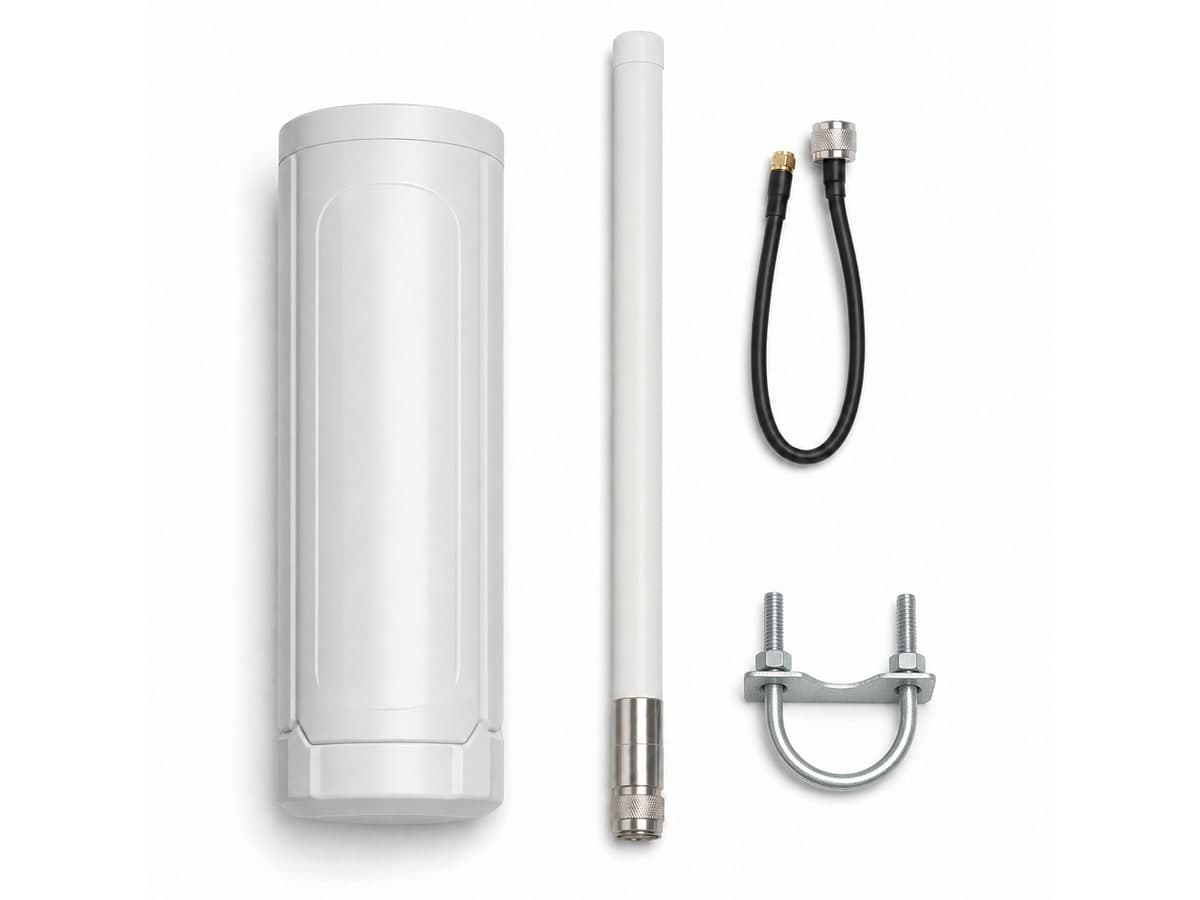
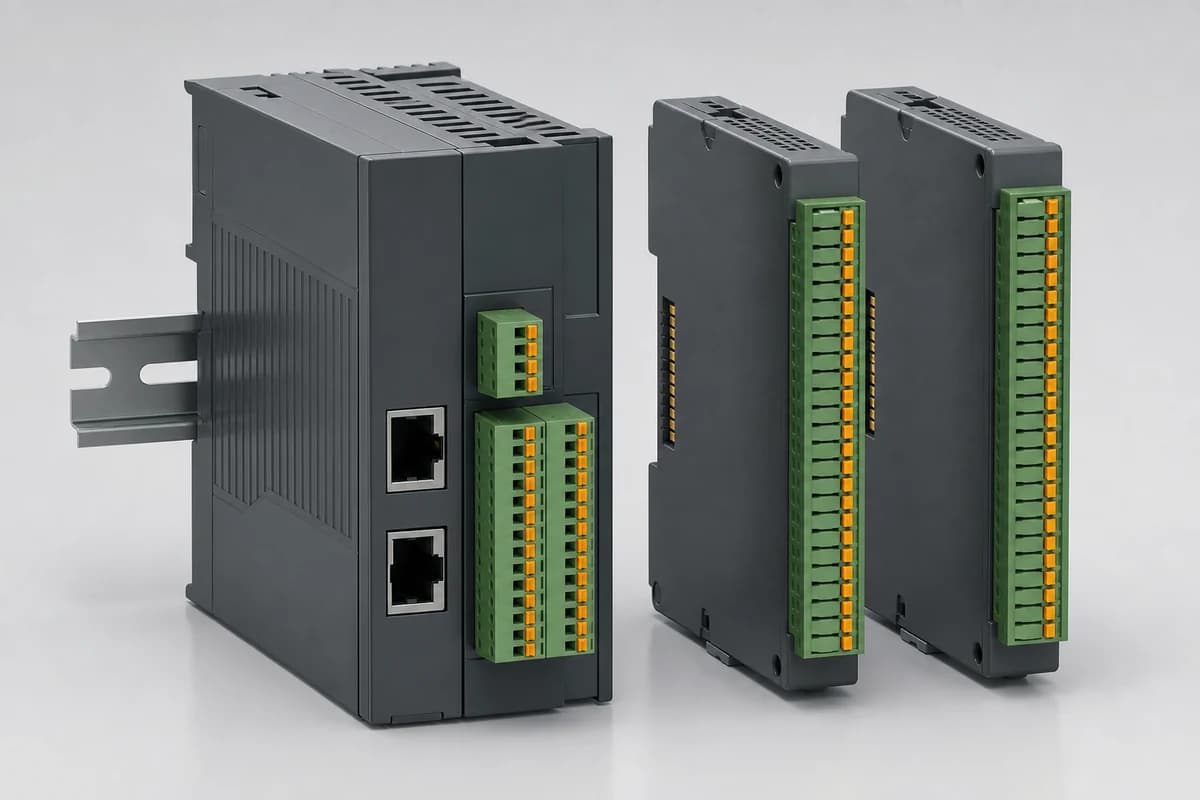
Appearance, connectors and included accessories follow the configuration confirmed in your quotation.
Related application hardware: Machine Runtime and Condition Data Hardware
Share your current model, a photo or the connection you need. We help assess interfaces, power and the required configuration.
Get selection & integration helpPublic documents describe this product family and selection options. Wiring, register maps and compliance documents must match the model and version selected for your order.
English · Web page · printable
Current online selection reference
Industrial Monitoring Hardware Catalog
PDF · English · 379 KiB
File revision: 2026-07-22 · 85c5f07896ab
Choose what you need. We first identify the model and revision, then confirm which documents can be supplied. The request does not imply that every document is available.
Compare uses, interfaces and configuration options. These are selection references.
An SG code helps identify a sourcing option; it is not a substitute for the manufacturer model or its certificate.
Confirm the exact model, configuration, photograph, document revisions, accessories, price, delivery and warranty.
Start with a short description. A complete equipment list is not required.
Review coverage, equipment identity and the path into your chosen platform.
Explore this requirement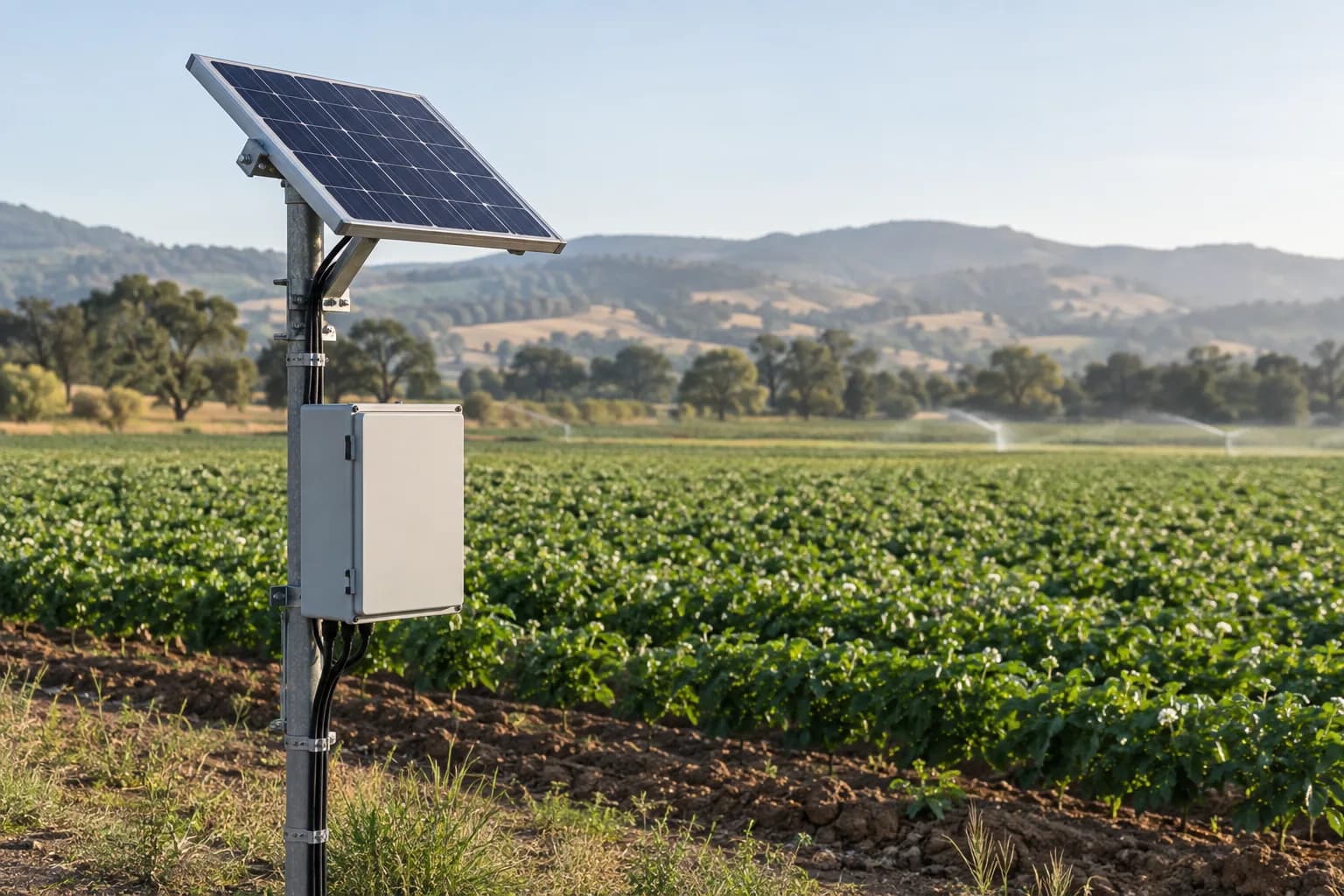
Size field power around the final equipment load, seasonal sunlight and visit interval.
Explore this requirementSystem design, software integration, PLC/SCADA programming and site installation responsibilities are agreed in the written project scope.
Data destination
Customer platform or an agreed third-party service
The written quotation ties the site requirement to one reviewed hardware configuration.
Site requirement
Application, medium, mounting and environment
Hardware configuration
Signal, protocol, power and enclosure
Quote confirmation
Model, quantity, certificates and delivery
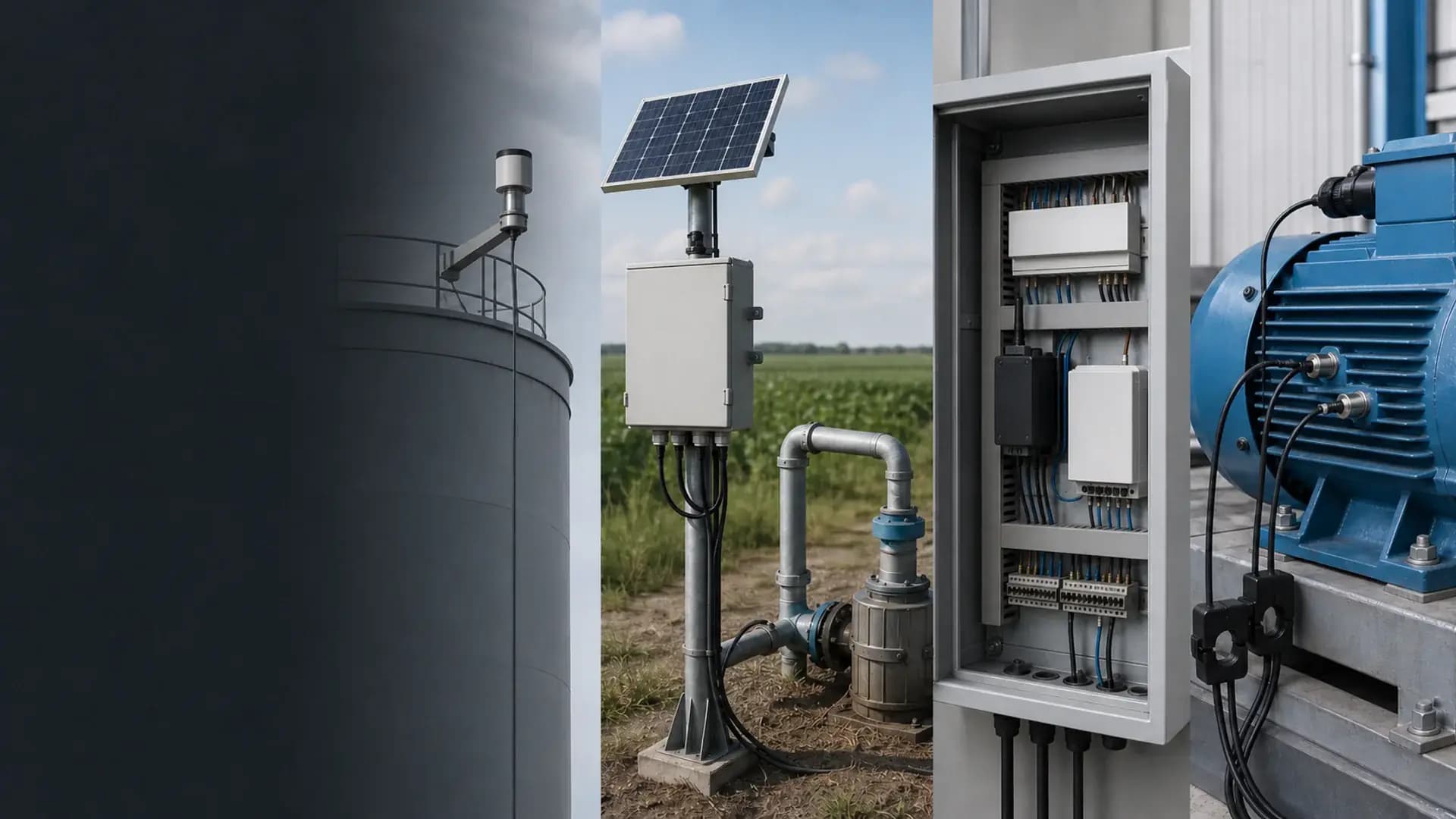
Remote integration context
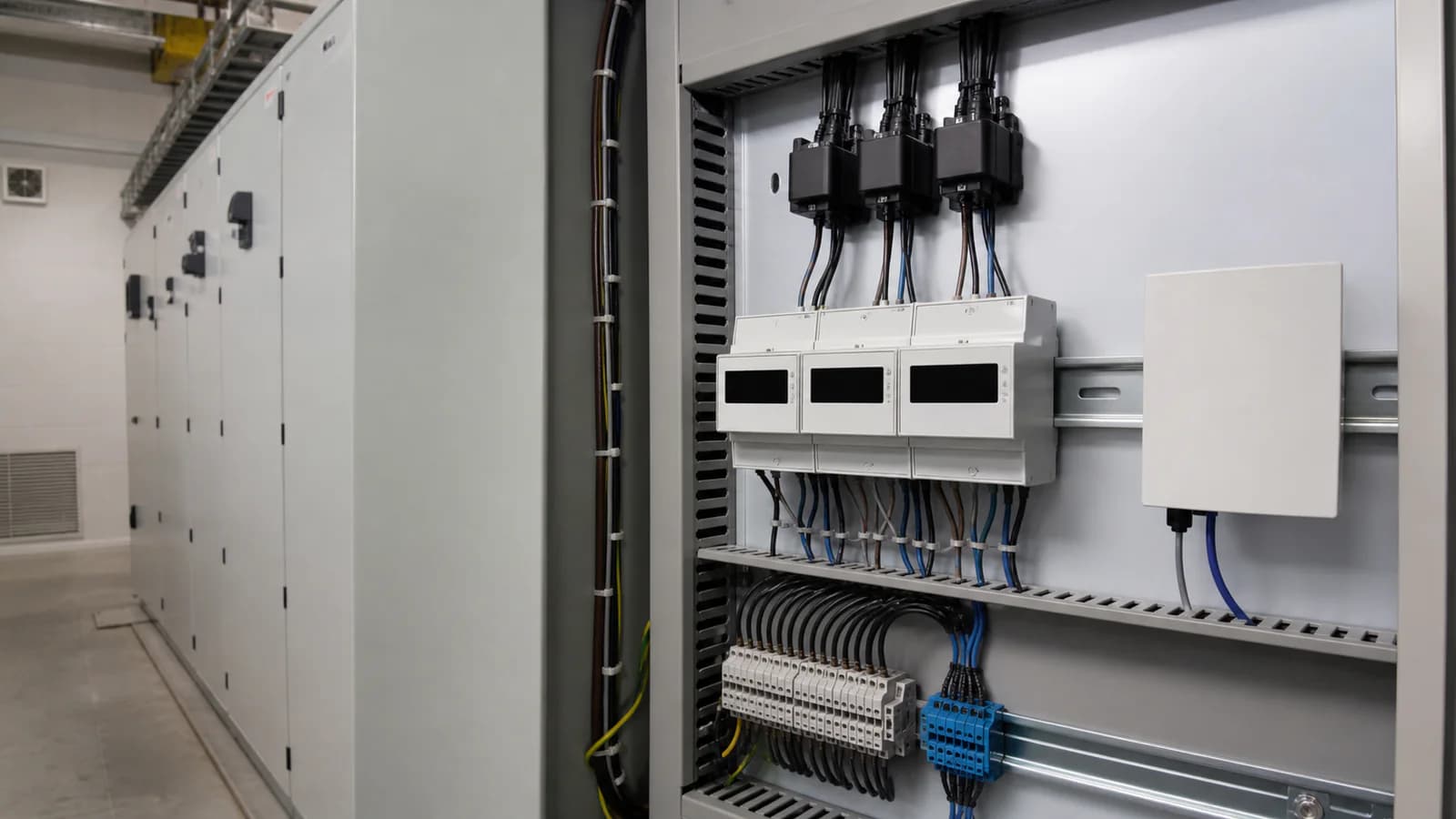
Sensors, interfaces, enclosure, power and mounting are confirmed against the actual project before quotation.
Model-selection reference
Compare equipment options in this catalog section.
10 sourcing references from “Vibration and non-contact temperature monitoring”. Put an SG code in the RFQ so we can match the same catalog row.
SG-VIB-101SG-VIB-103SG-VIB-106SG-VIB-112SG-VIB-114SG-IRT-109SG-VIB-115SG-VIB-116SG-IRT-110SG-TMP-161Compare adjacent hardware families for the same monitoring path.
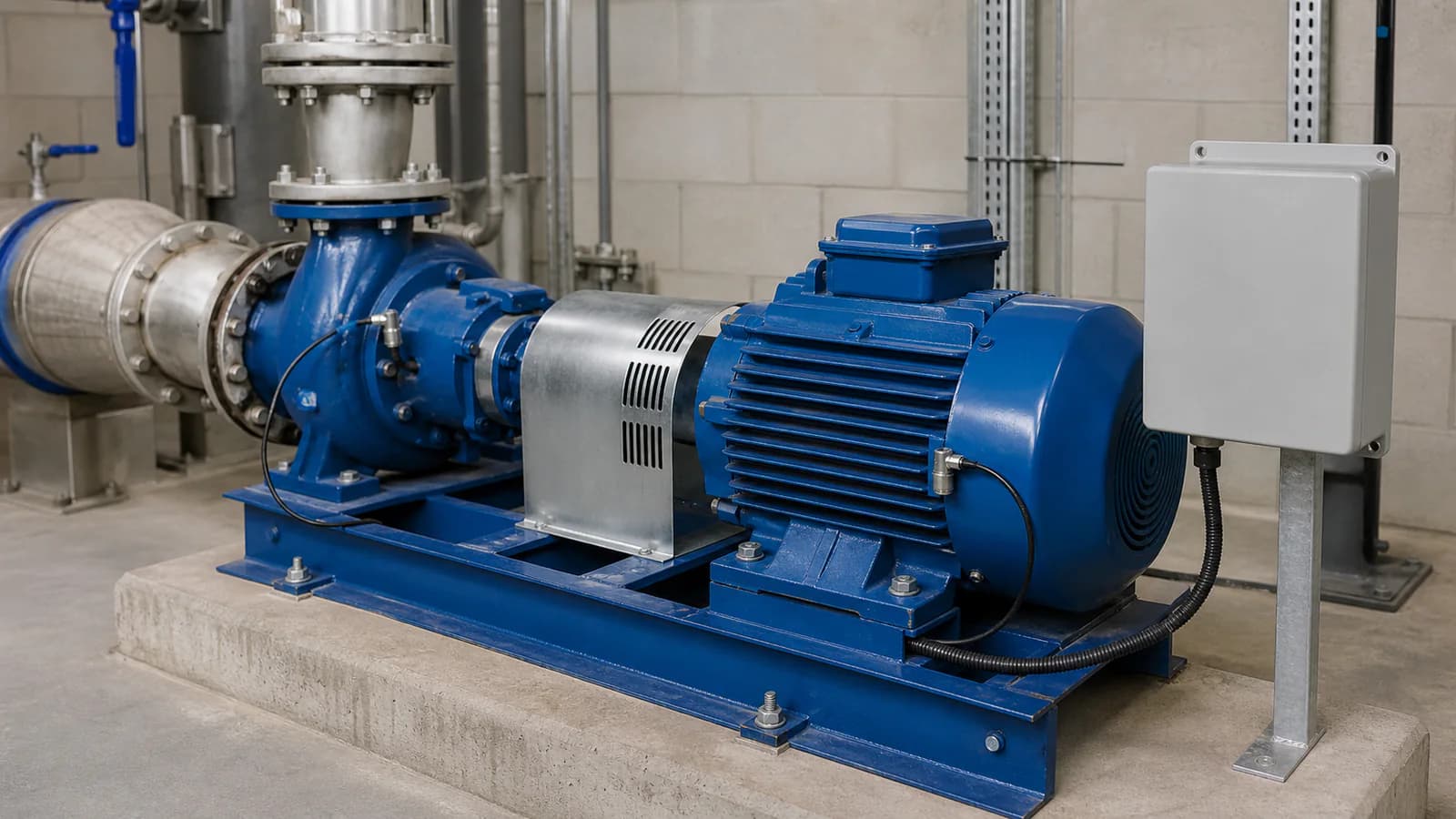
Use this node when a pump, fan, motor or similar asset needs remote vibration-state reporting over LoRaWAN. The external three-axis acceleration probe is mounted on the target asset, while the built-in temperature and humidity readings describe the node environment. Payload fields, reporting behavior and alert thresholds are validated during the pilot.
The reviewed node uses LoRaWAN. A compatible gateway forwards the payload to the customer’s network server or IoT platform. The regional plan, gateway coverage, payload fields and reporting behavior are confirmed for the pilot.
Those outputs are not claimed for this reviewed node. It is positioned for project-validated vibration-state reporting from its external three-axis acceleration probe. Applications that require ISO severity, RMS velocity, spectrum, raw waveform or bearing diagnosis need a separately verified specialist sensor and acquisition path.
The built-in sensor measures the node’s ambient environment: temperature from -40 to +80 °C with typical ±0.3 °C accuracy, and humidity from 0–96% RH with typical ±3% RH accuracy. These readings are not bearing or machine-surface temperature, and the temperature range is not presented as an enclosure operating rating.
Asset type, quantity, speed and normal operating states; Expected maintenance action and required vibration output or alert behavior; Probe mounting point, surface, orientation and cable routing; Target country, LoRaWAN regional plan, gateway coverage and network server
Open the Industrial Monitoring Hardware Catalog linked on this page. Use it to compare equipment options before requesting a configuration.
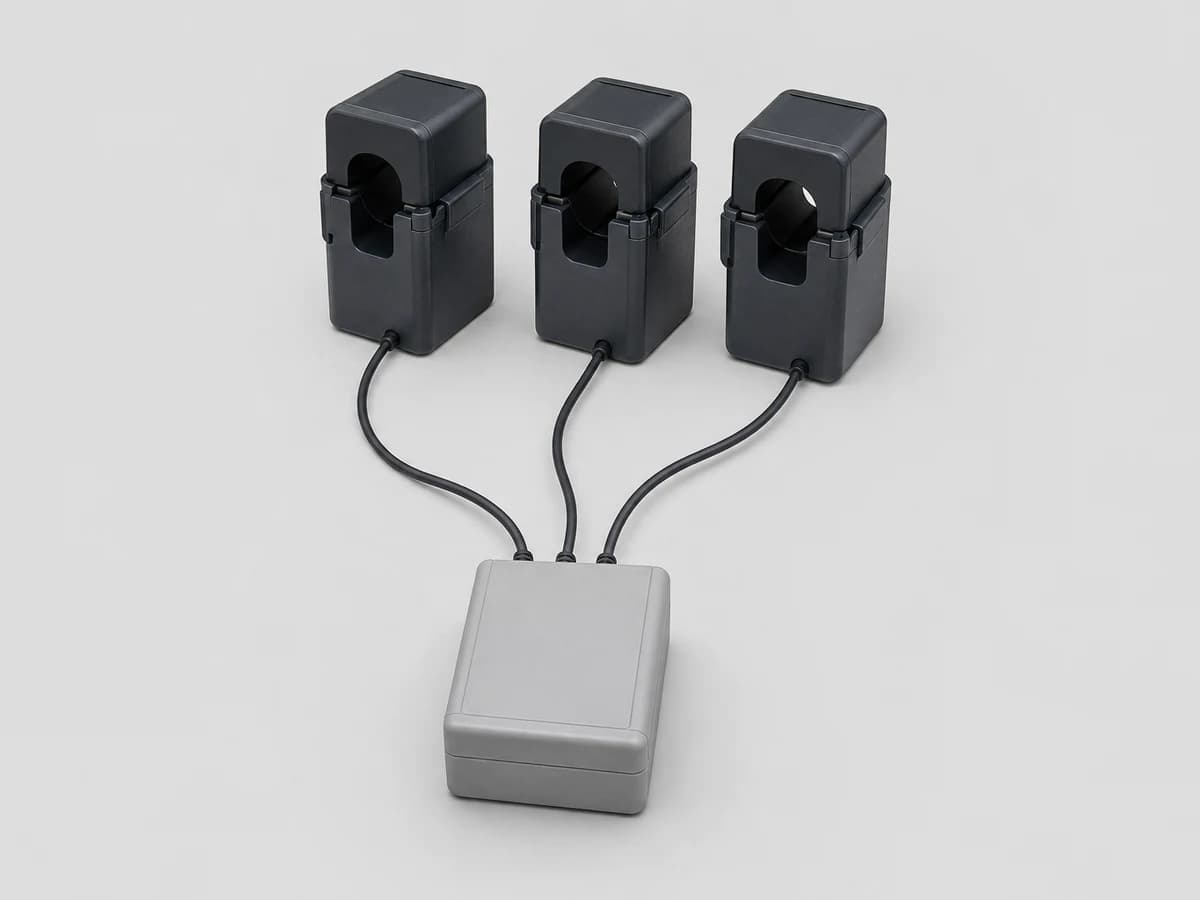
Compatibility is reviewed against your field signals, protocols and upstream platform. Typical pairings include LoRaWAN gateway, Customer network server or IoT platform, Split-core current sensor for run-state context.
Product-family reference. Final ordered model and specifications are confirmed in the written quotation.