Which signal should be measured first at a farm water point?
Choose a signal for the water condition you need to check. Level shows available water at a tank or reservoir; flow shows water moving through a pipe; pump status shows whether equipment is commanded or running. Pick the signal that answers the immediate question, then add the others only when a decision needs them.
Explore the farm water monitoring scope- Available water
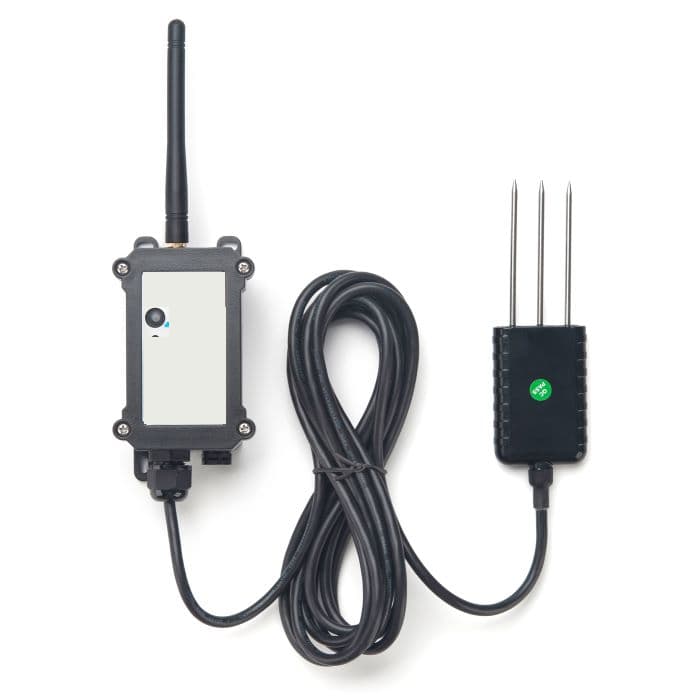
Level at the tank, reservoir or bore
- Water movement
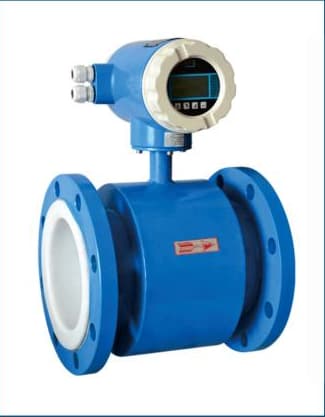
Flow or volume at the useful pipe point
- Equipment state
Pump run, stop and documented fault
Name the decision before the instrument
A low-water alert needs a level measurement at the relevant vessel or well. A float switch can indicate a threshold state; it does not provide continuous water depth. Confirm its dry-contact arrangement against the logger input, and check the specified cable and sealed termination for the installation. A question about delivered irrigation volume needs an appropriate flow measurement and totalization. Run and fault contacts help explain what the pump did, but cannot establish how much water reached a field. Write down who will act on each reading before choosing hardware.
Map one point from sensor to action
For each proposed point, record the asset, measurement or contact, unit or state, expected range, reporting interval, alarm recipient and response. Note the existing controller, meter or transmitter and its documented output. A shared dashboard is useful only after the field value, device identity and timestamp mean the same thing to the site team.
- Tank or well: identify usable depth, access and the level at which action is required.
- Pipe: identify the measurement location, pipe condition and whether an existing meter can be read.
- Pump: identify approved run and fault signals and who owns the control panel.
- Connection: decide what the operator sees when data stops arriving.
Test one water point before expanding
A first site can confirm installation access, power, communication and whether the selected signal answers the operating question. Keep monitoring separate from remote control; command authority and local protections require their own design. Compare readings at the field and receiving platform, then decide whether another signal or site is justified.
Keep the location in the question
Water can be available at a source while a downstream section receives little flow. Name where the reading is taken and which part of the system it describes. A level measurement at one tank cannot answer every question about the supply network. Use a simple pipe and asset sketch to choose the first useful point and identify where an existing instrument may be reused.
Agree the response to missing information
Decide what an operator sees when the signal stops updating. Show the last observation time and distinguish a measured zero from an unavailable value. If an alert requires another signal for context, state that dependency. Begin with a small arrangement whose readings can be checked locally, then add points when a specific operating decision calls for them.
| Operating question | First measurement to review |
|---|---|
| Is there water available? | Level at the relevant source or storage point |
| How much water is being delivered? | Suitable flow and volume measurement |
| Did the pump run or report a fault? | Approved status or controller signals |
| Why did delivery stop? | A combination of readings and operating context |
Common questions
Can pump running status tell us how much water was delivered?
No. It can describe equipment operation, but delivered volume requires a suitable flow measurement or a separately validated calculation.
Do we need to replace our existing meter or controller?
Not automatically. Share its model, output or interface documentation so reuse can be reviewed before a replacement is proposed.