
Industrial IoT comparison
Wired vs Wireless Industrial Sensors
Compare wired and wireless industrial sensors for factories, utilities, agriculture and remote monitoring sites.
Hardware in this guide
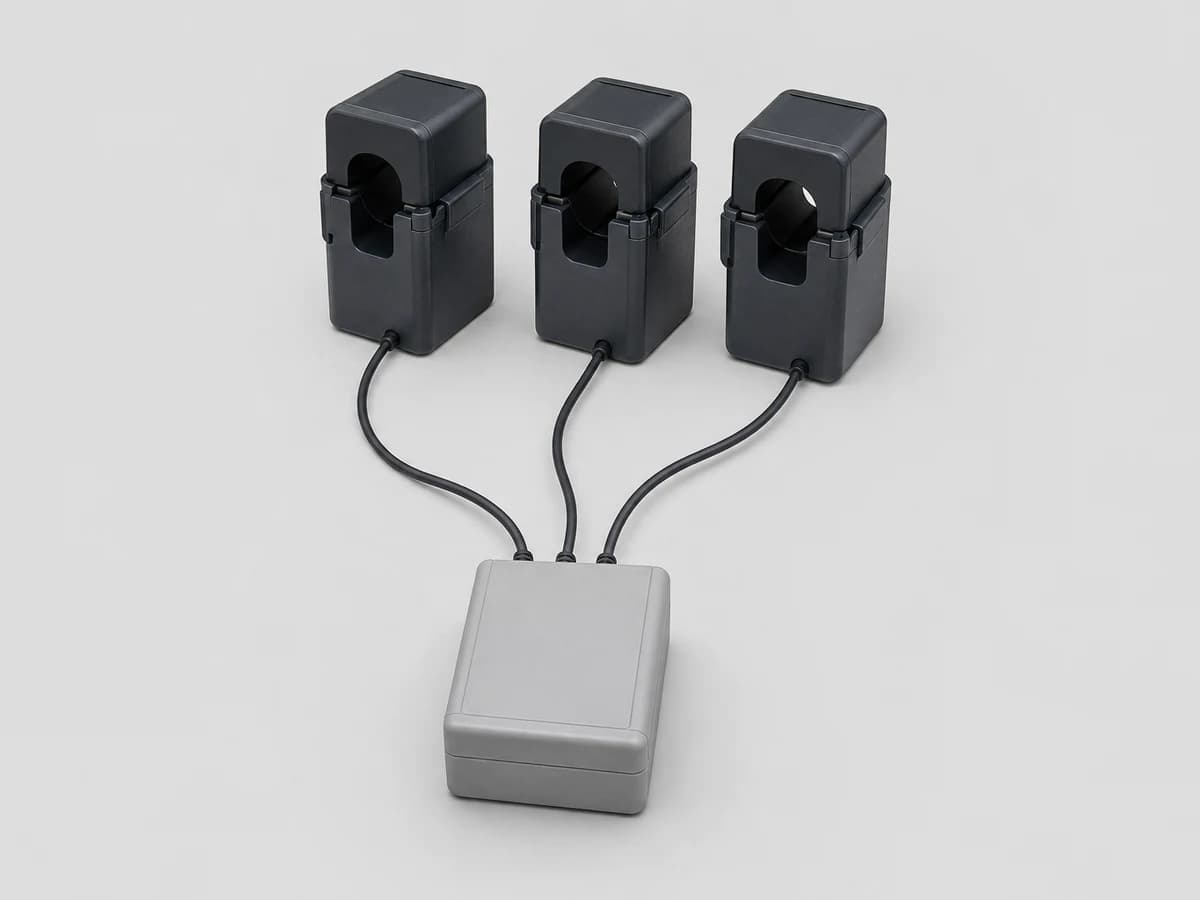
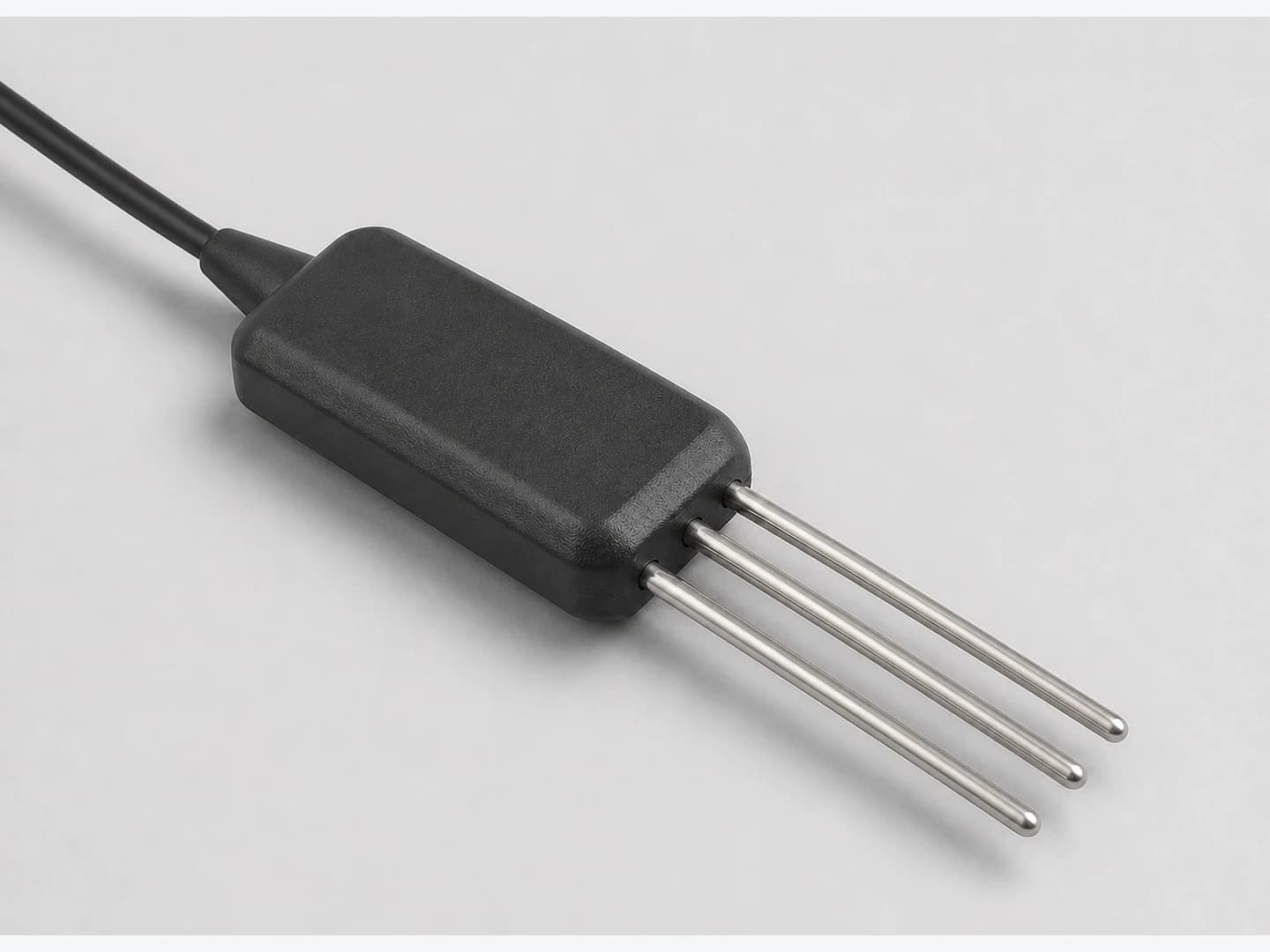
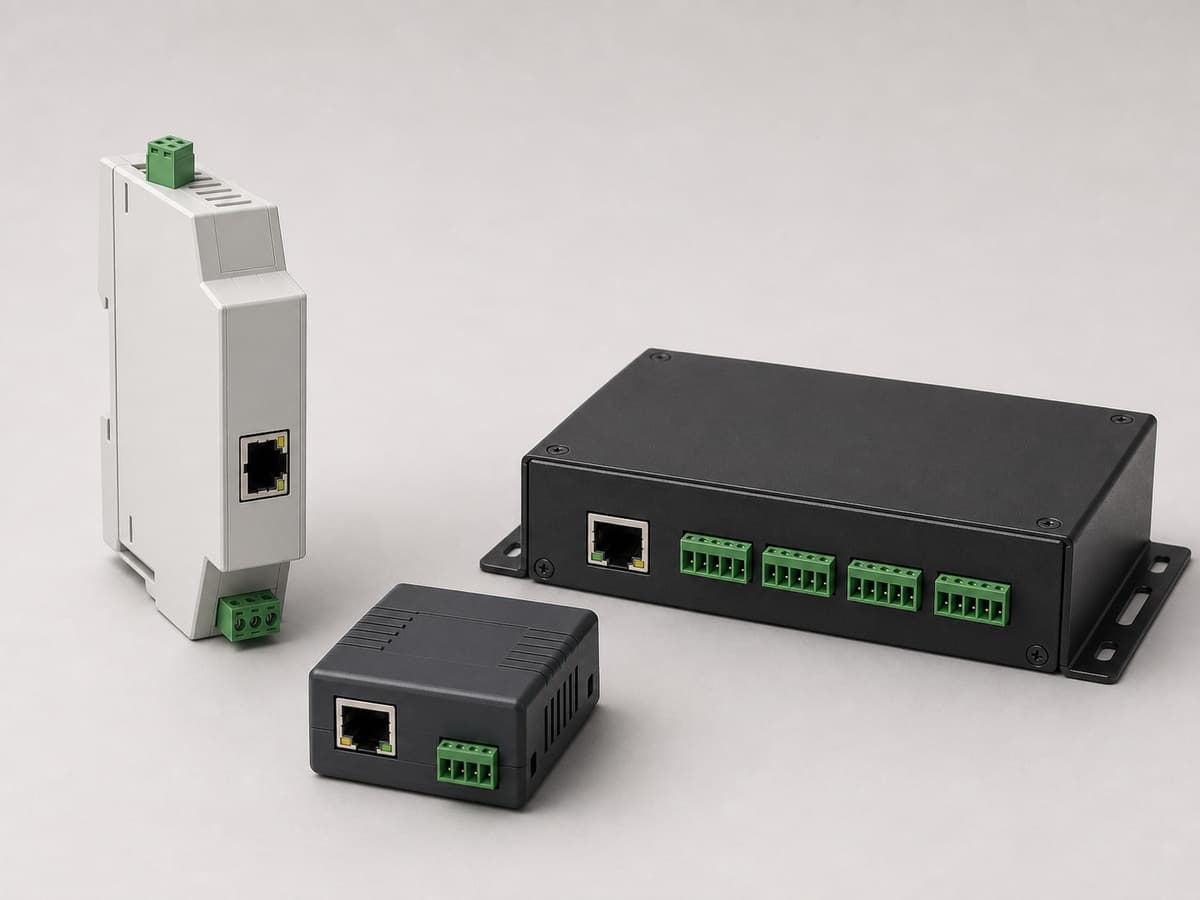
Product-family photos. See each product page for specifications and options.
Need a project-specific choice?
Send your existing device models, power, network and the readings you need. We can compare compatible equipment and prepare a quotation.
At your site
Wired sensors are stable and easy to power when cable exists. Wireless sensors reduce installation work but need network, battery and payload planning.
Decision table
Installation
- Wired sensors
- Cable routing and panel work
- Wireless sensors
- Radio coverage and mounting work
- Guidance
- The cheaper sensor is not always the cheaper installation.
Power
- Wired sensors
- Usually powered by cabinet or loop
- Wireless sensors
- Battery, solar or local power options
- Guidance
- Battery maintenance must be part of the plan.
Data reliability
- Wired sensors
- Predictable when wiring is protected
- Wireless sensors
- Depends on signal strength and reporting interval
- Guidance
- Wireless needs a coverage check.
Equipment in the system
Example equipment arrangement. Check compatibility and agree who handles software, PLC/SCADA programming and site installation.
Data destination
Customer platform or an agreed third-party service
Hardware used in the comparison
Product-family photos; the model and enclosure may vary.
Choose Wired sensors when
- The site already has cable trays or cabinets
- High polling frequency is required
- Maintenance teams prefer fixed wiring
Choose Wireless sensors when
- Cabling cost is high or disruptive
- Sensors are outdoors or spread out
- Low-frequency telemetry is enough
Information needed for quotation
- Sensor locations and distances
- Available cable path or radio coverage
- Power source at each point
- Reporting interval and alarm urgency
Hardware to confirm before quotation
Product-family photos; the model and enclosure may vary.
Related pages
FAQ
How do I choose between the two options?
Wired sensors fits these conditions: The site already has cable trays or cabinets. Wireless sensors fits these conditions: Cabling cost is high or disruptive. SunGene can shortlist hardware after reviewing the site and integration details.
Can SunGene quote both options?
Yes. Send the site layout, measurements, available network and quantity. We can compare equipment and accessories for both options.
Does this comparison include pricing or guaranteed certification?
No. Pricing and certification depend on the selected hardware configuration and target country, so they are confirmed during quotation.
Can we test an option before a wider rollout?
Ask for a sample or pilot configuration. Agree the interfaces, power, mounting and receiving system, then compare local readings with the received data. Confirm model-specific documents and any required approvals before ordering.