
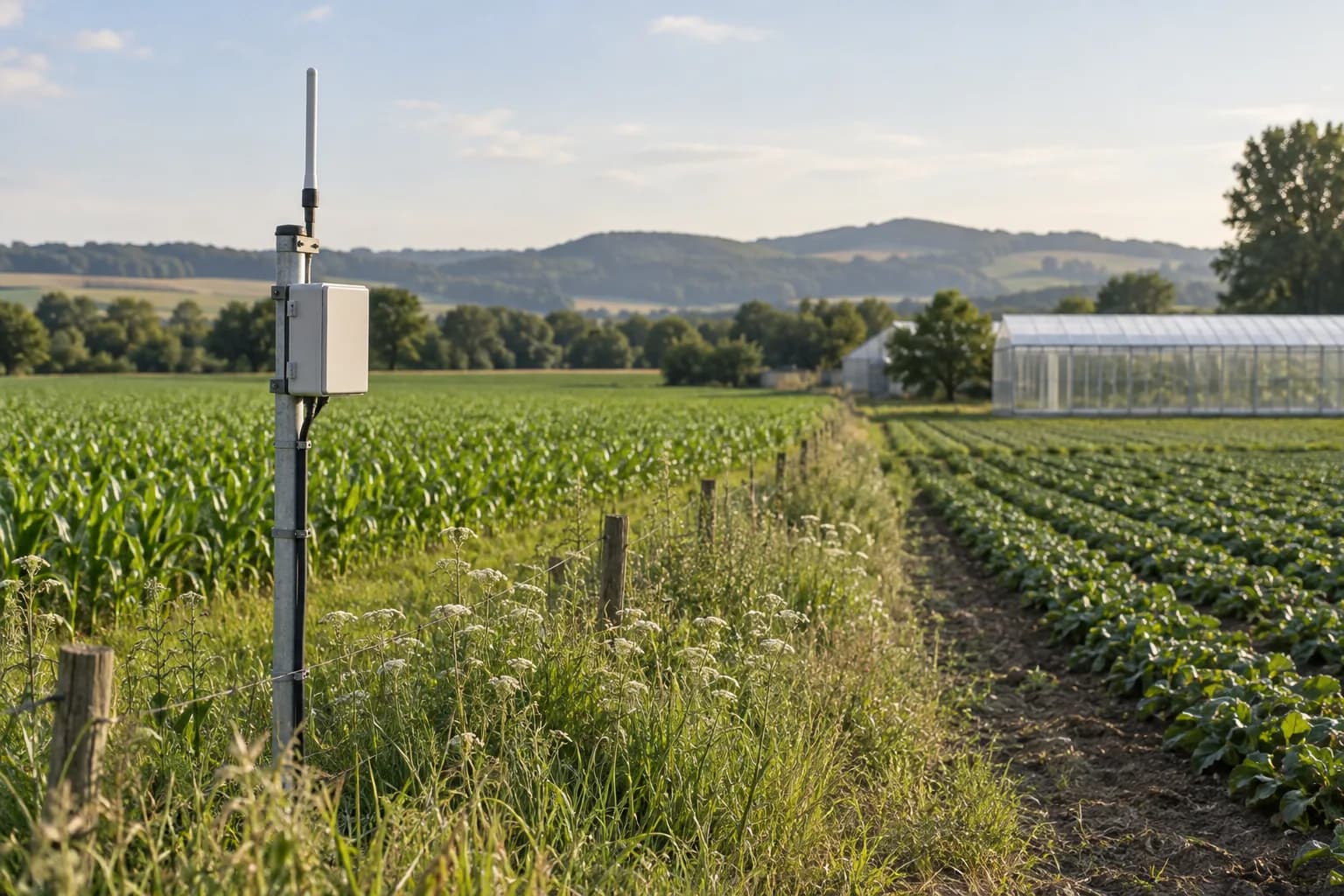
Connect separate fields and facilities
Review coverage, equipment identity and the path into your chosen platform.
Explore this requirementSite power, temperature and equipment monitoring for towers and remote cabinets.
The exact model, interfaces and enclosure are confirmed in the written quotation.
Equipment selection, or help with the whole farm?
Start with a country and a short description. We can help select one device, configure a kit, or plan the farm equipment list and agreed integration. Technical details can follow.
Compare ways to work with SunGene →Models and quotation stay on sungeneiot.com. Use the matching field condition first.
agri.sungeneindustrial.com
Review water delivery, pump state and greenhouse signals from existing farm facilities.
agri.sungenegroup.com
Plan field and orchard measurements around available power, coverage and maintenance visits.
Is this the right page?
Use this page for remote cabinets, radio sites or communications infrastructure that needs power, temperature and equipment-status monitoring without replacing the operator’s NMS.
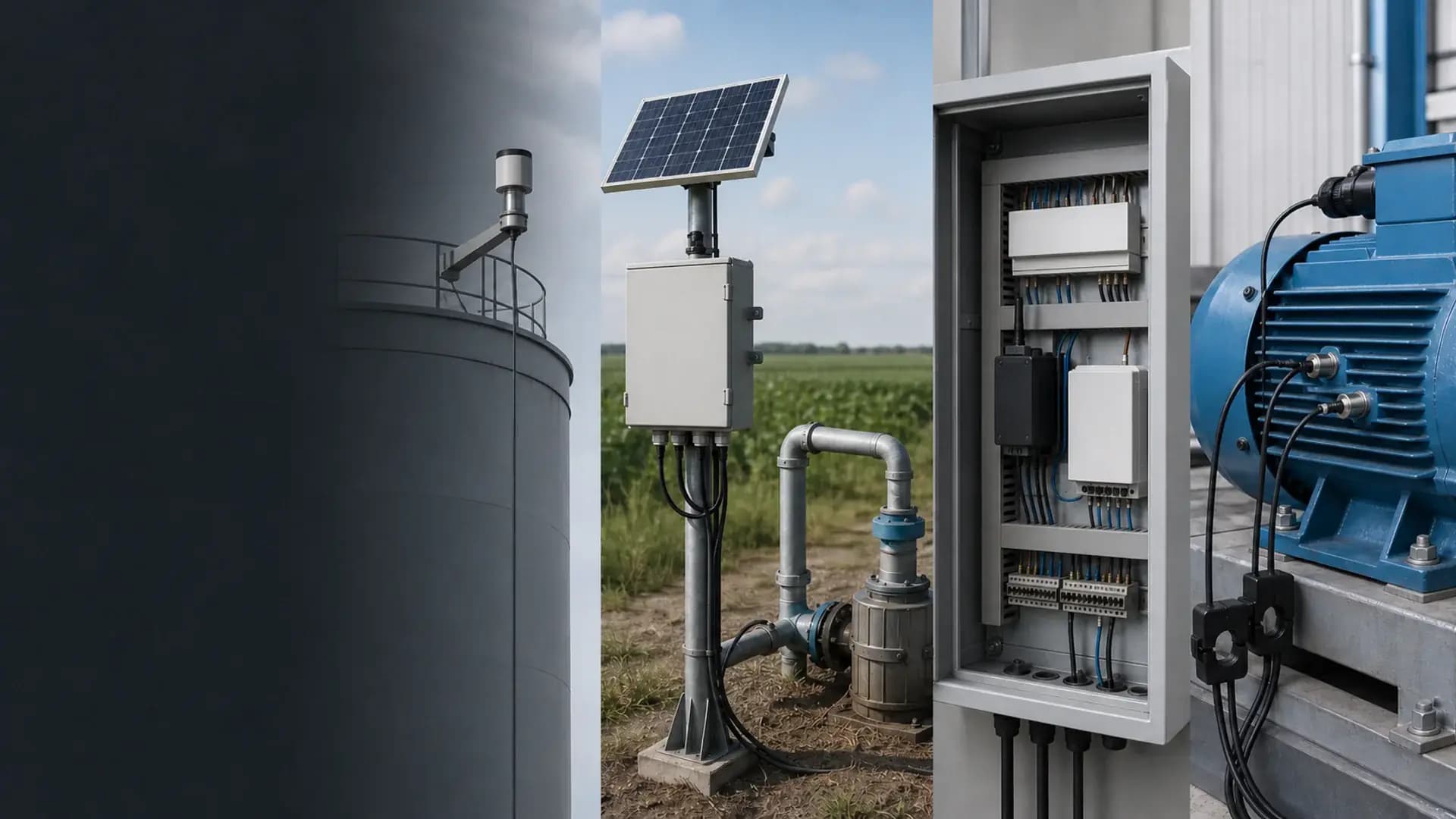
Remote integration context
Sensors, interfaces, enclosure, power and mounting are confirmed against the actual project before quotation.
Review coverage, equipment identity and the path into your chosen platform.
Explore this requirement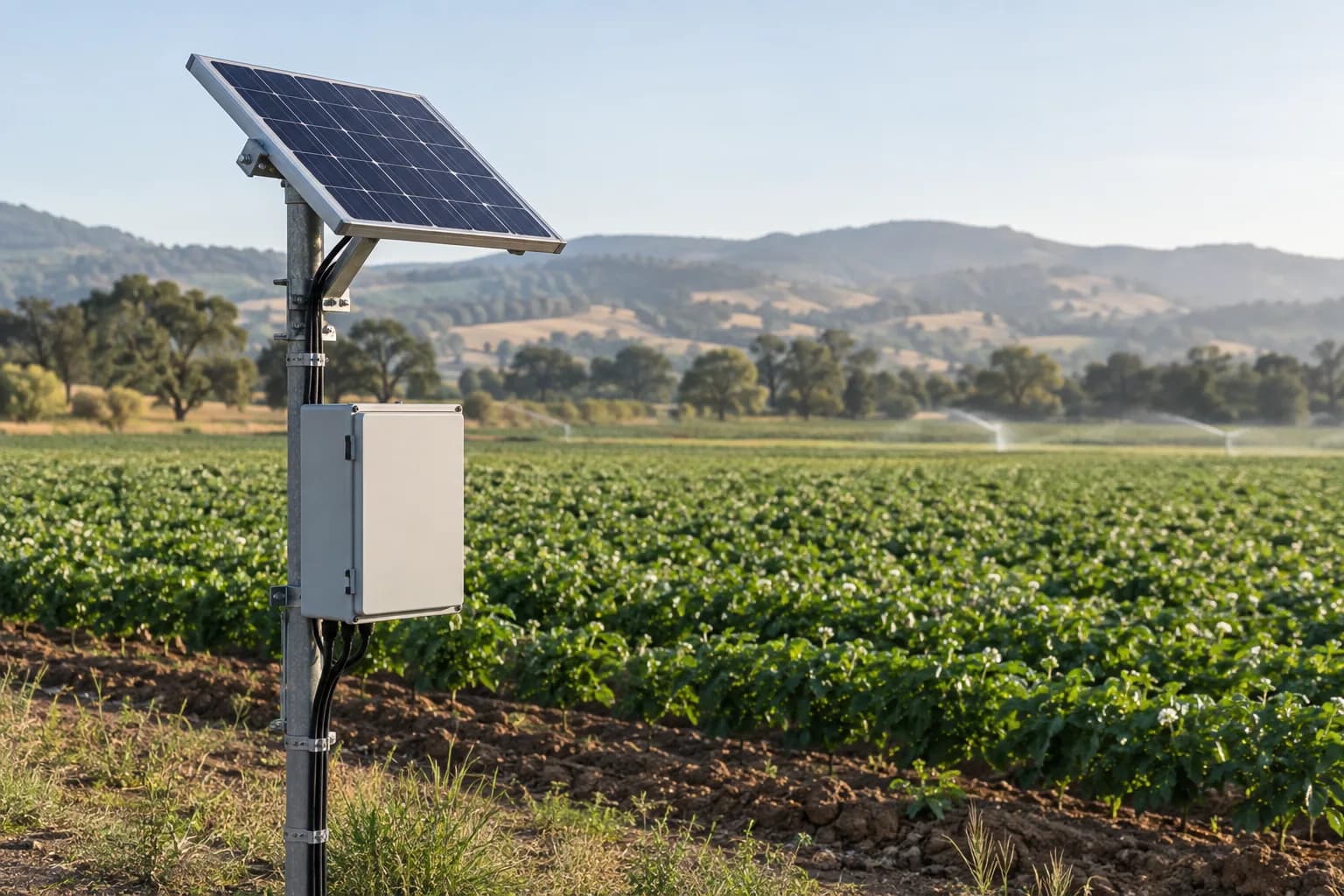
Size field power around the final equipment load, seasonal sunlight and visit interval.
Explore this requirementAC or DC presence, selected voltage or current measurements and backup-system alarm contacts.
Temperature, humidity, leak and selected door or intrusion contacts through suitable I/O.
Dry contacts or supported registers from cooling, rectifier and auxiliary equipment.
Gateway heartbeat, cellular signal, offline buffer and last successful upload.
System design, software integration, PLC/SCADA programming and site installation responsibilities are agreed in the written project scope.
Data destination
Customer platform or an agreed third-party service
Path 1
Best for: Sites with alarm contacts and a small number of analog inputs.
Path 2
Best for: Rectifiers, meters or environmental controllers with documented registers.
Related hardware
The exact model, interface, enclosure and certificates are confirmed against the project before quotation.
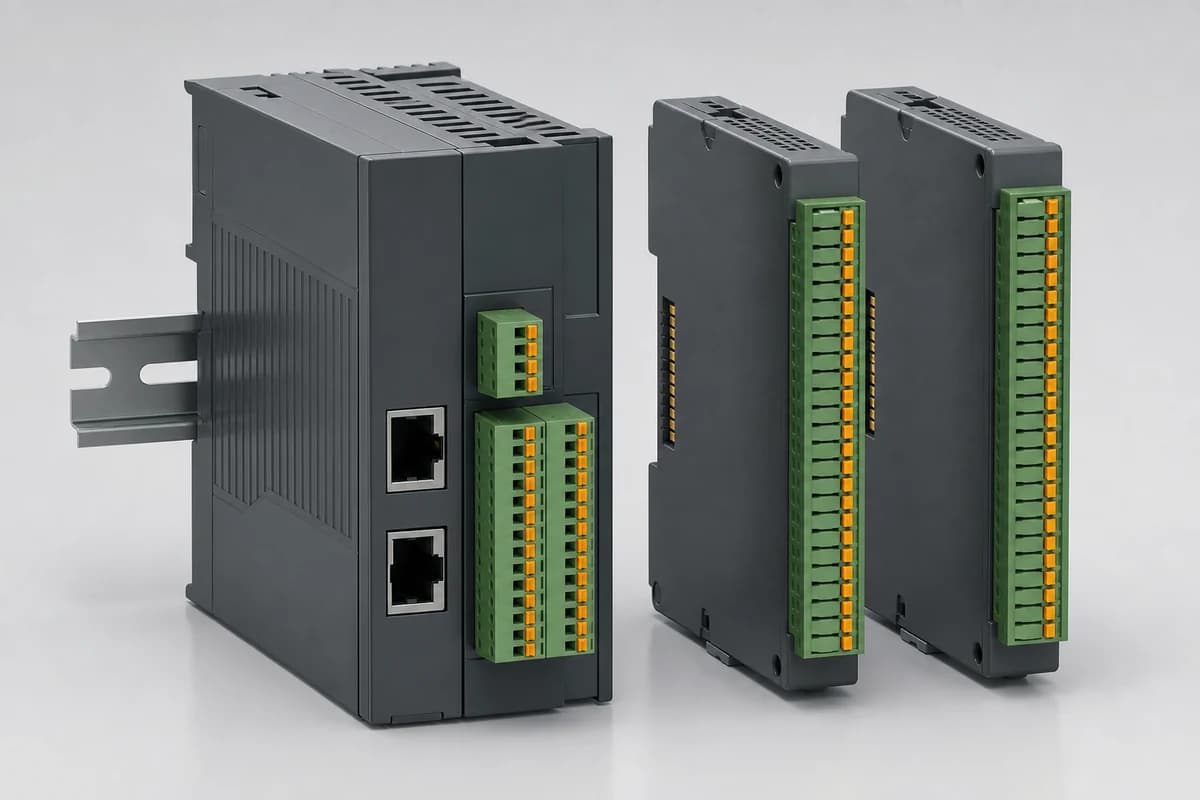
DIN-rail distributed I/O with separate PROFINET or EtherCAT coupler configurations and expansion modules selected from the project I/O schedule.
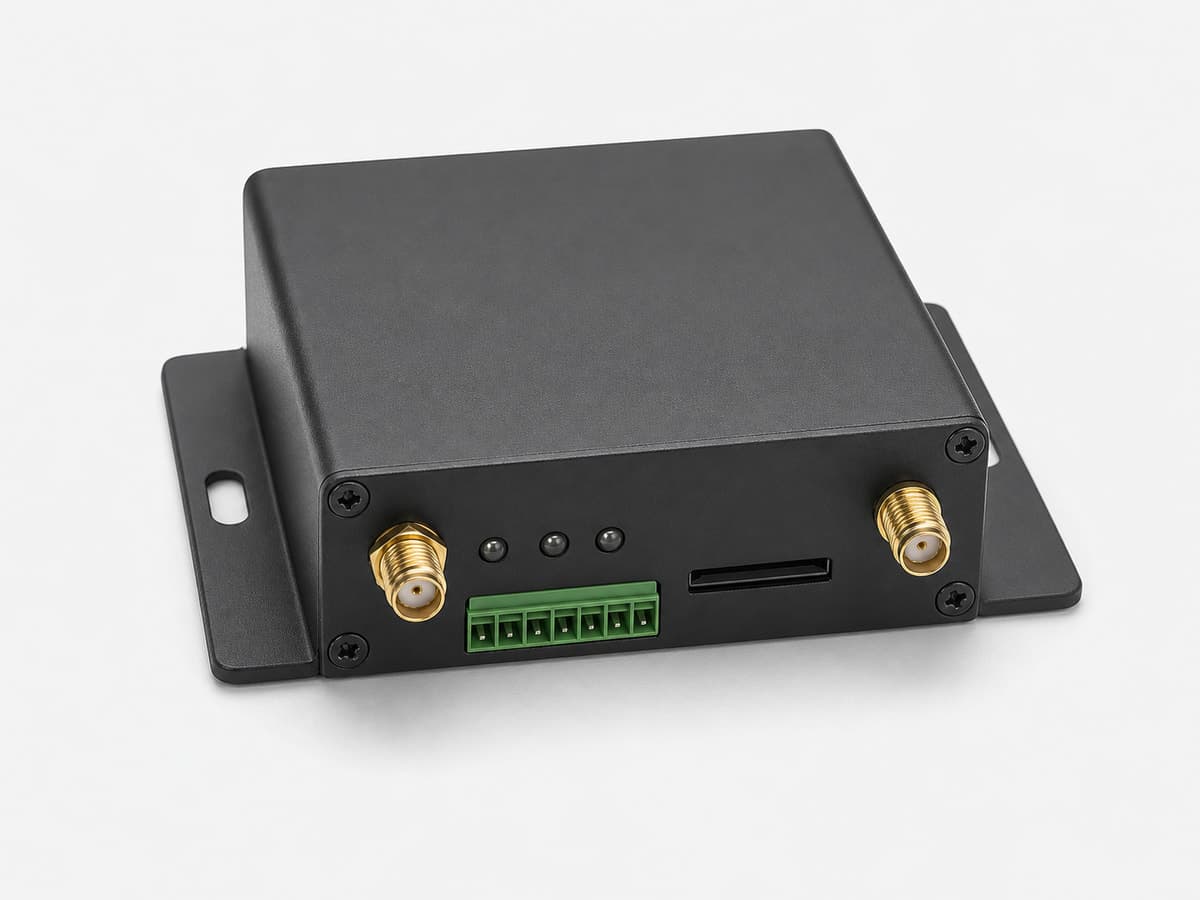
Cellular RTU gateway for pump stations, water telemetry and remote industrial monitoring — collects RS485, analog and digital signals and uploads data over 4G LTE.
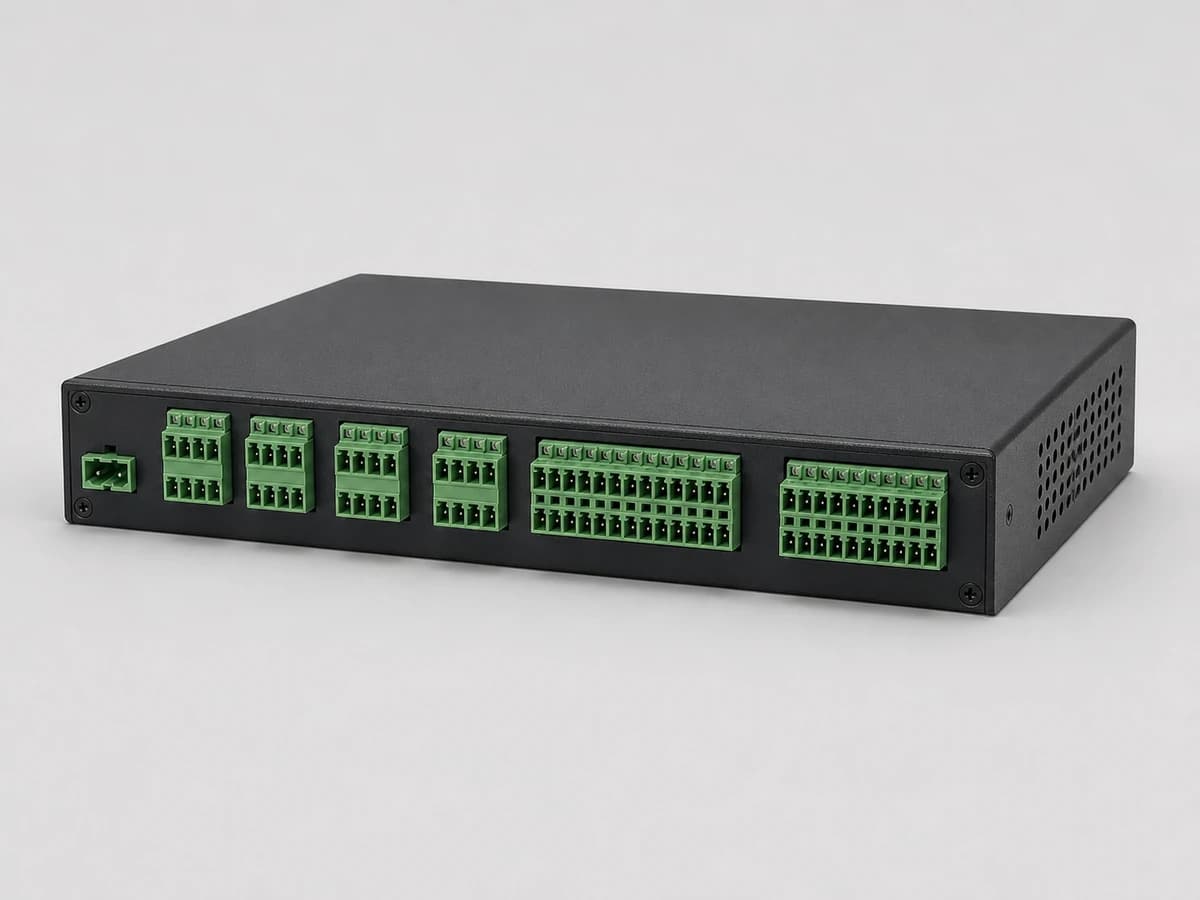
Programmable cellular RTU for sites with many RS485, analog and digital signals — 3 RS485 ports, 12 analog inputs, 16 digital inputs, Ethernet, MQTT and relay control.
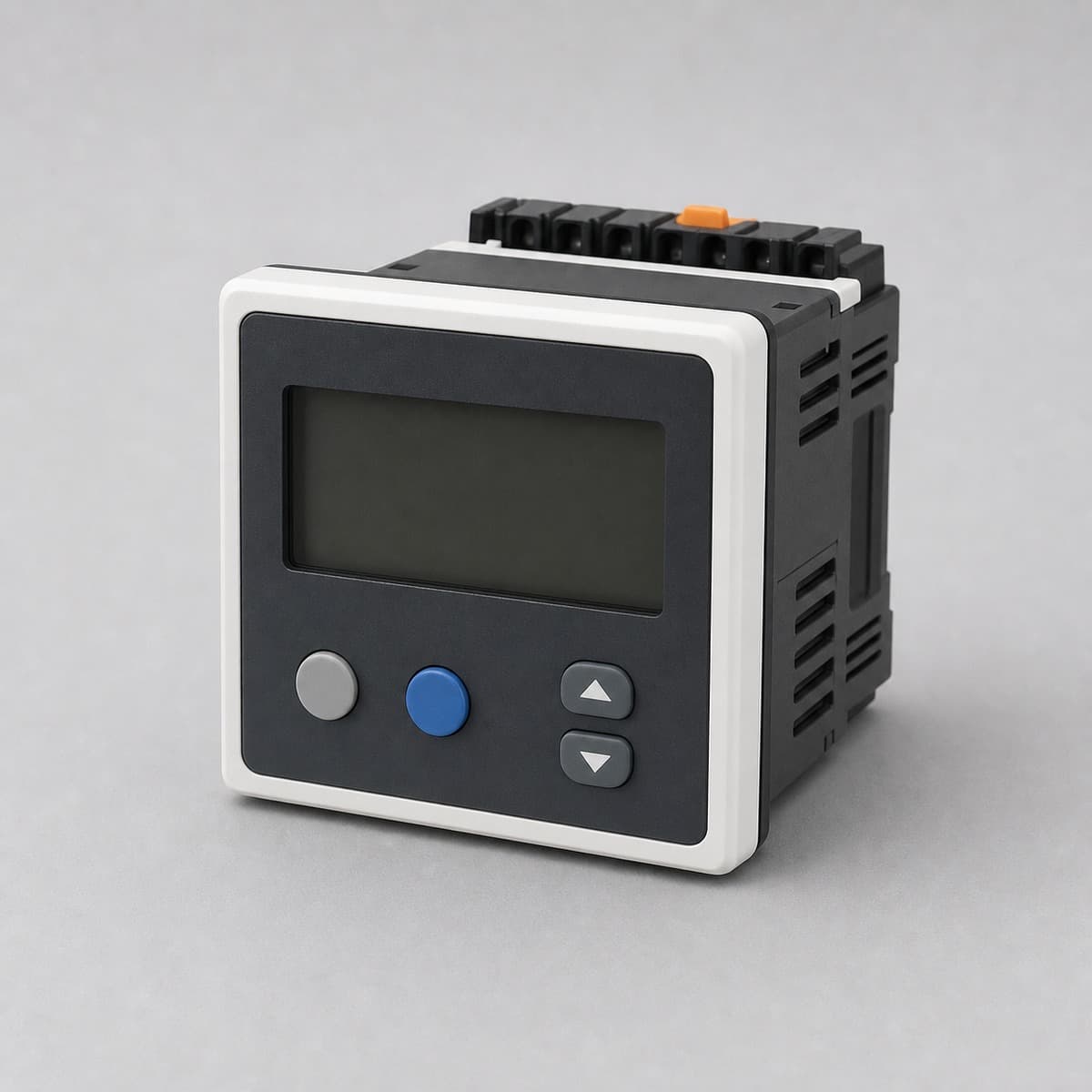
Panel instrument for local temperature and humidity indication, with the probe, range and analog or RS485 output selected for the project.
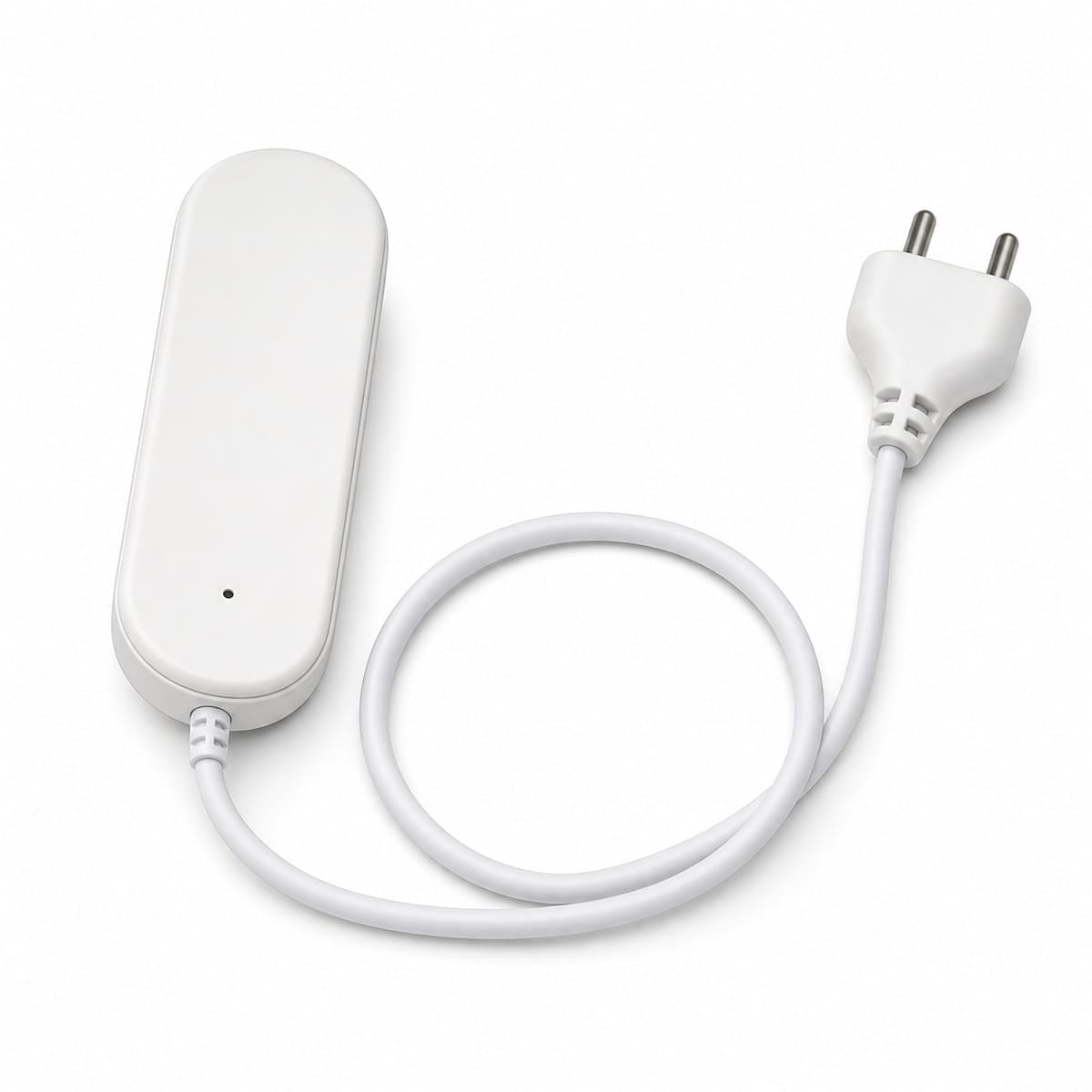
LoRaWAN water leak sensor with a remote probe and periodic or event-driven reporting for pump rooms, equipment spaces and distributed facilities.
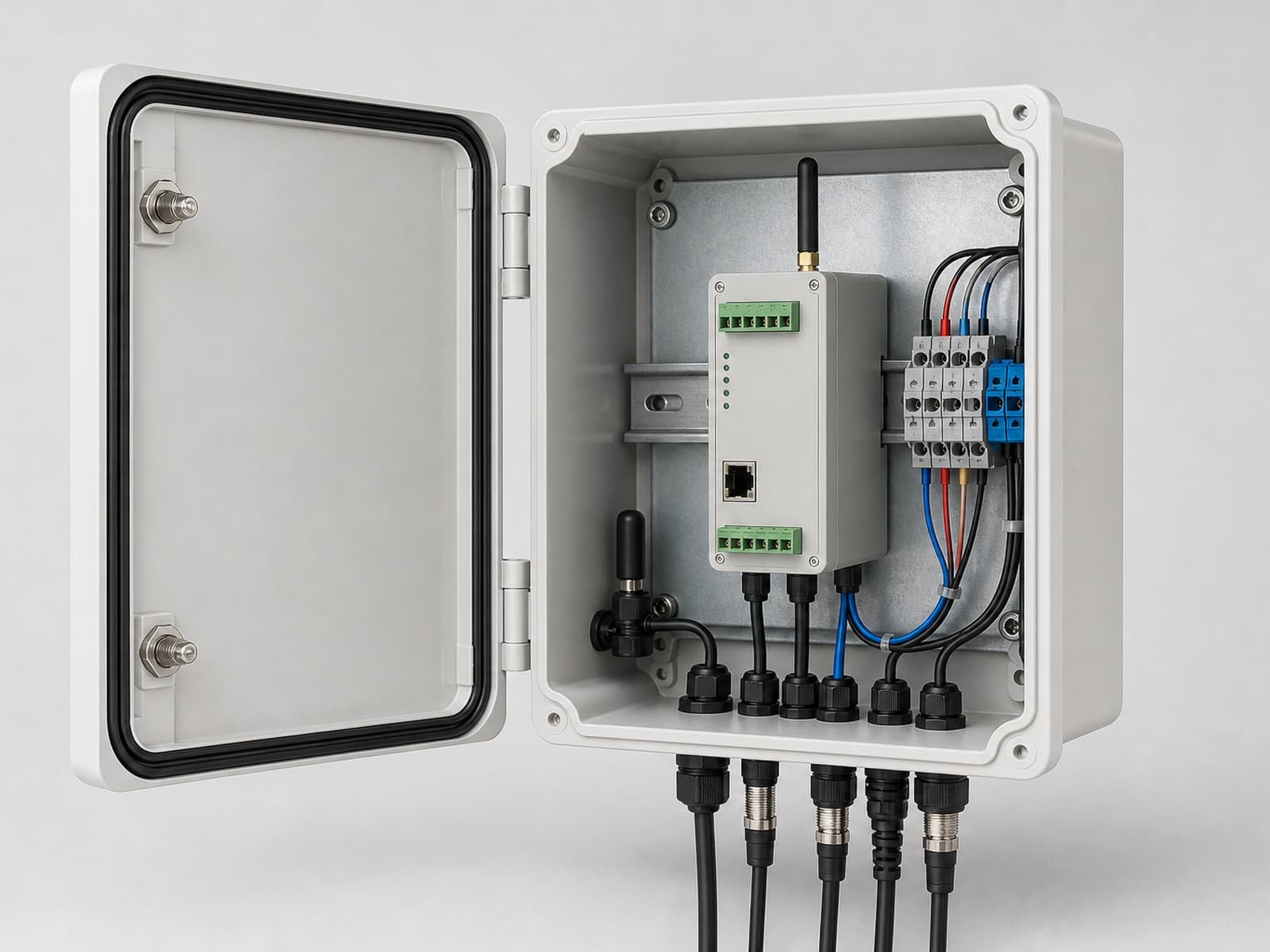
Outdoor enclosure integration for an RTU, gateway, power and field terminals. Material, dimensions, ingress target, thermal load, cable entries, protection, grounding and mounting are engineered from the actual bill of materials and site conditions.
Exact model, interfaces and enclosure are confirmed in the written quote.
Yes when the selected RTU or remote I/O has enough isolated digital inputs and the normal/alarm logic is documented.
A data handoff can be reviewed when the NMS protocol, endpoint, authentication and alarm format are provided.
Buffering and retry behavior depend on the selected gateway. State the required retention period and acceptable data gap before selection.