
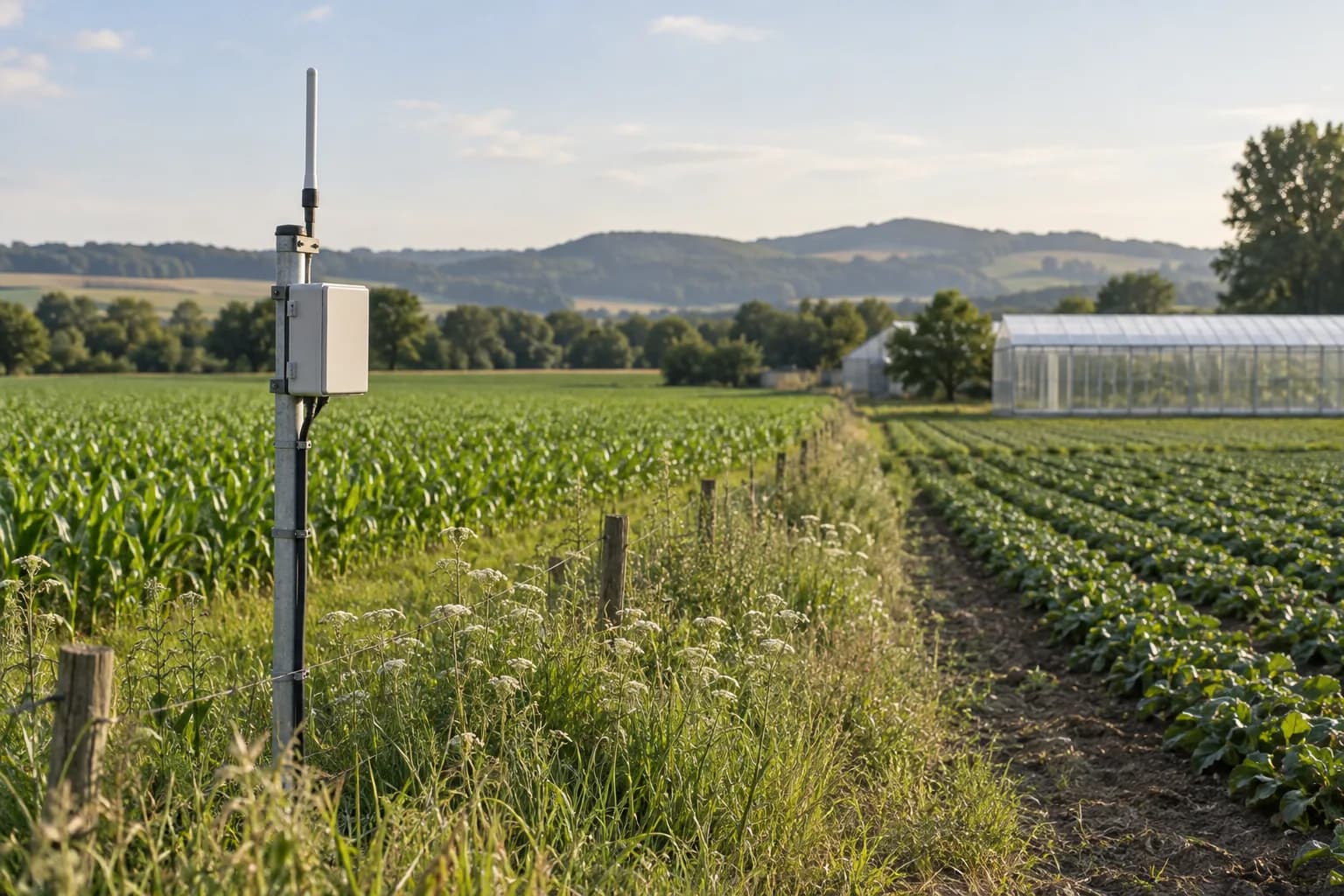
Connect separate fields and facilities
Review coverage, equipment identity and the path into your chosen platform.
Explore this requirementAir quality, weather and environmental sensing networks for cities, campuses and public agencies.
The exact model, interfaces and enclosure are confirmed in the written quotation.
Equipment selection, or help with the whole farm?
Start with a country and a short description. We can help select one device, configure a kit, or plan the farm equipment list and agreed integration. Technical details can follow.
Compare ways to work with SunGene →Models and quotation stay on sungeneiot.com. Use the matching field condition first.
agri.sungeneindustrial.com
Review water delivery, pump state and greenhouse signals from existing farm facilities.
agri.sungenegroup.com
Plan field and orchard measurements around available power, coverage and maintenance visits.
Is this the right page?
Use this page for outdoor air, weather, water-quality or public-asset sensing where the buyer needs a defined measurement objective, maintainable field station and documented data handoff.
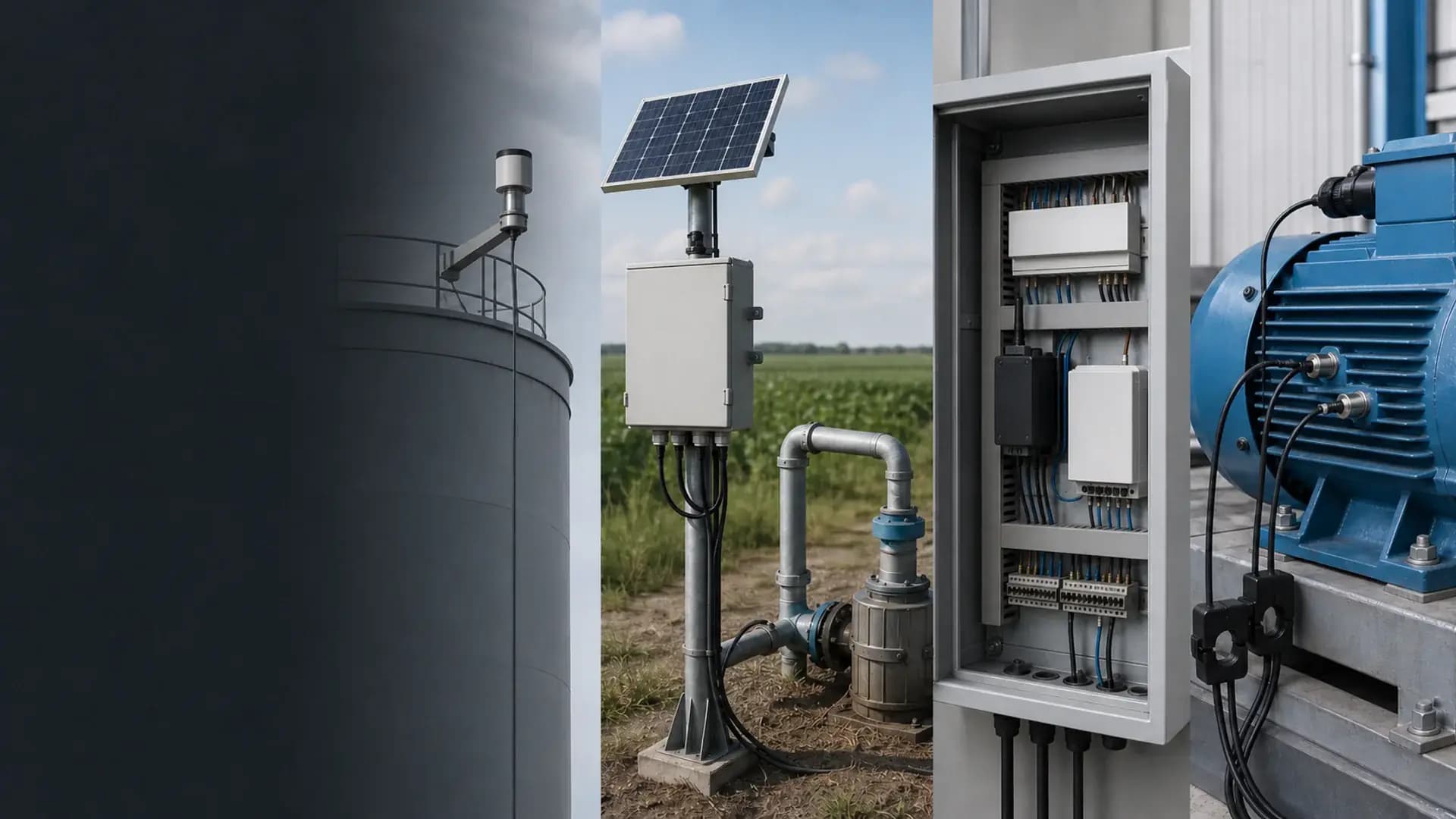
Remote integration context
Sensors, interfaces, enclosure, power and mounting are confirmed against the actual project before quotation.
Review coverage, equipment identity and the path into your chosen platform.
Explore this requirement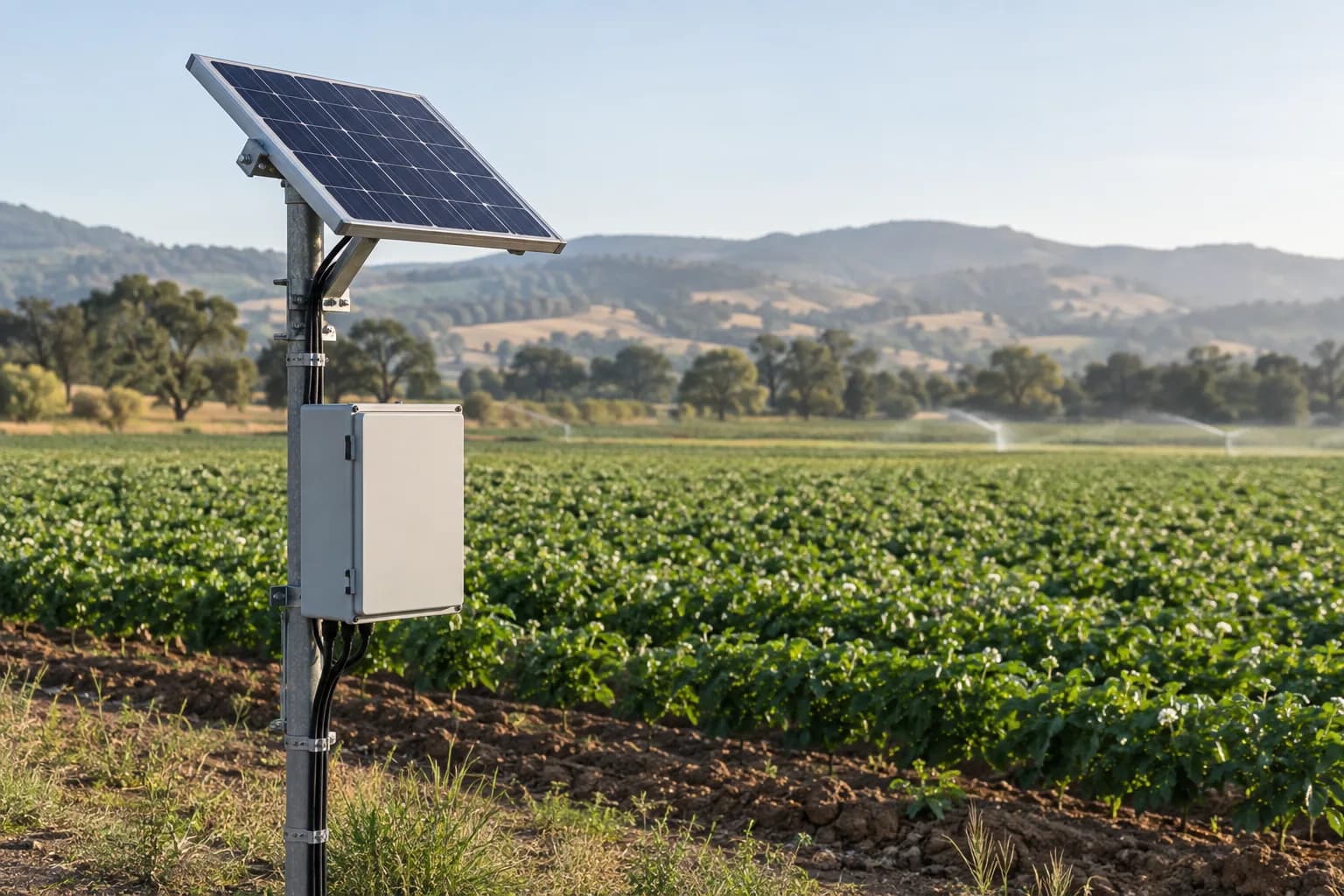
Size field power around the final equipment load, seasonal sunlight and visit interval.
Explore this requirementSelected particulate, CO₂ or gas measurements with stated sensor class, siting and maintenance assumptions.
Wind, rainfall, temperature, humidity, pressure or radiation chosen for the project question.
pH, conductivity, turbidity, dissolved oxygen or level where sampling point and cleaning access are defined.
Fill level, power state or equipment alarms from bins, cabinets and distributed infrastructure.
System design, software integration, PLC/SCADA programming and site installation responsibilities are agreed in the written project scope.
Data destination
Customer platform or an agreed third-party service
Path 1
Best for: A pilot site with several local sensors and one backhaul.
Path 2
Best for: Many simple points such as fill level or environmental indicators.
Related hardware
The exact model, interface, enclosure and certificates are confirmed against the project before quotation.
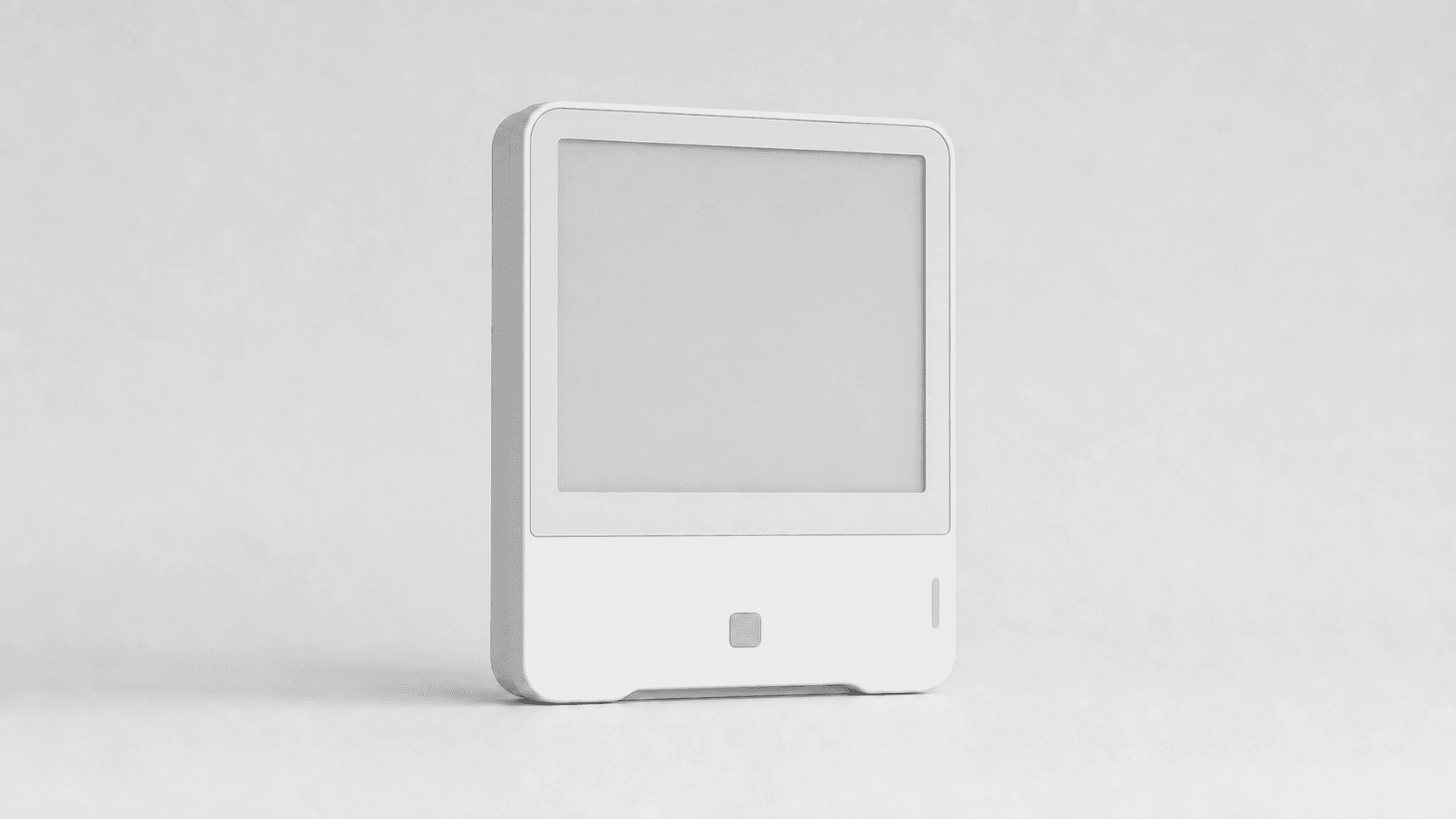
Configurable indoor LoRaWAN monitor with a 4.2-inch e-paper display and selectable CO₂, PM, TVOC, temperature, humidity and room-context sensors.
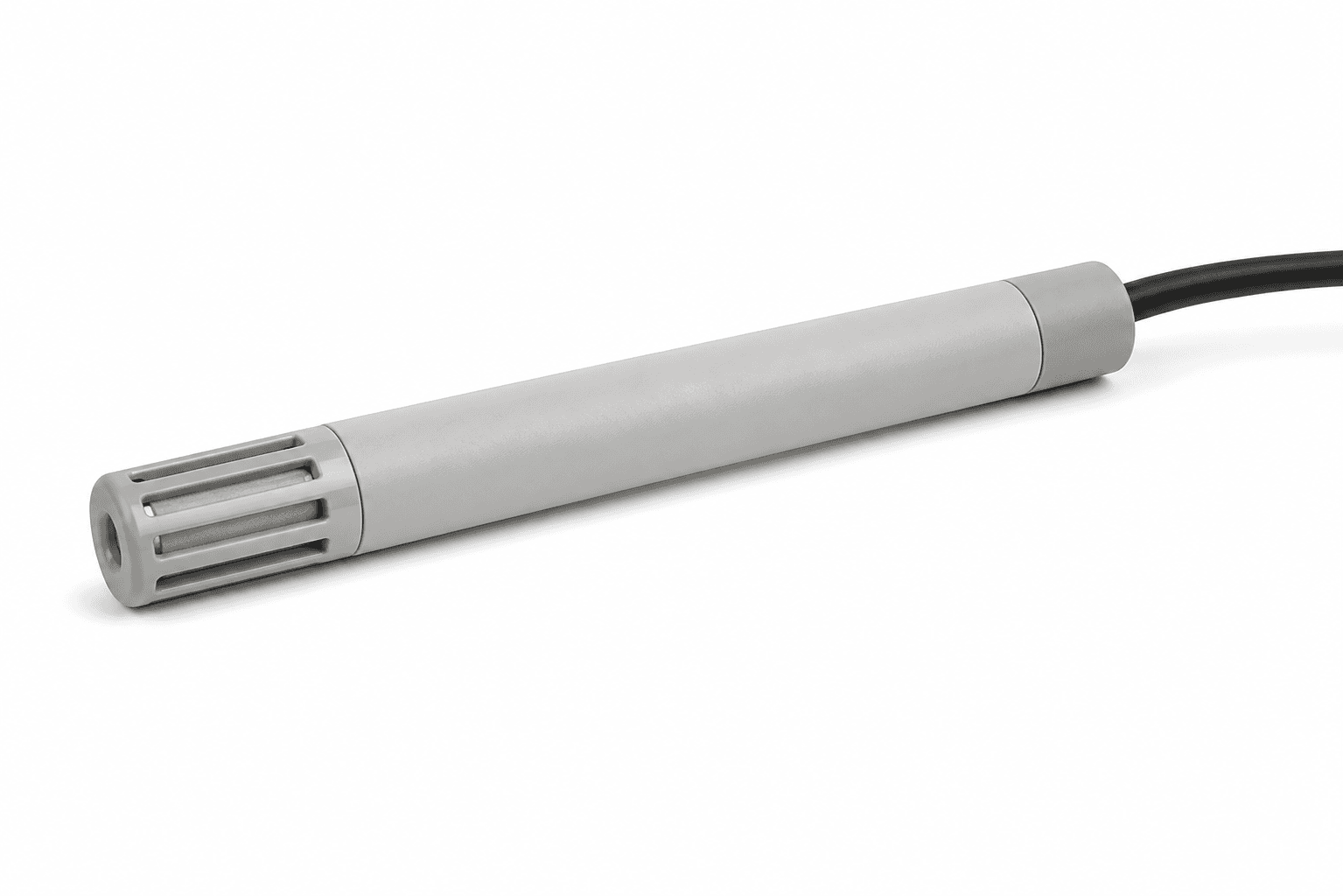
Slim IP65 probe for air temperature, relative humidity and optional barometric pressure. Select one parameter package, output, supply and cable configuration for the receiving logger or RTU.
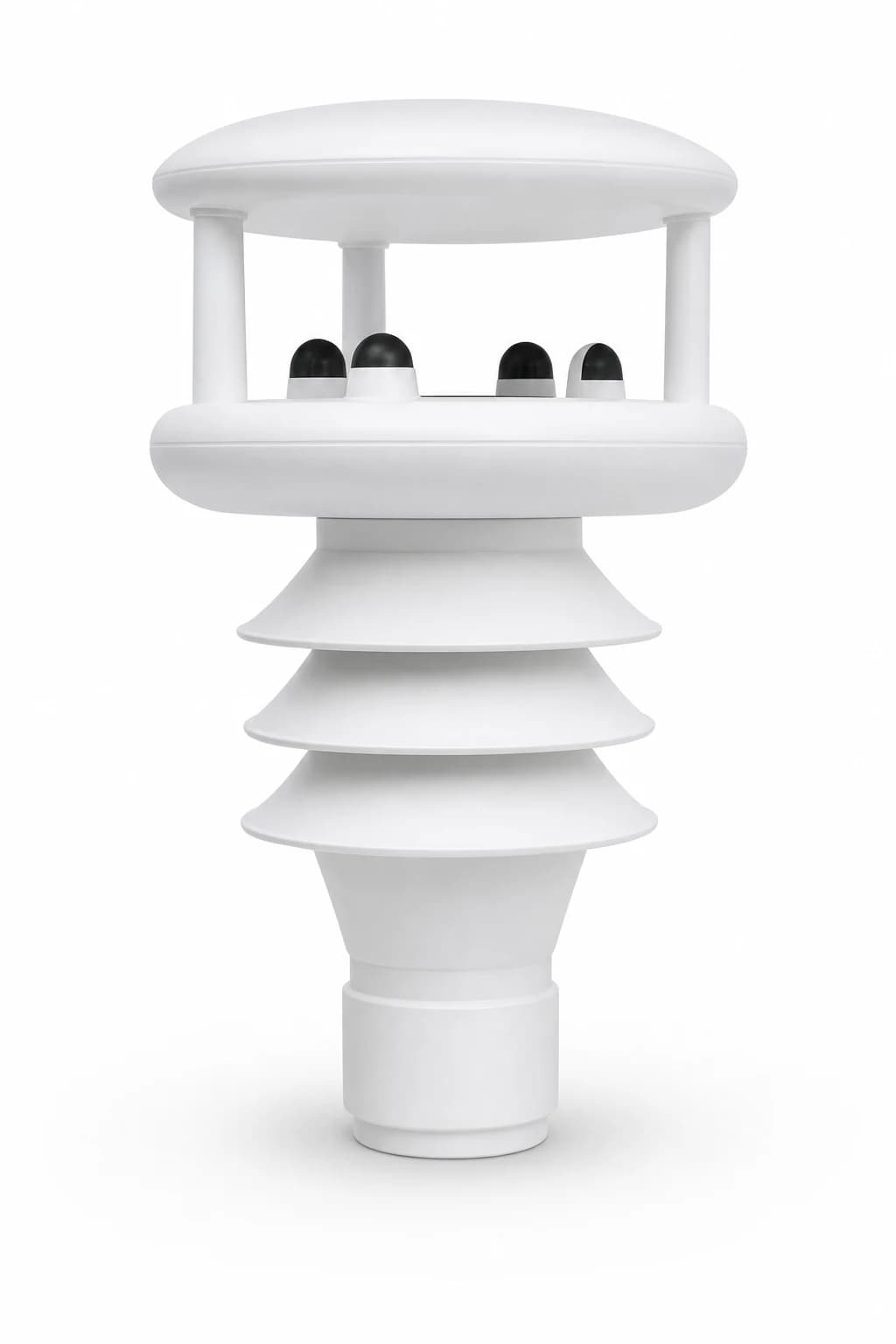
Configurable 5-, 6- or 9-channel weather instrument with mandatory ultrasonic wind measurement and a selected RS485 Modbus RTU, RS232 NMEA-0183 or SDI-12 interface.
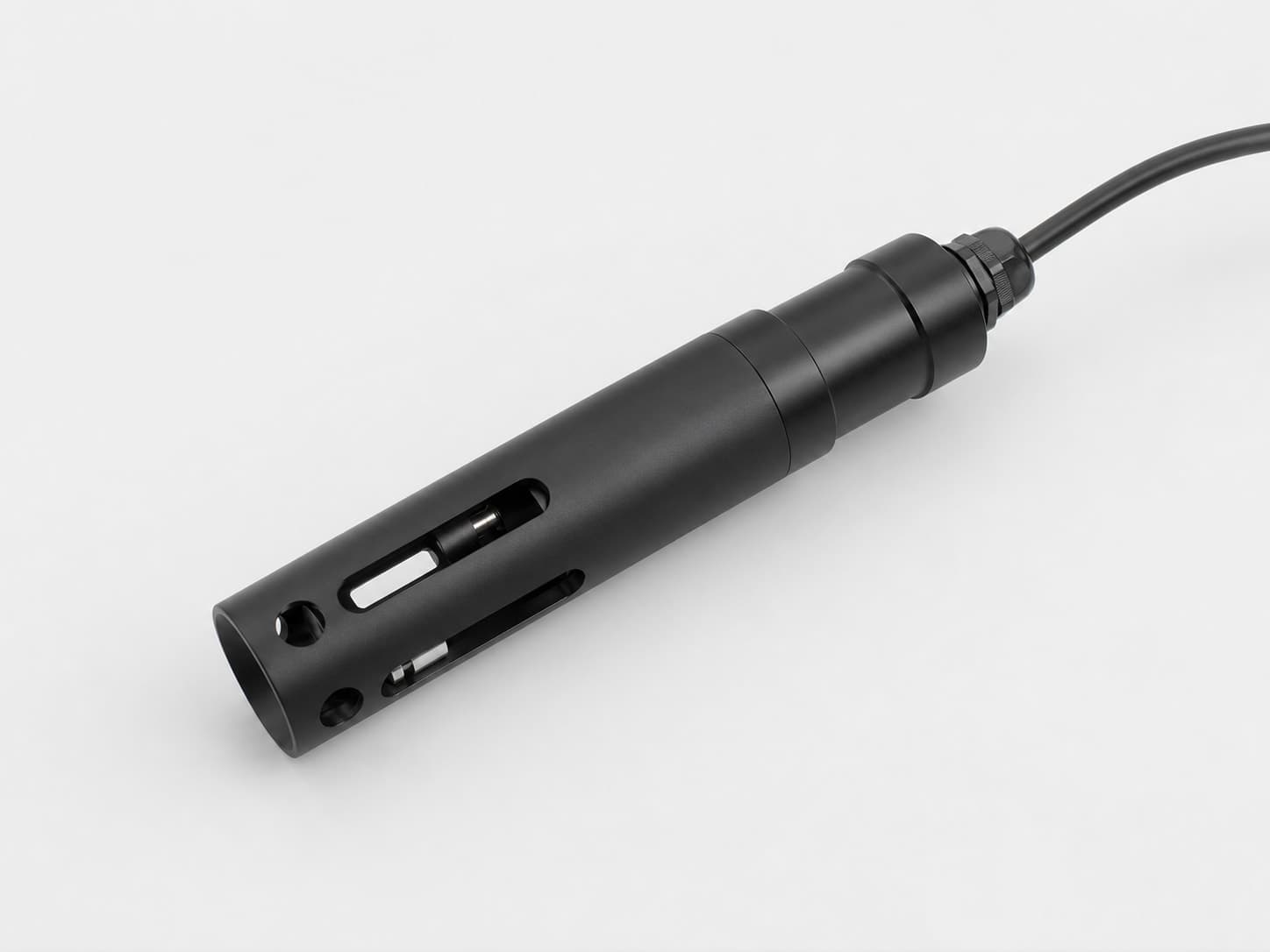
Integrated submersible water-quality probe with selectable sensing modules, RS485 Modbus RTU and automatic cleaning.
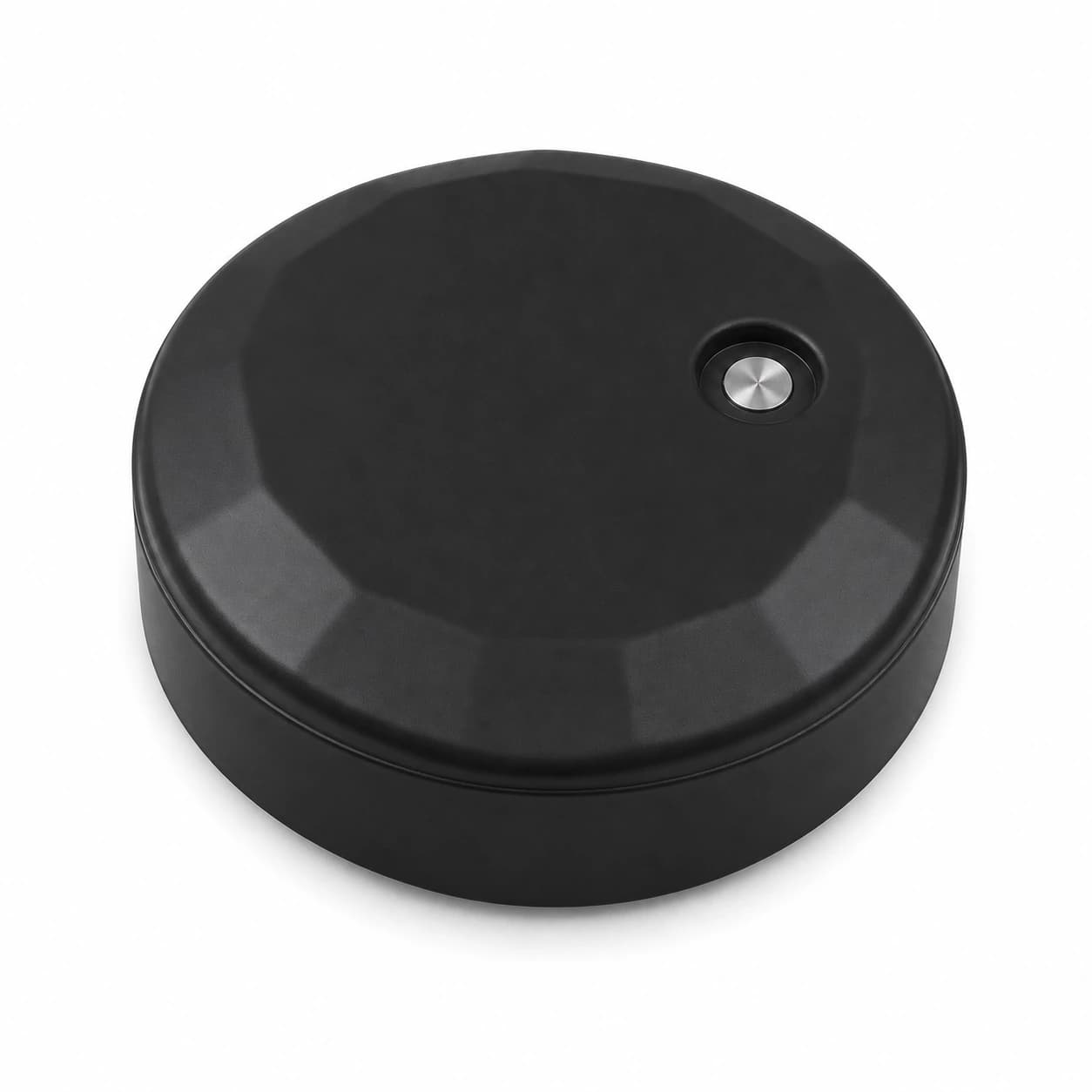
Battery-powered IP68 ultrasonic sensor for fill distance, full / empty and tilt reporting over LoRaWAN in municipal and campus bin-monitoring pilots.
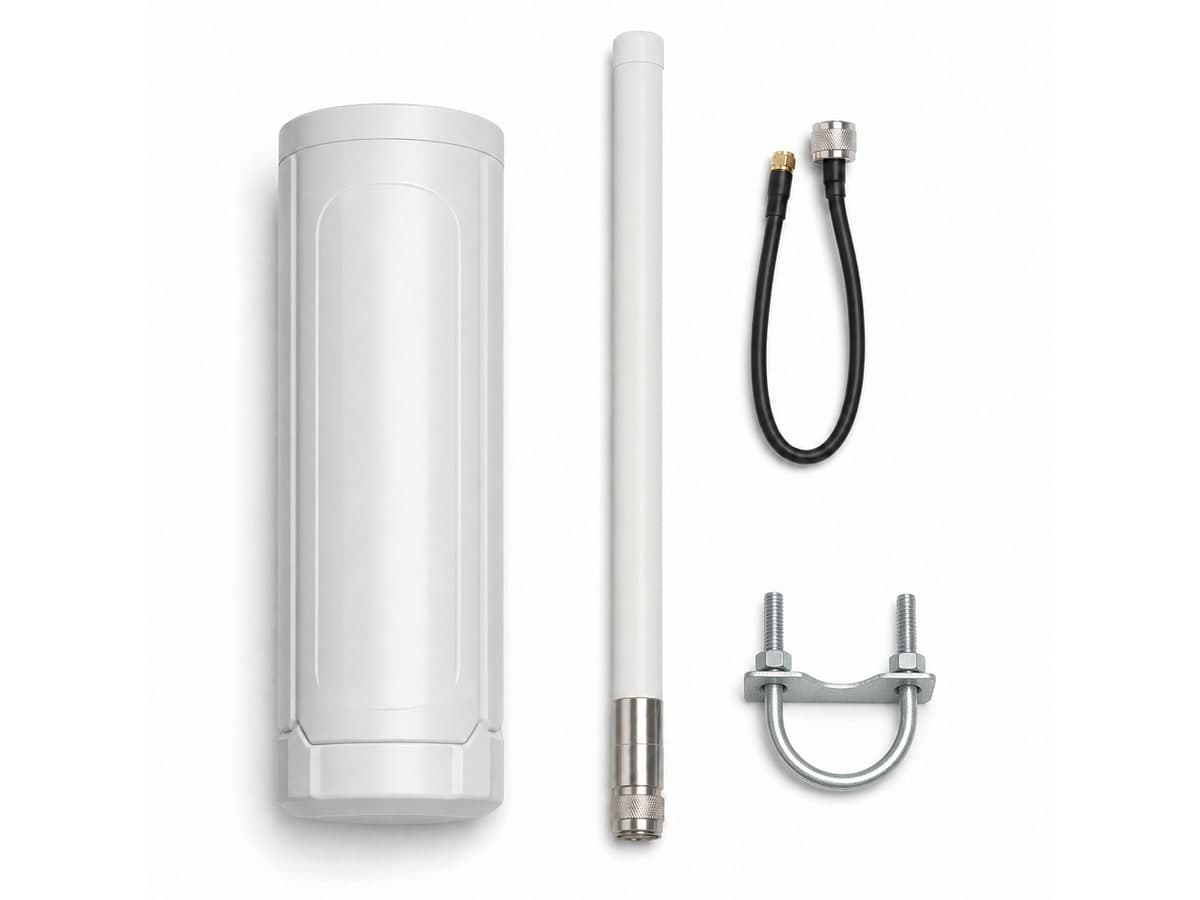
IP65 outdoor multi-channel LoRaWAN gateway with Ethernet / Wi-Fi, 802.3af PoE, secure MQTT and optional cellular backhaul for distributed sensor networks.
Exact model, interfaces and enclosure are confirmed in the written quote.
That depends on the selected instrument, approvals, calibration and local method. The public pages describe monitoring hardware families, not automatic regulatory equivalence.
Often yes when power, interfaces, sampling intervals and enclosure conditions are checked together.
The payload can include readings, timestamp, device state and agreed metadata when the customer endpoint and format are defined.