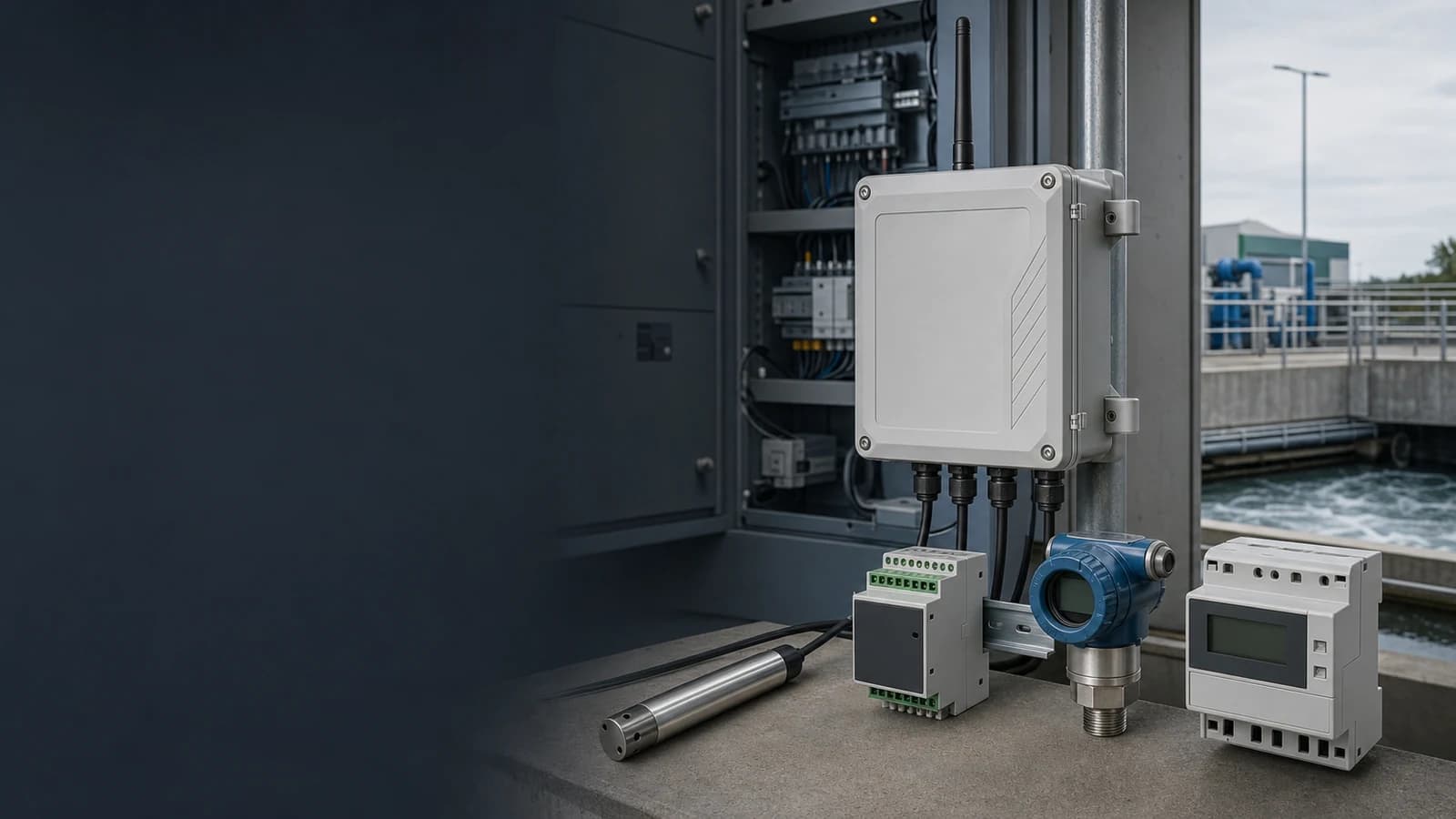
Check collection bins without opening each one
Follow fill-level readings at compatible farm or packing-site bins. Irregular surfaces and obstructions affect measurement, so the mounting is checked against the actual contents.
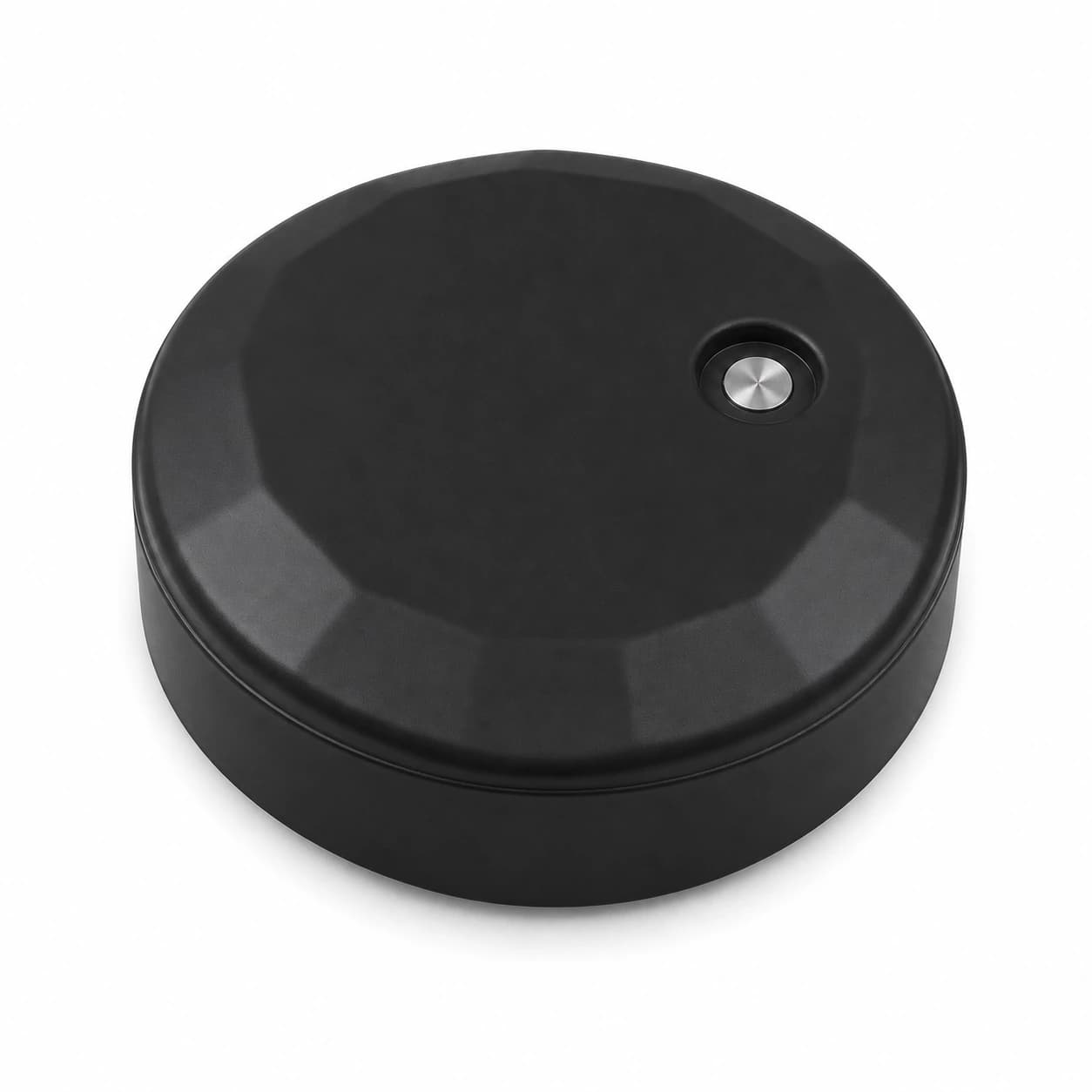
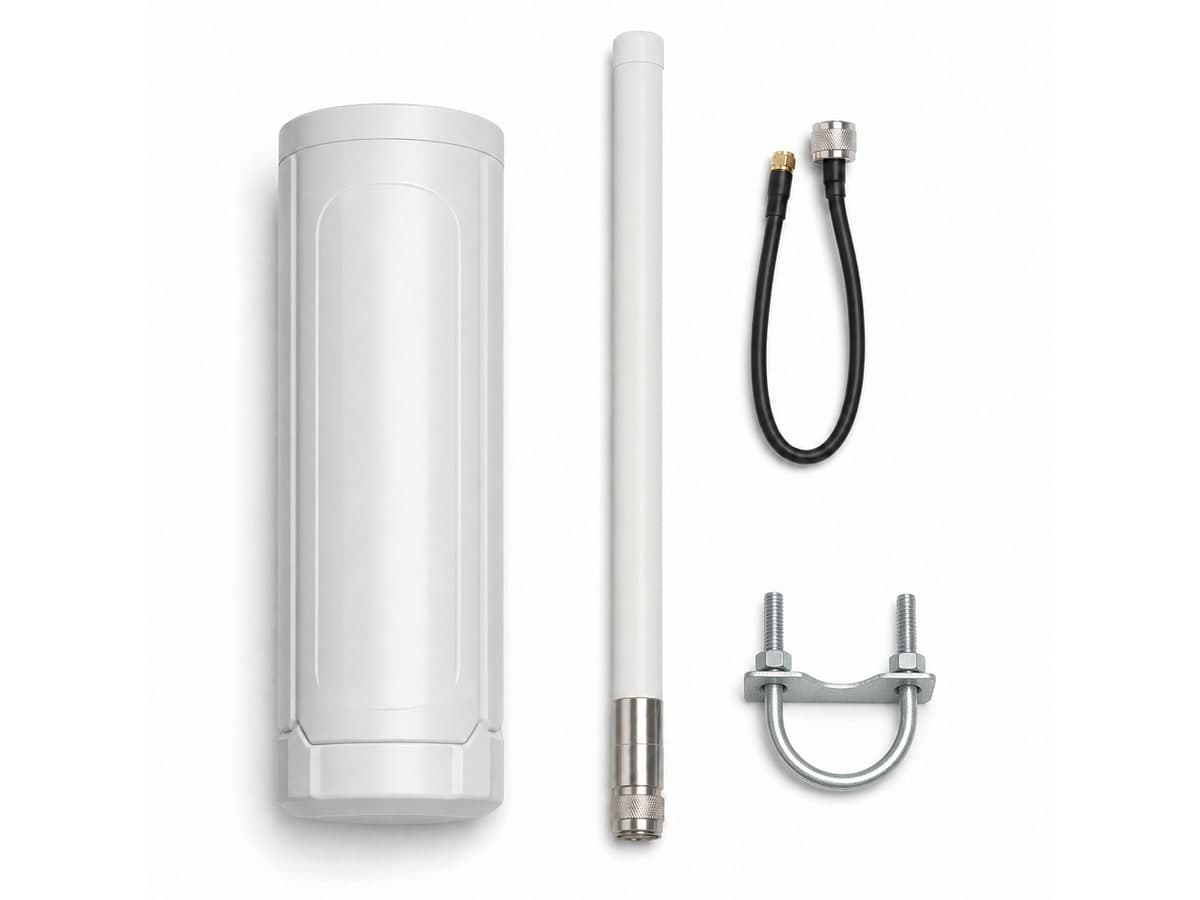
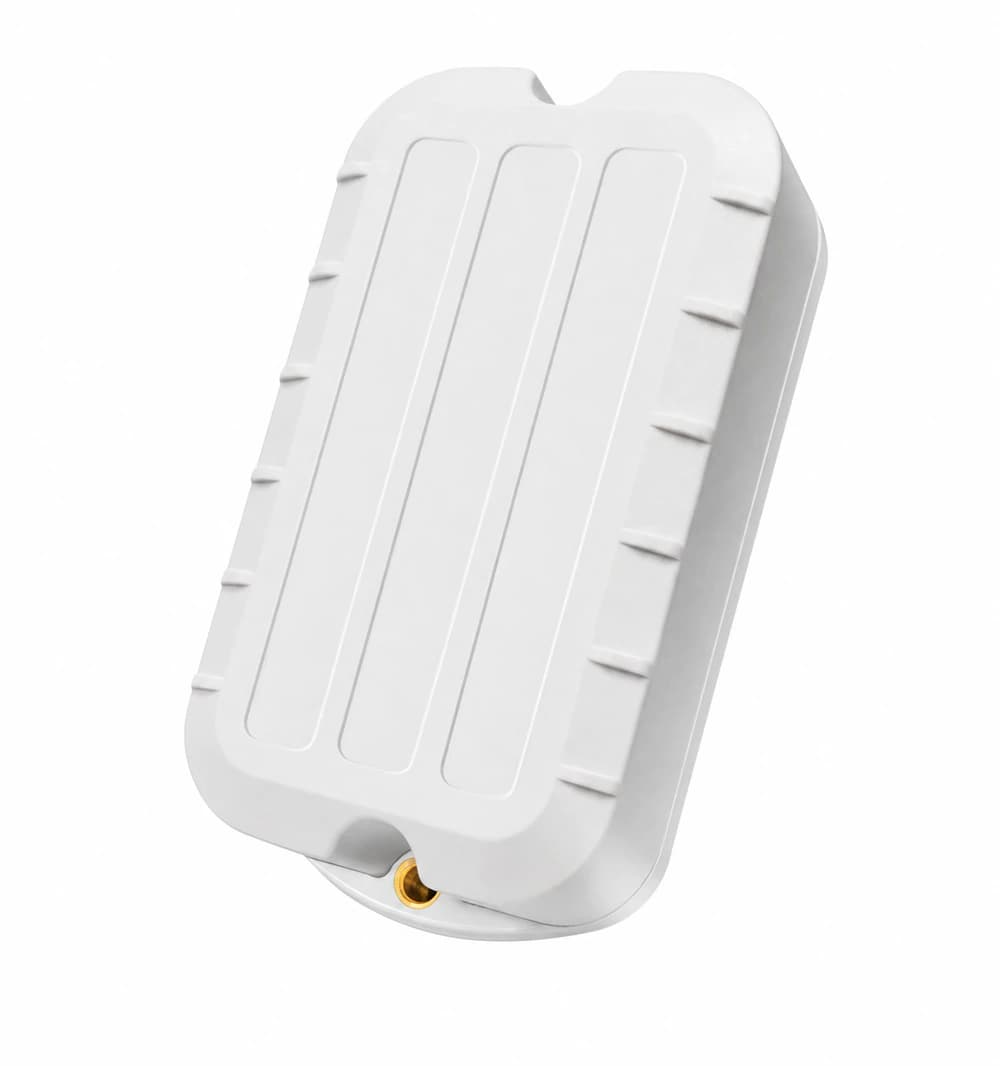
Product-family illustration. Appearance and accessories depend on the ordered configuration.
Battery-powered IP68 ultrasonic sensor for fill distance, full / empty and tilt reporting over LoRaWAN in municipal and campus bin-monitoring pilots.
Appearance, connectors and included accessories follow the configuration confirmed in your quotation.
Related application hardware: Equipment Monitoring
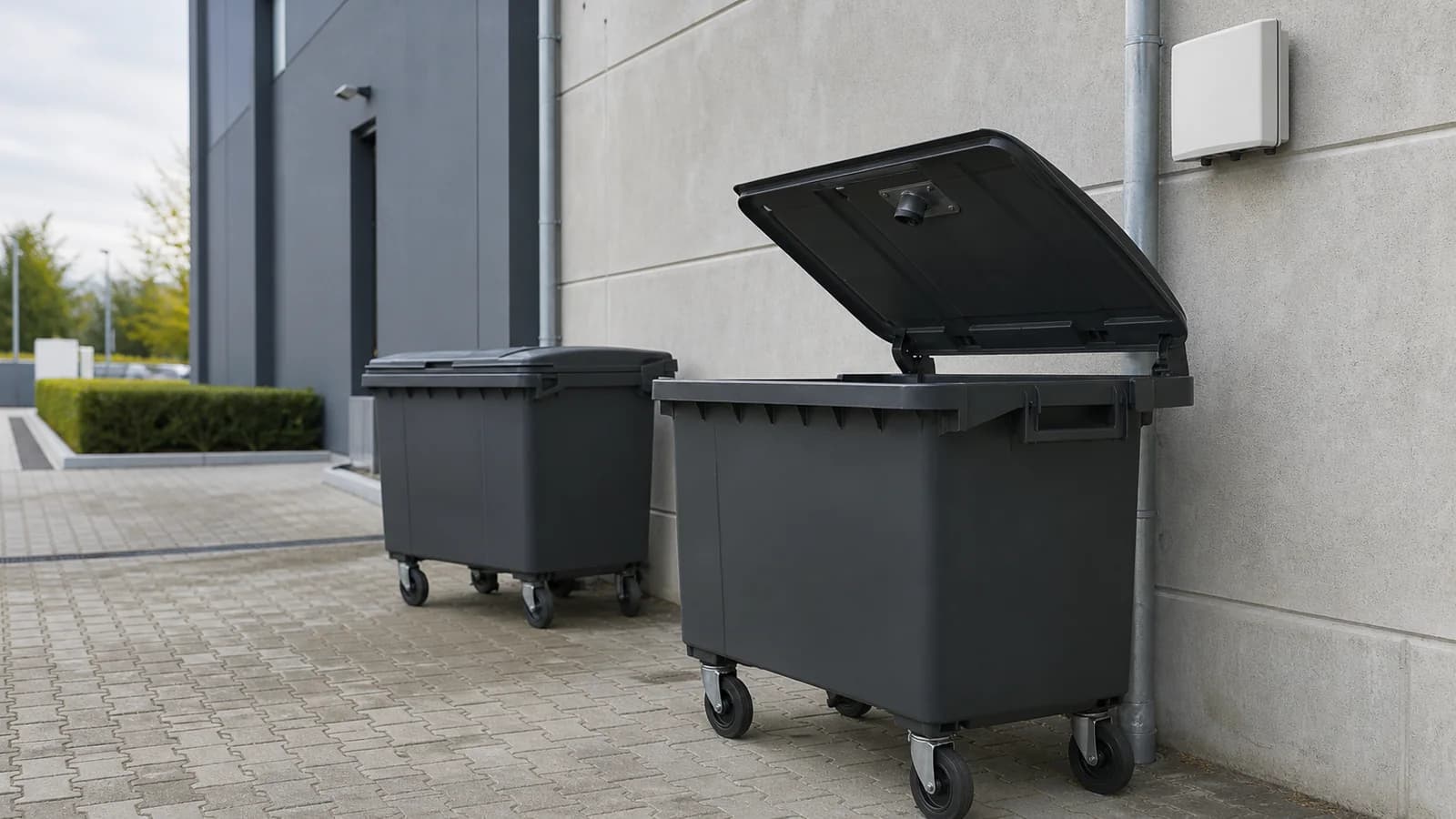
Follow fill-level readings at compatible farm or packing-site bins. Irregular surfaces and obstructions affect measurement, so the mounting is checked against the actual contents.
Facility and collection teams can compare fill readings across locations. The network path and receiving system must be selected alongside the sensor.
Share your current model, a photo or the connection you need. We help assess interfaces, power and the required configuration.
Get selection & integration helpPublic documents describe this product family and selection options. Wiring, register maps and compliance documents must match the model and version selected for your order.
English · Web page · printable
Current online selection reference
Application selection guide
PDF · English
Tell us which documents you need. We check availability for the selected model and document revision.
Compare uses, interfaces and configuration options. These are selection references.
An SG code helps identify a sourcing option; it is not a substitute for the manufacturer model or its certificate.
Confirm the exact model, configuration, photograph, document revisions, accessories, price, delivery and warranty.
Tell us what you want to measure and where. Send a model number or site photo if you have one.
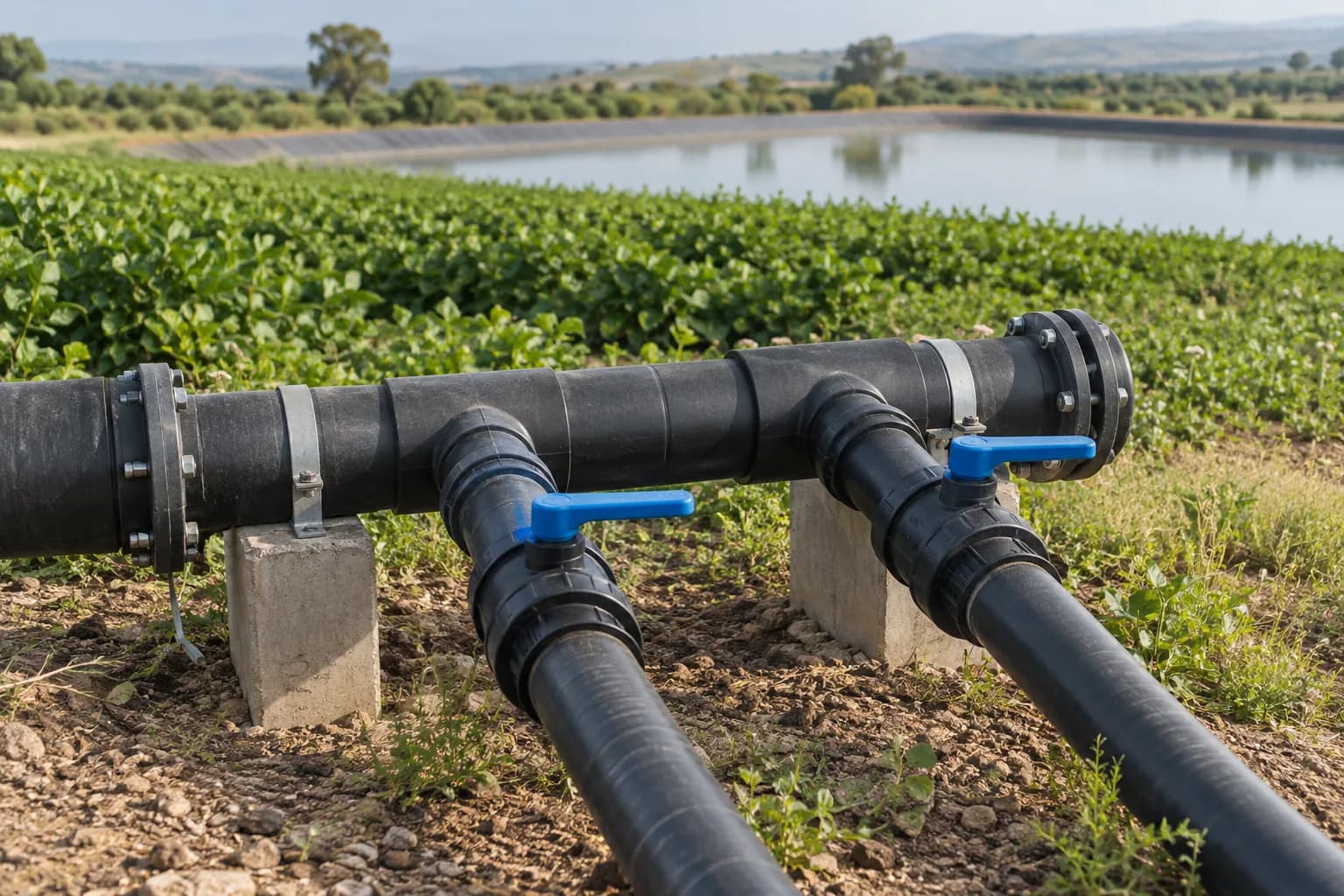
Connect level, flow and pump status with the water decisions your team makes.
Read the guide
Review coverage, equipment identity and the path into your chosen platform.
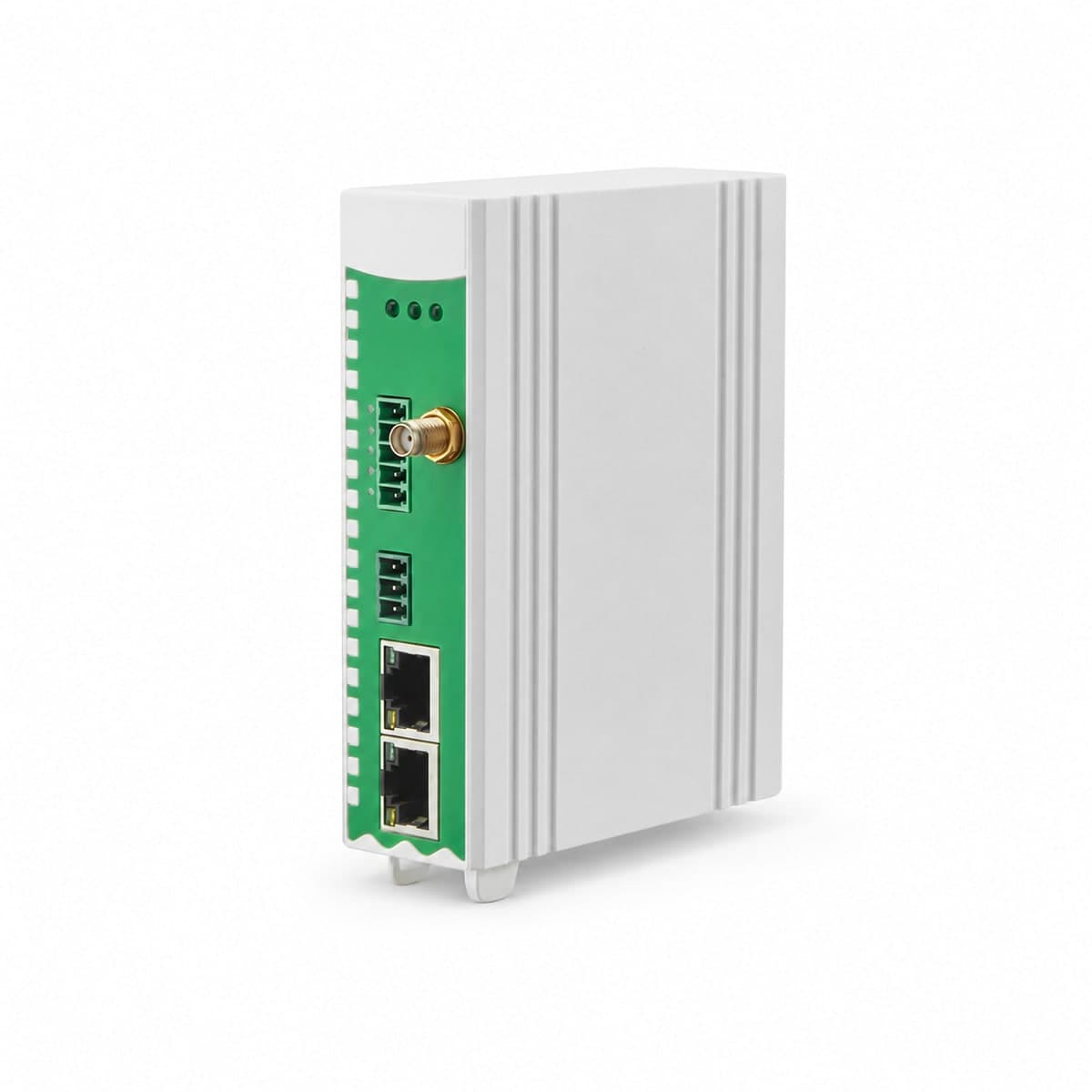
Read the guideExample equipment arrangement. Check compatibility and agree who handles software, PLC/SCADA programming and site installation.
Data destination
Customer platform or an agreed third-party service
Check the installation, electrical interfaces and documents before choosing the model.
Site requirement
Application, medium, mounting and environment
Hardware configuration
Signal, protocol, power and enclosure
Your quotation
Model, quantity, certificates and delivery
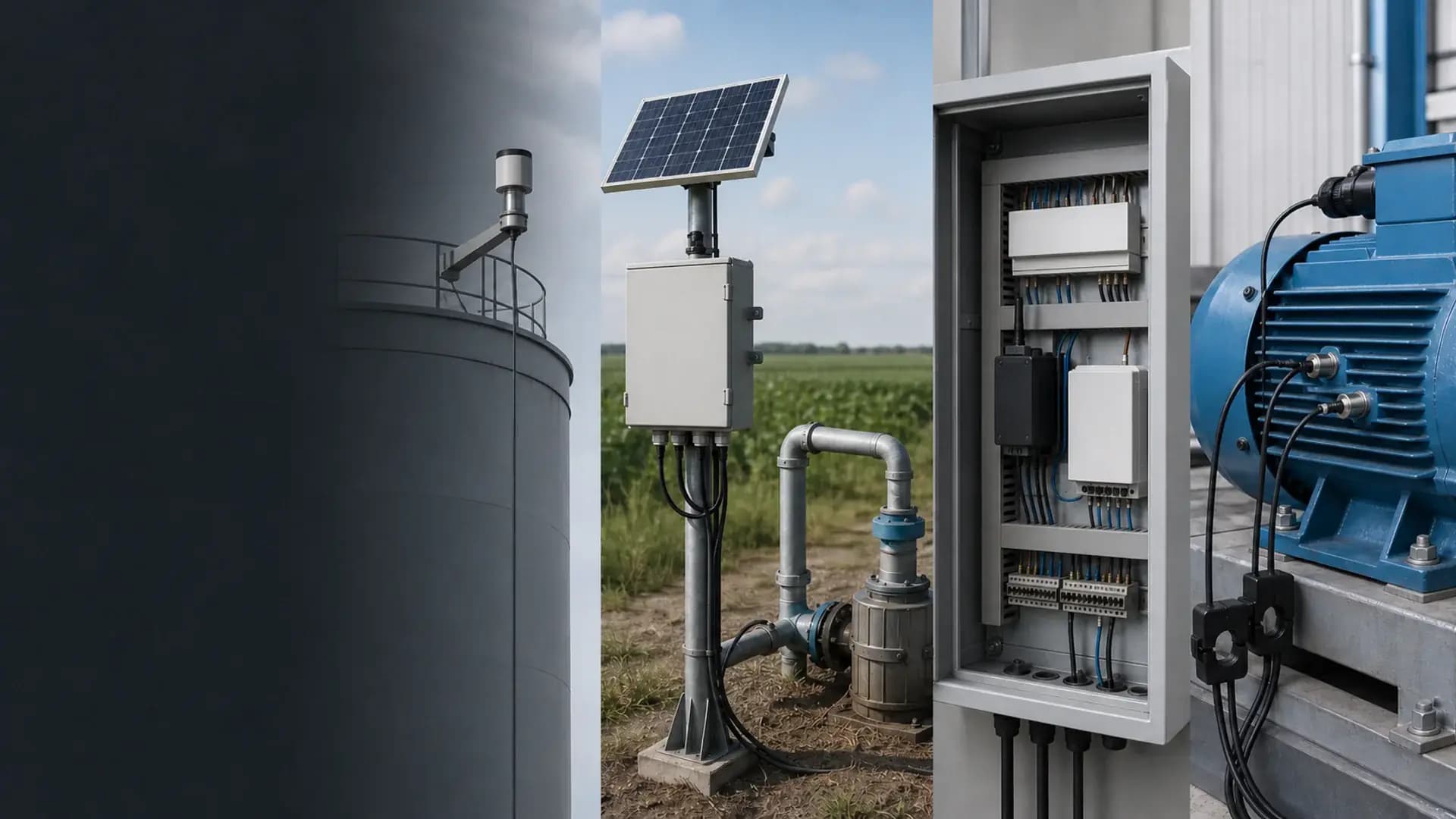
Connecting field equipment
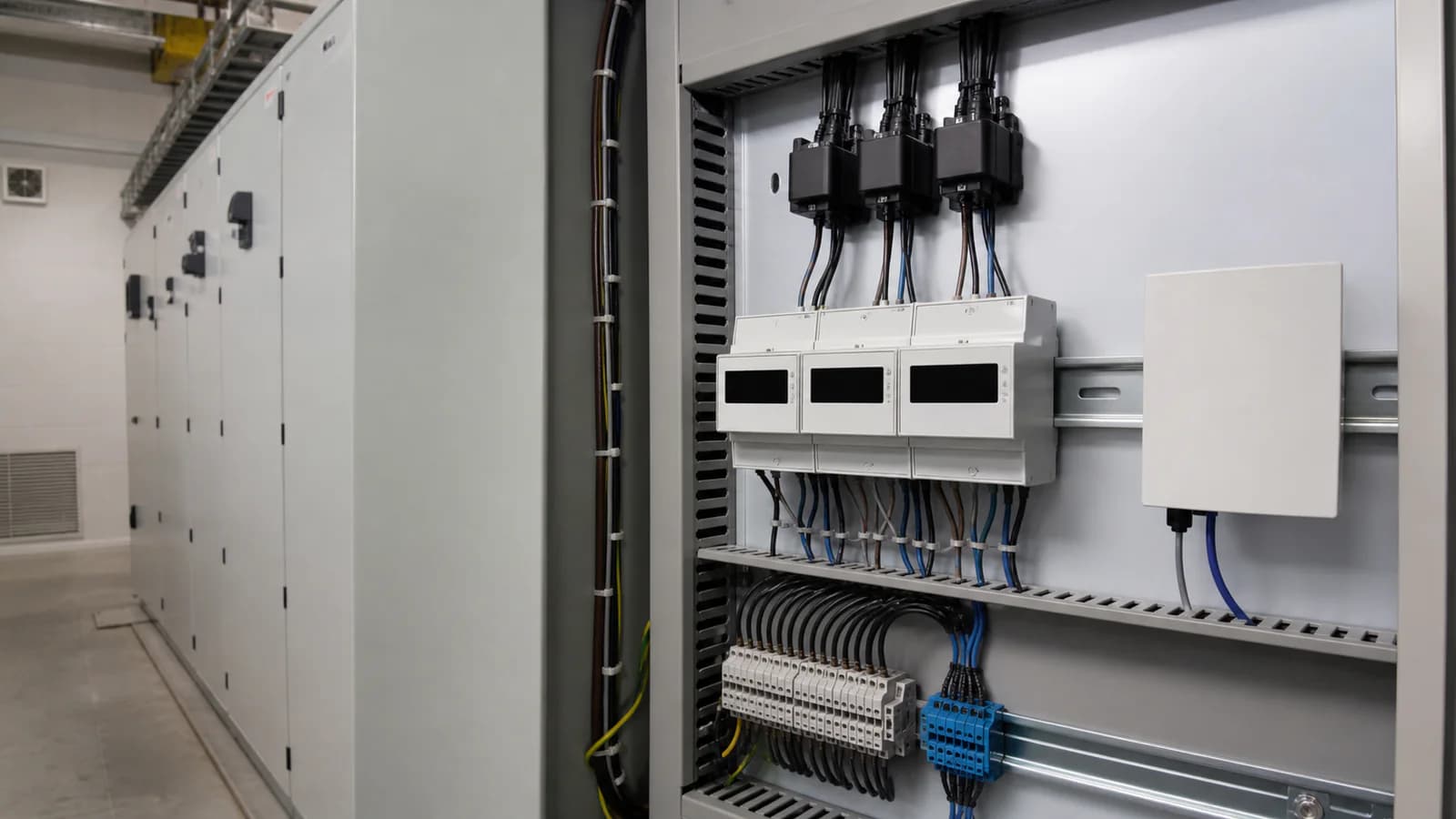
Illustration: remote-monitoring integration with field enclosure, gateway, power and industrial equipment.
Check the radio region, mounting position and reporting interval for the bin you will monitor.
Compare adjacent hardware families for the same monitoring path.
Use this battery-powered LoRaWAN sensor when the bin can provide a clear ultrasonic path from the mounting point to the waste surface. It measures up to 4 m with a 15 cm blind area and reports full, empty and inclination states. The regional radio plan, reporting interval, payload decoder, alarm rules and optional GPS / BeiDou module are selected for the project.
It uses ultrasonic measurement for a 4 m detection range with a 15 cm blind area. The status set includes full, empty, inclined / fall and an auxiliary flame-risk state.
No. The source reference is more than five years only at four uploads per day, ten-minute detection cycles and no GPS. Radio coverage, retries, events, temperature and reporting settings affect actual life.
No. This unit is LoRaWAN Class A with OTAA. NB-IoT or 4G requires another device or gateway path, and the customer platform, decoder and alarm ownership are agreed separately.
The package supports top-cover or side installation with a metal bracket and M4 screws. The acoustic path, 15 cm blind area, empty / full reference distance and lid movement must be checked for the actual bin.
Bin type, dimensions, material, lid and mounting point; Empty / full distance, acoustic path, dust, condensation and obstructions; Destination country, LoRaWAN regional plan, gateway and network server; Detection interval, upload interval and status / alarm rules
Open the Application selection guide linked on this page. Use it to compare equipment options before requesting a configuration.
Check the field signal, supply, protocol and receiving platform against the selected model. The connection options listed on this page are a starting point; send your equipment model or interface document so we can check the combination before ordering.
Product-family reference. Final ordered model and specifications are confirmed in the written quotation.