
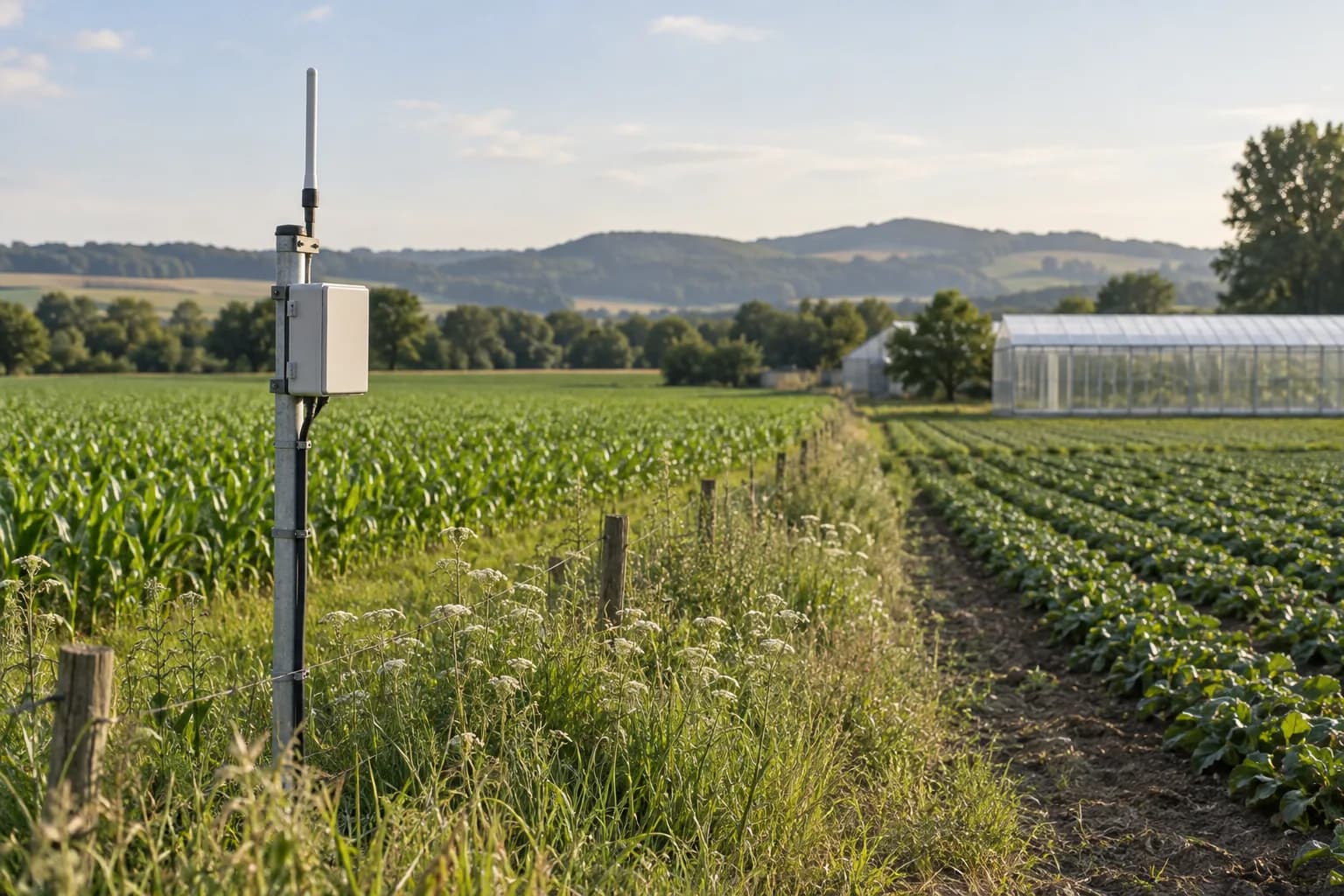
Connect separate fields and facilities
Review coverage, equipment identity and the path into your chosen platform.
Read the guideApplication guides
Specify the asset, reporting interval, cellular region, mounting and customer-server endpoint. SunGene then selects a long-standby tracker and documents the configuration for a pilot.
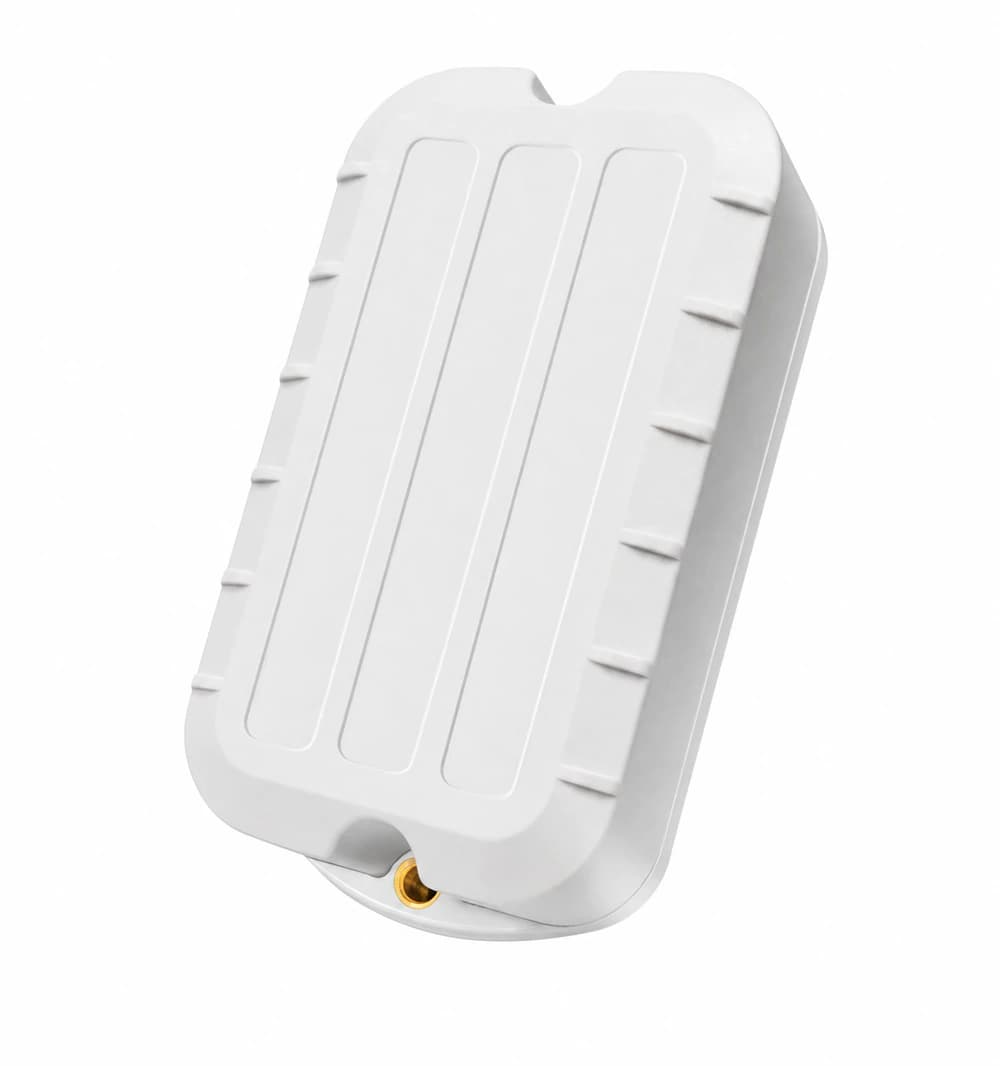
Product-family photos. See each product page for specifications and options.
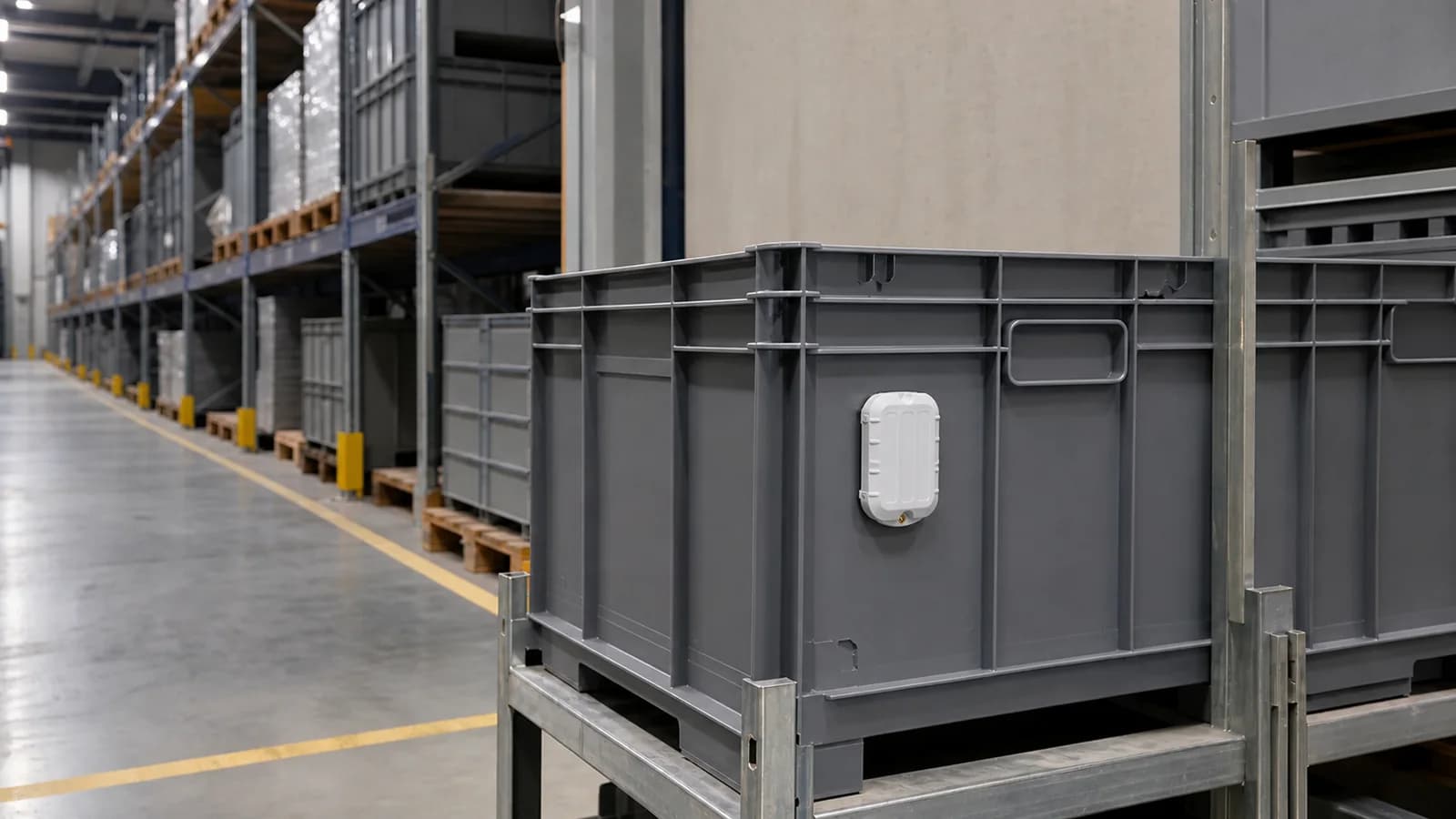
Tracking reusable containers
Illustration: warehouse tracking installation with a rugged tracker on a reusable logistics container. Tracker, mounting, reporting interval, regional cellular profile, optional sensors and documented server handoff are confirmed before quotation.
Review coverage, equipment identity and the path into your chosen platform.
Read the guide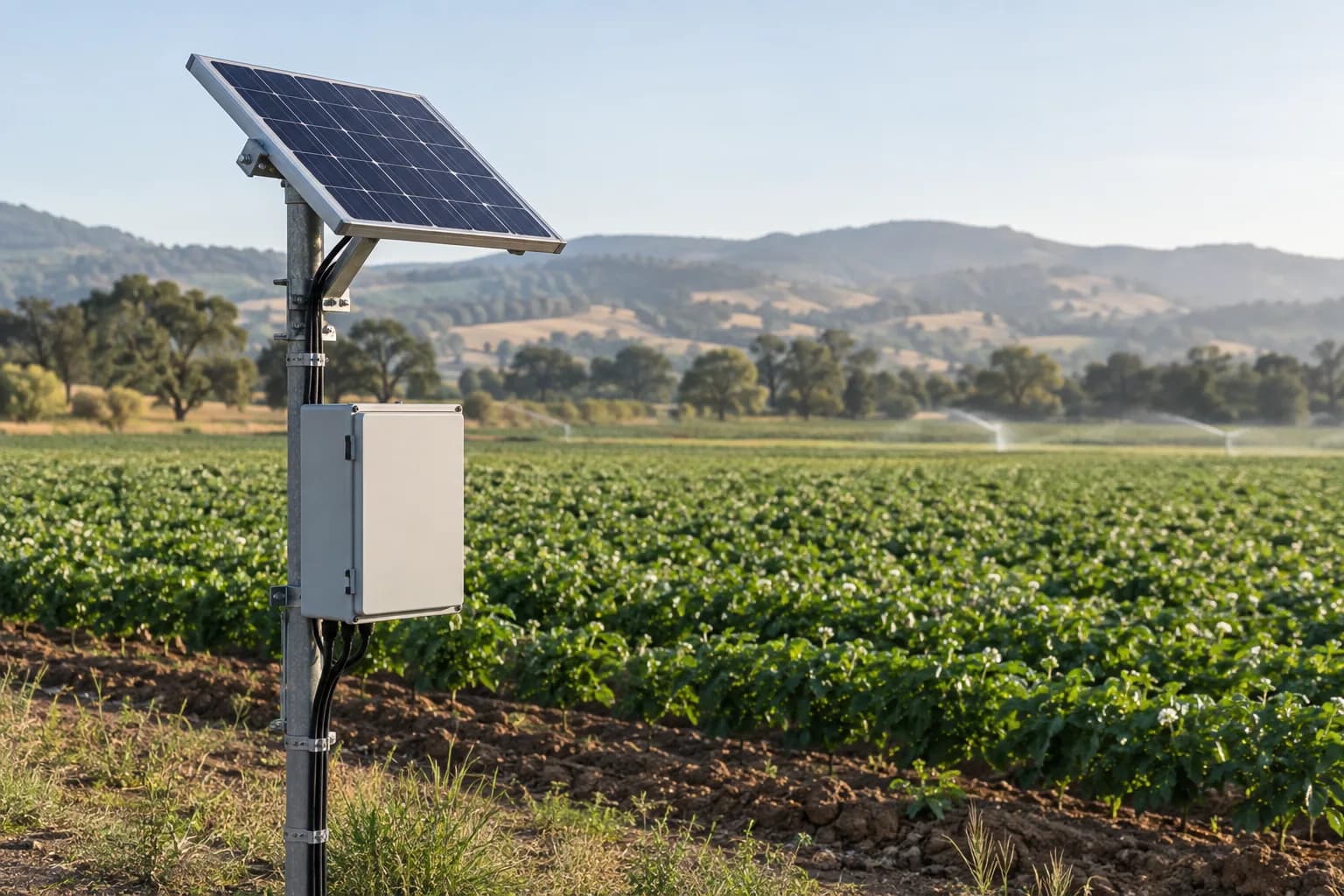
Size field power around the final equipment load, seasonal sunlight and visit interval.
Read the guideThe standard configuration uses one long-standby cellular tracker. A fixed gateway is considered only for a separately defined BLE aggregation or closed-site collection project.
Data destination
Customer-owned tracking server or third-party asset-management platform
Product-family photos; the model and enclosure may vary.
Share the asset type, destination country, operator or SIM preference, mounting surface, reporting interval, optional event inputs and customer-server endpoint. We then confirm the tracker, regional cellular configuration, mounting, reporting profile and documented data-handoff requirements.
Not in the default architecture. The tracker uses LTE Cat.1 or Cat.M and sends MQTT, TCP or UDP data directly to the customer-owned tracking server or third-party platform. A fixed gateway is considered only for a separately defined BLE aggregation or closed-site collection project.
Yes, when the platform accepts the selected MQTT, TCP or UDP device profile. The server endpoint, payload, acknowledgement, security, APN and store-and-forward behaviour are confirmed before the pilot.
SunGene can provide agreed software, platform connections and data integration alongside equipment supply and farm BOM planning. We define functions, account ownership, recurring fees, testing and maintenance in the quotation. Local teams carry out onsite construction; SunGene can help coordinate them.