
Problem / solution guide
Low Water Level Alert
Remote low-water alert hardware for tanks, reservoirs and pump protection workflows.
Hardware in this guide
Product-family photos. See each product page for specifications and options.
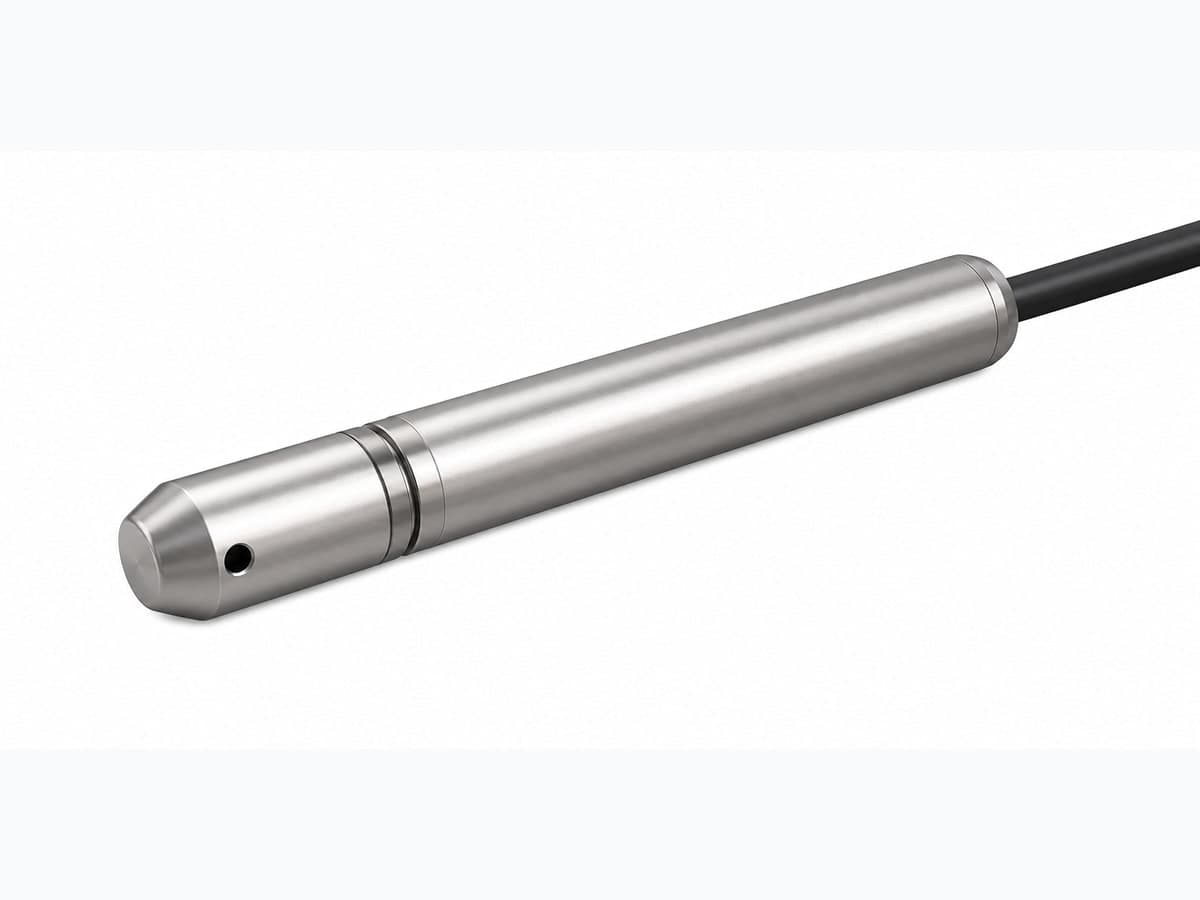
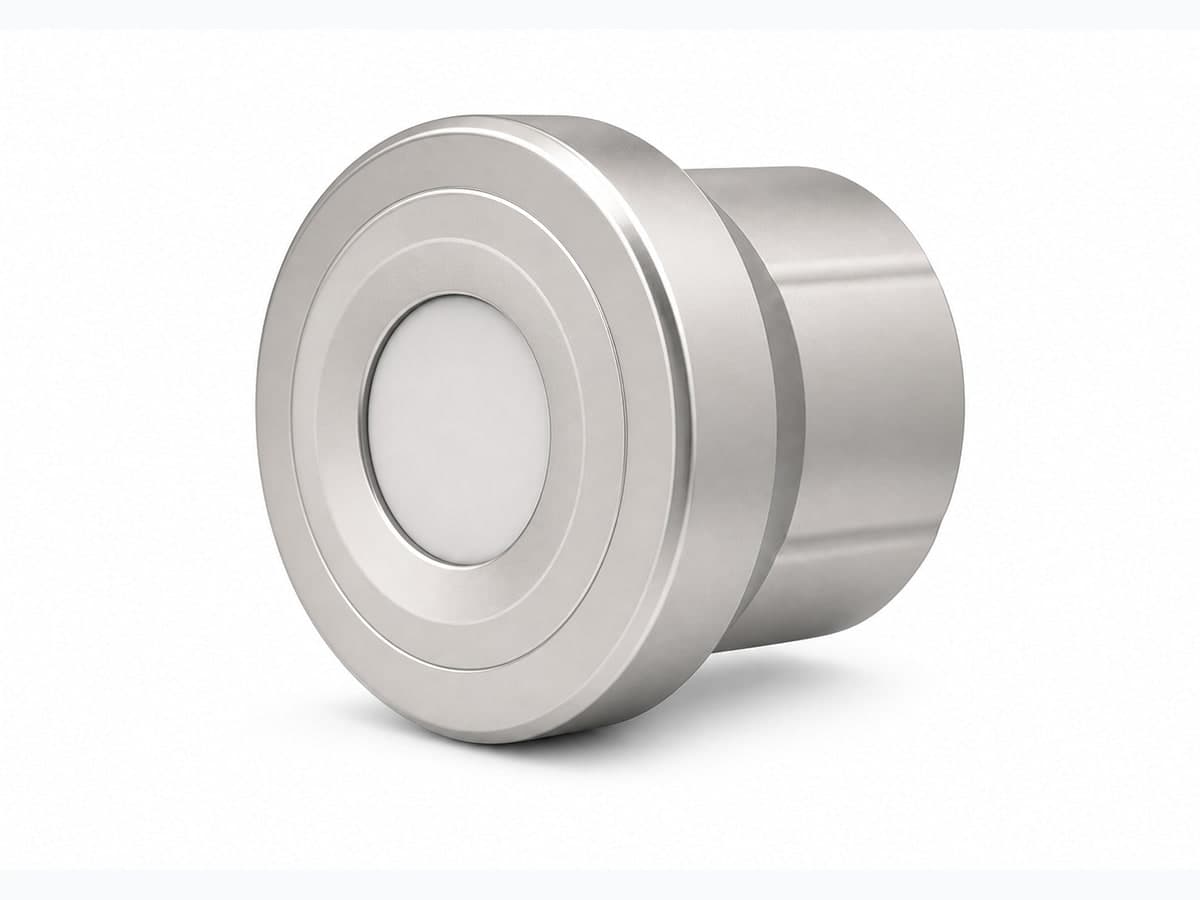
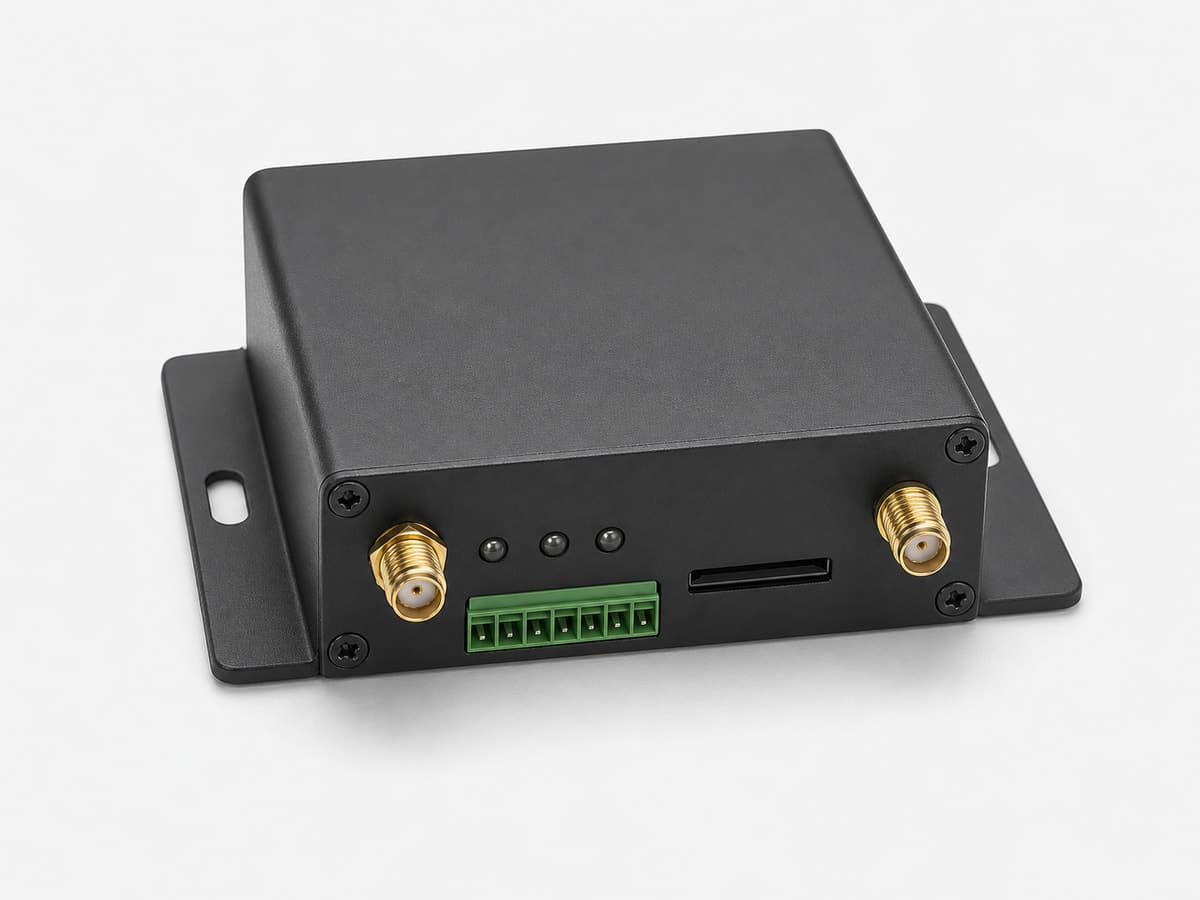
Equipment selection, or help with the whole farm?
Send your country and a description of the equipment or problem. We can recommend a device, prepare a kit or plan the farm equipment and integration. Add technical details when available.
Compare ways to work with SunGene →Problem to solve
Low water levels can damage pumps, interrupt supply and trigger emergency deliveries. A dedicated alert path helps operators react before the site runs dry.
Measurements that matter
- Low level threshold
- Level trend
- Pump run state
- Battery and communication status
Suggested hardware configuration
- Level sensor with threshold mapping
- Remote IO for pump feedback
- Wireless or cellular gateway
- Alert routing to customer workflow
Equipment in the system
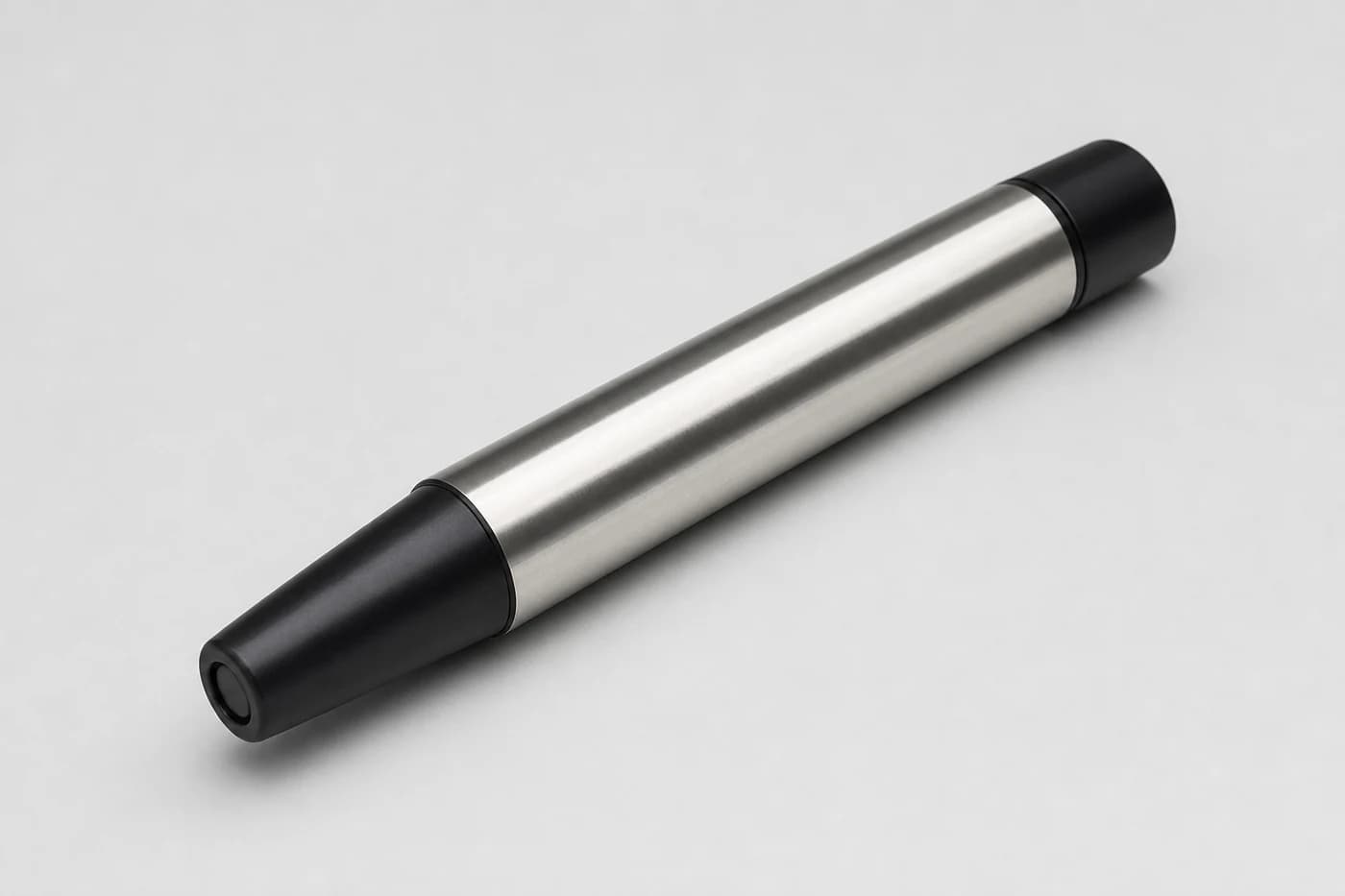
Example equipment arrangement. Check compatibility and agree who handles software, PLC/SCADA programming and site installation.
Data destination
Customer platform or an agreed third-party service
Information needed before quotation
- Minimum safe level
- Tank geometry
- Pump protection requirement
- Alarm recipients and escalation flow
Recommended next steps
- Review water tank monitoring
- Check pump station monitoring
- Decide wired or wireless sensor path
Related pages
FAQ
What does SunGene need before quoting Low Water Level Alert?
For a quotation, send these details: Minimum safe level; Tank geometry; Pump protection requirement; Alarm recipients and escalation flow. We use them to select sensors, gateways, power and the data connection.
Which level matters for a low-water warning?
Start with the lowest usable water level and the pump intake position. Set a warning above the point that requires intervention, then check the level reading against the local gauge during commissioning.
Can one reading distinguish low water from a failed sensor?
Check the reading together with its timestamp, sensor status and communication status. An old or missing value should be reported separately from a confirmed low-water event.
What should I check before selecting equipment?
Record these site details: Low level threshold; Level trend; Pump run state. Check the sensor output, receiving input, power supply and installation conditions together. Confirm any required approvals for the exact model and destination.